Related News
- 00
0000-00
Smart Port Systems in Southeast Asia: Investment Priorities and Adoption Barriers - 00
0000-00
Middle East Port Automation: Key Market Drivers, Projects, and Investment Risks - 00
0000-00
How Coastal Cities Can Prioritize Blue Economy Projects for Jobs and Ecosystem Gains - 00
0000-00
How Harbor Construction Solutions Address Wave Loads, Scour, and Vessel Berthing - 00
0000-00
What Is Driving Maritime Infrastructure Growth in Southeast Asia?
How global trade intelligence reveals demand shifts early
Global trade intelligence helps researchers spot demand shifts before they appear in headline data. By tracking port equipment movements, automation adoption, dredging activity, and logistics node performance, PS-Nexus turns complex maritime signals into actionable insight. This article explores how early indicators across global port ecosystems reveal changing trade priorities, investment momentum, and emerging demand patterns with greater precision.
Why does global trade intelligence detect demand shifts earlier than conventional trade data?
Traditional trade statistics are useful, but they are usually published after the market has already moved. For information researchers, that delay can hide early procurement signals, project momentum, and regional capacity stress that matter for commercial judgment.
Global trade intelligence works differently. It reads operational evidence from ports, terminals, vessel flows, handling systems, and dredging programs before those signals are fully visible in customs summaries, annual investment reports, or macroeconomic commentary.
At PS-Nexus, this approach is especially valuable because maritime demand is shaped by interconnected assets. A rise in quay crane retrofits, AGV routing upgrades, bulk handling expansion, or channel deepening often reflects structural demand changes long before the broader market names the trend.
- Port equipment orders can indicate cargo mix changes before trade volumes are officially revised.
- Automation deployment can reveal labor, throughput, and land-use pressures at major logistics hubs.
- Dredging activity can signal larger vessel accommodation, industrial corridor upgrades, or new export priorities.
- Terminal software and control investments can indicate confidence in long-cycle traffic growth.
In practical terms, global trade intelligence gives researchers a lead time advantage. Instead of reacting to confirmed market shifts, they can identify demand formation while budgets, infrastructure plans, and equipment requirements are still taking shape.
Which early indicators matter most across the port ecosystem?
Not every data point carries equal forecasting value. Researchers need indicators that are operationally grounded, commercially relevant, and repeatable across regions. PS-Nexus focuses on signals linked to the five pillars of maritime trade infrastructure.
1. Heavy terminal gear movement
When ports begin replacing, upgrading, or repositioning mega terminal gear, it often reflects expected changes in vessel calls, berth productivity targets, or cargo density. Such decisions are usually tied to long-horizon planning rather than short-term noise.
2. Bulk handling machinery demand
Bulk systems reveal shifts in energy, mining, grain, and industrial material flows. If conveyor systems, stacker-reclaimers, or unloading solutions gain traction in a region, researchers can infer changes in import dependency, export capacity, or processing investment.
3. Specialized container handling utilization
Yard congestion, container dwell time pressure, and transfer inefficiency often drive new handling solutions. These signals matter because they highlight where infrastructure is struggling to keep up with cargo complexity, not just cargo volume.
4. Automation and control system adoption
Remote crane operation, AGV path planning, digital twins, and low-latency communications are not simply technical upgrades. They are evidence that terminal operators are redesigning labor models, asset scheduling, and throughput economics around future trade expectations.
5. Dredging and channel engineering activity
Dredging programs often precede major changes in vessel size accommodation, hinterland integration, and coastal industrial expansion. For researchers, this is one of the clearest ways to see where governments and operators are preparing for a new trade reality.
The table below shows how different operational indicators support earlier demand detection through global trade intelligence.
These indicators are especially powerful when tracked together. A single signal may reflect maintenance or local policy. A cluster of signals across equipment, software, and engineering usually points to real demand reconfiguration.
How PS-Nexus turns fragmented maritime signals into research-grade insight
A major challenge for information researchers is not access to data alone. The harder task is translating scattered operational clues into a coherent demand narrative. This is where PS-Nexus adds value beyond generic market monitoring.
Its Strategic Intelligence Center integrates expertise from harbor structure engineering, logic architecture, and marine geotechnics. That combination matters because demand shifts in maritime logistics are physical, digital, and geopolitical at the same time.
Signal stitching across five maritime pillars
PS-Nexus follows heavy terminal gear, bulk handling machinery, specialized container handling, automation control systems, and dredging engineering as an interconnected framework. This allows researchers to see whether a trend is isolated or structural.
Technical depth, not headline repetition
Instead of repeating general shipping news, the platform examines low-latency control protocols, remote crane logic, AGV path planning, and pump monitoring behavior. Those technical details often reveal whether investment intent is tactical, transitional, or strategic.
Commercial interpretation for long-cycle decisions
In long-cycle port infrastructure trade, demand rarely changes overnight. What changes first is project sequencing, operational bottlenecks, and equipment readiness. PS-Nexus helps researchers connect those early signs to distributor strategy, sourcing priorities, and brand positioning.
- Capture high-frequency operational changes at key logistics nodes.
- Map those changes against terminal function, cargo type, and engineering capacity.
- Interpret whether the signal suggests maintenance demand, capacity expansion, or full-system modernization.
- Translate findings into procurement timing, market entry judgment, or partnership planning.
What scenarios make global trade intelligence most valuable for researchers?
The value of global trade intelligence becomes clearer when tied to actual research tasks. Different users may ask different questions, but most of them need to judge whether demand is temporary, regional, or investable.
The scenario comparison below helps information researchers decide where this intelligence delivers the strongest advantage.
For researchers working under tight deadlines, this scenario-based method is more actionable than broad commentary. It connects data to a concrete decision: enter, wait, compare, or investigate further.
How should researchers judge signal quality before acting on it?
One common mistake is treating every increase in infrastructure activity as proof of rising demand. Another is focusing on shipping rates alone. Reliable global trade intelligence depends on signal quality, not just signal volume.
Use a layered validation approach
- Check whether the signal appears across multiple sources, such as equipment movement, terminal planning, and logistics node performance.
- Separate replacement demand from expansion demand. A retrofit may improve uptime without increasing total cargo throughput.
- Review whether the local hinterland, industrial base, or trade corridor can support the apparent infrastructure push.
- Watch timing. Signals tied to budget approval, engineering mobilization, and digital system integration often carry more weight than isolated announcements.
Compare short-cycle and long-cycle signals
Short-cycle signals include vessel delays, spot congestion, or temporary rate spikes. Long-cycle signals include automation investment, channel deepening, and major equipment replacement. The strongest demand forecasts usually combine both.
PS-Nexus is useful here because it does not isolate mechanical systems from digital systems. A terminal buying equipment without modern control architecture may simply be catching up. A terminal upgrading both often signals a more durable strategic shift.
Procurement and market selection: what should decision-makers watch first?
Researchers are often asked to support procurement teams, distributors, or strategic planners. In those cases, global trade intelligence must translate into clear selection logic, not just observation.
The following checklist can help connect demand signals with procurement judgment in maritime logistics and port equipment markets.
- Confirm whether the demand driver is throughput growth, labor efficiency, compliance pressure, or vessel upsizing.
- Assess whether the opportunity requires heavy mechanical supply, automation software compatibility, or dredging-related engineering support.
- Estimate project maturity by looking for design activity, budget visibility, or phased deployment patterns.
- Review interoperability risks, especially where AGVs, crane systems, sensors, and control platforms must integrate.
- Consider compliance and operational standards relevant to safety, emissions, electrical systems, and maritime construction practice.
In markets with long lead times, early intelligence can improve pricing strategy and solution design. It also helps avoid entering too late, when specifications are already fixed and competition shifts to price alone.
Common misconceptions about global trade intelligence
“Shipping rates tell the full story”
Rates reflect pressure and imbalance, but they do not fully explain infrastructure response. Equipment orders, dredging mobilization, and yard automation decisions often show how operators plan to solve persistent bottlenecks.
“Port automation means immediate demand everywhere”
Not necessarily. Some ports automate selectively because of labor constraints or land scarcity. Others remain focused on mechanical reliability and channel access. Researchers need to judge local fit, not assume a universal upgrade path.
“Dredging is only an engineering issue”
Dredging is also a market signal. It can indicate larger vessel strategy, export corridor expansion, industrial clustering, or national trade ambition. Ignoring it can mean missing one of the earliest signs of future demand concentration.
FAQ: practical questions researchers often ask
How can global trade intelligence help before official market reports are released?
It highlights upstream operational changes such as berth upgrades, equipment modernization, yard automation, and dredging works. These often appear months earlier than aggregate statistics, giving researchers a better window for scenario analysis.
Which sectors benefit most from this type of intelligence?
It is highly relevant for port equipment suppliers, distributors, automation solution providers, dredging-linked engineering firms, commodity logistics analysts, and market researchers tracking infrastructure-led trade demand.
What is the biggest risk when interpreting early demand signals?
Overreading isolated events. A single equipment order or temporary congestion event may not indicate a structural shift. Researchers should look for consistency across technical upgrades, project sequencing, and regional logistics behavior.
How does PS-Nexus differ from general shipping news platforms?
PS-Nexus combines sector news with engineering, automation, and commercial interpretation across heavy terminal gear, container handling, bulk systems, and dredging engineering. That layered perspective makes global trade intelligence more useful for decision support.
Why researchers and industry teams choose PS-Nexus for early demand visibility
When markets move through infrastructure, algorithms, and logistics nodes at the same time, fragmented observation is not enough. Researchers need a framework that explains why a signal matters, how durable it may be, and what action it supports.
PS-Nexus delivers that framework through integrated global trade intelligence focused on heavy terminal gear, automated container handling, bulk transfer systems, and marine dredging engineering. This helps users move from raw signal collection to commercial interpretation with less uncertainty.
If you are assessing demand shifts, preparing a market entry study, or supporting procurement timing, you can consult PS-Nexus for specific topics such as parameter confirmation, equipment category selection, delivery cycle expectations, automation upgrade pathways, dredging-related project signals, compliance considerations, and quote-oriented opportunity screening.
For teams that need sharper visibility into maritime logistics and coastal economic change, this is where early signals become usable decisions.
Related News
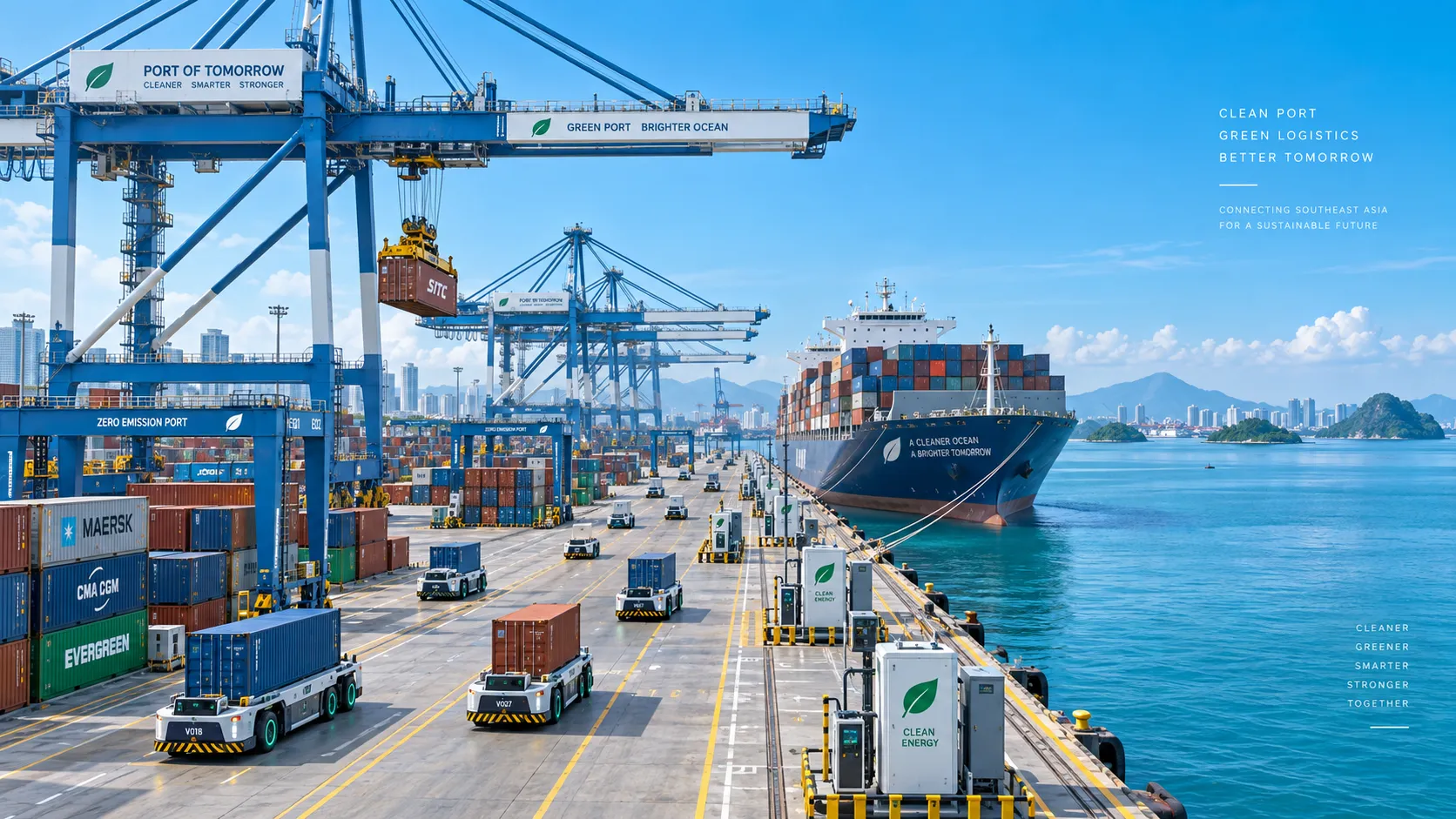
Smart Port Systems in Southeast Asia: Investment Priorities and Adoption Barriers
Smart port systems Southeast Asia: discover investment priorities, adoption barriers, and practical steps to build resilient, connected, high-performing terminals.
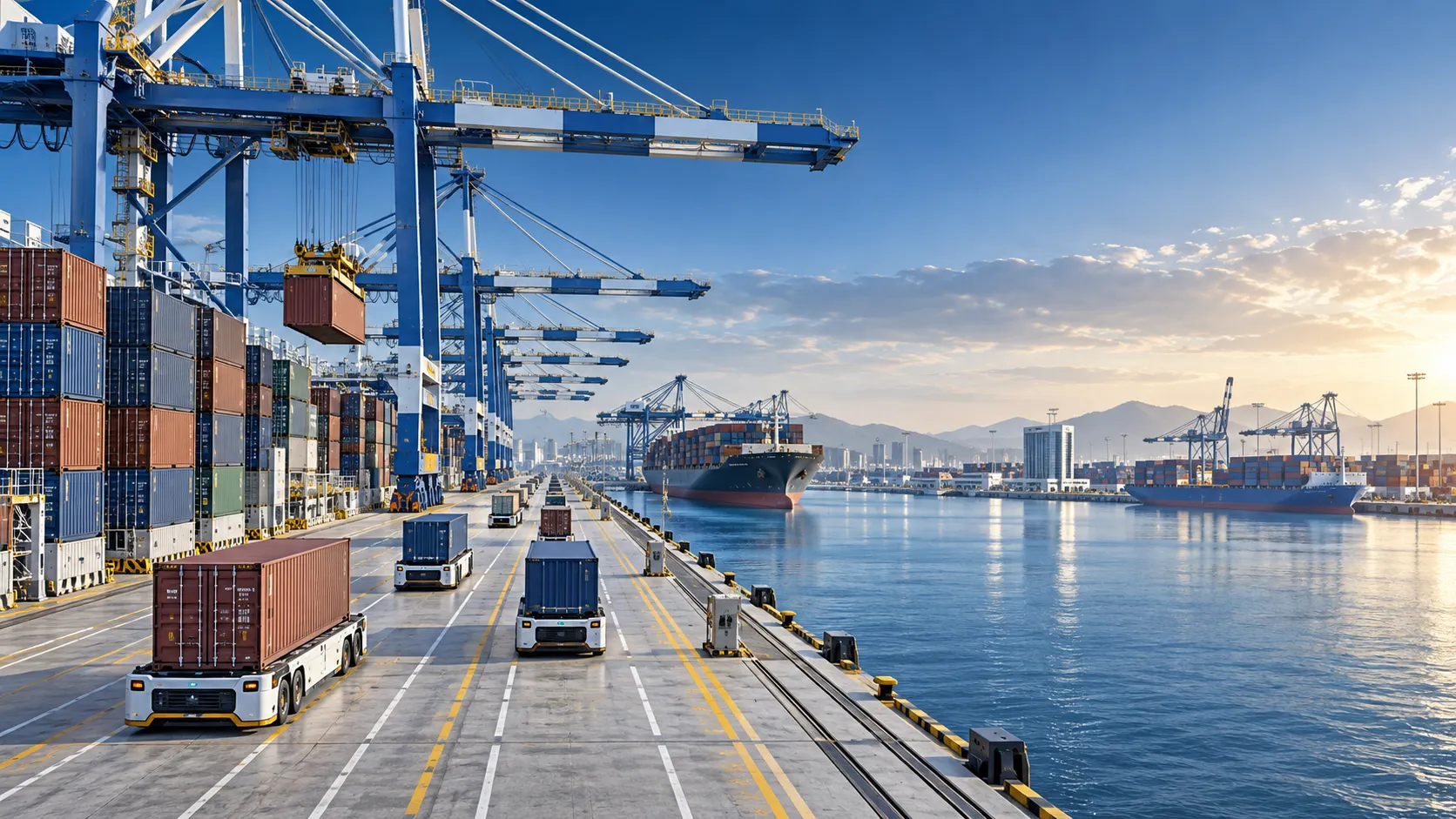
How to Evaluate Terminal Efficiency Solution Suppliers for High-Throughput Operations
Choose a terminal efficiency solutions supplier with confidence. Explore proven criteria for throughput, integration, lifecycle cost, safety, and reliable delivery.
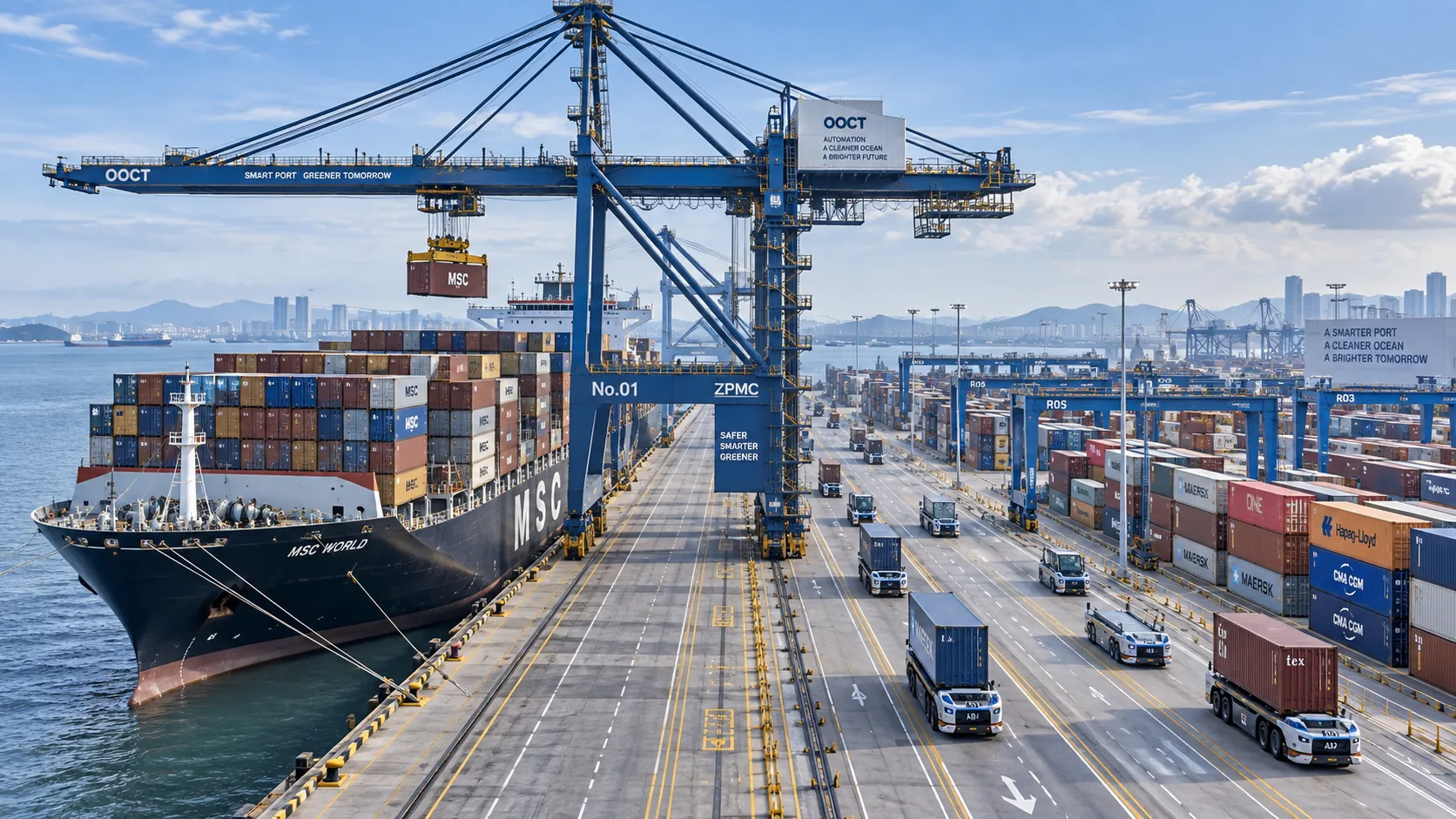
How to Specify a Quay Crane for Container Terminals by Vessel Size and Throughput?
Quay crane for container terminals: learn how to match outreach, lift height, capacity, automation, and cycle performance to vessel size and throughput goals.
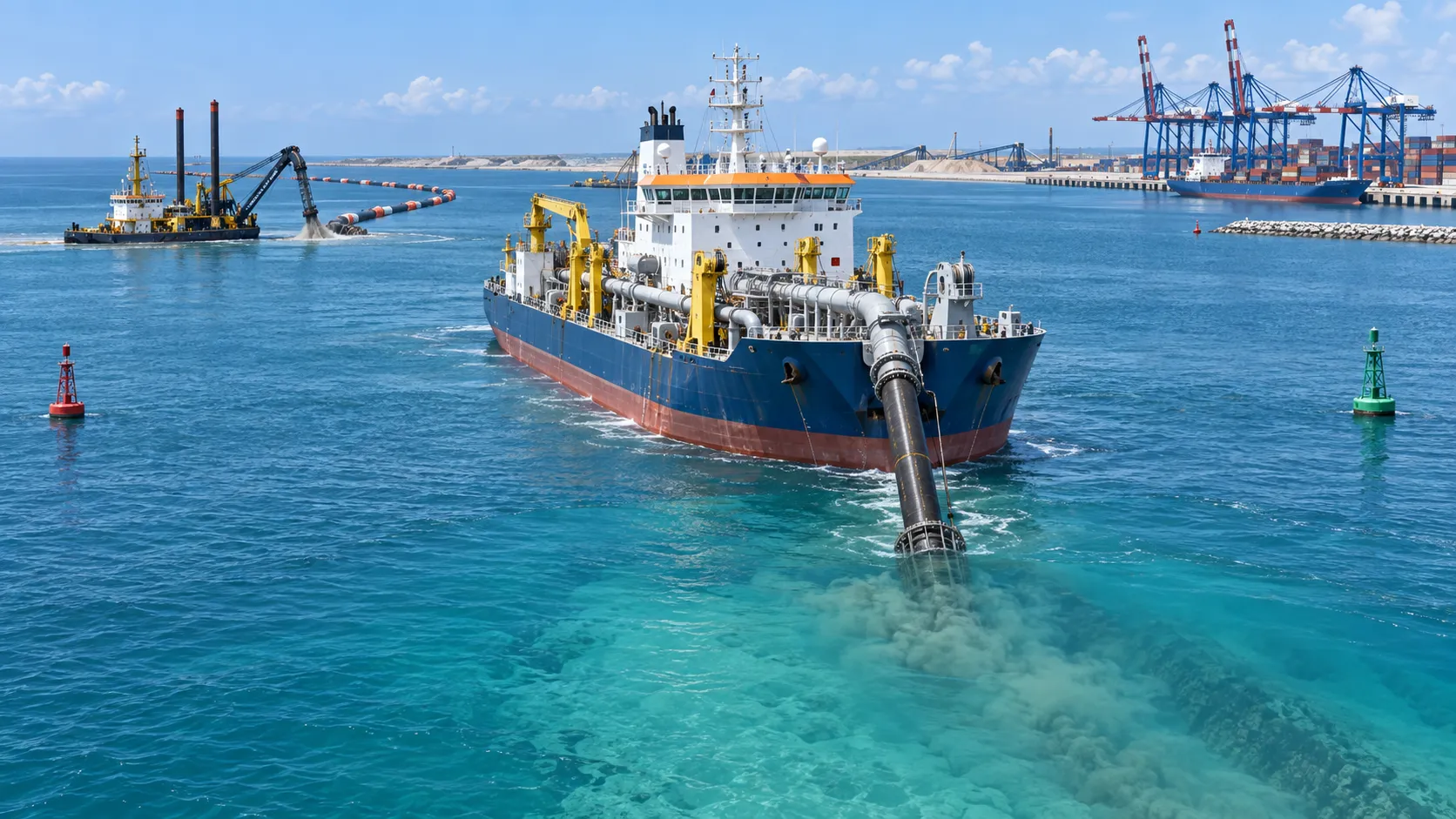
What Dredging Equipment Is Needed for Channel Deepening?
What dredging equipment is needed for channel deepening? Explore dredgers, pipelines, survey tools, and planning strategies for safer, more efficient port access.
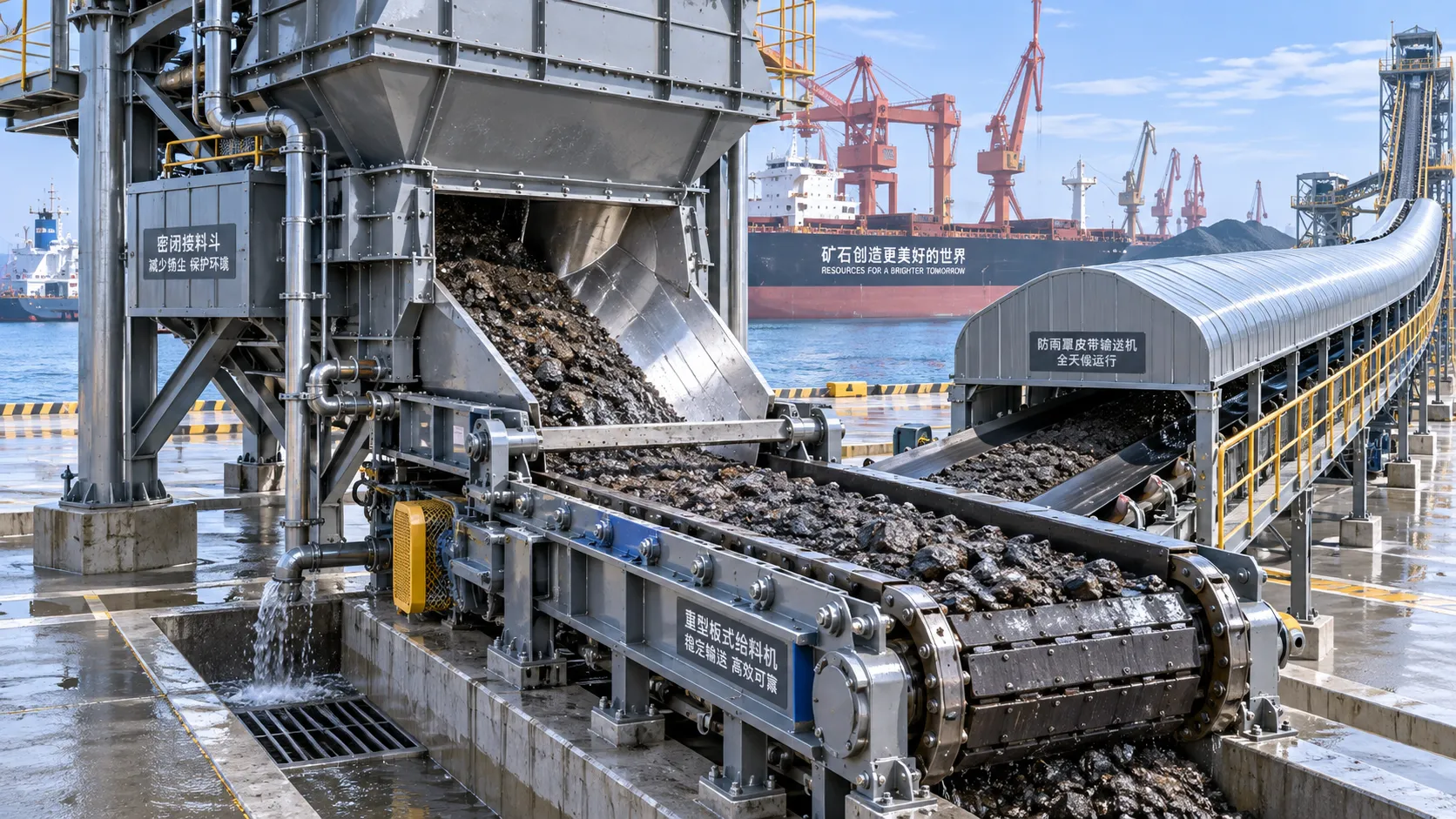
Which Bulk Handling Equipment Suits High-Moisture Cargo?
Which bulk handling equipment suits high-moisture cargo? Compare belt, apron, screw, drag, and slurry systems for reliable flow, less carryback, and higher terminal uptime.
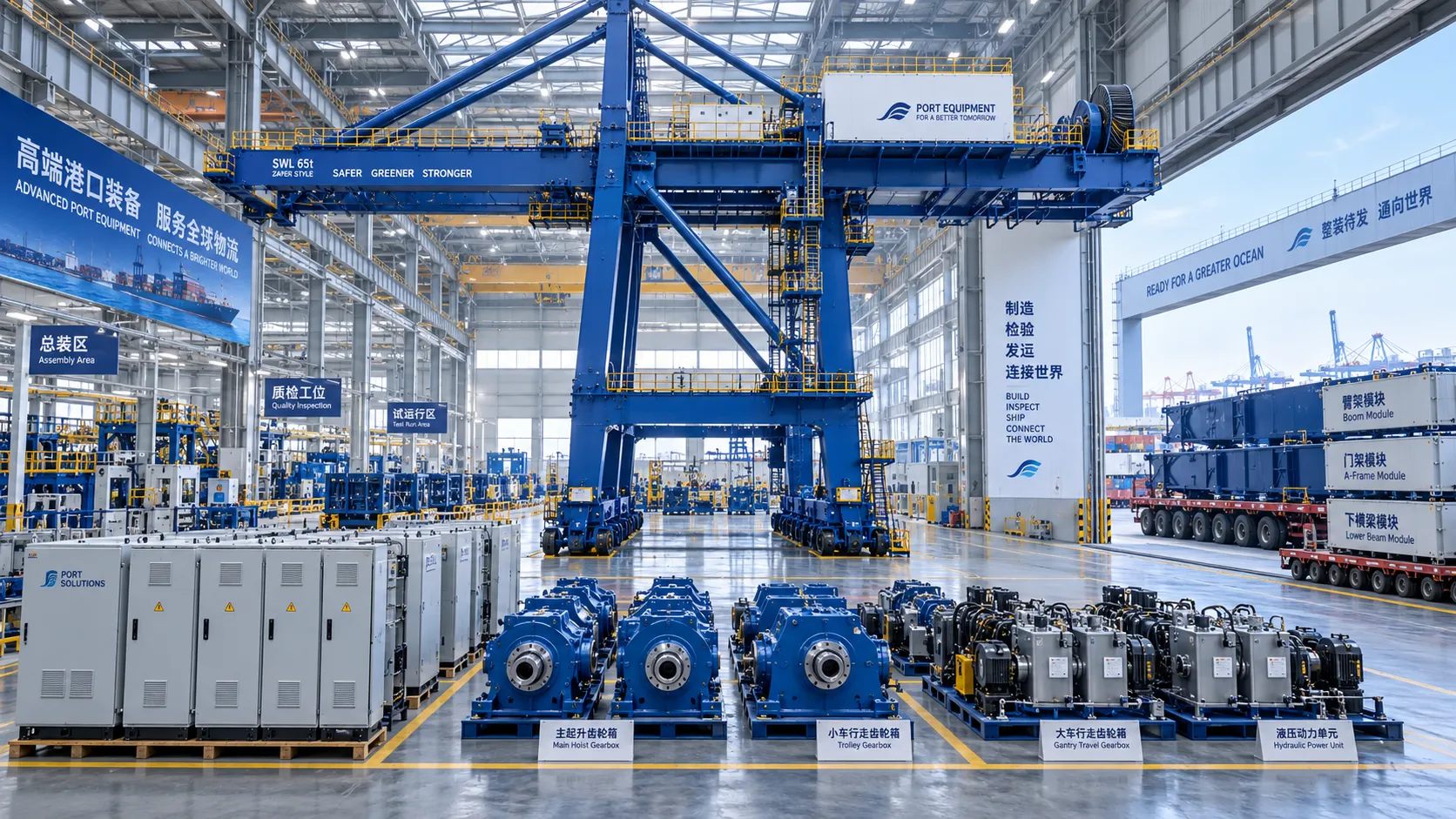
How Can Port Equipment Lead-Time Risk Be Managed?
How can port equipment lead-time risk be managed? Explore practical strategies to control critical paths, suppliers, transport, site readiness, and commissioning delays.
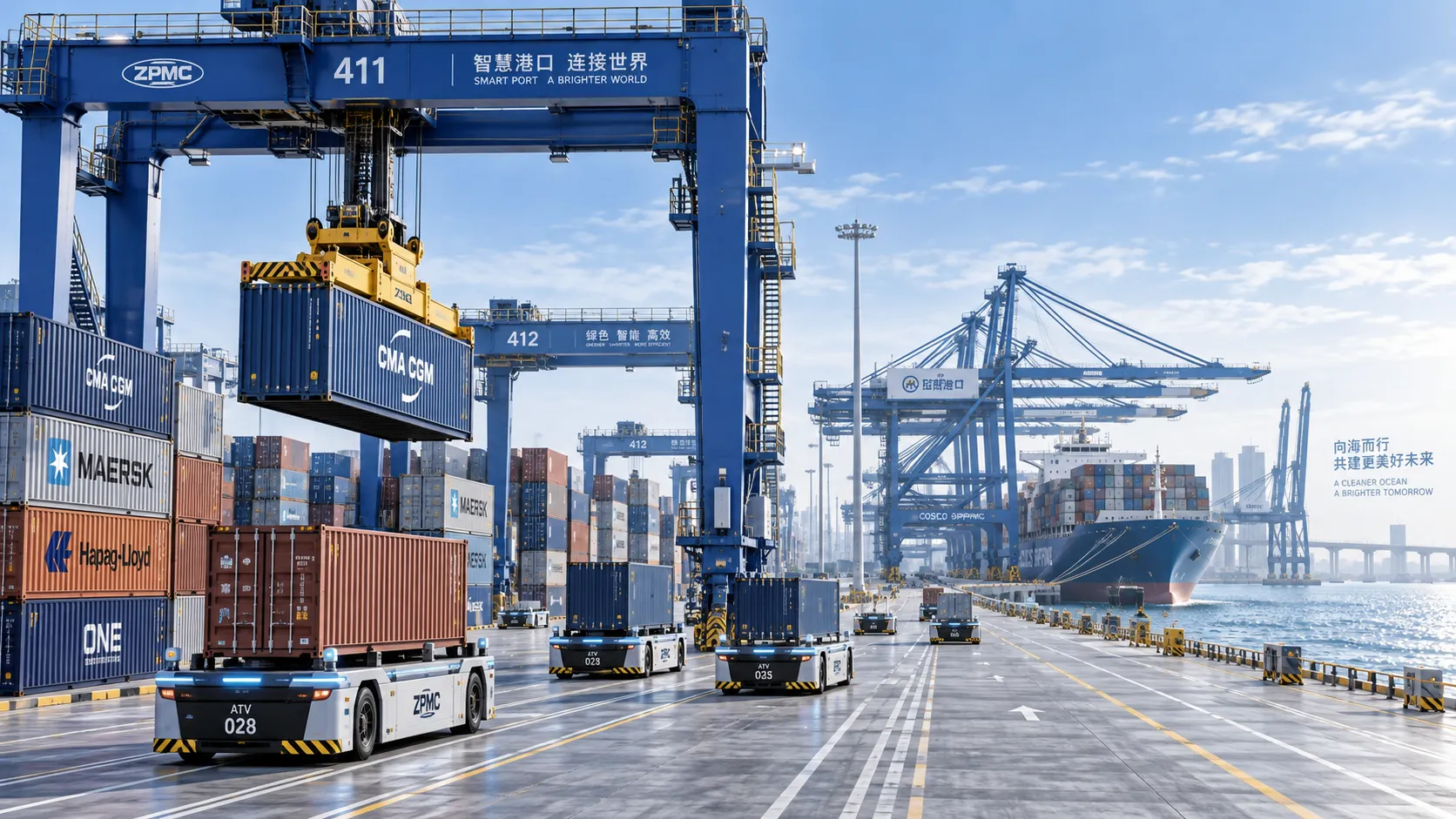
Terminal Automation Technologies That Raise Container Throughput Without Yard Disruption
Terminal automation technology that increases container throughput without disrupting yard flow. Explore smarter integration, resilient workflows, and phased deployment strategies.
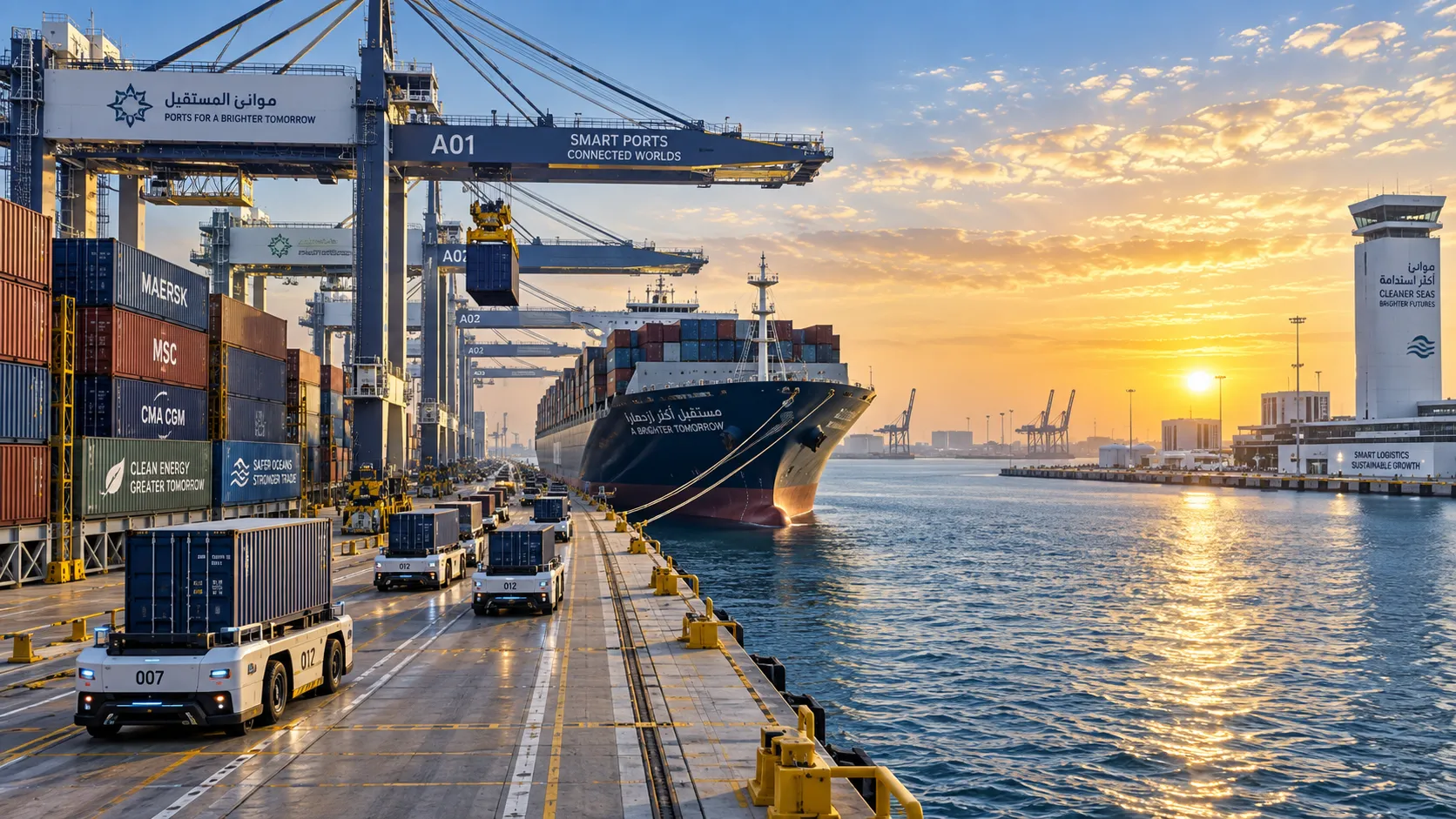
Middle East Port Automation: Key Market Drivers, Projects, and Investment Risks
Port automation systems Middle East: explore market drivers, flagship projects, integration challenges, and investment risks shaping smarter, resilient terminals.
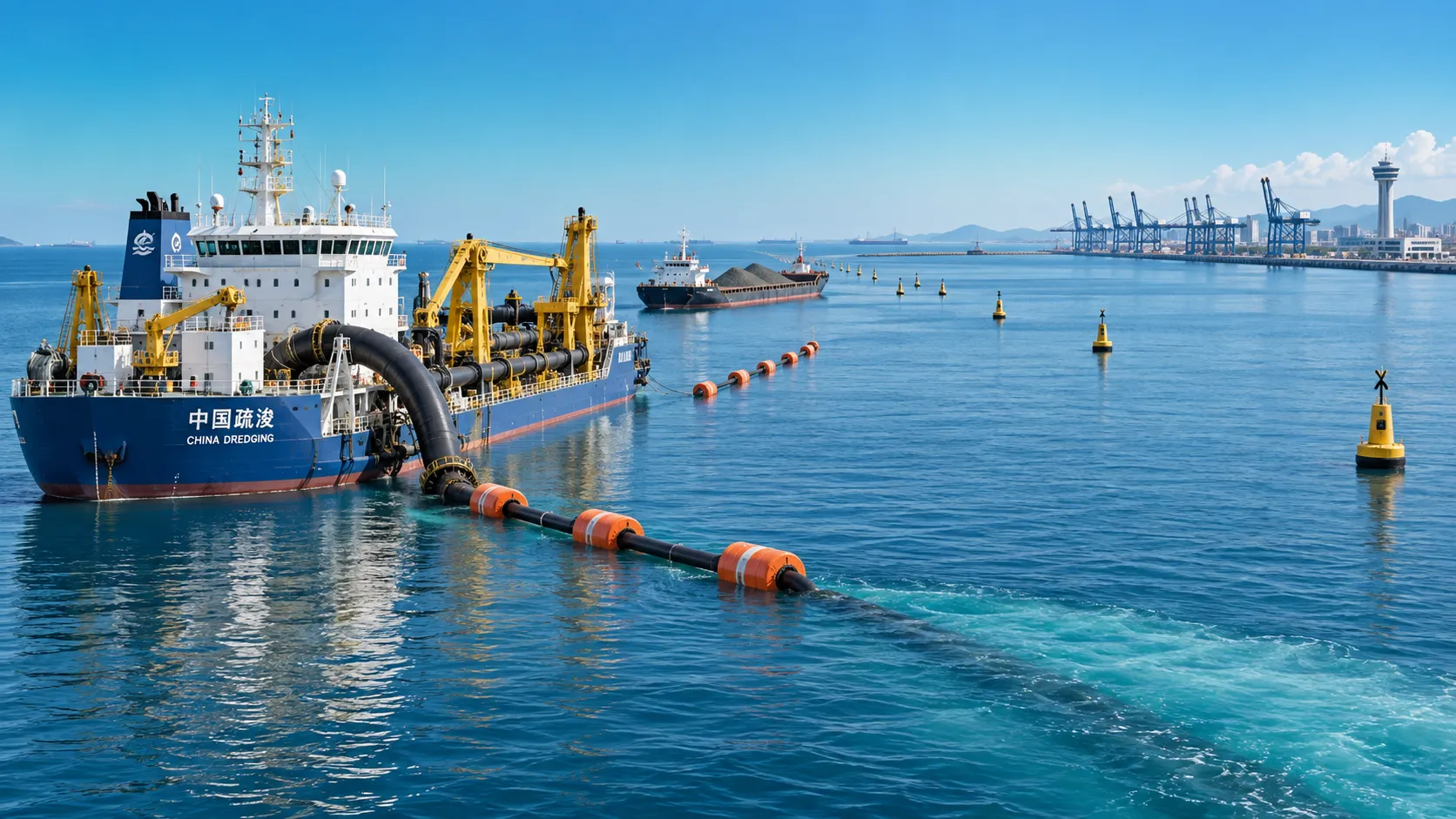
Planning Offshore Dredging Operations: Key Risks, Methods, and Project Controls
Offshore dredging operations demand smart planning. Explore key risks, proven methods, environmental controls, and project strategies for reliable delivery.