Related News
- 00
0000-00
Smart Port Systems in Southeast Asia: Investment Priorities and Adoption Barriers - 00
0000-00
Middle East Port Automation: Key Market Drivers, Projects, and Investment Risks - 00
0000-00
How Coastal Cities Can Prioritize Blue Economy Projects for Jobs and Ecosystem Gains - 00
0000-00
How Harbor Construction Solutions Address Wave Loads, Scour, and Vessel Berthing - 00
0000-00
What Is Driving Maritime Infrastructure Growth in Southeast Asia?
Which evolutionary trends are reshaping port investment?
Which evolutionary trends are redefining where capital flows in modern ports? For enterprise decision-makers, today’s port investment landscape is being reshaped by automation, low-carbon operations, digital control systems, dredging capacity, and supply chain resilience. Understanding these evolutionary trends is essential for identifying high-value assets, reducing long-cycle risk, and aligning infrastructure strategies with the future of global maritime trade.
Why are evolutionary trends changing port investment priorities?
Port investment is no longer guided only by berth length, crane count, or annual tonnage. The most important evolutionary trends now connect asset productivity, digital visibility, energy transition, and geopolitical adaptability into one capital allocation framework.
For decision-makers, this shift creates a harder question: should capital go first into terminal gear, automation software, dredging depth, yard redesign, or carbon-reduction systems? The answer depends on traffic mix, vessel profile, labor structure, and trade corridor risk.
PS-Nexus follows this market from the intersection of heavy equipment, algorithmic scheduling, and coastal economics. That perspective matters because a port upgrade rarely succeeds when equipment planning, control architecture, and channel engineering are assessed in isolation.
- Capital is moving toward assets that raise throughput per hectare, not just assets that expand footprint.
- Investment committees increasingly prioritize resilience against labor shortage, shipping volatility, and draft constraints.
- Operators want integrated systems that link cranes, AGVs, yard planning, pump monitoring, and maintenance intelligence.
The strategic shift from static infrastructure to adaptive infrastructure
Traditional port projects were often built around fixed capacity assumptions. Today, evolutionary trends favor adaptive infrastructure: modular automation, scalable electrification, digital twins, and dredging programs aligned with next-generation vessel calls.
This means the strongest investment cases often come from projects that improve operational flexibility across multiple cargo scenarios rather than those optimized for a single traffic forecast.
Which evolutionary trends matter most for enterprise decision-makers?
The following table summarizes the evolutionary trends with the highest influence on modern port investment decisions. It is especially useful for boards evaluating long-cycle assets, phased modernization plans, and technology partnerships.
The key lesson is clear: the most influential evolutionary trends do not act separately. Ports that treat electrification, automation, and dredging as a linked investment stack usually gain a stronger return profile than ports funding each issue as an isolated engineering task.
Automation is no longer optional in high-volume trade lanes
Remote-controlled quay cranes, automated stacking, and intelligent vehicle dispatch are no longer experimental choices reserved for flagship terminals. They are becoming baseline requirements where labor variability, vessel peaks, and turnaround commitments create planning pressure.
PS-Nexus closely tracks low-latency communication protocols for remote crane control and path-planning algorithms for AGVs because these technical layers now influence investment quality as much as the steel structure itself.
Dredging capacity is becoming a strategic asset again
Many port investors focus on the visible terminal side and underestimate water-side constraints. Yet evolutionary trends in vessel upsizing and route concentration mean insufficient channel depth or inconsistent maintenance dredging can erase the value of expensive yard and berth upgrades.
That is why dredging engineering equipment, digital pump monitoring, and marine geotechnical intelligence deserve board-level attention in capital planning.
How should investors compare port upgrade pathways?
Not every port should invest in the same order. The comparison below helps decision-makers evaluate which pathway best matches cargo structure, land constraints, and operational bottlenecks shaped by current evolutionary trends.
This comparison shows why port investment cannot be reduced to a simple procurement exercise. The best pathway depends on where value leakage is occurring: berth moves, yard handoffs, energy consumption, vessel access, or control-system latency.
A practical screening method for boards and investment teams
- Map the current bottleneck in measurable terms such as crane moves per hour, truck turn time, channel availability, or dwell time.
- Test whether the bottleneck is mechanical, digital, marine, or organizational before approving large equipment packages.
- Prioritize projects that unlock multiple gains, for example automation that also improves energy management and labor continuity.
- Use phased deployment where possible to preserve flexibility under uncertain trade demand.
What technical indicators should shape procurement decisions?
Enterprise buyers often face a familiar problem: vendor proposals emphasize hardware capacity while underexplaining interoperability, control logic, or lifecycle service burden. In a market driven by evolutionary trends, technical due diligence must go deeper.
Key indicators beyond nameplate capacity
- Control-system compatibility with terminal operating systems, remote operations platforms, and future automation modules.
- Communication latency tolerance for remote cranes, AGV orchestration, and live yard coordination.
- Energy profile under peak load, idle load, and regenerative braking conditions for electrified handling systems.
- Maintainability metrics including access to critical components, remote diagnostics, spare parts path, and software support continuity.
- Marine equipment monitoring depth, especially for pumps, dredging wear parts, and sediment-related operating stress.
PS-Nexus is valuable here because procurement quality in port infrastructure depends on reading the hidden interaction between equipment physics and operational algorithms. A crane can be technically impressive and still underperform if dispatch logic, latency, and yard synchronization are poorly aligned.
Common procurement mistakes under current evolutionary trends
One mistake is buying automation-ready equipment without a realistic migration path to full software integration. Another is funding green upgrades without checking whether grid capacity, charging windows, and maintenance routines can support the new operating model.
A third mistake is treating dredging as a periodic maintenance cost rather than a strategic throughput enabler. In ports serving larger vessels or volatile sediment zones, marine access can determine the value of every downstream investment.
How do cost, risk, and resilience interact in port capital planning?
Cost discipline is still critical, but the cheapest project on paper may carry the highest long-term exposure. Modern evolutionary trends force decision-makers to evaluate not only capex, but also flexibility, integration cost, downtime risk, and adaptation cost over the asset life.
For example, a lower-cost crane package may appear attractive until software retrofits, training, latency issues, and spare-part complexity begin to erode utilization. The same logic applies to dredging assets with weak monitoring capabilities or control systems that cannot scale.
Risk categories that deserve board-level review
- Integration risk: whether equipment, software, and marine systems can operate as one decision environment.
- Obsolescence risk: whether the selected platform can absorb future automation and emissions requirements.
- Throughput risk: whether hidden constraints in yard, gate, or channel access will cap the expected return.
- Delivery risk: whether long manufacturing lead times, installation sequencing, and commissioning windows fit traffic commitments.
The strongest investment programs usually blend a short-term throughput fix with a long-term digital and energy roadmap. This balanced approach is increasingly favored because it protects operations while still aligning with larger evolutionary trends in maritime logistics.
What standards and compliance themes should not be overlooked?
While each jurisdiction differs, decision-makers should expect compliance to influence design, procurement, and commissioning. In practical terms, relevant considerations often include electrical safety, machinery directives, environmental impact controls, cyber governance, and marine works permitting.
For automated terminals, cybersecurity and remote-control reliability deserve the same seriousness as structural performance. For dredging works, sediment management, environmental monitoring, and navigational safety can affect schedule certainty as much as equipment availability.
- Confirm early which regional and project-specific standards apply to electrical systems, controls, emissions, and marine engineering.
- Check whether suppliers can document interface requirements for third-party systems and future upgrades.
- Review permitting timelines alongside equipment lead times to avoid commissioning delays.
FAQ: practical questions about evolutionary trends in port investment
How should a port choose between automation and equipment replacement first?
Start with the dominant bottleneck. If the terminal has structurally weak crane productivity or aging handling gear with frequent downtime, replacement may come first. If physical assets remain serviceable but labor volatility, dispatch inefficiency, and yard congestion are the real losses, automation can deliver faster strategic value.
Which evolutionary trends are most relevant for bulk and energy terminals?
Bulk and energy terminals are especially affected by trends in heavy machinery uptime, remote monitoring, environmental controls, and marine access reliability. Conveyor interfaces, stacker-reclaimer coordination, and dredging continuity often matter more than generic digital upgrades.
What is the most common mistake in low-carbon port investment?
The most common mistake is treating decarbonization as an equipment purchase rather than an operating-system redesign. Electrified fleets, charging infrastructure, power quality, duty cycles, and maintenance protocols must be evaluated together or the expected savings may not materialize.
How can investors reduce long-cycle risk in large port projects?
Use phased planning, require interface clarity across suppliers, stress-test demand assumptions, and model fallback operations before full automation or channel expansion goes live. Strong intelligence on trade nodes, vessel patterns, and equipment interoperability reduces the chance of locking capital into the wrong sequence.
Why decision-makers use PS-Nexus to interpret evolutionary trends
PS-Nexus is built for decision environments where mechanical scale, software logic, and coastal engineering must be read together. Its focus on mega port terminal gear, bulk handling machinery, specialized container handling, automation and control systems, and dredging engineering gives investors a more connected basis for judgment.
That matters when capital choices involve remote-controlled cranes, AGV path planning, digital pump monitoring, energy-transition priorities, or port modernization under uncertain trade flows. The value is not just in news coverage, but in linking technology signals to commercial timing and infrastructure relevance.
Contact us for port investment screening and solution guidance
If your team is evaluating how evolutionary trends should influence port investment, PS-Nexus can support a more informed decision path. You can consult us on equipment parameter confirmation, automation architecture direction, dredging-related capacity planning, delivery-cycle considerations, and practical upgrade sequencing.
We also help enterprise decision-makers compare solution routes for terminal gear, specialized container handling, control systems, and marine engineering priorities. Discussions can focus on procurement logic, integration risks, certification considerations, budget staging, or quotation alignment for long-cycle infrastructure programs.
When port strategy must connect throughput, resilience, and future-readiness, a fragmented information source is not enough. PS-Nexus provides the intelligence structure needed to turn evolutionary trends into actionable investment judgment.
- maritime logistics
- coastal economics
- mega port terminal
- bulk handling machinery
- specialized container handling
- control systems
- marine geotechnic
- evolutionary trends
- remote-controlled cranes
- path-planning algorithms
- AGVs
- digital pump monitoring
- port infrastructure
- full automation
- quay crane
- terminal operating systems
Related News
Smart Port Systems in Southeast Asia: Investment Priorities and Adoption Barriers
Smart port systems Southeast Asia: discover investment priorities, adoption barriers, and practical steps to build resilient, connected, high-performing terminals.
How to Evaluate Terminal Efficiency Solution Suppliers for High-Throughput Operations
Choose a terminal efficiency solutions supplier with confidence. Explore proven criteria for throughput, integration, lifecycle cost, safety, and reliable delivery.
How to Specify a Quay Crane for Container Terminals by Vessel Size and Throughput?
Quay crane for container terminals: learn how to match outreach, lift height, capacity, automation, and cycle performance to vessel size and throughput goals.
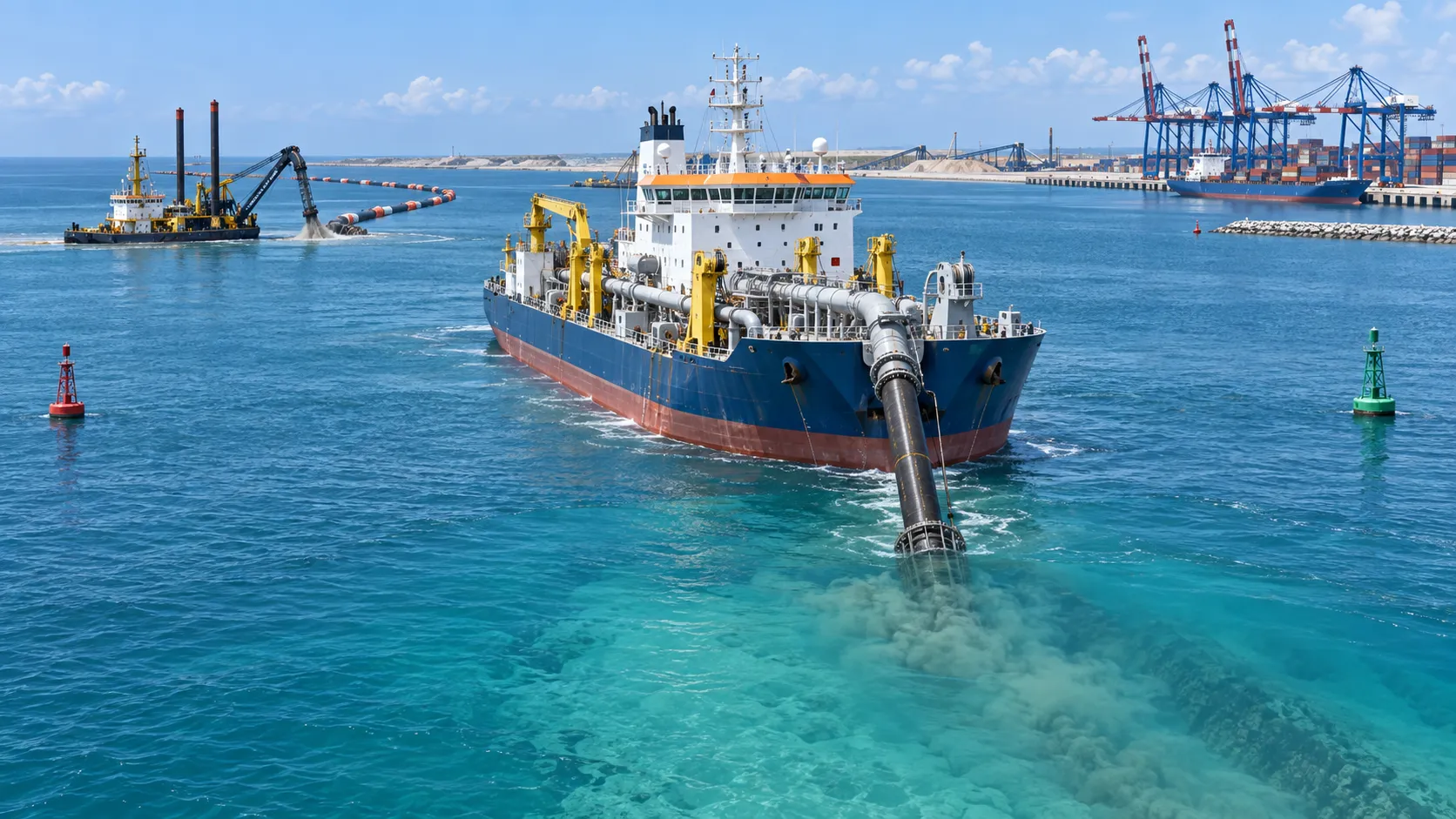
What Dredging Equipment Is Needed for Channel Deepening?
What dredging equipment is needed for channel deepening? Explore dredgers, pipelines, survey tools, and planning strategies for safer, more efficient port access.
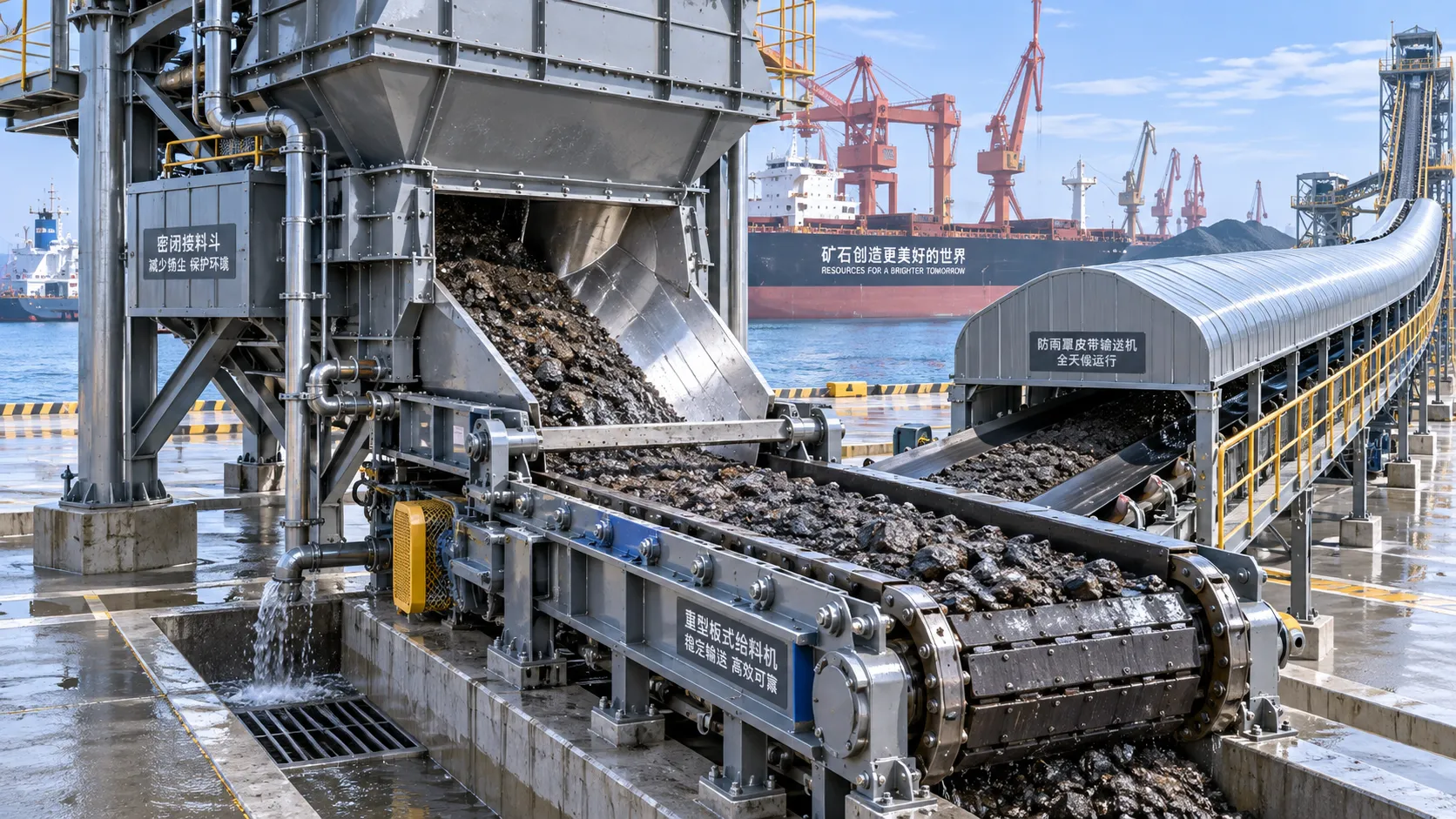
Which Bulk Handling Equipment Suits High-Moisture Cargo?
Which bulk handling equipment suits high-moisture cargo? Compare belt, apron, screw, drag, and slurry systems for reliable flow, less carryback, and higher terminal uptime.
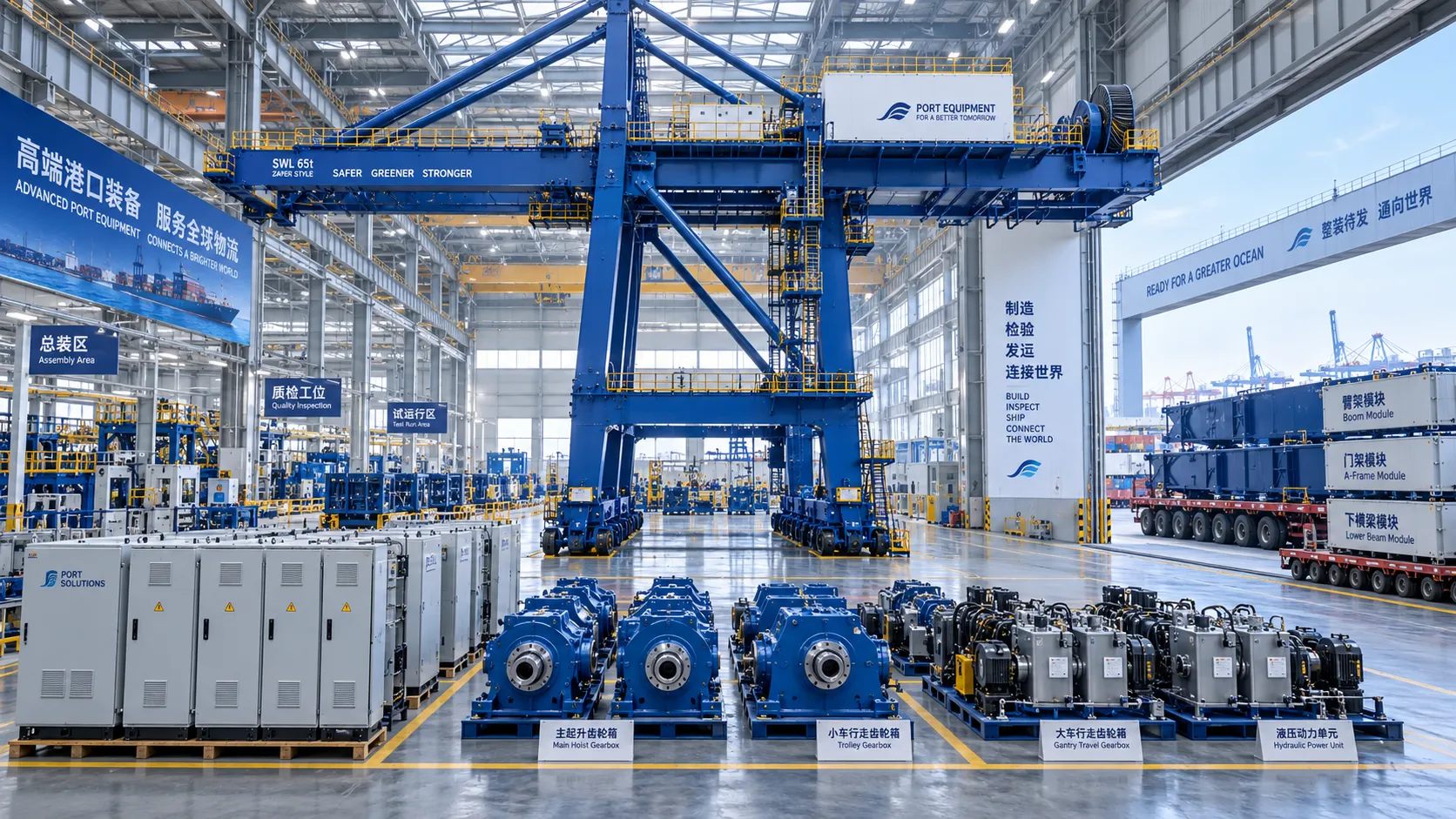
How Can Port Equipment Lead-Time Risk Be Managed?
How can port equipment lead-time risk be managed? Explore practical strategies to control critical paths, suppliers, transport, site readiness, and commissioning delays.
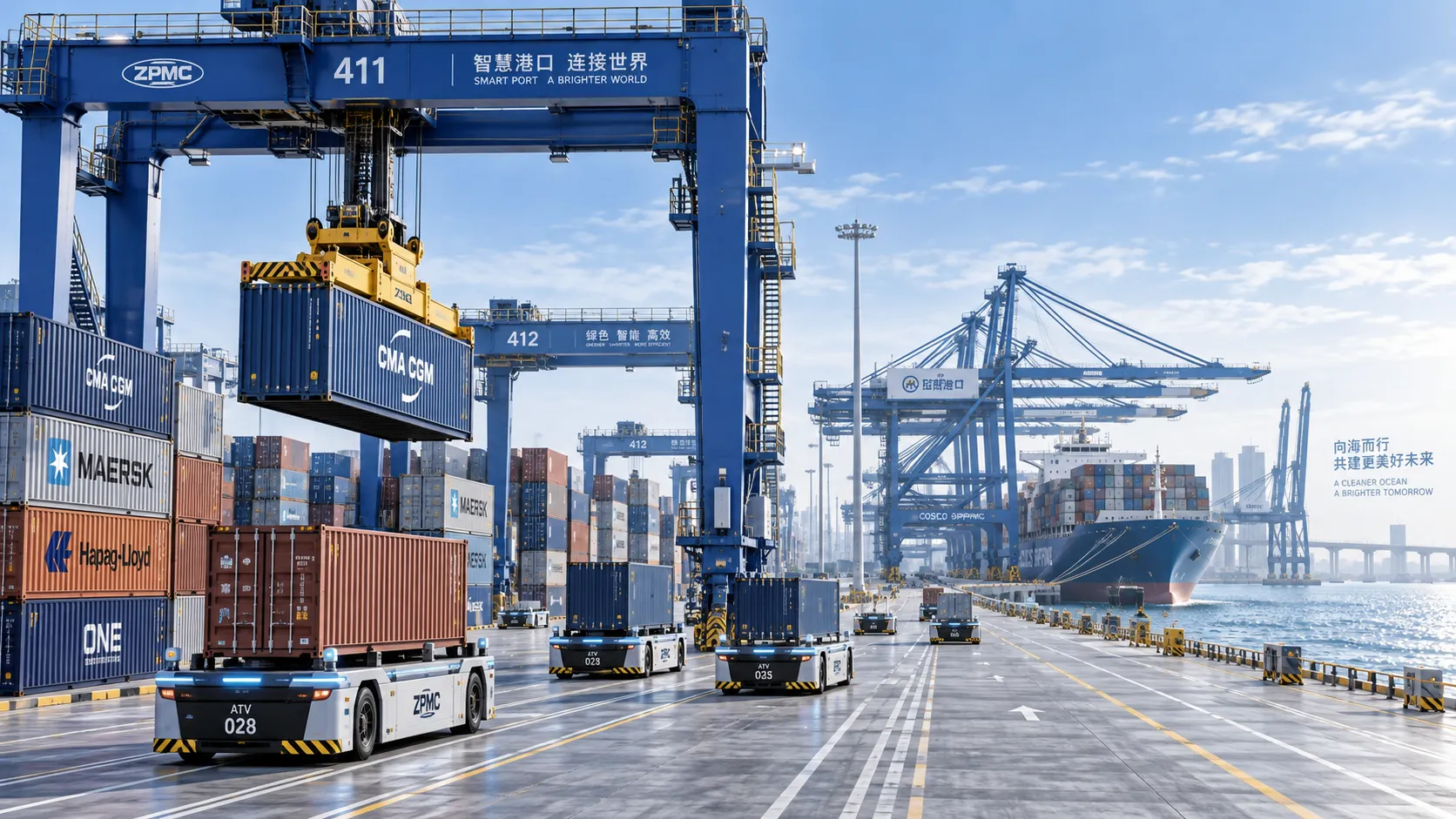
Terminal Automation Technologies That Raise Container Throughput Without Yard Disruption
Terminal automation technology that increases container throughput without disrupting yard flow. Explore smarter integration, resilient workflows, and phased deployment strategies.
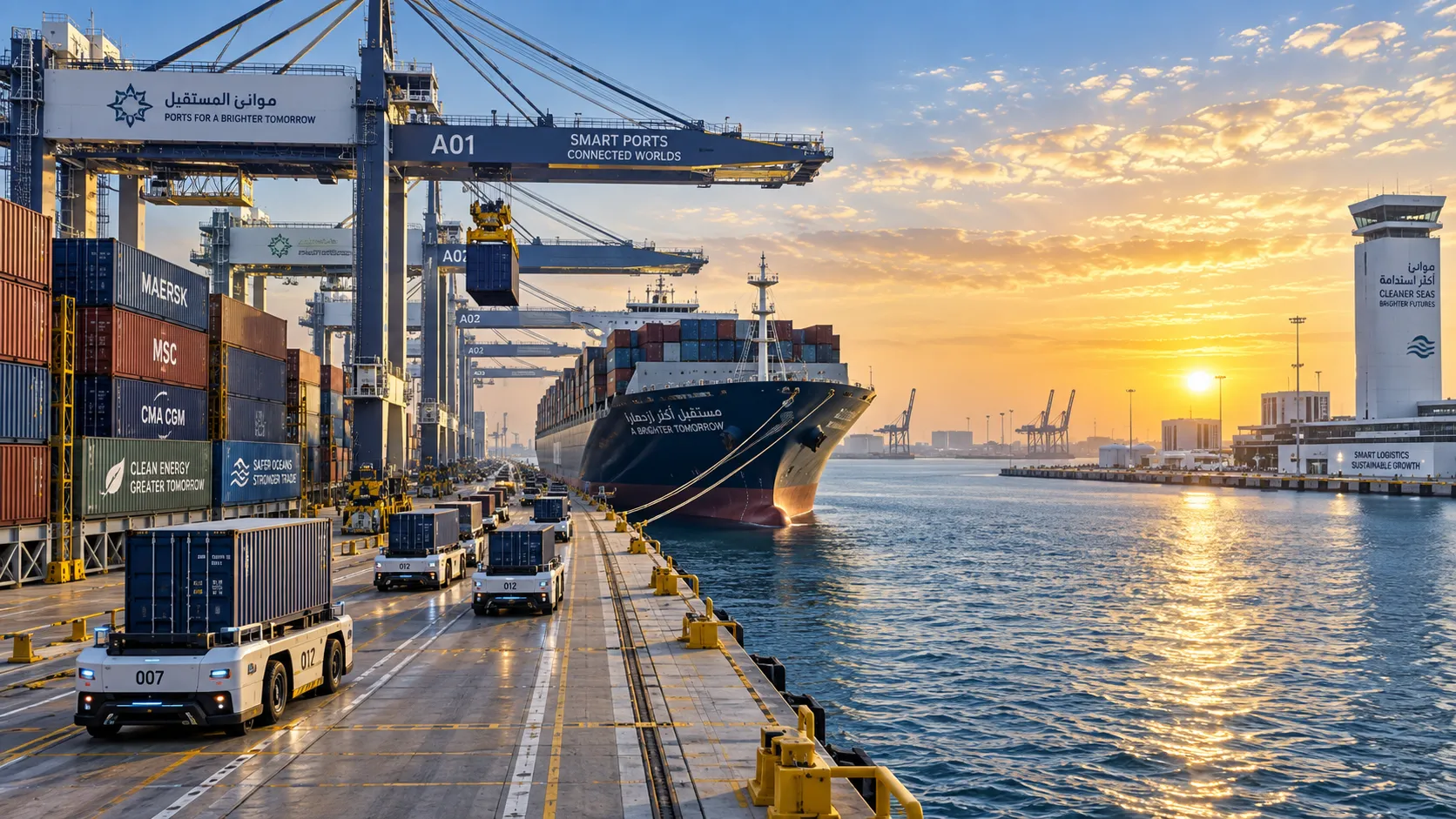
Middle East Port Automation: Key Market Drivers, Projects, and Investment Risks
Port automation systems Middle East: explore market drivers, flagship projects, integration challenges, and investment risks shaping smarter, resilient terminals.
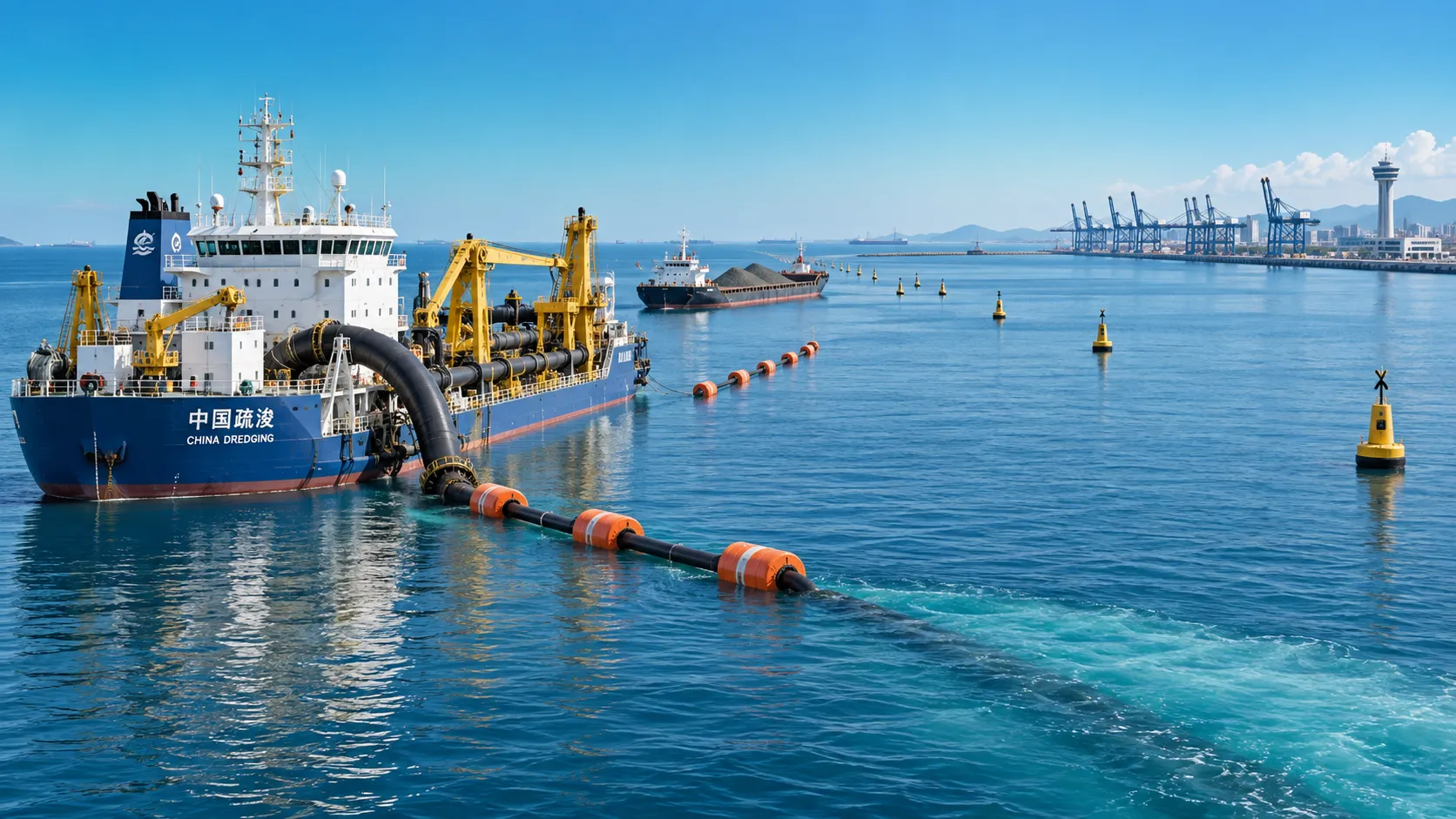
Planning Offshore Dredging Operations: Key Risks, Methods, and Project Controls
Offshore dredging operations demand smart planning. Explore key risks, proven methods, environmental controls, and project strategies for reliable delivery.