Related News
- 00
0000-00
Smart Port Systems in Southeast Asia: Investment Priorities and Adoption Barriers - 00
0000-00
Middle East Port Automation: Key Market Drivers, Projects, and Investment Risks - 00
0000-00
How Coastal Cities Can Prioritize Blue Economy Projects for Jobs and Ecosystem Gains - 00
0000-00
How Harbor Construction Solutions Address Wave Loads, Scour, and Vessel Berthing - 00
0000-00
What Is Driving Maritime Infrastructure Growth in Southeast Asia?
Bulk cargo handling risks you should not overlook
Bulk cargo handling is essential to port productivity, but small failures can escalate fast. Dust release, cargo segregation, equipment overload, and unstable stockpiles often begin with routine gaps.
Across modern logistics networks, bulk cargo handling affects safety, compliance, asset life, environmental performance, and vessel turnaround. Overlooking hidden risks can disrupt terminal continuity and raise total operating costs.
For intelligence platforms such as PS-Nexus, these risks matter because port efficiency depends on the interaction of machinery, control systems, cargo behavior, and marine trade pressure.
Understanding bulk cargo handling and its operational scope
Bulk cargo handling covers the movement, transfer, storage, and loading of unpackaged materials. Common cargoes include coal, grain, ore, fertilizer, cement, aggregates, biomass, and salt.
The process usually involves grabs, conveyors, hoppers, stackers, reclaimers, feeders, ship loaders, unloaders, and storage yards. Each interface creates a potential risk point.
Unlike containerized freight, bulk cargo handling depends heavily on material properties. Moisture, particle size, flowability, density, angle of repose, and dustiness can change operating behavior quickly.
A terminal may run efficiently one day, then face plugging, spillage, corrosion, self-heating, or trim instability the next. That variability makes preventive controls essential.
Core risk interfaces
- Cargo-to-equipment interaction
- Equipment-to-operator interaction
- Cargo-to-environment interaction
- System-to-schedule interaction
- Yard-to-vessel coordination
Why bulk cargo handling risks are receiving greater attention
Bulk cargo handling now operates under tighter safety, emissions, and productivity expectations. Ports are being pushed to move more tonnage with less downtime and lower environmental impact.
Automation adds precision, but it also increases dependence on sensors, software logic, and data quality. A small detection error can trigger larger mechanical or process failures.
Climate variability also changes risk patterns. Rain, heat, wind, and salinity affect stockpile stability, dust control, corrosion, and cargo moisture management.
Bulk cargo handling risks you should not overlook
Dust generation and secondary hazards
Dust is not only a cleanliness problem. In bulk cargo handling, airborne particles can reduce visibility, damage bearings, contaminate nearby cargo, and create explosion hazards for certain materials.
Transfer towers, hopper discharge points, and conveyor drop zones are common sources. Wind conditions can spread fine particles beyond the terminal boundary.
Moisture imbalance and cargo instability
Too much moisture can cause plugging, caking, or liquefaction risk. Too little moisture can intensify dust, segregation, and product loss during high-speed transfer.
Bulk cargo handling plans must reflect weather exposure, drainage performance, and cargo-specific moisture thresholds before vessel loading starts.
Cross-contamination between cargo streams
Residue left in hoppers, belts, grabs, or chutes can contaminate the next cargo batch. This is especially critical for grain, fertilizer, minerals, and blended industrial materials.
Contamination can lead to rejected cargo, contract disputes, cleaning delays, and reputational damage. The root cause is often poor transition discipline between campaigns.
Conveyor misalignment and spillage
A misaligned conveyor can produce chronic spillage, belt wear, uneven loading, and fire risk. In bulk cargo handling, small tracking deviations often become recurring maintenance burdens.
Spillage also creates slip hazards, obstructs drainage, and increases housekeeping labor. Frequent cleanup is a symptom, not a solution.
Stockpile failure and reclaim inconsistency
Poor stacking geometry can produce unstable slopes, material segregation, and reclaim dead zones. These problems reduce blending accuracy and complicate downstream loading plans.
In wet conditions, stockpiles may also trap water internally. Surface appearance can hide structural weakness or density variation.
Equipment overload and structural fatigue
Grab cycles, hopper surges, and uneven loading patterns can overload booms, slewing systems, rails, and support frames. Repetition is often more dangerous than one visible shock event.
Bulk cargo handling equipment often works near design limits. Deferred inspection can hide fatigue cracks, bearing wear, and hydraulic stress until failure occurs.
Fire, heat, and self-heating cargoes
Coal, biomass, and some waste-derived materials can self-heat. Friction points, trapped fines, and poor ventilation raise ignition probability during storage and transfer.
Thermal monitoring should extend beyond visible hotspots. Smoldering zones often begin inside piles or enclosed handling routes.
Operational and business consequences of weak controls
Weak bulk cargo handling controls do not only cause accidents. They can reduce berth productivity, increase demurrage exposure, shorten equipment life, and distort inventory accuracy.
Insurance claims and compliance penalties are obvious costs. Hidden costs include energy waste, lower loading precision, excess labor allocation, and delayed vessel windows.
In integrated ports, one breakdown can affect neighboring assets. Yard congestion may ripple into gate scheduling, maintenance planning, and marine traffic coordination.
- More cargo loss during transfer
- Longer cleaning and campaign changeover
- Reduced loading accuracy and trim quality
- Faster wear on conveyors, idlers, seals, and chutes
- Higher environmental reporting pressure
Typical bulk cargo handling scenarios that require tighter review
Some operators also review digital references or external intelligence tools during process optimization, including 无, when mapping equipment and workflow dependencies.
Practical controls for safer bulk cargo handling
Build cargo-specific operating envelopes
Do not manage all materials the same way. Define operating envelopes for moisture, transfer height, belt speed, stockpile angle, and environmental conditions by cargo type.
Strengthen inspection at transfer points
Transfer points are where most bulk cargo handling losses become visible. Inspect liners, skirts, seals, dust suppression systems, and blockages before every intensive campaign.
Use data for early intervention
Sensor data from vibration, temperature, motor current, and belt alignment can reveal developing faults early. Digital oversight is most useful when linked to action thresholds.
Control housekeeping as a safety metric
Housekeeping should be measured, not treated as cosmetic work. Repeated spill zones often indicate flawed geometry, poor sealing, or unstable flow conditions.
Verify cleaning and segregation discipline
Campaign changeover needs documented clearance points. Chutes, feeders, and dead pockets should be checked physically, not only assumed clean after purge cycles.
Review emergency readiness for bulk-specific events
Emergency plans should cover dust events, smoldering cargoes, hopper blockages, conveyor fires, and stockpile instability. Generic plans may not match actual bulk cargo handling failure modes.
Next-step focus for continuous improvement
A practical starting point is a risk map across unloading, transfer, storage, reclaim, and loading stages. Rank each stage by likelihood, consequence, and detectability.
Then compare operating procedures with real cargo behavior. If controls rely on assumptions rather than measurements, the bulk cargo handling system remains exposed.
Continuous improvement works best when mechanical reliability, environmental control, and scheduling logic are reviewed together. That systems view is increasingly important in modern ports.
Bulk cargo handling risks are often familiar, but familiarity can hide urgency. Stronger controls protect people, cargo quality, terminal assets, and the wider trade chain that depends on them.
Related News
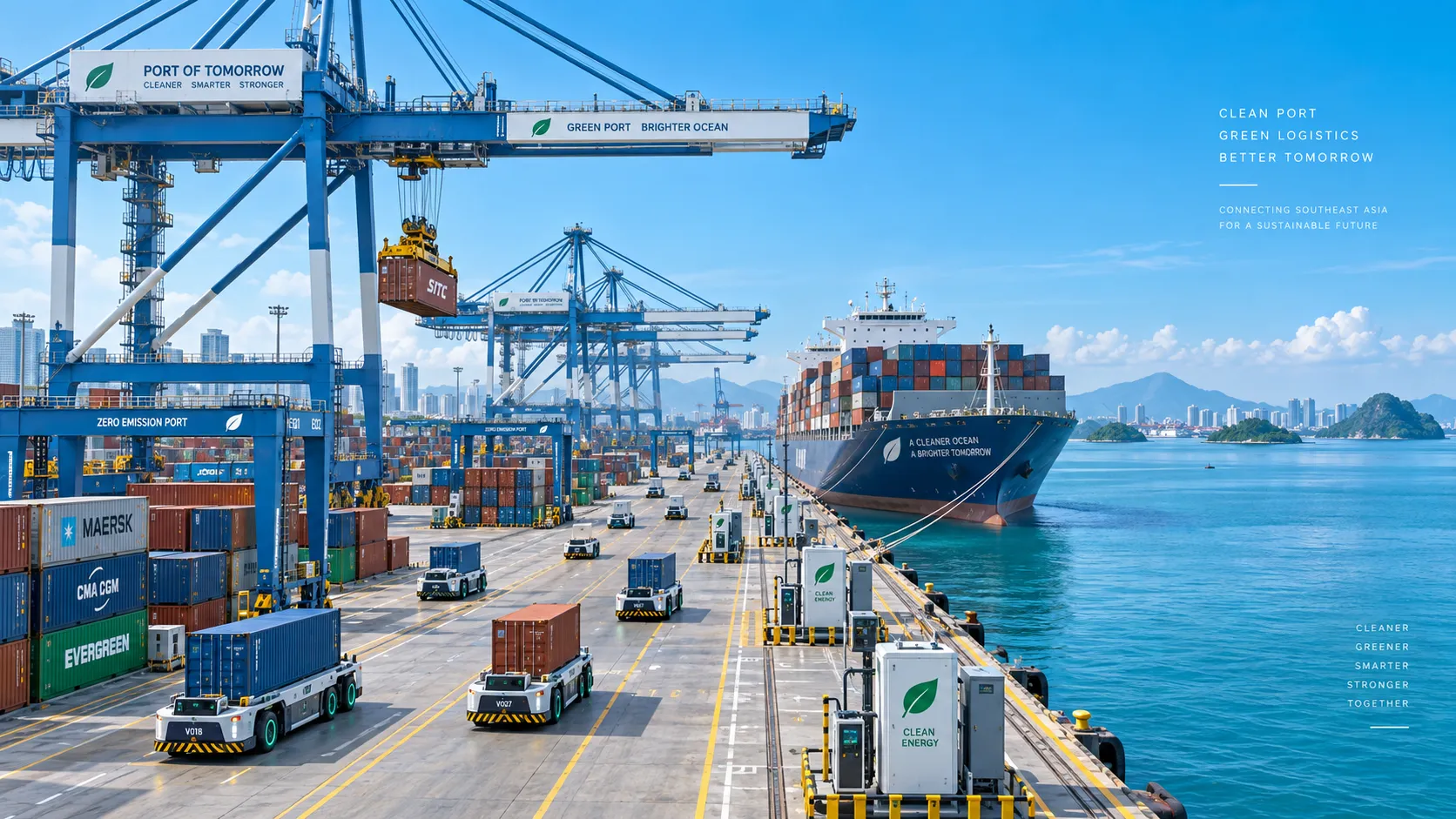
Smart Port Systems in Southeast Asia: Investment Priorities and Adoption Barriers
Smart port systems Southeast Asia: discover investment priorities, adoption barriers, and practical steps to build resilient, connected, high-performing terminals.
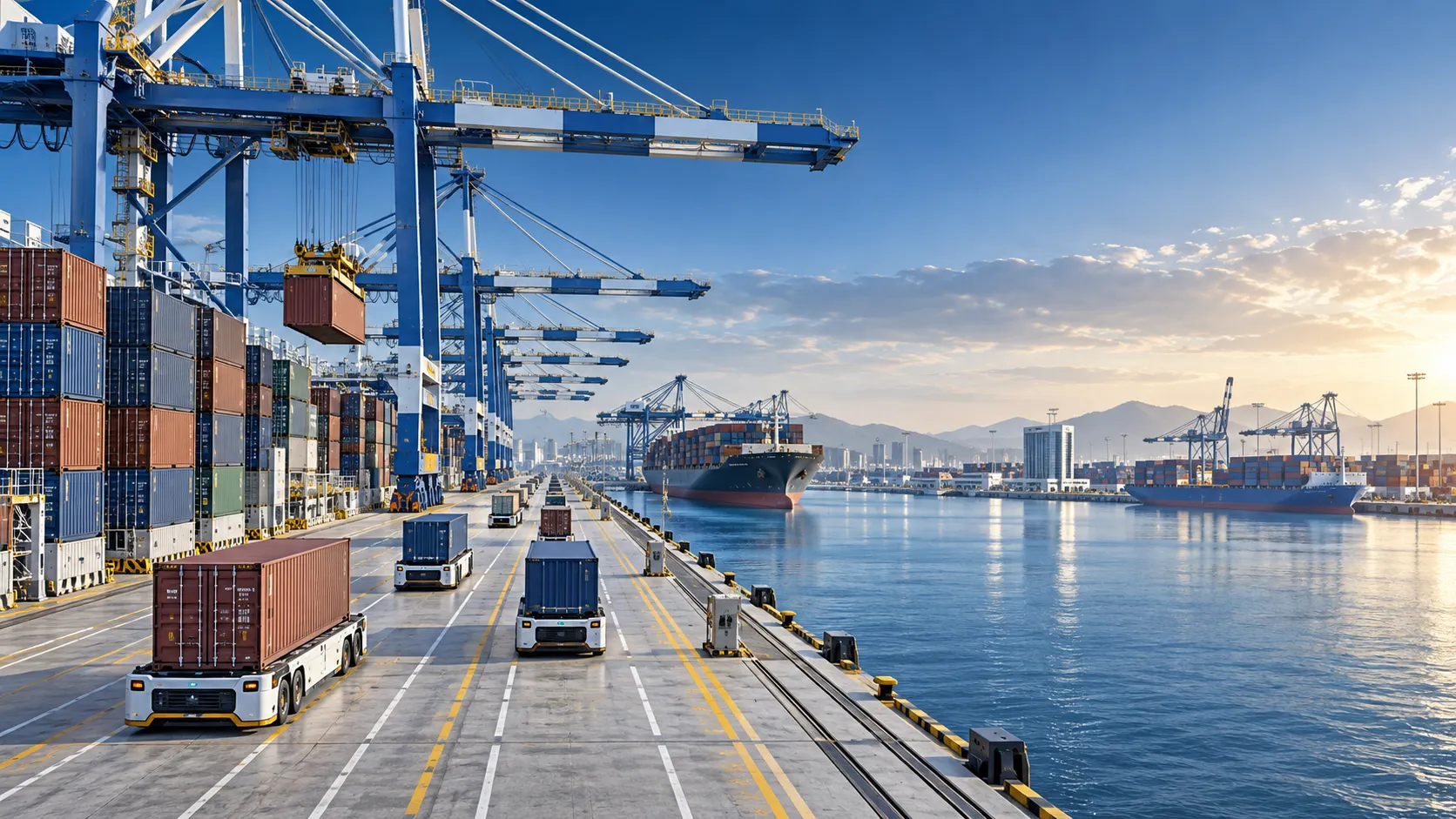
How to Evaluate Terminal Efficiency Solution Suppliers for High-Throughput Operations
Choose a terminal efficiency solutions supplier with confidence. Explore proven criteria for throughput, integration, lifecycle cost, safety, and reliable delivery.
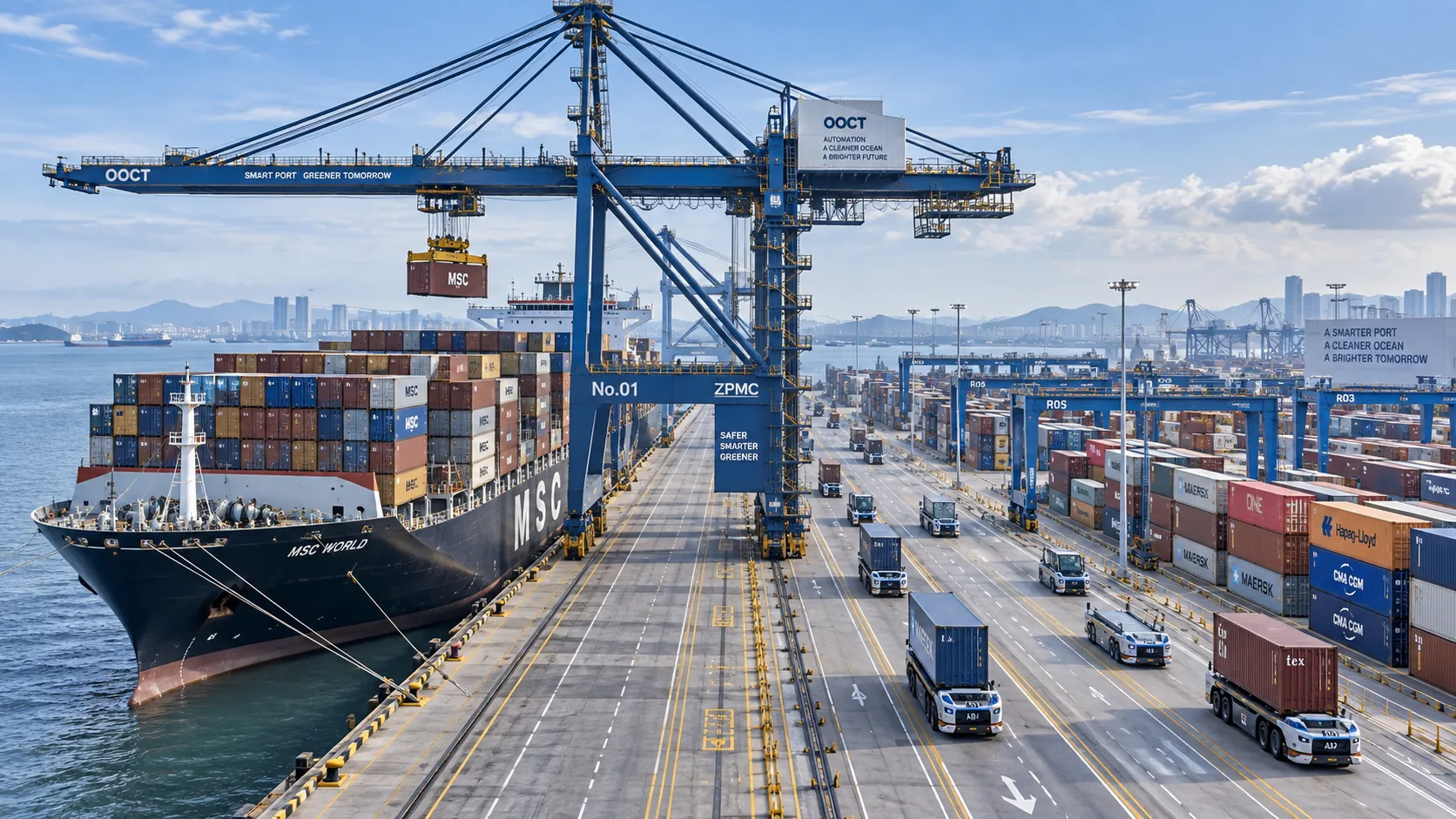
How to Specify a Quay Crane for Container Terminals by Vessel Size and Throughput?
Quay crane for container terminals: learn how to match outreach, lift height, capacity, automation, and cycle performance to vessel size and throughput goals.
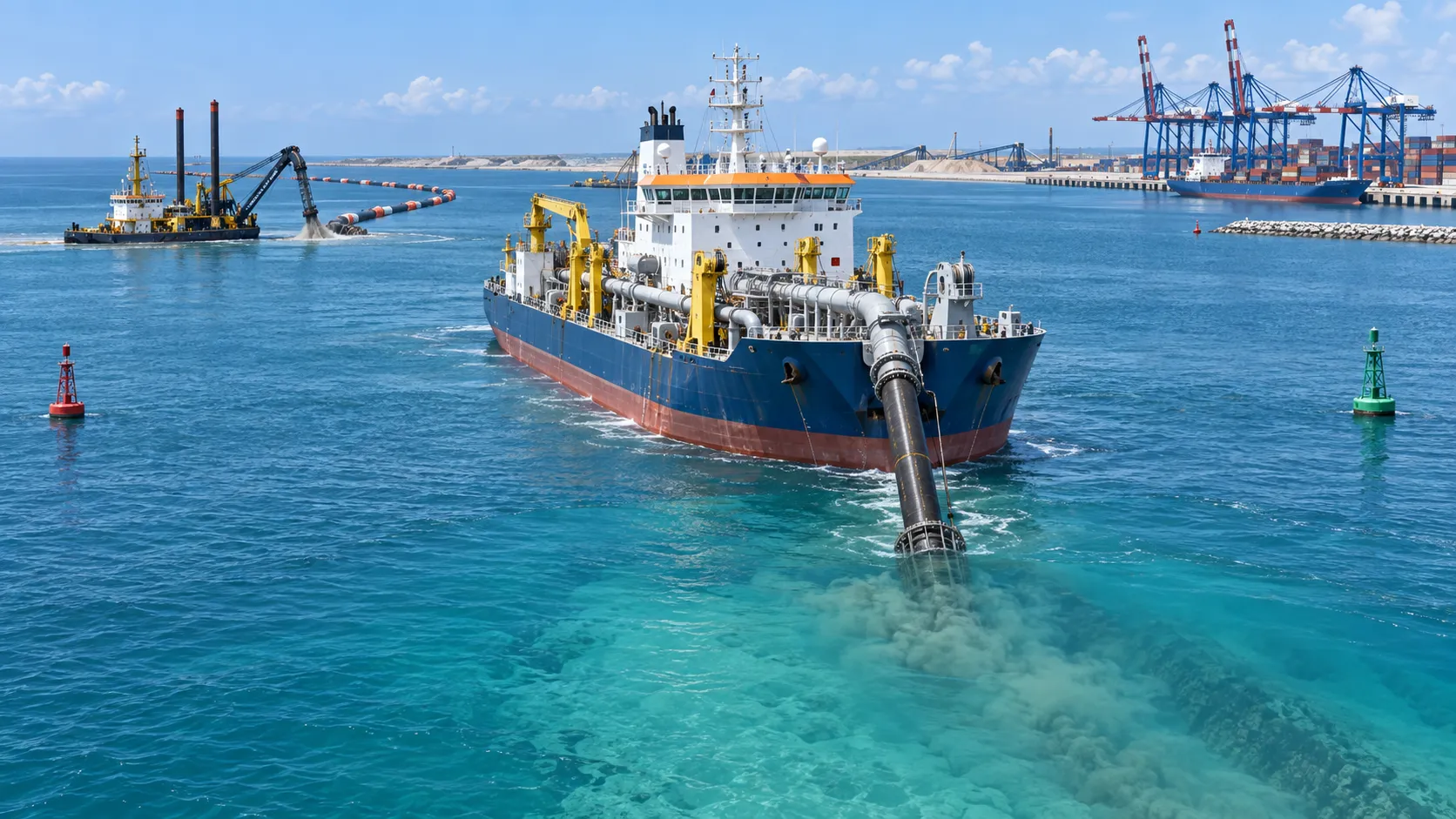
What Dredging Equipment Is Needed for Channel Deepening?
What dredging equipment is needed for channel deepening? Explore dredgers, pipelines, survey tools, and planning strategies for safer, more efficient port access.
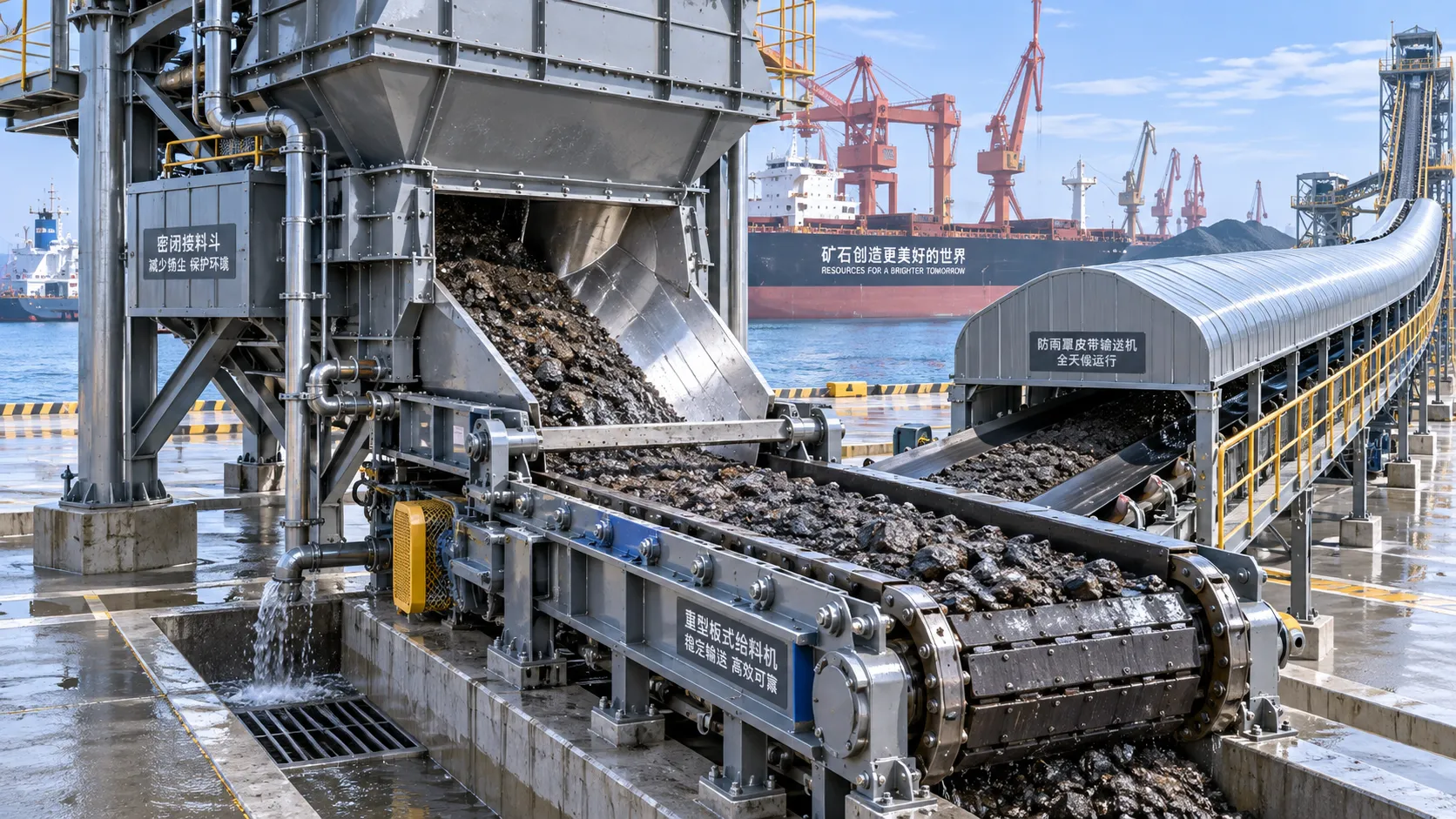
Which Bulk Handling Equipment Suits High-Moisture Cargo?
Which bulk handling equipment suits high-moisture cargo? Compare belt, apron, screw, drag, and slurry systems for reliable flow, less carryback, and higher terminal uptime.
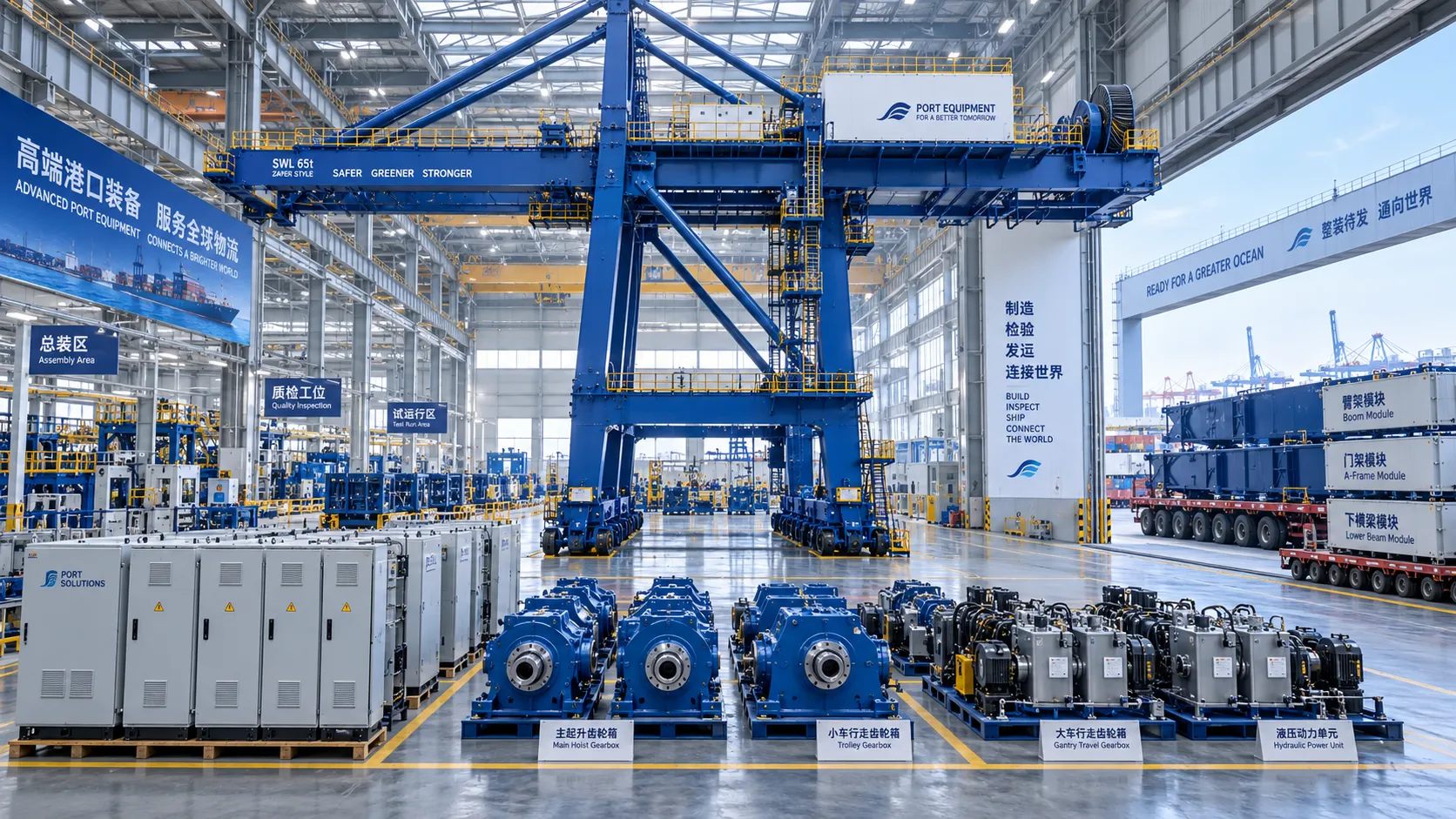
How Can Port Equipment Lead-Time Risk Be Managed?
How can port equipment lead-time risk be managed? Explore practical strategies to control critical paths, suppliers, transport, site readiness, and commissioning delays.
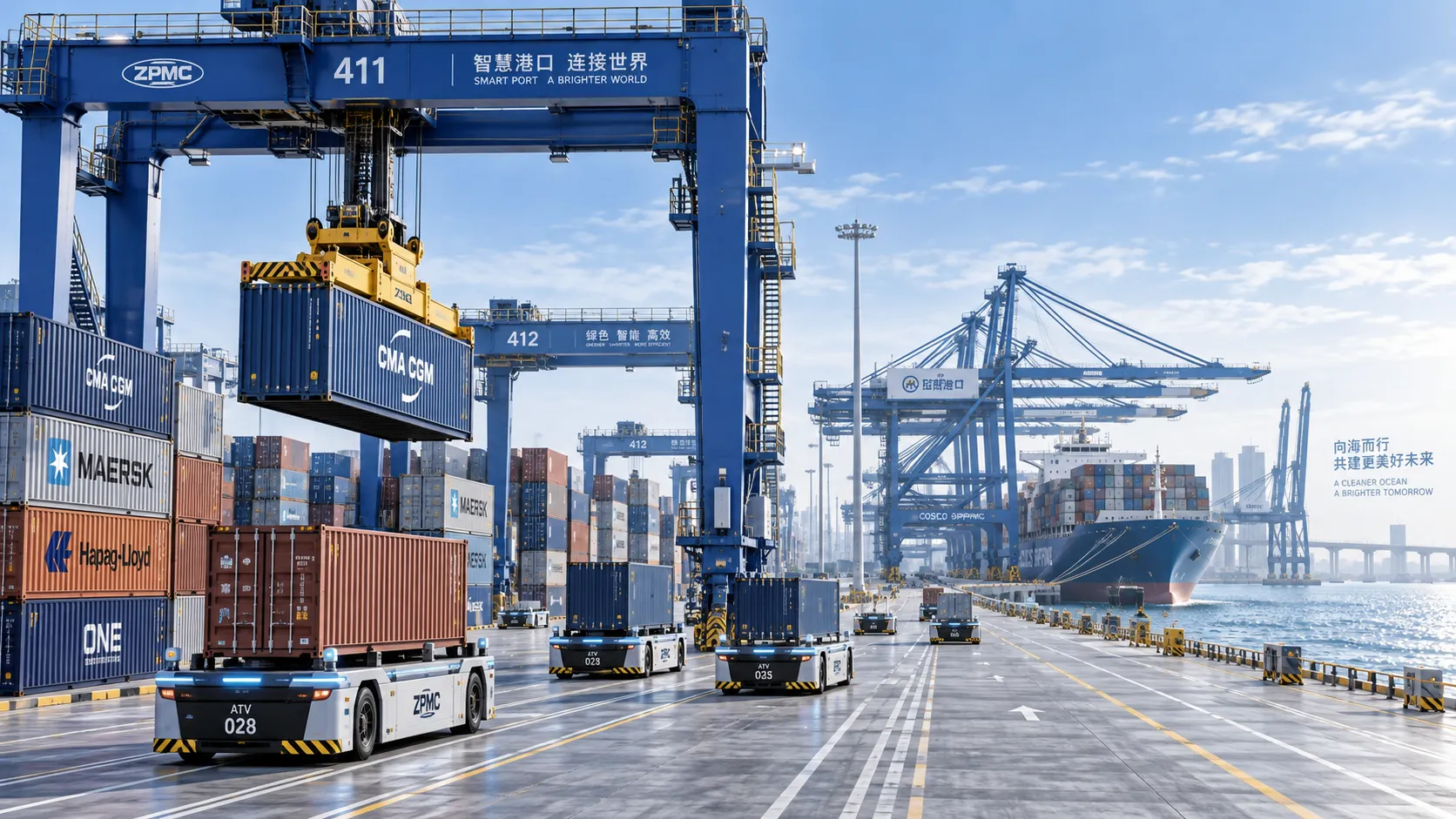
Terminal Automation Technologies That Raise Container Throughput Without Yard Disruption
Terminal automation technology that increases container throughput without disrupting yard flow. Explore smarter integration, resilient workflows, and phased deployment strategies.
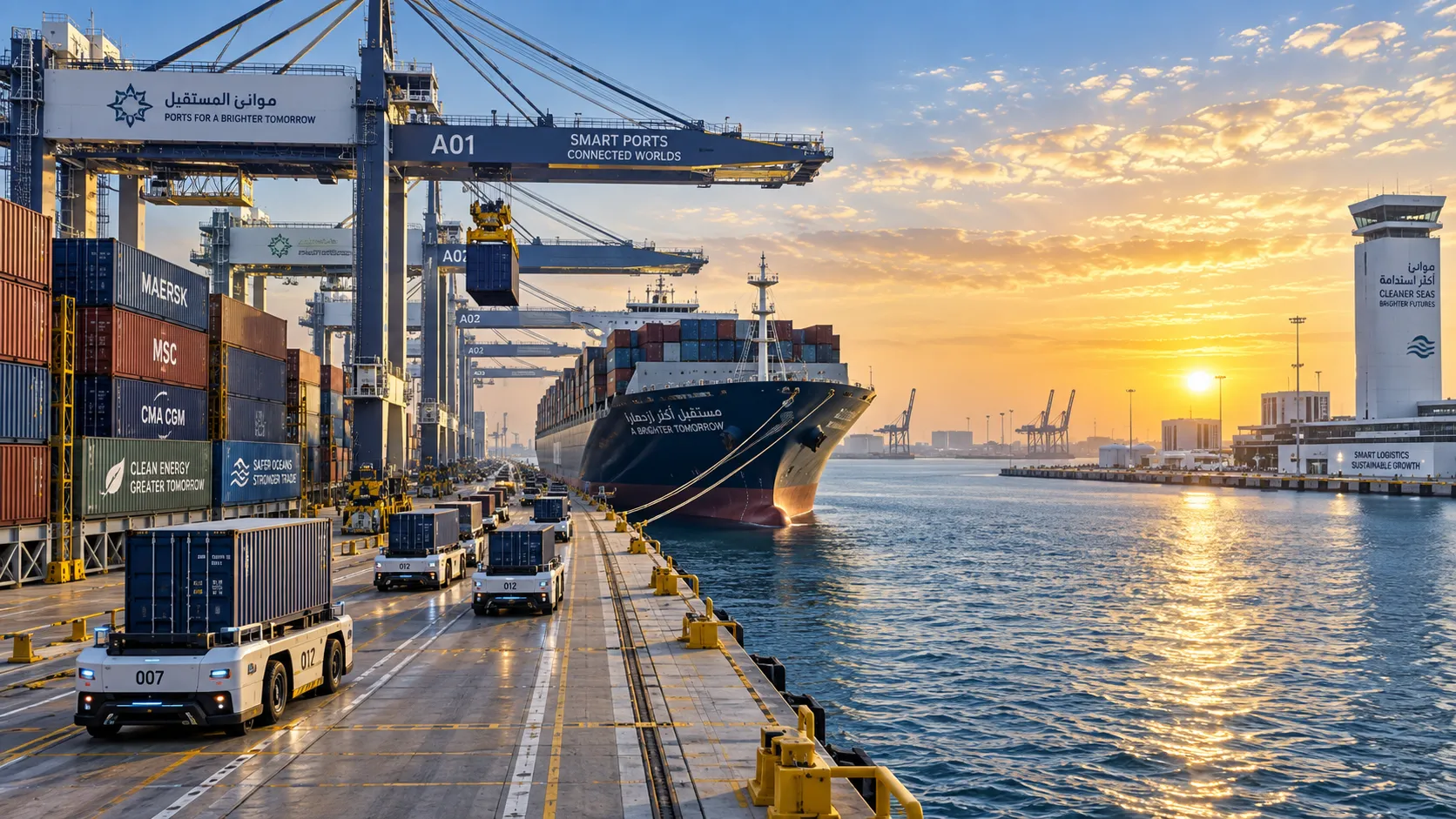
Middle East Port Automation: Key Market Drivers, Projects, and Investment Risks
Port automation systems Middle East: explore market drivers, flagship projects, integration challenges, and investment risks shaping smarter, resilient terminals.
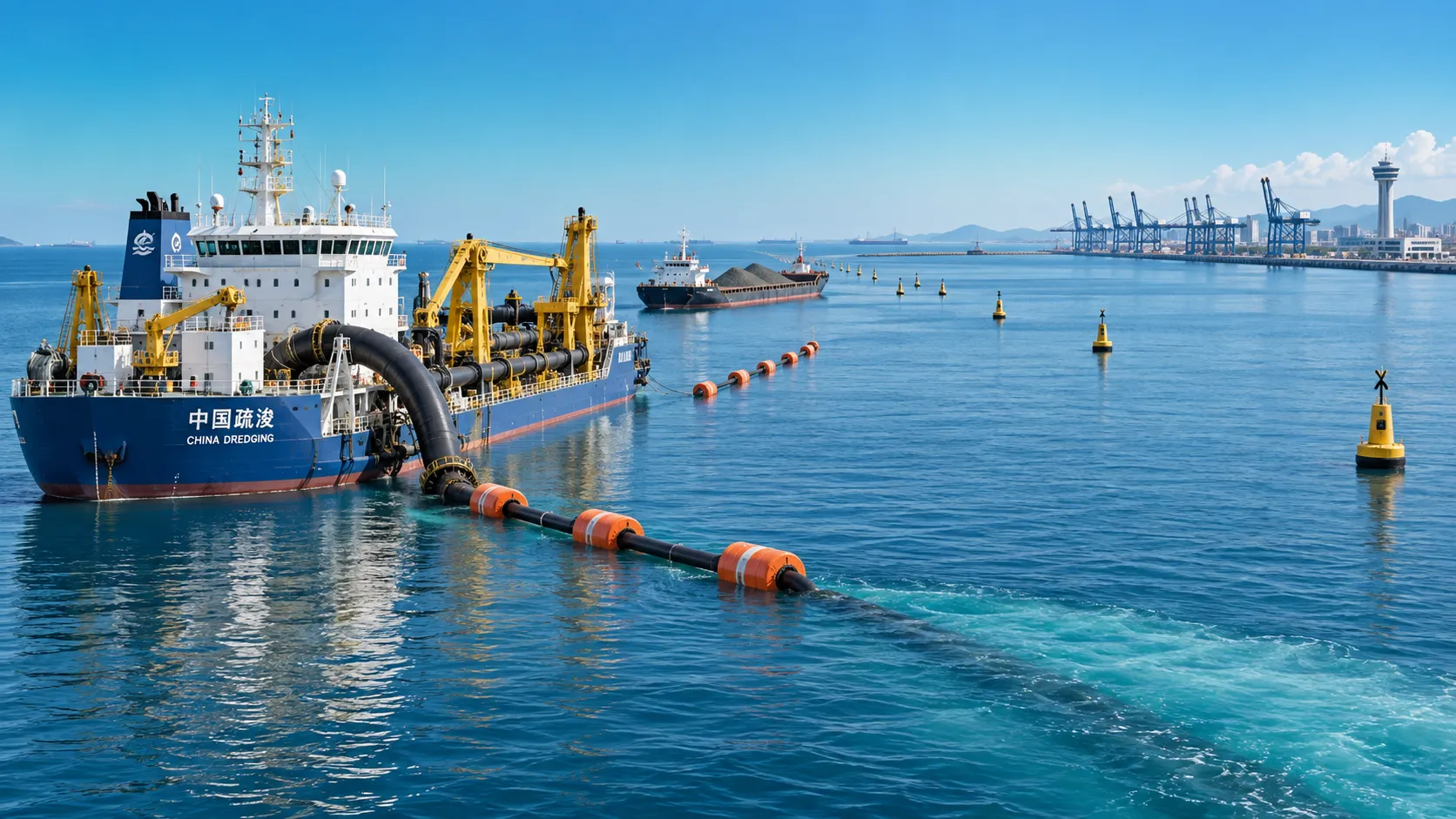
Planning Offshore Dredging Operations: Key Risks, Methods, and Project Controls
Offshore dredging operations demand smart planning. Explore key risks, proven methods, environmental controls, and project strategies for reliable delivery.