Related News
- 00
0000-00
Smart Port Systems in Southeast Asia: Investment Priorities and Adoption Barriers - 00
0000-00
Middle East Port Automation: Key Market Drivers, Projects, and Investment Risks - 00
0000-00
How Coastal Cities Can Prioritize Blue Economy Projects for Jobs and Ecosystem Gains - 00
0000-00
How Harbor Construction Solutions Address Wave Loads, Scour, and Vessel Berthing - 00
0000-00
What Is Driving Maritime Infrastructure Growth in Southeast Asia?
Why full automation port equipment is gaining ground fast
As global trade grows more volatile and terminals face pressure to boost speed, safety, and sustainability, full automation port equipment is gaining strategic importance. It is no longer a simple modernization project. It has become a strategic tool for raising berth productivity, reducing operating friction, and protecting port performance against labor shortages, energy costs, and schedule disruption.
From quay cranes to automated stacking cranes, AGVs, control platforms, and smart dredging support systems, full automation port equipment now sits at the center of terminal competitiveness. The shift is accelerating because automated assets no longer serve only large flagship ports. Mid-sized terminals, bulk facilities, inland hubs, and brownfield upgrades are also finding practical value in phased automation.
Why a checklist approach matters now
Automation decisions often fail when projects focus on machines first and operating logic second. A checklist creates discipline. It helps compare full automation port equipment by throughput impact, system fit, cyber resilience, maintenance load, and long-term lifecycle economics.
In complex maritime logistics, equipment value depends on integration quality. A terminal may buy advanced hardware, yet still lose efficiency if yard software, traffic control, and remote operation layers are poorly aligned. Structured review reduces that risk.
Core checklist for evaluating full automation port equipment
- Define throughput targets before vendor talks. Measure berth moves, truck turn time, yard rehandles, and peak-hour variability to ensure full automation port equipment solves real operating bottlenecks.
- Map equipment-to-software dependencies early. Confirm how cranes, AGVs, OCR gates, TOS, and scheduling engines exchange data under live conditions, not only under factory acceptance testing.
- Audit site constraints in detail. Check quay geometry, pavement strength, drainage, power supply, wireless coverage, and weather exposure before selecting any full automation port equipment package.
- Test interoperability standards. Require evidence that control systems support future expansion, third-party subsystems, and protocol upgrades without forcing expensive replacement of existing assets.
- Quantify labor redesign, not just labor reduction. Automation changes supervision, dispatching, maintenance, exception handling, and safety management across the entire terminal operating model.
- Examine edge cases carefully. Verify how automated equipment handles damaged containers, twin-lift complexity, mixed fleets, vessel delays, and unexpected truck surges during real operations.
- Stress-test cybersecurity architecture. Full automation port equipment depends on low-latency networks, remote access layers, and control permissions that must be hardened against intrusion and downtime.
- Calculate lifecycle cost using realistic assumptions. Include software licensing, spare parts, battery systems, sensor calibration, retraining, redundancy planning, and unplanned outage recovery.
- Validate energy performance under working loads. Compare diesel displacement, charging windows, regenerative systems, and grid impact to understand whether automation supports emissions targets.
- Phase deployment around operational continuity. Use simulation, shadow running, and staged commissioning so full automation port equipment improves service without destabilizing daily cargo flow.
What is driving faster adoption
Higher pressure on terminal productivity
Vessel sizes continue to grow, but berth windows do not. Ports must move more containers in shorter timeframes. Full automation port equipment helps stabilize cycle times, improve stacking accuracy, and reduce idle movement in the yard.
Automated scheduling also improves synchronization between quay, yard, and gate. That matters when terminals face bunching arrivals, transshipment peaks, or severe weather recovery.
Labor volatility and safety requirements
Many ports face labor scarcity, rising wage pressure, and increasing demand for safer work environments. Full automation port equipment reduces exposure to repetitive, high-risk tasks around heavy loads, night shifts, and vehicle interaction zones.
The goal is not simply headcount reduction. The stronger business case often comes from more predictable operations, lower incident risk, and better use of technical staff in remote supervision and diagnostics.
Decarbonization and smarter energy use
Electrified and digitally managed systems support net-zero roadmaps. Automated cranes and guided vehicles can optimize power draw, reduce unnecessary acceleration, and align charging with grid strategy. That gives full automation port equipment a clear sustainability advantage.
Application scenarios worth comparing
Greenfield container terminals
Greenfield projects offer the cleanest path to full automation port equipment because layout, traffic logic, and utility infrastructure can be designed together. That improves software integration and lowers retrofit friction.
These sites benefit most when planners lock in future capacity assumptions early. Oversizing data architecture and power systems is often cheaper than reworking them after ramp-up.
Brownfield terminal upgrades
Brownfield automation is more complex, yet increasingly attractive. Existing terminals can introduce remote-controlled quay cranes, automated yard blocks, or smart gate systems in phases. Here, full automation port equipment must coexist with legacy assets and mixed workflows.
Success depends on careful transition logic. Temporary process overlap, revised traffic zoning, and strong control-room visibility are usually more important than buying the most advanced machinery.
Bulk and specialized cargo facilities
Automation is no longer limited to container ports. Bulk handling machinery, smart conveyors, reclaimers, and monitored dredging support systems are expanding the role of full automation port equipment across energy, minerals, and infrastructure logistics.
In these environments, condition monitoring and remote diagnostics often deliver the fastest return. Equipment uptime and spillage control can outweigh pure labor savings.
Commonly overlooked risks
Underestimating exception handling
Routine moves are easy to automate. Irregular cargo, chassis mismatch, sensor obstruction, and manual intervention zones are harder. Many full automation port equipment projects lose efficiency because exception workflows were not mapped early.
Ignoring data quality at the operational edge
Automation depends on accurate container identity, position, and status data. Poor OCR reads, delayed telemetry, or inconsistent yard updates can degrade the performance of full automation port equipment faster than mechanical faults.
Treating commissioning as a short project stage
Commissioning is not a final checklist item. It is the period where control logic, operator behavior, safety cases, and maintenance routines are validated together. Rushed commissioning often creates long-term instability.
Practical execution steps
- Start with a baseline audit covering berth productivity, yard density, truck flow, energy use, and incident history.
- Build a phased automation roadmap linking each equipment package to measurable operational outcomes.
- Use digital simulation to compare traffic logic, block design, fleet size, and exception scenarios before procurement.
- Require integrated testing across hardware, software, communications, and safety systems, not separate vendor demonstrations.
- Create post-launch review cycles using KPIs for moves per hour, battery utilization, fault rate, and recovery time.
Conclusion and next action
The rise of full automation port equipment is not driven by technology fashion. It is driven by hard operational realities: tighter vessel windows, labor volatility, decarbonization pressure, and the need for resilient maritime logistics.
A disciplined checklist turns automation from a risky capital idea into a manageable transformation program. The most effective next step is to compare current bottlenecks against future throughput goals, then match full automation port equipment options to phased, testable outcomes.
For organizations tracking smart terminals, heavy port machinery, automated container handling, and marine engineering intelligence, the winning strategy is clear: evaluate deeply, integrate carefully, and deploy where operational data proves the case.
Related News
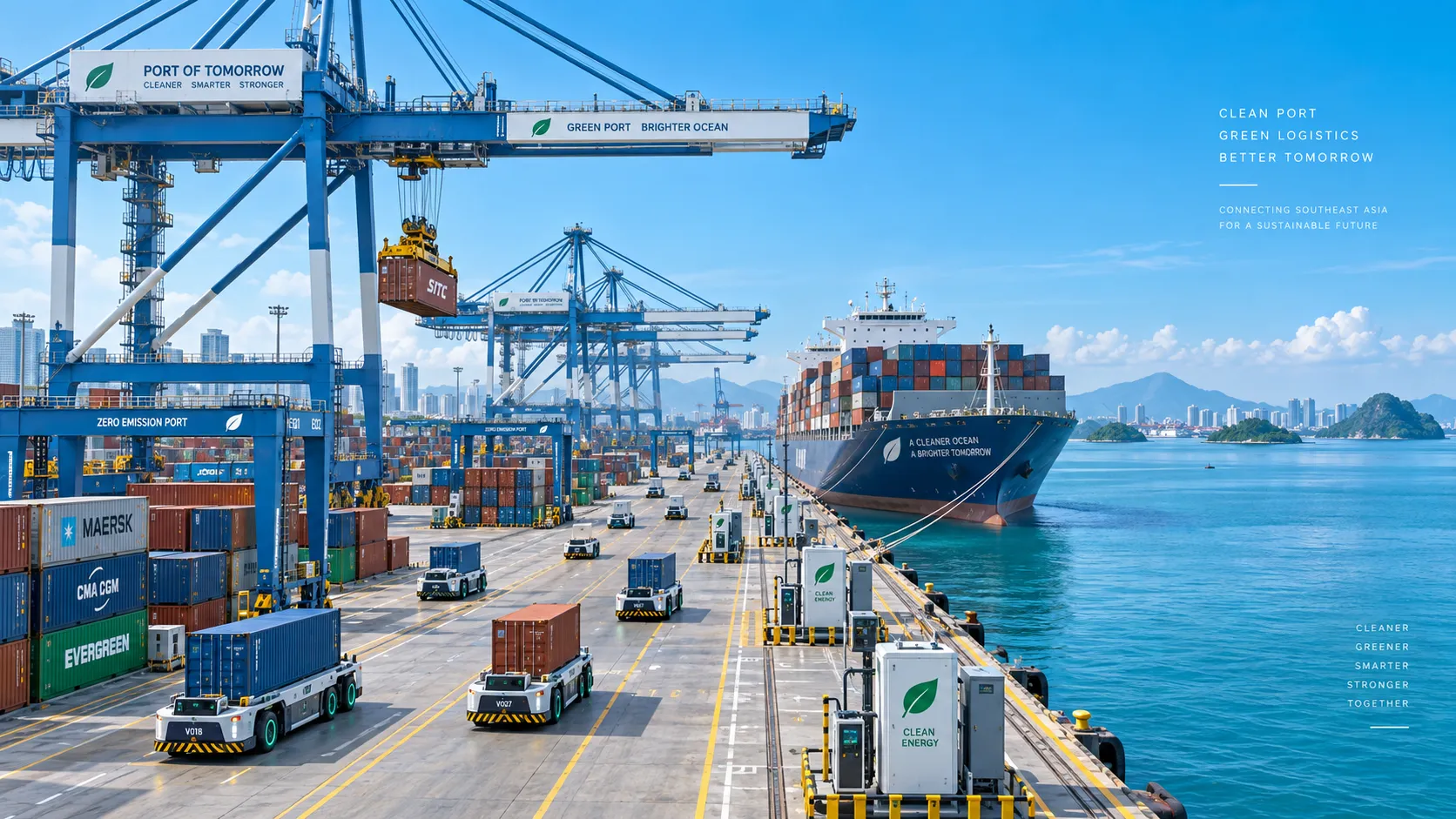
Smart Port Systems in Southeast Asia: Investment Priorities and Adoption Barriers
Smart port systems Southeast Asia: discover investment priorities, adoption barriers, and practical steps to build resilient, connected, high-performing terminals.
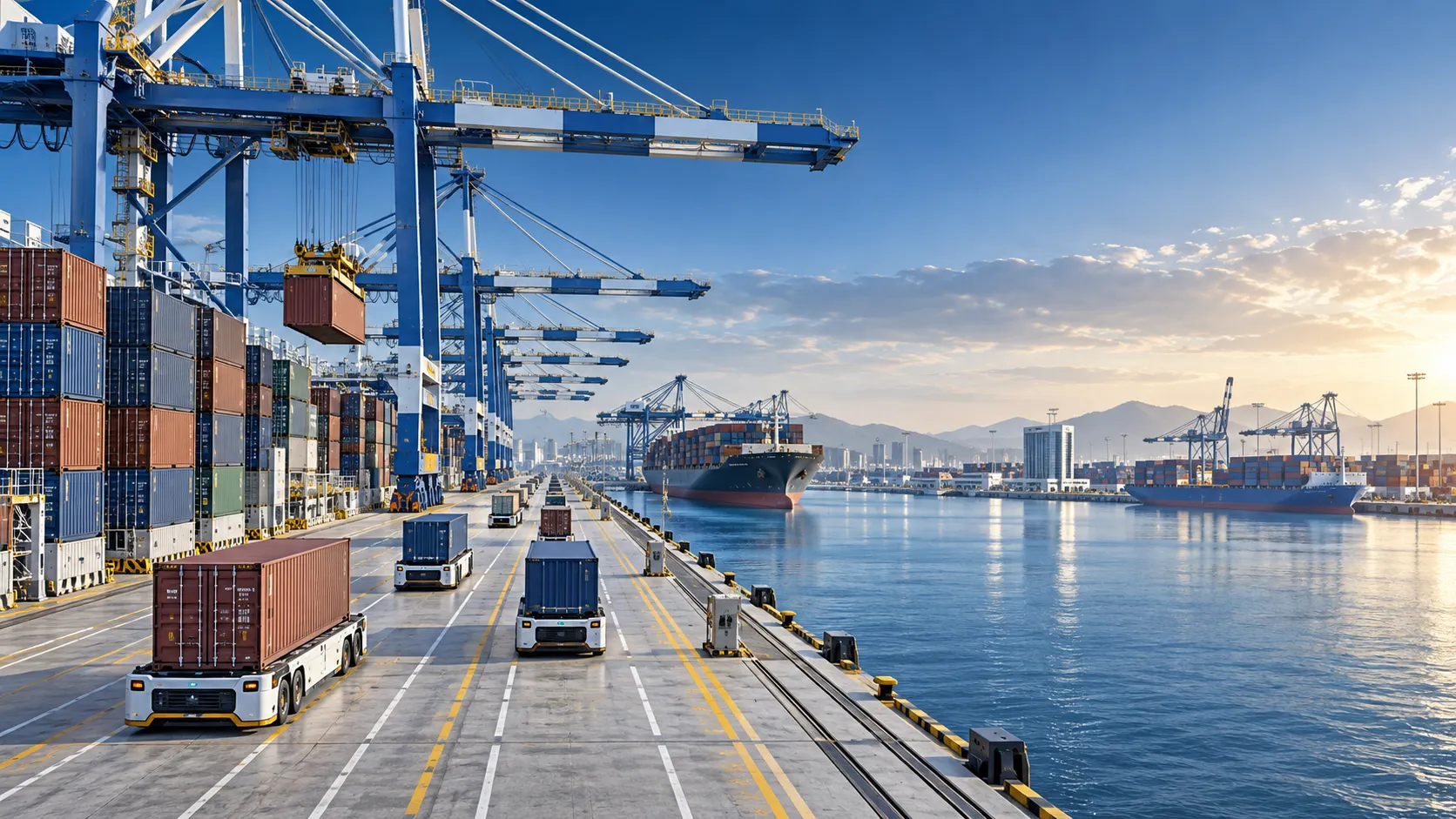
How to Evaluate Terminal Efficiency Solution Suppliers for High-Throughput Operations
Choose a terminal efficiency solutions supplier with confidence. Explore proven criteria for throughput, integration, lifecycle cost, safety, and reliable delivery.
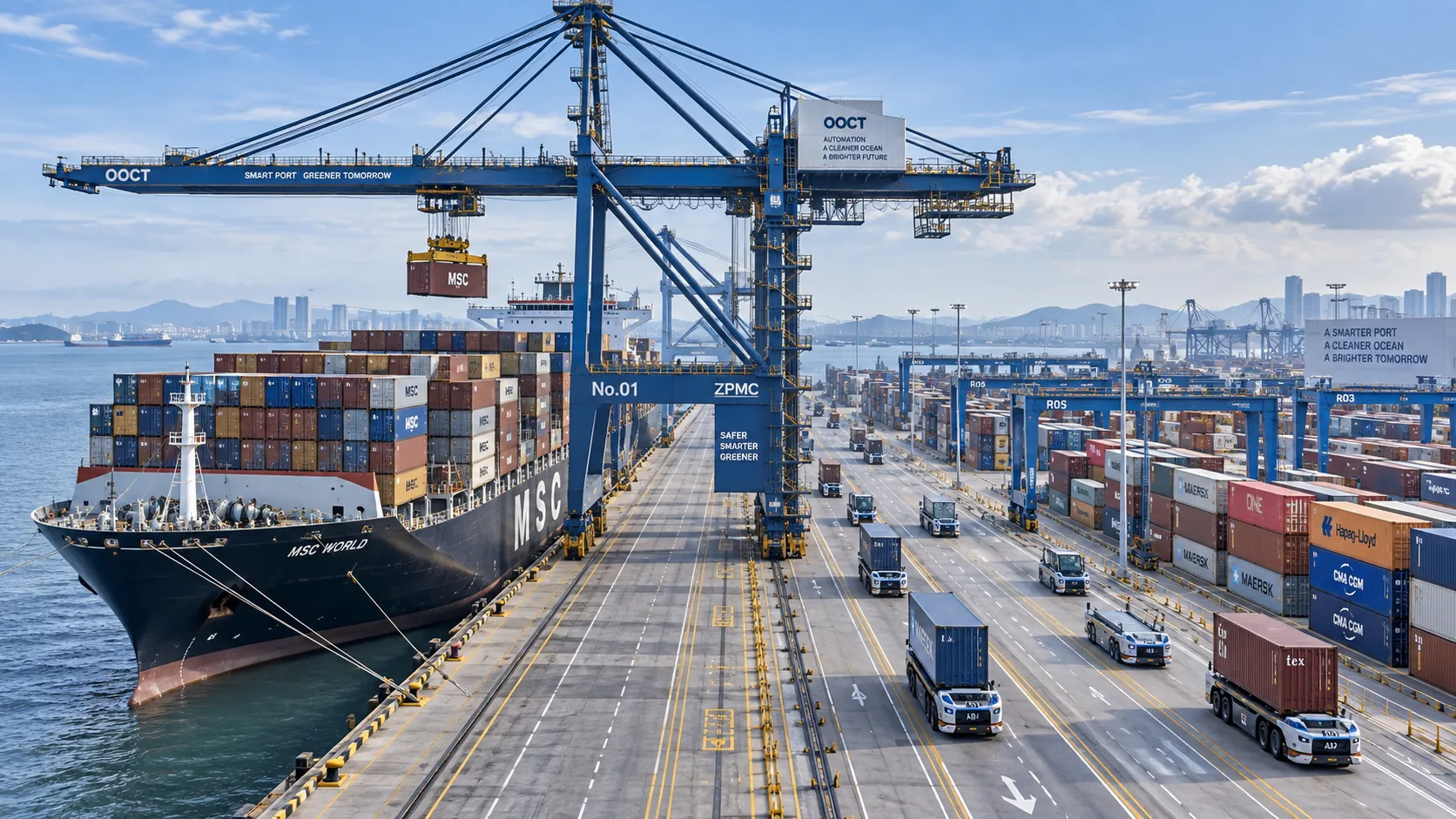
How to Specify a Quay Crane for Container Terminals by Vessel Size and Throughput?
Quay crane for container terminals: learn how to match outreach, lift height, capacity, automation, and cycle performance to vessel size and throughput goals.
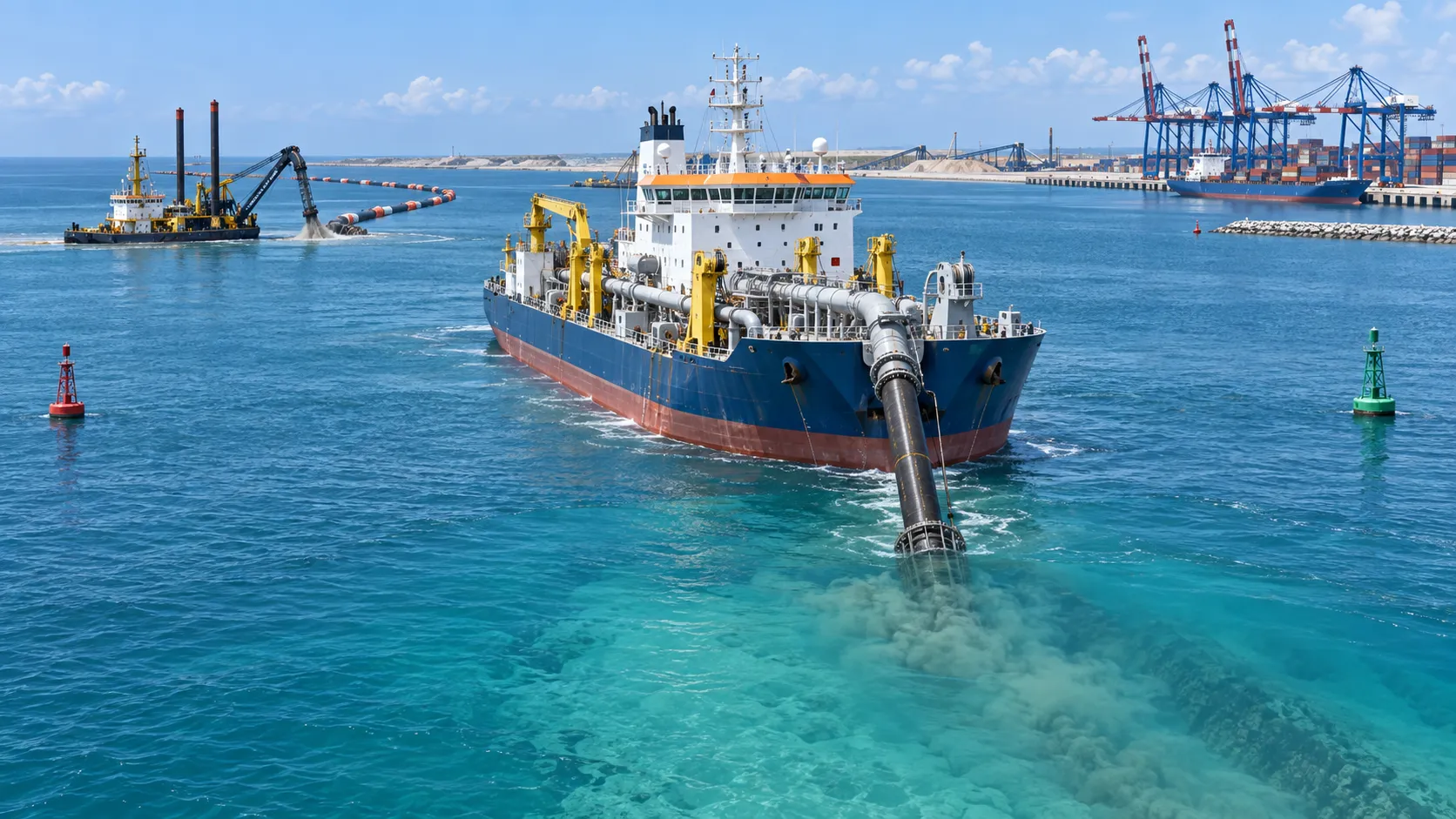
What Dredging Equipment Is Needed for Channel Deepening?
What dredging equipment is needed for channel deepening? Explore dredgers, pipelines, survey tools, and planning strategies for safer, more efficient port access.
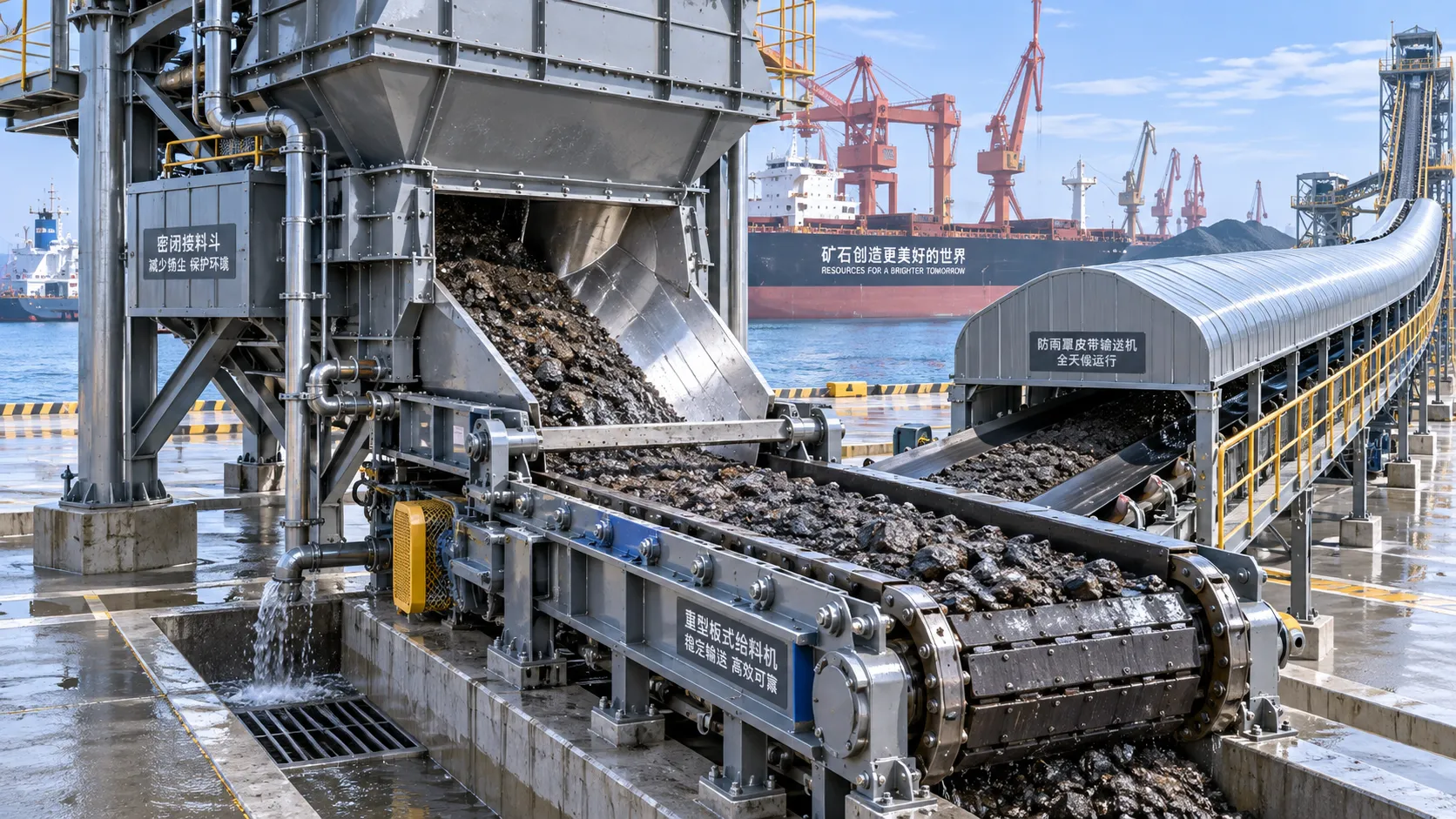
Which Bulk Handling Equipment Suits High-Moisture Cargo?
Which bulk handling equipment suits high-moisture cargo? Compare belt, apron, screw, drag, and slurry systems for reliable flow, less carryback, and higher terminal uptime.
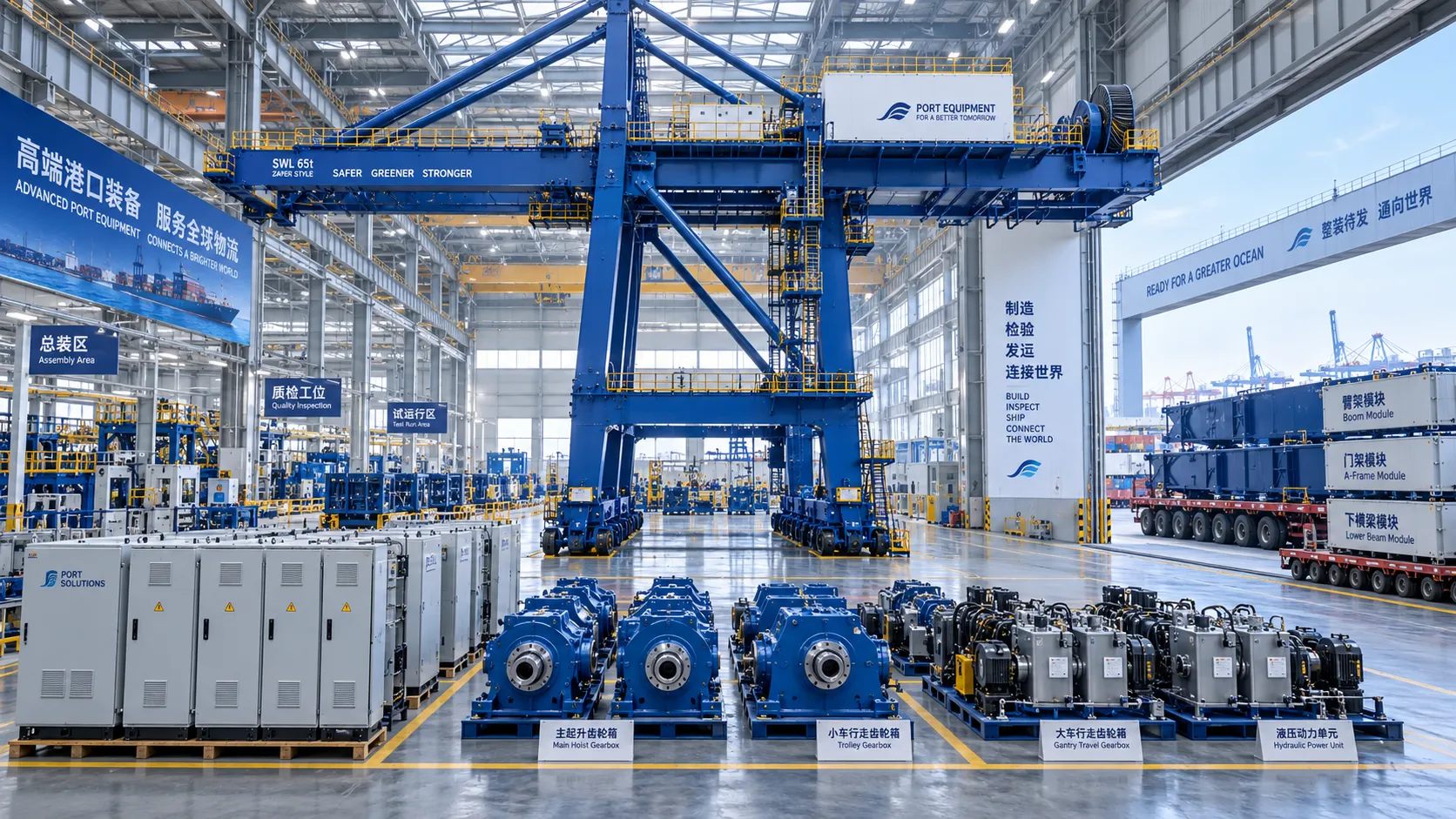
How Can Port Equipment Lead-Time Risk Be Managed?
How can port equipment lead-time risk be managed? Explore practical strategies to control critical paths, suppliers, transport, site readiness, and commissioning delays.
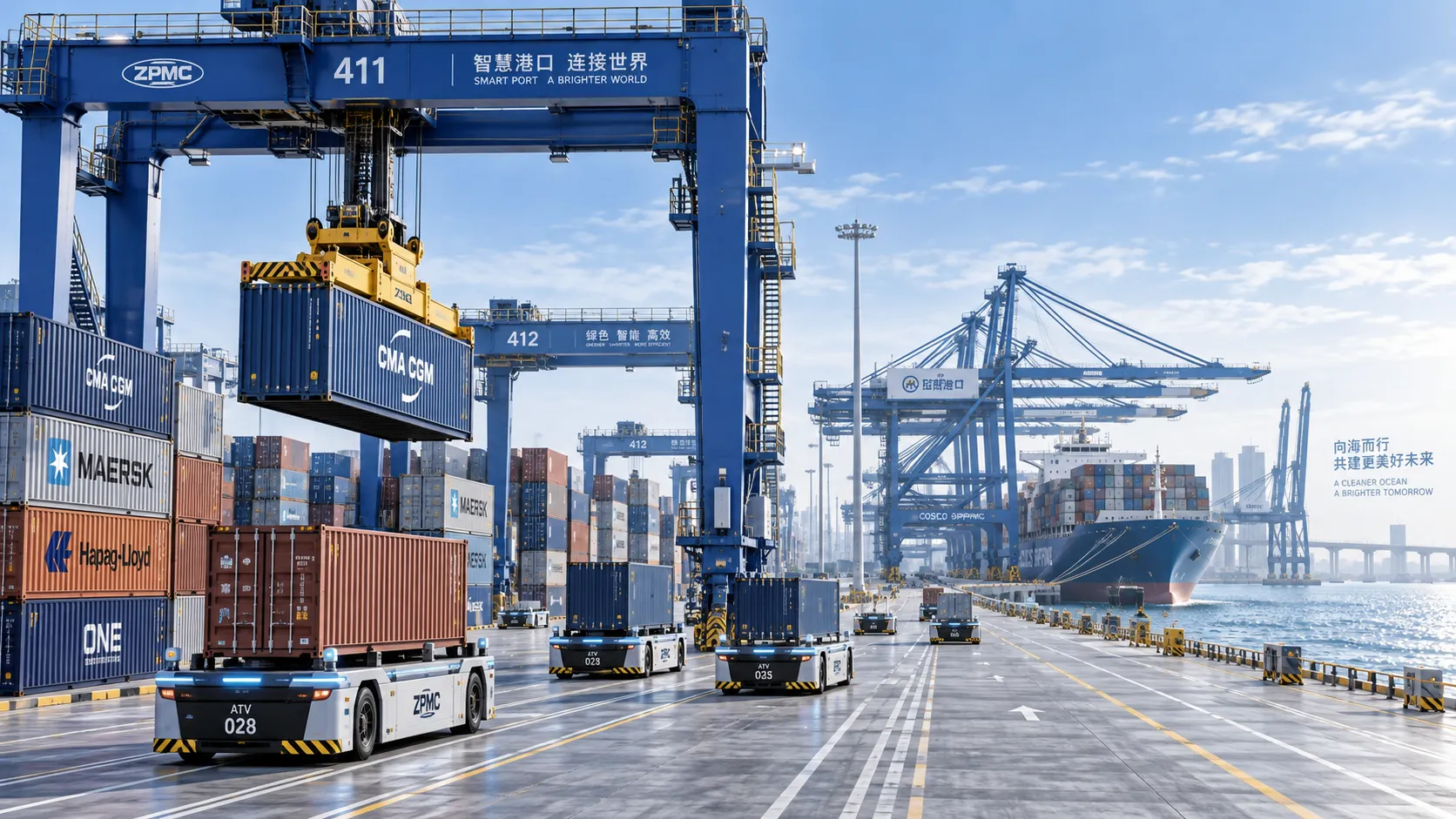
Terminal Automation Technologies That Raise Container Throughput Without Yard Disruption
Terminal automation technology that increases container throughput without disrupting yard flow. Explore smarter integration, resilient workflows, and phased deployment strategies.
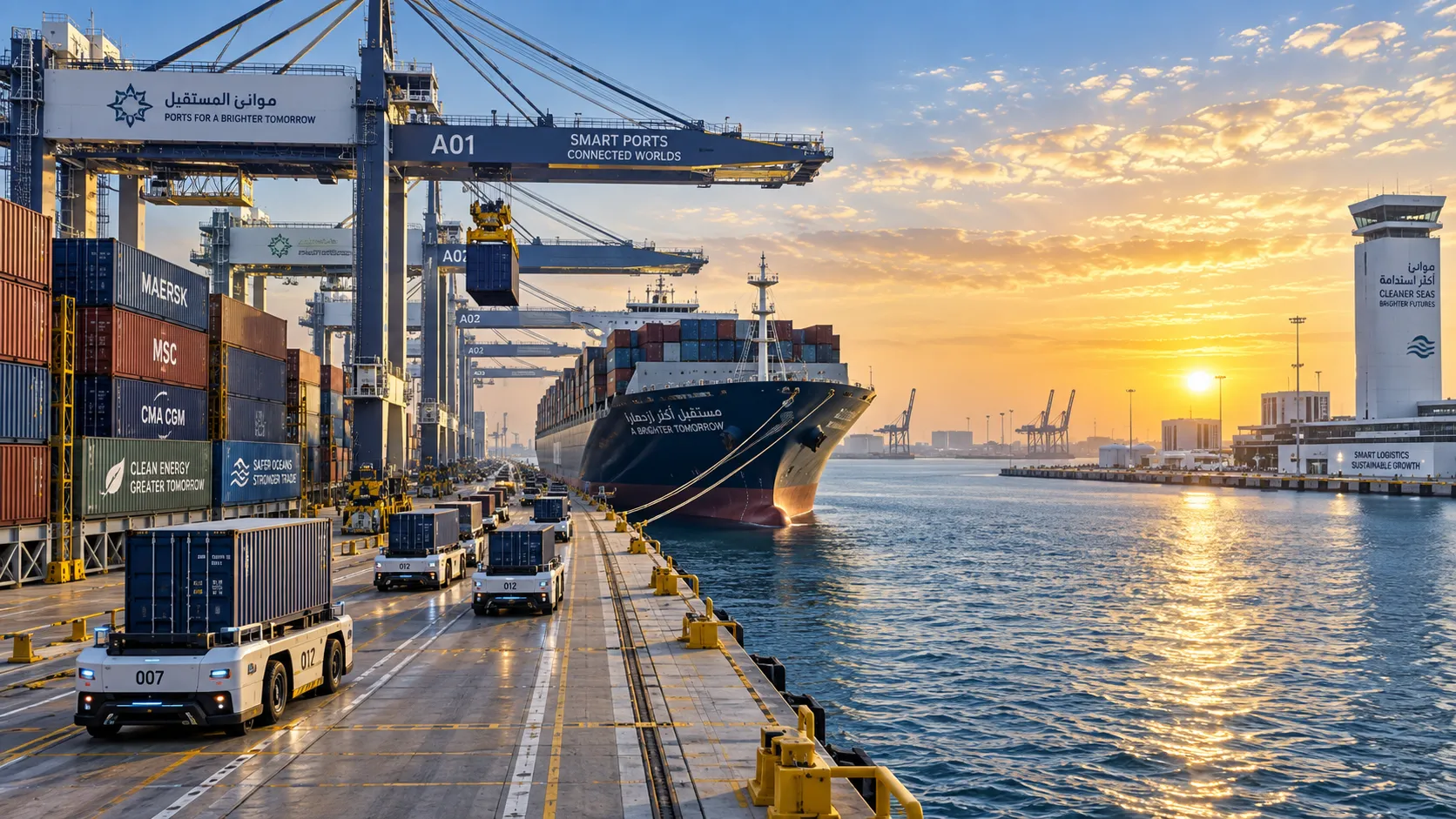
Middle East Port Automation: Key Market Drivers, Projects, and Investment Risks
Port automation systems Middle East: explore market drivers, flagship projects, integration challenges, and investment risks shaping smarter, resilient terminals.
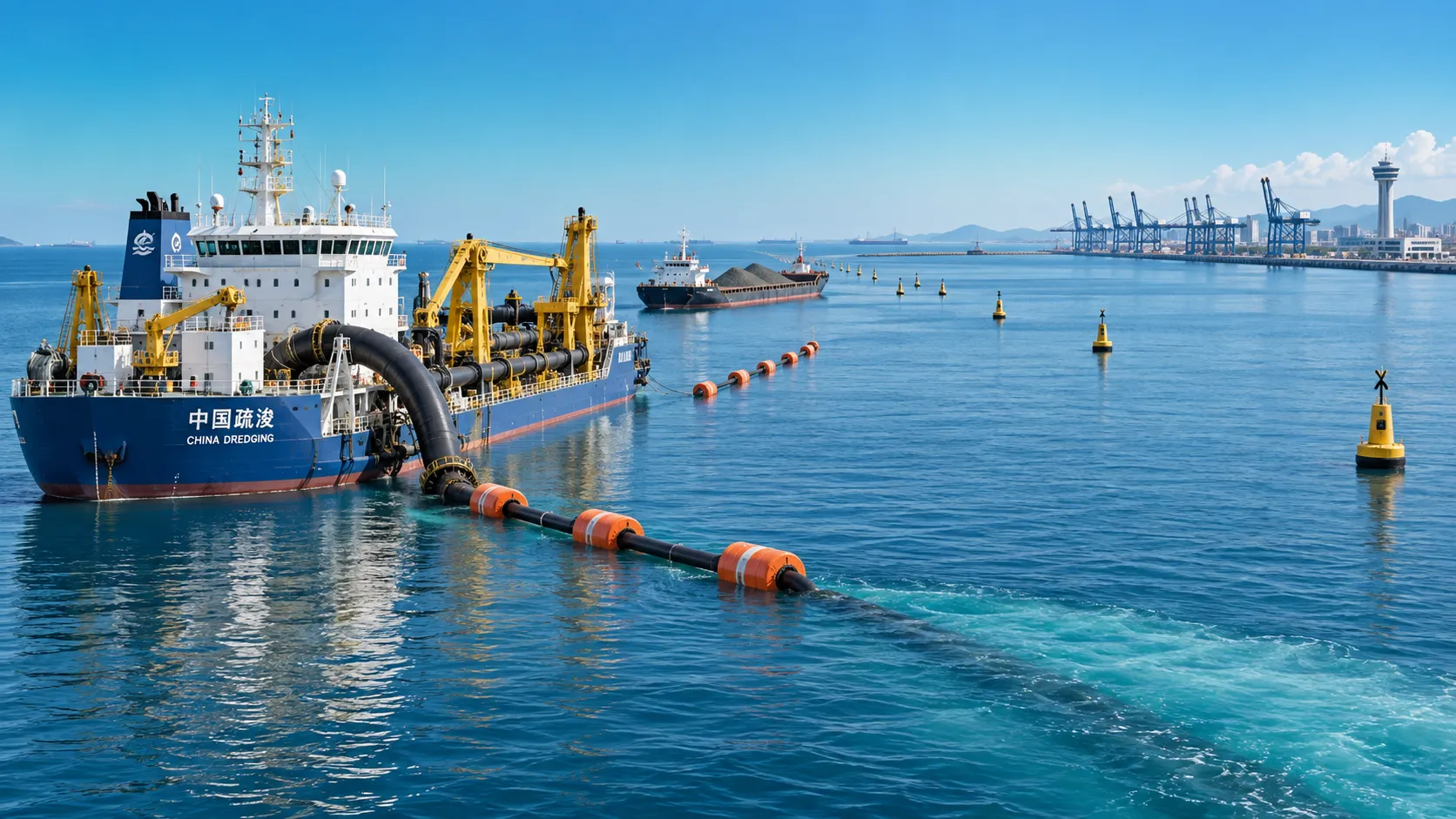
Planning Offshore Dredging Operations: Key Risks, Methods, and Project Controls
Offshore dredging operations demand smart planning. Explore key risks, proven methods, environmental controls, and project strategies for reliable delivery.