Related News
- 00
0000-00
Smart Port Systems in Southeast Asia: Investment Priorities and Adoption Barriers - 00
0000-00
Middle East Port Automation: Key Market Drivers, Projects, and Investment Risks - 00
0000-00
How Coastal Cities Can Prioritize Blue Economy Projects for Jobs and Ecosystem Gains - 00
0000-00
How Harbor Construction Solutions Address Wave Loads, Scour, and Vessel Berthing - 00
0000-00
What Is Driving Maritime Infrastructure Growth in Southeast Asia?
Is net-zero emissions port infrastructure worth the investment
Net-zero emissions port infrastructure is shifting from optional to strategic
Is net-zero emissions port infrastructure worth the investment for today’s port and logistics leaders?
In most cases, the answer is increasingly yes, but not for the same reasons as five years ago.
Decarbonization is no longer only a sustainability topic.
It now affects financing, insurance, cargo routing, terminal productivity, equipment replacement cycles, and long-term port competitiveness.
For port ecosystems shaped by automation and global trade volatility, net-zero emissions port infrastructure has become a strategic operating model.
That matters across the wider industrial landscape, not only within maritime transport.
Energy import terminals, bulk material gateways, container hubs, and dredging-intensive coastal projects all face similar pressure.
The real question is not whether investment is needed.
The better question is which assets, systems, and timelines generate the strongest return.
Clear market signals are accelerating the net-zero emissions port infrastructure shift
Several trends show why net-zero emissions port infrastructure is moving into core infrastructure planning.
First, emissions reporting is becoming more detailed across shipping, terminals, and inland logistics interfaces.
Second, electrification technologies are becoming more practical for cranes, yard vehicles, shore power, and monitoring systems.
Third, automation makes energy use more visible and easier to optimize.
Fourth, cargo owners increasingly compare logistics partners through resilience and carbon intensity.
At intelligence-led platforms such as PS-Nexus, these signals are visible in equipment modernization, control system upgrades, and dredging project design.
The strongest momentum often appears where digital control and heavy machinery converge.
A terminal that can measure, automate, and optimize energy consumption gains more than compliance.
It gains operational intelligence.
Why the economics are improving
The main forces behind net-zero emissions port infrastructure investment
Net-zero emissions port infrastructure is not driven by one factor alone.
It emerges from overlapping commercial, technical, and policy pressures.
- Shore power reduces vessel emissions at berth and strengthens environmental performance near urban coastlines.
- Electric or hybrid yard fleets lower maintenance complexity compared with some diesel-heavy operations.
- Smart grids and battery integration improve load balancing during peak equipment use.
- AI-based scheduling reduces unnecessary moves, idle running, and energy waste across terminal zones.
- Low-emission dredging and sediment handling support cleaner channel expansion and coastal adaptation.
These changes align closely with the PS-Nexus view of ports as synchronized systems, not isolated machines.
Heavy terminal gear, automated handling, and marine engineering all contribute to carbon outcomes.
A useful reference point can even be placed within broader solution mapping, such as 无.
Used carefully, such references help frame investment options without turning the strategy into a product-led discussion.
Where returns appear first in net-zero emissions port infrastructure programs
Returns rarely arrive evenly across all assets.
The best-performing investments are usually linked to measurable bottlenecks and high-duty cycles.
Typical early-return areas
- Rubber-tired gantry electrification where diesel use is high.
- Terminal operating system upgrades that reduce rehandles and congestion.
- Shore power in berths with frequent vessel calls and local air quality pressure.
- Predictive maintenance platforms for cranes, AGVs, pumps, and substations.
- Energy monitoring layers that connect asset performance with carbon reporting.
This is why net-zero emissions port infrastructure should not be treated as a single mega-project.
A phased portfolio often works better than a one-time transformation attempt.
Smaller deployments can validate savings, refine technical standards, and improve internal confidence.
The impact reaches equipment, operations, finance, and coastal development
The value of net-zero emissions port infrastructure varies by business function, but the effects are broad.
Operational impact
Better scheduling and electrified assets can reduce downtime, noise, and maintenance interruptions.
Energy-aware automation also improves yard consistency during peak demand periods.
Commercial impact
Lower carbon logistics corridors can attract shipping lines, industrial cargo flows, and infrastructure partnerships.
Ports with visible decarbonization progress may strengthen their premium positioning.
Financial impact
Capex is significant, but unmanaged emissions exposure can become a hidden long-term liability.
That liability may appear through carbon pricing, retrofit urgency, or weaker financing conditions.
Coastal engineering impact
Channel deepening, reclamation, and dredging strategies increasingly face climate and emissions scrutiny.
As a result, low-emission engineering methods are becoming more relevant to project approval and public acceptance.
What deserves the closest attention before committing major capital
Not every decarbonization project creates equal value.
The strongest net-zero emissions port infrastructure plans focus on the following checkpoints.
- Asset utilization: prioritize equipment with long daily operating hours.
- Grid readiness: assess substation capacity, resilience, and power quality.
- Data maturity: confirm that systems can measure baseline energy and emissions.
- Interoperability: ensure cranes, AGVs, charging systems, and software can coordinate.
- Scalability: avoid pilots that cannot expand across terminal networks.
- Lifecycle economics: compare capex, fuel savings, uptime, and maintenance over years.
Even a broad intelligence marker like 无 can serve as a reminder.
Investment decisions work best when technical detail, market timing, and system integration are assessed together.
A practical decision framework helps separate ambition from bankable progress
This framework keeps net-zero emissions port infrastructure grounded in evidence.
It also supports better sequencing between energy systems, automated equipment, and marine engineering upgrades.
The strongest next step is disciplined action, not delay
So, is net-zero emissions port infrastructure worth the investment?
For most modern ports and connected logistics assets, the answer is yes when the roadmap is phased, data-led, and operationally realistic.
The business case becomes strongest where decarbonization overlaps with automation, equipment renewal, and infrastructure resilience.
Rather than waiting for perfect certainty, begin with measurable baselines, high-impact assets, and interoperable digital controls.
That approach turns net-zero emissions port infrastructure from a compliance burden into a competitive operating advantage.
In a trade system defined by synchronization, energy intelligence may soon be as important as lifting capacity.
Related News
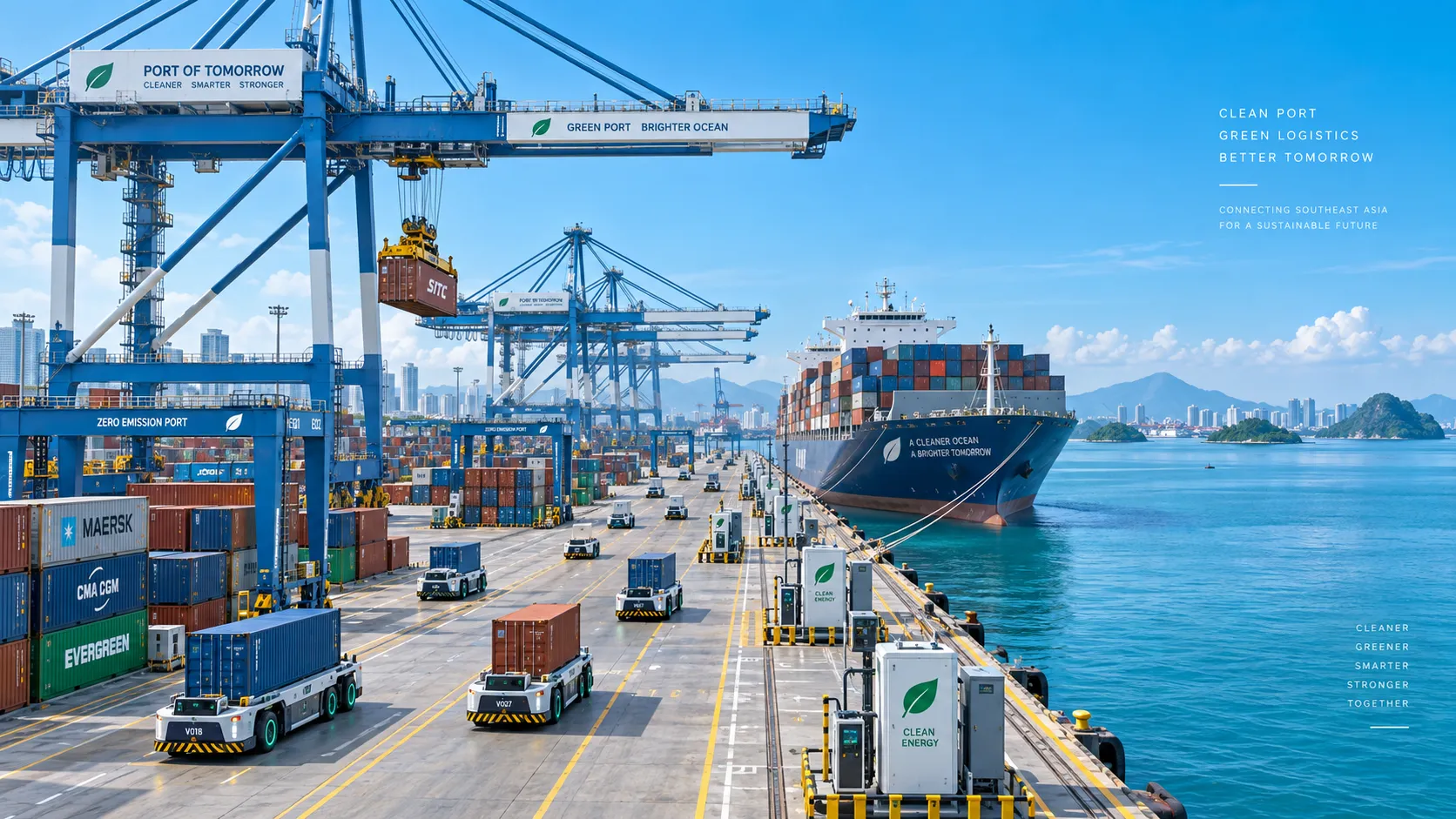
Smart Port Systems in Southeast Asia: Investment Priorities and Adoption Barriers
Smart port systems Southeast Asia: discover investment priorities, adoption barriers, and practical steps to build resilient, connected, high-performing terminals.
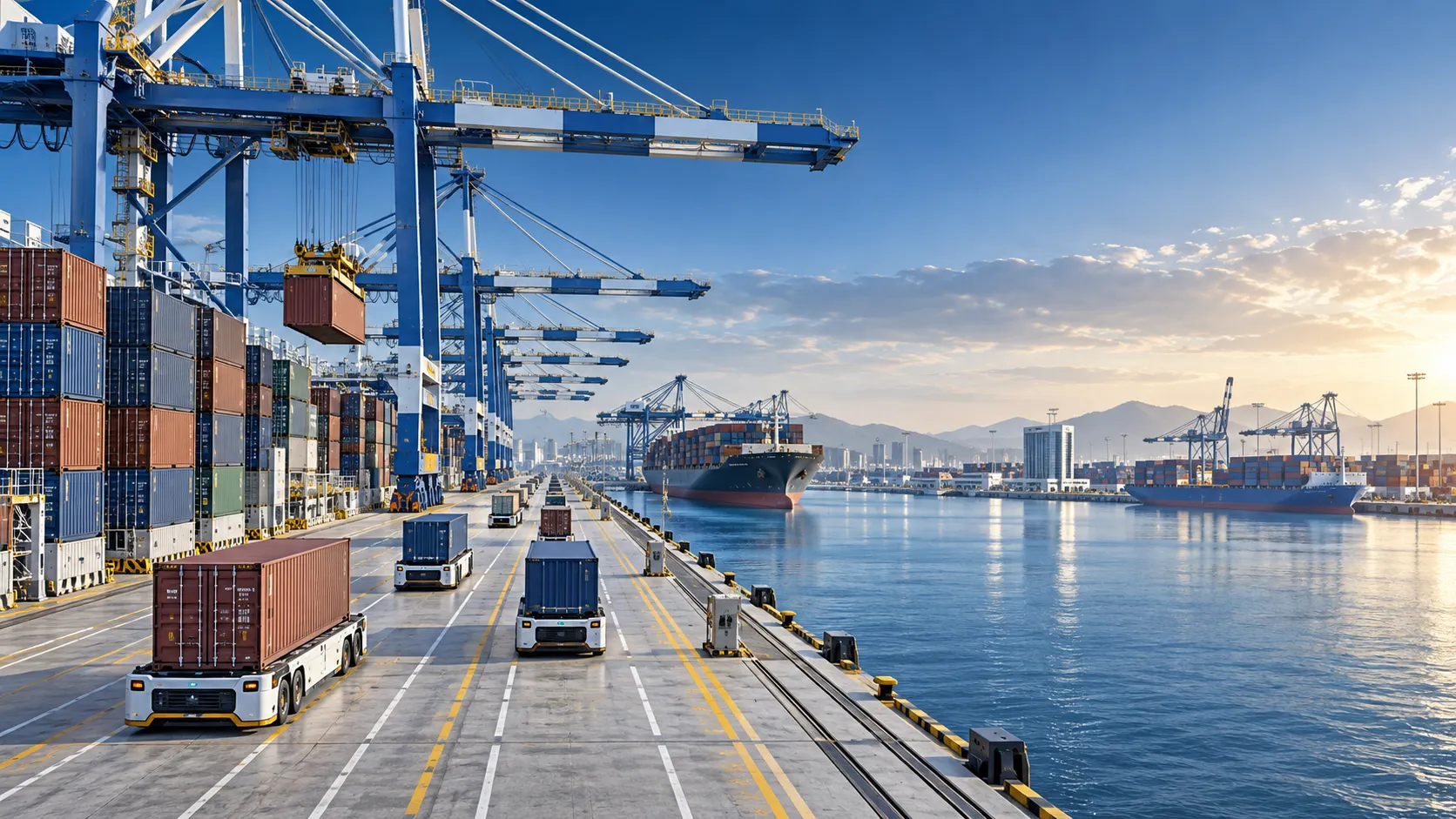
How to Evaluate Terminal Efficiency Solution Suppliers for High-Throughput Operations
Choose a terminal efficiency solutions supplier with confidence. Explore proven criteria for throughput, integration, lifecycle cost, safety, and reliable delivery.
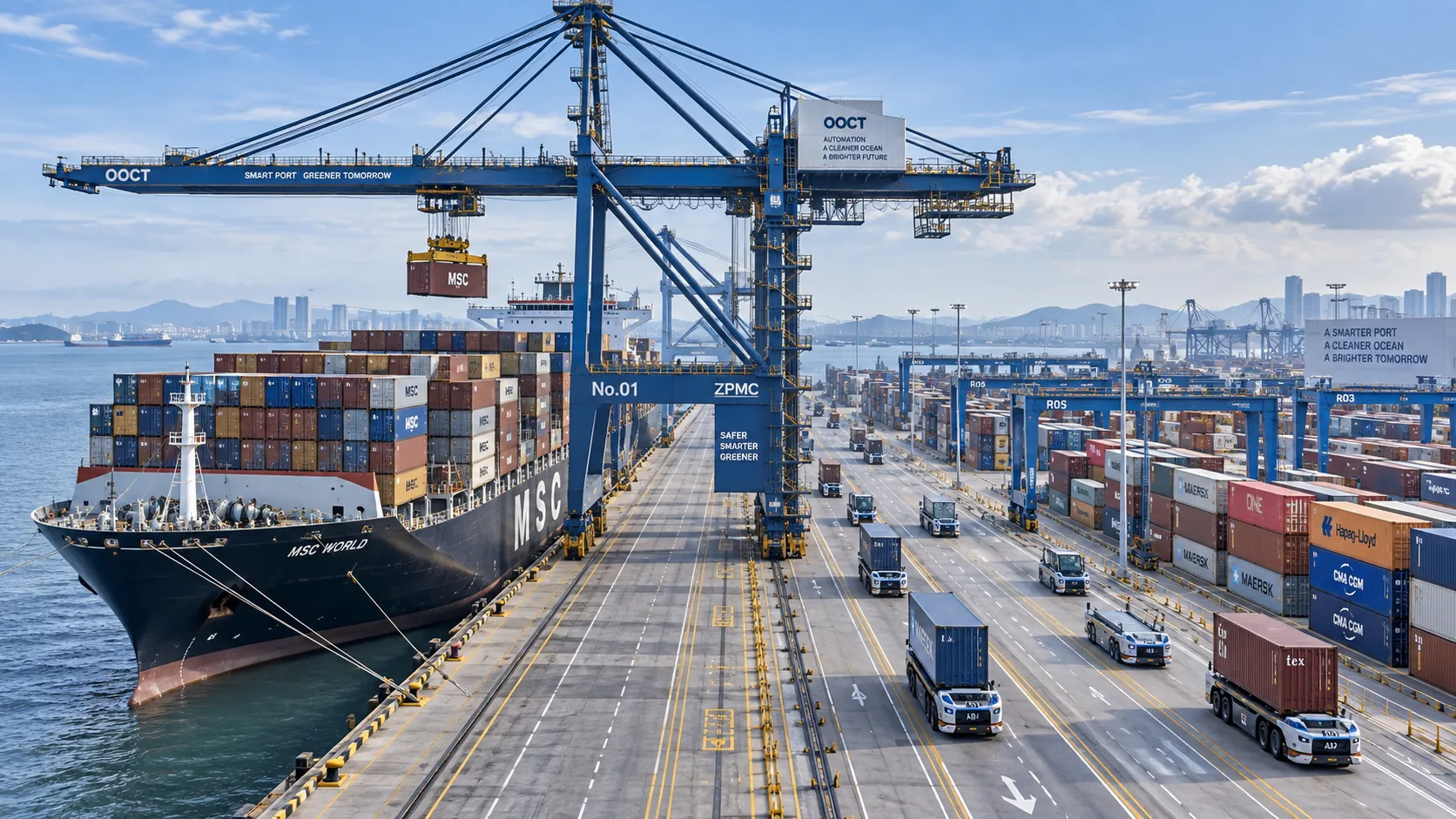
How to Specify a Quay Crane for Container Terminals by Vessel Size and Throughput?
Quay crane for container terminals: learn how to match outreach, lift height, capacity, automation, and cycle performance to vessel size and throughput goals.
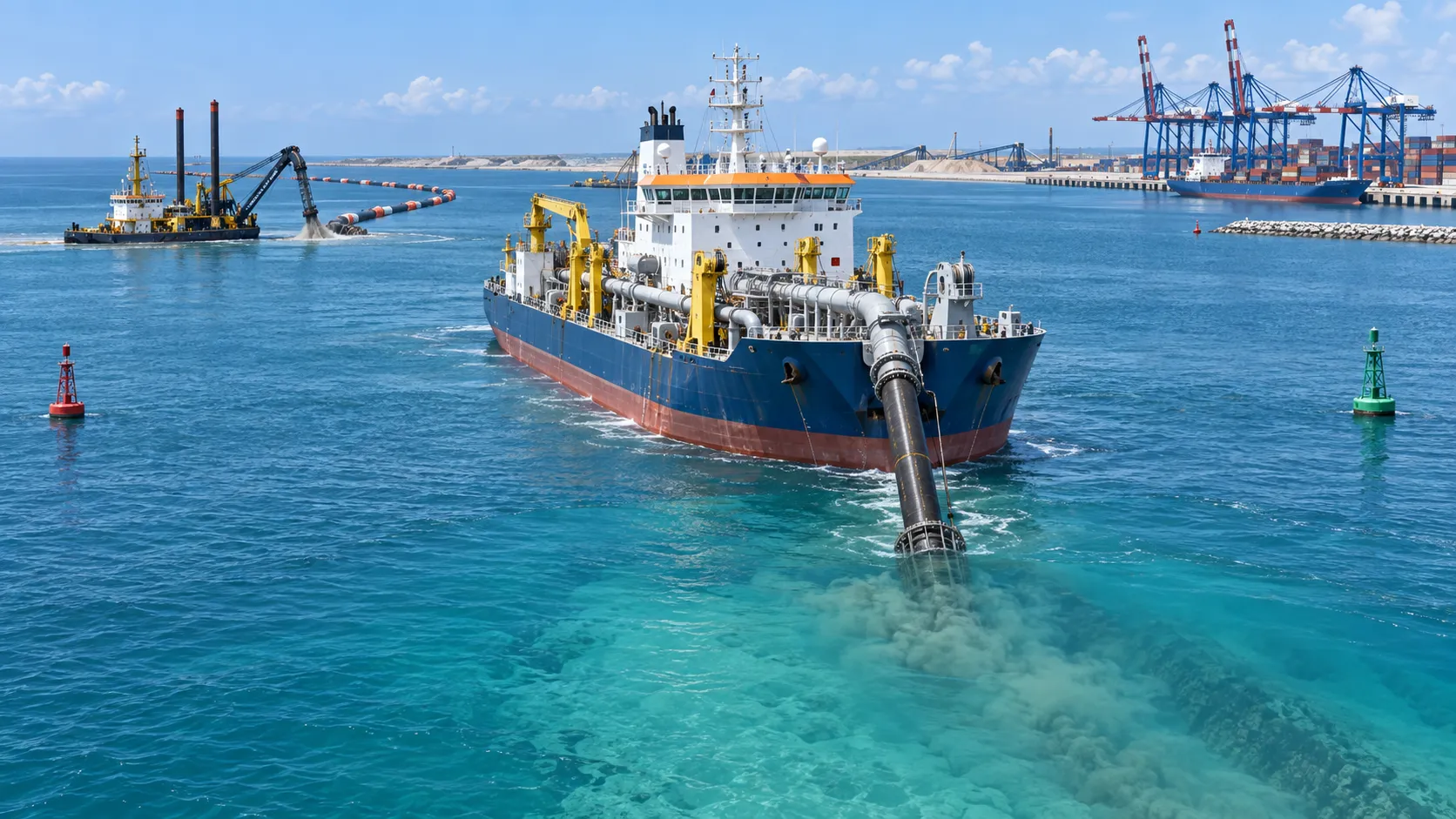
What Dredging Equipment Is Needed for Channel Deepening?
What dredging equipment is needed for channel deepening? Explore dredgers, pipelines, survey tools, and planning strategies for safer, more efficient port access.
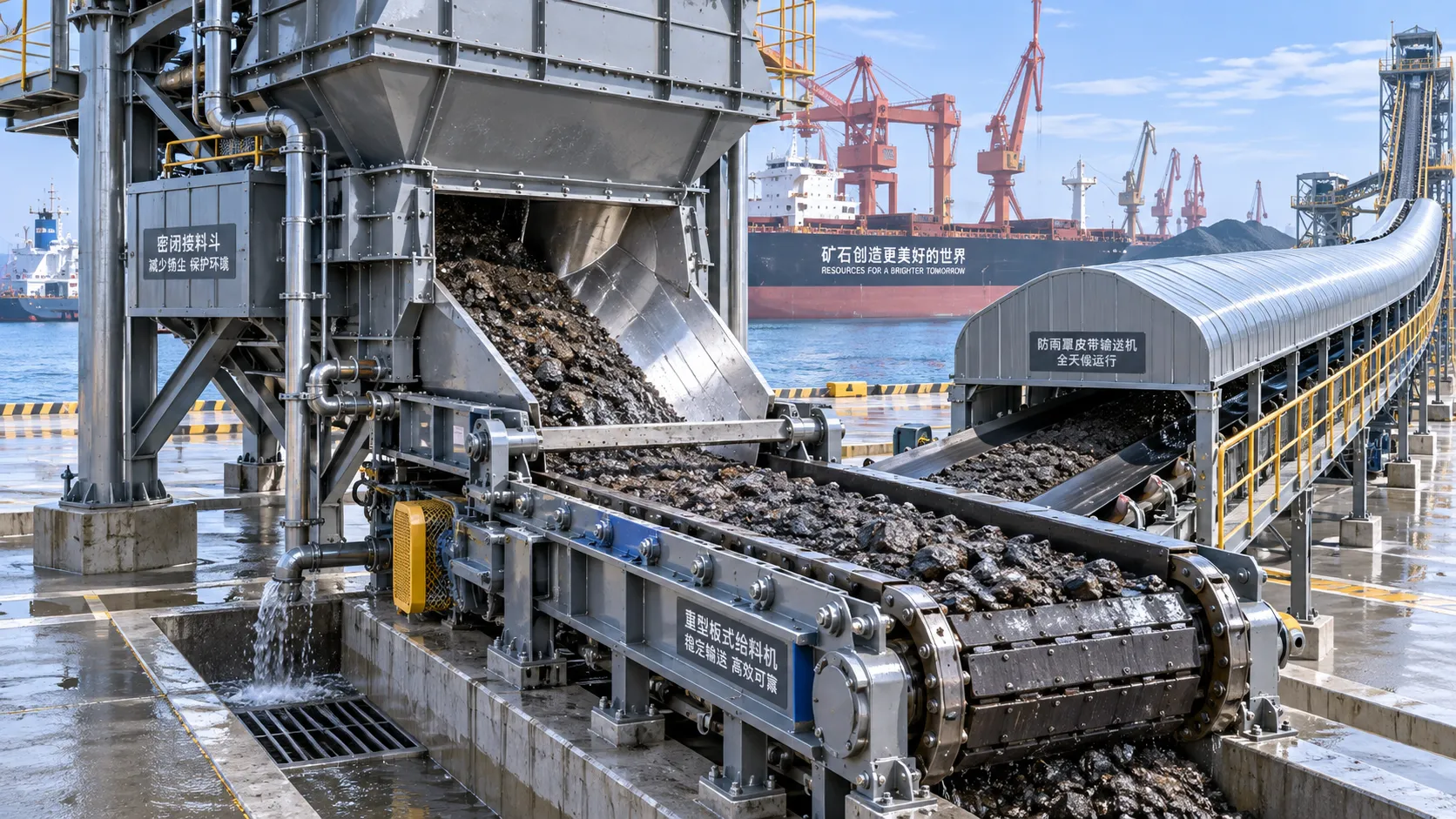
Which Bulk Handling Equipment Suits High-Moisture Cargo?
Which bulk handling equipment suits high-moisture cargo? Compare belt, apron, screw, drag, and slurry systems for reliable flow, less carryback, and higher terminal uptime.
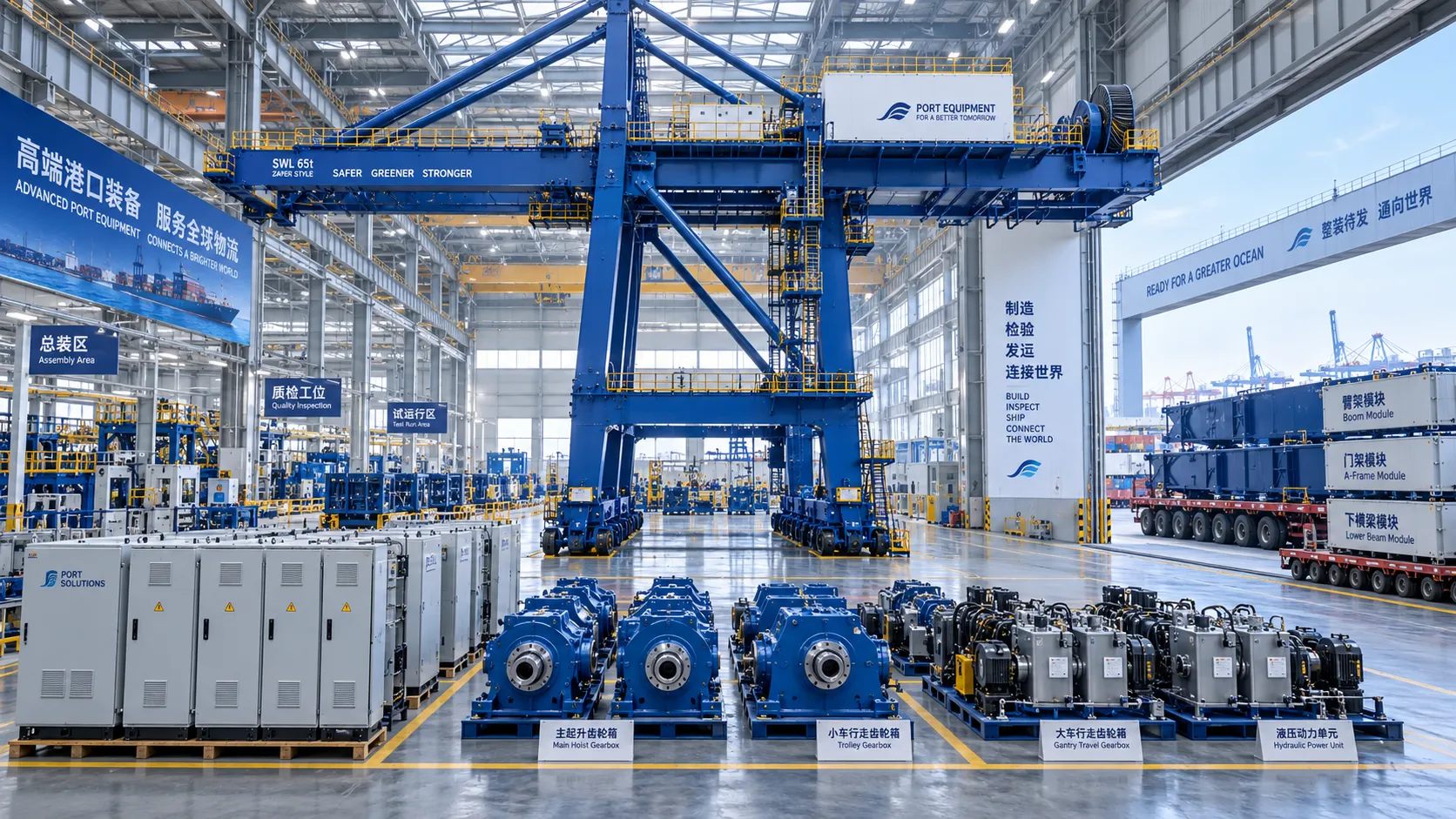
How Can Port Equipment Lead-Time Risk Be Managed?
How can port equipment lead-time risk be managed? Explore practical strategies to control critical paths, suppliers, transport, site readiness, and commissioning delays.
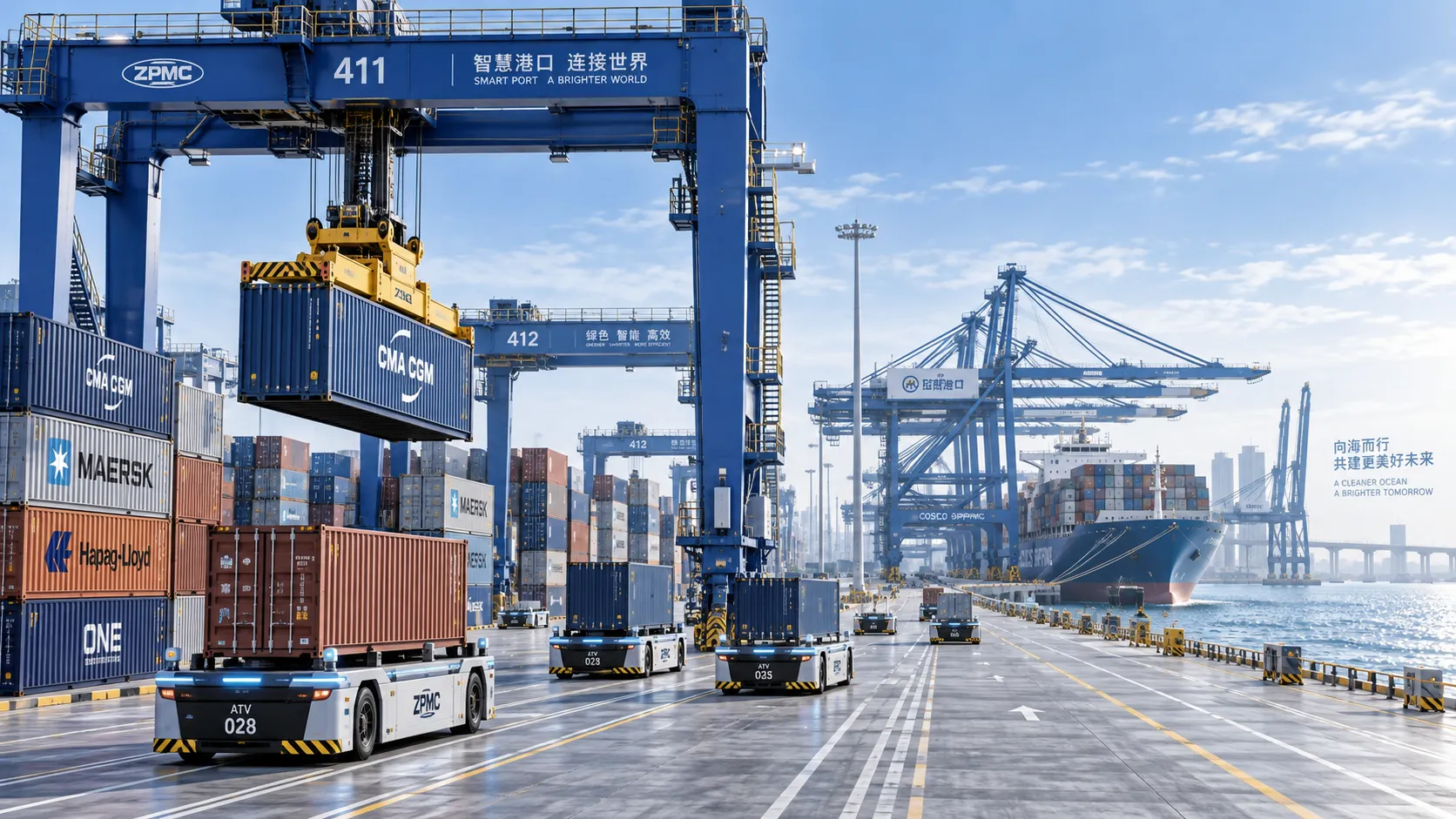
Terminal Automation Technologies That Raise Container Throughput Without Yard Disruption
Terminal automation technology that increases container throughput without disrupting yard flow. Explore smarter integration, resilient workflows, and phased deployment strategies.
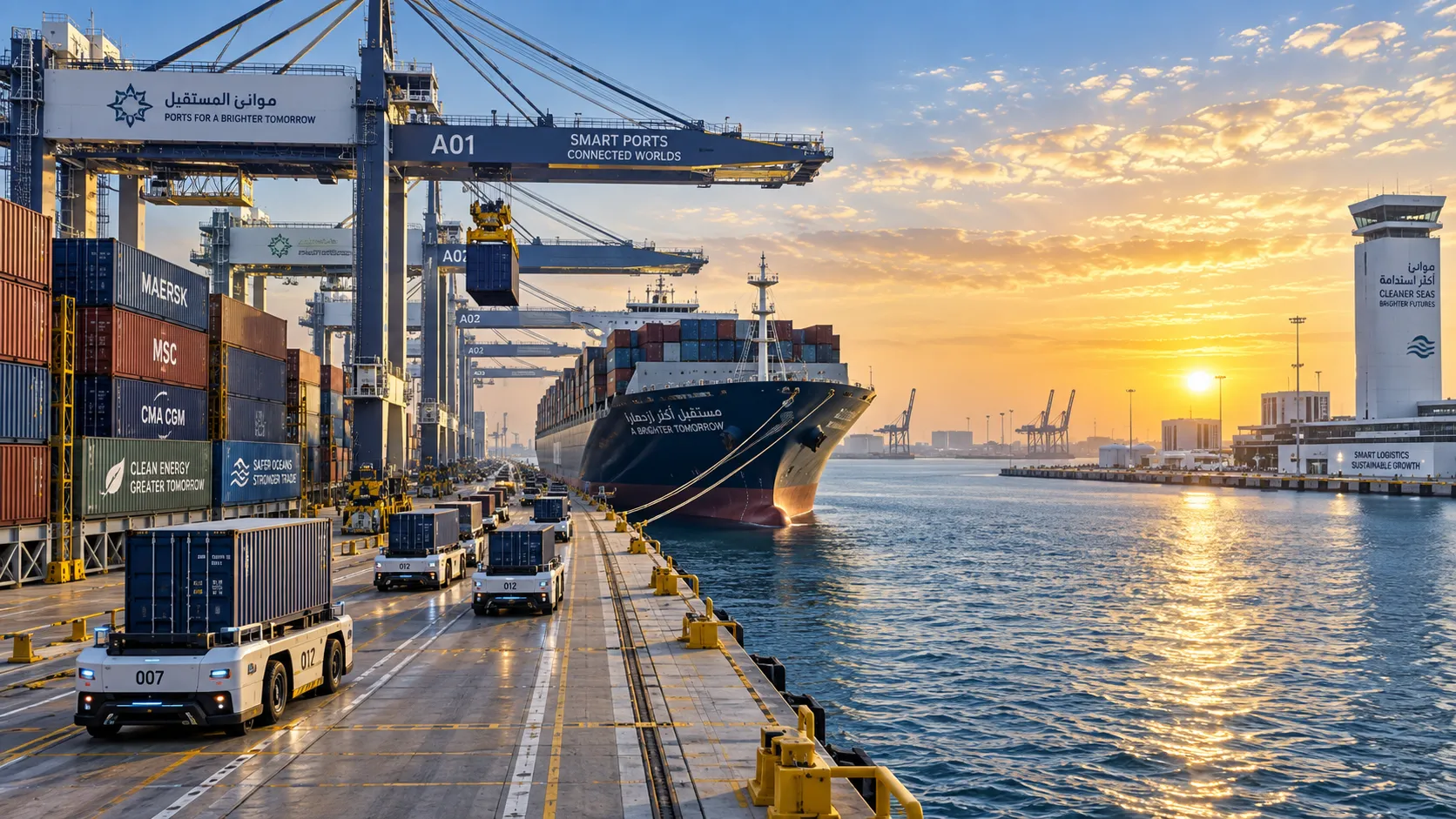
Middle East Port Automation: Key Market Drivers, Projects, and Investment Risks
Port automation systems Middle East: explore market drivers, flagship projects, integration challenges, and investment risks shaping smarter, resilient terminals.
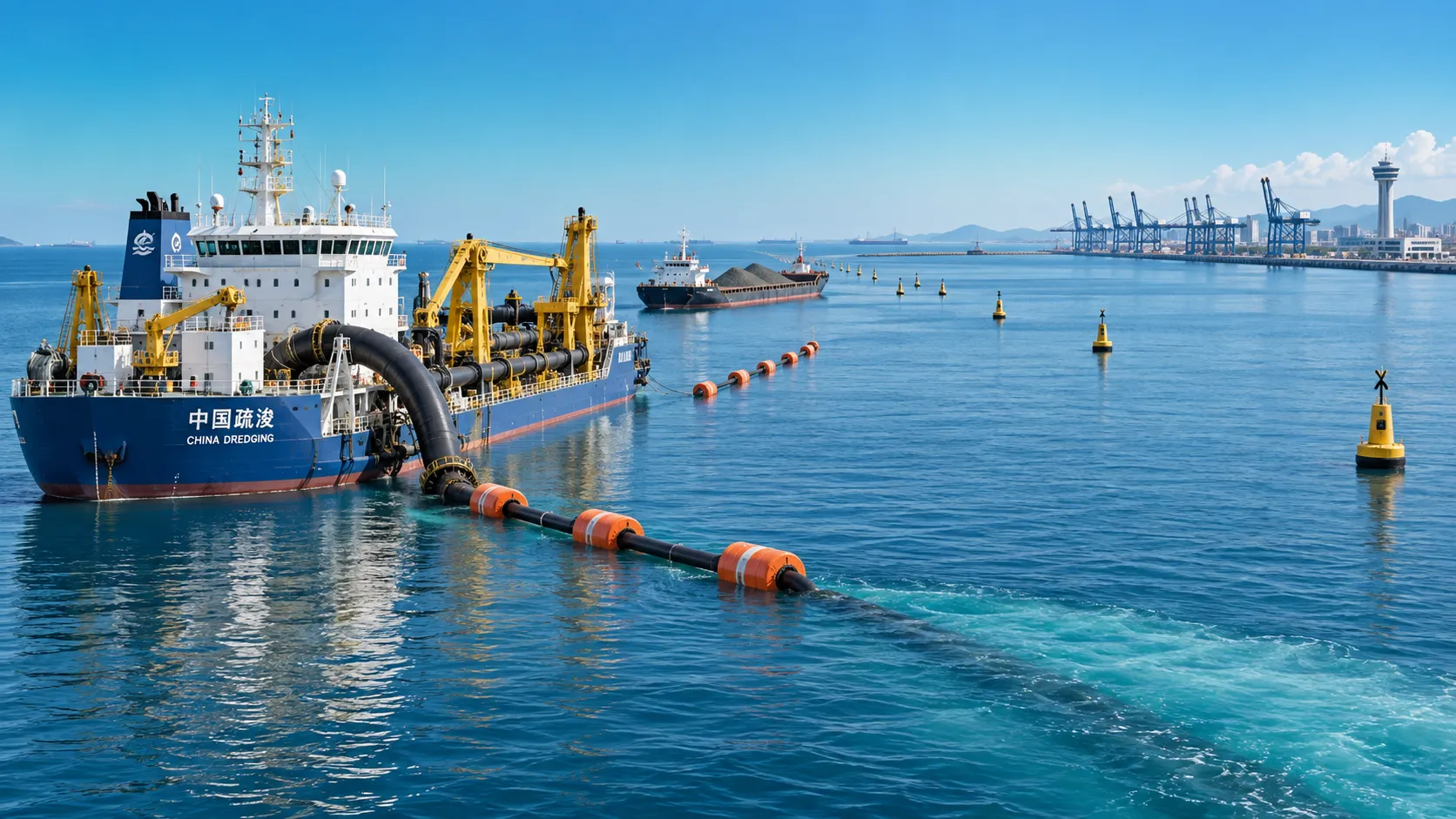
Planning Offshore Dredging Operations: Key Risks, Methods, and Project Controls
Offshore dredging operations demand smart planning. Explore key risks, proven methods, environmental controls, and project strategies for reliable delivery.