Related News
- 00
0000-00
How Can Port Equipment Lead-Time Risk Be Managed? - 00
0000-00
Maritime Logistics Operations: How Ports Can Reduce Container Dwell Time - 00
0000-00
What Does Logistics Node Monitoring Cost Across Warehouses and Transport Hubs? - 00
0000-00
How Can IoT Smart Port Solutions Improve Container Tracking and Yard Efficiency? - 00
0000-00
How Real-Time Port Logistics Intelligence Improves Container Yard Efficiency
What Is Maritime Trade Analytics and Which Metrics Matter Most for Route and Demand Planning?
Maritime trade analytics turns scattered vessel, port, and cargo signals into a usable view of how trade is moving. That matters now because route design and demand planning are no longer shaped by freight rates alone. Port congestion, equipment productivity, dredging capacity, schedule reliability, and regional cargo shifts all influence where volumes go next and how efficiently they arrive.
In practice, maritime trade analytics helps explain why one corridor tightens while another recovers, why a port gains volume despite higher costs, or why inland demand starts changing vessel deployment decisions. For intelligence-focused platforms such as PS-Nexus, the topic also connects operational hardware with strategic trade signals, linking terminal gear, automation systems, and coastal infrastructure to broader logistics outcomes.
What maritime trade analytics really covers
At its core, maritime trade analytics is the structured analysis of shipping activity across routes, ports, cargo categories, and supporting infrastructure. It combines operational data with market context.
That usually includes vessel tracking, berth activity, turnaround time, container throughput, bulk cargo movement, terminal utilization, canal passage trends, and trade lane demand.
The goal is not just to describe movement. The real purpose is to identify cause and direction. In other words, which signals are temporary noise, and which ones indicate a structural shift.
This is why maritime trade analytics sits at the intersection of logistics, infrastructure, economics, and technology. A route may appear open on paper, yet still underperform because yard automation is constrained, dredging depth is insufficient, or crane cycles are slowing vessel clearance.
Why the subject matters more in current trade conditions
Global shipping has become more sensitive to disruption and rebalancing. Energy transitions, geopolitical rerouting, nearshoring, inventory normalization, and climate pressure all affect cargo flows.
At the same time, ports are becoming more technologically uneven. Some hubs expand through automated container handling and better control systems. Others face bottlenecks caused by draft limits, yard congestion, labor pressure, or aging equipment.
That makes maritime trade analytics valuable beyond shipping lines. It informs decisions around terminal investment, equipment demand, coastal engineering priorities, and the likely timing of infrastructure upgrades.
This is especially relevant to the PS-Nexus perspective. Heavy terminal gear, bulk handling machinery, automation architecture, and dredging equipment are not isolated assets. They shape throughput ceilings and route competitiveness.
The metrics that matter most for route planning
Not every data point deserves equal weight. For route planning, the strongest metrics are those that reveal both physical feasibility and operational reliability.
Vessel flow and lane density
Vessel counts by lane show how crowded or active a corridor is. On their own, they are not enough. The better signal is the mix of vessel types, capacity deployed, and directional imbalance.
A route with rising sailings but lower average load factors suggests oversupply. A route with stable sailings and longer dwell times may point to capacity stress downstream.
Transit time and schedule reliability
Average transit time matters, but variance matters more. Repeated delays change inventory planning, berth windows, and downstream transport timing.
A lane with a slightly longer but stable transit profile can be more valuable than a nominally faster route with high disruption risk.
Port congestion and berth waiting time
Congestion is one of the most actionable indicators in maritime trade analytics. It directly affects route selection, vessel rotation, and feeder strategy.
Waiting time should be read together with berth productivity. A congested port with strong crane performance may recover quickly. A congested port with weak yard flow often signals deeper operational stress.
Draft availability and channel condition
This metric is often overlooked until it becomes a constraint. Dredging status, tidal access, and fairway depth determine whether larger vessels can call efficiently.
For bulk and container trades alike, limited draft can reshape routing economics, especially where cargo concentration favors larger ships.
Terminal throughput and equipment productivity
Moves per hour, berth throughput, yard turnover, and gate fluidity reveal whether a route is supported by real handling capacity.
This is where maritime trade analytics connects directly with quay cranes, automated stacking systems, AGV coordination, and control platforms. Hardware capability only becomes strategic when it improves flow consistency.
The metrics that matter most for demand planning
Demand planning requires a wider lens. The question is not only where cargo is moving, but what kind of demand is forming and whether it is durable.
The strongest demand models also track whether volume gains are linked to one-off restocking, policy changes, industrial relocation, or infrastructure expansion.
That distinction matters. Temporary cargo spikes do not justify the same planning assumptions as structural changes in regional manufacturing or energy imports.
Where analytics meets real port and trade decisions
Maritime trade analytics becomes useful when it is translated into operational judgment. A good dashboard is not the end product. A better decision is.
For example, rising congestion at a major gateway may initially look negative. Yet if nearby secondary ports show improved berth productivity, deeper channels, and stronger automation readiness, route diversification may become attractive.
The same logic applies to equipment and infrastructure demand. If trade lanes are shifting toward ports with land constraints, investment interest may move toward higher-density yard systems and smarter control software.
If bulk commodity flows are increasing into draft-sensitive terminals, dredging activity and heavy bulk handling demand may offer earlier signals than simple cargo totals.
This is one reason PS-Nexus positions strategic intelligence alongside port machinery and marine engineering. Route outcomes are often determined by physical assets and system design before they appear in headline trade statistics.
How to read maritime trade analytics without being misled
The biggest risk is treating isolated metrics as final answers. A port with high throughput may still be fragile if dwell time is worsening and berth windows are becoming less reliable.
- Compare volume with productivity, not volume alone.
- Track trend direction across several months, not one reporting window.
- Separate cyclical volatility from infrastructure-based change.
- Read route metrics together with canal, dredging, and weather exposure.
- Use port equipment data to test whether growth is operationally supportable.
It also helps to distinguish observable facts from inferred causes. A drop in vessel calls could reflect lower demand, alliance network redesign, labor uncertainty, or draft restrictions.
Good maritime trade analytics does not stop at correlation. It looks for operational context, policy triggers, and infrastructure conditions that explain the pattern.
What to watch next
The next phase of maritime trade analytics will likely become more integrated and predictive. Port automation data, remote equipment telemetry, and lower-latency control systems will sharpen the picture of real-time capacity.
That creates a more useful planning layer for route selection and demand sensing. It also makes infrastructure intelligence more relevant, especially where coastal expansion, terminal modernization, and net-zero pressure are changing port competitiveness.
A practical next step is to build a short watchlist of metrics tied to a specific corridor or port group. Start with vessel flow, congestion, throughput, draft condition, and commodity volume. Then test whether those signals align or conflict.
That kind of disciplined reading is where maritime trade analytics becomes genuinely valuable. It turns movement data into planning logic, and planning logic into clearer decisions about routes, demand, and the infrastructure shaping both.
Related News
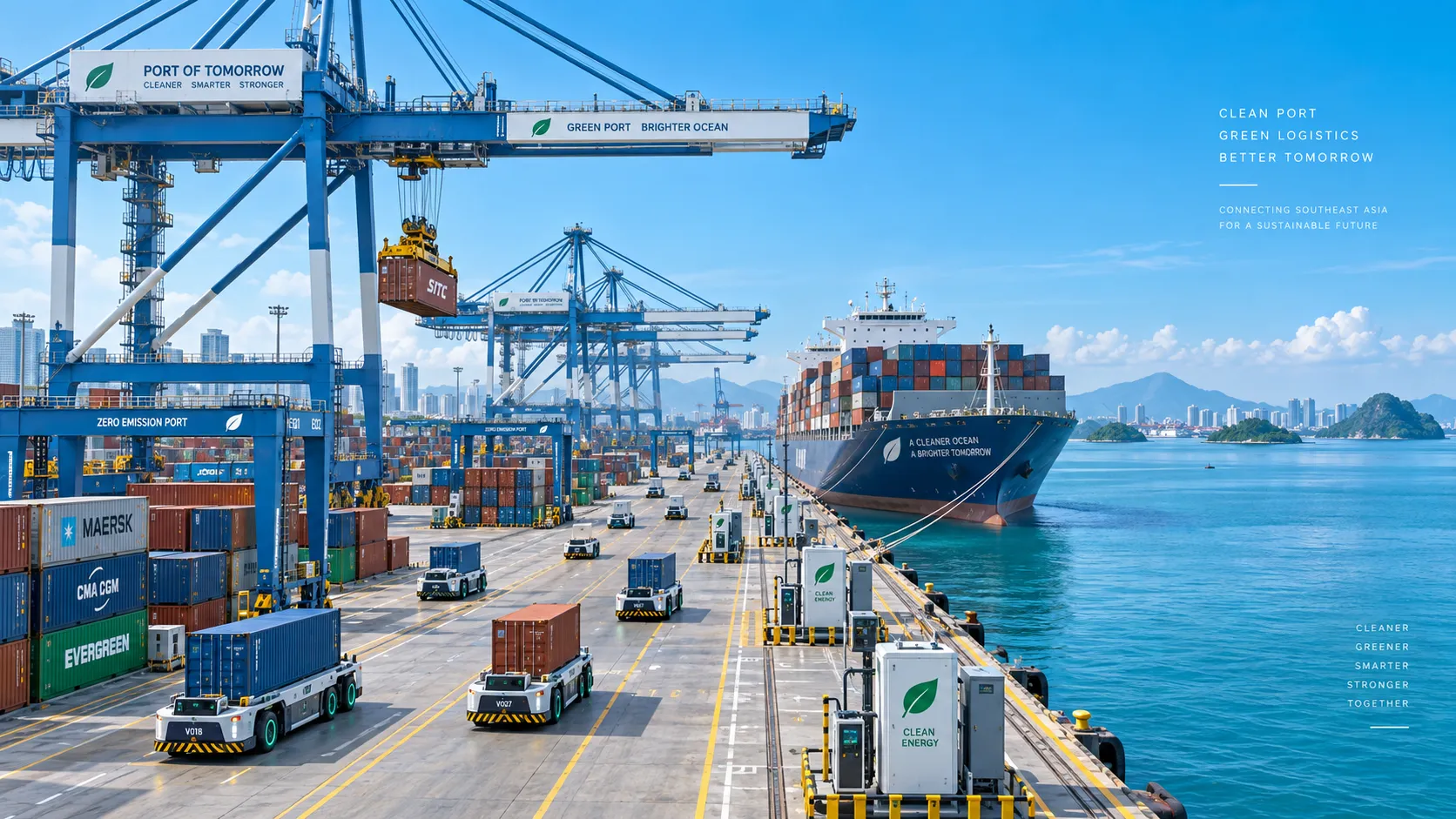
Smart Port Systems in Southeast Asia: Investment Priorities and Adoption Barriers
Smart port systems Southeast Asia: discover investment priorities, adoption barriers, and practical steps to build resilient, connected, high-performing terminals.
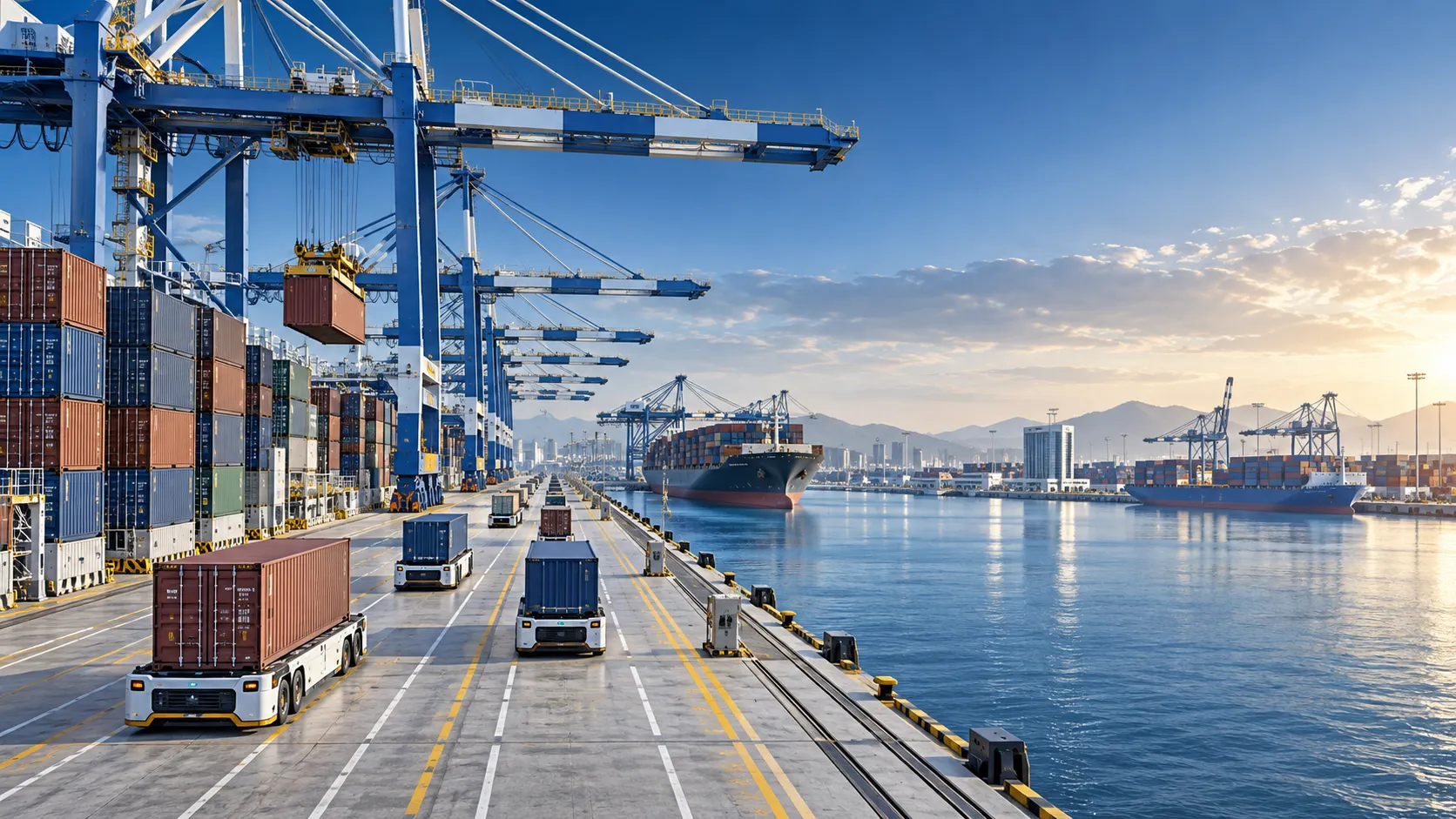
How to Evaluate Terminal Efficiency Solution Suppliers for High-Throughput Operations
Choose a terminal efficiency solutions supplier with confidence. Explore proven criteria for throughput, integration, lifecycle cost, safety, and reliable delivery.
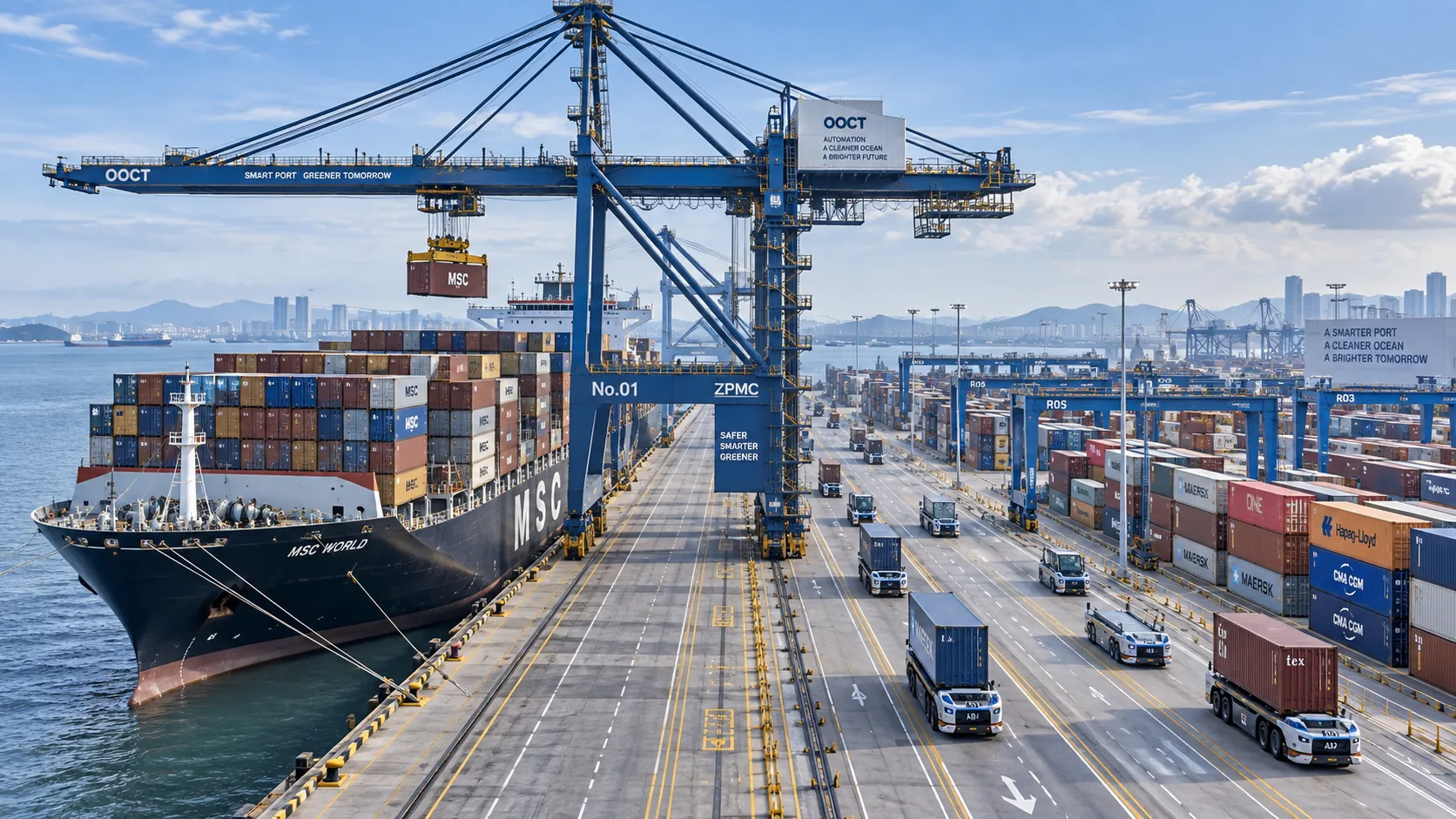
How to Specify a Quay Crane for Container Terminals by Vessel Size and Throughput?
Quay crane for container terminals: learn how to match outreach, lift height, capacity, automation, and cycle performance to vessel size and throughput goals.
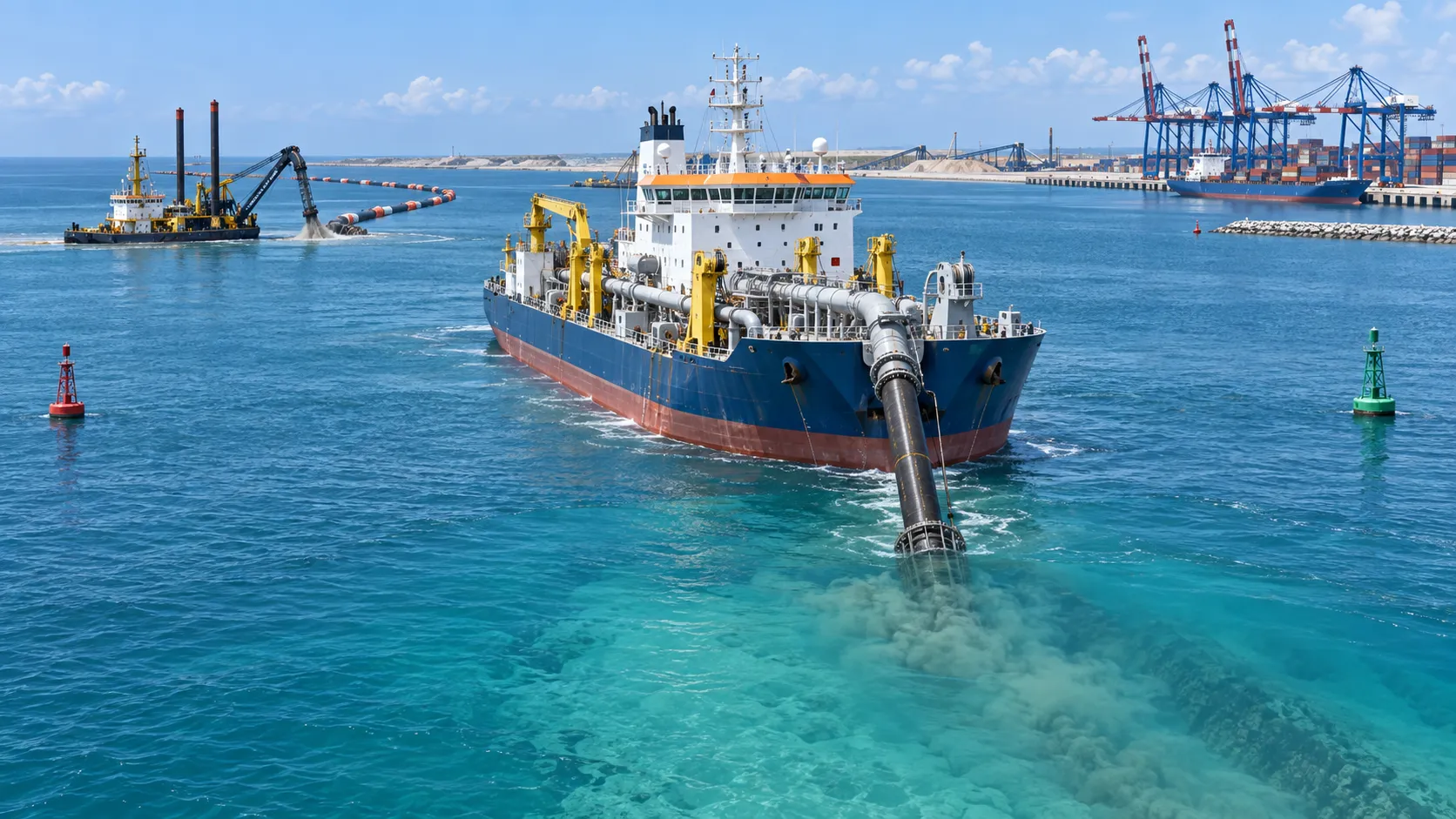
What Dredging Equipment Is Needed for Channel Deepening?
What dredging equipment is needed for channel deepening? Explore dredgers, pipelines, survey tools, and planning strategies for safer, more efficient port access.
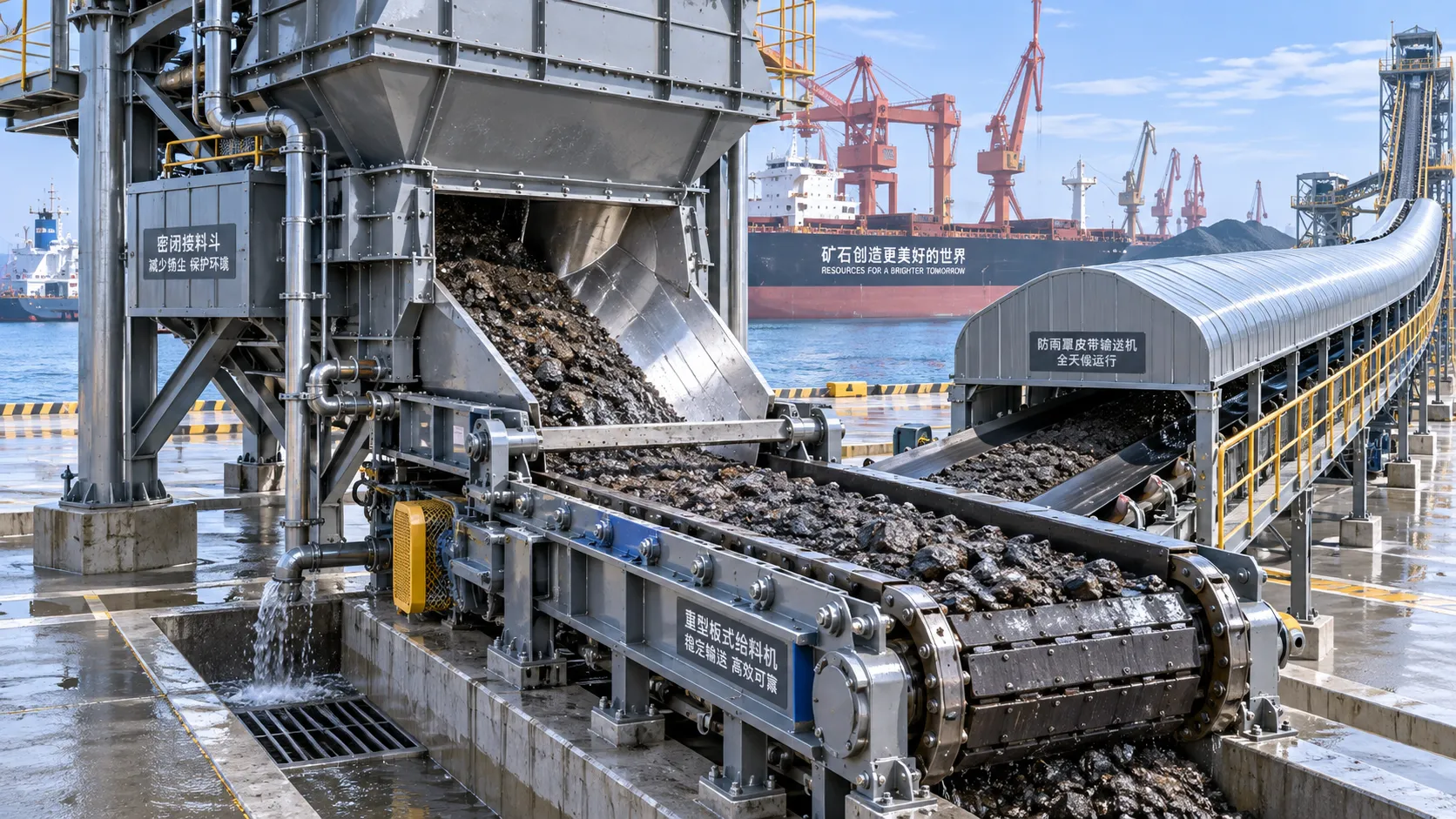
Which Bulk Handling Equipment Suits High-Moisture Cargo?
Which bulk handling equipment suits high-moisture cargo? Compare belt, apron, screw, drag, and slurry systems for reliable flow, less carryback, and higher terminal uptime.
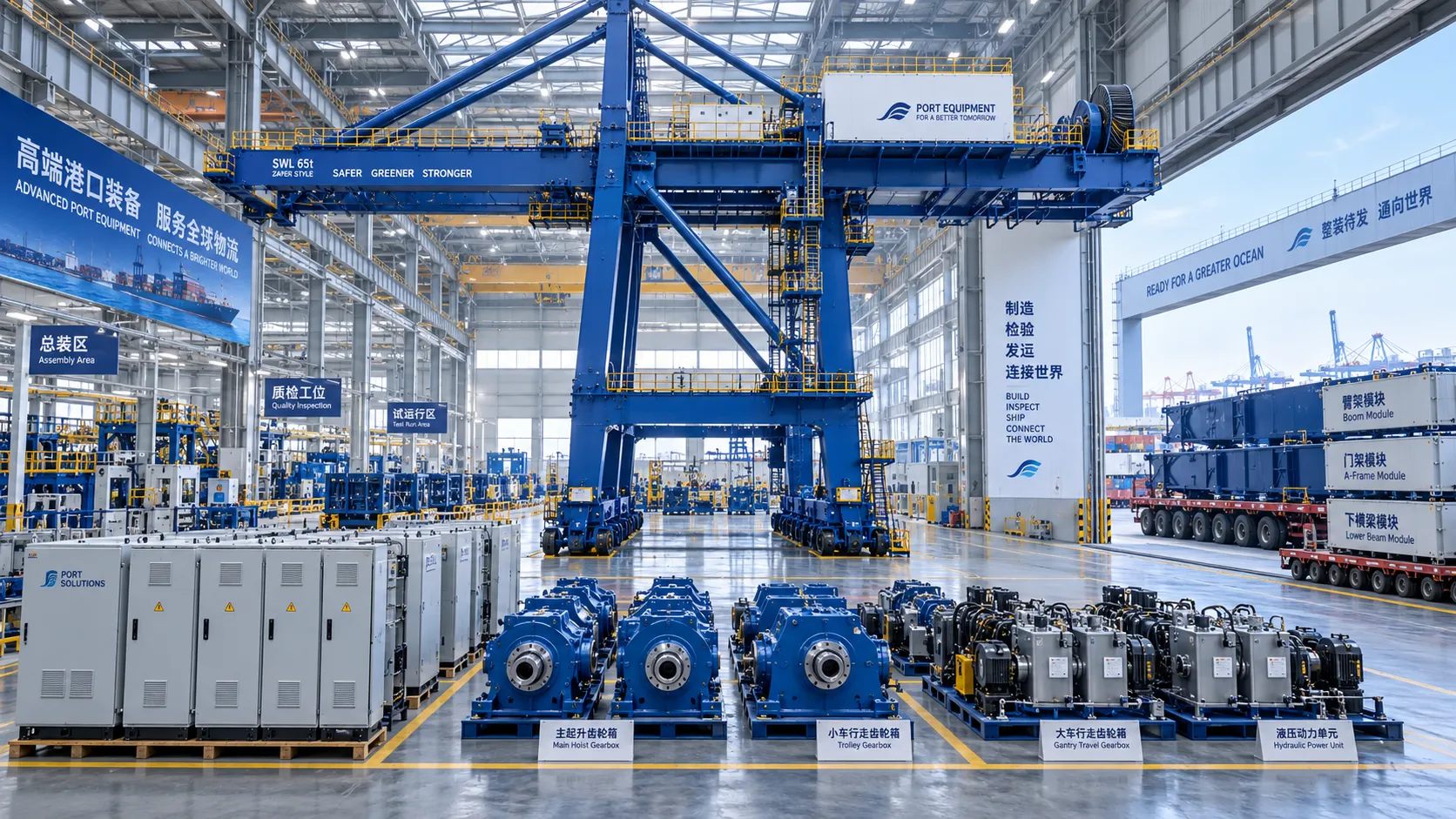
How Can Port Equipment Lead-Time Risk Be Managed?
How can port equipment lead-time risk be managed? Explore practical strategies to control critical paths, suppliers, transport, site readiness, and commissioning delays.
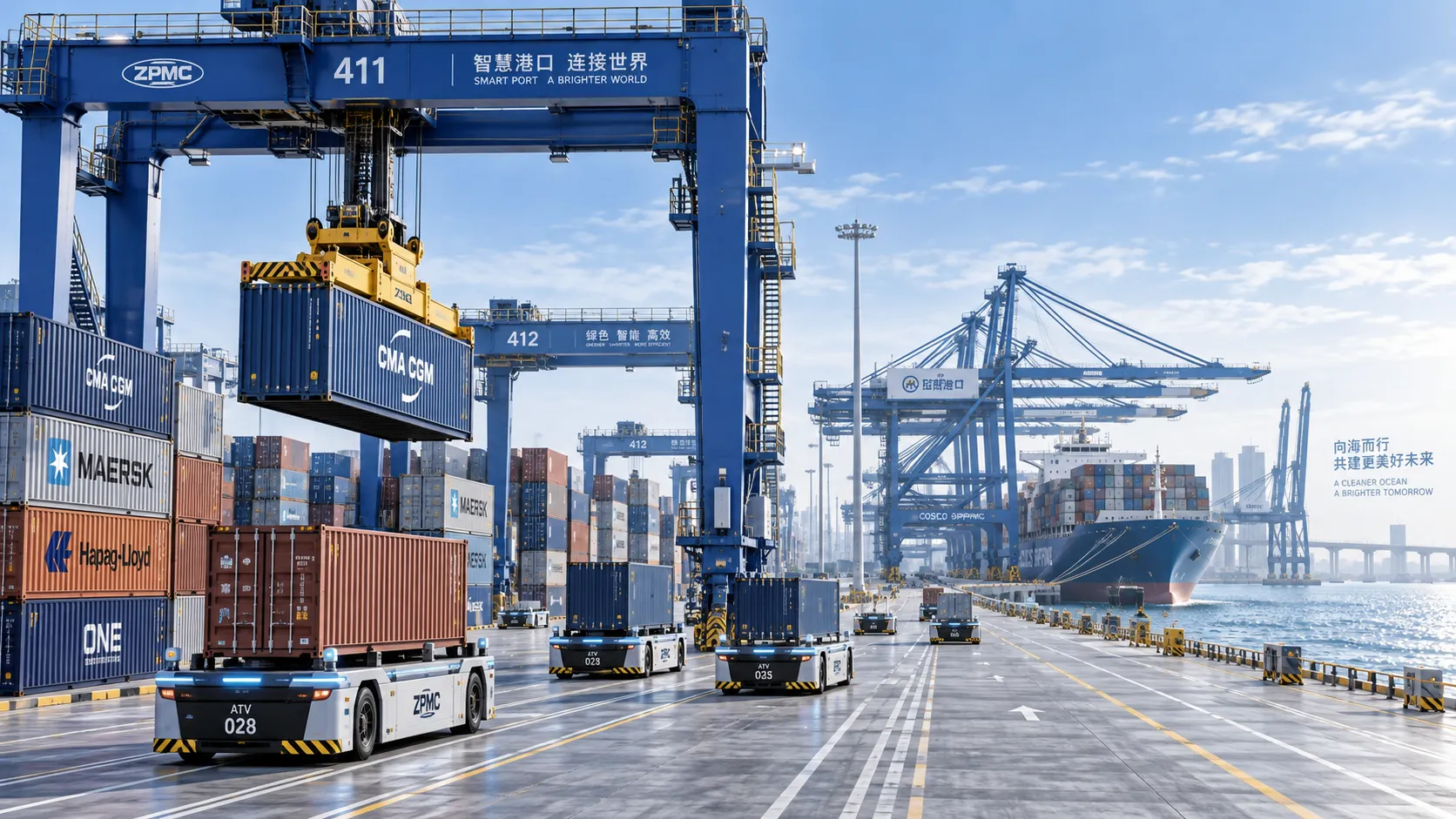
Terminal Automation Technologies That Raise Container Throughput Without Yard Disruption
Terminal automation technology that increases container throughput without disrupting yard flow. Explore smarter integration, resilient workflows, and phased deployment strategies.
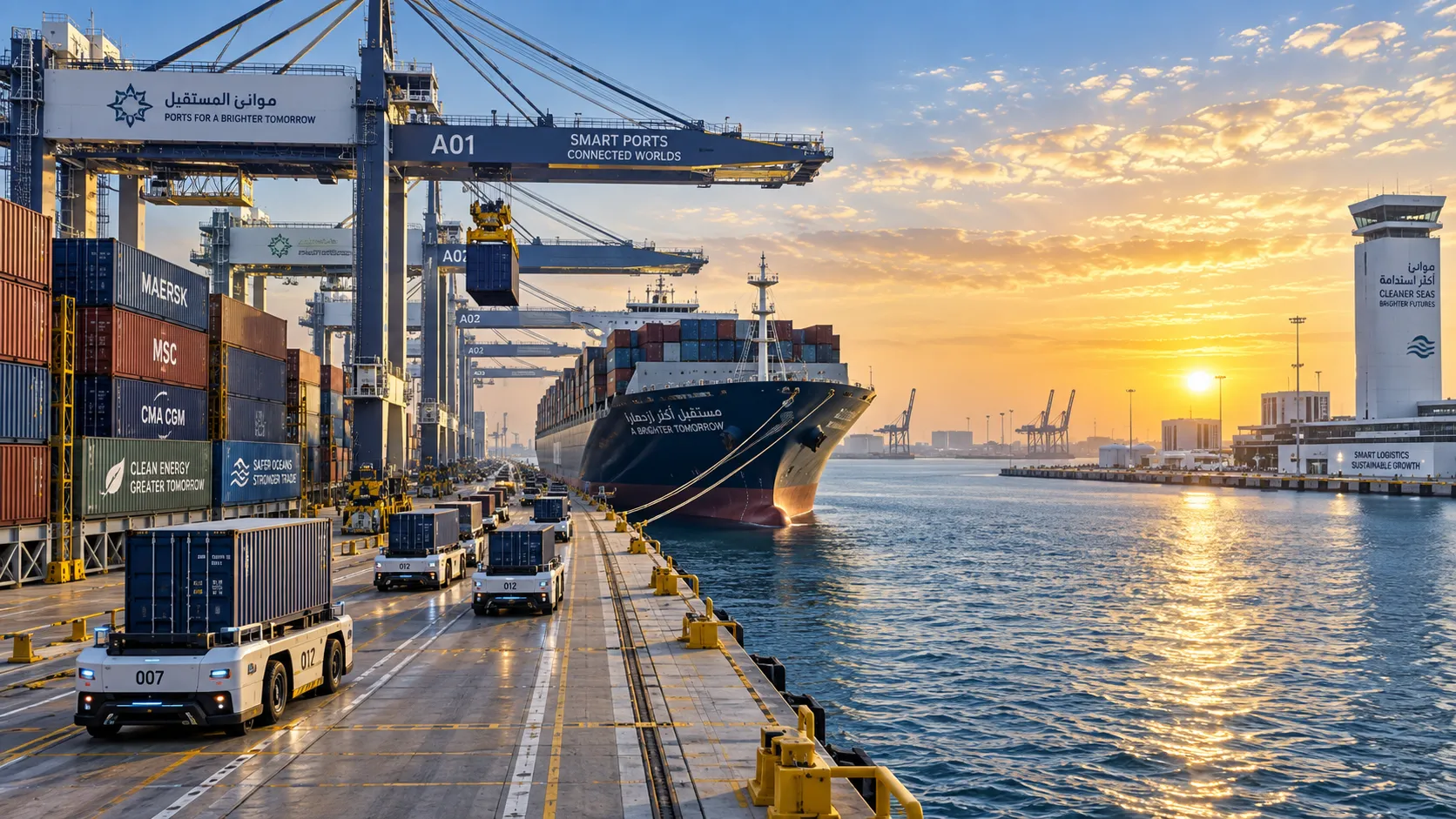
Middle East Port Automation: Key Market Drivers, Projects, and Investment Risks
Port automation systems Middle East: explore market drivers, flagship projects, integration challenges, and investment risks shaping smarter, resilient terminals.
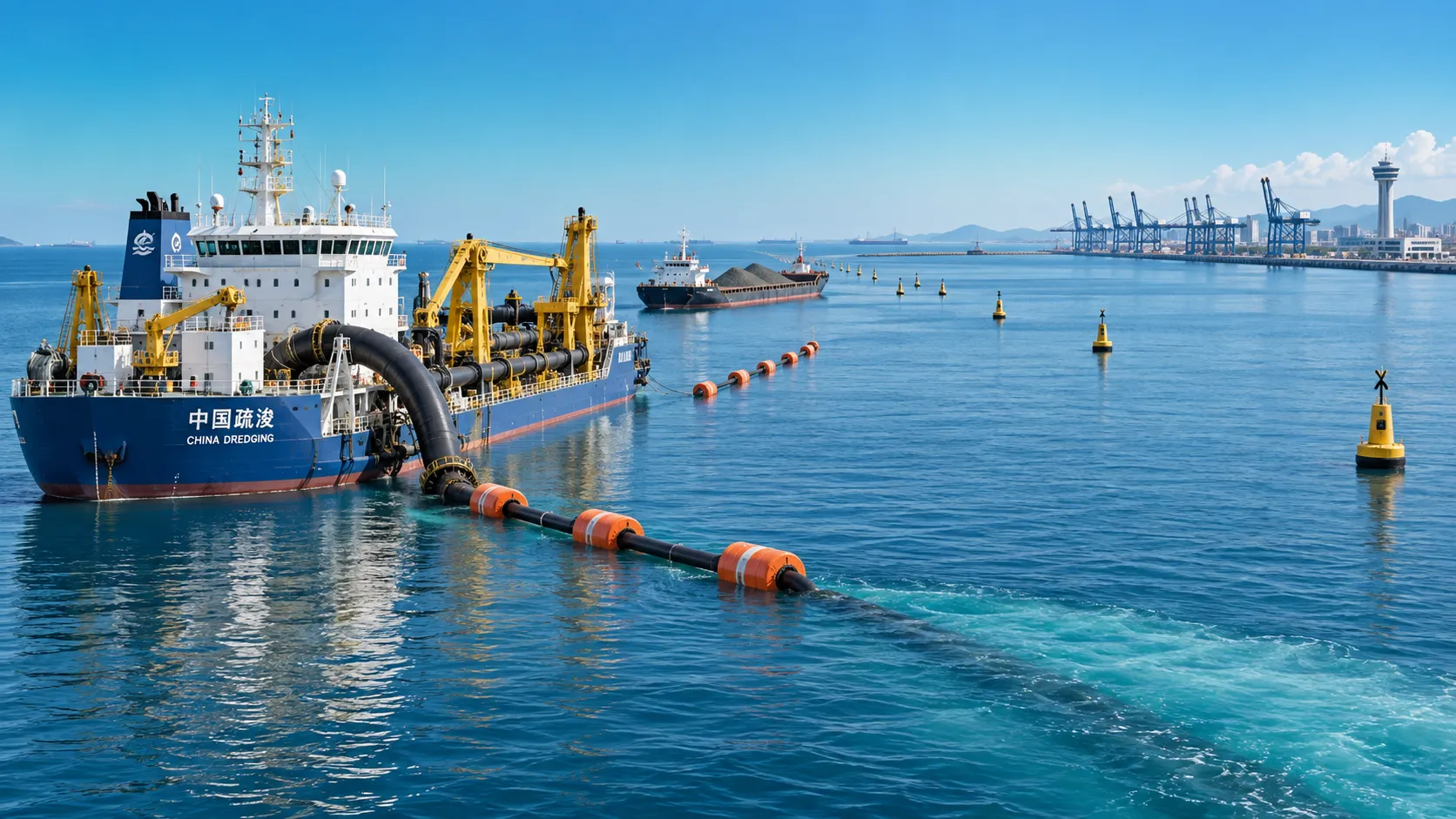
Planning Offshore Dredging Operations: Key Risks, Methods, and Project Controls
Offshore dredging operations demand smart planning. Explore key risks, proven methods, environmental controls, and project strategies for reliable delivery.