Related News
- 00
0000-00
How Can Port Equipment Lead-Time Risk Be Managed? - 00
0000-00
Maritime Logistics Operations: How Ports Can Reduce Container Dwell Time - 00
0000-00
What Does Logistics Node Monitoring Cost Across Warehouses and Transport Hubs? - 00
0000-00
How Can IoT Smart Port Solutions Improve Container Tracking and Yard Efficiency? - 00
0000-00
How Real-Time Port Logistics Intelligence Improves Container Yard Efficiency
Logistics Node Dynamics Explained: How Network Shifts Affect Lead Time and Risk
Global supply chains rarely break in one dramatic moment. They drift through small network movements that compound across ports, yards, inland corridors, and feeder links.
That is why logistics node dynamics matter. A delayed berth window, shallow channel, software bottleneck, or customs diversion can quietly expand lead time and risk.
For maritime logistics intelligence, these changes are not isolated events. They are connected signals that reshape routing decisions, equipment utilization, and trade resilience.
PS-Nexus follows this shifting landscape through port equipment, automation systems, and dredging engineering. The goal is clearer visibility into how logistics node dynamics alter throughput, predictability, and cost.
Why logistics node dynamics have become a leading signal in network planning
In earlier trade cycles, planners often focused on vessel schedules and freight rates first. Today, logistics node dynamics often reveal disruption earlier than headline shipping indexes.
A node is any transfer point where cargo, information, equipment, or clearance activity converges. Ports, rail ramps, inland depots, yard gates, and dredged channels all function as nodes.
When one node changes behavior, adjacent nodes absorb the pressure. Queue lengths rise, crane cycles slow, truck turn times widen, and schedule reliability falls.
This makes logistics node dynamics a practical framework for understanding network shifts. It connects physical constraints with digital scheduling and commercial timing.
Recent volatility has strengthened this view. Weather events, geopolitical rerouting, labor shortages, draft limitations, and uneven automation maturity are all changing node performance.
Current shift signals are appearing first at ports, yards, and channel access points
The clearest trend is that congestion no longer stays local. Logistics node dynamics spread disruption outward through connected marine and inland systems.
At major ports, berth allocation pressure can push carriers toward secondary calls. That helps one terminal briefly, but may overload yard density or hinterland transport nearby.
In automated environments, software coordination becomes critical. A terminal may have strong mechanical capacity, yet weak orchestration can still create hidden dwell time.
Dredging constraints are another underappreciated signal. If channel depth, siltation, or maintenance windows limit vessel access, network timing changes before cargo reaches the quay.
These examples show why logistics node dynamics should be monitored as a live system, not a static map. Small shifts at one point can recalculate the full transit path.
The main forces behind logistics node dynamics are becoming more structural
Short-term disruption still matters, but several deeper drivers are making logistics node dynamics more persistent across global trade networks.
These pressures show that logistics node dynamics are no longer temporary noise. They are becoming a structural feature of modern maritime logistics.
How logistics node dynamics change lead time, cost, and operating exposure
Lead time does not simply get longer. It becomes less predictable. That distinction is central when evaluating logistics node dynamics.
A two-day delay with low variance may be manageable. A one-day average delay with wide variance can be more damaging for sequencing and service commitments.
Cost also shifts in layered ways. Direct charges may rise through storage, demurrage, fuel, rescheduling, and inland repositioning.
Indirect costs often grow faster. Inventory buffers expand, equipment utilization drops, and planning teams spend more time managing exceptions.
Operational exposure increases when multiple weak nodes align. A port with adequate cranes may still underperform if channel access, yard logic, and gate flow are unstable together.
- Higher variance in arrival and departure timing
- More frequent cargo handoff failures
- Lower confidence in berth, yard, and truck planning
- Greater sensitivity to weather, labor, and maintenance events
- Reduced resilience during peak trade or emergency rerouting
This is why logistics node dynamics should be read as both a timing issue and a systemic risk issue.
Different business links feel logistics node dynamics in different ways
Not every part of the chain experiences the same pressure. Logistics node dynamics create different consequences across marine, terminal, equipment, and intelligence functions.
Port and terminal operations
Throughput depends on balance, not isolated speed. Faster quay cranes help little if yard blocks, AGV paths, or gate appointments remain constrained.
Heavy terminal gear and bulk handling systems
Equipment demand changes with node pressure. Sites under volatility need reliability, diagnostics, and scheduling compatibility as much as raw lifting capacity.
Automation and control architecture
Control systems become mission-critical. Low-latency communication, path planning, and exception handling determine whether automation reduces or amplifies node instability.
Dredging and waterway engineering
Fairway depth is often treated as background infrastructure. In reality, it directly shapes node accessibility, vessel sequencing, and capacity confidence.
PS-Nexus tracks these layers together because logistics node dynamics emerge from their interaction, not from one machine or one route in isolation.
The most important signals to watch now are operational, digital, and geographic
A useful monitoring model should combine physical throughput with digital coordination and network geography. That is where logistics node dynamics become visible early.
- Berth waiting time versus scheduled window accuracy
- Yard density and reshuffle frequency
- Gate turn time and inland dispatch consistency
- Crane utilization compared with actual move completion
- AGV routing efficiency and exception recovery speed
- Channel depth status, dredging intervals, and tide dependence
- Rerouting frequency across feeder and transshipment networks
- Data latency between control, planning, and reporting systems
Together, these indicators make logistics node dynamics easier to interpret before disruption becomes visible in final delivery performance.
Practical responses should focus on visibility, flexibility, and synchronized capacity
The best response is not a single workaround. It is a coordinated method for observing, prioritizing, and adapting to logistics node dynamics.
This approach reflects how PS-Nexus views maritime systems: connected hubs, synchronized intelligence, and infrastructure decisions informed by real operating signals.
The next step is turning logistics node dynamics into a continuous decision discipline
The real advantage is not noticing disruption after queues form. It is recognizing logistics node dynamics early enough to protect lead time and reduce avoidable exposure.
Start with a node-level view of the network. Identify where physical equipment, automation logic, and channel conditions interact most strongly.
Then compare throughput capacity with actual flow reliability. Gaps between the two often reveal the most important hidden risks.
With better intelligence stitching, logistics node dynamics become measurable, explainable, and actionable. That is essential for resilient maritime logistics in a shifting global trade environment.
PS-Nexus supports that transition by connecting port machinery insight, automation analysis, dredging intelligence, and commercial trend observation into one decision-ready perspective.
Related News
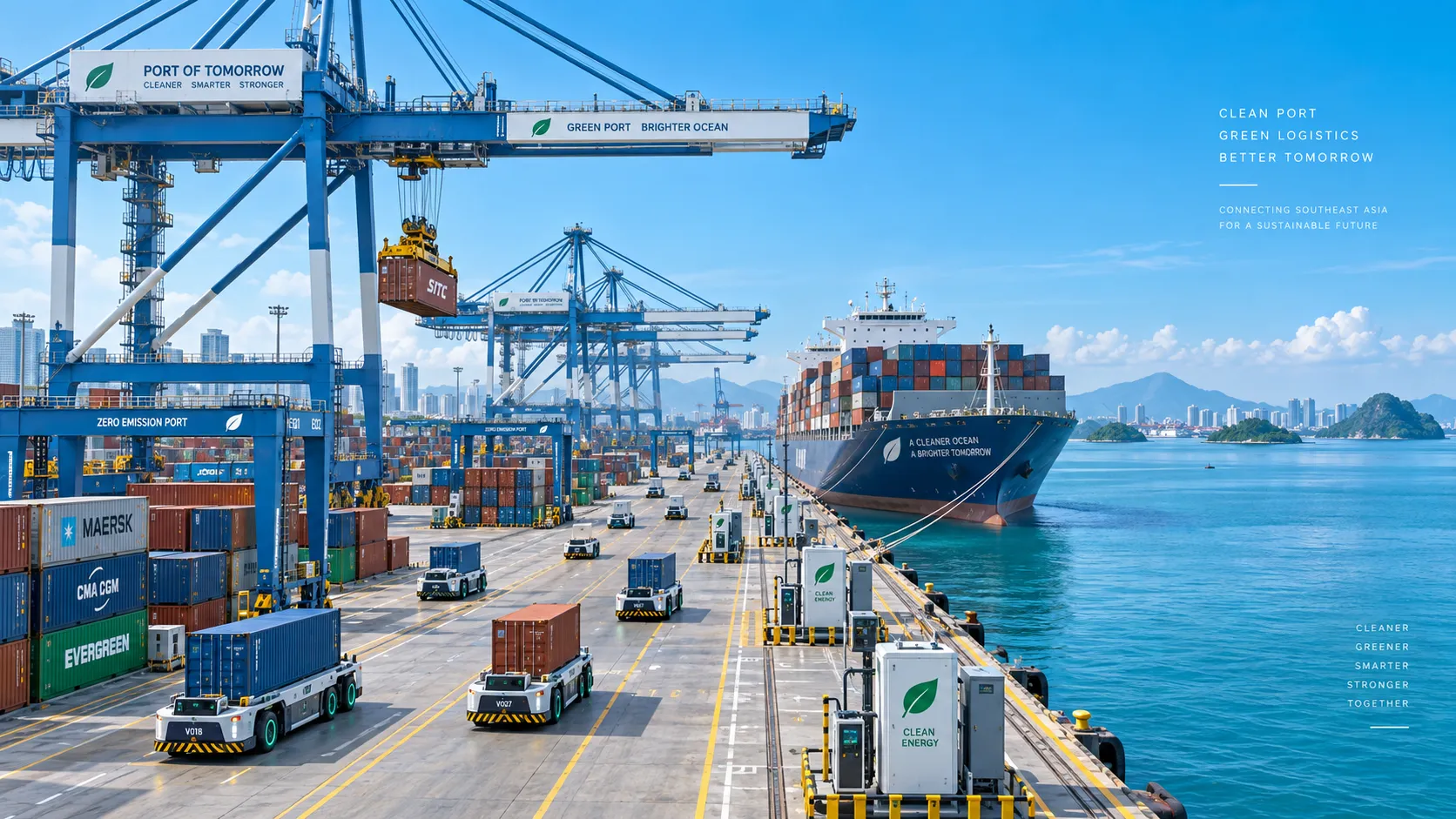
Smart Port Systems in Southeast Asia: Investment Priorities and Adoption Barriers
Smart port systems Southeast Asia: discover investment priorities, adoption barriers, and practical steps to build resilient, connected, high-performing terminals.
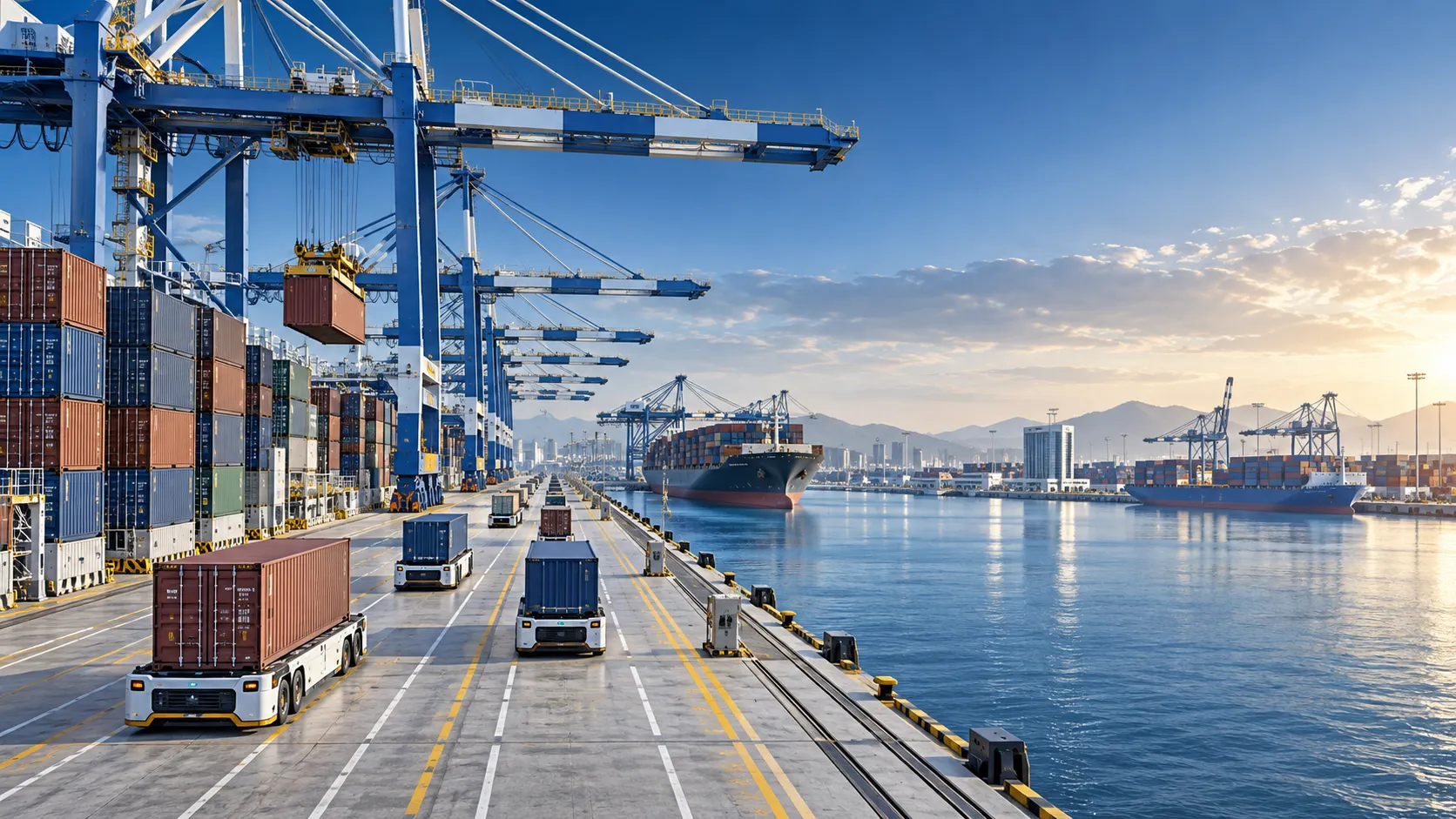
How to Evaluate Terminal Efficiency Solution Suppliers for High-Throughput Operations
Choose a terminal efficiency solutions supplier with confidence. Explore proven criteria for throughput, integration, lifecycle cost, safety, and reliable delivery.
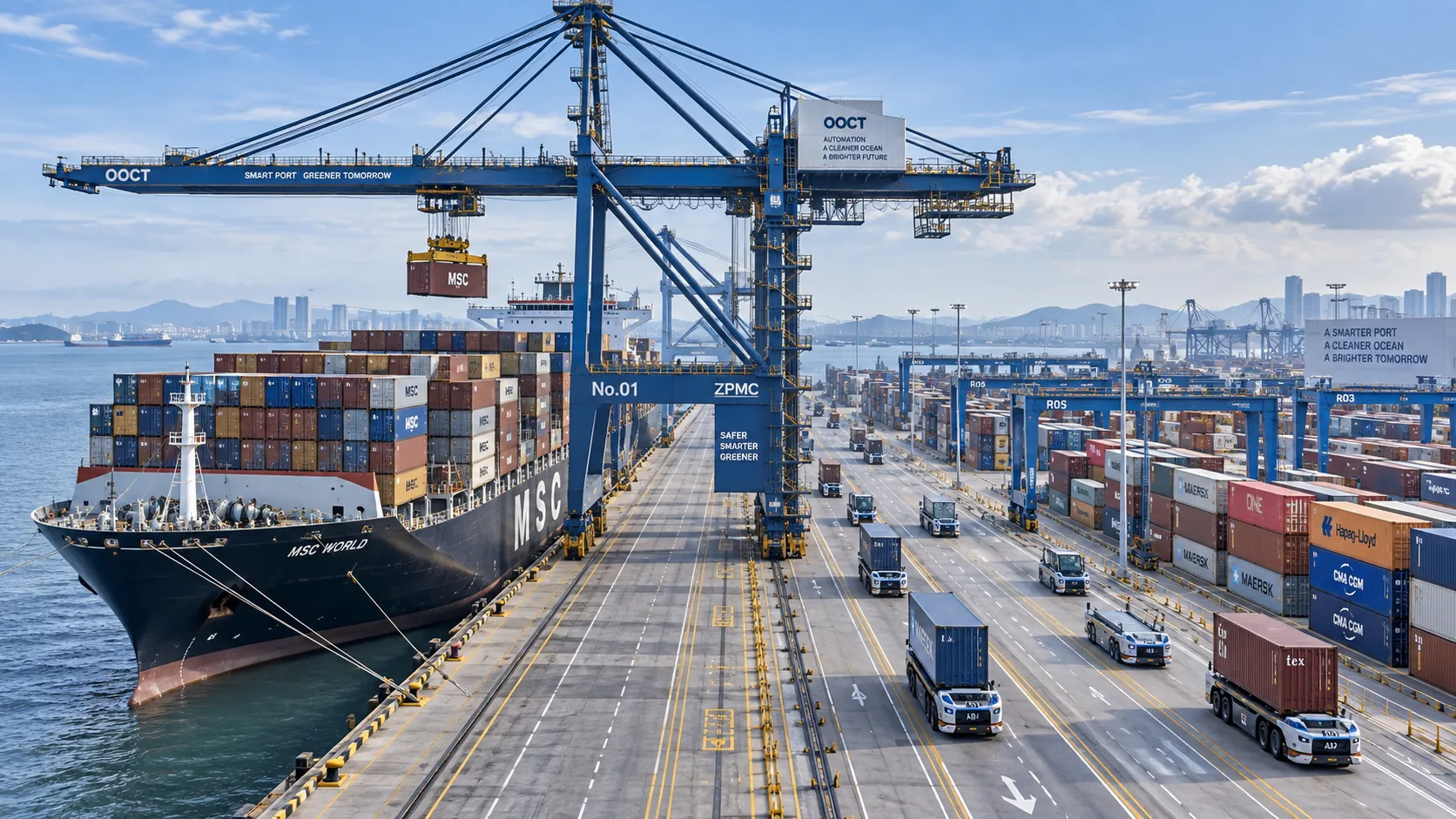
How to Specify a Quay Crane for Container Terminals by Vessel Size and Throughput?
Quay crane for container terminals: learn how to match outreach, lift height, capacity, automation, and cycle performance to vessel size and throughput goals.
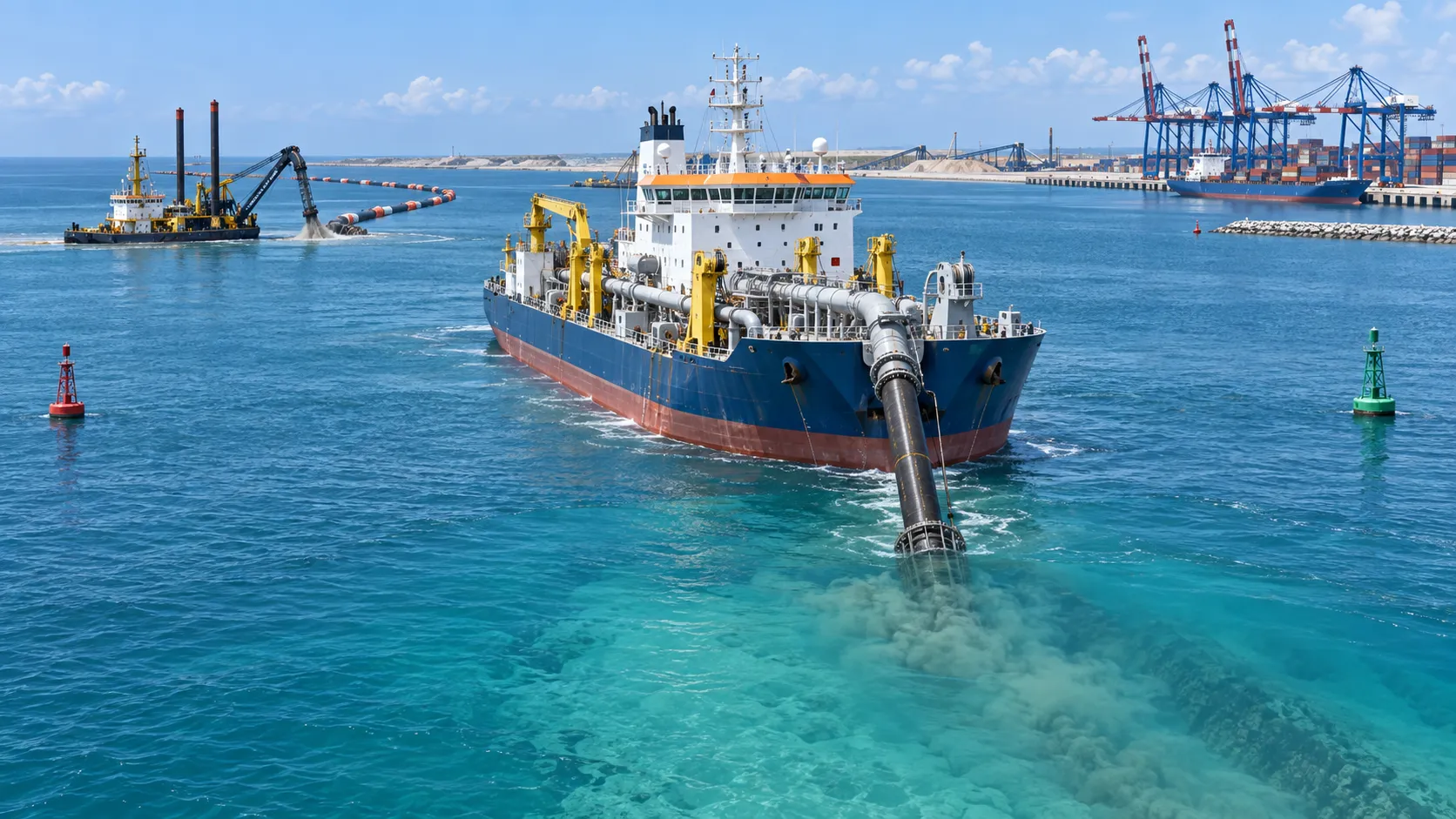
What Dredging Equipment Is Needed for Channel Deepening?
What dredging equipment is needed for channel deepening? Explore dredgers, pipelines, survey tools, and planning strategies for safer, more efficient port access.
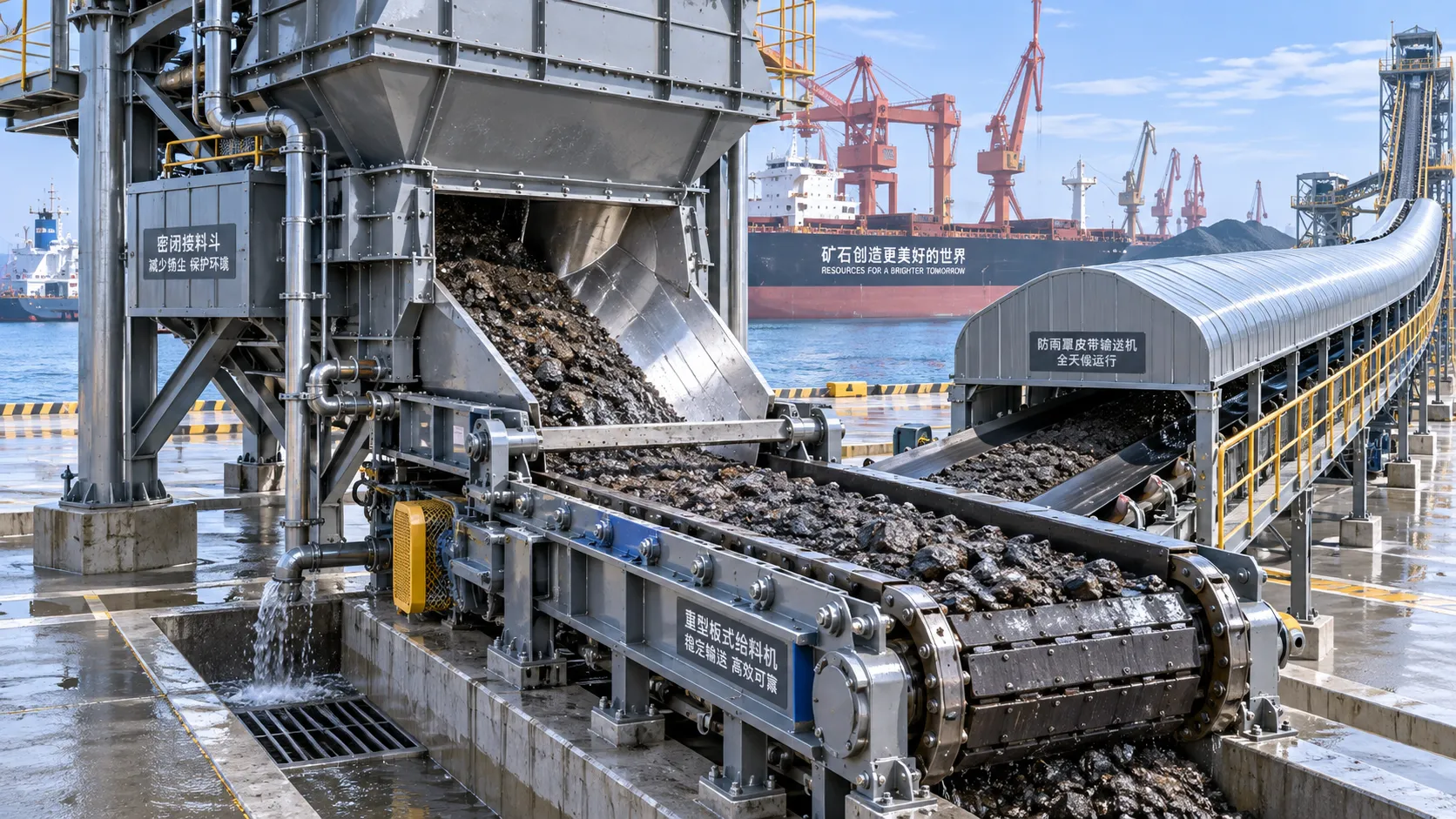
Which Bulk Handling Equipment Suits High-Moisture Cargo?
Which bulk handling equipment suits high-moisture cargo? Compare belt, apron, screw, drag, and slurry systems for reliable flow, less carryback, and higher terminal uptime.
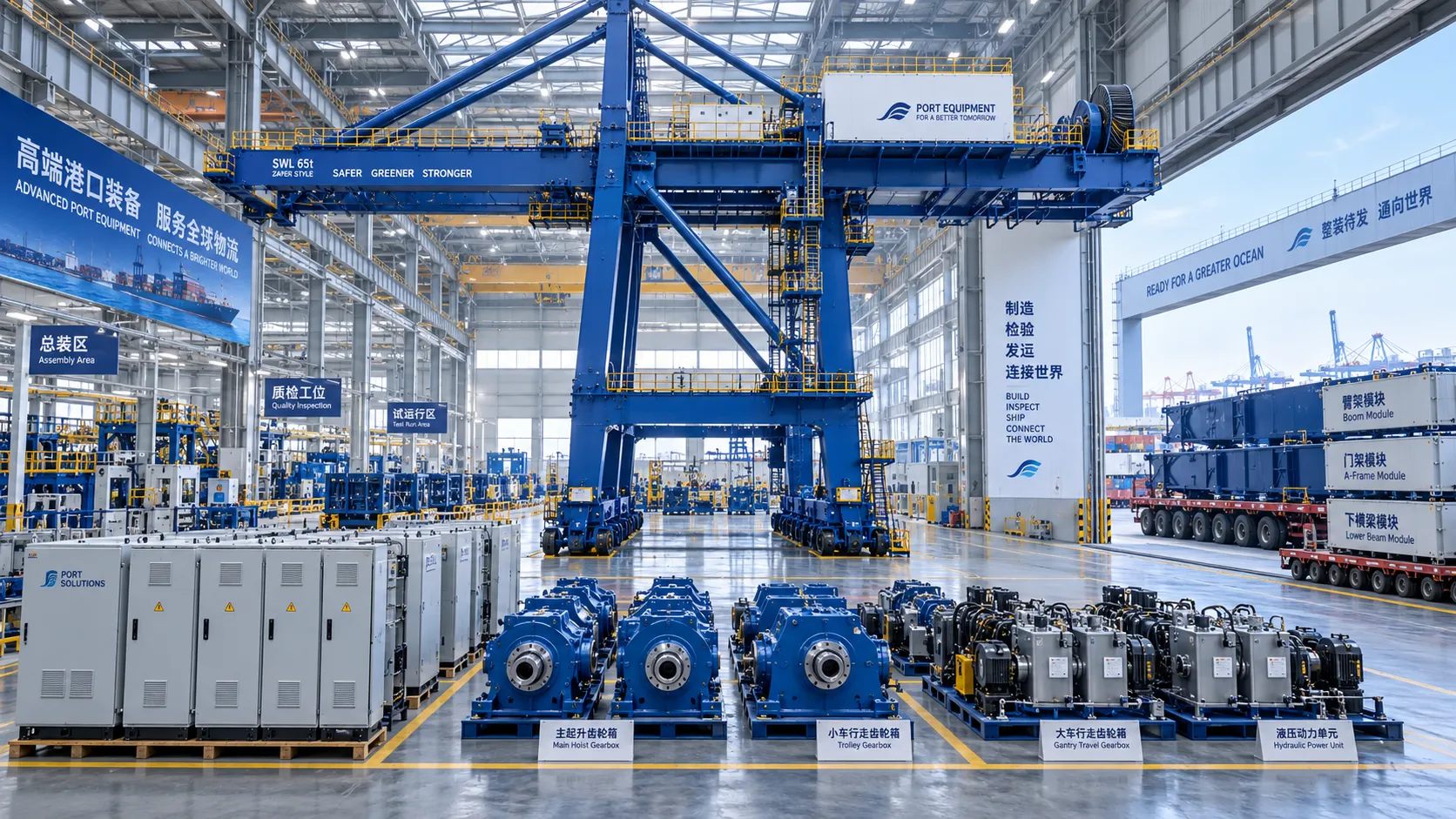
How Can Port Equipment Lead-Time Risk Be Managed?
How can port equipment lead-time risk be managed? Explore practical strategies to control critical paths, suppliers, transport, site readiness, and commissioning delays.
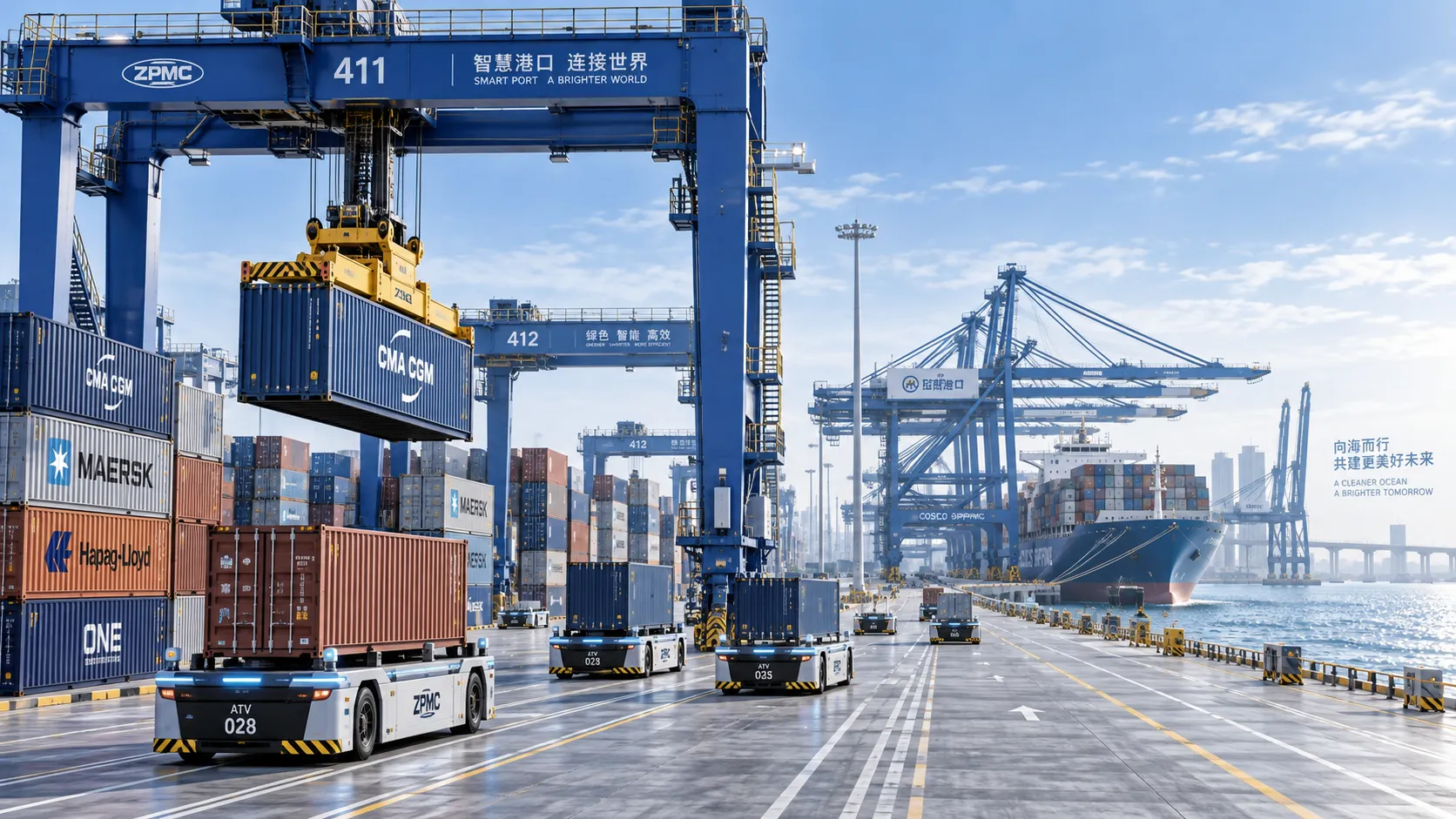
Terminal Automation Technologies That Raise Container Throughput Without Yard Disruption
Terminal automation technology that increases container throughput without disrupting yard flow. Explore smarter integration, resilient workflows, and phased deployment strategies.
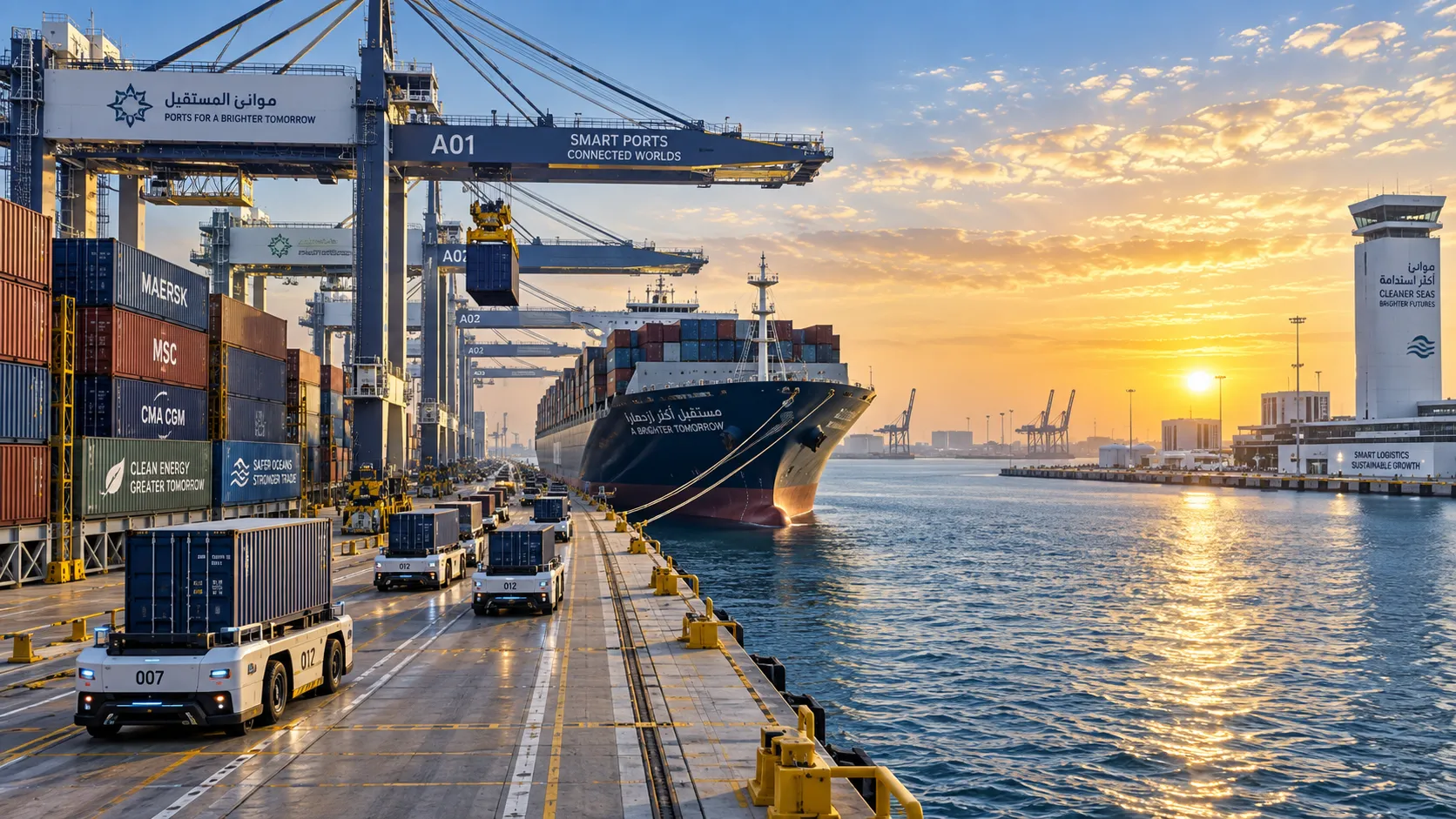
Middle East Port Automation: Key Market Drivers, Projects, and Investment Risks
Port automation systems Middle East: explore market drivers, flagship projects, integration challenges, and investment risks shaping smarter, resilient terminals.
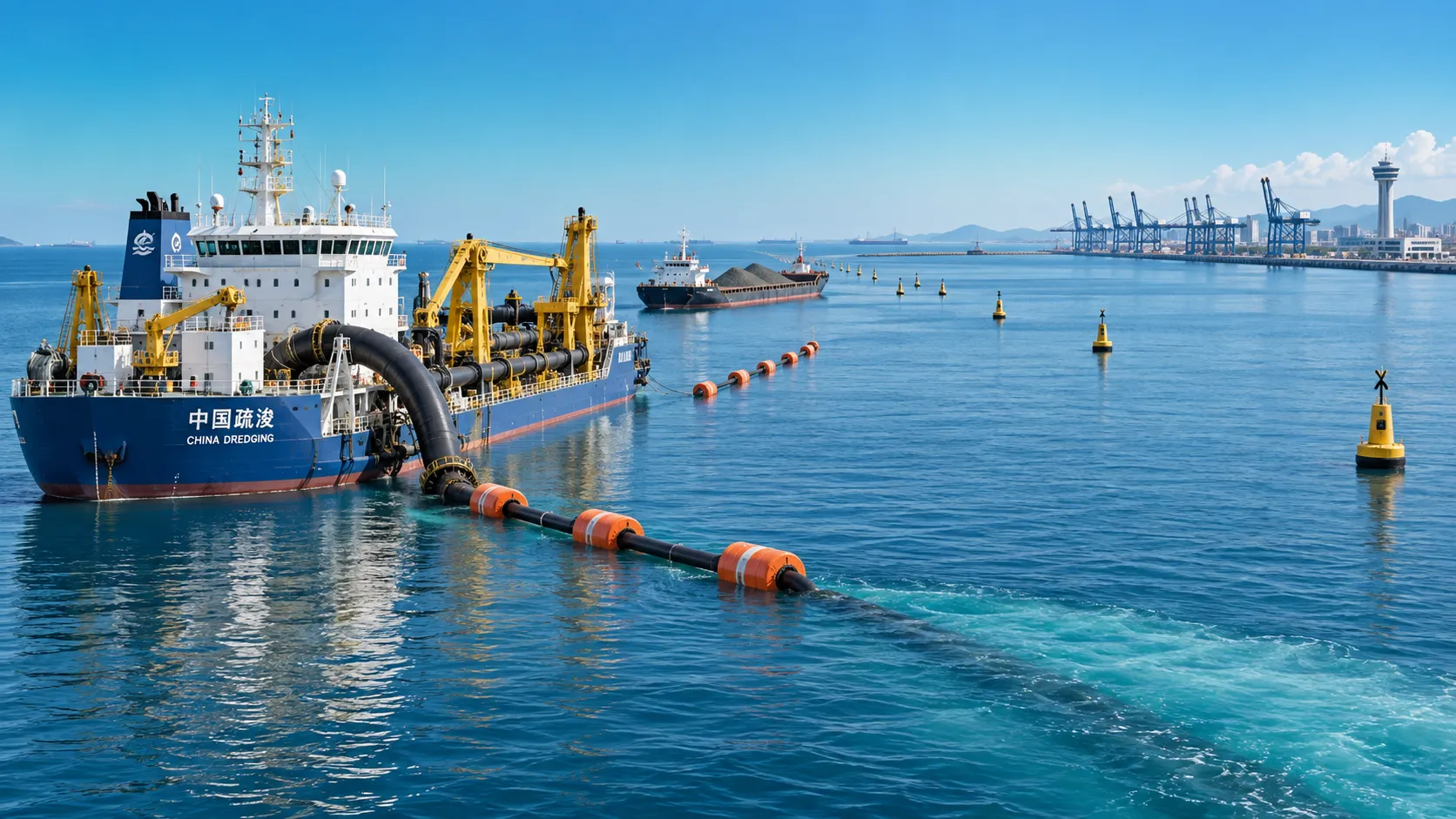
Planning Offshore Dredging Operations: Key Risks, Methods, and Project Controls
Offshore dredging operations demand smart planning. Explore key risks, proven methods, environmental controls, and project strategies for reliable delivery.