Related News
- 00
0000-00
How Can Port Equipment Lead-Time Risk Be Managed? - 00
0000-00
Maritime Logistics Operations: How Ports Can Reduce Container Dwell Time - 00
0000-00
What Does Logistics Node Monitoring Cost Across Warehouses and Transport Hubs? - 00
0000-00
How Can IoT Smart Port Solutions Improve Container Tracking and Yard Efficiency? - 00
0000-00
How Real-Time Port Logistics Intelligence Improves Container Yard Efficiency
How to Improve Terminal Efficiency: Key Metrics, Bottlenecks, and Upgrade Priorities
Improving terminal efficiency is no longer just an operational goal—it is a strategic priority for port leaders facing rising cargo volumes, tighter margins, and growing automation demands. By understanding the right performance metrics, identifying hidden bottlenecks, and setting clear upgrade priorities, decision-makers can unlock higher throughput, lower downtime, and stronger competitiveness across the maritime logistics chain.
Why terminal efficiency has become a board-level issue
For enterprise decision-makers, terminal efficiency now influences asset utilization, vessel turnaround, labor productivity, energy intensity, and customer retention at the same time. It is no longer enough to add equipment capacity if coordination across cranes, yards, gates, and control systems remains fragmented.
In container, bulk, and mixed cargo operations, inefficiency rarely comes from one isolated machine. More often, it appears at the interfaces between quay crane cycles, yard transfer timing, AGV routing, stack density, berth windows, and maintenance planning. That is why terminal efficiency should be managed as a system outcome, not just a mechanical output.
PS-Nexus follows this system view closely across heavy terminal gear, automated container handling, port control architecture, and dredging-linked channel capacity. For leadership teams, that broader intelligence matters because a terminal can only move as fast as its weakest operational link.
- A berth-side gain may be lost if yard rehandling rises and truck queues lengthen.
- A new automation layer may underperform if network latency, algorithm quality, or data consistency is poor.
- A deeper channel may not improve throughput if crane intensity and stack strategy remain unchanged.
Which terminal efficiency metrics actually matter?
Many organizations monitor dozens of KPIs but still struggle to improve terminal efficiency. The problem is usually not a lack of data. It is a lack of decision-grade metrics that connect operational performance with commercial and capital priorities.
Core metrics for operational and investment decisions
The table below highlights the metrics most useful when leaders need to diagnose bottlenecks, compare upgrade paths, and justify capital allocation across terminal systems.
These metrics should be reviewed together. A terminal may post strong crane rates while suffering poor truck turnaround and excessive yard dwell. In that case, true terminal efficiency is lower than headline berth numbers suggest.
Secondary indicators leaders should not ignore
- Rehandle ratio, which shows how often containers are moved unnecessarily before final dispatch.
- Energy consumed per move or per ton, increasingly relevant under net-zero and cost-control programs.
- System latency in remote or automated operations, especially where crane control and AGV dispatch rely on real-time data exchange.
- Berth window adherence, which links operational discipline to carrier confidence and long-term contract value.
Where do terminal efficiency bottlenecks usually hide?
Senior managers often assume the main constraint is old equipment. In reality, bottlenecks frequently emerge from planning logic, process mismatch, and asset synchronization. Terminal efficiency declines when one subsystem runs faster than the rest of the chain can absorb.
Typical bottlenecks by operational zone
This comparison helps identify where throughput losses originate and which fixes are likely to deliver the fastest payback.
The key lesson is simple: terminal efficiency cannot be fixed only with bigger cranes or faster software. Decision-makers need to examine handoffs between equipment, data, traffic, and marine conditions.
The hidden cost of unsynchronized upgrades
A frequent error is investing in high-capacity terminal gear before validating yard logic, remote-control stability, or gate throughput. That mismatch produces stranded capacity. It also makes ROI harder to prove because the asset performs below design expectations for reasons outside the machine itself.
PS-Nexus places strong emphasis on the connection between heavy equipment, scheduling algorithms, and networked control systems. For leadership teams, that combined lens is more useful than evaluating each asset category in isolation.
How should leaders prioritize terminal efficiency upgrades?
Not every upgrade deserves immediate capital. The best sequence depends on whether the terminal is constrained by throughput, reliability, labor intensity, energy cost, or marine access. A disciplined prioritization model improves terminal efficiency while reducing investment waste.
A practical decision framework
- Map the bottleneck by flow stage: berth, transport, yard, gate, or channel.
- Quantify revenue and service impact using dwell, delay, and missed-window data.
- Separate process issues from hardware limitations before approving capex.
- Test interoperability risk across TOS, automation controls, and communications networks.
- Rank options by payback speed, disruption during implementation, and scalability.
Priority matrix for different terminal conditions
When terminal efficiency issues vary by site, the upgrade path should also vary. The table below summarizes common priorities for different operating conditions.
This approach helps leaders avoid two common mistakes: overbuying machinery before solving flow constraints, and underinvesting in digital control layers that determine whether physical assets can perform consistently.
What should buyers evaluate before approving new equipment or automation?
A procurement decision tied to terminal efficiency should go beyond purchase price. Decision-makers need to assess fit with cargo profile, operating pattern, workforce capability, data infrastructure, and future expansion plans.
Procurement checklist for terminal efficiency projects
- Confirm whether the target is higher peak throughput, better consistency, lower downtime, or lower emissions. Different goals justify different solutions.
- Check interface readiness between equipment suppliers, terminal operating systems, remote-control platforms, and cybersecurity policies.
- Review maintenance support, spare parts access, and diagnostic visibility, especially for automated assets.
- Evaluate whether site conditions such as wind, salinity, silt load, pavement, and power quality will affect performance.
- Require implementation staging that protects live operations during commissioning.
Standards, compliance, and risk control
While exact requirements differ by geography and terminal type, buyers should verify alignment with recognized safety, electrical, machinery, emissions, and digital security practices. In automated environments, compliance is not only about legal exposure. It directly affects uptime, insurability, and acceptance by customers and regulators.
For projects linked to dredging, berth deepening, or major equipment modernization, early coordination across engineering, operations, and commercial teams reduces costly scope changes later in the process.
How can data, automation, and marine engineering work together?
The strongest gains in terminal efficiency often come from integrating disciplines that are usually managed separately. Heavy gear determines raw handling power. Control systems determine timing precision. Dredging and marine engineering determine whether vessel access matches landside capacity.
A systems view of improvement
PS-Nexus tracks how low-latency communication, AGV path planning, remote crane control, and digital equipment monitoring are reshaping operational performance. This matters because a terminal may have enough hardware capacity on paper, yet still lose output if control decisions arrive late or conflict with yard reality.
Similarly, marine access projects should not be seen as standalone civil works. If channel expansion allows larger vessels but berth planning, crane density, and evacuation capacity remain unchanged, the value of that engineering investment will be diluted.
FAQ: common decision questions about terminal efficiency
How do we know whether terminal efficiency problems come from equipment or planning?
Start by separating productive time from waiting time. If cranes, vehicles, or yard machines show frequent idle periods despite adequate technical availability, the issue is more likely planning, dispatch, or congestion. If technical downtime is high, maintenance or asset suitability may be the primary constraint.
Which upgrade usually pays back faster: new machinery or software optimization?
When core assets are still mechanically sound, software and process optimization often deliver faster returns because they improve synchronization without major installation delays. New machinery becomes more compelling when existing assets are structurally under-capacity, unreliable, or incompatible with future automation plans.
Is terminal efficiency mainly a container terminal issue?
No. Bulk terminals, mixed cargo terminals, and specialized marine handling sites face similar challenges in equipment utilization, storage turnover, scheduling precision, and marine access. The metrics differ by cargo, but the logic of bottleneck management remains similar.
What is the most common mistake in terminal efficiency projects?
The most common mistake is upgrading one visible asset class without redesigning the full operating flow around it. A faster crane, larger fleet, or deeper berth cannot deliver its expected value if yard rules, gate controls, data architecture, or maintenance readiness are left behind.
Why decision-makers use PS-Nexus for upgrade planning
PS-Nexus is built for leaders who need more than headlines. Its focus on mega port terminal gear, bulk handling machinery, specialized container handling, automation and control systems, dredging engineering equipment, and strategic intelligence supports more accurate investment decisions across the terminal value chain.
That cross-functional view is especially valuable when terminal efficiency depends on both mechanical and digital performance. Leadership teams can use this intelligence to compare upgrade routes, clarify procurement priorities, assess long-cycle infrastructure demand, and reduce the risk of isolated decisions.
Contact us to assess your terminal efficiency roadmap
If you are reviewing a terminal efficiency program, PS-Nexus can support early-stage decision work with practical intelligence tied to equipment, automation, and marine engineering realities.
- Request guidance on which metrics to benchmark first for your terminal type and cargo mix.
- Discuss upgrade sequencing for quay cranes, yard handling systems, AGV fleets, gate automation, or dredging-linked access improvements.
- Clarify procurement evaluation points such as interoperability, maintenance visibility, delivery timing, and phased implementation risk.
- Consult on control architecture, communication reliability, and operational data priorities before committing to automation capex.
- Open a focused conversation on solution comparison, project scope definition, quotation alignment, and scenario-based upgrade planning.
For enterprise decision-makers, better terminal efficiency starts with clearer diagnosis and sharper priorities. That is where informed comparison and industry-specific intelligence create measurable advantage.
Related News
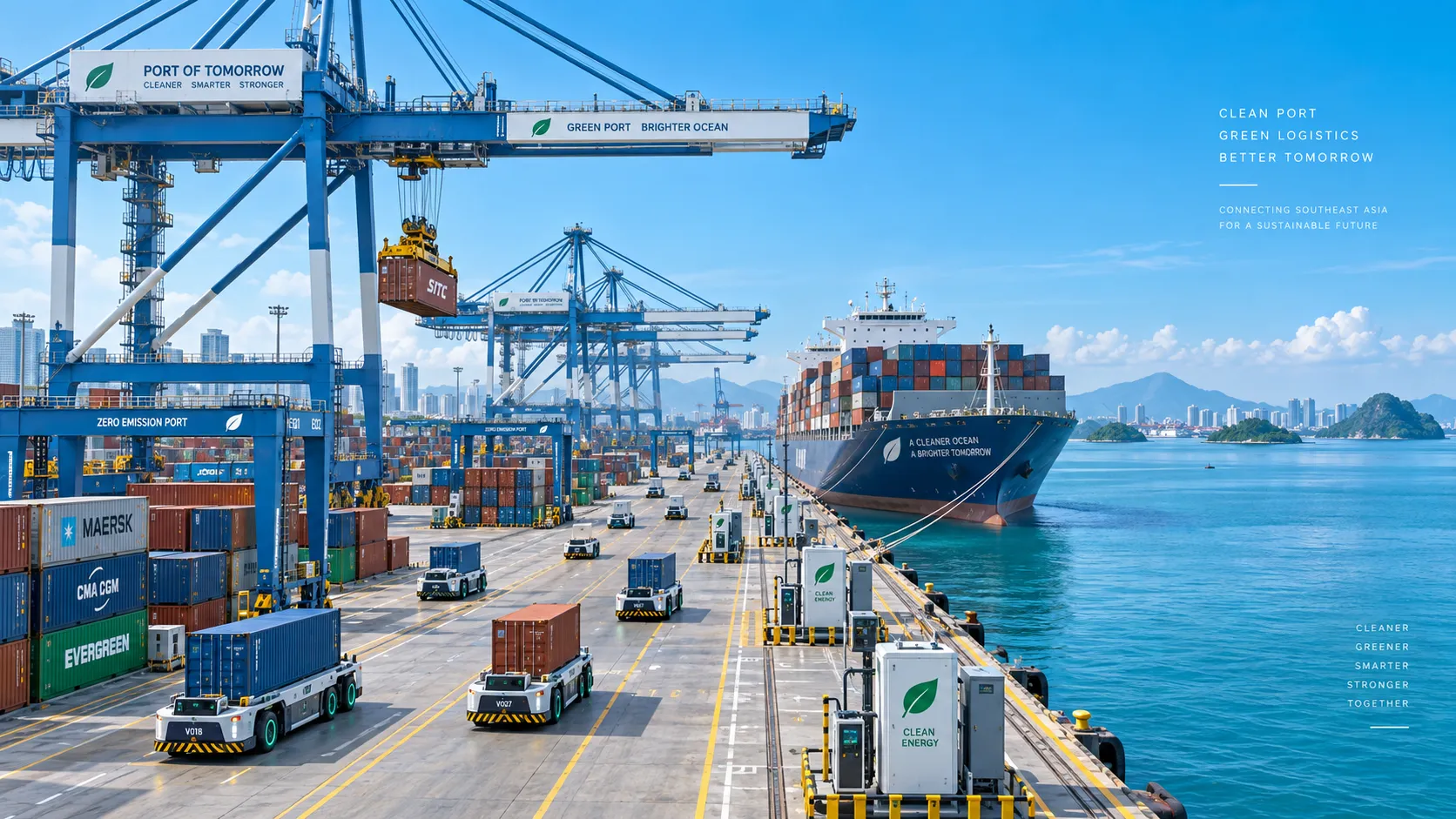
Smart Port Systems in Southeast Asia: Investment Priorities and Adoption Barriers
Smart port systems Southeast Asia: discover investment priorities, adoption barriers, and practical steps to build resilient, connected, high-performing terminals.
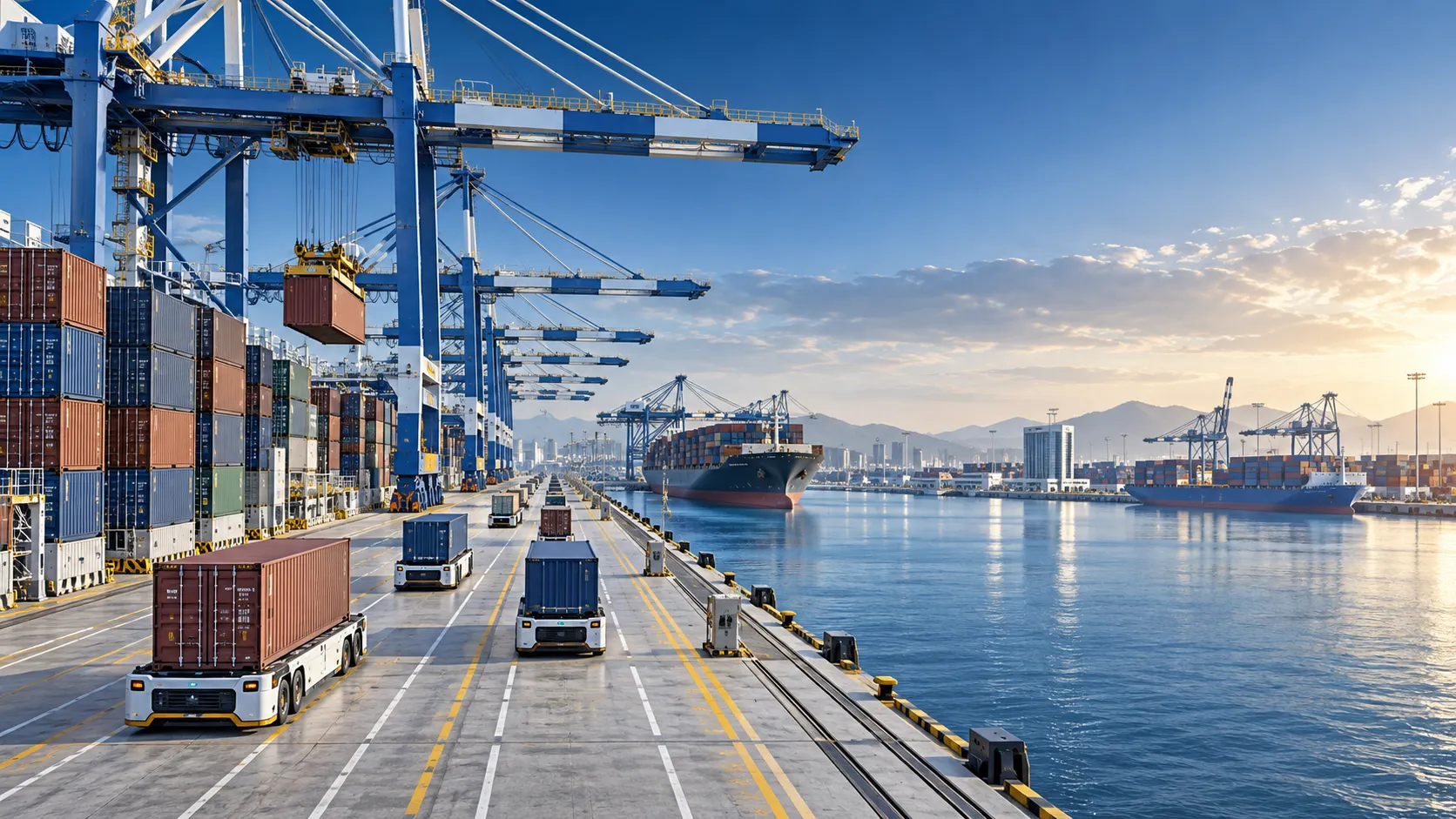
How to Evaluate Terminal Efficiency Solution Suppliers for High-Throughput Operations
Choose a terminal efficiency solutions supplier with confidence. Explore proven criteria for throughput, integration, lifecycle cost, safety, and reliable delivery.
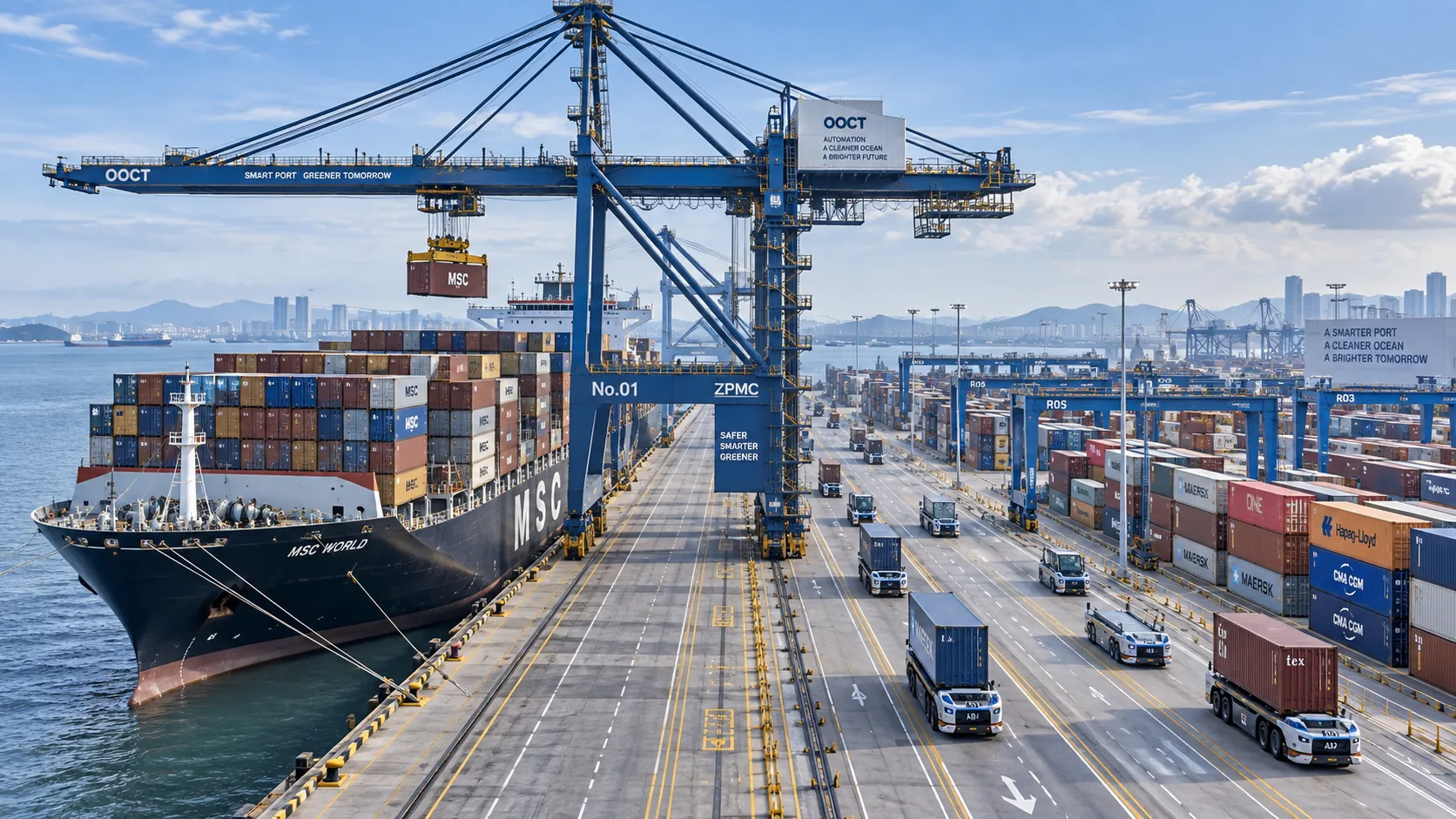
How to Specify a Quay Crane for Container Terminals by Vessel Size and Throughput?
Quay crane for container terminals: learn how to match outreach, lift height, capacity, automation, and cycle performance to vessel size and throughput goals.
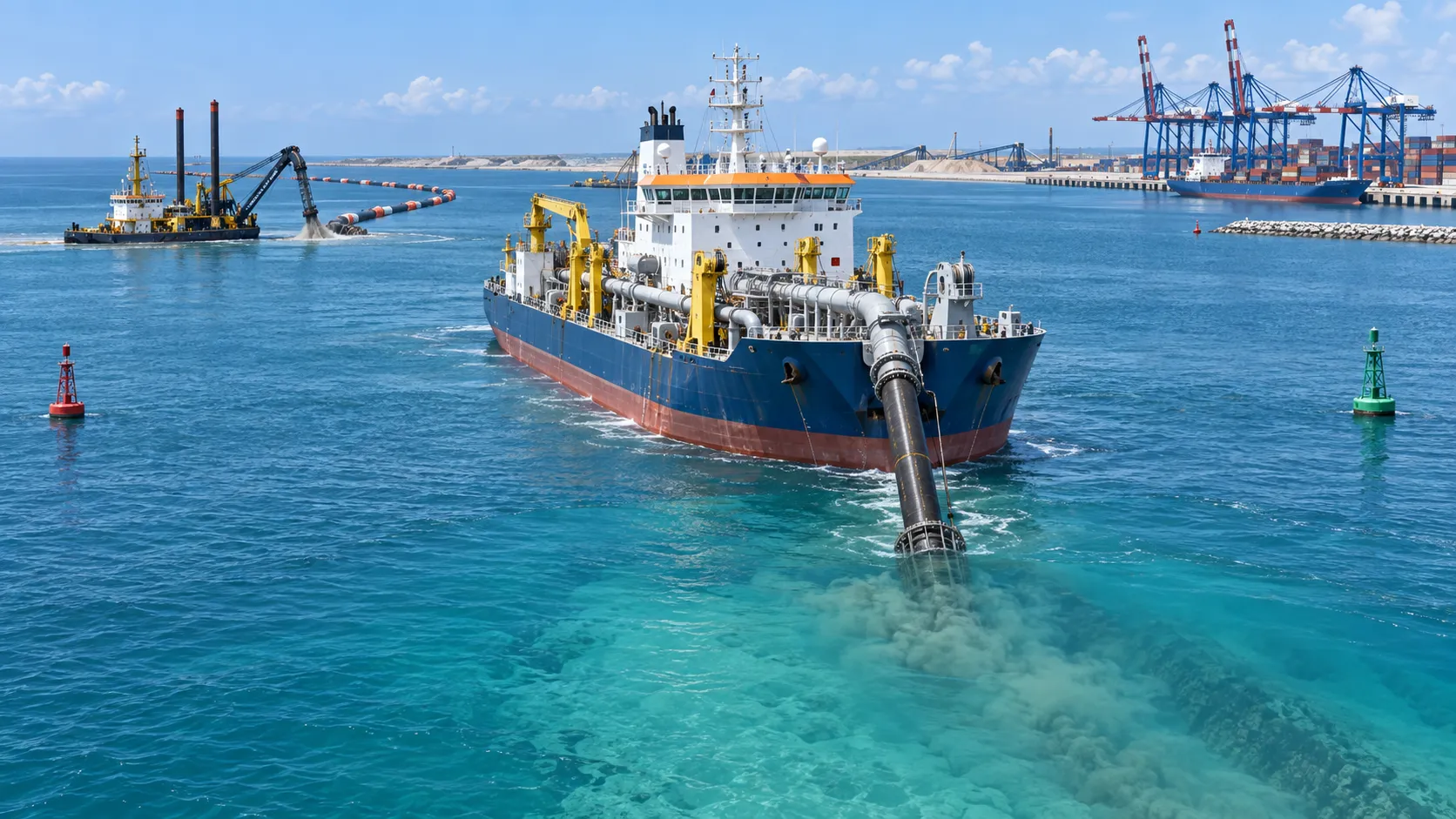
What Dredging Equipment Is Needed for Channel Deepening?
What dredging equipment is needed for channel deepening? Explore dredgers, pipelines, survey tools, and planning strategies for safer, more efficient port access.
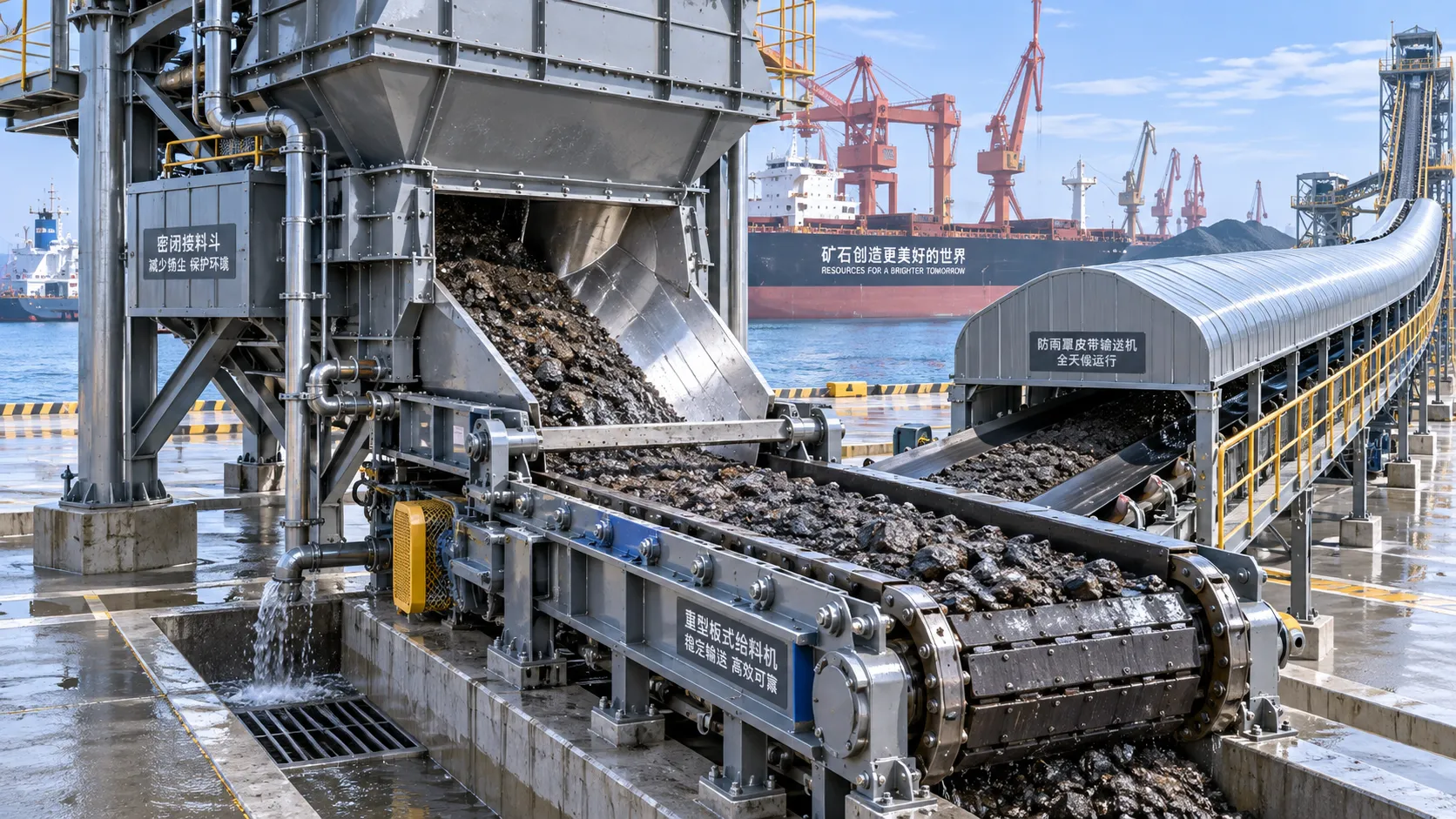
Which Bulk Handling Equipment Suits High-Moisture Cargo?
Which bulk handling equipment suits high-moisture cargo? Compare belt, apron, screw, drag, and slurry systems for reliable flow, less carryback, and higher terminal uptime.
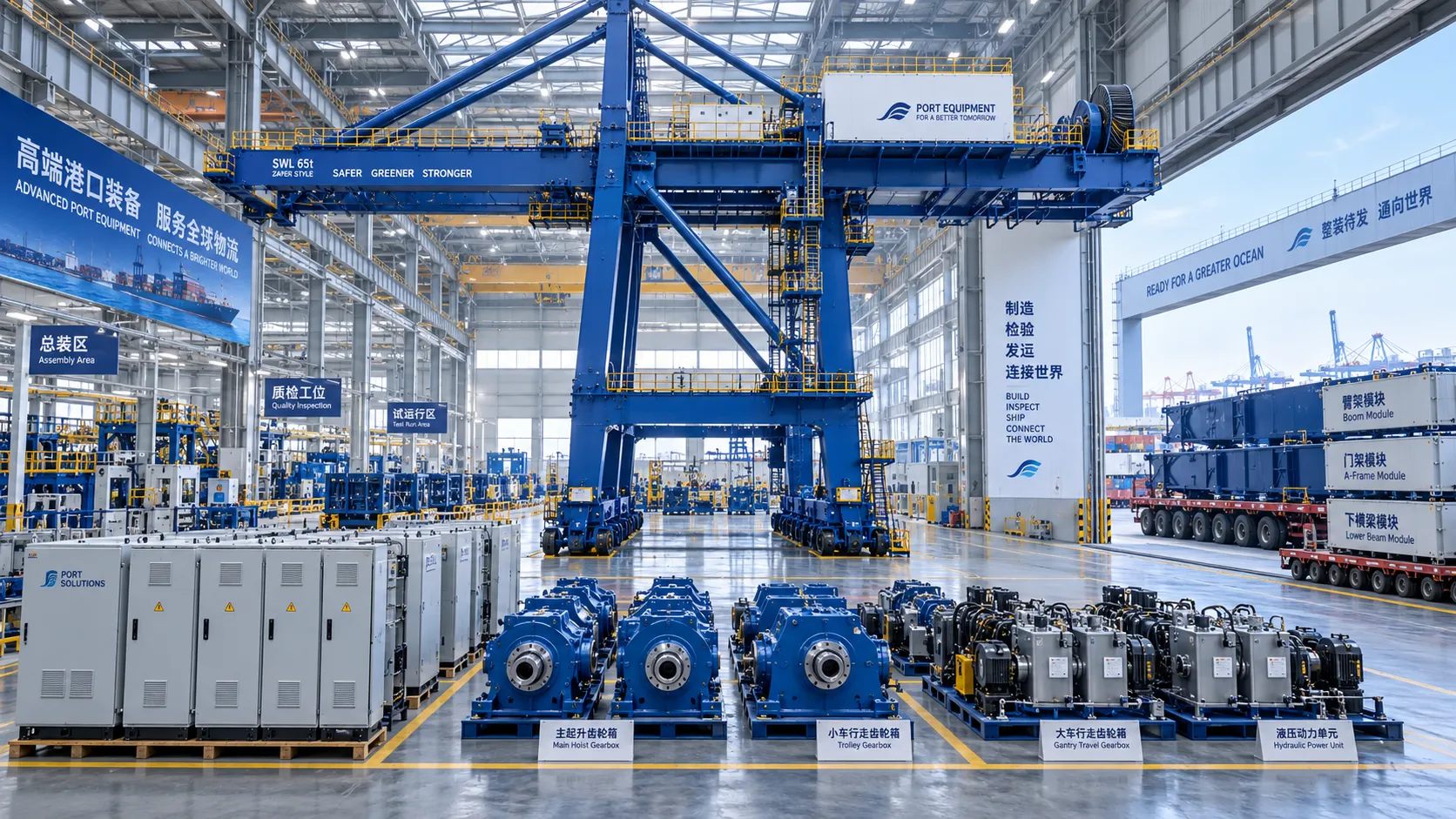
How Can Port Equipment Lead-Time Risk Be Managed?
How can port equipment lead-time risk be managed? Explore practical strategies to control critical paths, suppliers, transport, site readiness, and commissioning delays.
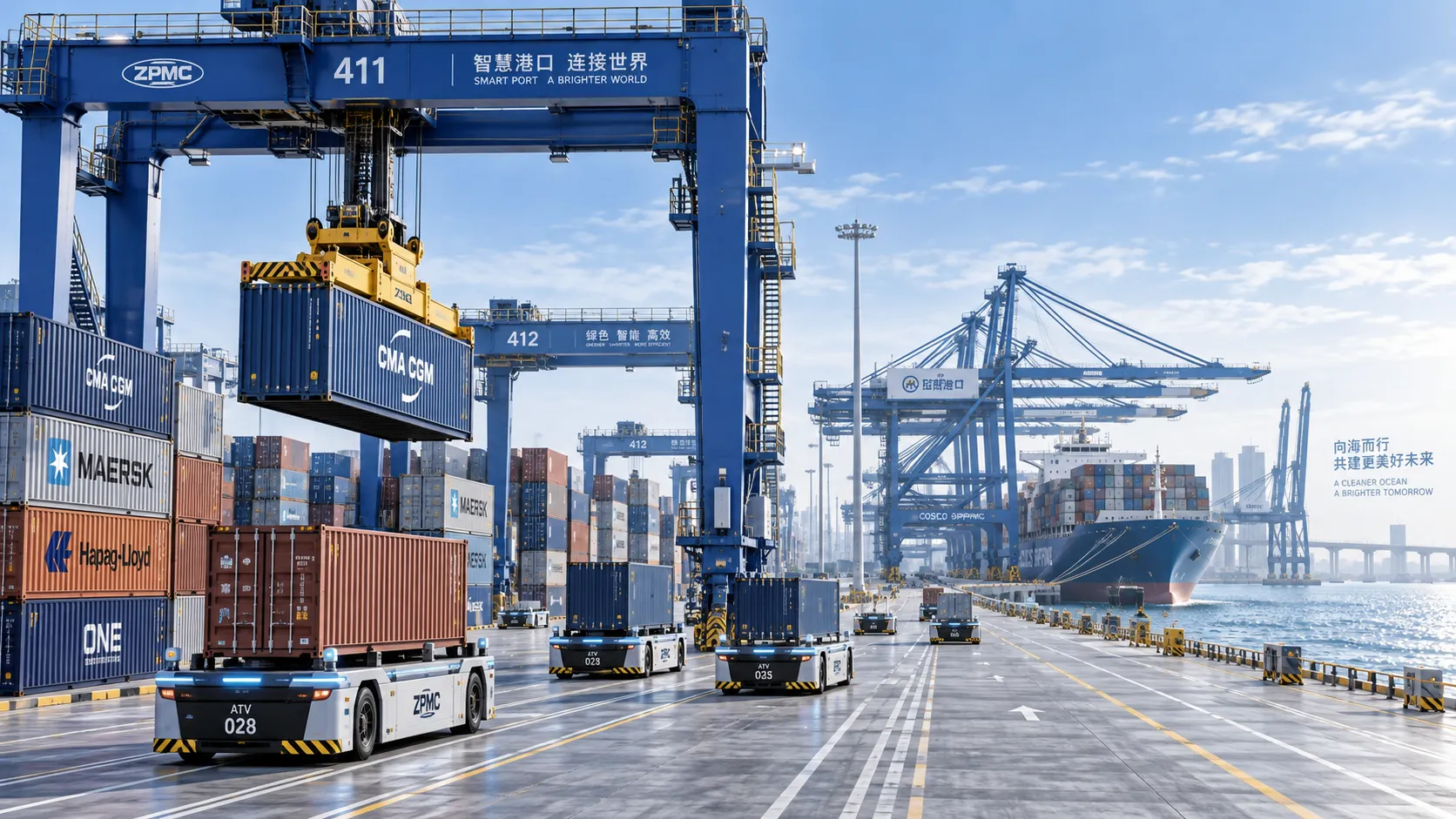
Terminal Automation Technologies That Raise Container Throughput Without Yard Disruption
Terminal automation technology that increases container throughput without disrupting yard flow. Explore smarter integration, resilient workflows, and phased deployment strategies.
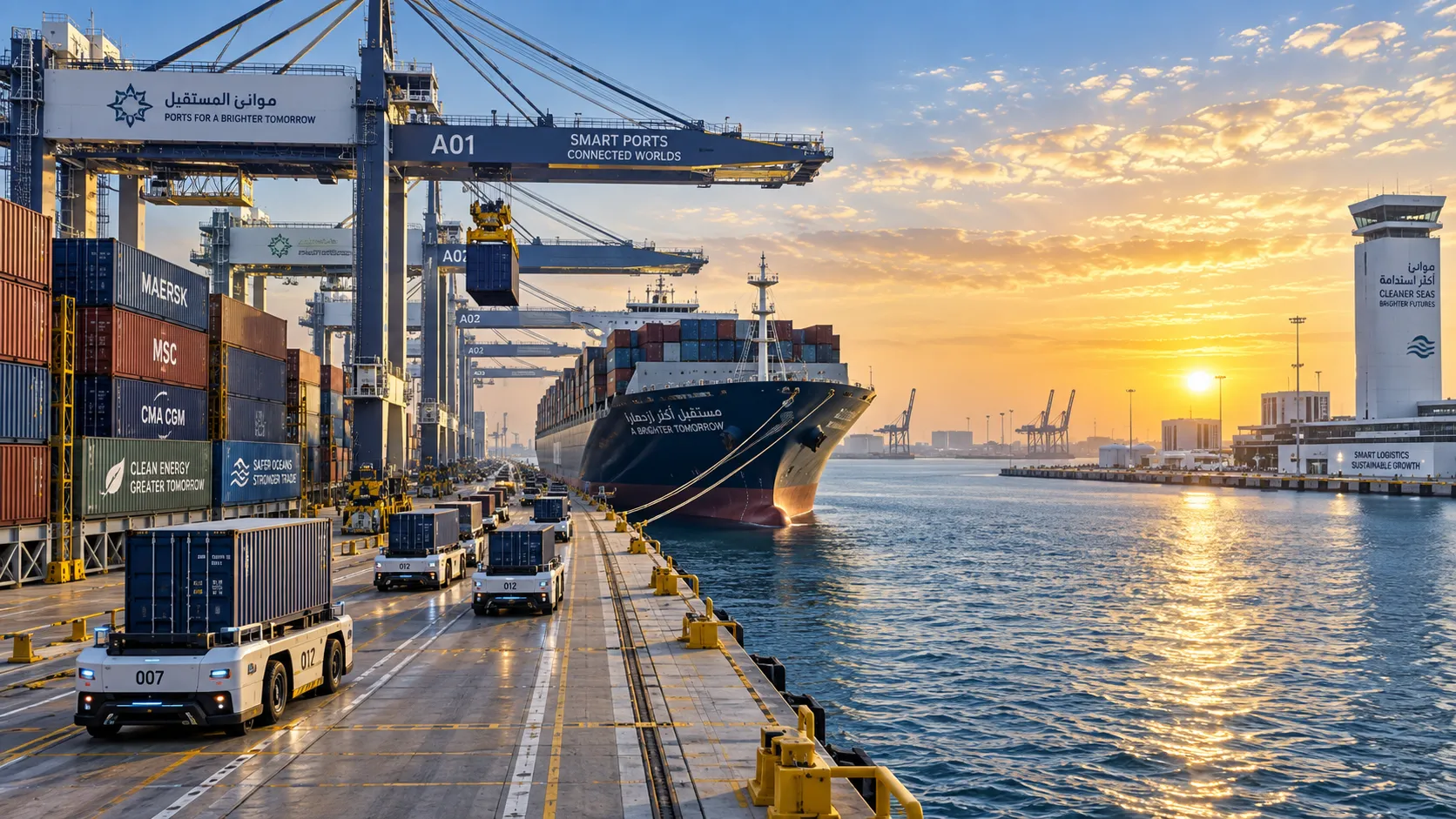
Middle East Port Automation: Key Market Drivers, Projects, and Investment Risks
Port automation systems Middle East: explore market drivers, flagship projects, integration challenges, and investment risks shaping smarter, resilient terminals.
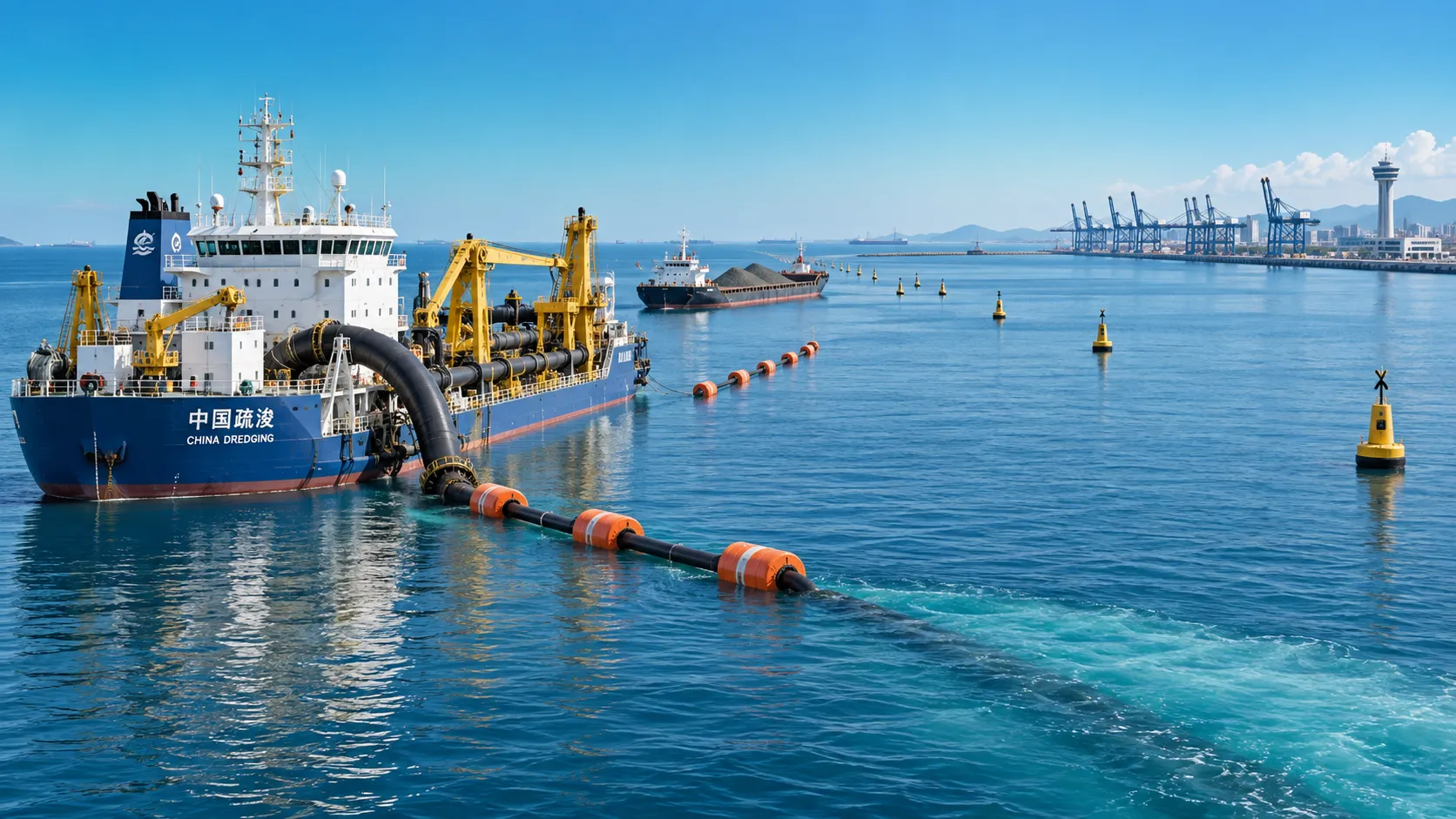
Planning Offshore Dredging Operations: Key Risks, Methods, and Project Controls
Offshore dredging operations demand smart planning. Explore key risks, proven methods, environmental controls, and project strategies for reliable delivery.