
Related News
- 00
0000-00
How Can Port Equipment Lead-Time Risk Be Managed? - 00
0000-00
Maritime Logistics Operations: How Ports Can Reduce Container Dwell Time - 00
0000-00
What Does Logistics Node Monitoring Cost Across Warehouses and Transport Hubs? - 00
0000-00
How Can IoT Smart Port Solutions Improve Container Tracking and Yard Efficiency? - 00
0000-00
How Real-Time Port Logistics Intelligence Improves Container Yard Efficiency
Heavy Machinery Logistics Checklist: Permits, Route Surveys, and Lift Plans
Heavy machinery logistics can make or break a port, dredging, or infrastructure project long before the equipment reaches site.
For complex moves, the real risk is not only cargo weight. It is the chain of permits, route constraints, lift engineering, terminal coordination, and schedule dependencies.
This checklist helps synchronize oversized machinery movement from origin to final placement, reducing compliance gaps, standby costs, and avoidable disruption.
Scenario Judgment: Why Heavy Machinery Logistics Must Start Before Dispatch
Heavy machinery logistics is a planning discipline, not only a transport activity. Each project setting creates different exposure to permits, access, weather, labor, and lifting constraints.
A quay crane component, dredger pump, transformer, or crawler crane may share the same oversized profile. Yet each requires a different control strategy.
The earlier these differences are mapped, the easier it becomes to align terminals, carriers, survey teams, authorities, and installation contractors.
At PS-Nexus, heavy machinery logistics is viewed through port intelligence, marine engineering, and infrastructure scheduling. The objective is synchronized execution, not isolated shipment handling.
Port Terminal Moves: When Access Windows Define the Plan
Port projects often involve quay cranes, RTGs, STS components, spreaders, power units, and automation cabinets. These assets usually move through congested operational zones.
In this scenario, heavy machinery logistics depends on berth availability, terminal traffic flow, customs clearance, and safe separation from live container operations.
The core judgment point is access continuity. A permitted load may still fail if the terminal gate, turning radius, or staging area is unavailable.
Checklist actions should include berth schedule confirmation, gate dimension checks, axle load verification, and night movement approvals where daytime traffic is restricted.
Key checks for terminal equipment delivery
- Confirm terminal operating windows and vessel cut-off times.
- Verify quay load capacity and temporary storage conditions.
- Map internal routes around cranes, reefer stacks, and yard blocks.
- Align escort, security, and traffic marshaling requirements.
Dredging and Coastal Projects: When Terrain Creates the Real Constraint
Marine dredging projects may require pumps, cutterheads, spud systems, winches, pipelines, and modular dredger sections. These cargoes often move near unstable ground.
For these sites, heavy machinery logistics must account for tides, temporary roads, soil bearing capacity, and limited lifting foundations.
The main judgment point is whether the destination can receive the cargo safely. A perfect route survey means little if the final pad fails.
Site preparation should include geotechnical checks, crane mat planning, drainage review, and marine access coordination for barge-assisted delivery.
Practical coastal logistics controls
- Assess tidal windows for unloading, floating, or barge positioning.
- Check temporary road compaction and slope stability.
- Confirm corrosion protection during storage near seawater.
- Coordinate dredging crews, lift crews, and marine pilots early.
Industrial Infrastructure: When Permits and Utilities Control the Timeline
Industrial infrastructure moves include transformers, pressure vessels, turbines, tunnel equipment, mining machines, and large fabrication modules.
In this setting, heavy machinery logistics often faces bridges, overhead lines, road closures, railway interfaces, and municipal approval layers.
The decisive question is not only whether a route exists. It is whether authorities will approve the route within the project schedule.
Permit lead times must be compared against production release dates, vessel arrival, customs processing, and site installation milestones.
Permit checklist for oversized industrial moves
- Define gross weight, axle loads, dimensions, and center of gravity.
- Identify every jurisdiction crossed by the planned route.
- Confirm escort, police, utility, and night movement requirements.
- Submit route survey evidence with bridge and turning analyses.
- Track permit validity dates against shipment readiness.
Route Surveys: Turning a Map Into an Executable Movement Plan
A route survey is one of the strongest risk controls in heavy machinery logistics. It converts theoretical transport into a field-verified method.
The survey should cover bridges, culverts, gradients, street furniture, turning radii, road surfaces, temporary removals, and emergency pull-off points.
Digital mapping is useful, but it cannot replace physical verification. Recent roadworks, low-hanging cables, or parked equipment can change feasibility.
For heavy machinery logistics, the best survey output is not just a report. It is a movement sequence with responsibilities, timings, and contingencies.
Lift Plans: Matching Engineering Method to Site Reality
Lift planning is where heavy machinery logistics connects transport completion with safe installation. The lift is rarely a separate activity.
A delayed crane, missing rigging point, or unstable foundation can leave expensive cargo waiting on trailers, barges, or terminal pads.
The lift plan must confirm load weight, center of gravity, rigging geometry, crane capacity, ground bearing pressure, exclusion zones, and communication protocol.
For port and dredging projects, wind speed, tidal influence, and proximity to operating equipment must be included in the lift decision.
Lift plan essentials for oversized equipment
- Certified lifting points and verified center of gravity.
- Crane selection based on real radius, not ideal conditions.
- Rigging inspection, sling angles, and load path control.
- Ground bearing assessment for crane and support equipment.
- Stop-work triggers for weather, visibility, or communication failure.
Demand Differences Across Heavy Machinery Logistics Scenarios
Different operating environments require different planning priorities. A single checklist helps, but it must be weighted by scenario.
The table below compares common heavy machinery logistics situations and the controls that usually decide project reliability.
Scenario Fit Recommendations: Build the Checklist Around Decision Gates
Effective heavy machinery logistics uses decision gates. Each gate confirms whether the project can proceed without hidden exposure.
The first gate is cargo definition. Dimensions, lifting points, packing method, hazardous elements, and transport supports must be fixed.
The second gate is route feasibility. Survey evidence, permit requirements, escort needs, and utility conflicts must be confirmed before dispatch.
The third gate is site readiness. The destination must have ground capacity, access control, storage space, crane pads, and emergency plans.
The final gate is execution synchronization. Carriers, terminals, authorities, lifting contractors, and commissioning teams must work from one live schedule.
Recommended project controls
- Create one responsibility matrix for permits, route surveys, and lift approvals.
- Use a milestone calendar tied to vessel arrival and site readiness.
- Hold joint reviews between logistics, engineering, terminal, and installation teams.
- Keep contingency routes and alternate lifting windows approved in advance.
- Record every assumption that affects heavy machinery logistics timing.
Common Misjudgments That Disrupt Heavy Machinery Logistics
One frequent mistake is treating permits as administrative paperwork. In reality, permit conditions can reshape the entire movement method.
Another error is assuming past routes remain valid. Roadworks, bridge repairs, port traffic rules, and utility changes can invalidate older surveys.
A third weakness is separating transport planning from lifting engineering. The trailer position, offloading sequence, and crane radius are interdependent.
Weather is also underestimated. High winds, poor visibility, heat, rain, and tides can all affect heavy machinery logistics execution.
Documentation gaps create further delay. Missing serial numbers, packing drawings, customs codes, or lifting certificates can stop movement at critical points.
Action Guide: Convert the Checklist Into a Live Control System
A strong heavy machinery logistics checklist should not sit in a project folder. It should operate as a live control system.
Start by confirming cargo data, permit routes, terminal windows, lift engineering, and site readiness in one shared tracker.
Then assign owners for every approval, survey correction, lifting document, utility intervention, and schedule update.
For port, dredging, and infrastructure projects, PS-Nexus recommends linking logistics intelligence with engineering review and operational scheduling.
That approach turns heavy machinery logistics from a reactive transport task into a predictable project safeguard.
Before the next oversized move begins, review the scenario, rank the constraints, and validate the route, permit, and lift plan together.
When every decision gate is synchronized, heavy machinery logistics supports safer movement, faster commissioning, and stronger control across the global trade value chain.
Related News
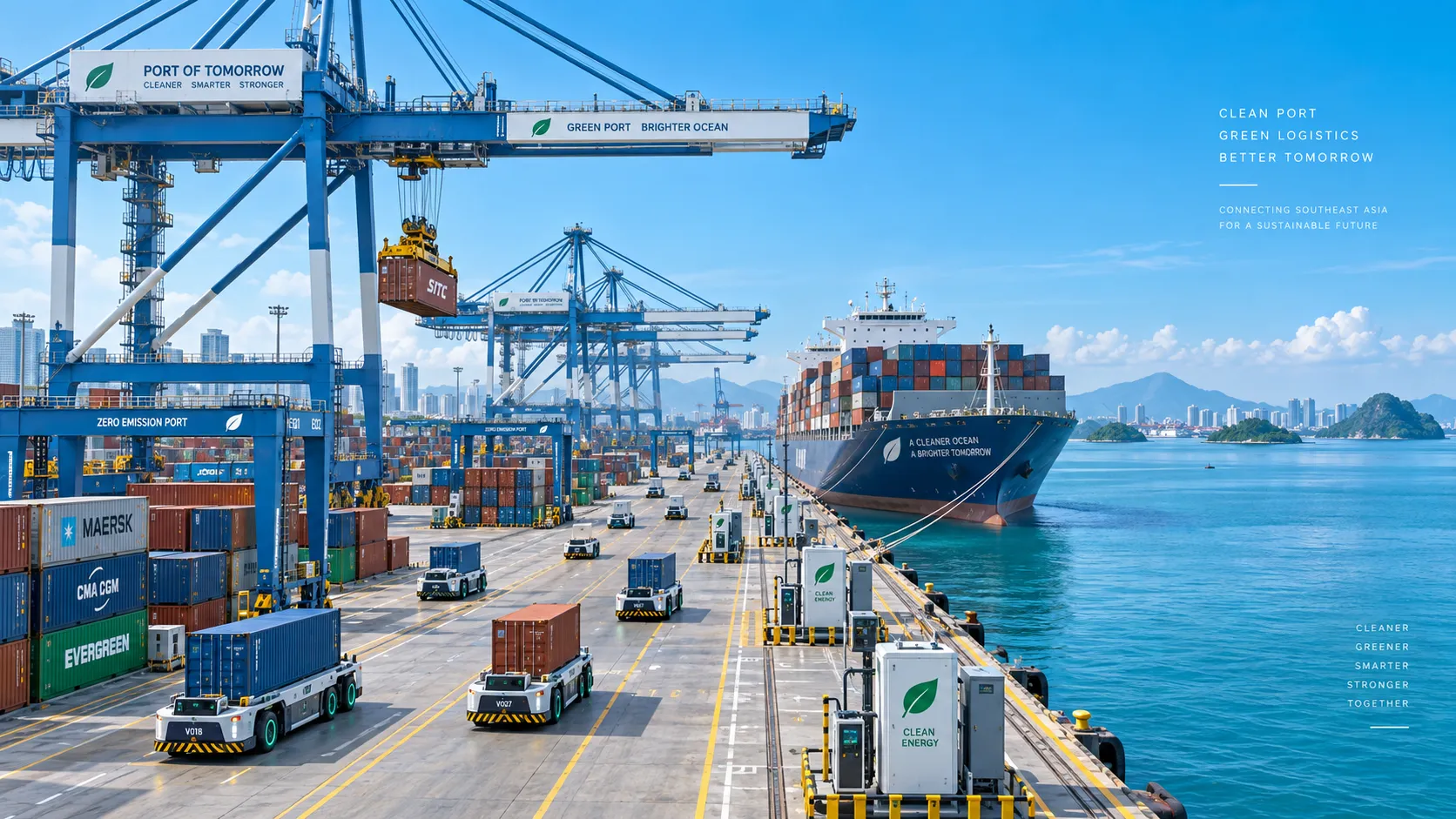
Smart Port Systems in Southeast Asia: Investment Priorities and Adoption Barriers
Smart port systems Southeast Asia: discover investment priorities, adoption barriers, and practical steps to build resilient, connected, high-performing terminals.

How to Evaluate Terminal Efficiency Solution Suppliers for High-Throughput Operations
Choose a terminal efficiency solutions supplier with confidence. Explore proven criteria for throughput, integration, lifecycle cost, safety, and reliable delivery.
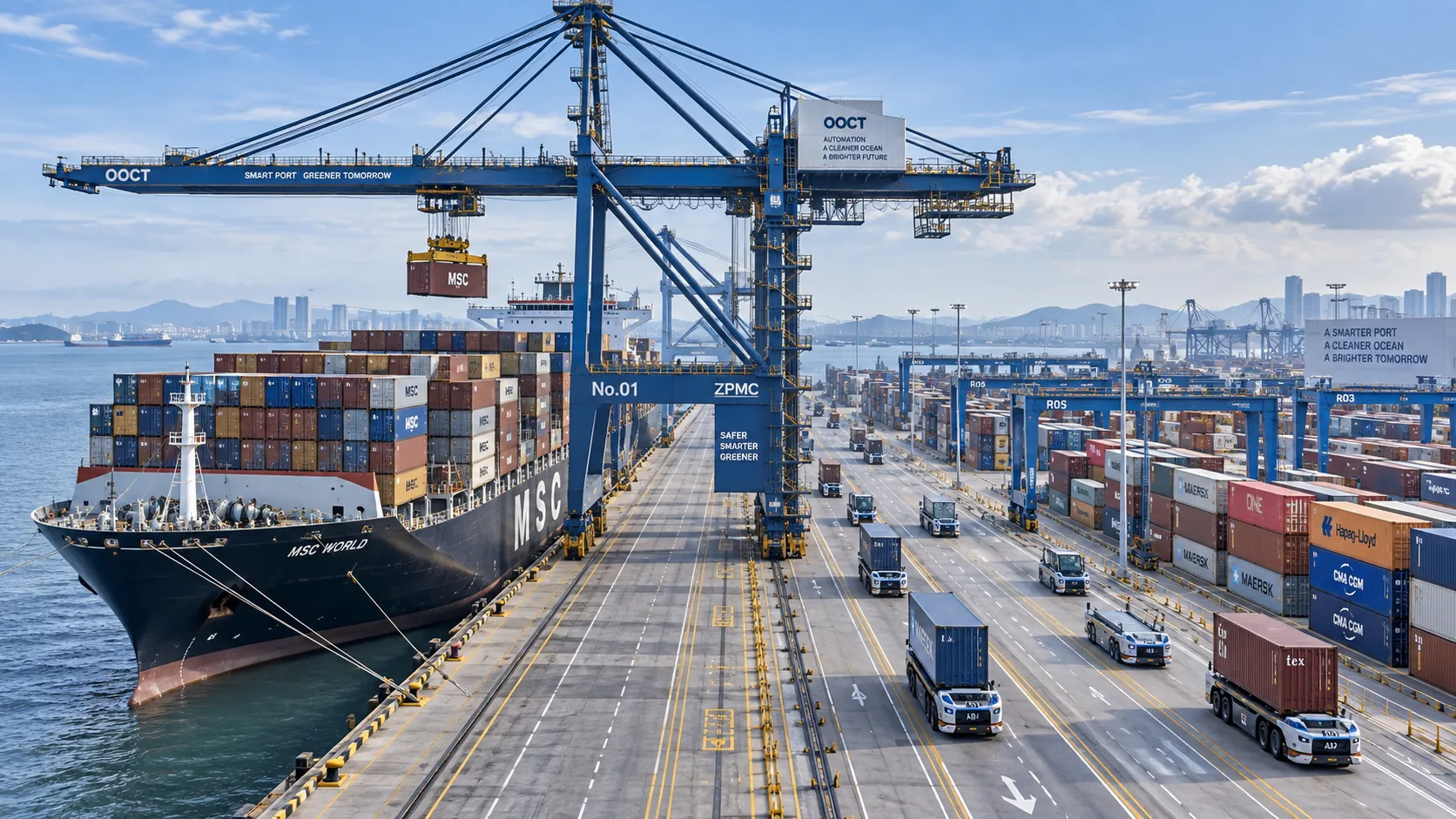
How to Specify a Quay Crane for Container Terminals by Vessel Size and Throughput?
Quay crane for container terminals: learn how to match outreach, lift height, capacity, automation, and cycle performance to vessel size and throughput goals.
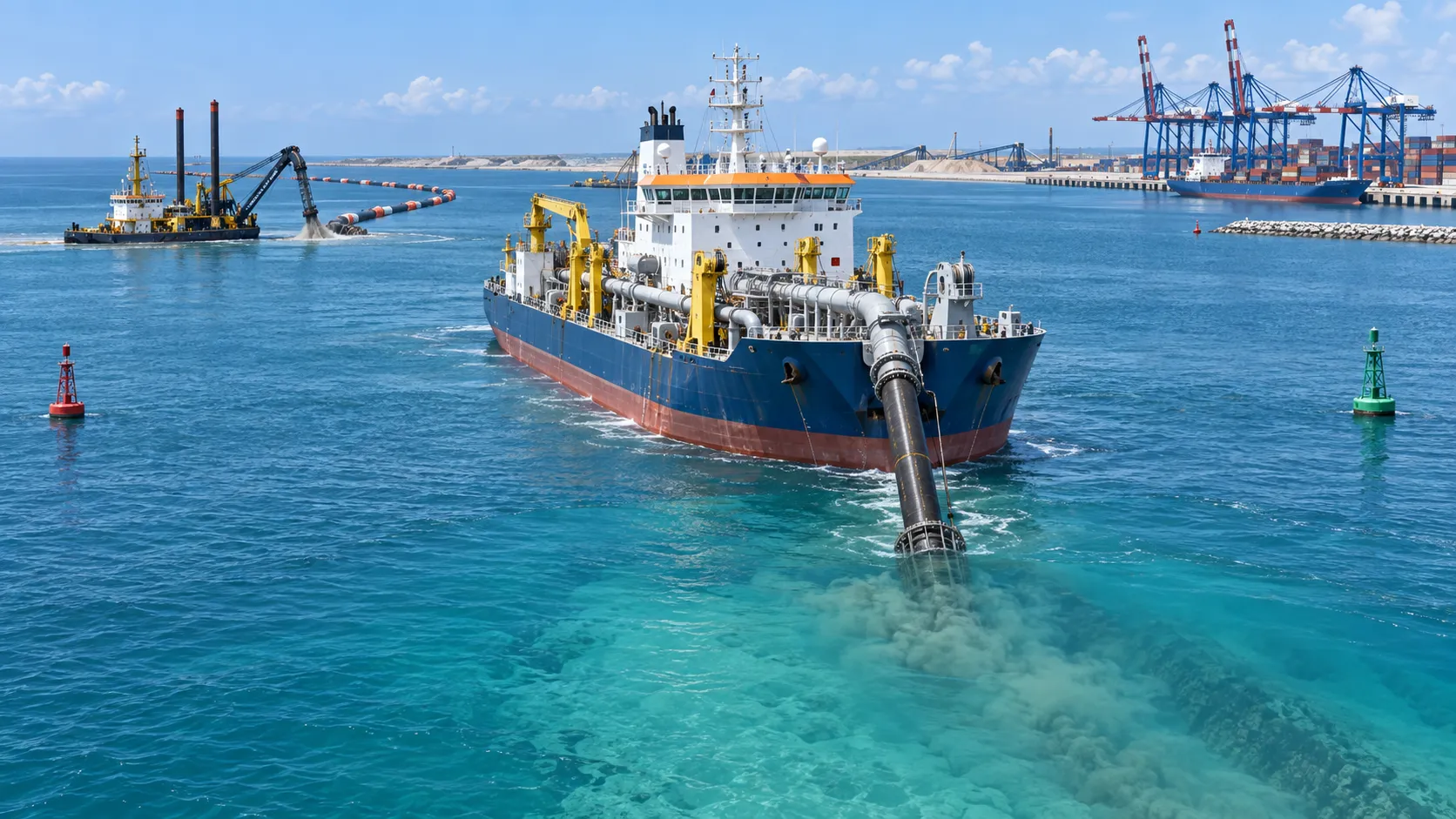
What Dredging Equipment Is Needed for Channel Deepening?
What dredging equipment is needed for channel deepening? Explore dredgers, pipelines, survey tools, and planning strategies for safer, more efficient port access.
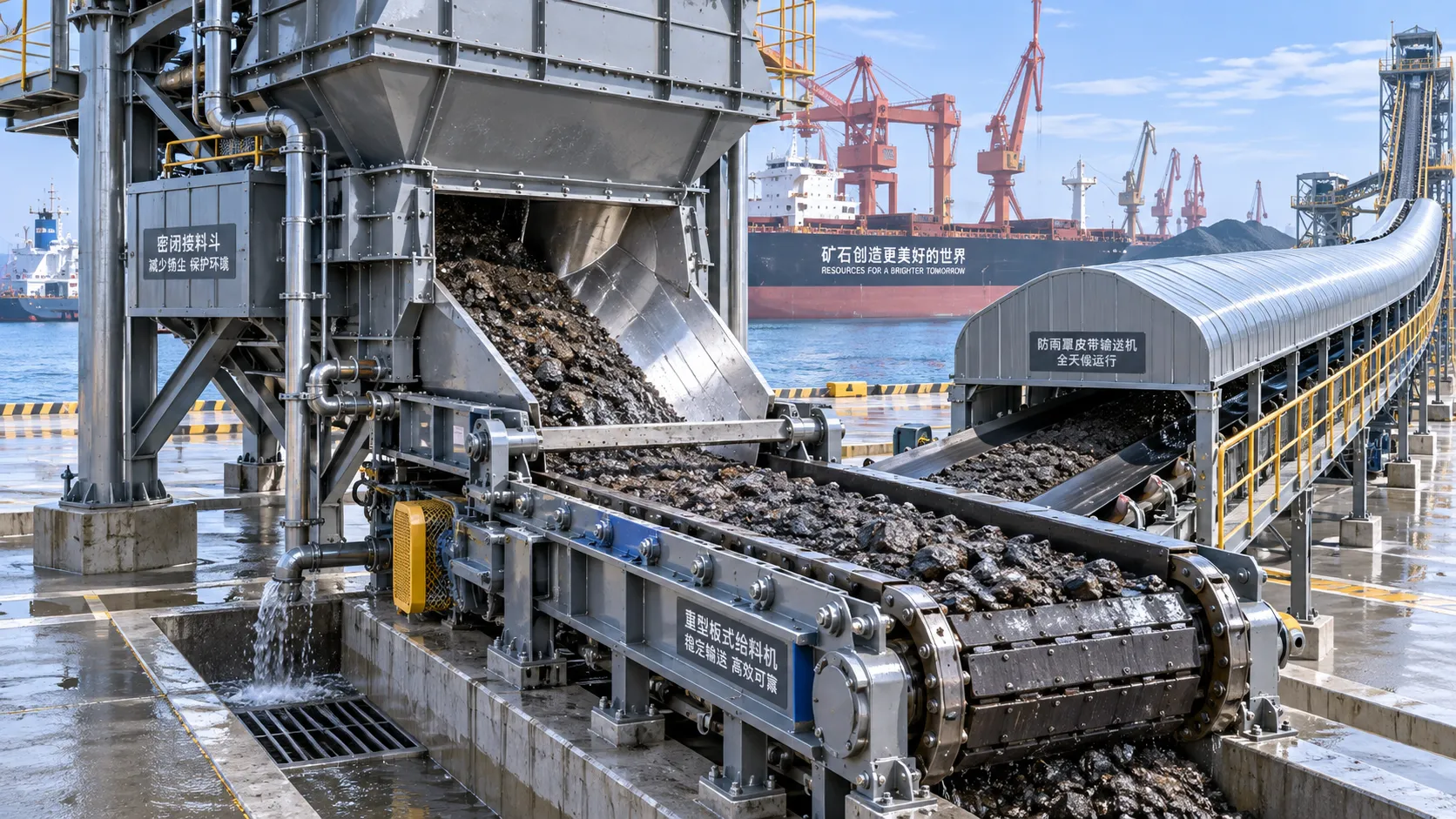
Which Bulk Handling Equipment Suits High-Moisture Cargo?
Which bulk handling equipment suits high-moisture cargo? Compare belt, apron, screw, drag, and slurry systems for reliable flow, less carryback, and higher terminal uptime.
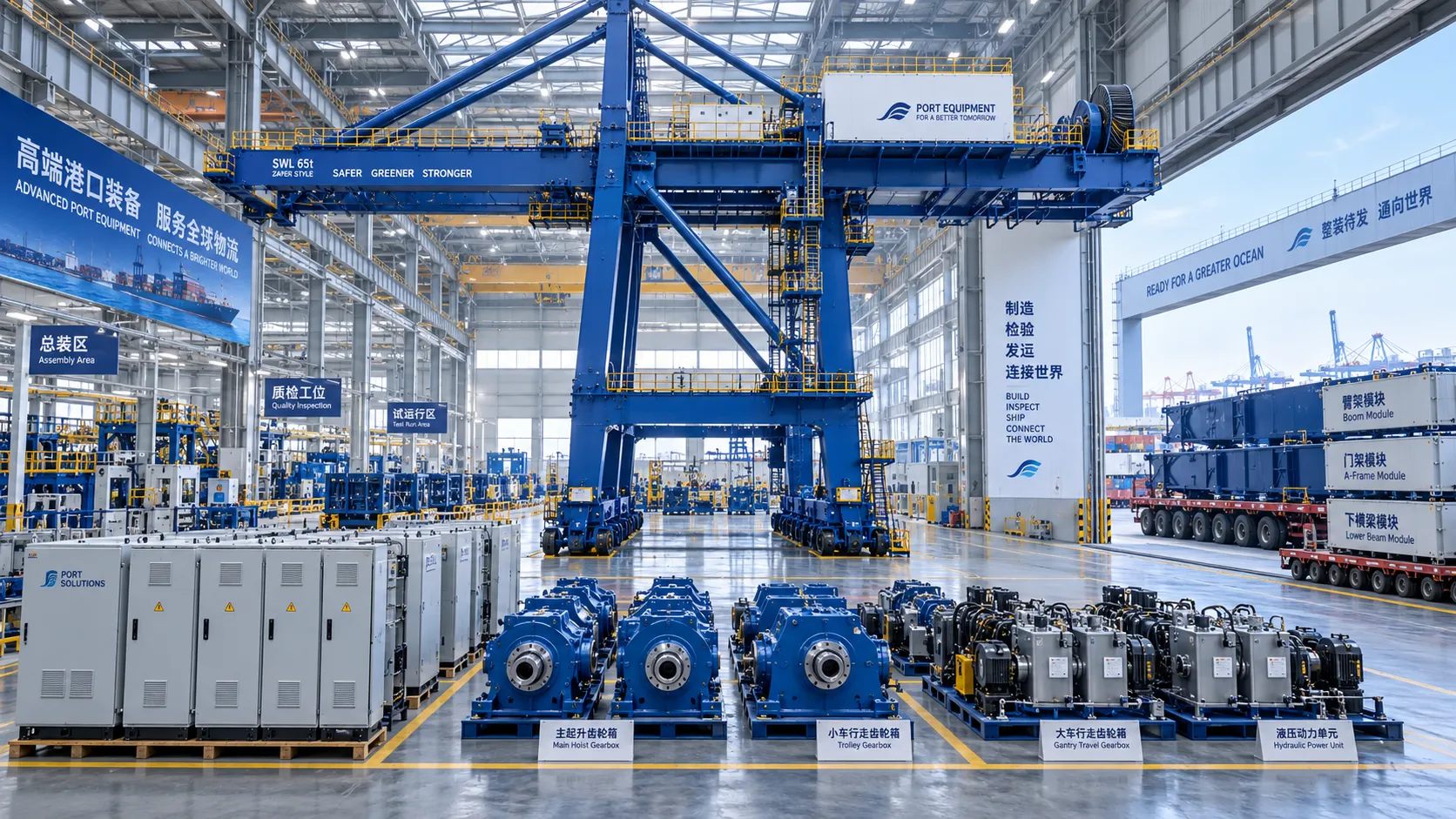
How Can Port Equipment Lead-Time Risk Be Managed?
How can port equipment lead-time risk be managed? Explore practical strategies to control critical paths, suppliers, transport, site readiness, and commissioning delays.

Terminal Automation Technologies That Raise Container Throughput Without Yard Disruption
Terminal automation technology that increases container throughput without disrupting yard flow. Explore smarter integration, resilient workflows, and phased deployment strategies.
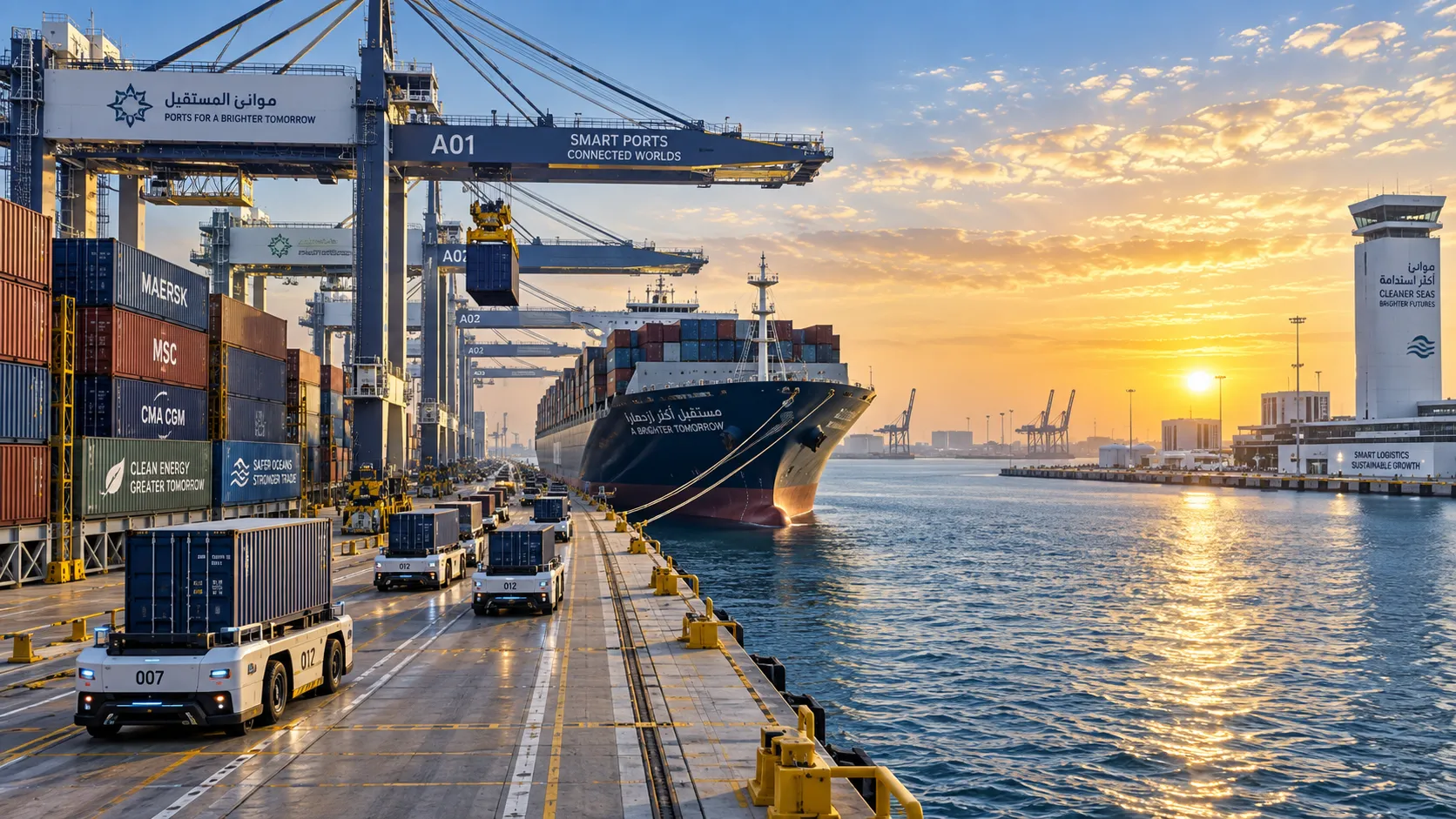
Middle East Port Automation: Key Market Drivers, Projects, and Investment Risks
Port automation systems Middle East: explore market drivers, flagship projects, integration challenges, and investment risks shaping smarter, resilient terminals.
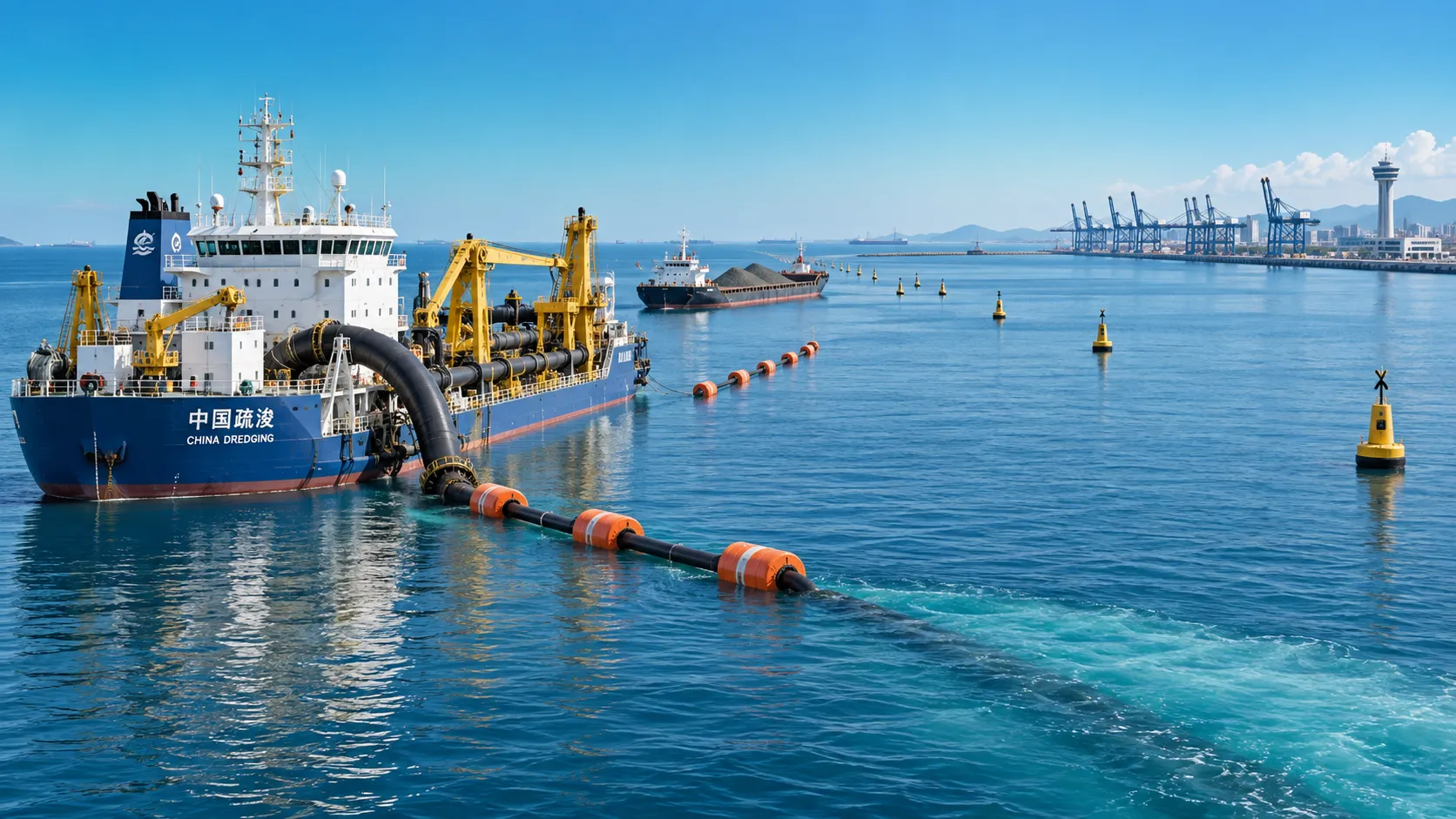
Planning Offshore Dredging Operations: Key Risks, Methods, and Project Controls
Offshore dredging operations demand smart planning. Explore key risks, proven methods, environmental controls, and project strategies for reliable delivery.