Related News
- 00
0000-00
How Can Port Equipment Lead-Time Risk Be Managed? - 00
0000-00
Maritime Logistics Operations: How Ports Can Reduce Container Dwell Time - 00
0000-00
What Does Logistics Node Monitoring Cost Across Warehouses and Transport Hubs? - 00
0000-00
How Can IoT Smart Port Solutions Improve Container Tracking and Yard Efficiency? - 00
0000-00
How Real-Time Port Logistics Intelligence Improves Container Yard Efficiency
Port Infrastructure Planning: Berth Depth, Yard Capacity, and Road Access
Port Infrastructure Planning: Berth Depth, Yard Capacity, and Road Access
Effective port infrastructure planning is where engineering precision meets commercial resilience.
Berth depth, yard capacity, and road access are not isolated variables. They define vessel compatibility, cargo velocity, land-side efficiency, and long-term returns.
As ships grow larger, port infrastructure must connect marine works, terminal equipment, automation logic, and hinterland corridors without hidden bottlenecks.
Port Infrastructure Is Moving From Expansion Logic to System Resilience
The global terminal landscape is changing under larger vessel calls, tighter shipping windows, and more volatile cargo flows.
Traditional port infrastructure planning often focused on adding quay length, storage blocks, or access lanes after congestion appeared.
That reactive model is becoming expensive. Modern port infrastructure must be designed as an integrated operating system.
Berth depth determines which vessels can call. Yard capacity determines how fast cargo can be absorbed, staged, and released.
Road access determines whether terminal throughput becomes real market connectivity or simply internal congestion transferred outside the gate.
This is why port infrastructure strategy now sits at the center of maritime logistics, coastal economics, and automated terminal investment.
Trend Signals Reshaping Berth, Yard, and Gate Decisions
Several signals show why port infrastructure is becoming more data-driven, capital-intensive, and operationally interdependent.
- Vessel upsizing increases pressure on channel depth, turning basins, berth pockets, and fender systems.
- E-commerce and regional distribution demand faster container release and shorter yard dwell time.
- Automated cranes, AGVs, and terminal control systems require predictable layouts and clean traffic separation.
- Climate risk changes assumptions for dredging, drainage, pavement durability, and emergency access.
- Net-zero targets push port infrastructure toward electrified equipment, shore power, and lower-emission road interfaces.
These signals do not operate separately. A deeper berth can increase vessel exchange volume and stress yard stacks within hours.
Likewise, expanded yard blocks lose value if road access cannot handle peak gate waves and truck appointment volatility.
Why Berth Depth Has Become a Strategic Capacity Variable
Berth depth is often treated as a marine engineering issue. In reality, it is a commercial access issue.
A port infrastructure plan with insufficient depth limits vessel size, cargo intake, schedule reliability, and carrier confidence.
Depth decisions should consider chart datum, tidal windows, sedimentation rates, under-keel clearance, and dredging maintenance cycles.
They should also reflect crane outreach, berth productivity, mooring safety, and vessel turnaround expectations.
Deepening without matching quay reinforcement can create structural risk. Deepening without yard preparation can create operational imbalance.
For PS-Nexus observers, this confirms a clear trend: marine dredging engineering is no longer a back-end civil task.
It is a front-line port infrastructure lever that influences route eligibility, terminal equipment demand, and coastal trade positioning.
Key depth planning questions
- Which design vessel classes are likely within the next ten to twenty years?
- How will siltation change maintenance dredging frequency and budget certainty?
- Can berth structures support deeper drafts and higher crane loads together?
- Will tidal access windows reduce the practical value of nominal depth?
Yard Capacity Is Shifting From Land Area to Flow Intelligence
Yard capacity is not only measured by hectares, ground slots, or stacking height. It is measured by recoverable flow.
Modern port infrastructure must support rapid interchange between quay cranes, horizontal transport, storage blocks, rail, and road gates.
A large yard can still fail if containers are placed poorly, rehandled often, or trapped behind conflicting traffic routes.
Automation makes this issue sharper. Automated stacking cranes need disciplined block geometry, predictable interfaces, and reliable digital instructions.
AGVs and autonomous trucks require conflict-free routes, charging zones, emergency bypasses, and low-latency control communication.
Therefore, port infrastructure planning must combine civil layout, equipment selection, operating rules, and algorithmic scheduling from the start.
Yard planning indicators that deserve closer attention
The strongest port infrastructure plans treat the yard as a dynamic buffer, not a passive storage field.
Road Access Is Becoming the Hidden Test of Terminal Competitiveness
Road access is often underestimated because it sits beyond the quay and sometimes beyond terminal boundaries.
Yet road access determines whether port infrastructure can convert ship productivity into regional supply chain performance.
Gate congestion can erase gains achieved by deeper berths, faster cranes, or expanded container yards.
Truck queues also create emissions, community friction, schedule uncertainty, and avoidable operating costs.
The trend is toward coordinated road planning, appointment systems, weighbridge automation, OCR gates, and real-time traffic integration.
Strong port infrastructure now includes digital coordination with logistics parks, customs zones, rail yards, and inland depots.
Land-side access priorities
- Separate heavy truck circulation from passenger, service, and emergency routes.
- Design gate capacity for peak bursts, not only daily average truck volumes.
- Connect appointment data with yard readiness and customs release status.
- Reserve corridors for future rail, electrified trucks, and smart traffic systems.
The Main Drivers Behind Integrated Port Infrastructure Planning
The shift toward integrated port infrastructure is being pushed by operational, financial, environmental, and technological forces.
These drivers show why port infrastructure decisions cannot be optimized one asset at a time.
A quay crane upgrade changes berth productivity. That change can shift yard peaks and gate demand immediately.
Impacts Across Marine Works, Equipment, and Hinterland Operations
Integrated port infrastructure changes how marine engineering, terminal equipment, and inland logistics interact.
For marine works, dredging plans must align with vessel forecasts, berth strengthening, environmental approvals, and maintenance funding.
For terminal equipment, quay cranes, RTGs, RMGs, reach stackers, and AGVs must fit the intended cargo flow model.
For automation systems, sensor placement, network latency, cybersecurity, and equipment interoperability become core port infrastructure requirements.
For hinterland operations, access roads, rail links, depots, and logistics parks must absorb cargo without shifting congestion downstream.
This creates a broader planning discipline. It links engineering design with algorithmic scheduling and commercial corridor strategy.
Priorities That Should Guide Future Port Infrastructure Decisions
The following priorities help reduce retrofit risk and improve the value of long-cycle port infrastructure investment.
- Model end-to-end flow: Test berth, yard, gate, road, and rail performance as one system.
- Plan for design vessels: Use realistic future vessel profiles, not only current service patterns.
- Protect expansion corridors: Reserve land, utilities, data pathways, and transport corridors early.
- Digitize critical interfaces: Connect berth planning, yard planning, gate appointments, and maintenance data.
- Balance automation with resilience: Include manual recovery routes and emergency operating modes.
- Quantify environmental exposure: Include dredging impacts, stormwater, emissions, and coastal climate risk.
These priorities are especially important where greenfield terminals must remain competitive for decades.
They also matter in brownfield terminals, where every expansion decision must respect live operations and land constraints.
A Practical Response Framework for the Next Planning Cycle
A useful response framework should connect strategic demand, engineering feasibility, and operating performance.
This framework supports phased port infrastructure investment while keeping the full logistics chain visible.
What PS-Nexus Watches in the Port Infrastructure Outlook
PS-Nexus tracks how heavy terminal gear, automated container handling, and marine dredging engineering converge.
The strongest signal is clear: port infrastructure value is moving from single-asset expansion to synchronized throughput intelligence.
Berth depth creates access. Yard capacity creates absorption. Road access creates market reach.
When these three layers are planned together, port infrastructure becomes more resilient, more scalable, and more commercially defensible.
Future-ready terminals should begin with a bottleneck map, a design vessel forecast, and a land-side flow simulation.
They should then align dredging, quay works, equipment fleets, automation systems, and road corridors within one investment roadmap.
The next practical step is to audit existing port infrastructure against future vessel calls, yard density peaks, and gate capacity stress points.
That evidence-based review can turn isolated upgrades into a synchronized blueprint for smarter maritime logistics.
Related News
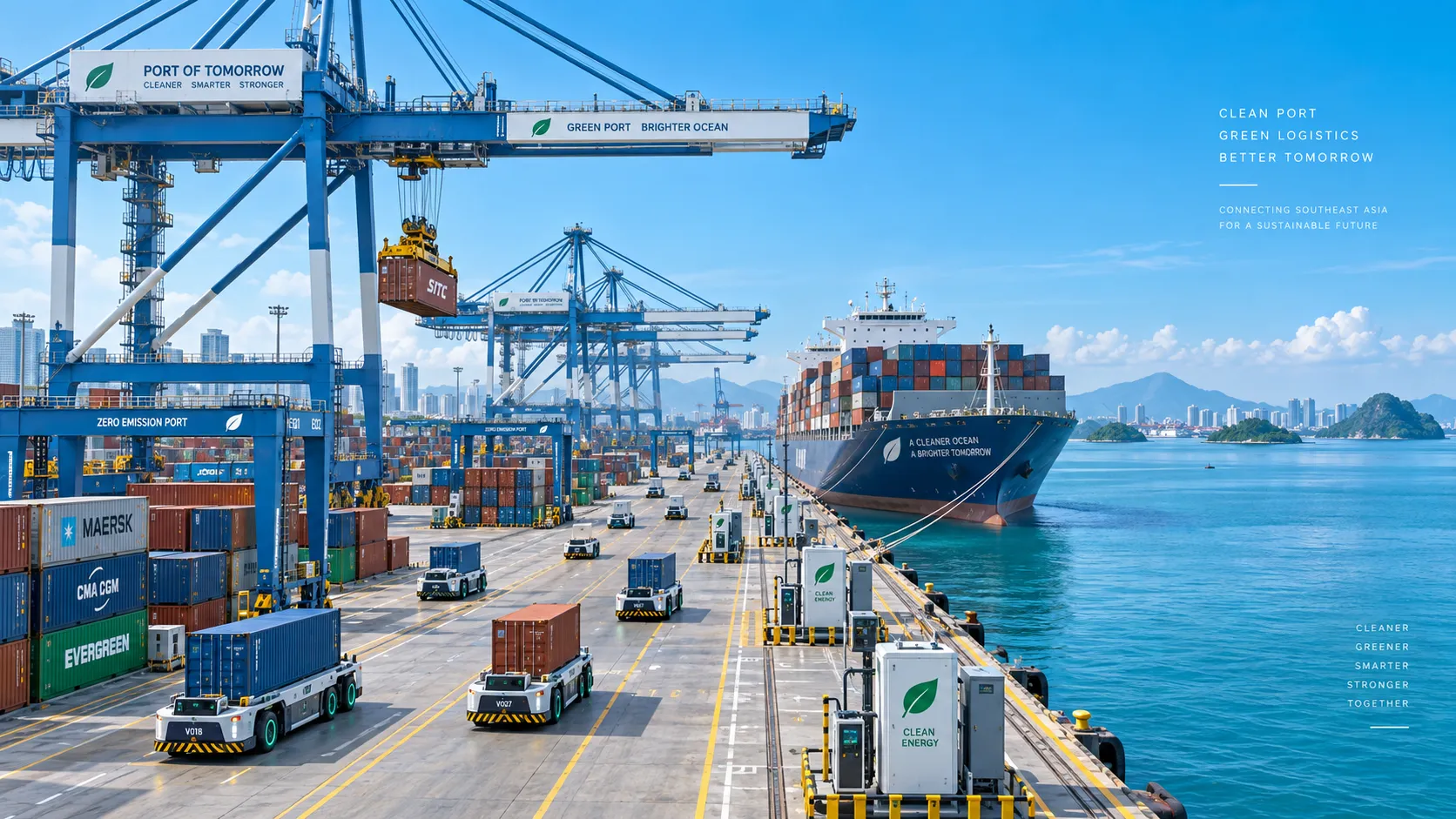
Smart Port Systems in Southeast Asia: Investment Priorities and Adoption Barriers
Smart port systems Southeast Asia: discover investment priorities, adoption barriers, and practical steps to build resilient, connected, high-performing terminals.
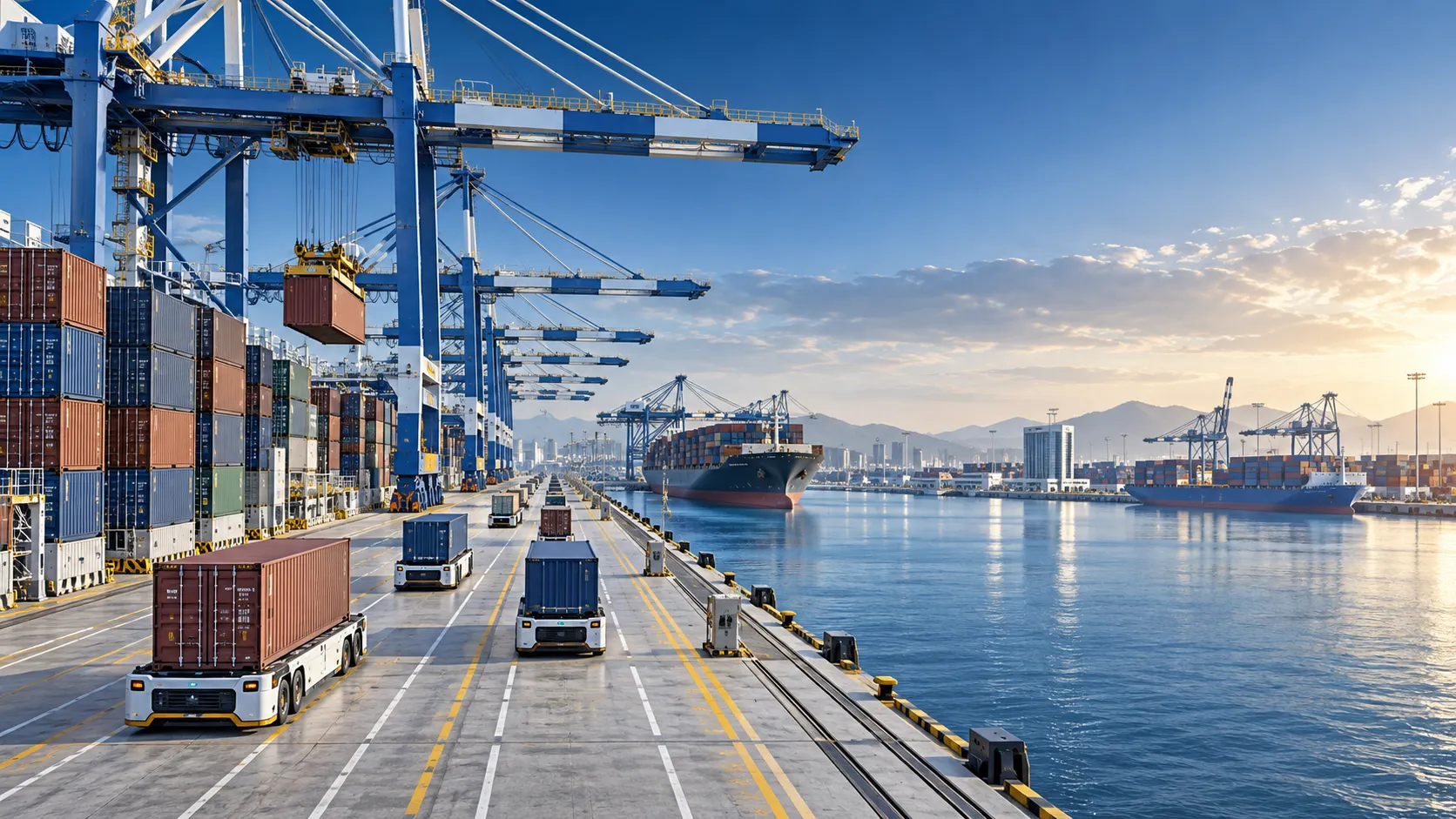
How to Evaluate Terminal Efficiency Solution Suppliers for High-Throughput Operations
Choose a terminal efficiency solutions supplier with confidence. Explore proven criteria for throughput, integration, lifecycle cost, safety, and reliable delivery.
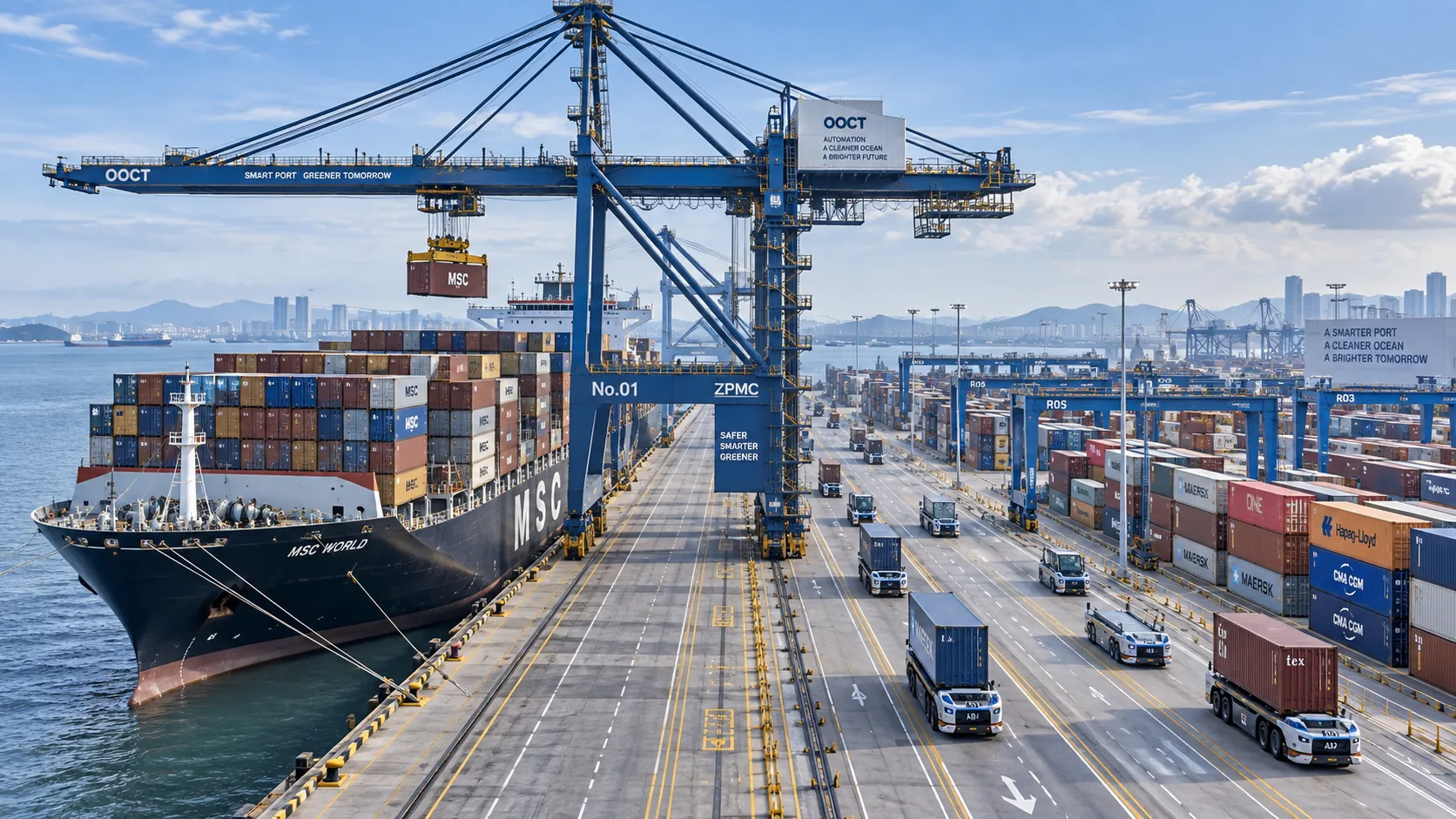
How to Specify a Quay Crane for Container Terminals by Vessel Size and Throughput?
Quay crane for container terminals: learn how to match outreach, lift height, capacity, automation, and cycle performance to vessel size and throughput goals.
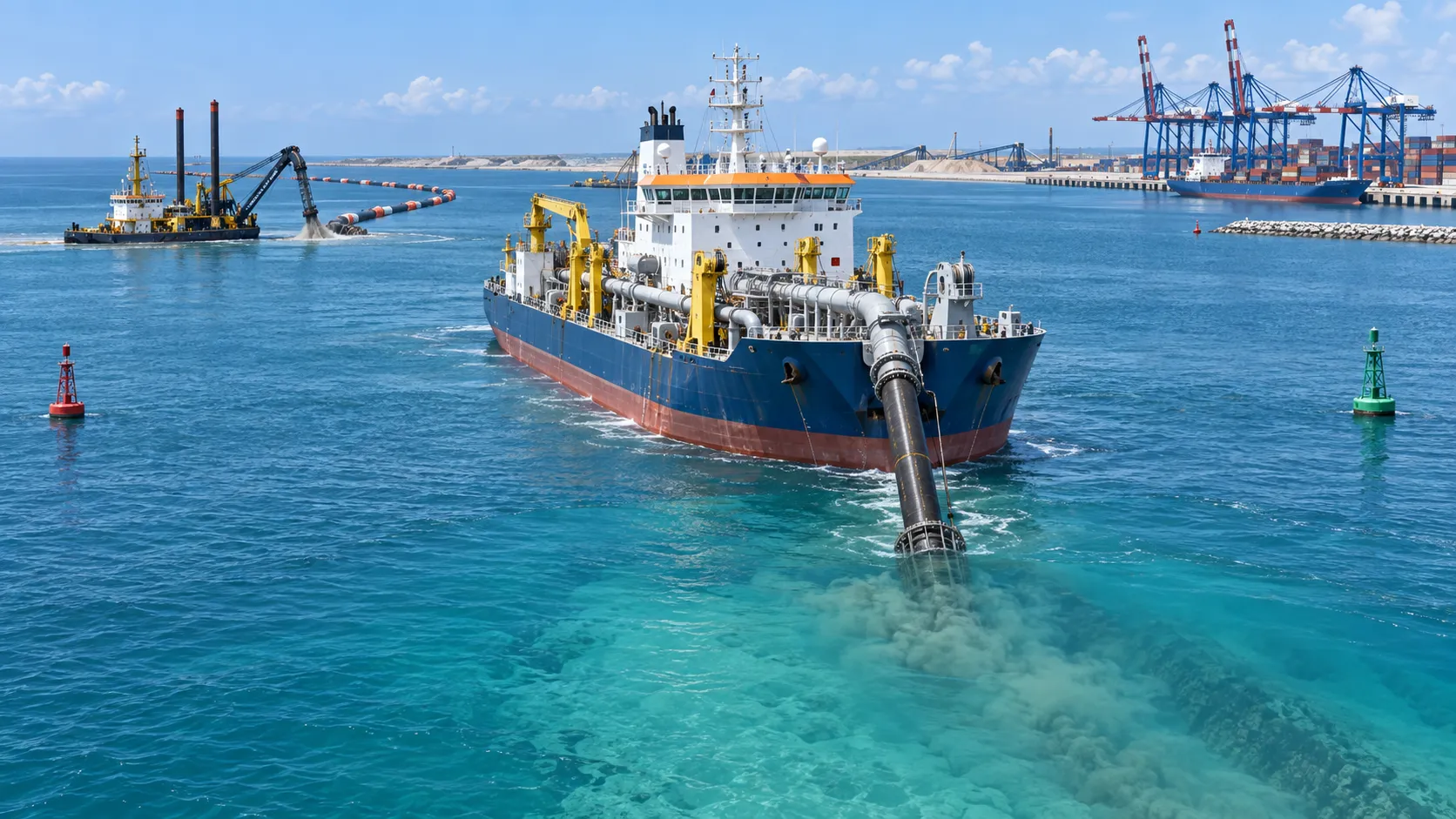
What Dredging Equipment Is Needed for Channel Deepening?
What dredging equipment is needed for channel deepening? Explore dredgers, pipelines, survey tools, and planning strategies for safer, more efficient port access.
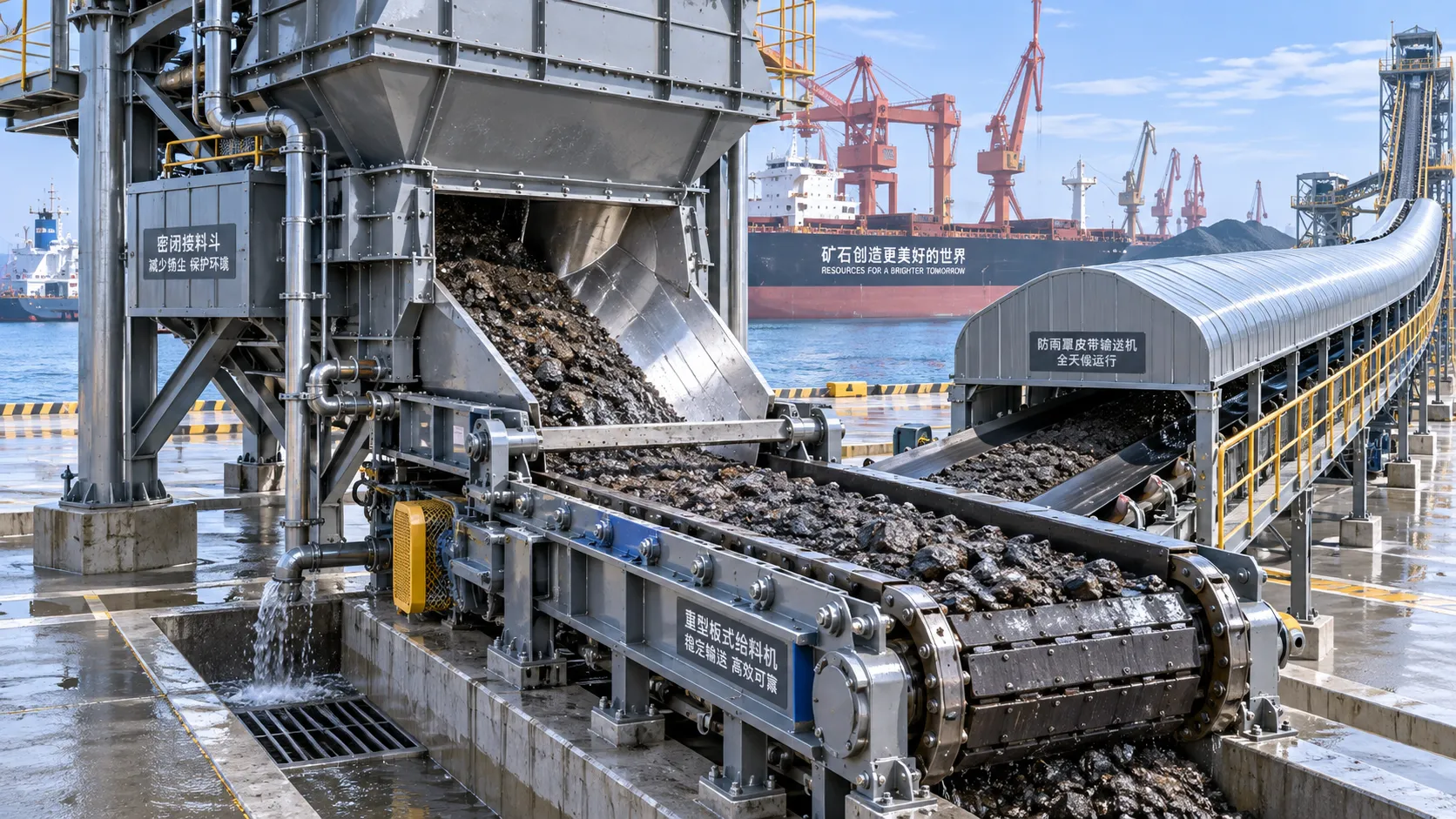
Which Bulk Handling Equipment Suits High-Moisture Cargo?
Which bulk handling equipment suits high-moisture cargo? Compare belt, apron, screw, drag, and slurry systems for reliable flow, less carryback, and higher terminal uptime.
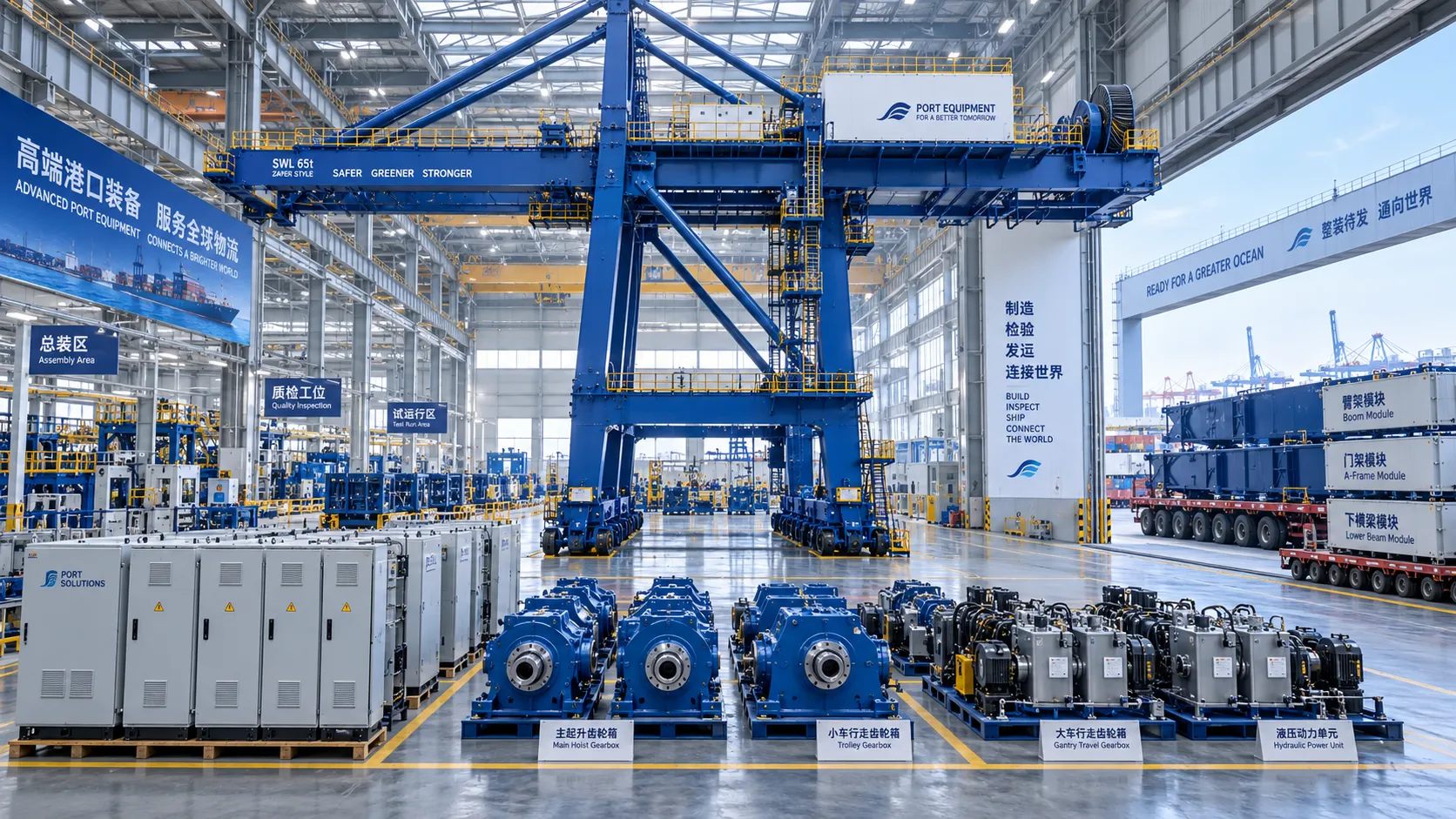
How Can Port Equipment Lead-Time Risk Be Managed?
How can port equipment lead-time risk be managed? Explore practical strategies to control critical paths, suppliers, transport, site readiness, and commissioning delays.
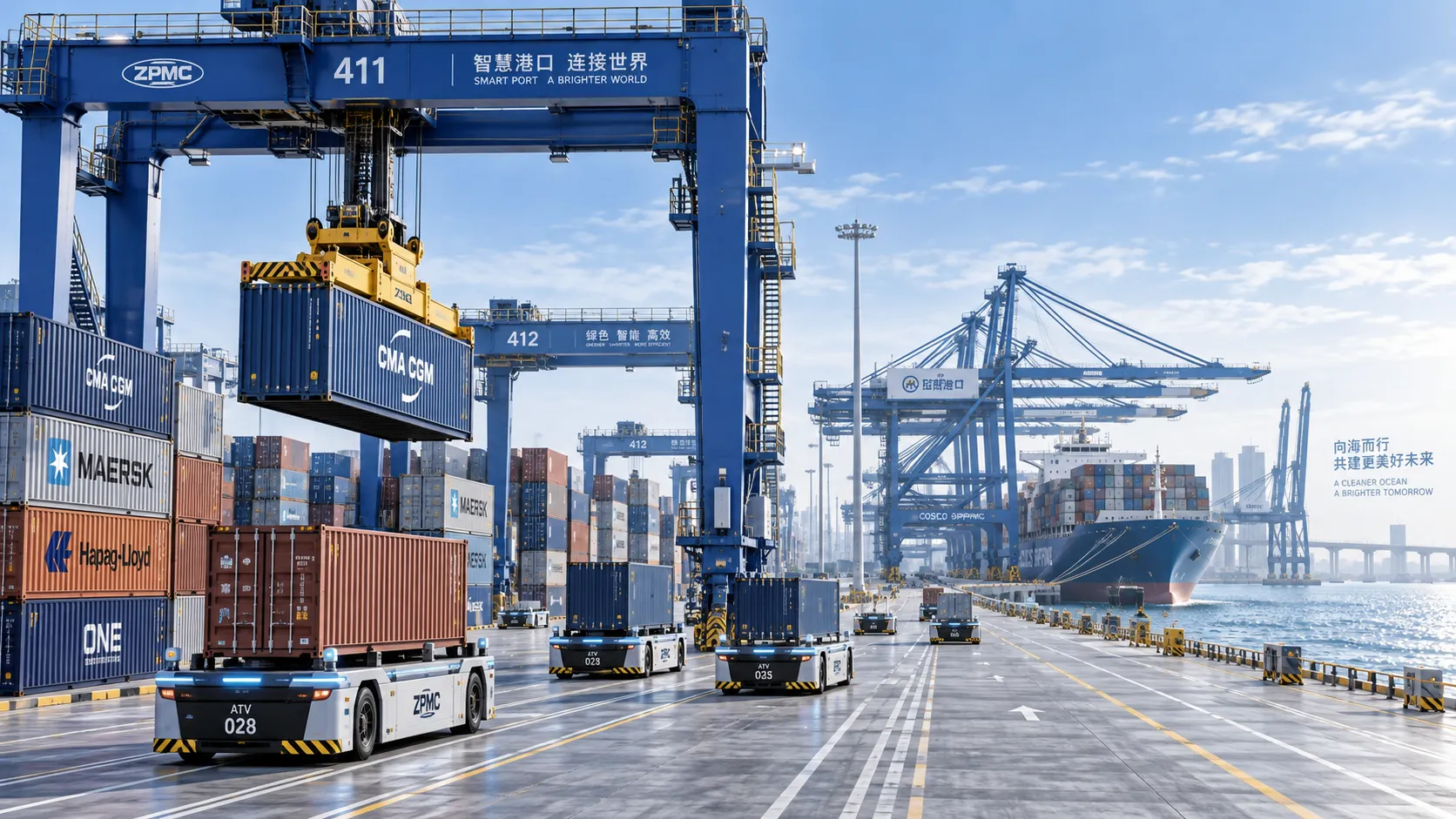
Terminal Automation Technologies That Raise Container Throughput Without Yard Disruption
Terminal automation technology that increases container throughput without disrupting yard flow. Explore smarter integration, resilient workflows, and phased deployment strategies.
Middle East Port Automation: Key Market Drivers, Projects, and Investment Risks
Port automation systems Middle East: explore market drivers, flagship projects, integration challenges, and investment risks shaping smarter, resilient terminals.
Planning Offshore Dredging Operations: Key Risks, Methods, and Project Controls
Offshore dredging operations demand smart planning. Explore key risks, proven methods, environmental controls, and project strategies for reliable delivery.