
Related News
- 00
0000-00
How Can Port Equipment Lead-Time Risk Be Managed? - 00
0000-00
Maritime Logistics Operations: How Ports Can Reduce Container Dwell Time - 00
0000-00
What Does Logistics Node Monitoring Cost Across Warehouses and Transport Hubs? - 00
0000-00
How Can IoT Smart Port Solutions Improve Container Tracking and Yard Efficiency? - 00
0000-00
How Real-Time Port Logistics Intelligence Improves Container Yard Efficiency
Bulk Cargo Handling Methods: Choosing Conveyors, Grab Cranes, or Hoppers
Selecting the right bulk cargo handling method is a technical decision that shapes terminal throughput, operating cost, safety, and long-term asset flexibility. For evaluators comparing conveyors, grab cranes, and hoppers, the best choice depends on cargo characteristics, vessel profiles, environmental controls, automation readiness, and lifecycle maintenance demands. This guide frames the key engineering and operational criteria behind each option, helping port planners and equipment specialists align handling systems with capacity targets, regulatory expectations, and the evolving performance requirements of modern maritime logistics.
What Should Technical Evaluators Define Before Selecting a Bulk Cargo Handling Method?
Bulk cargo handling is not a single equipment purchase. It is a system decision involving quay layout, stockyard flow, labor model, dust control, vessel mix, and data integration.
Technical evaluators often face conflicting targets: higher unloading rates, lower emissions, shorter project schedules, and tighter capital budgets. The right method balances these pressures without locking the terminal into a narrow operating mode.
Core Evaluation Questions
- What cargo families dominate the forecast: coal, grain, fertilizer, aggregates, iron ore, biomass, cement, or mixed break-bulk commodities?
- Are vessels mainly Handymax, Panamax, Capesize, barges, or a changing mix requiring flexible outreach and berth planning?
- Does the terminal prioritize continuous high-volume flow, multi-cargo adaptability, or rapid deployment using existing quay infrastructure?
- Which constraints are most sensitive: dust emissions, spillage, noise, energy use, labor exposure, corrosion, or maintenance access?
- How will the system connect with weighbridges, truck loaders, rail loading, stockyard conveyors, or terminal operating systems?
PS-Nexus views these questions through heavy terminal gear, maritime logistics, and coastal economics. A method that performs well mechanically may still fail commercially if it disrupts berth utilization or yard synchronization.
Conveyors, Grab Cranes, and Hoppers: Which Method Fits Which Operating Logic?
The three common bulk cargo handling options solve different problems. Conveyors favor continuous flow, grab cranes favor flexible lifting, and hoppers bridge crane discharge with land-side transfer.
The following comparison helps evaluators screen options before detailed engineering. It focuses on operational behavior rather than generic equipment descriptions.
This first screening rarely produces a final answer. Many modern terminals combine grab cranes and hoppers, or integrate conveyors after throughput becomes predictable.
For technical evaluators, the critical question is not which machine looks stronger, but which bulk cargo handling architecture reduces bottlenecks across the full berth-to-yard chain.
When Do Conveyors Become the Preferred Bulk Cargo Handling System?
Conveyors are strongest when cargo volume is stable, routes are clearly defined, and the terminal can justify infrastructure investment through high annual tonnage.
They are commonly evaluated for coal terminals, grain export corridors, mineral stockyards, cement transfer, and energy-related raw material logistics requiring repeatable flow.
Technical Performance Factors for Conveyor-Based Handling
- Belt speed and belt width should match target tonnes per hour, material density, lump size, and acceptable carryback levels.
- Transfer points need chute geometry, impact beds, skirting, and dust extraction designed around actual material behavior.
- Corrosion protection, belt specification, and idler selection must reflect marine humidity, salt exposure, and abrasive cargo.
- Monitoring should include belt misalignment, bearing temperature, motor load, blockage detection, and emergency stop zoning.
A conveyor strategy supports automation because movement is predictable and sensor-rich. It also supports lower labor exposure compared with highly manual bulk cargo handling practices.
However, conveyors require layout discipline. If future cargo contracts are uncertain, overbuilding a fixed route may create stranded capacity or expensive reconfiguration work.
Where Do Grab Cranes Deliver the Best Technical and Commercial Flexibility?
Grab cranes suit terminals that handle variable cargoes, irregular vessel calls, or multi-purpose berths. Their value lies in reach, adaptability, and fast operational switching.
For ports with mixed imports, seasonal commodities, or uncertain demand, grab cranes can reduce the risk of committing to a rigid bulk cargo handling route too early.
Important Crane Selection Variables
- Choose grab type by cargo behavior, including clamshell grabs for free-flowing materials and orange-peel grabs for irregular scrap or stone.
- Validate safe working load against grab deadweight, expected payload, rope reeving, outreach, and vessel hatch access.
- Check duty classification because repetitive bulk cycles impose different fatigue loads than occasional heavy lifts.
- Assess operator visibility, remote-control readiness, anti-sway functions, maintenance platforms, and diagnostic data access.
Grab cranes can underperform if grab fill factor is poorly estimated. A nominal grab volume does not equal payload when moisture, particle size, and cargo compaction vary.
PS-Nexus recommends evaluating crane productivity using realistic cycle simulations. Include hoist speed, slew angle, hatch repositioning, truck availability, and weather downtime.
How Do Hoppers Improve Crane-Based Bulk Cargo Handling?
Hoppers are often underestimated because they appear secondary to cranes. In practice, they can determine whether quay-side discharge becomes controlled, clean, and dispatchable.
A well-designed hopper receives grab discharge, regulates material flow, and transfers cargo to trucks, belt conveyors, mobile ship unloaders, or pneumatic systems.
Hopper Features That Affect Throughput
- Inlet size must suit grab opening patterns and reduce spillage during off-center discharge or wind-affected crane operation.
- Internal liners should reflect abrasion severity, especially for clinker, aggregates, ores, and other high-wear materials.
- Feeder choice, such as belt, apron, rotary, or vibrating feeder, should match flowability and downstream control requirements.
- Dust suppression may include enclosed tops, misting, extraction fans, filter units, and sealed discharge skirts.
Hoppers also improve commercial transparency when integrated with weighing systems. This supports inventory control, cargo reconciliation, and dispute reduction across terminal users.
For technical evaluators, hopper sizing should be linked to crane cycle rate and truck turnaround. A hopper that is too small simply moves the bottleneck landside.
Which Parameters Should Drive a Procurement Shortlist?
Procurement teams need measurable criteria. The following table converts common bulk cargo handling concerns into technical checks that can be used in requests for quotation.
A strong shortlist should compare systems under identical assumptions. Otherwise, the lowest capital quote may hide higher energy use, manpower dependence, or outage exposure.
For PS-Nexus analysts, the most useful procurement documents define operating context first. Equipment specifications should follow the terminal’s throughput logic, not replace it.
How Should Lifecycle Cost Influence the Final Decision?
Initial purchase price is only one part of bulk cargo handling economics. Technical evaluators should model energy, labor, wear parts, downtime, compliance, and future modifications.
The table below outlines typical cost tendencies. Actual values depend on local labor rates, civil works, cargo mix, procurement scope, and maintenance culture.
Lifecycle cost analysis should include downtime risk. A technically efficient system loses value if spare parts availability or maintenance access extends berth delays.
For budget-constrained projects, phased upgrades can be practical. A terminal may begin with cranes and hoppers, then add conveyors once cargo volume stabilizes.
What Compliance, Safety, and Environmental Controls Should Be Checked?
Modern bulk cargo handling must satisfy more than throughput targets. Dust, noise, wastewater, worker exposure, and equipment safety increasingly shape terminal approvals.
Technical evaluators should reference relevant local regulations and commonly used international frameworks. These may include ISO management systems, IEC electrical practices, and recognized machinery safety principles.
Practical Compliance Checklist
- Confirm whether the cargo creates combustible dust, hazardous exposure, or contamination risks requiring special containment and cleaning procedures.
- Review emergency stop coverage, guarding, access ladders, fall protection, safe maintenance zones, and lockout procedures.
- Check electrical protection, marine corrosion resistance, cable routing, control redundancy, and safe communication between machines.
- Require evidence-based dust mitigation, including transfer-point sealing, negative pressure extraction, or water mist where suitable.
Net-zero and smart-port objectives also influence selection. Lower energy movement, regenerative functions, optimized routing, and predictive maintenance support emissions reduction over long asset cycles.
PS-Nexus tracks how automation, remote diagnostics, and sensor-based maintenance are reshaping heavy terminal gear. Compliance is becoming a design driver, not an afterthought.
Common Misjudgments in Bulk Cargo Handling Selection
Many equipment decisions fail because teams compare machines instead of operating systems. A crane, conveyor, or hopper only performs within the constraints around it.
Mistakes to Avoid
- Using nameplate capacity as guaranteed throughput without modeling vessel hatch movement, truck queues, weather downtime, and shift changes.
- Ignoring cargo moisture variation, which can cause hopper bridging, conveyor carryback, grab underfilling, and unexpected cleaning demand.
- Selecting dust controls after layout approval, when transfer points, enclosures, and maintenance access are already difficult to modify.
- Underestimating data integration, especially when future remote operation, automated reporting, or terminal operating system interfaces are expected.
A defensible selection process uses scenario testing. Compare wet cargo days, partial vessel unloading, peak truck arrivals, low labor availability, and maintenance shutdown windows.
FAQ: Technical Questions About Bulk Cargo Handling Decisions
Is a conveyor always better for high-volume bulk cargo handling?
Not always. Conveyors are excellent for stable, continuous routes, but they may be less suitable when cargo contracts, berth allocation, or vessel types change frequently.
A high-volume terminal should still verify route certainty, stockyard arrangement, transfer-point dust control, and future expansion plans before committing to fixed infrastructure.
When should a terminal choose grab cranes with hoppers?
This combination is practical when a berth handles varied cargoes but still needs controlled discharge, weighing, dust reduction, and cleaner truck or conveyor loading.
It is often a balanced option for ports upgrading from manual discharge while preserving flexibility for future cargo changes.
What data should suppliers provide during procurement?
Suppliers should provide capacity assumptions, duty ratings, maintenance plans, power requirements, control architecture, corrosion protection details, and interfaces with weighing or terminal systems.
For serious bulk cargo handling evaluation, request layout drawings, operating simulations, critical spare lists, and assumptions behind any productivity calculation.
How long does implementation typically depend on project complexity?
Schedules depend on civil works, power supply, fabrication scope, permitting, shipping, installation windows, and commissioning complexity. Mobile hoppers are usually faster than integrated conveyor systems.
Technical teams should ask suppliers to separate manufacturing lead time from berth preparation, installation, testing, training, and interface commissioning.
Why Choose PS-Nexus for Bulk Cargo Handling Intelligence?
PS-Nexus supports technical evaluators by connecting equipment logic, port automation, dredging context, and maritime logistics trends into decision-ready intelligence.
Our Strategic Intelligence Center follows heavy terminal gear, automated container handling, bulk handling machinery, control systems, and coastal engineering equipment across global trade nodes.
Consult PS-Nexus When You Need
- Parameter confirmation for conveyors, grab cranes, hoppers, feeders, dust systems, and berth-to-yard transfer layouts.
- Bulk cargo handling method comparison based on cargo properties, vessel profiles, throughput targets, and lifecycle maintenance exposure.
- Support in preparing supplier questions, technical evaluation matrices, delivery schedule checks, and certification requirement reviews.
- Custom intelligence on automation readiness, smart-port integration, net-zero equipment trends, and long-cycle infrastructure procurement risks.
If your team is comparing bulk cargo handling systems, PS-Nexus can help structure the decision before capital is committed.
Contact PS-Nexus to discuss capacity assumptions, product selection, customization needs, delivery timing, compliance requirements, and quotation communication with a clearer technical framework.
Related News
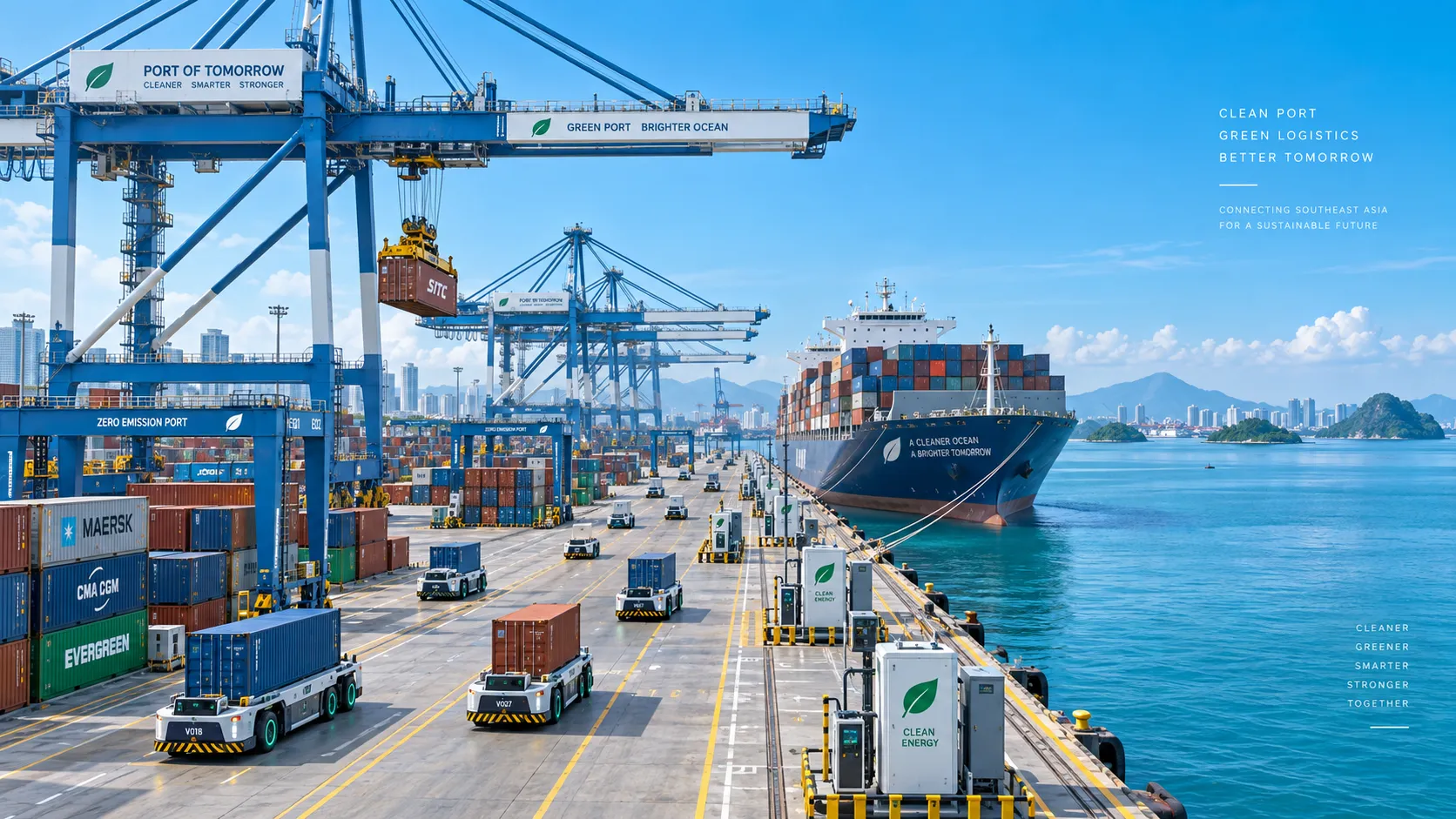
Smart Port Systems in Southeast Asia: Investment Priorities and Adoption Barriers
Smart port systems Southeast Asia: discover investment priorities, adoption barriers, and practical steps to build resilient, connected, high-performing terminals.

How to Evaluate Terminal Efficiency Solution Suppliers for High-Throughput Operations
Choose a terminal efficiency solutions supplier with confidence. Explore proven criteria for throughput, integration, lifecycle cost, safety, and reliable delivery.
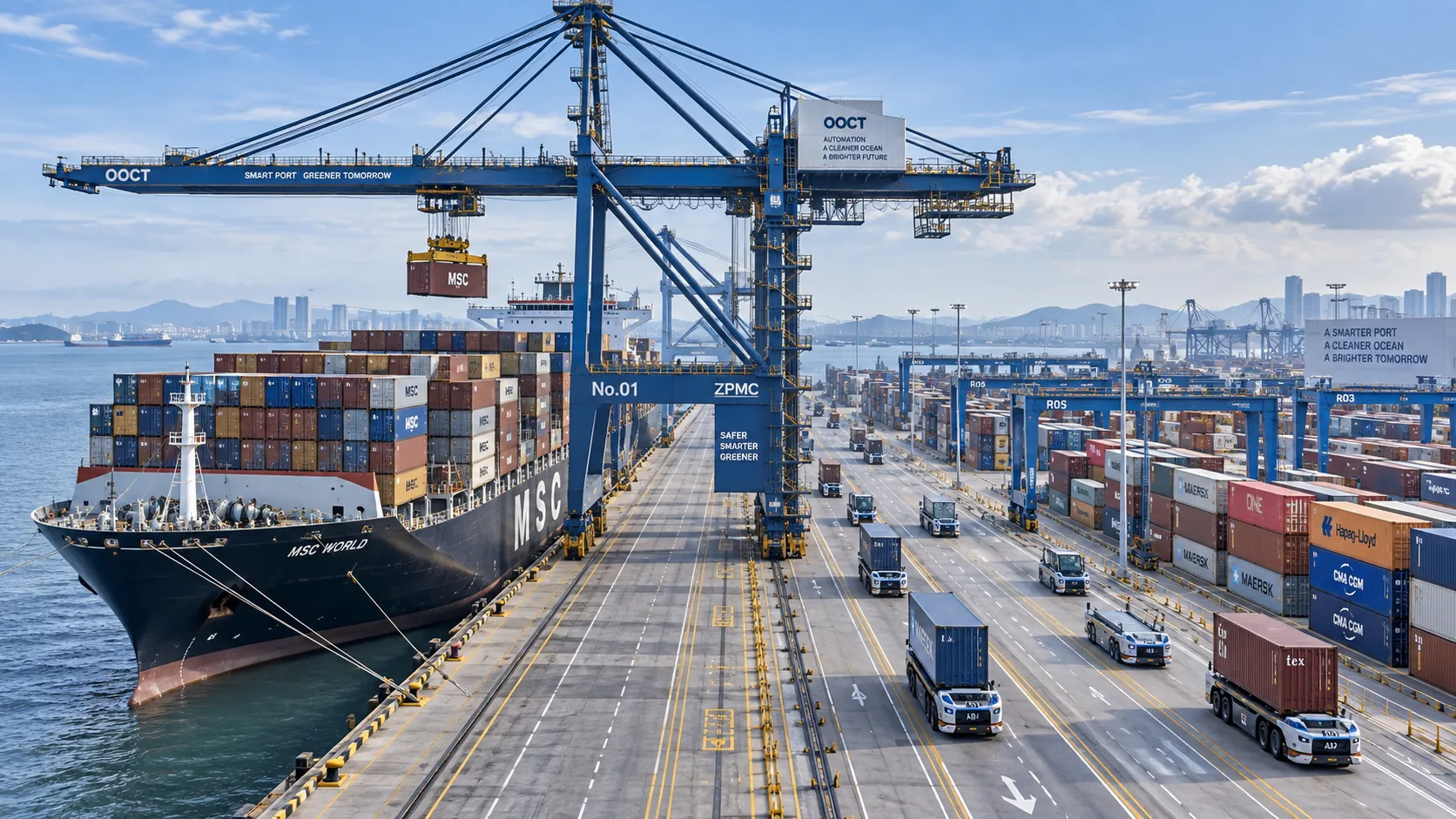
How to Specify a Quay Crane for Container Terminals by Vessel Size and Throughput?
Quay crane for container terminals: learn how to match outreach, lift height, capacity, automation, and cycle performance to vessel size and throughput goals.
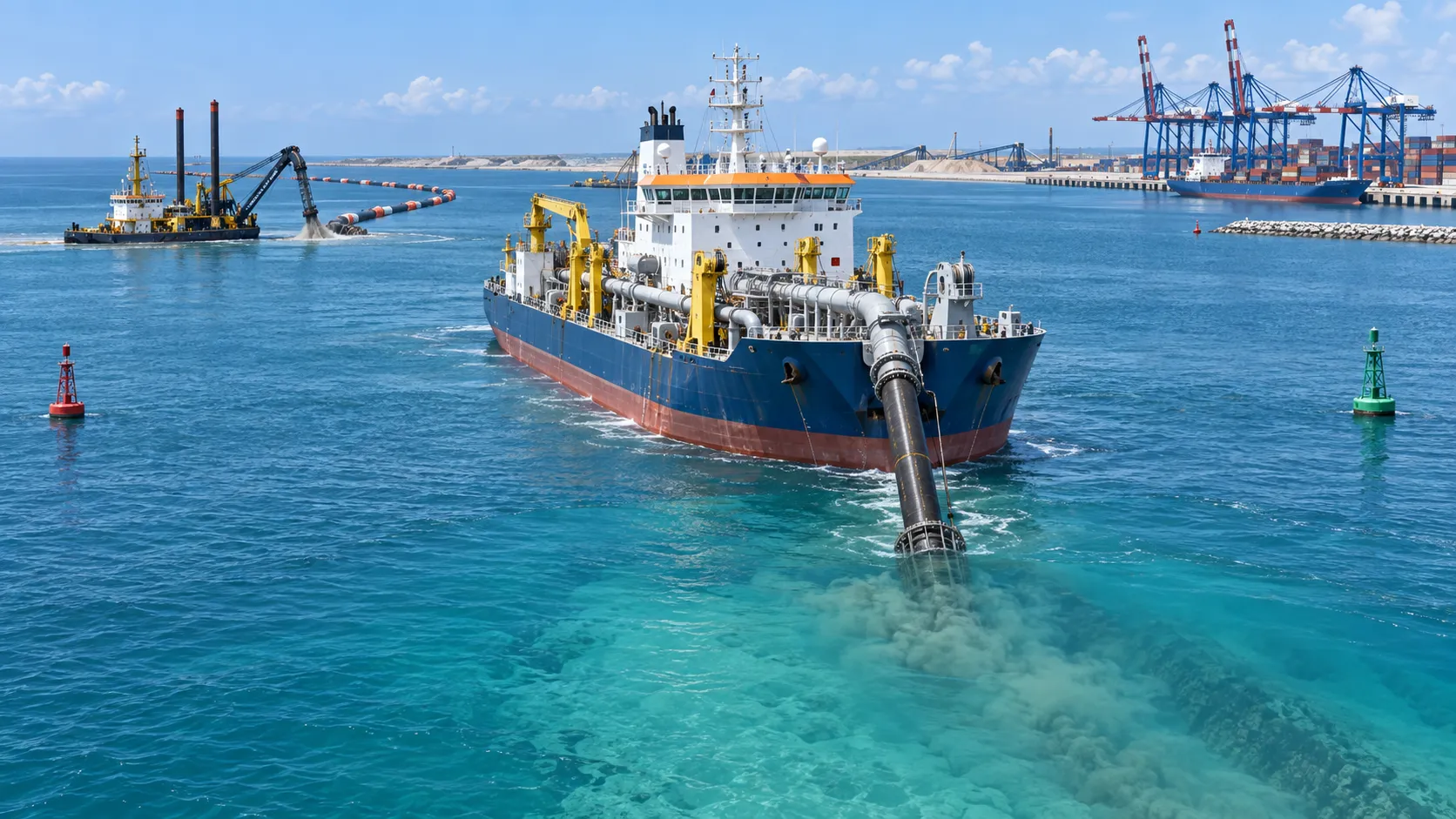
What Dredging Equipment Is Needed for Channel Deepening?
What dredging equipment is needed for channel deepening? Explore dredgers, pipelines, survey tools, and planning strategies for safer, more efficient port access.
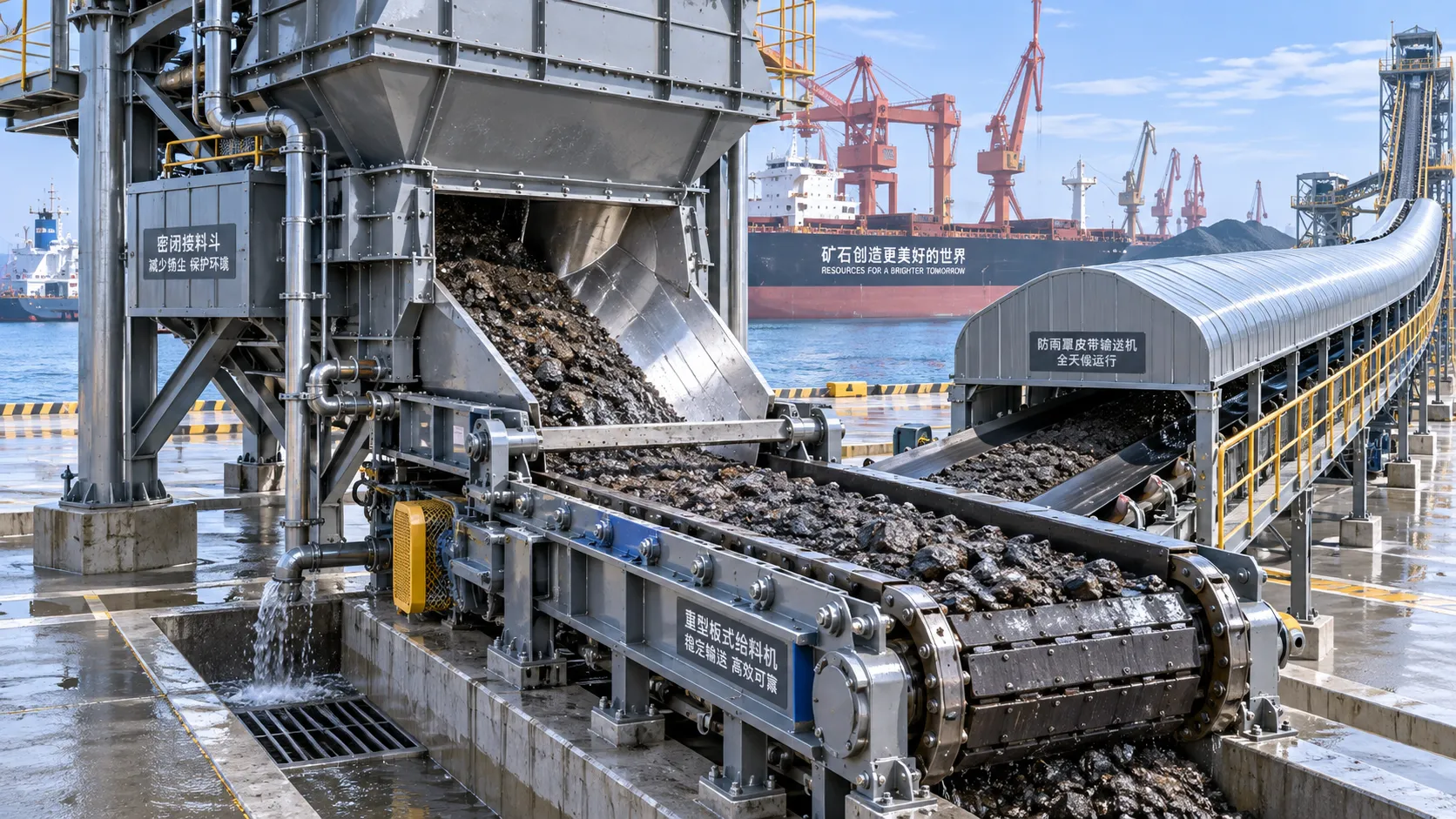
Which Bulk Handling Equipment Suits High-Moisture Cargo?
Which bulk handling equipment suits high-moisture cargo? Compare belt, apron, screw, drag, and slurry systems for reliable flow, less carryback, and higher terminal uptime.
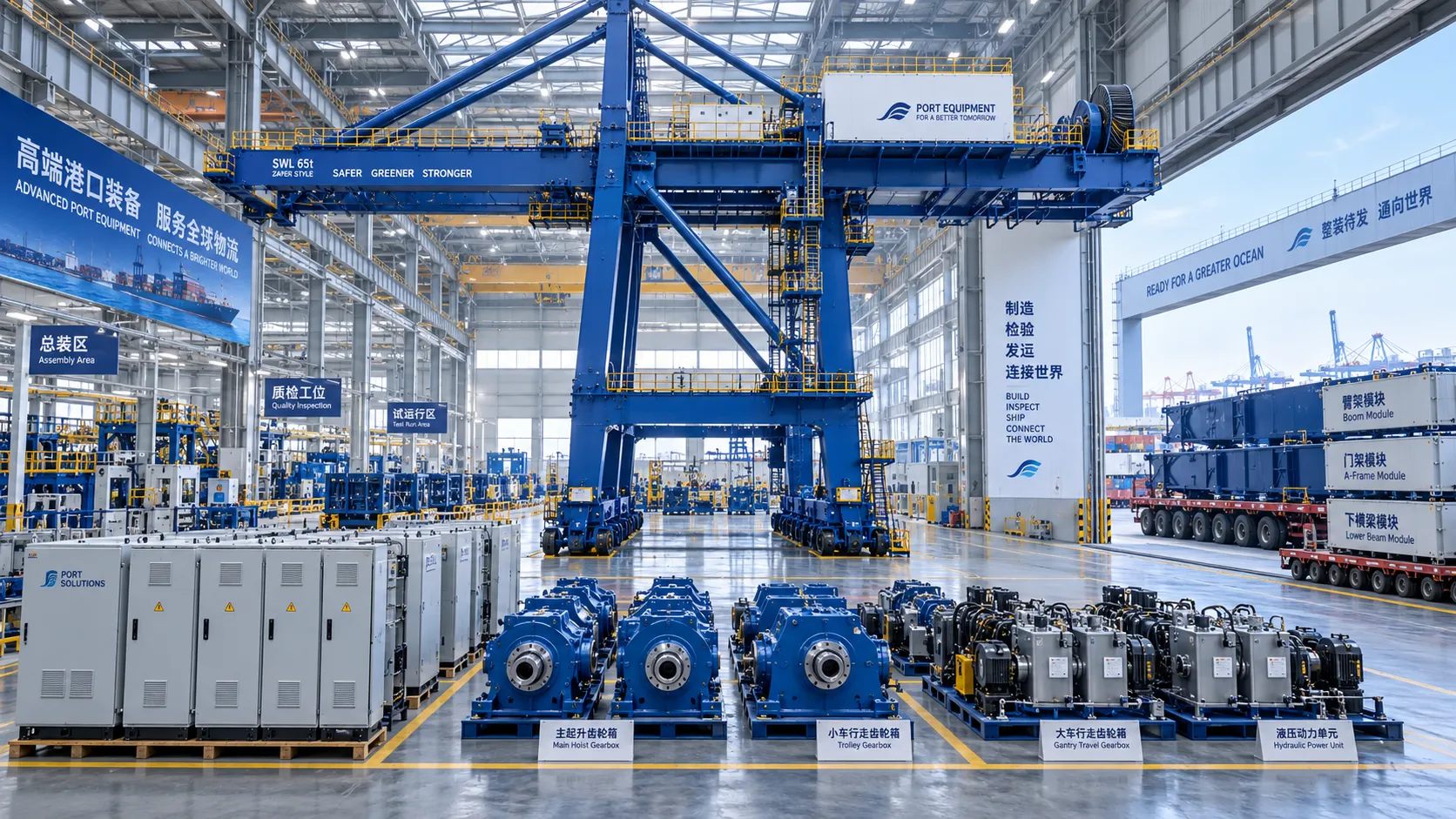
How Can Port Equipment Lead-Time Risk Be Managed?
How can port equipment lead-time risk be managed? Explore practical strategies to control critical paths, suppliers, transport, site readiness, and commissioning delays.
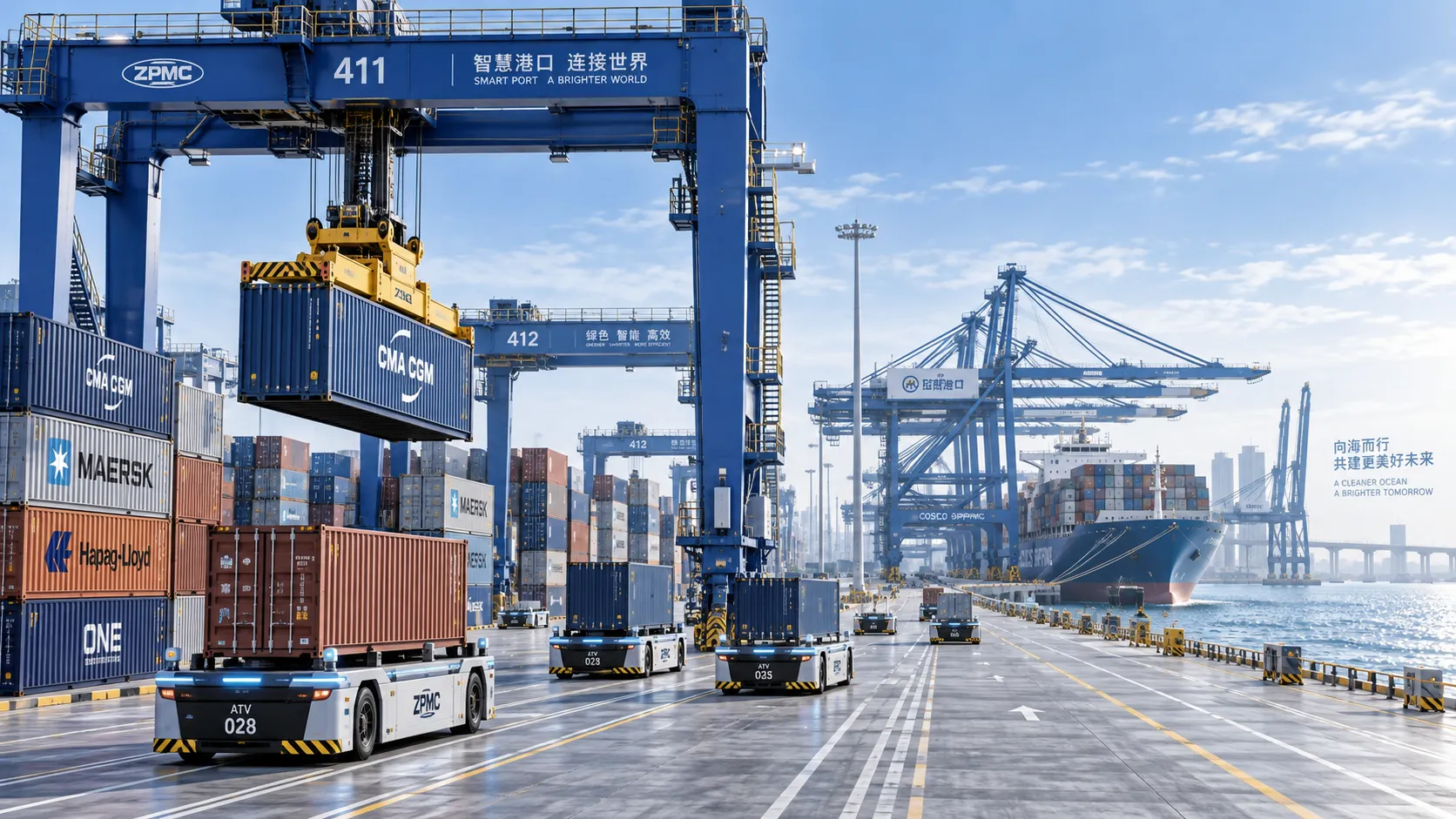
Terminal Automation Technologies That Raise Container Throughput Without Yard Disruption
Terminal automation technology that increases container throughput without disrupting yard flow. Explore smarter integration, resilient workflows, and phased deployment strategies.

Middle East Port Automation: Key Market Drivers, Projects, and Investment Risks
Port automation systems Middle East: explore market drivers, flagship projects, integration challenges, and investment risks shaping smarter, resilient terminals.
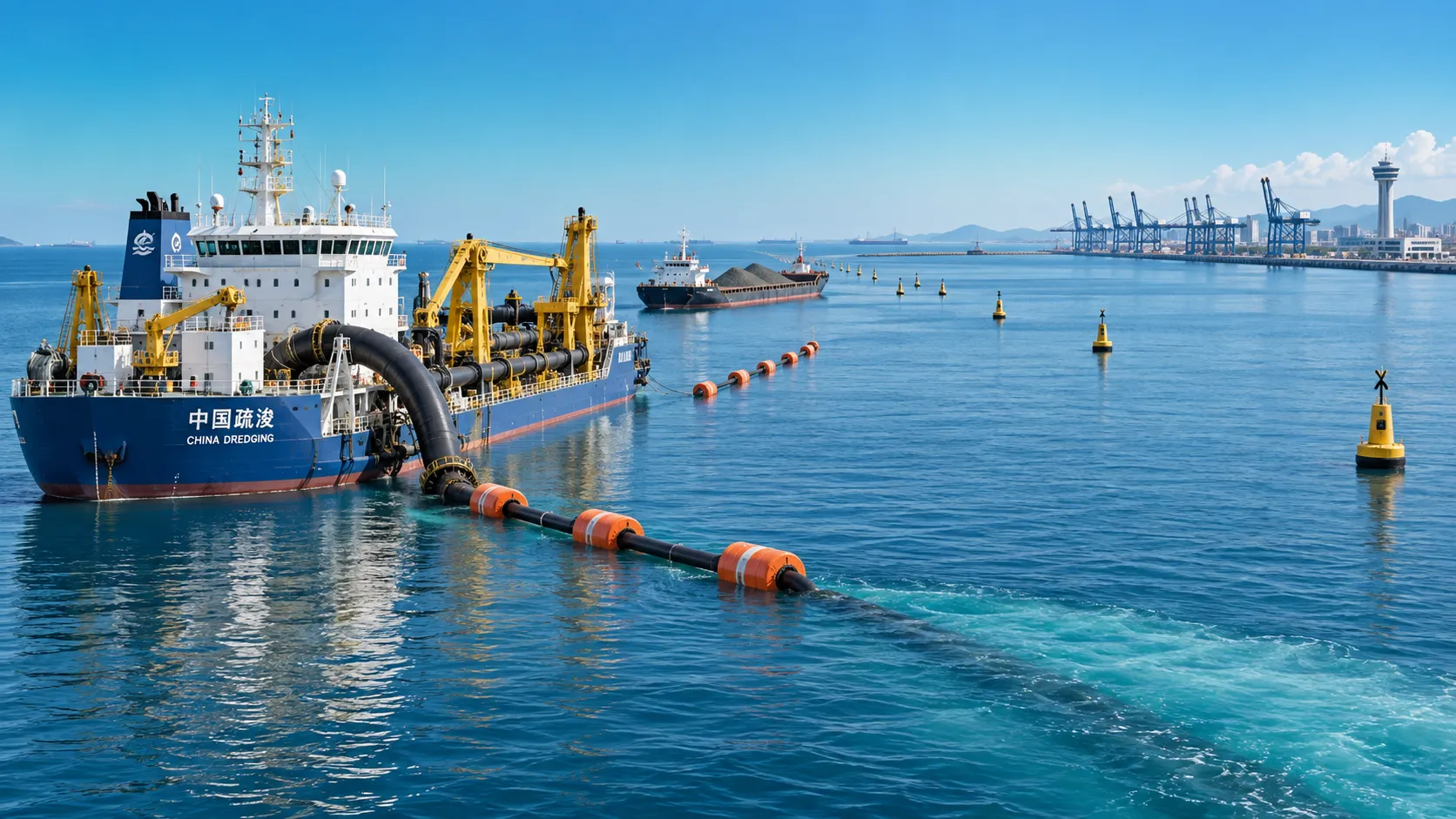
Planning Offshore Dredging Operations: Key Risks, Methods, and Project Controls
Offshore dredging operations demand smart planning. Explore key risks, proven methods, environmental controls, and project strategies for reliable delivery.