Related News
- 00
0000-00
How Can Port Equipment Lead-Time Risk Be Managed? - 00
0000-00
Maritime Logistics Operations: How Ports Can Reduce Container Dwell Time - 00
0000-00
What Does Logistics Node Monitoring Cost Across Warehouses and Transport Hubs? - 00
0000-00
How Can IoT Smart Port Solutions Improve Container Tracking and Yard Efficiency? - 00
0000-00
How Real-Time Port Logistics Intelligence Improves Container Yard Efficiency
Maritime Trade Analytics: Tracking Port Congestion, Capacity, and Demand Shifts
Maritime Trade Analytics: Tracking Port Congestion, Capacity, and Demand Shifts
Maritime trade analytics has become essential for evaluating volatile port congestion, shifting vessel capacity, and changing demand across global supply chains.
As terminals adopt automation, advanced handling equipment, and smarter scheduling systems, port performance data now influences investment timing and operational risk.
PS-Nexus connects signals from terminals, equipment fleets, dredging projects, and shipping nodes to reveal where trade flows are tightening or transforming.
Port Signals Are Becoming Strategic Market Indicators
Port congestion is no longer only an operational inconvenience. It is a visible signal of demand imbalance, infrastructure stress, and capacity misallocation.
Modern maritime trade analytics tracks these signals across berth waiting time, yard density, crane productivity, vessel queues, and inland connection delays.
When vessel arrivals cluster around limited quay resources, terminal throughput declines before financial reports reflect the pressure.
This makes maritime trade analytics valuable for early interpretation of regional trade friction and cargo demand rotation.
PS-Nexus observes these changes through heavy terminal gear deployment, automation readiness, dredging progress, and equipment utilization patterns.
The result is a sharper view of global maritime logistics, especially where physical port limits meet commercial demand shifts.
Current Trend Signals Across Global Port Networks
Several port network trends are reshaping how maritime trade analytics is interpreted across container, bulk, and specialized cargo segments.
- Congestion is becoming more fragmented, moving from major gateway ports to secondary terminals and inland-linked nodes.
- Vessel capacity is being repositioned faster, creating sudden pressure on terminals with limited berth or yard flexibility.
- Demand shifts are increasingly visible through equipment deployment, crane intensity, and empty container imbalance.
- Automation projects are moving from showcase terminals toward practical productivity and labor-stability objectives.
- Dredging engineering is gaining importance as deeper vessels challenge fairway and turning basin limits.
These signals confirm why maritime trade analytics must combine operational data with engineering intelligence and regional trade context.
A port may look stable on volume alone, yet vessel waiting time or crane downtime can indicate hidden performance deterioration.
Why Congestion, Capacity, and Demand Are Moving Together
The strongest insights emerge when maritime trade analytics links congestion, capacity, and demand instead of treating them as separate metrics.
This combined view helps explain why one terminal recovers quickly while another remains congested after similar cargo spikes.
Maritime trade analytics clarifies whether the constraint sits at berth, yard, gate, channel, equipment fleet, or scheduling logic.
Equipment Intelligence Is Reshaping Port Performance Analysis
PS-Nexus views terminal equipment as a core layer of maritime trade analytics, not a secondary engineering detail.
Mega port terminal gear defines the practical throughput ceiling of container hubs during heavy arrival waves.
Ship-to-shore cranes, automated stacking cranes, terminal tractors, and AGVs shape the speed of cargo conversion from vessel to land transport.
When crane productivity declines, maritime trade analytics can detect whether the issue involves labor, maintenance, stowage complexity, or yard saturation.
Bulk handling machinery also carries important demand signals across energy, minerals, grain, and raw material supply chains.
Changes in grab unloaders, conveyor utilization, or stockyard turnover can reveal industrial demand shifts before customs data is finalized.
Specialized container handling adds another layer, especially for refrigerated cargo, project logistics, and high-density yard operations.
In these environments, maritime trade analytics must interpret space, mobility, equipment availability, and digital command systems together.
Automation Data Is Becoming the Port’s Decision Layer
Port automation turns physical activity into structured data, making maritime trade analytics more precise and more time-sensitive.
Control systems now record crane cycles, AGV routing, battery use, remote operation latency, and equipment exception events.
These records help distinguish temporary congestion from structural undercapacity.
A congested automated terminal may indicate algorithmic bottlenecks, interface failures, or insufficient buffer design.
A congested conventional terminal may show labor limits, fragmented dispatching, or equipment imbalance.
Maritime trade analytics gains depth when it compares both terminal types under similar cargo pressure.
PS-Nexus tracks low-latency communication protocols, path-planning algorithms, and scheduling logic to evaluate automation maturity.
This matters because automation does not automatically remove congestion. It changes where congestion appears and how quickly it spreads.
Dredging and Marine Engineering Are Hidden Capacity Signals
Dredging engineering is often overlooked in maritime trade analytics, yet it shapes vessel access and long-term port competitiveness.
Channel depth, turning basin geometry, sediment movement, and berth pocket maintenance determine which vessels can call safely.
A port investing in dredging may be preparing for larger vessels, new cargo categories, or stronger regional hub ambitions.
Digital pump monitoring, cutter suction efficiency, and dredger fleet deployment provide early clues about expansion timelines.
Maritime trade analytics becomes stronger when these engineering signals are tied to carrier deployment and terminal equipment orders.
Fairway upgrades also affect risk exposure. Delayed dredging can restrict draft, reduce call reliability, and redirect cargo flows.
How Demand Shifts Affect Business Decisions Across the Chain
Demand shifts affect port ecosystems through pricing, asset utilization, service reliability, and equipment investment cycles.
Maritime trade analytics helps identify whether demand growth is durable, seasonal, policy-driven, or caused by temporary disruption.
- Terminal operations need clearer forecasts for berth planning, yard density, and equipment maintenance windows.
- Equipment suppliers need signals showing where automation, cranes, conveyors, and dredging tools may face stronger demand.
- Logistics planners need congestion intelligence to adjust routing, lead times, and alternative port strategies.
- Infrastructure investors need early evidence of structural throughput demand and expansion feasibility.
The value of maritime trade analytics is highest when it translates operational noise into decision-ready market intelligence.
A spike in vessel queues may be temporary. A sustained rise in dwell time and equipment intensity may indicate deeper capacity stress.
Key Metrics Worth Watching More Closely
Effective maritime trade analytics depends on selecting metrics that explain causes, not only symptoms.
- Berth waiting time, separated by vessel size, service loop, and cargo type.
- Crane moves per hour, adjusted for stowage complexity and weather disruption.
- Yard occupancy, reefer plug pressure, and average container dwell time.
- Gate productivity and inland rail or truck connection reliability.
- Equipment downtime, automation exceptions, and remote-control latency.
- Dredging progress, channel draft restrictions, and berth deepening milestones.
- Blank sailings, vessel bunching, and capacity redeployment by trade lane.
These indicators help maritime trade analytics reveal whether a port is constrained by water access, terminal layout, equipment, or inland links.
Practical Response Framework for Shifting Port Conditions
A practical response should connect maritime trade analytics with clear action thresholds and scenario planning.
This framework turns maritime trade analytics into a living decision system rather than a retrospective reporting exercise.
What PS-Nexus Adds to Maritime Intelligence
PS-Nexus combines maritime logistics observation with engineering analysis across terminal gear, automation systems, bulk handling, and dredging equipment.
This approach gives maritime trade analytics a stronger foundation in physical capacity and operational reality.
The Strategic Intelligence Center studies shipping rates, logistics nodes, crane control, AGV routing, and dredging monitoring systems together.
That integrated perspective helps distinguish market noise from structural change.
For example, a port ordering automated stacking cranes may be preparing for higher yard density, labor volatility, or service reliability demands.
A dredging program near a bulk terminal may indicate expected growth in energy, grain, or mineral flows.
Maritime trade analytics becomes more actionable when these signals are stitched into a single intelligence map.
Next Judgments for a More Volatile Trade Cycle
The next phase of maritime trade analytics will depend on faster data fusion and more precise interpretation of capacity signals.
Ports will be judged not only by annual throughput, but by resilience during demand shocks and vessel bunching.
Automation will be judged not only by unmanned operation, but by recovery speed during exceptions.
Dredging projects will be judged not only by depth, but by their ability to unlock new route economics.
Maritime trade analytics should therefore focus on trend confirmation, not isolated data points.
- Compare congestion data across several weeks, not one disrupted sailing window.
- Match equipment utilization with cargo mix, vessel size, and inland capacity.
- Track automation exceptions to understand digital bottlenecks.
- Watch dredging and berth upgrades as leading indicators of capacity expansion.
- Connect freight rate movement with port-side operating pressure.
These practices reduce misreading and improve timing in a trade environment shaped by uncertainty.
Turning Port Data Into Confident Action
Maritime trade analytics is becoming the decision brain for the blue economy, linking physical infrastructure with commercial movement.
The strongest insights come from combining congestion tracking, capacity analysis, equipment intelligence, automation data, and dredging observation.
PS-Nexus supports this shift by connecting hubs, syncing port intelligence, and interpreting the operational pulse of global supply chains.
Use maritime trade analytics to monitor key ports, validate expansion signals, and identify where demand is shifting before bottlenecks become costly.
The next practical step is to build a watchlist of terminals, routes, equipment projects, and dredging milestones that affect strategic exposure.
Related News
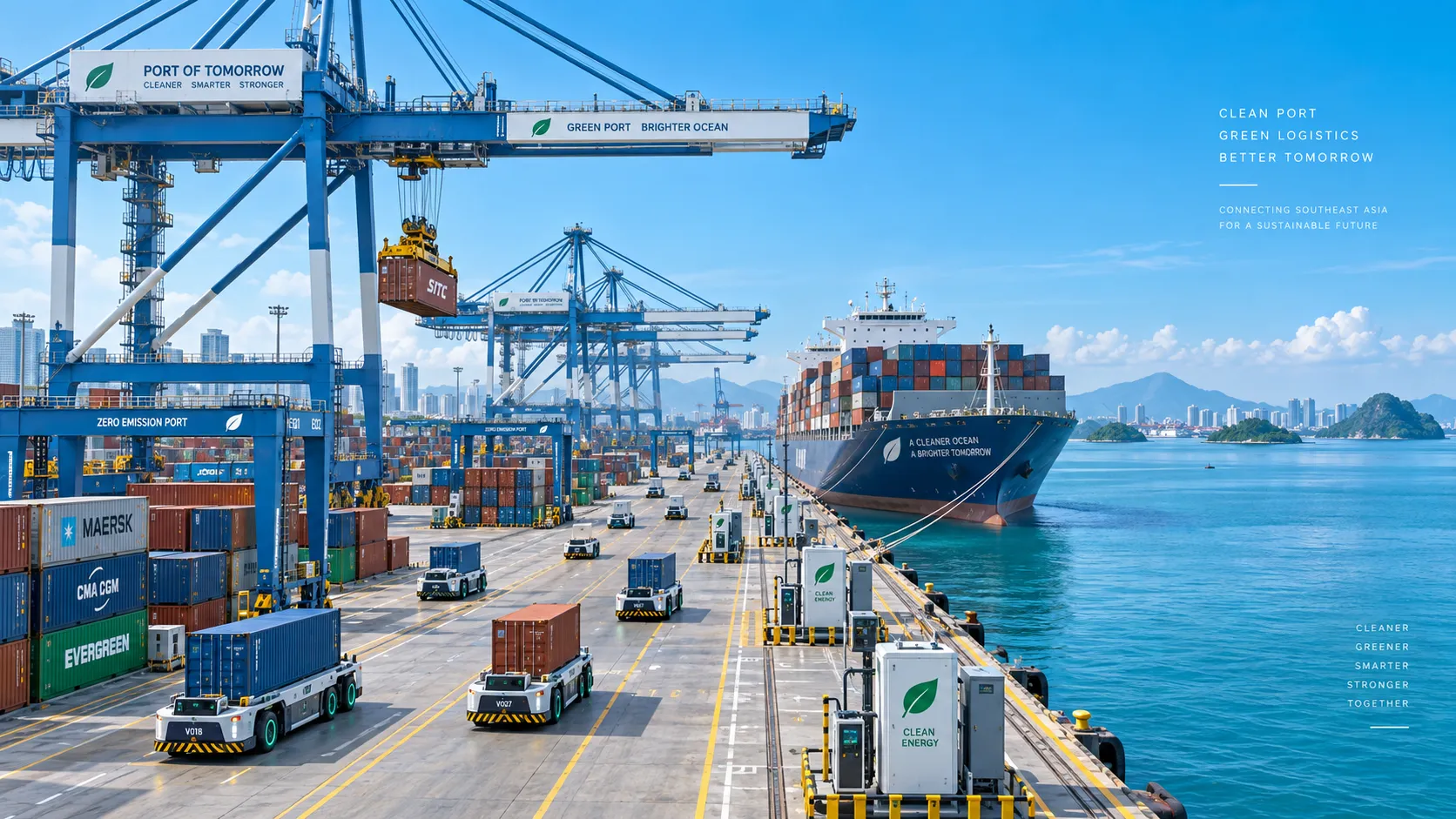
Smart Port Systems in Southeast Asia: Investment Priorities and Adoption Barriers
Smart port systems Southeast Asia: discover investment priorities, adoption barriers, and practical steps to build resilient, connected, high-performing terminals.
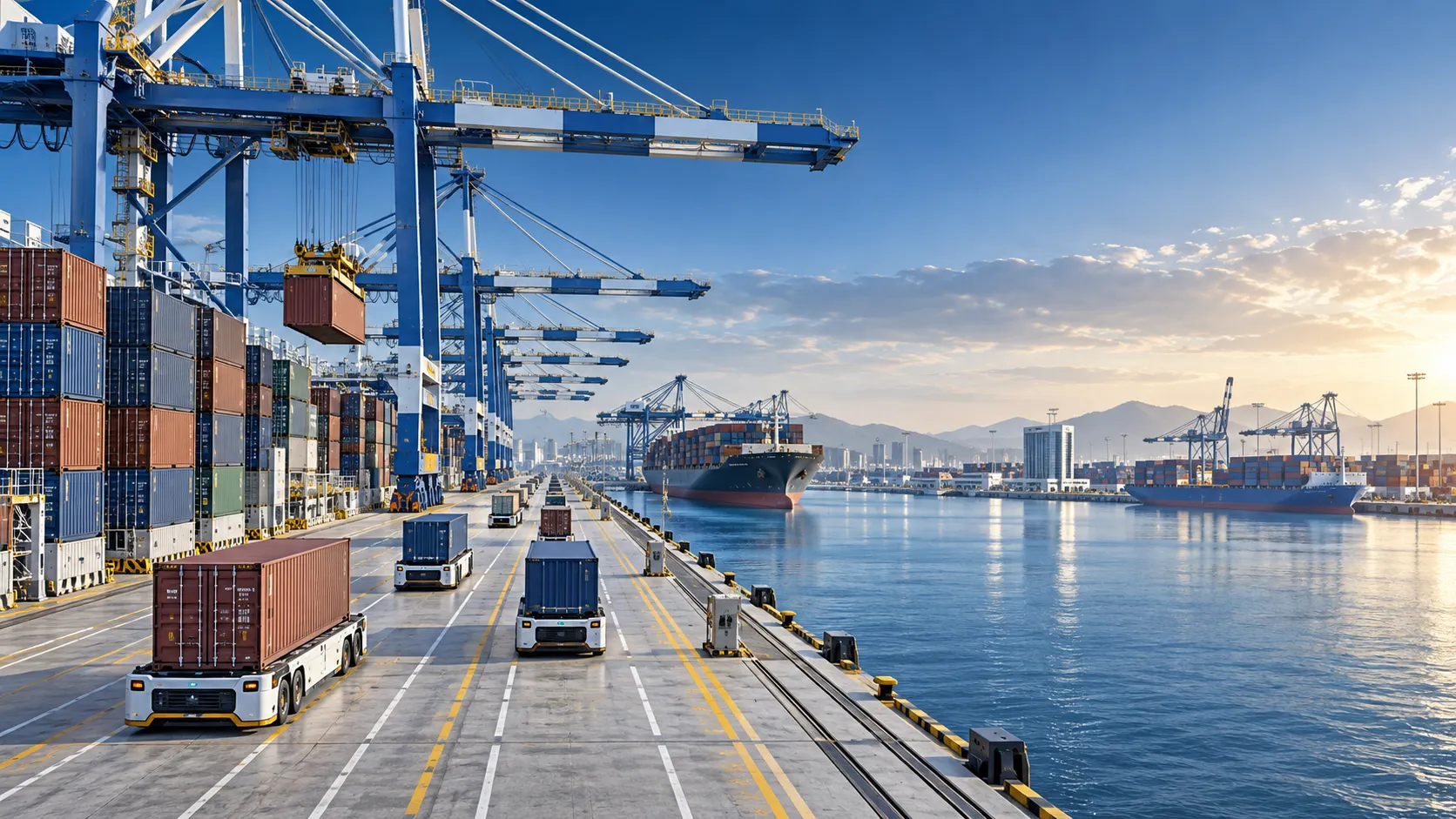
How to Evaluate Terminal Efficiency Solution Suppliers for High-Throughput Operations
Choose a terminal efficiency solutions supplier with confidence. Explore proven criteria for throughput, integration, lifecycle cost, safety, and reliable delivery.
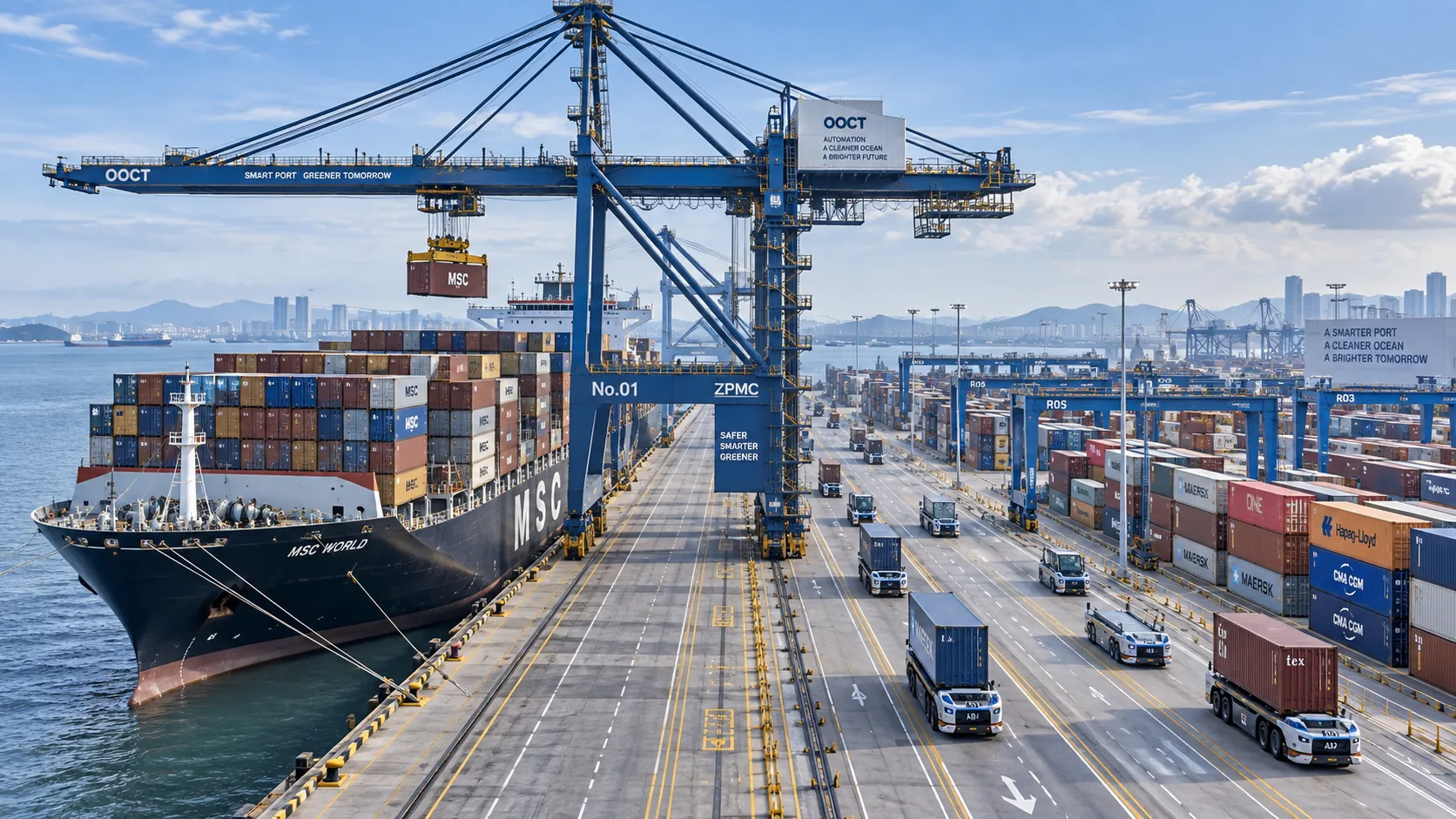
How to Specify a Quay Crane for Container Terminals by Vessel Size and Throughput?
Quay crane for container terminals: learn how to match outreach, lift height, capacity, automation, and cycle performance to vessel size and throughput goals.
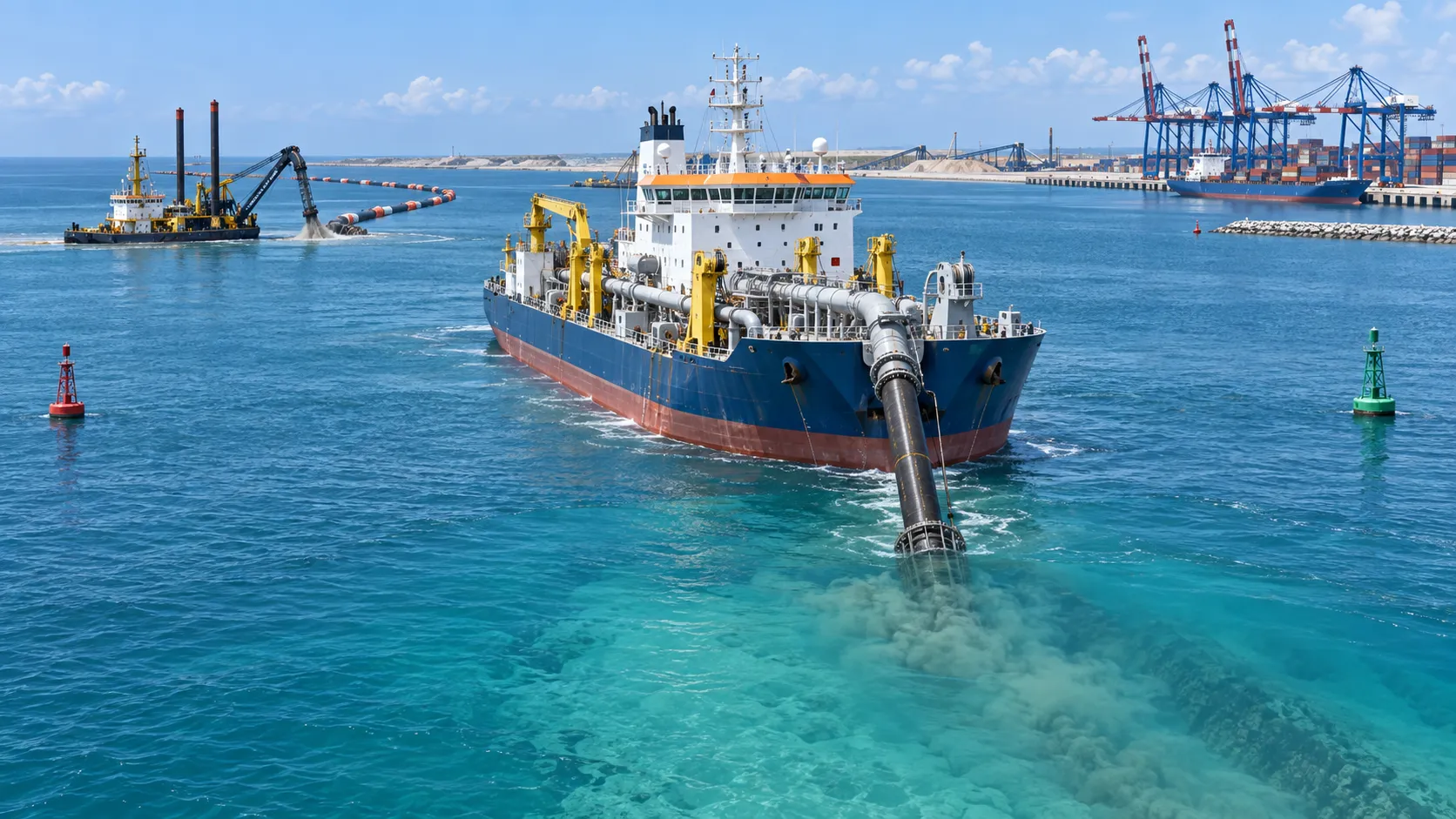
What Dredging Equipment Is Needed for Channel Deepening?
What dredging equipment is needed for channel deepening? Explore dredgers, pipelines, survey tools, and planning strategies for safer, more efficient port access.
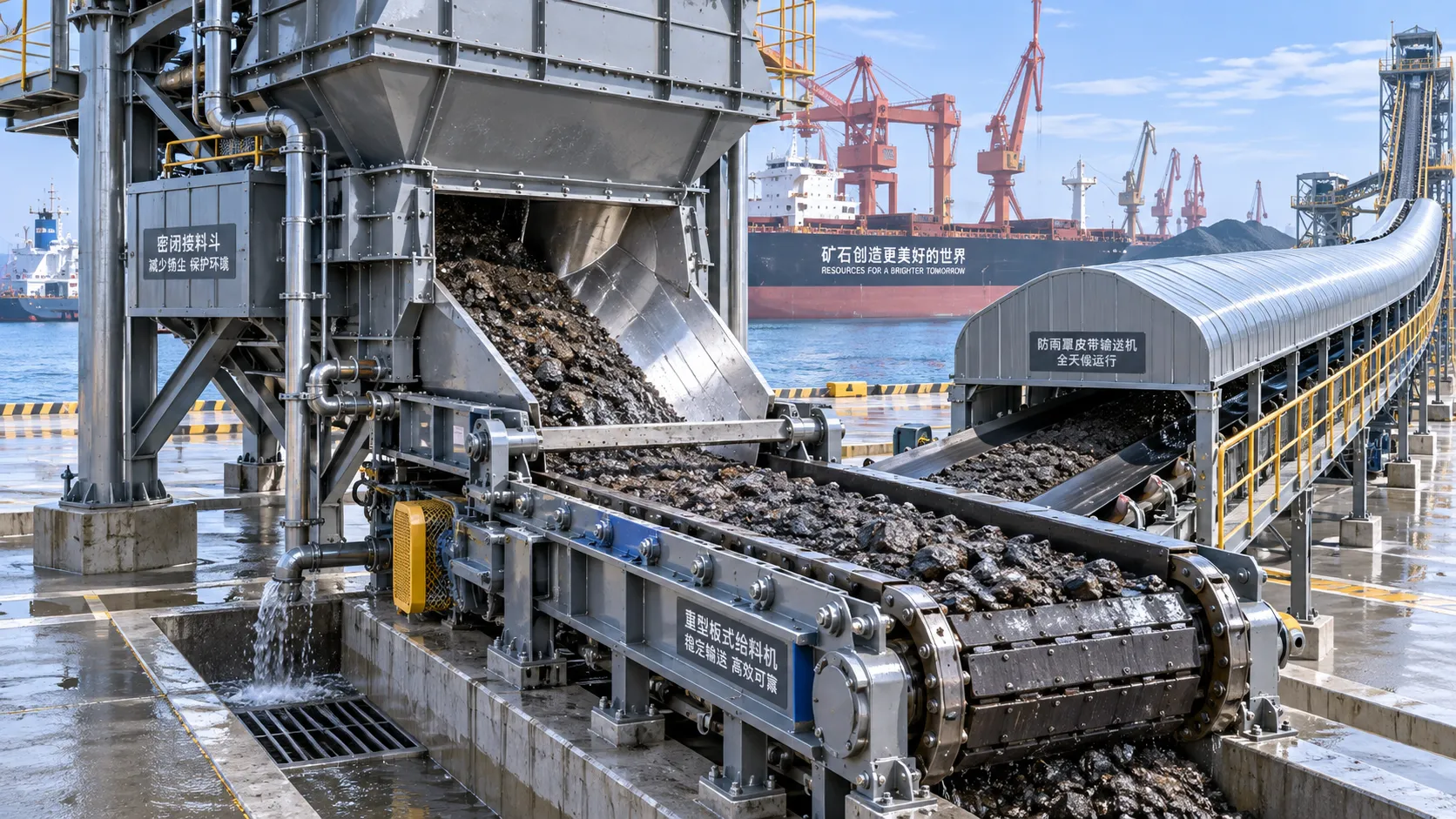
Which Bulk Handling Equipment Suits High-Moisture Cargo?
Which bulk handling equipment suits high-moisture cargo? Compare belt, apron, screw, drag, and slurry systems for reliable flow, less carryback, and higher terminal uptime.
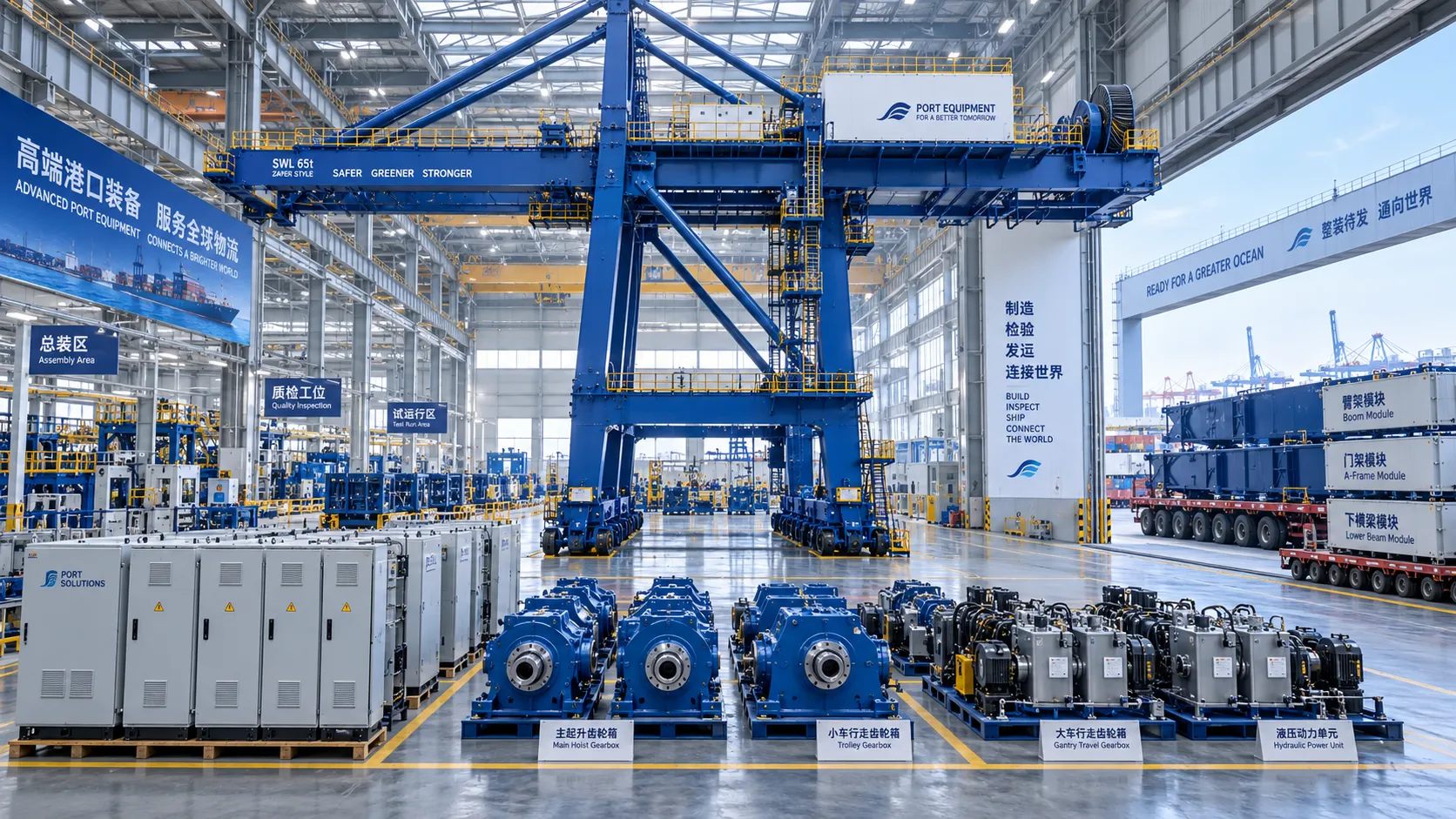
How Can Port Equipment Lead-Time Risk Be Managed?
How can port equipment lead-time risk be managed? Explore practical strategies to control critical paths, suppliers, transport, site readiness, and commissioning delays.
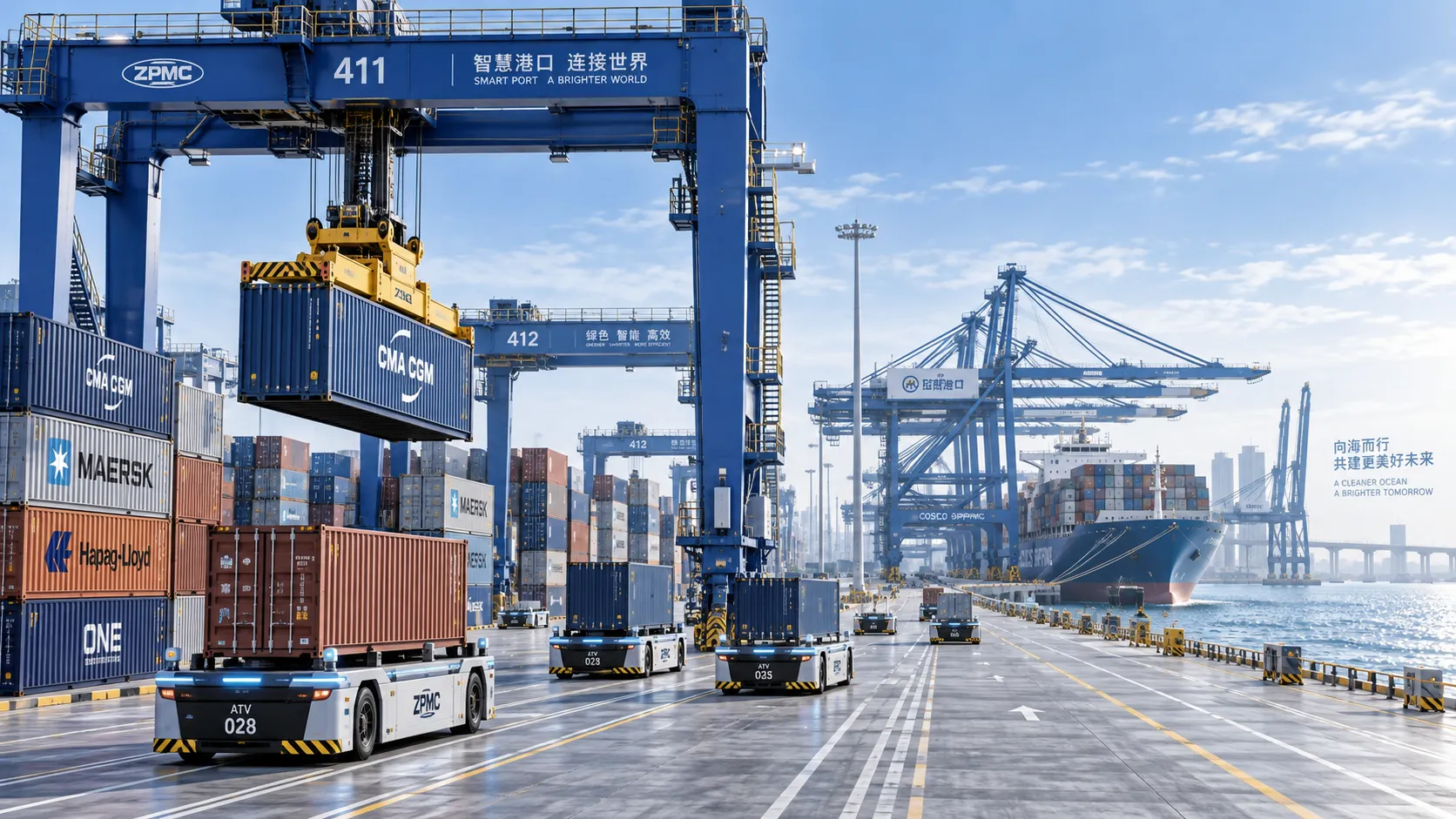
Terminal Automation Technologies That Raise Container Throughput Without Yard Disruption
Terminal automation technology that increases container throughput without disrupting yard flow. Explore smarter integration, resilient workflows, and phased deployment strategies.
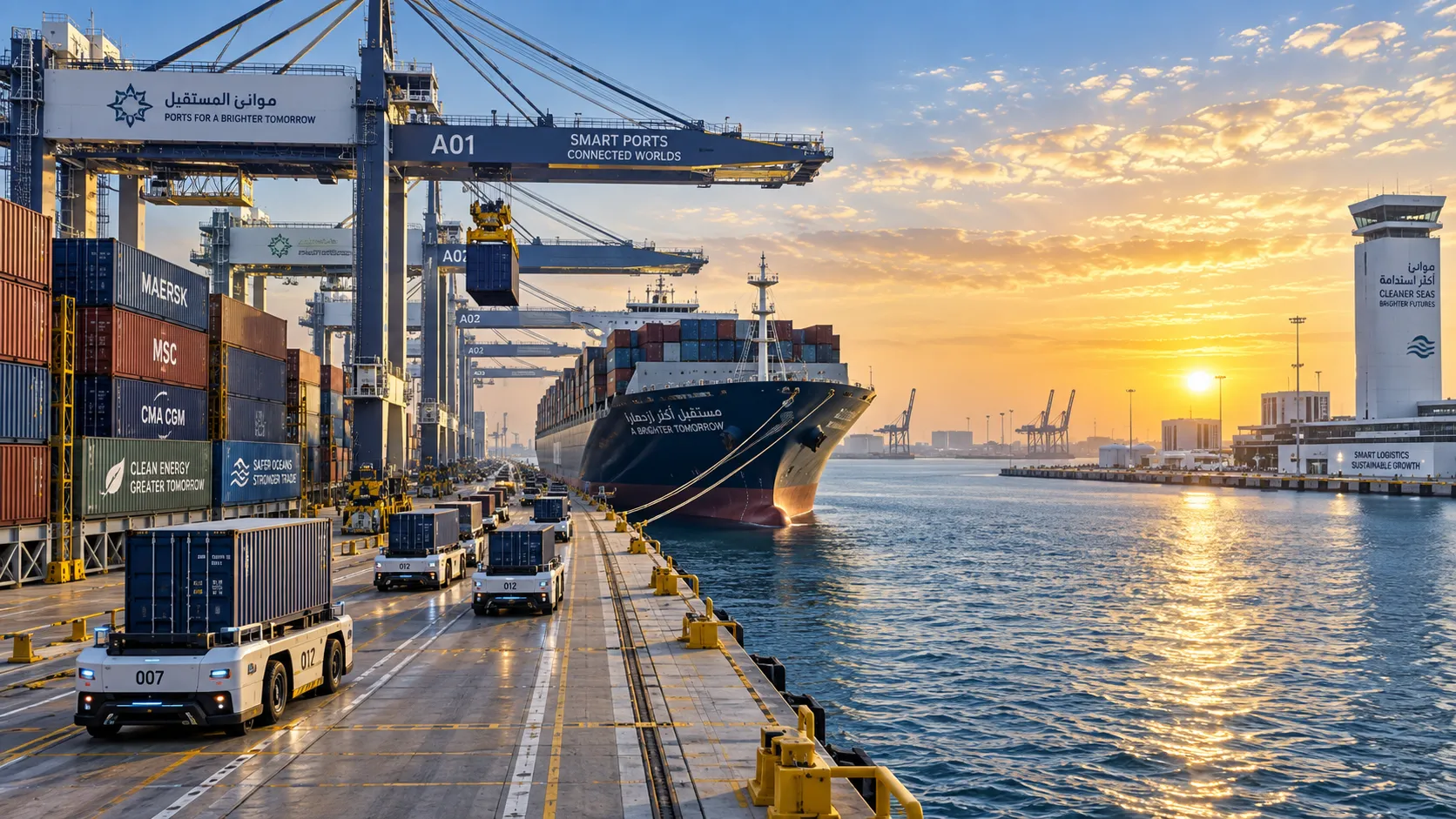
Middle East Port Automation: Key Market Drivers, Projects, and Investment Risks
Port automation systems Middle East: explore market drivers, flagship projects, integration challenges, and investment risks shaping smarter, resilient terminals.
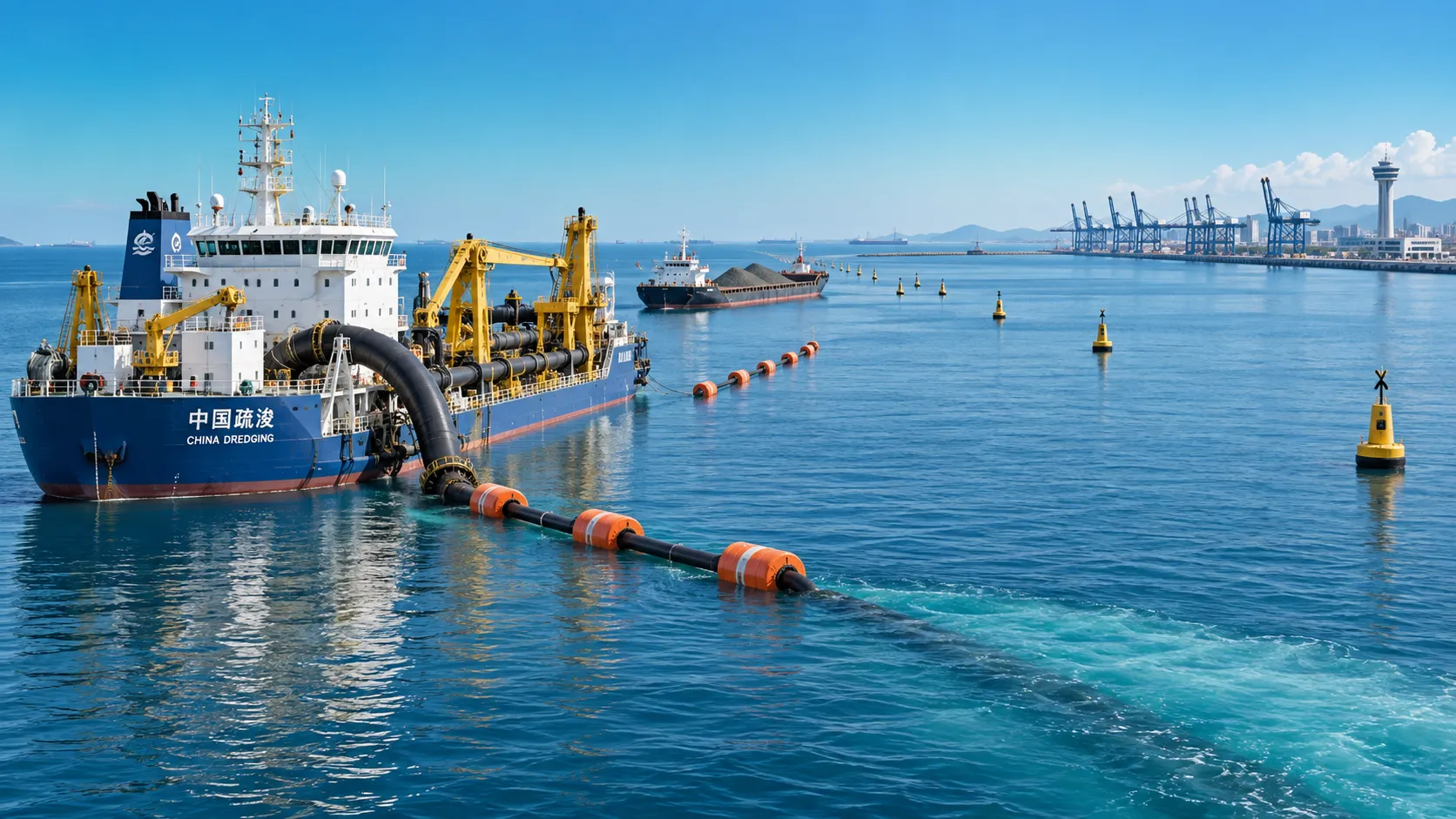
Planning Offshore Dredging Operations: Key Risks, Methods, and Project Controls
Offshore dredging operations demand smart planning. Explore key risks, proven methods, environmental controls, and project strategies for reliable delivery.