Related News
- 00
0000-00
How Can Port Equipment Lead-Time Risk Be Managed? - 00
0000-00
Maritime Logistics Operations: How Ports Can Reduce Container Dwell Time - 00
0000-00
What Does Logistics Node Monitoring Cost Across Warehouses and Transport Hubs? - 00
0000-00
How Can IoT Smart Port Solutions Improve Container Tracking and Yard Efficiency? - 00
0000-00
How Real-Time Port Logistics Intelligence Improves Container Yard Efficiency
How to Map Global Supply Chains for Supplier Risk and Lead-Time Resilience
Mapping global supply chains is no longer a routine procurement task. It is a resilience discipline for port infrastructure, terminal automation, and heavy equipment programs.
Supplier disruption, port congestion, geopolitical shocks, and long-cycle components can derail schedules quickly. A clear supply map exposes dependencies before they become delays.
By visualizing supplier tiers, logistics nodes, risk exposure, and recovery options, teams can build global supply chains that respond faster under pressure.
What does mapping global supply chains actually mean?
Mapping global supply chains means identifying every critical link between demand, sourcing, production, transport, storage, installation, and recovery planning.
The map should not stop at direct suppliers. It must extend into tier-two and tier-three dependencies where hidden fragility often sits.
For port equipment, this includes drives, PLCs, steel structures, hydraulic systems, sensors, bearings, control cabinets, and specialized software modules.
For dredging assets, it may include pump components, wear parts, marine engines, positioning systems, and fabrication yards.
The goal is not to create a static supplier list. The goal is to build a living model of operational exposure.
- Who supplies each critical component?
- Where are materials produced, assembled, and tested?
- Which ports, rail corridors, and warehouses are used?
- Which approvals, inspections, and export rules affect delivery?
- Which alternatives exist if one node fails?
At PS-Nexus, this view connects maritime logistics intelligence with engineering reality. The same logic applies across broader global supply chains.
Why is supplier risk harder to see in global supply chains?
Supplier risk is difficult because visibility often ends at the first invoice. The real constraint may sit several tiers deeper.
A crane manufacturer may appear stable, while its inverter supplier depends on a single semiconductor plant.
A dredging contractor may secure hull fabrication, while pump casting capacity is locked by another industry cycle.
Global supply chains also carry synchronized risks. Multiple suppliers may rely on the same port, material source, insurer, or shipping lane.
This creates false diversification. Two suppliers in different countries may still share the same upstream bottleneck.
Which risk signals deserve early attention?
Risk mapping should combine commercial, technical, logistics, financial, and regulatory signals. No single score is enough.
- Single-source components with no validated substitute.
- Suppliers operating near full capacity.
- Long inspection queues or certification delays.
- Ports exposed to congestion, weather, or labor disruption.
- Currencies, sanctions, or export controls affecting payments.
- Engineering change requests that reset production lead time.
The strongest maps show probability and impact together. A low-probability failure can still dominate global supply chains if recovery is slow.
How can lead-time resilience be measured across global supply chains?
Lead-time resilience measures how quickly a supply network can absorb delay, reroute flow, and still protect the delivery milestone.
Traditional lead time focuses on average delivery. Resilience focuses on variance, recovery speed, and available decision time.
This matters for heavy terminal gear because equipment programs depend on sequential milestones. One late component can block assembly, testing, or commissioning.
A useful metric is time-to-survive. It shows how long operations can continue after a disruption without missing a critical milestone.
Another metric is time-to-recover. It estimates how quickly the network can restore supply through inventory, alternate suppliers, or rerouting.
What lead-time data should be collected?
These data points turn global supply chains from a reporting topic into a decision system. They help convert uncertainty into response options.
Which mapping method works best for complex equipment programs?
A layered method works best. It separates supplier structure, logistics flow, technical criticality, and business exposure.
The first layer is the bill of materials. It identifies parts that control cost, schedule, performance, or regulatory approval.
The second layer is supplier dependency. It shows who produces, assembles, inspects, packages, and releases each critical item.
The third layer is logistics routing. It tracks ports, inland transport, customs points, storage sites, and last-mile delivery constraints.
The fourth layer is scenario response. It tests what happens when a supplier, route, region, or approval path fails.
How should criticality be ranked?
Criticality should not be based only on purchase value. Low-cost items can create high disruption if they stop installation.
- Rank components by schedule impact.
- Check substitute availability and qualification time.
- Assess supplier concentration and capacity risk.
- Evaluate transport complexity and border exposure.
- Estimate failure cost during commissioning or operation.
This ranking helps focus resources. Not every item in global supply chains needs the same level of mapping depth.
How can digital intelligence improve global supply chains visibility?
Digital intelligence improves visibility by connecting supplier data, port activity, vessel movement, customs status, and production milestones.
For maritime logistics, this connection is essential. A component is not secure until production, transport, clearance, and receiving are confirmed.
PS-Nexus follows this intelligence logic across heavy terminal gear, automated container handling, and dredging engineering equipment.
The same principle strengthens global supply chains in energy, mining, construction, manufacturing, and infrastructure programs.
Which technologies are useful but often misunderstood?
Control towers are useful when they trigger decisions, not when they only display dashboards. Alerts must link to owners and actions.
AI forecasting helps detect abnormal delay patterns. It still needs clean master data and practical escalation rules.
Digital twins can simulate supply and installation sequences. Their value depends on accurate constraints, not visual sophistication.
IoT tracking helps monitor high-value cargo. It cannot solve missing capacity, poor packaging, or weak supplier commitments.
The strongest systems combine technology with operational discipline. Global supply chains improve when data produces faster decisions.
What mistakes weaken global supply chains mapping?
The first mistake is mapping only direct suppliers. This hides upstream concentration in materials, electronics, castings, and specialized machining.
The second mistake is treating lead time as fixed. In reality, lead time changes with capacity, transport conditions, and inspection workload.
The third mistake is confusing alternative suppliers with qualified alternatives. A substitute is useful only when specifications, testing, and approvals are ready.
The fourth mistake is ignoring port and corridor risk. Global supply chains fail not only at factories, but also at logistics nodes.
The fifth mistake is updating the map too late. A useful map changes when suppliers, routes, regulations, or demand patterns change.
What warning signs indicate the map is outdated?
- Supplier confirmations arrive later than expected.
- Expedite costs increase without clear explanation.
- Logistics providers propose frequent route changes.
- Inspection dates move repeatedly.
- Engineering teams approve substitutes under schedule pressure.
These signals suggest that global supply chains need a fresh review before small delays become structural slippage.
How should resilience actions be prioritized?
Resilience actions should be prioritized by disruption impact, recovery cost, and implementation speed. The best action is not always the most expensive.
Some risks require dual sourcing. Others need earlier purchase orders, design standardization, or buffer inventory near the installation site.
For long-cycle equipment, engineering decisions influence supply risk. Standardized modules often create better options across global supply chains.
Contracts should also support resilience. Clauses can require tier visibility, early warning, capacity reservation, and escalation timelines.
This table supports faster decisions. It also keeps global supply chains discussions focused on evidence instead of assumptions.
Final takeaway: how to start mapping global supply chains now
Start with the components that can stop delivery, commissioning, or revenue. Then trace suppliers, routes, approvals, and recovery options.
Build a simple first map before creating advanced models. Accuracy and update discipline matter more than visual complexity.
Review the map when market signals change. Port congestion, freight volatility, sanctions, capacity shortages, and design changes all require reassessment.
Use digital intelligence to connect supplier commitments with maritime logistics reality. This is where global supply chains become measurable and manageable.
PS-Nexus supports this mindset through high-authority intelligence on port systems, terminal equipment, automation, and coastal logistics dynamics.
The next step is practical: select one critical program, map its highest-risk items, and test three disruption scenarios.
That exercise can reveal hidden bottlenecks, strengthen lead-time resilience, and make global supply chains more adaptive before disruption arrives.
Related News
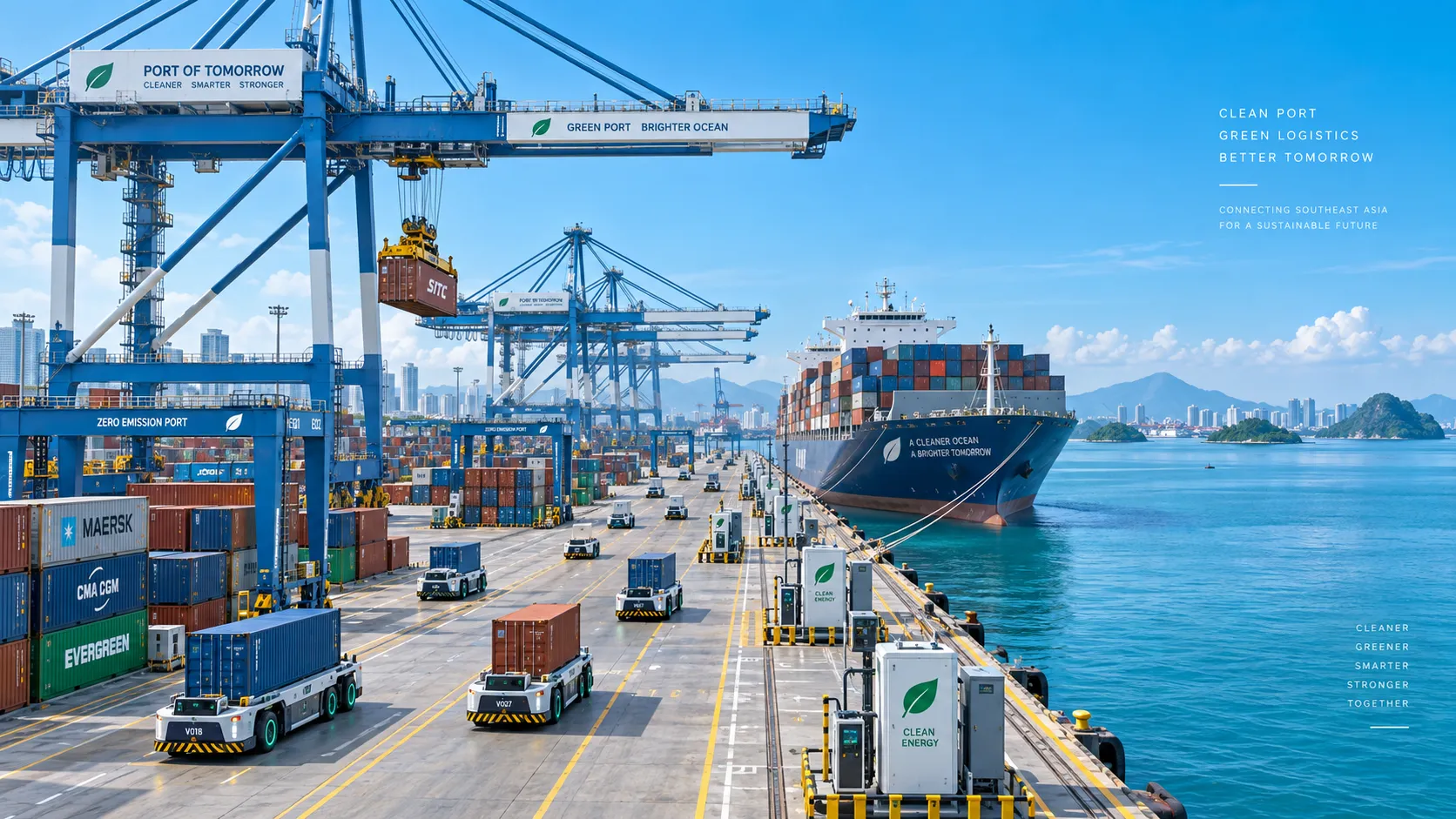
Smart Port Systems in Southeast Asia: Investment Priorities and Adoption Barriers
Smart port systems Southeast Asia: discover investment priorities, adoption barriers, and practical steps to build resilient, connected, high-performing terminals.
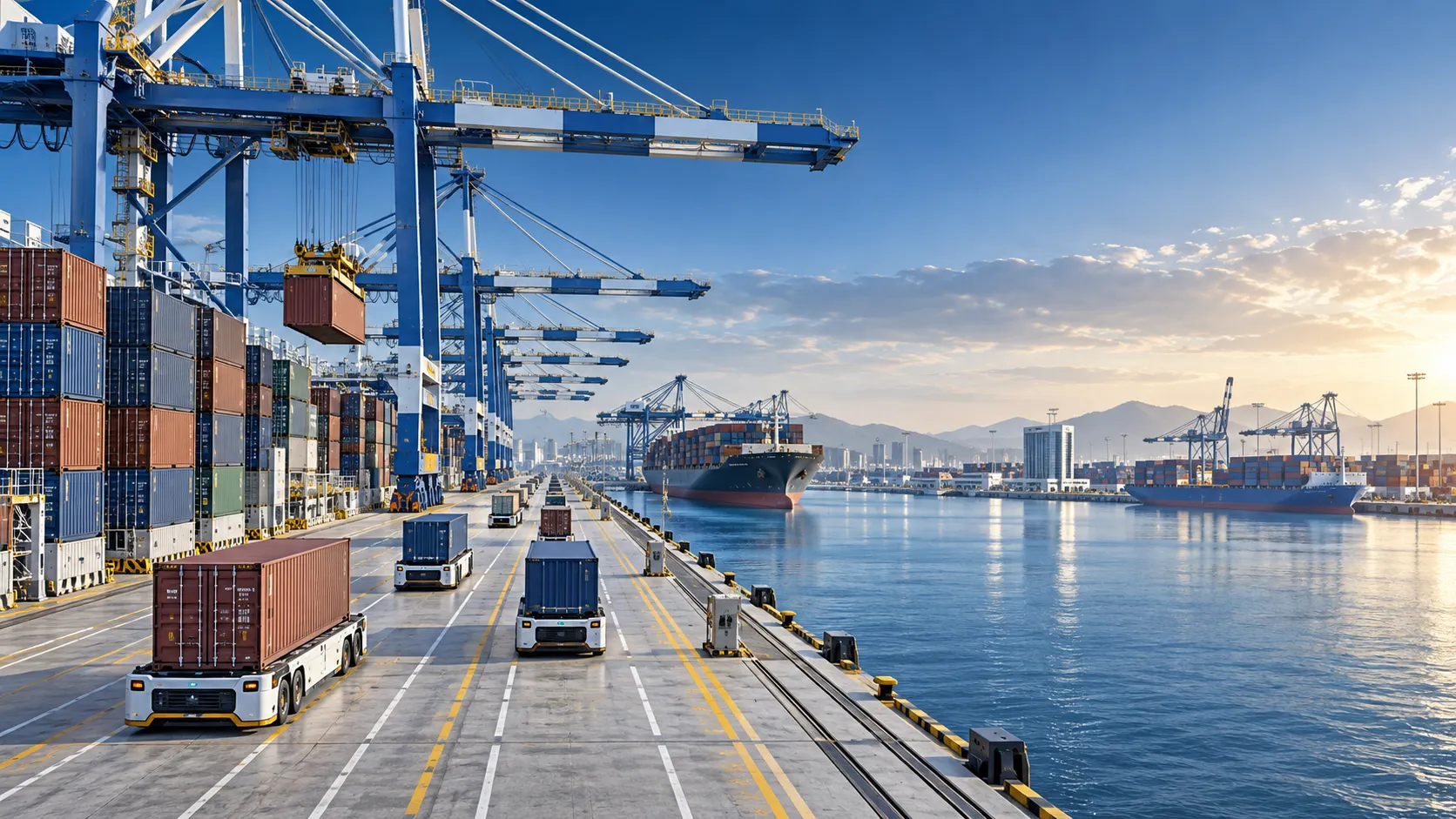
How to Evaluate Terminal Efficiency Solution Suppliers for High-Throughput Operations
Choose a terminal efficiency solutions supplier with confidence. Explore proven criteria for throughput, integration, lifecycle cost, safety, and reliable delivery.
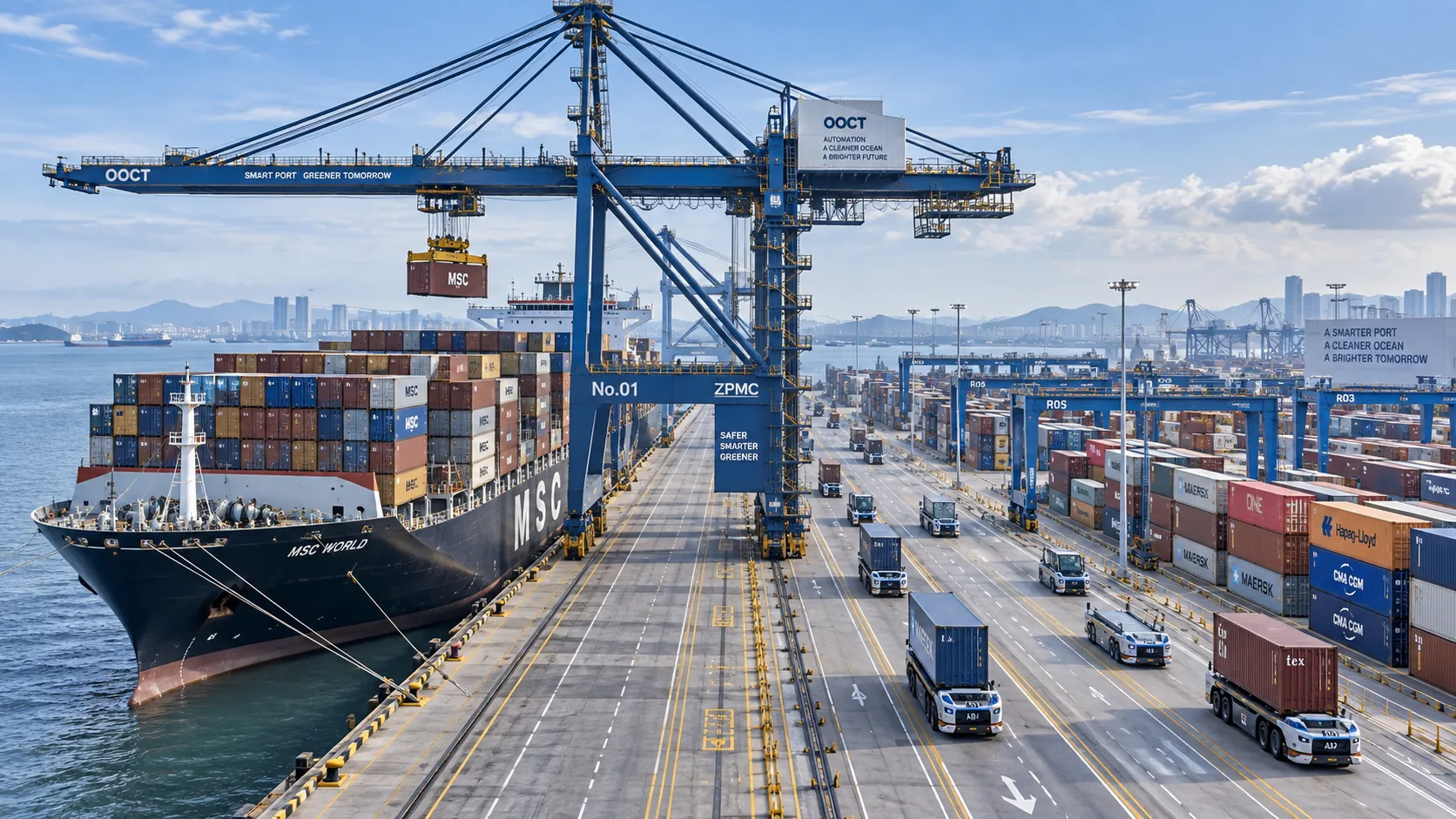
How to Specify a Quay Crane for Container Terminals by Vessel Size and Throughput?
Quay crane for container terminals: learn how to match outreach, lift height, capacity, automation, and cycle performance to vessel size and throughput goals.
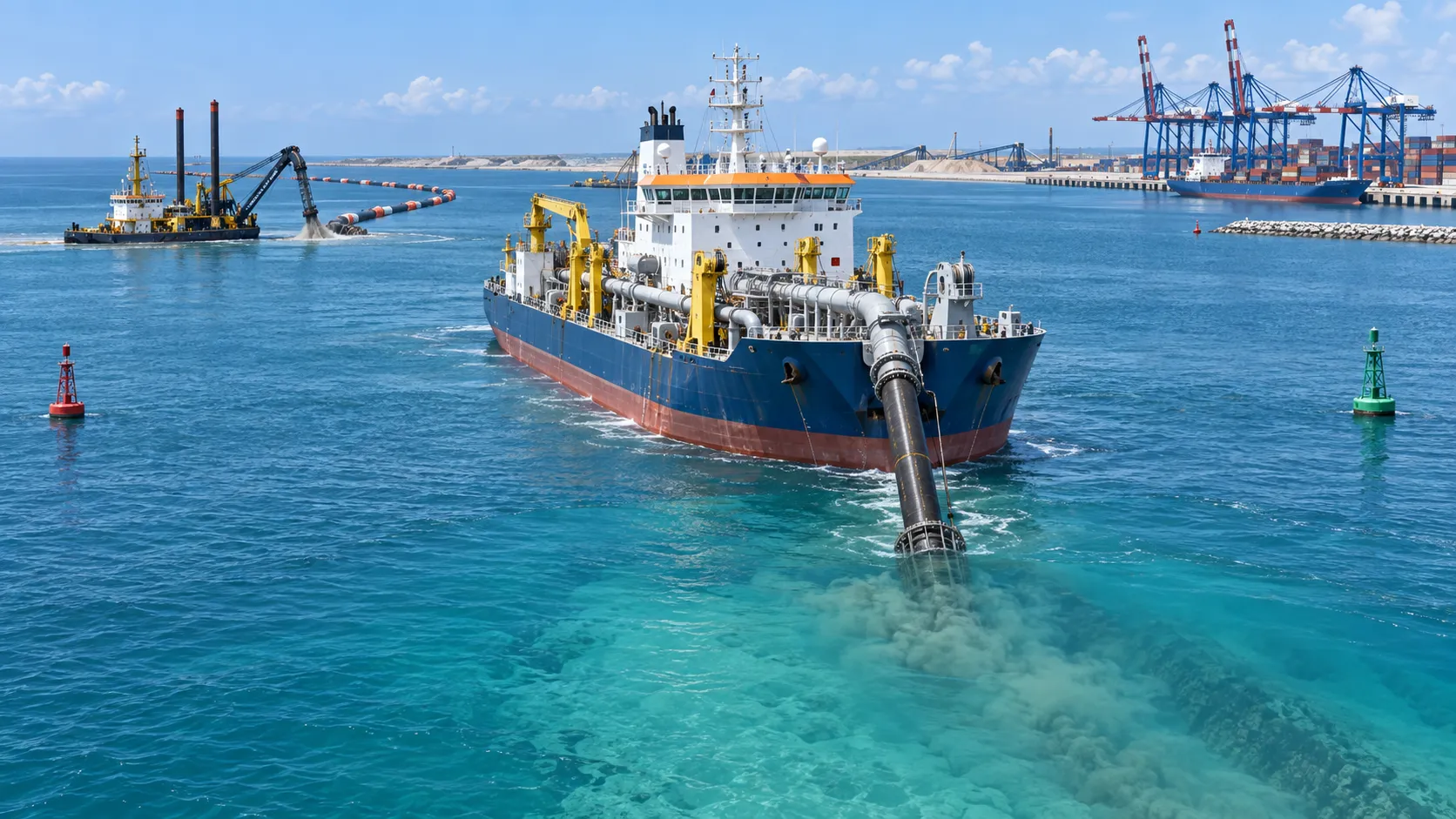
What Dredging Equipment Is Needed for Channel Deepening?
What dredging equipment is needed for channel deepening? Explore dredgers, pipelines, survey tools, and planning strategies for safer, more efficient port access.
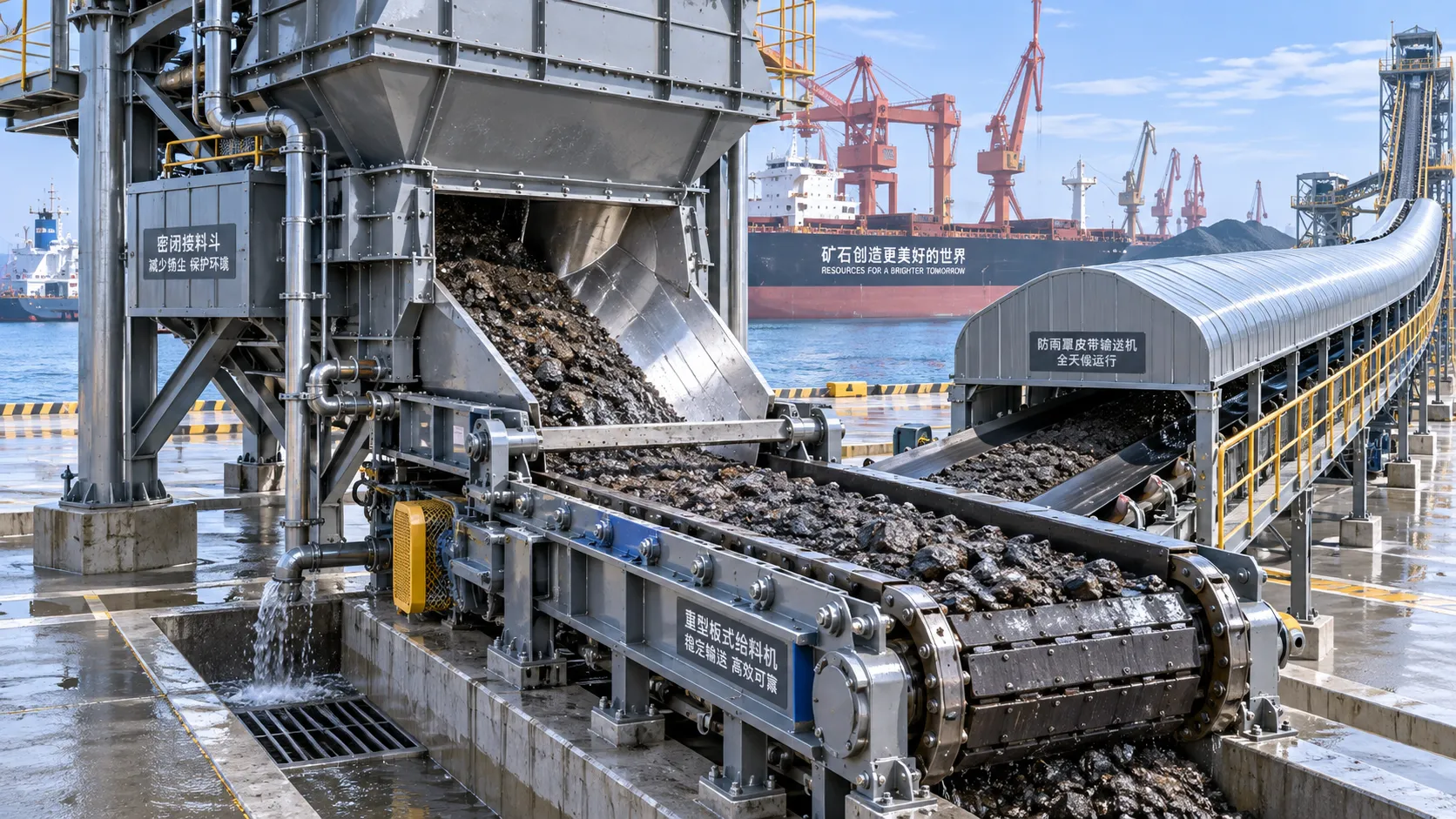
Which Bulk Handling Equipment Suits High-Moisture Cargo?
Which bulk handling equipment suits high-moisture cargo? Compare belt, apron, screw, drag, and slurry systems for reliable flow, less carryback, and higher terminal uptime.
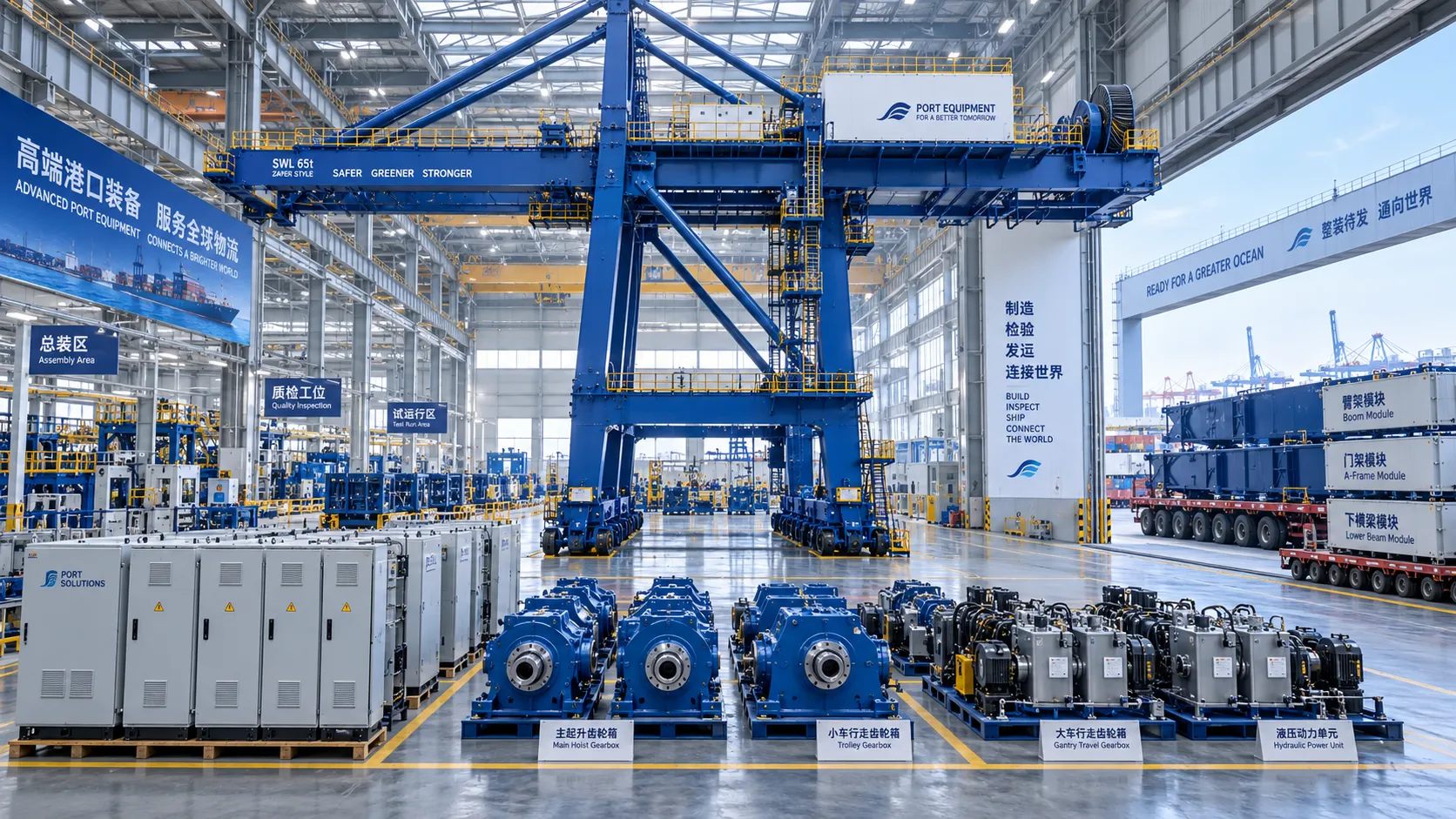
How Can Port Equipment Lead-Time Risk Be Managed?
How can port equipment lead-time risk be managed? Explore practical strategies to control critical paths, suppliers, transport, site readiness, and commissioning delays.
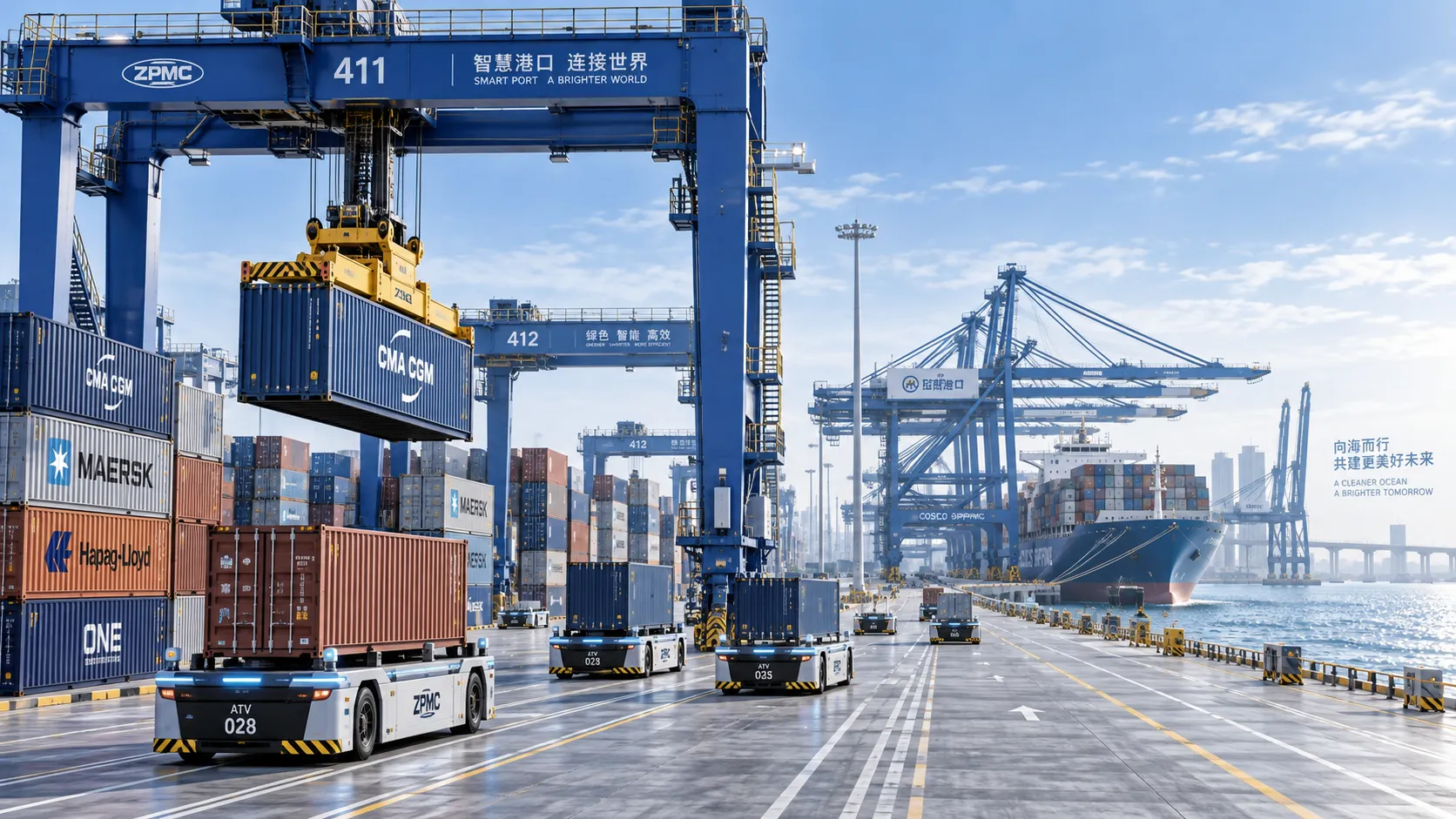
Terminal Automation Technologies That Raise Container Throughput Without Yard Disruption
Terminal automation technology that increases container throughput without disrupting yard flow. Explore smarter integration, resilient workflows, and phased deployment strategies.
Middle East Port Automation: Key Market Drivers, Projects, and Investment Risks
Port automation systems Middle East: explore market drivers, flagship projects, integration challenges, and investment risks shaping smarter, resilient terminals.
Planning Offshore Dredging Operations: Key Risks, Methods, and Project Controls
Offshore dredging operations demand smart planning. Explore key risks, proven methods, environmental controls, and project strategies for reliable delivery.