Related News
- 00
0000-00
How Can Port Equipment Lead-Time Risk Be Managed? - 00
0000-00
Maritime Logistics Operations: How Ports Can Reduce Container Dwell Time - 00
0000-00
What Does Logistics Node Monitoring Cost Across Warehouses and Transport Hubs? - 00
0000-00
How Can IoT Smart Port Solutions Improve Container Tracking and Yard Efficiency? - 00
0000-00
How Real-Time Port Logistics Intelligence Improves Container Yard Efficiency
Global Supply Chains Intelligence: Data Sources, Use Cases, and ROI Signals
Global Supply Chains Intelligence: Data Sources, Use Cases, and ROI Signals
Global supply chains intelligence has become a board-level capability for enterprises navigating volatile freight rates, port congestion, automation shifts, and geopolitical risk.
For maritime logistics and coastal infrastructure, value comes from connecting signals across terminals, equipment, dredging, vessel flows, and trade demand.
The real advantage is not data volume. It is scenario judgment, faster response, and measurable improvement in asset deployment.
PS-Nexus views global supply chains intelligence as a strategic layer linking port machinery, algorithmic scheduling, marine engineering, and commercial trade signals.
Scenario Background: Why Intelligence Needs Differ by Trade Context
Global supply chains intelligence works differently across container corridors, bulk terminals, automated yards, and dredging-intensive coastal projects.
A container hub may focus on berth windows, crane cycles, gate congestion, and yard density.
A bulk handling node may care more about stockpile turnover, shiploader reliability, weather exposure, and commodity price cycles.
A dredging project depends on seabed conditions, pump efficiency, fuel consumption, sediment transport, and permit timelines.
Therefore, global supply chains intelligence must translate raw indicators into scene-specific decisions.
The same port delay signal can suggest vessel rerouting, crane maintenance acceleration, or temporary storage expansion.
Core Data Sources That Strengthen Global Supply Chains Intelligence
High-quality global supply chains intelligence starts with verified, connected, and timely data sources.
Single-source dashboards often miss hidden dependencies between shipping demand, port equipment capacity, and inland transport conditions.
Vessel, Port, and Cargo Movement Signals
AIS vessel tracks reveal route changes, anchorage pressure, speed adjustments, and port arrival uncertainty.
Terminal call data shows berth occupation, service rotation, waiting time, and schedule reliability.
Container and cargo flow indicators expose demand shifts before official trade statistics become available.
Terminal Equipment and Automation Data
Quay crane cycles, trolley movement, hoist energy, and spreader faults provide operational signals.
AGV routing, battery status, and yard crane synchronization reveal whether automation logic is supporting actual throughput.
This is where global supply chains intelligence becomes closely linked with equipment intelligence.
Dredging, Coastal, and Infrastructure Data
Fairway depth, sediment accumulation, dredger utilization, and pump monitoring affect port access reliability.
Coastal engineering data helps anticipate capacity constraints before vessel size growth creates bottlenecks.
For blue economy planning, global supply chains intelligence must include marine geotechnical signals.
Commercial, Regulatory, and Risk Signals
Freight indexes, fuel prices, customs policies, sanctions, climate rules, and port labor disruptions influence logistics decisions.
These factors often reshape demand for automation, bulk equipment, and resilient terminal upgrades.
Use Case One: Detecting Congestion Before It Damages Schedules
Congestion is rarely caused by one event. It usually emerges from vessel bunching, yard pressure, gate imbalance, and equipment downtime.
Global supply chains intelligence combines these signals into early warnings.
Useful judgment points include anchorage density, berth productivity, container dwell time, and crane availability.
If delays rise while crane cycles remain stable, the issue may sit in yard transfer or inland pickup.
If crane productivity falls first, preventive maintenance or temporary equipment reallocation may protect schedule integrity.
The ROI signal is reduced demurrage, fewer missed connections, and better vessel turnaround predictability.
Use Case Two: Matching Terminal Gear Investment to Real Demand
Heavy terminal gear investment has long payback cycles. Wrong sizing creates trapped capital and operational rigidity.
Global supply chains intelligence helps compare future cargo demand with current mechanical limits.
For mega port terminal gear, the key question is not only maximum lifting capacity.
It is whether the full quay-yard-gate chain can absorb higher crane productivity.
For bulk handling machinery, demand judgment should include commodity routes, vessel class changes, and environmental compliance pressure.
ROI appears through higher utilization, lower unplanned downtime, and stronger commercial pricing power.
Use Case Three: Improving Automated Yard Decisions
Automation can increase throughput only when control logic matches operational reality.
Global supply chains intelligence supports better AGV routing, yard block allocation, and crane dispatch decisions.
Core judgment points include task queue length, equipment interference, battery availability, and exception handling frequency.
When remote-controlled cranes show latency spikes, productivity loss may appear before downtime is recorded.
When AGV deadheading increases, algorithmic path planning may require immediate recalibration.
The strongest ROI signals include lower energy use, improved safety, and more stable hourly moves.
Use Case Four: Supporting Dredging and Fairway Expansion Decisions
Port competitiveness depends on safe vessel access. Depth limitations can quietly cap trade growth.
Global supply chains intelligence links dredging activity with vessel size, sediment patterns, and terminal expansion plans.
Judgment should consider suction efficiency, pump wear, disposal distance, turbidity limits, and weather downtime.
Digital pump monitoring can expose energy waste and early mechanical degradation.
When fairway constraints align with rising vessel drafts, dredging becomes a strategic capacity decision.
ROI is visible in larger vessel acceptance, fewer tidal restrictions, and lower emergency maintenance costs.
Different Scenario Needs: What to Track and Why
This comparison shows why global supply chains intelligence should not be built as one generic reporting layer.
Each scenario requires different granularity, refresh frequency, and decision thresholds.
Scenario Adaptation: How to Build an Intelligence Workflow
A practical workflow starts with defining the business decision before selecting data feeds.
Global supply chains intelligence should answer what action changes when a signal moves.
- Map each scenario to measurable bottlenecks, not broad dashboard categories.
- Separate leading indicators from lagging performance metrics.
- Connect equipment telemetry with commercial demand signals.
- Use exception thresholds for automated alerts and human review.
- Review ROI through cost avoidance, throughput gain, and risk reduction.
For PS-Nexus, the strongest model connects maritime logistics, heavy machinery, automation systems, and coastal engineering insight.
This creates global supply chains intelligence that supports both short-cycle operations and long-cycle infrastructure strategy.
Common Misjudgments That Weaken Intelligence ROI
The first misjudgment is treating visibility as intelligence.
Visibility shows what happened. Global supply chains intelligence explains what action should follow.
The second mistake is ignoring terminal equipment constraints when analyzing trade demand.
Cargo growth cannot create value if cranes, yard blocks, or fairways remain bottlenecked.
The third mistake is relying on delayed public data for fast-changing disruptions.
Operational signals often reveal stress earlier than monthly statistics or quarterly trade reports.
The fourth mistake is measuring ROI only through direct savings.
Better schedule reliability, stronger service reputation, and improved investment timing also create measurable value.
ROI Signals: How to Prove Global Supply Chains Intelligence Works
Effective global supply chains intelligence should produce visible operational and commercial outcomes.
The most reliable ROI signals combine cost, time, capacity, risk, and sustainability metrics.
- Lower vessel waiting time and reduced port call uncertainty.
- Higher crane, AGV, shiploader, and dredger utilization.
- Reduced emergency maintenance through predictive equipment signals.
- Improved yard density without damaging retrieval efficiency.
- Lower fuel consumption and emissions in port operations.
- Better capital timing for automation and dredging investments.
When these signals move together, intelligence becomes a strategic asset rather than a reporting expense.
That is the central promise of global supply chains intelligence for smart oceans and resilient trade networks.
Action Path: Turning Signals into Operational Advantage
The next step is to select one high-value scenario and define its decision loop.
For example, start with congestion prediction, automated yard performance, or dredging productivity improvement.
Then connect port data, equipment signals, commercial indicators, and risk alerts into one operating view.
PS-Nexus supports this approach through high-authority intelligence stitching across maritime logistics and coastal economics.
By linking hubs and syncing signals, global supply chains intelligence can guide smarter investments, cleaner operations, and stronger trade resilience.
- heavy terminal gear
- maritime logistics
- coastal economics
- mega port terminal
- bulk handling machinery
- blue economy
- remote-controlled cranes
- digital pump monitoring
- smart oceans
- global supply chains
- quay crane
- global supply chains intelligence
- coastal infrastructure
- port machinery
- dredging operations
- terminal equipment
Related News
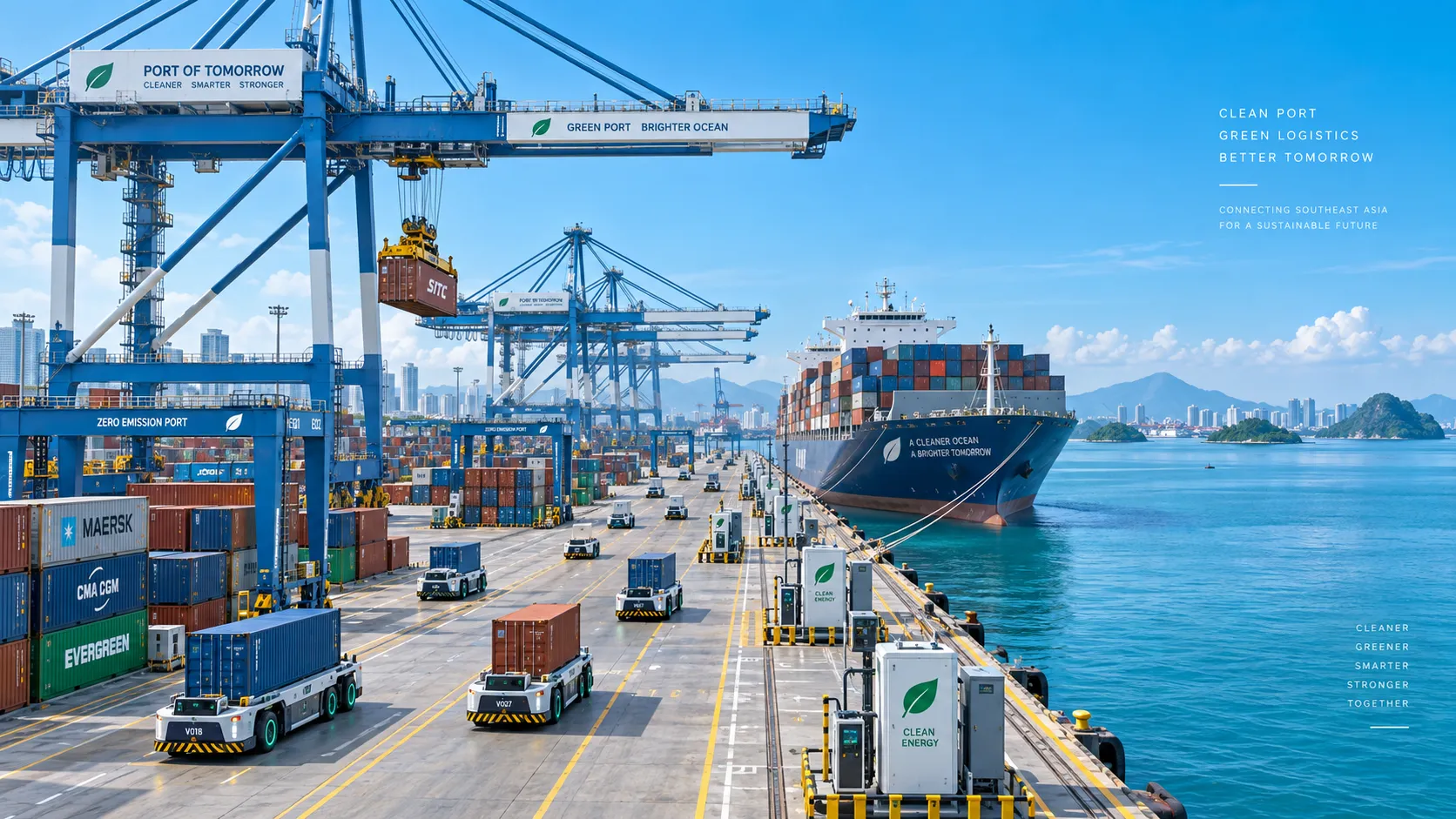
Smart Port Systems in Southeast Asia: Investment Priorities and Adoption Barriers
Smart port systems Southeast Asia: discover investment priorities, adoption barriers, and practical steps to build resilient, connected, high-performing terminals.

How to Evaluate Terminal Efficiency Solution Suppliers for High-Throughput Operations
Choose a terminal efficiency solutions supplier with confidence. Explore proven criteria for throughput, integration, lifecycle cost, safety, and reliable delivery.
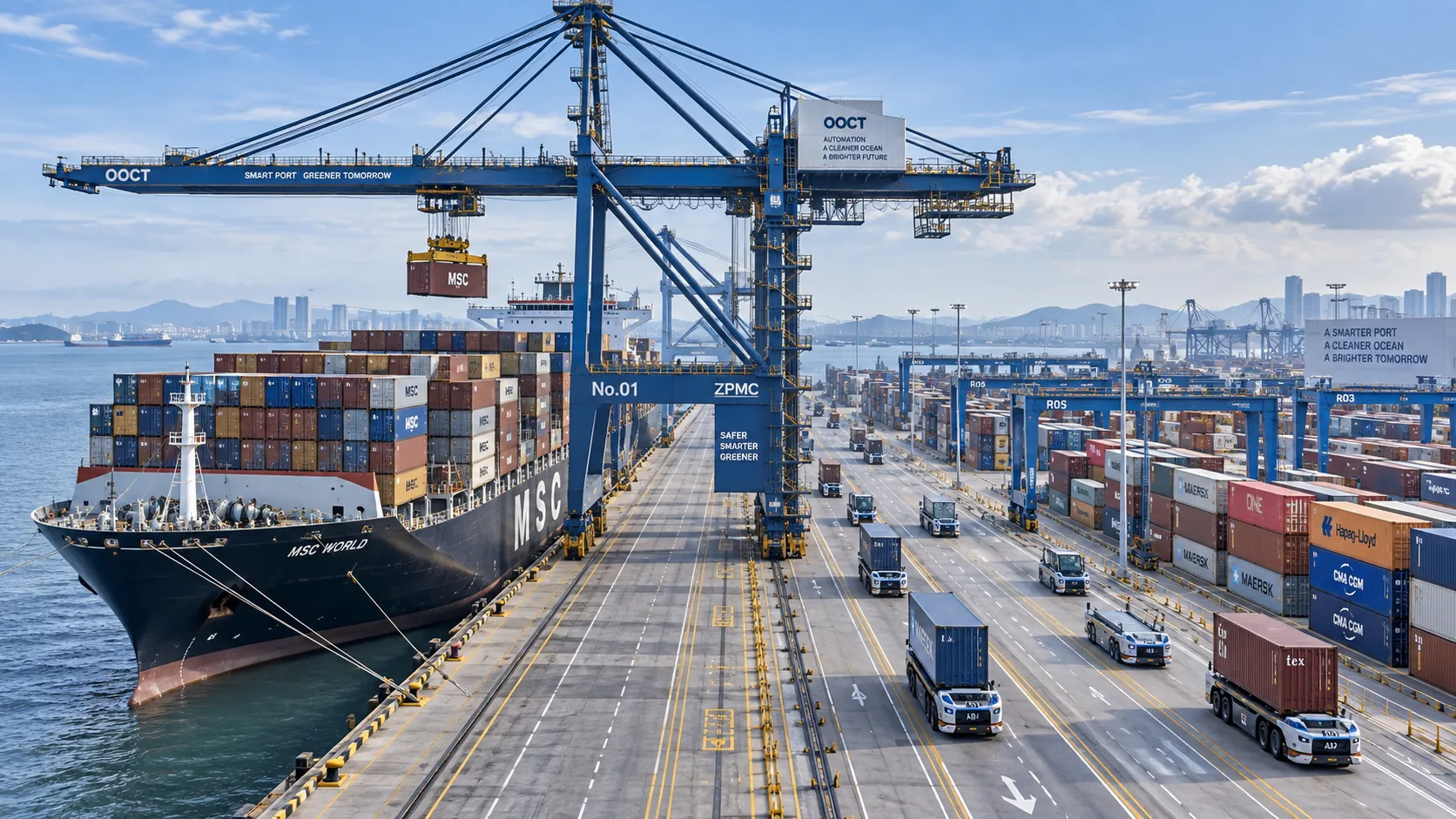
How to Specify a Quay Crane for Container Terminals by Vessel Size and Throughput?
Quay crane for container terminals: learn how to match outreach, lift height, capacity, automation, and cycle performance to vessel size and throughput goals.
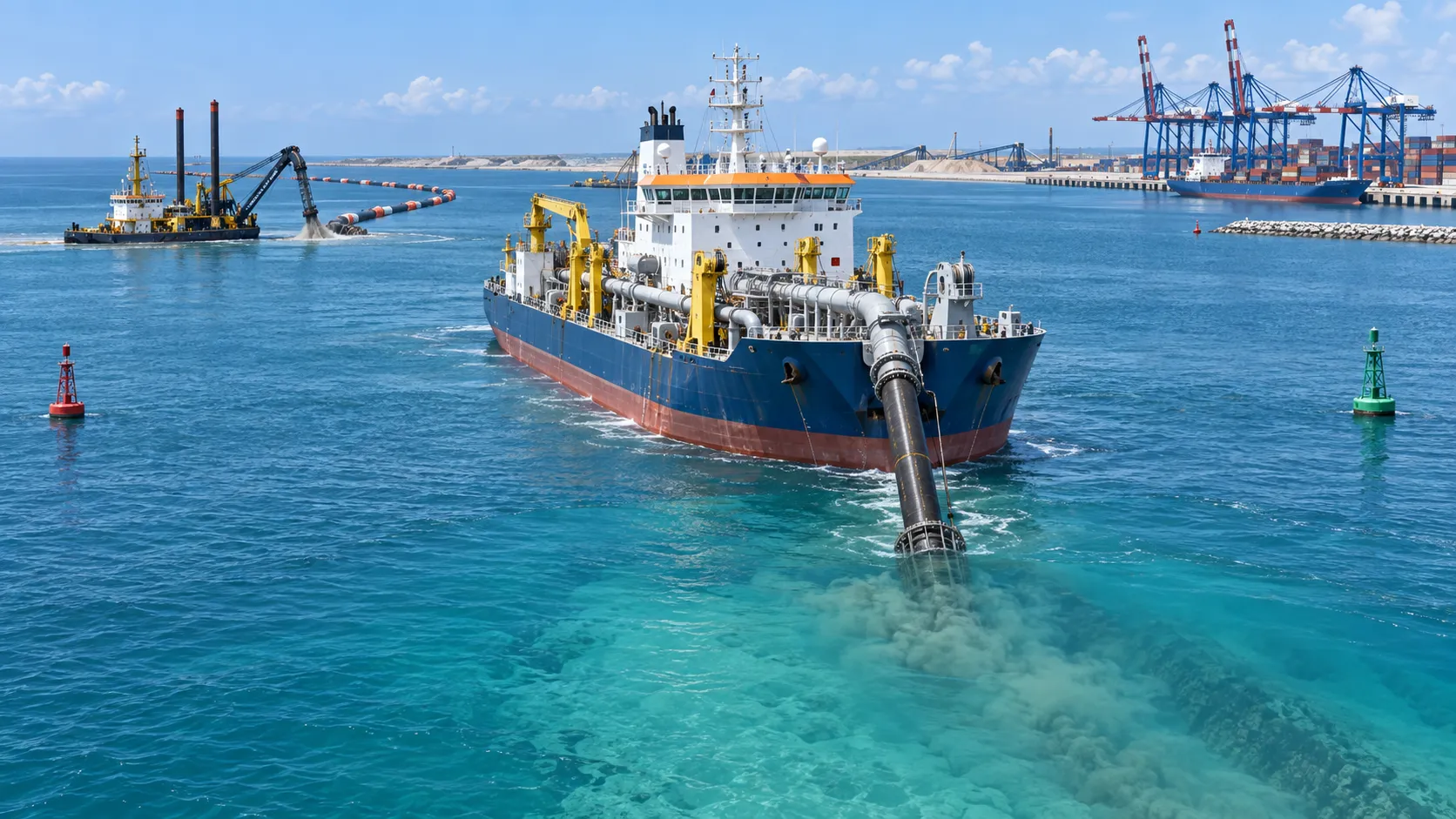
What Dredging Equipment Is Needed for Channel Deepening?
What dredging equipment is needed for channel deepening? Explore dredgers, pipelines, survey tools, and planning strategies for safer, more efficient port access.
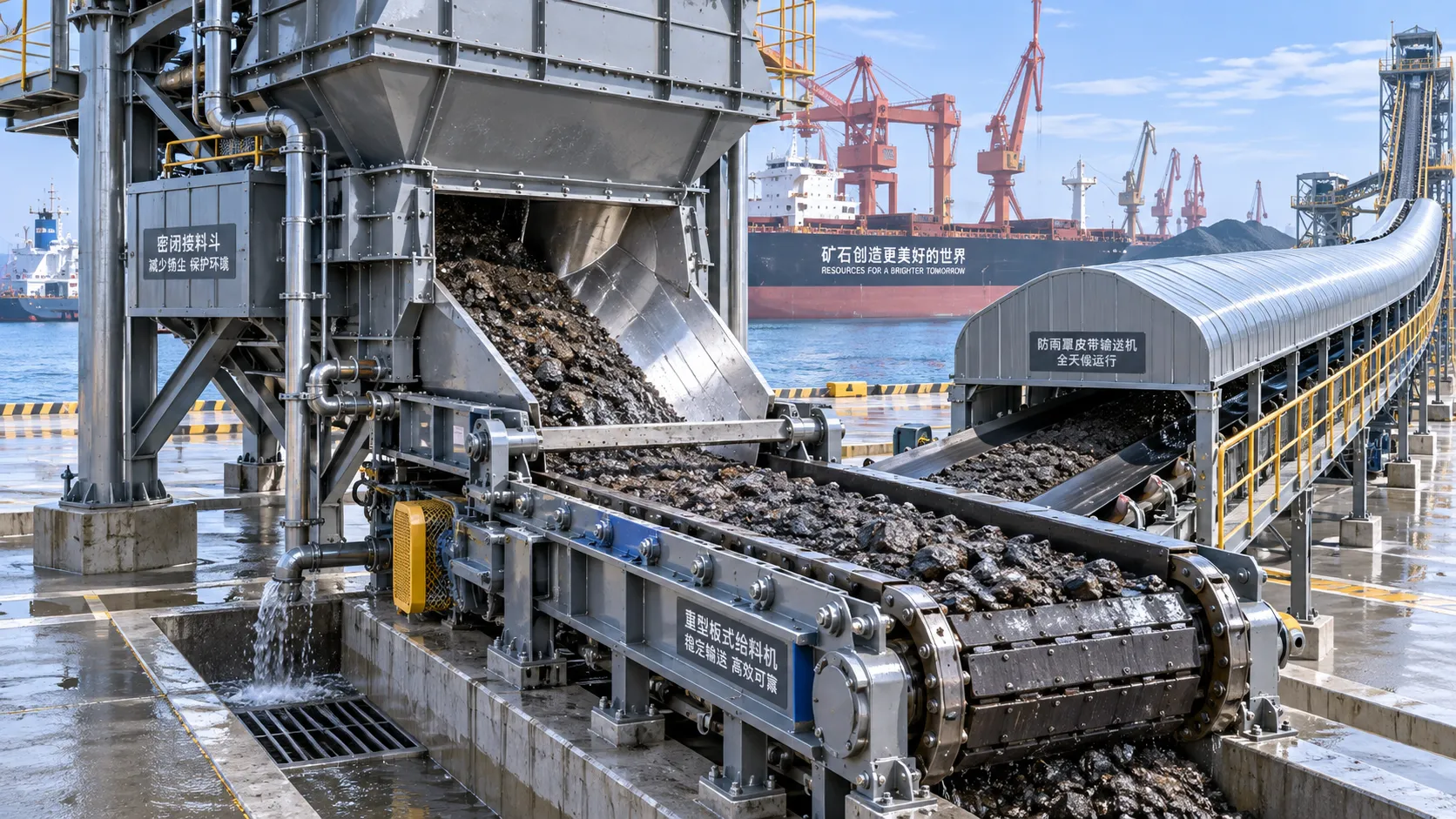
Which Bulk Handling Equipment Suits High-Moisture Cargo?
Which bulk handling equipment suits high-moisture cargo? Compare belt, apron, screw, drag, and slurry systems for reliable flow, less carryback, and higher terminal uptime.
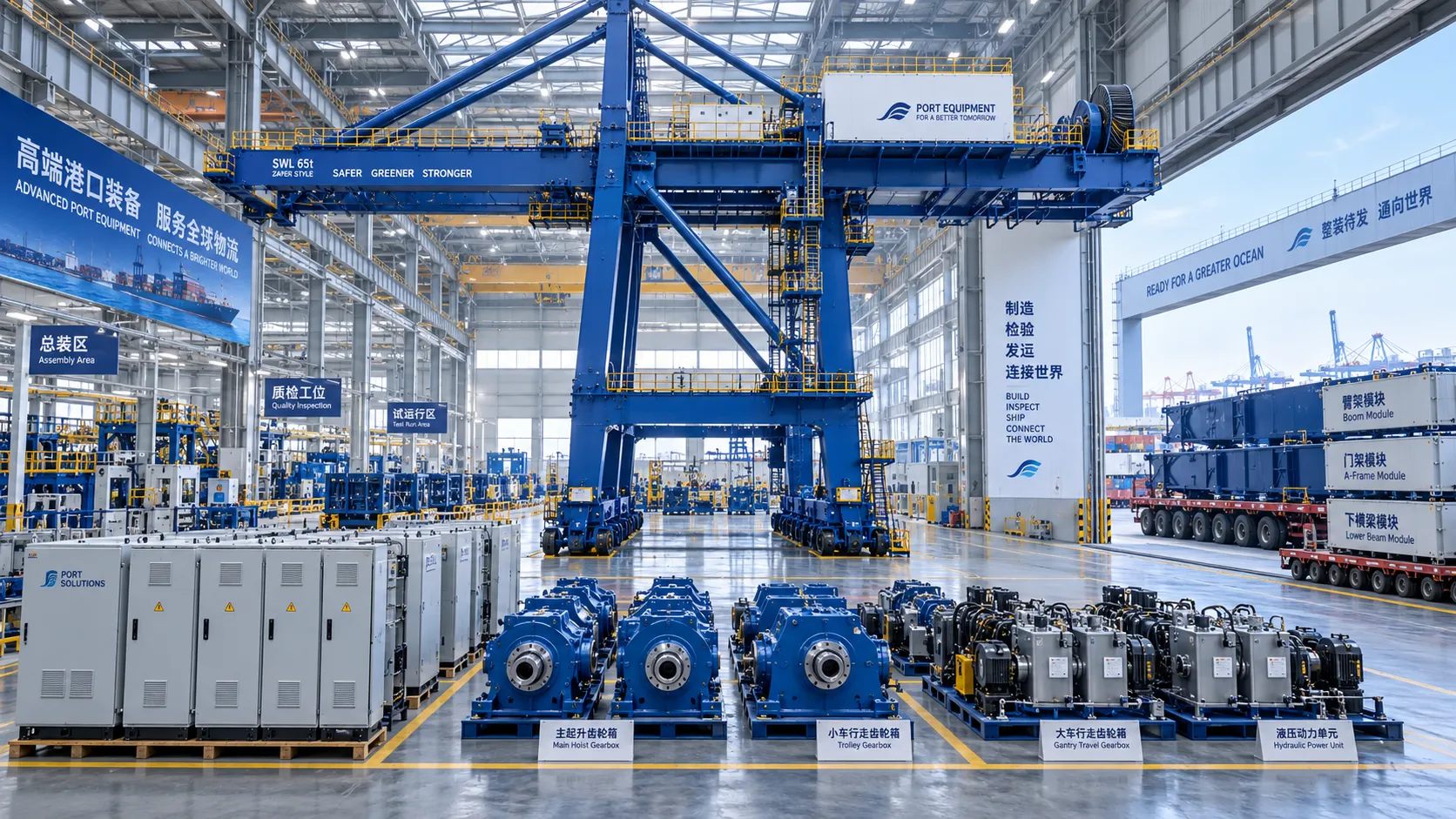
How Can Port Equipment Lead-Time Risk Be Managed?
How can port equipment lead-time risk be managed? Explore practical strategies to control critical paths, suppliers, transport, site readiness, and commissioning delays.
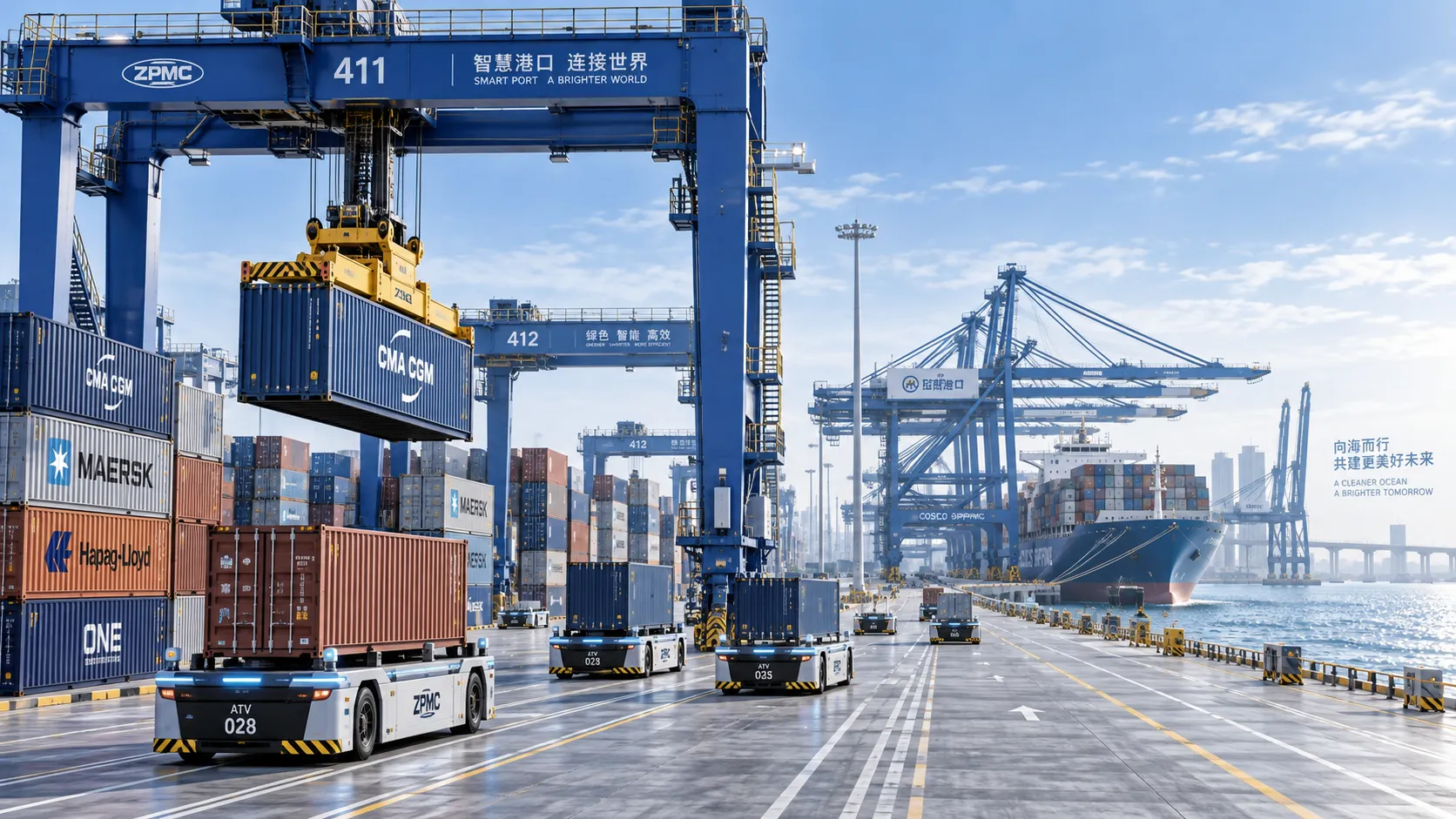
Terminal Automation Technologies That Raise Container Throughput Without Yard Disruption
Terminal automation technology that increases container throughput without disrupting yard flow. Explore smarter integration, resilient workflows, and phased deployment strategies.
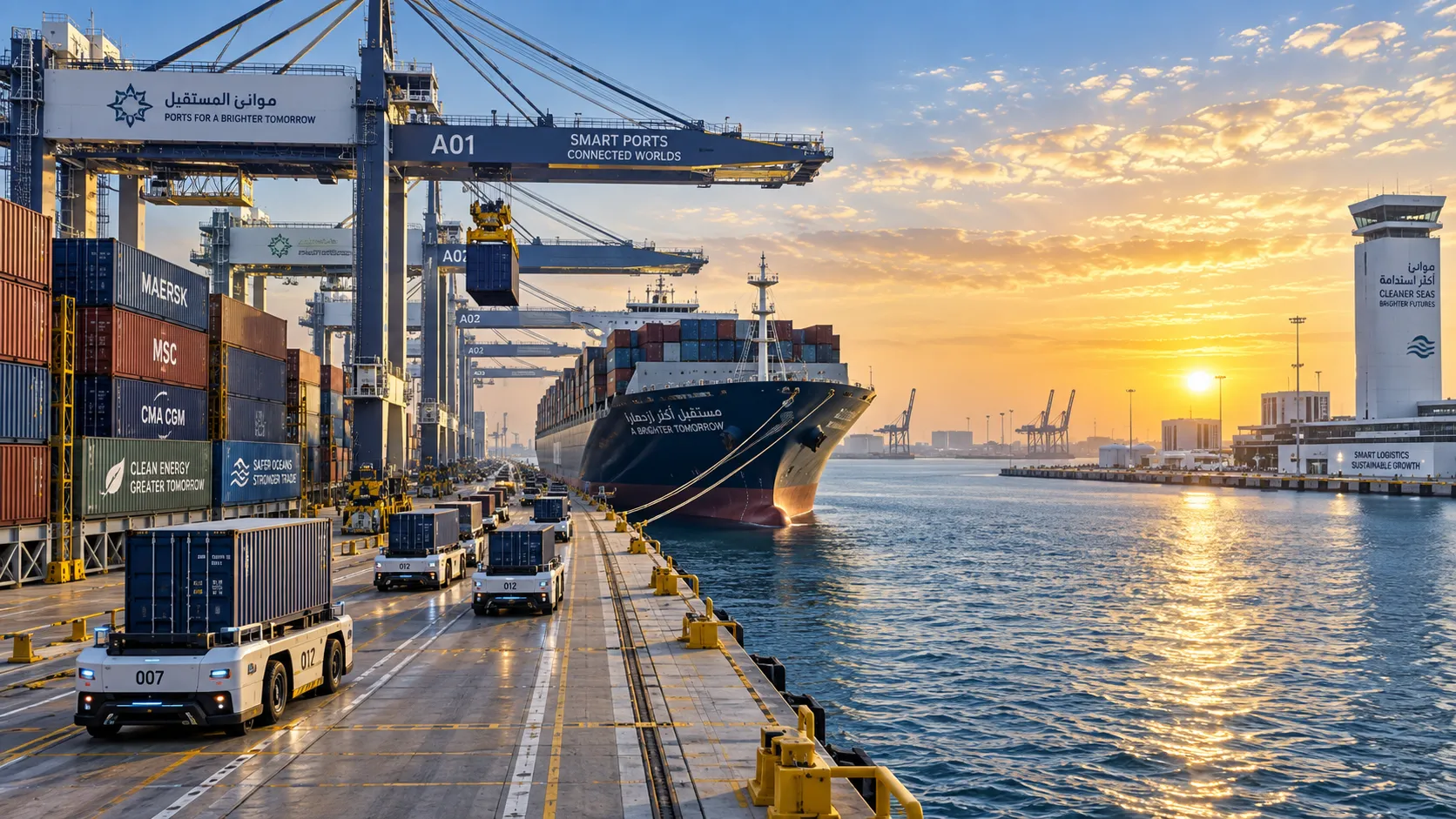
Middle East Port Automation: Key Market Drivers, Projects, and Investment Risks
Port automation systems Middle East: explore market drivers, flagship projects, integration challenges, and investment risks shaping smarter, resilient terminals.
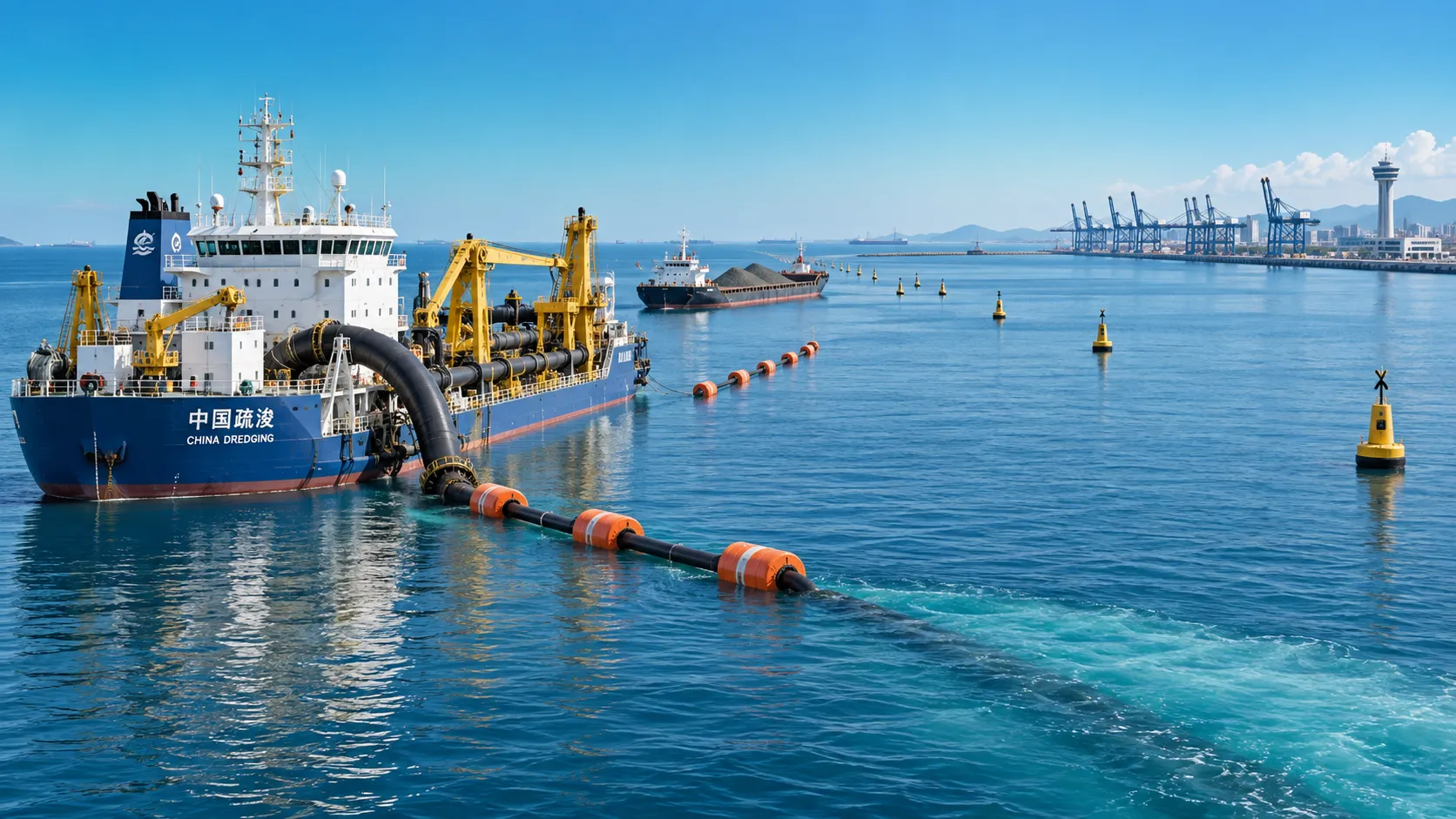
Planning Offshore Dredging Operations: Key Risks, Methods, and Project Controls
Offshore dredging operations demand smart planning. Explore key risks, proven methods, environmental controls, and project strategies for reliable delivery.