
Related News
- 00
0000-00
How Can Port Equipment Lead-Time Risk Be Managed? - 00
0000-00
Maritime Logistics Operations: How Ports Can Reduce Container Dwell Time - 00
0000-00
What Does Logistics Node Monitoring Cost Across Warehouses and Transport Hubs? - 00
0000-00
How Can IoT Smart Port Solutions Improve Container Tracking and Yard Efficiency? - 00
0000-00
How Real-Time Port Logistics Intelligence Improves Container Yard Efficiency
Why Container Yard Optimization Fails Without Clean Data
Why Container Yard Optimization Fails Without Clean Data
Container yard optimization promises faster moves, fewer rehandles, and smoother equipment coordination, but those gains disappear when data is incomplete, outdated, or inconsistent.
A yard plan is only as reliable as the container status, location, equipment availability, and work-order signals behind it.
When clean data is missing, even advanced algorithms can create congestion, misdirect drivers, and slow crane productivity.
This guide explains why data quality is the hidden foundation of effective yard operations and how terminals can prevent optimization failure.
Why Clean Data Must Come Before Container Yard Optimization
Container yard optimization depends on decisions made seconds before equipment moves, containers are stacked, and trucks enter transfer points.
If the system sees the wrong container location, the wrong move becomes the most efficient move on paper.
This is why poor data quality does not only reduce efficiency. It actively multiplies operational friction across the terminal.
Clean data gives algorithms a trustworthy view of yard reality, equipment capability, vessel schedules, gate flow, and exception conditions.
Without that foundation, container yard optimization becomes a digital guess instead of a controlled operational method.
Core Data Checklist for Reliable Container Yard Optimization
Use this checklist before changing stacking logic, yard zoning rules, dispatch parameters, or automated equipment workflows.
- Validate container location records against actual block, bay, row, and tier positions before trusting any yard planning recommendation.
- Confirm container status codes, including import, export, transshipment, hold, damage, customs, and reefer conditions, before release decisions.
- Check equipment availability data for cranes, RTGs, RMGs, AGVs, straddle carriers, and terminal tractors before dispatching jobs.
- Synchronize vessel schedules, berth plans, and cut-off times so container yard optimization reflects real operational priorities.
- Standardize work-order definitions across TOS, OCR systems, gate systems, and equipment control platforms to prevent conflicting instructions.
- Audit gate appointment data, truck turn-time records, and pre-advice details to avoid peaks caused by inaccurate demand signals.
- Verify reefer plug status, temperature readings, and alarm records before assigning moves that may compromise cargo safety.
- Review exception logs daily to detect repeated manual overrides, unexplained rehandles, and blocked moves hidden inside routine activity.
- Clean duplicate container IDs, outdated booking references, and inconsistent carrier codes before feeding data into optimization engines.
- Measure data latency between field events and system updates, especially where remote control or automated handling is deployed.
Where Dirty Data Breaks Yard Performance
Wrong Location Data
Location accuracy is the first requirement for container yard optimization because every move starts from a known physical position.
A mismatch between system position and actual stack position forces searching, waiting, reshuffling, and unplanned equipment travel.
Even one incorrect tier record can delay crane cycles and disturb downstream dispatch sequences.
Unreliable Status Codes
Status data tells the system whether a box can move, must wait, or requires special handling.
If customs holds, reefer conditions, dangerous goods rules, or damage flags are outdated, container yard optimization may create illegal moves.
The result is more manual intervention, higher compliance risk, and lower confidence in automated planning.
Delayed Equipment Signals
Equipment data must show real availability, current task status, battery state, maintenance restrictions, and travel constraints.
When dispatch logic receives late signals, it may assign work to machines that are unavailable or poorly positioned.
Clean equipment telemetry keeps container yard optimization connected to actual terminal capacity, not theoretical capacity.
Fragmented System Interfaces
Modern terminals often connect TOS platforms, gate systems, OCR portals, fleet systems, and crane control layers.
If these interfaces use different timestamps, identifiers, or event rules, the yard receives contradictory instructions.
Successful container yard optimization requires a shared operational truth across every connected system.
Application Scenarios That Demand Strong Data Discipline
Automated Container Terminals
Automation magnifies the impact of bad data because machines follow rules with limited tolerance for ambiguity.
In automated stacking yards, container yard optimization must rely on precise position updates, safe routing data, and verified job sequencing.
Small data errors can become blocked lanes, idle cranes, or repeated exception handling by remote control stations.
High-Density Import Yards
Import yards face pressure from dwell time, truck arrivals, customs release, and limited stacking space.
If release status and truck appointment data are weak, containers may be buried just before pickup demand rises.
Reliable container yard optimization uses clean demand signals to place high-probability retrieval containers in accessible positions.
Export Build-Up Before Vessel Arrival
Export planning depends on vessel stowage data, closing times, weight class, destination, and hazardous cargo rules.
If booking data changes without timely updates, the yard may build stacks that increase rehandles before loading.
Clean data allows container yard optimization to align stack design with vessel sequence and quay crane productivity.
Transshipment Hubs
Transshipment yards depend on tight connection windows between inbound and outbound vessels.
Incorrect connection data causes missed load opportunities, unnecessary restows, and poor use of limited yard space.
For hub terminals, container yard optimization must prioritize validated vessel links and fast exception detection.
Commonly Ignored Risks in Yard Data Quality
Manual corrections without root-cause tracking. Repeated manual fixes may keep operations moving, but they hide structural data failures from planning systems.
Unclear ownership of master data. Carrier codes, service strings, location maps, and equipment identifiers require controlled ownership and change approval.
Overconfidence in algorithm output. Container yard optimization should recommend better moves, not excuse weak validation or missing field confirmation.
Inconsistent event timestamps. A move event, gate event, and equipment event may describe the same activity at different times.
Limited feedback from equipment control systems. Optimization improves when field execution data returns quickly and clearly to the planning layer.
Poor exception classification. If every failed move becomes a generic error, the system cannot learn where yard rules are breaking.
Practical Steps to Clean Data Before Optimization
- Map every data source that affects container yard optimization, including TOS, gate, OCR, equipment, vessel, and maintenance systems.
- Define one authoritative source for each critical field, then remove duplicate updates from secondary systems.
- Create validation rules for location, status, weight, voyage, booking, dangerous goods, and reefer information.
- Set acceptable latency limits for operational events, especially move confirmation, job completion, and equipment availability.
- Run daily exception reviews that connect failed moves to data causes, not only equipment or labor symptoms.
- Test optimization scenarios with historical peak-day data before applying new rules to live yard execution.
- Use dashboards that show data completeness, accuracy, latency, and correction frequency beside productivity indicators.
These steps make container yard optimization measurable before major automation, software, or process changes are introduced.
They also help separate planning weakness from data weakness, which is essential for long-term operational improvement.
Data Governance Signals Worth Monitoring
A data program should not rely only on occasional audits. It must produce recurring signals that reveal yard health.
- Track location mismatch rates between system records and physical verification checks in every high-volume yard block.
- Measure the percentage of moves completed without manual override, exception handling, or secondary confirmation.
- Monitor average event latency from equipment action to TOS update and optimization engine availability.
- Compare planned rehandles against actual rehandles to expose poor forecasts or unreliable container attributes.
- Review truck turn-time deviations against appointment accuracy, gate pre-advice quality, and yard retrieval performance.
These indicators turn container yard optimization into a managed discipline rather than a software-only initiative.
Conclusion and Next Action
Container yard optimization fails when algorithms receive an inaccurate picture of yard reality.
Clean container location, status, equipment, gate, and vessel data are not supporting details. They are the operating foundation.
Before investing in new optimization rules, review the data checklist, measure latency, and identify the most frequent exception patterns.
Then improve one critical data stream at a time and verify the impact through fewer rehandles, faster cycles, and steadier yard flow.
With disciplined data governance, container yard optimization becomes a practical route to safer, faster, and more predictable terminal performance.
Related News
Smart Port Systems in Southeast Asia: Investment Priorities and Adoption Barriers
Smart port systems Southeast Asia: discover investment priorities, adoption barriers, and practical steps to build resilient, connected, high-performing terminals.
How to Evaluate Terminal Efficiency Solution Suppliers for High-Throughput Operations
Choose a terminal efficiency solutions supplier with confidence. Explore proven criteria for throughput, integration, lifecycle cost, safety, and reliable delivery.
How to Specify a Quay Crane for Container Terminals by Vessel Size and Throughput?
Quay crane for container terminals: learn how to match outreach, lift height, capacity, automation, and cycle performance to vessel size and throughput goals.
What Dredging Equipment Is Needed for Channel Deepening?
What dredging equipment is needed for channel deepening? Explore dredgers, pipelines, survey tools, and planning strategies for safer, more efficient port access.
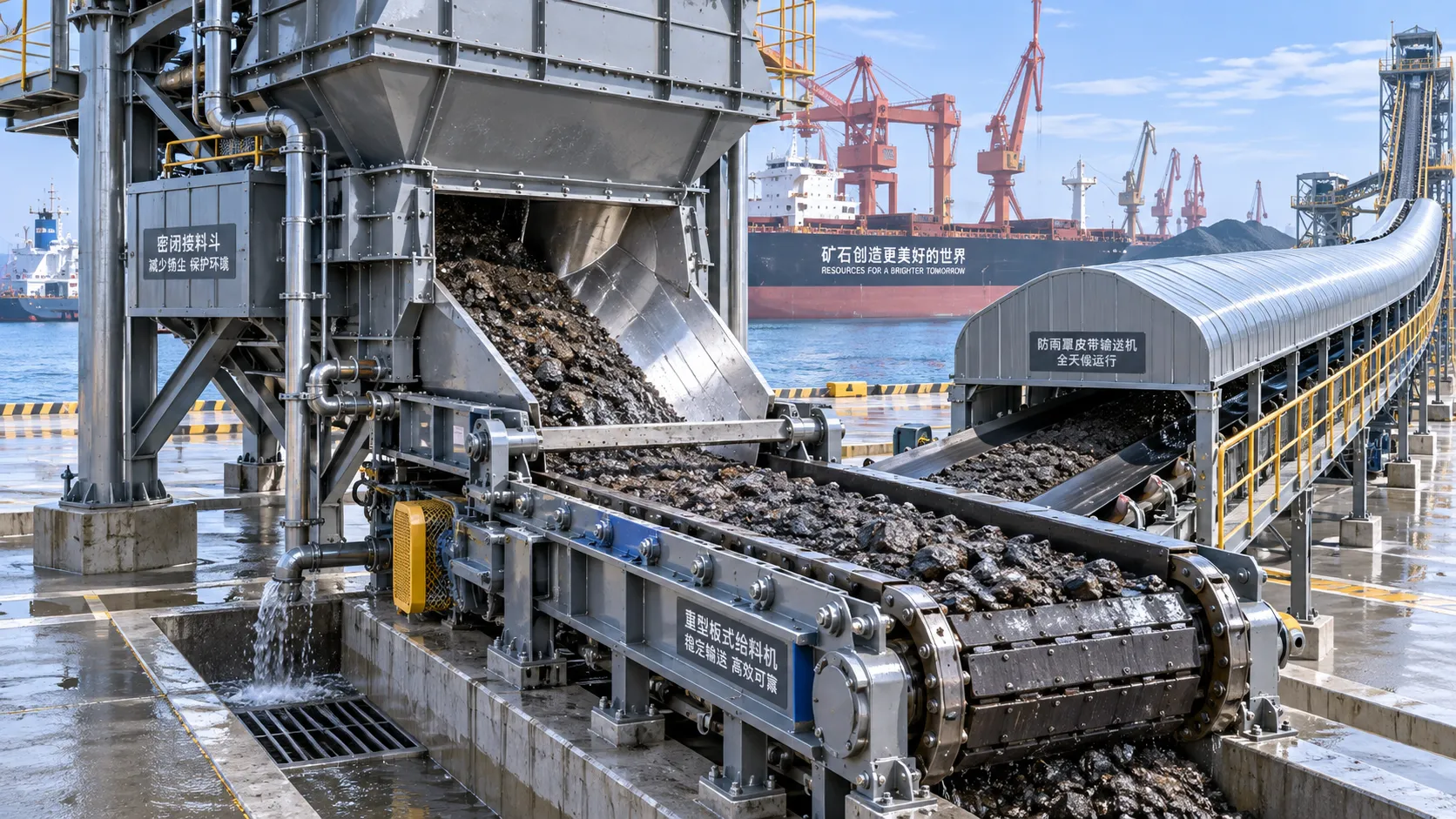
Which Bulk Handling Equipment Suits High-Moisture Cargo?
Which bulk handling equipment suits high-moisture cargo? Compare belt, apron, screw, drag, and slurry systems for reliable flow, less carryback, and higher terminal uptime.
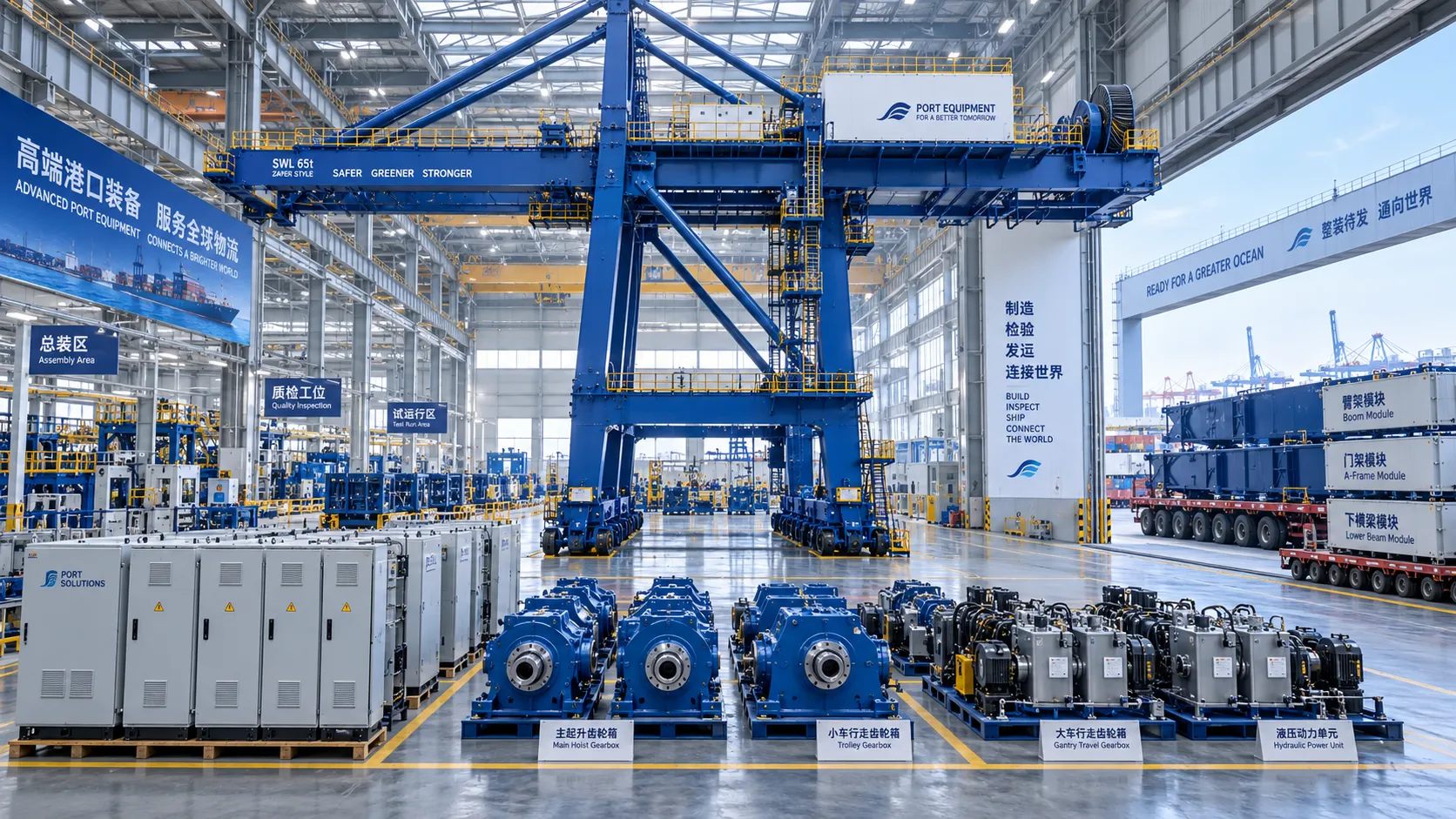
How Can Port Equipment Lead-Time Risk Be Managed?
How can port equipment lead-time risk be managed? Explore practical strategies to control critical paths, suppliers, transport, site readiness, and commissioning delays.
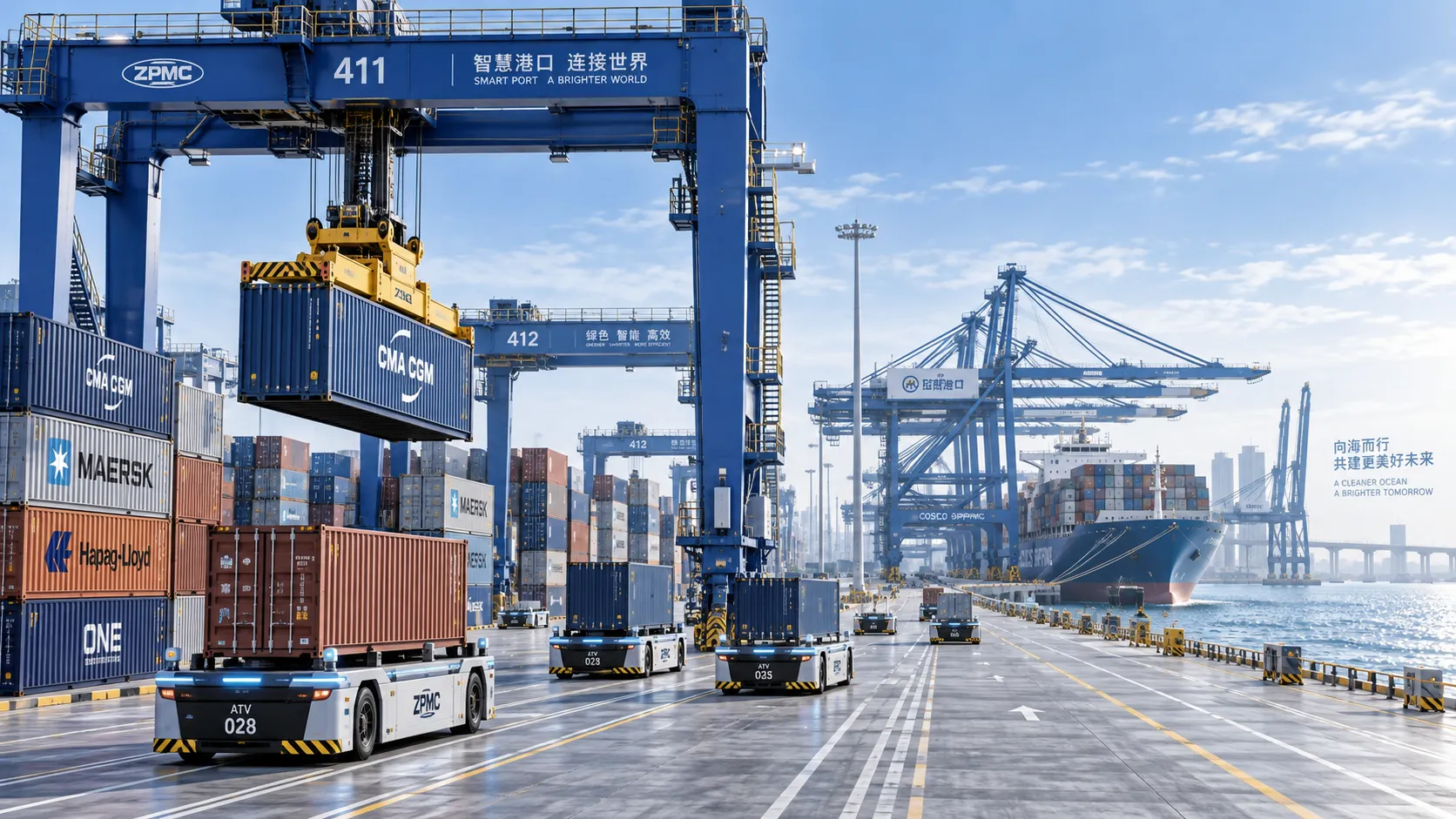
Terminal Automation Technologies That Raise Container Throughput Without Yard Disruption
Terminal automation technology that increases container throughput without disrupting yard flow. Explore smarter integration, resilient workflows, and phased deployment strategies.
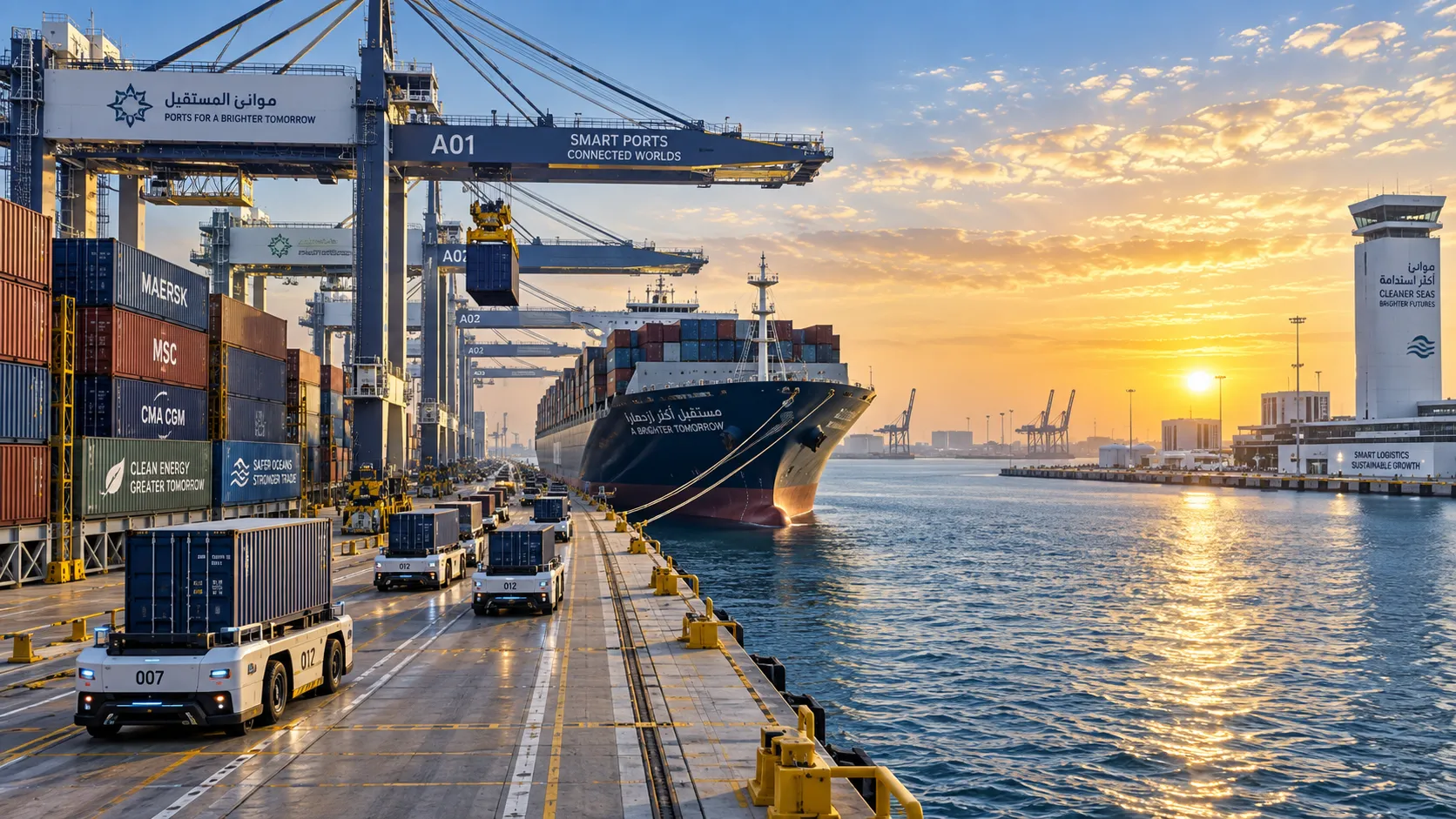
Middle East Port Automation: Key Market Drivers, Projects, and Investment Risks
Port automation systems Middle East: explore market drivers, flagship projects, integration challenges, and investment risks shaping smarter, resilient terminals.
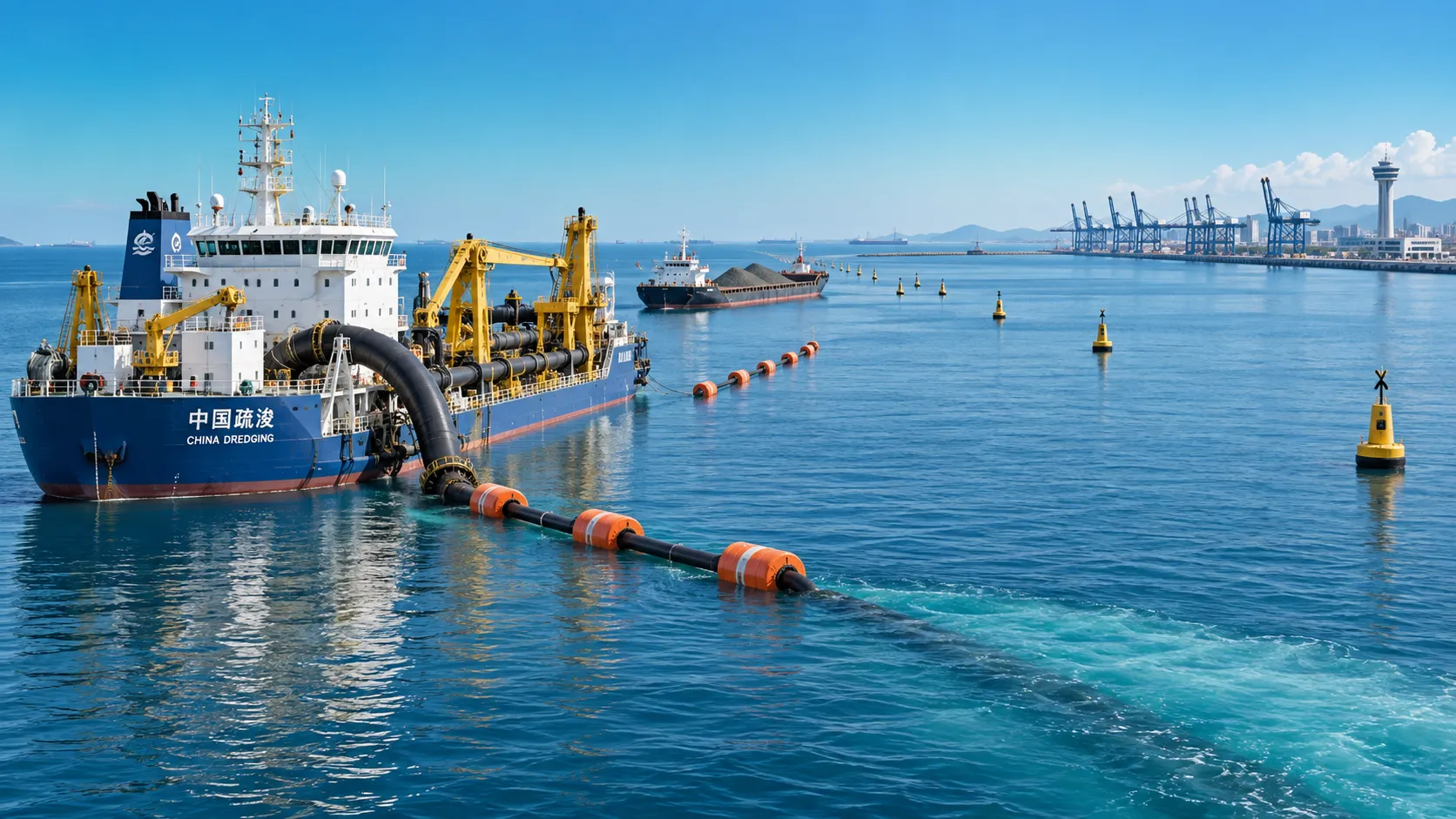
Planning Offshore Dredging Operations: Key Risks, Methods, and Project Controls
Offshore dredging operations demand smart planning. Explore key risks, proven methods, environmental controls, and project strategies for reliable delivery.