Related News
- 00
0000-00
How Can Port Equipment Lead-Time Risk Be Managed? - 00
0000-00
Maritime Logistics Operations: How Ports Can Reduce Container Dwell Time - 00
0000-00
What Does Logistics Node Monitoring Cost Across Warehouses and Transport Hubs? - 00
0000-00
How Can IoT Smart Port Solutions Improve Container Tracking and Yard Efficiency? - 00
0000-00
How Real-Time Port Logistics Intelligence Improves Container Yard Efficiency
Why port logistics solutions fail without data visibility
Port logistics solutions often promise higher throughput, faster vessel turnaround, and smarter asset utilization, but they fail when real-time visibility is missing.
Across cranes, yards, gates, vessels, and inland links, data visibility is no longer optional. It is the operating base for synchronized maritime logistics.
Without trusted, connected, and actionable data, automation becomes isolated. Scheduling algorithms lose context, and equipment investments cannot perform as designed.
Data Visibility Is Becoming the Fault Line in Port Logistics Solutions
Global ports are under pressure from larger vessels, tighter delivery windows, labor constraints, emissions targets, and unpredictable trade flows.
This pressure has accelerated investment in port logistics solutions, including automated cranes, yard management platforms, AGV dispatching, and berth planning tools.
Yet many deployments underperform because they digitize individual functions without creating shared operational truth across the terminal ecosystem.
A quay crane may report productivity. A gate system may record truck arrival. A TOS may hold container status.
If these signals are delayed, inconsistent, or inaccessible, port logistics solutions cannot coordinate decisions at terminal speed.
The result is familiar: berth plans drift, yard congestion grows, equipment waits, and vessel turnaround becomes harder to predict.
Why Fragmented Data Breaks Intelligent Port Operations
Modern port logistics solutions rely on continuous interaction between physical machinery and digital decision layers.
When visibility is fragmented, the system cannot distinguish a real bottleneck from a reporting gap.
This matters because terminal performance depends on timing, sequence, and asset availability, not isolated equipment capacity.
A crane delay affects yard stacking. Yard imbalance affects truck turn time. Truck queues affect inland logistics reliability.
Without live visibility, port logistics solutions treat these events as separate incidents instead of one connected operational chain.
Trend Signals Showing Visibility Is Now a Competitive Requirement
The market is moving from equipment-centered modernization toward intelligence-centered port transformation.
Heavy terminal gear remains essential, but performance increasingly depends on how well machines exchange operational data.
Automated container handling also raises visibility demands. Unmanned systems need precise data on location, task priority, and safety conditions.
Dredging engineering equipment is following the same path, with digital pump monitoring and seabed data supporting better project decisions.
As ports pursue net-zero targets, port logistics solutions must connect energy consumption, equipment utilization, and operational planning.
Low-latency communications, AI scheduling, and digital twins are valuable only when source data is complete and trusted.
- Larger vessels create sharper peaks in crane, yard, and gate demand.
- Automation reduces manual flexibility and increases dependence on accurate data.
- Carbon reporting requires measurable links between moves, energy, and emissions.
- Supply chain volatility increases the value of predictive port intelligence.
- Remote operations require reliable video, sensor, and control system synchronization.
The Main Reasons Port Logistics Solutions Fail Without Visibility
1. Systems Optimize Locally Instead of Coordinating Globally
A berth planning tool may optimize vessel sequence, while yard software prioritizes stacking density.
If these systems do not share constraints, port logistics solutions create hidden conflicts between quay productivity and yard fluidity.
2. Algorithms Receive Incomplete Operational Context
Scheduling algorithms depend on accurate inputs, including equipment status, container location, vessel ETA, truck appointments, and workforce availability.
When inputs are stale, the algorithm recommends efficient moves for a terminal that no longer exists in real time.
3. Exception Management Becomes Reactive
Port disruptions rarely arrive as single events. They spread through connected nodes.
Without visibility, port logistics solutions detect issues after queues, rehandles, or berth delays already become expensive.
4. Equipment Investment Outpaces Data Architecture
New cranes, AGVs, reach stackers, and control systems often arrive faster than data governance frameworks.
This creates advanced assets connected by weak information flows, limiting the real value of port logistics solutions.
How Visibility Changes Decisions Across the Port Chain
Strong data visibility shifts terminal management from periodic reporting to continuous decision control.
It allows port logistics solutions to adjust task sequencing before congestion becomes visible on the ground.
For quay operations, visibility improves crane split decisions, gang allocation, and vessel completion forecasting.
For yard operations, it reduces rehandles, supports dynamic slot planning, and improves container retrieval reliability.
For gates, visibility supports appointment accuracy, truck flow balancing, and better coordination with inland transport nodes.
For dredging and marine engineering, data visibility connects equipment performance with hydrographic conditions and project productivity.
- Quay cranes gain better task continuity and fewer idle transitions.
- Yard equipment receives clearer dispatch priorities and route choices.
- Gate systems align truck arrivals with real container readiness.
- Control rooms gain a unified view of risk and capacity.
- Commercial planning gains stronger evidence for service commitments.
What High-Performing Port Logistics Solutions Must Measure
Visibility is not simply collecting more data. It requires selecting signals that improve action quality.
High-performing port logistics solutions connect operational data, asset data, commercial data, and environmental data into one decision layer.
Data Governance Is the Hidden Engine of Reliable Port Intelligence
Many failures begin before software goes live. They begin with unclear data ownership and inconsistent definitions.
If one system defines a container move differently from another, port logistics solutions cannot compare performance accurately.
A strong governance model defines data standards, validation rules, update frequency, security access, and exception handling.
It also protects cyber resilience, because connected maritime logistics platforms expand the digital attack surface.
The strongest port logistics solutions treat governance as operational infrastructure, not an administrative afterthought.
- Define one source of truth for equipment, cargo, vessel, and gate events.
- Standardize timestamps across systems and time zones.
- Validate sensor data before it enters planning algorithms.
- Map data ownership for each operational domain.
- Secure interfaces between terminal, shipping, and inland systems.
Practical Priorities for Building Visibility Before Scaling Automation
Ports should not wait for full automation before improving visibility. The order should be reversed.
Data visibility creates the learning base for automation, simulation, and predictive scheduling.
A phased approach reduces implementation risk and makes port logistics solutions easier to evaluate.
- Map critical decisions from berth arrival to container exit.
- Identify which data signals affect each decision.
- Audit gaps in accuracy, latency, access, and ownership.
- Connect high-impact systems before adding complex optimization.
- Use pilots to prove measurable gains in cycle time and reliability.
How PS-Nexus Interprets the Next Stage of Port Intelligence
The next stage of maritime logistics will not be defined by isolated digital tools.
It will be defined by synchronized intelligence connecting heavy mechanical power, algorithmic scheduling, and global trade signals.
PS-Nexus observes this shift across mega port terminal gear, bulk handling machinery, automated container handling, and dredging equipment.
The pattern is consistent: port logistics solutions create durable value when visibility supports faster, safer, and more adaptive decisions.
In smart oceans and global supply chains, visibility is becoming the central nervous system of port competitiveness.
Final Judgment: Visibility Comes Before Optimization
Port logistics solutions fail without data visibility because ports are not linear workflows. They are dynamic, interdependent networks.
Throughput improves only when cranes, yards, gates, vessels, and inland links operate from shared, real-time intelligence.
Before scaling automation, evaluate whether data is accurate, timely, connected, governed, and actionable.
The next practical step is to audit visibility gaps across critical terminal decisions and prioritize integration where delays create the highest cost.
With this foundation, port logistics solutions can move from fragmented digitization to synchronized logistics intelligence.
Related News
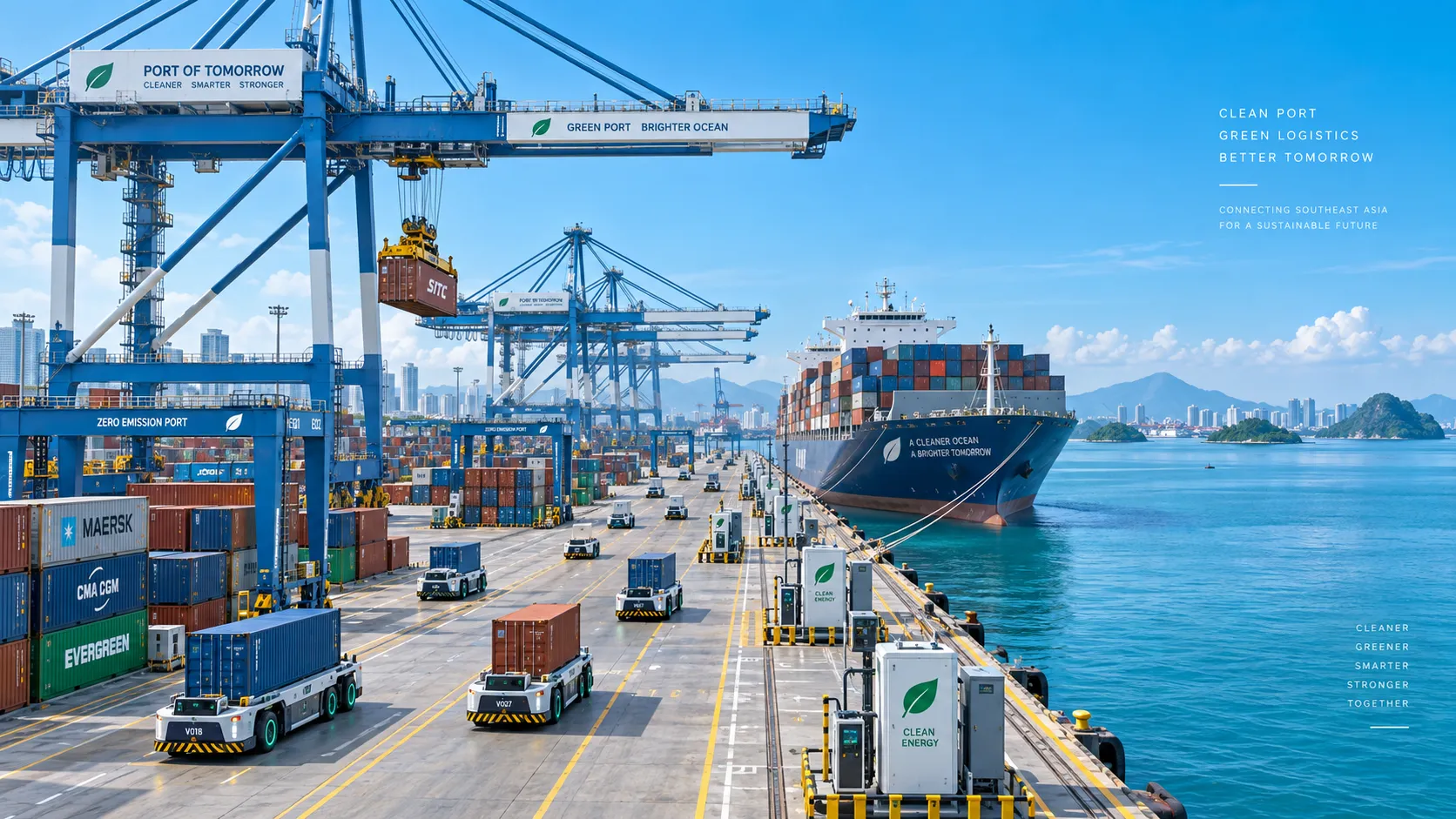
Smart Port Systems in Southeast Asia: Investment Priorities and Adoption Barriers
Smart port systems Southeast Asia: discover investment priorities, adoption barriers, and practical steps to build resilient, connected, high-performing terminals.
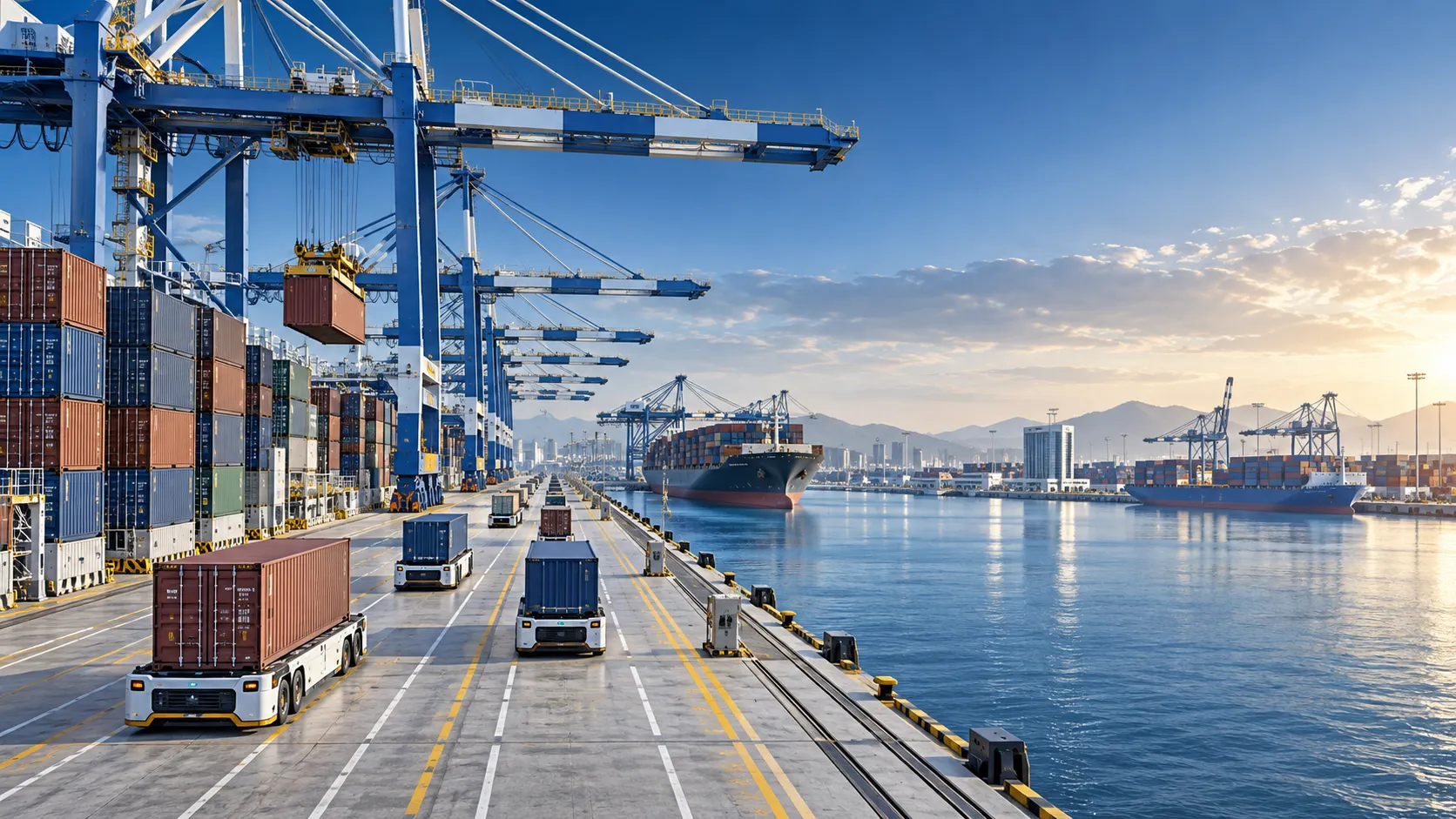
How to Evaluate Terminal Efficiency Solution Suppliers for High-Throughput Operations
Choose a terminal efficiency solutions supplier with confidence. Explore proven criteria for throughput, integration, lifecycle cost, safety, and reliable delivery.
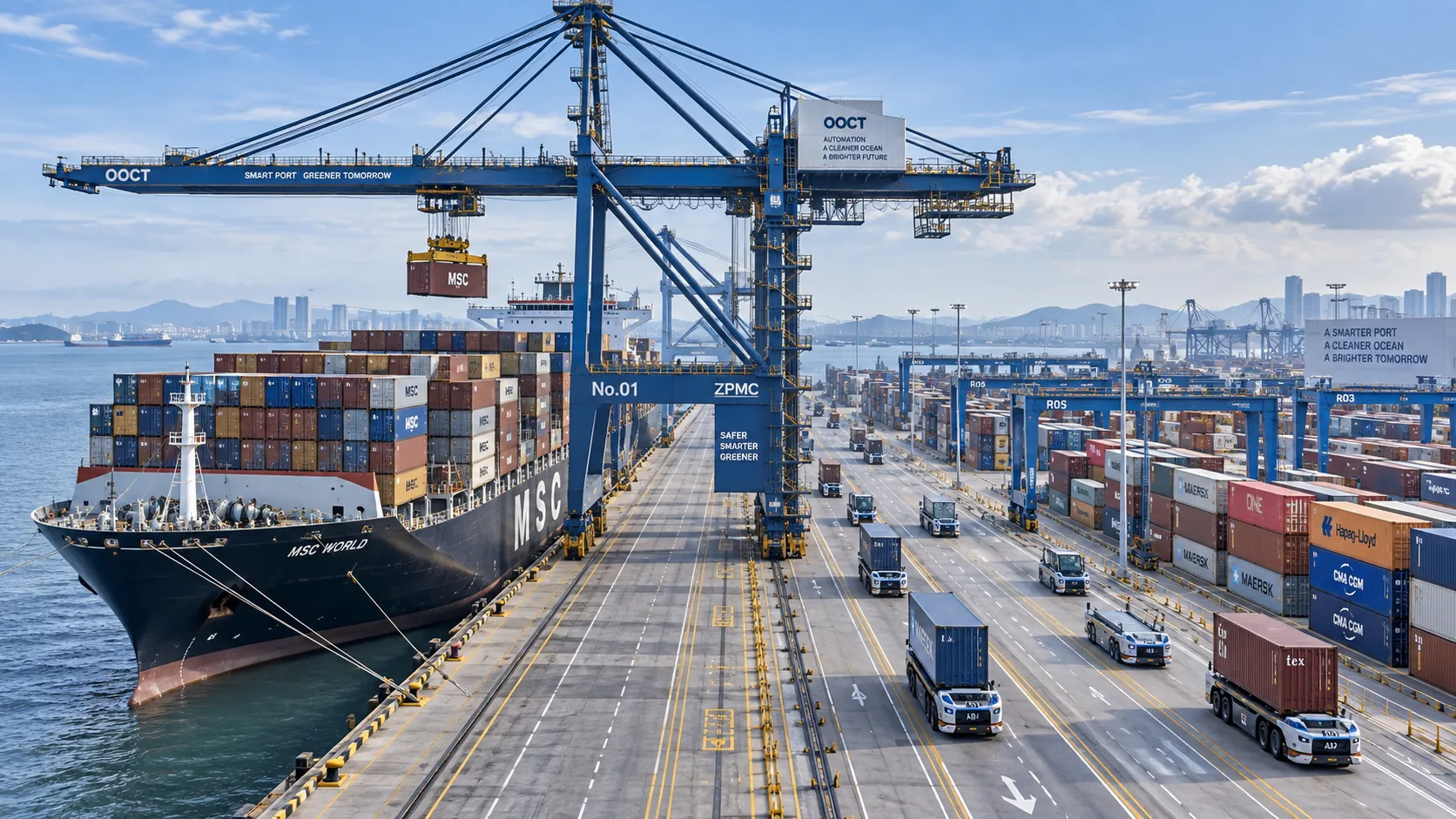
How to Specify a Quay Crane for Container Terminals by Vessel Size and Throughput?
Quay crane for container terminals: learn how to match outreach, lift height, capacity, automation, and cycle performance to vessel size and throughput goals.
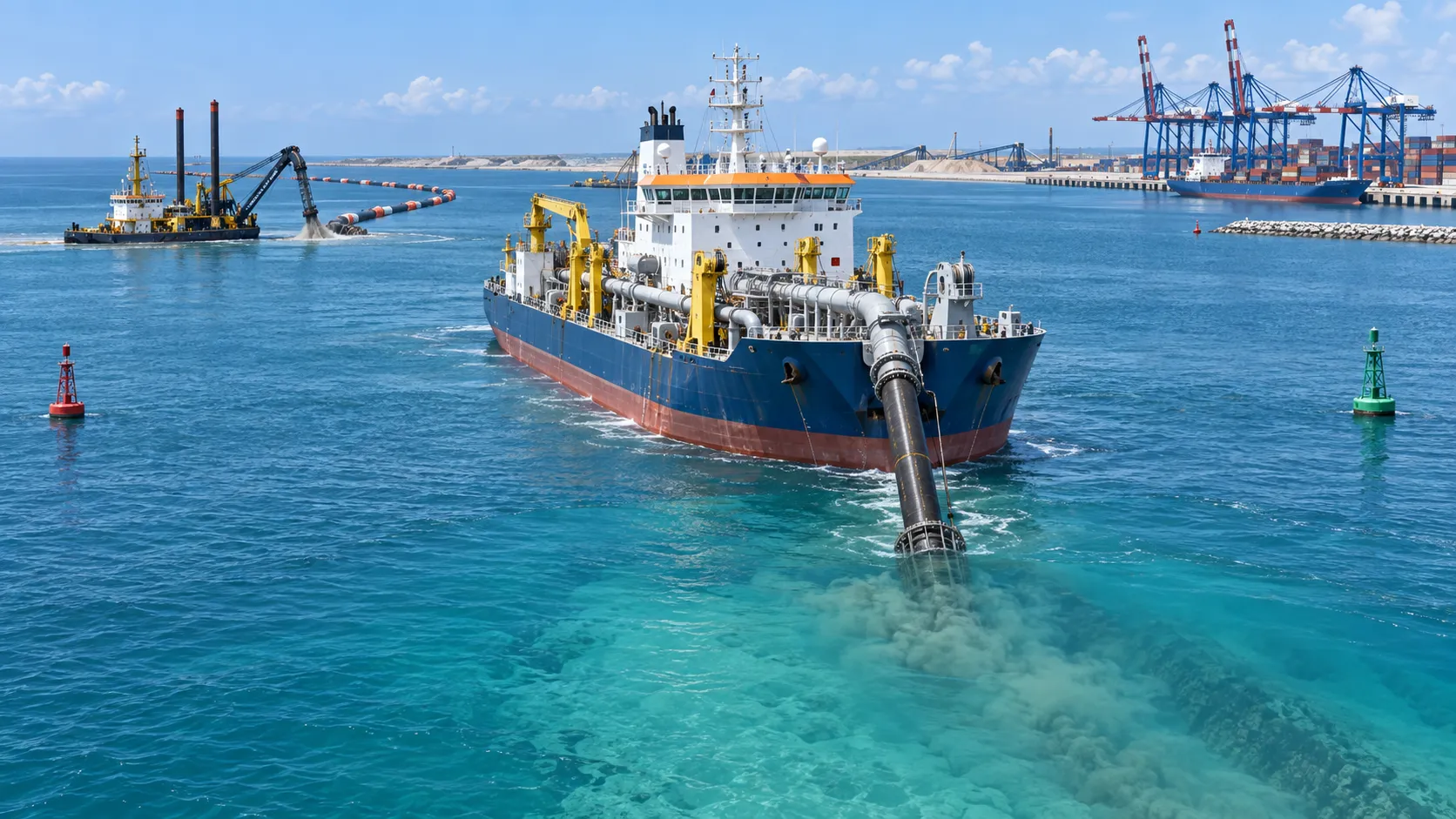
What Dredging Equipment Is Needed for Channel Deepening?
What dredging equipment is needed for channel deepening? Explore dredgers, pipelines, survey tools, and planning strategies for safer, more efficient port access.
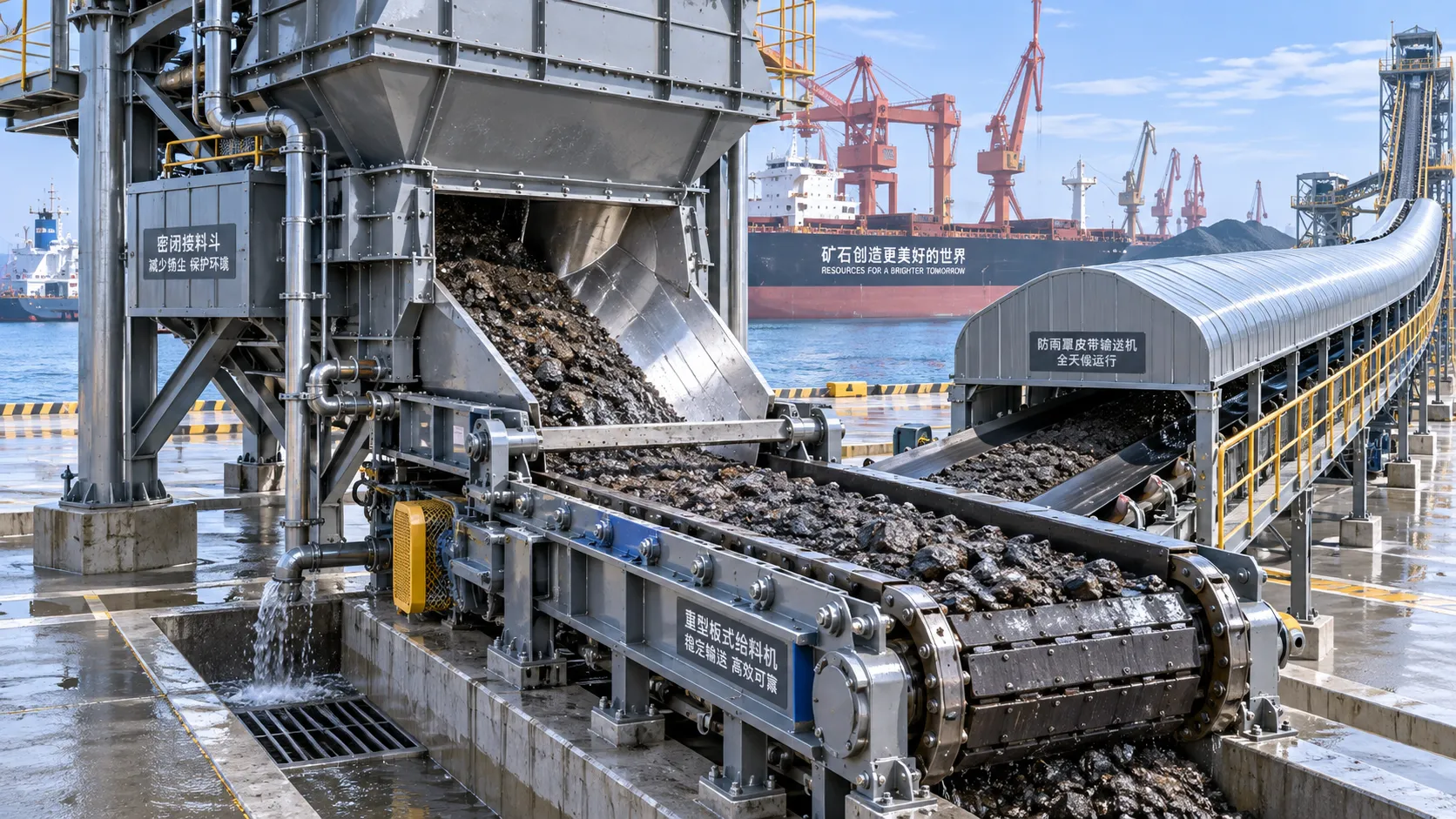
Which Bulk Handling Equipment Suits High-Moisture Cargo?
Which bulk handling equipment suits high-moisture cargo? Compare belt, apron, screw, drag, and slurry systems for reliable flow, less carryback, and higher terminal uptime.
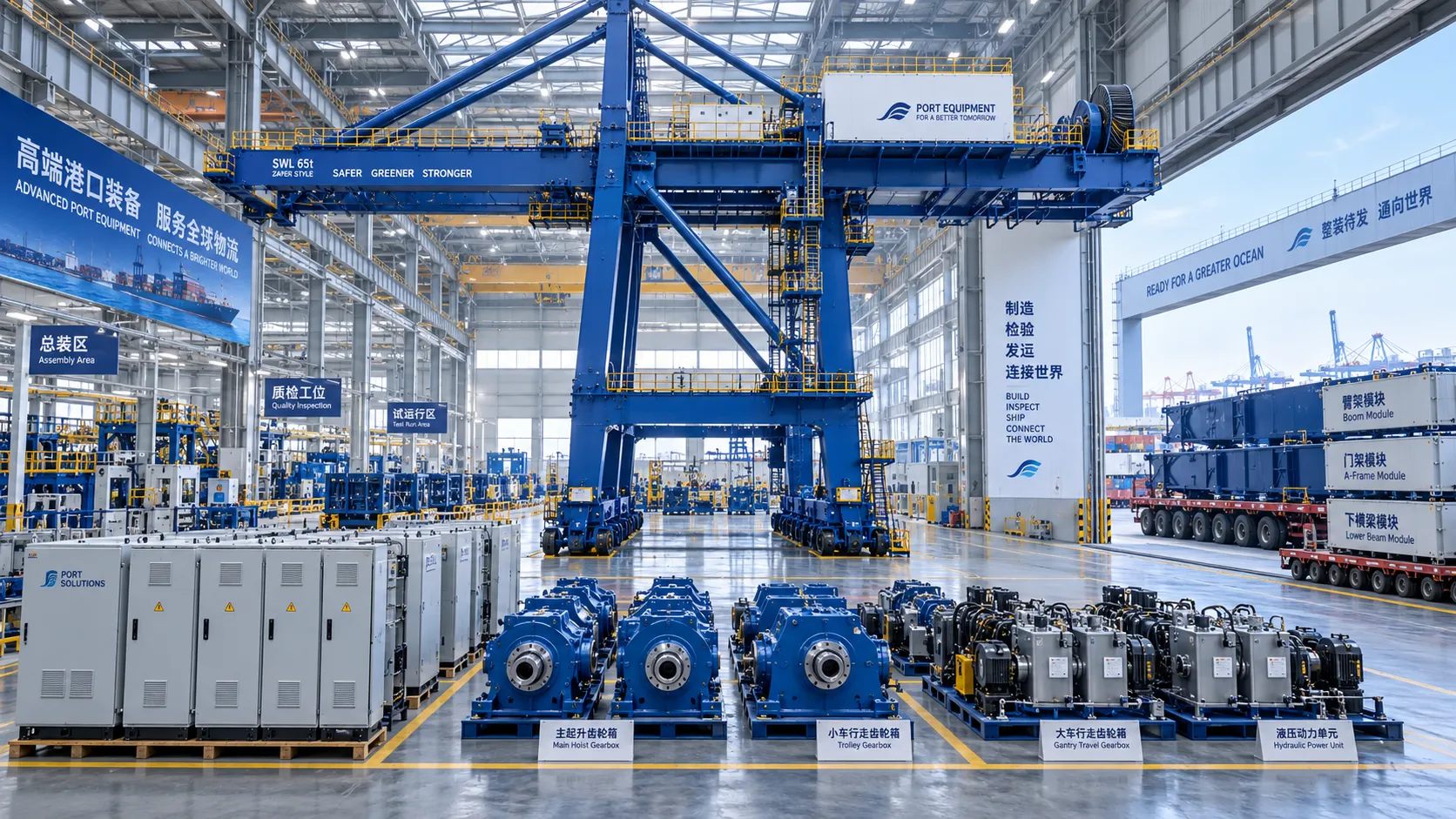
How Can Port Equipment Lead-Time Risk Be Managed?
How can port equipment lead-time risk be managed? Explore practical strategies to control critical paths, suppliers, transport, site readiness, and commissioning delays.
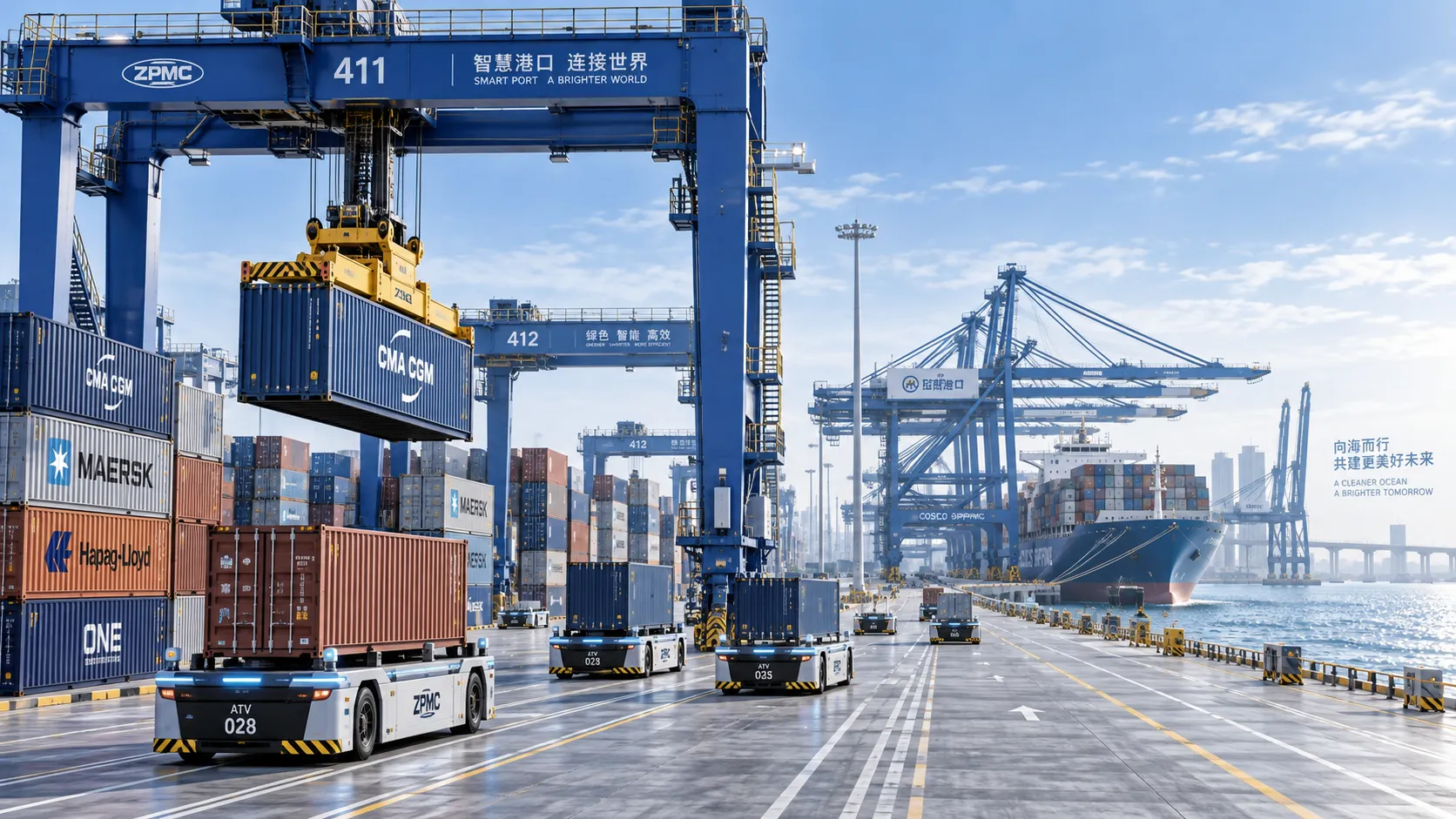
Terminal Automation Technologies That Raise Container Throughput Without Yard Disruption
Terminal automation technology that increases container throughput without disrupting yard flow. Explore smarter integration, resilient workflows, and phased deployment strategies.
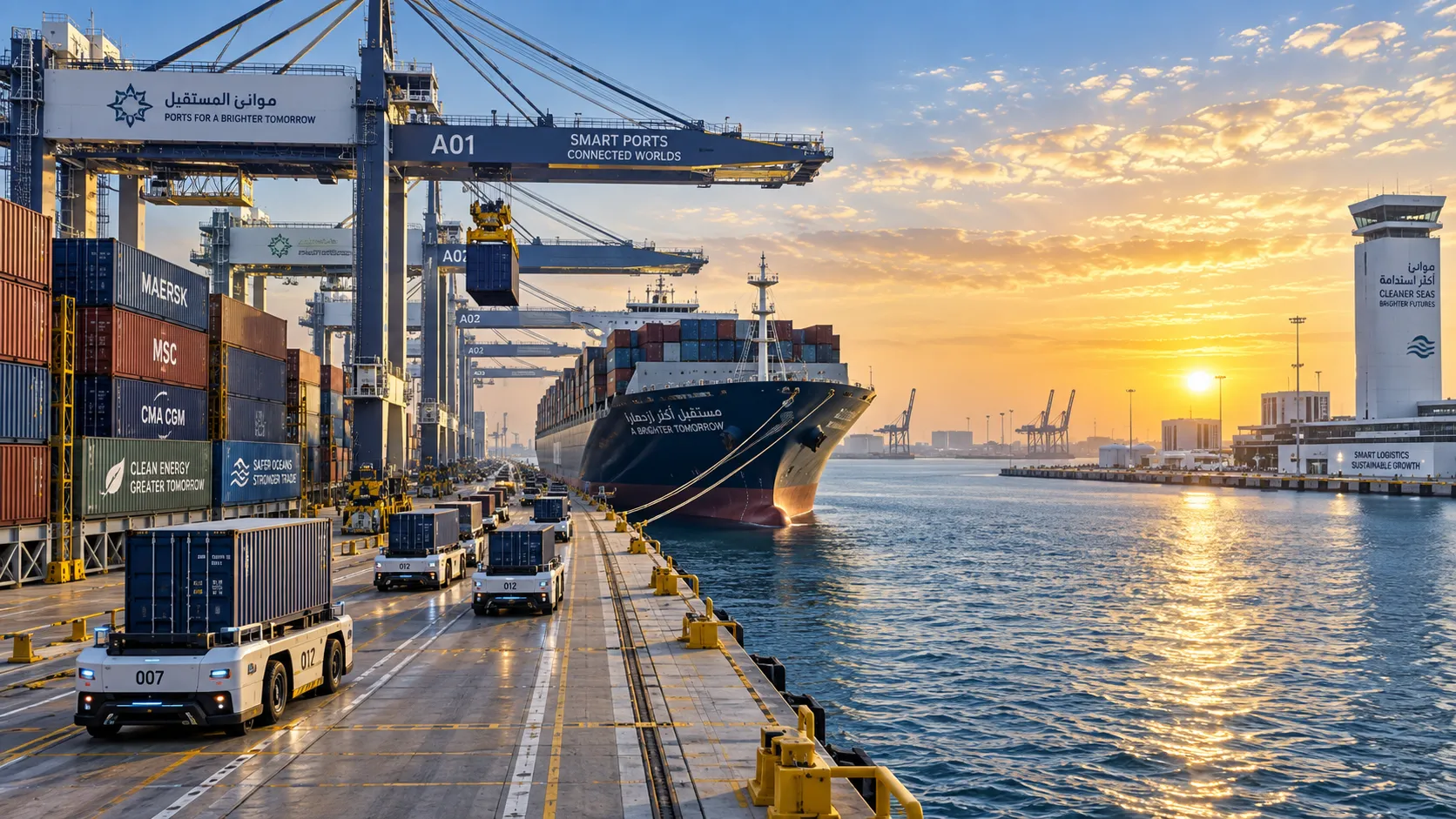
Middle East Port Automation: Key Market Drivers, Projects, and Investment Risks
Port automation systems Middle East: explore market drivers, flagship projects, integration challenges, and investment risks shaping smarter, resilient terminals.
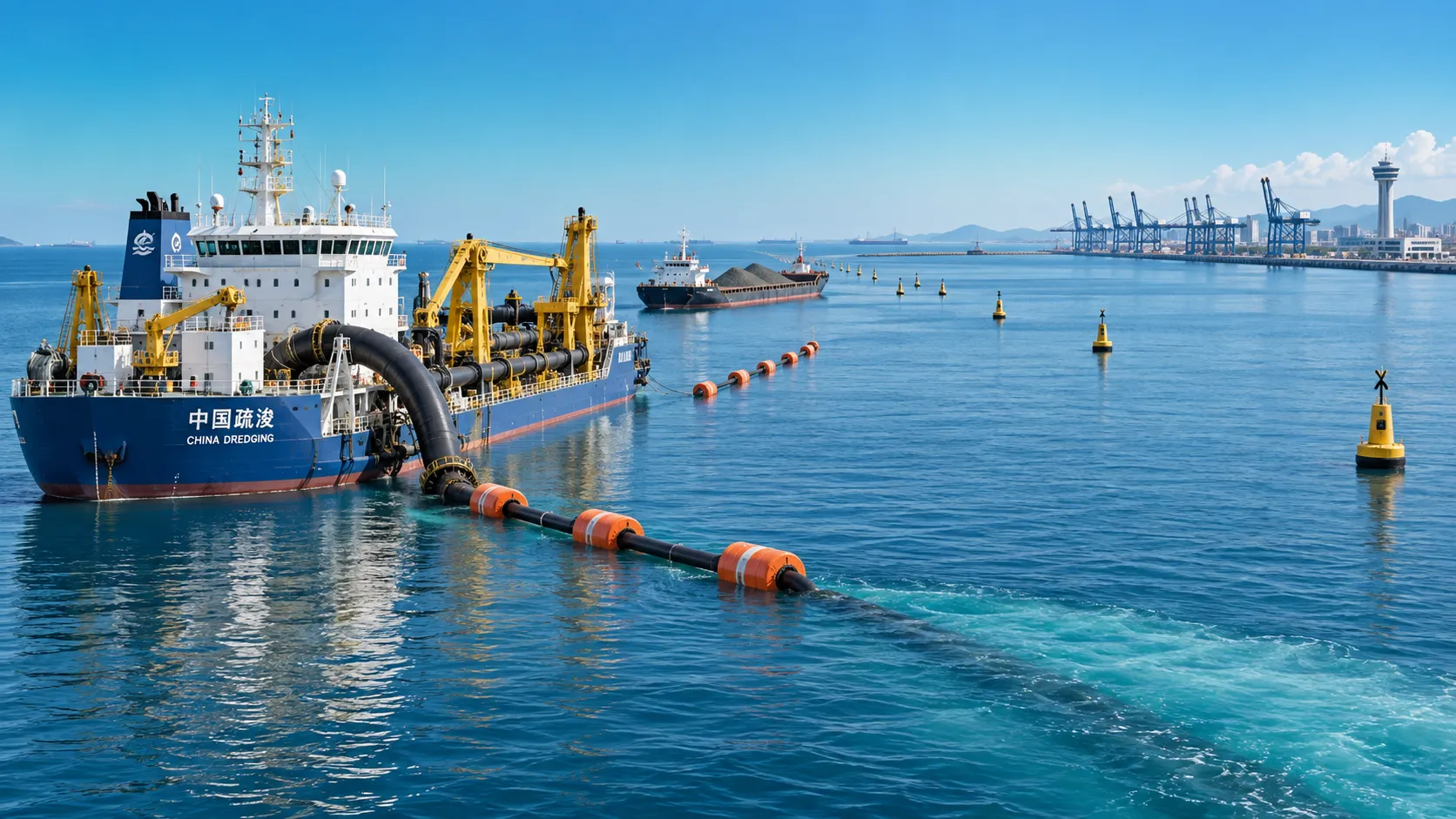
Planning Offshore Dredging Operations: Key Risks, Methods, and Project Controls
Offshore dredging operations demand smart planning. Explore key risks, proven methods, environmental controls, and project strategies for reliable delivery.