Related News
- 00
0000-00
How Can Port Equipment Lead-Time Risk Be Managed? - 00
0000-00
Maritime Logistics Operations: How Ports Can Reduce Container Dwell Time - 00
0000-00
What Does Logistics Node Monitoring Cost Across Warehouses and Transport Hubs? - 00
0000-00
How Can IoT Smart Port Solutions Improve Container Tracking and Yard Efficiency? - 00
0000-00
How Real-Time Port Logistics Intelligence Improves Container Yard Efficiency
What makes heavy machinery logistics so risky?
Heavy machinery logistics is risky because every move combines oversized loads, tight port schedules, unstable ground conditions, and high-value assets with little room for error. For quality control and safety managers, a single miscalculated lift, weak lashing point, route constraint, or communication gap can trigger equipment damage, worker injury, regulatory delays, and costly downtime. This article examines the core risk drivers behind heavy machinery logistics and highlights why disciplined planning, inspection, and real-time coordination are essential across modern maritime and industrial supply chains.
Why heavy machinery logistics becomes a high-risk operation before transport even starts
The danger in heavy machinery logistics rarely begins on the road or at the quay. It begins with incomplete data, unclear interfaces, and rushed assumptions.
A crawler crane, dredging pump module, reach stacker, or bulk handling component may look transportable, yet its real risk profile depends on hidden constraints.
- Weight distribution may differ from nameplate weight, especially when attachments, counterweights, fluids, or temporary fixtures remain installed.
- Lifting points may not match the actual center of gravity after dismantling, repainting, repair, or retrofit work.
- Route surveys may miss bridge clearances, quay bearing limits, turning radii, overhead utilities, or tidal access windows.
- Port schedules may compress inspection time, forcing teams to approve securing plans without enough verification.
For safety managers, heavy machinery logistics is not a single transport task. It is a chain of engineering decisions under commercial pressure.
For quality control teams, the challenge is proving that each decision was inspected, documented, and suitable for the machine, route, vessel, and site.
The PS-Nexus view: risk is created at the interface
PS-Nexus observes maritime logistics through terminal gear, container handling, port automation, bulk machinery, and dredging equipment. These assets often move across multiple interfaces.
The riskiest point in heavy machinery logistics is often where one party’s responsibility ends and another party’s task begins.
Which risk drivers matter most in heavy machinery logistics?
Heavy machinery logistics becomes dangerous when physical limits, human judgment, and schedule pressure collide. The following table helps prioritize inspection attention.
The table shows why heavy machinery logistics cannot rely on experience alone. Teams need evidence that physical assumptions match the actual asset condition.
This is especially important for port equipment, where machinery may be dismantled, modified, stored outdoors, or loaded during restricted berth windows.
How different cargo scenarios change the safety strategy
Not all heavy machinery logistics risks are equal. A dredging component, automated yard crane, and bulk handling conveyor section demand different controls.
Mega port terminal gear
Ship-to-shore crane parts, spreader systems, bogies, and trolley assemblies are sensitive to deformation, corrosion exposure, and lifting geometry.
In heavy machinery logistics for terminal gear, dimensional control matters as much as weight. Misalignment can disrupt later commissioning and acceptance testing.
Bulk handling machinery
Stacker-reclaimer parts, grabs, hoppers, and conveyor structures often move through dusty, abrasive, and high-throughput environments.
QC teams should inspect coating protection, bearing covers, hydraulic ports, and bolted interfaces before loading and after discharge.
Dredging engineering equipment
Dredging pumps, cutter heads, pipe sections, and winch units combine heavy mass with awkward shapes and marine contamination risks.
For these assets, heavy machinery logistics requires attention to lifting padeyes, sealing surfaces, seawater residue, internal drainage, and impact protection.
What should QC and safety managers inspect before approval?
A practical approval process for heavy machinery logistics should turn risk into checkable evidence. Verbal confidence is not enough.
- Confirm technical data, including verified dimensions, operating weight, transport weight, center of gravity, lifting points, and dismantled component lists.
- Review lifting plans against crane load charts, rigging angles, sling capacities, spreader beam design, and exclusion zone controls.
- Check transport route constraints, including gradient, turning radius, bridge capacity, port gate height, rail crossings, and traffic control requirements.
- Inspect securing arrangements, including lashing calculations, dunnage contact surfaces, chocking, welding permissions, and anti-slip materials.
- Validate communication procedures, including hand signals, radio channels, emergency stop authority, shift handover, and weather decision thresholds.
The most effective teams treat heavy machinery logistics inspection as a staged gate process. Each gate blocks movement until evidence is complete.
Documents that deserve extra scrutiny
Method statements, risk assessments, lifting certificates, inspection checklists, route survey reports, and cargo securing calculations should be aligned by revision number.
If one document uses old dimensions or unconfirmed lifting points, the entire heavy machinery logistics plan should be paused for review.
Procurement decisions: choosing a safer heavy transport partner
Procurement pressure can increase risk when price is compared without technical scope. Heavy machinery logistics suppliers must be evaluated beyond freight cost.
Use this comparison to separate a basic carrier from a logistics partner capable of supporting safety-critical port and industrial machinery moves.
A cheaper offer may exclude the controls that prevent loss. For heavy machinery logistics, omissions often appear only after damage or delay.
Safety managers should ask procurement teams to compare scope line by line, not just total price and promised delivery date.
Compliance and standards: what cannot be treated as paperwork
Compliance in heavy machinery logistics is not administrative decoration. It defines whether equipment can move legally, safely, and insurably.
The exact requirements depend on country, route, port, vessel, cargo type, and lifting method, but several references commonly shape decisions.
The right compliance review protects schedules. It also gives insurers, owners, terminals, and safety officers a common basis for acceptance.
How automation and port intelligence reduce uncertainty
Modern heavy machinery logistics increasingly depends on data, not just horsepower. Automated ports expose weaknesses in traditional communication and manual planning.
When AGVs, remote-controlled cranes, digital yard planning, and berth scheduling systems operate together, late cargo changes can affect the whole terminal rhythm.
- Digital route planning helps compare turning paths, axle loads, yard congestion, and quay access before machinery arrives.
- Real-time status visibility allows safety teams to respond quickly when weather, vessel delay, or equipment failure changes the plan.
- Sensor-based monitoring can support condition checks for vibration-sensitive components, hydraulic assemblies, and dredging pump systems.
- Structured intelligence reduces duplicated communication between carriers, port operators, equipment owners, inspectors, and commercial teams.
PS-Nexus tracks these developments across maritime logistics, coastal economics, automated container handling, and dredging engineering equipment.
For QC and safety managers, this intelligence helps connect heavy machinery logistics decisions with wider port capacity and supply chain conditions.
Common mistakes that increase heavy machinery logistics risk
Many incidents are not caused by unusual events. They come from repeated mistakes that teams normalize under schedule pressure.
Mistake 1: assuming manufacturer drawings are still accurate
Machinery may have been repaired, retrofitted, partially dismantled, or fitted with temporary components. Heavy machinery logistics needs current verification, not archived drawings.
Mistake 2: treating weather as a general concern
Wind, swell, rain, temperature, and visibility affect lifting, lashing, braking, corrosion protection, and worker exposure in different ways.
Mistake 3: separating commercial and safety decisions
A shortened berth window, cheaper trailer selection, or missing escort vehicle can change the risk profile more than the invoice suggests.
FAQ for safety and quality teams
How early should heavy machinery logistics planning begin?
Planning should begin before final shipment booking. For complex port gear or dredging equipment, early review helps secure permits, lifting plans, and berth coordination.
What is the most important document to check first?
Start with the latest approved cargo data sheet. Weight, dimensions, center of gravity, lifting points, and revision status guide every later decision.
Why does heavy machinery logistics often fail at handover points?
Handover points create responsibility gaps. If surveyors, carriers, terminals, and owners use different assumptions, small errors can become operational failures.
Should low-cost transport options be rejected automatically?
No. They should be tested against scope. If engineering checks, inspection evidence, and contingency planning are missing, the apparent saving may be misleading.
Why consult PS-Nexus for heavy machinery logistics intelligence?
PS-Nexus supports decision makers who need more than general logistics news. Our focus is heavy terminal gear, automation, bulk handling, and dredging engineering.
Through the Strategic Intelligence Center, we connect harbor structure knowledge, logic architecture, marine geotechnics, and commercial insight into practical decision support.
QC and safety managers can consult PS-Nexus for parameter confirmation, supplier comparison, route risk questions, automation trends, delivery-cycle pressure, and compliance interpretation.
If your team is evaluating heavy machinery logistics for port equipment, dredging assets, or specialized container handling systems, ask us to support the review.
We can help clarify inspection priorities, technical data requirements, procurement evaluation points, documentation gaps, and intelligence signals affecting global maritime supply chains.
Related News
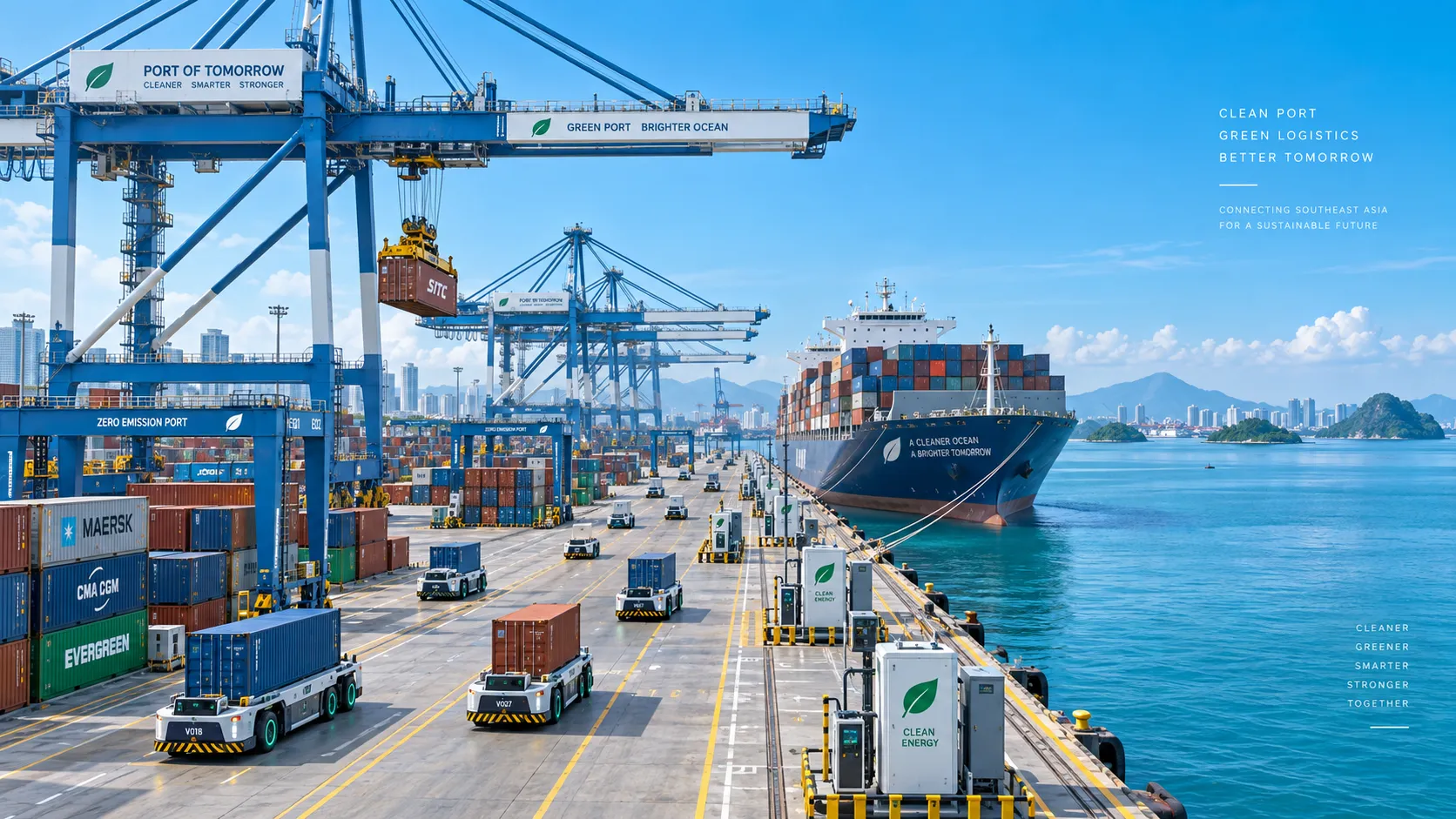
Smart Port Systems in Southeast Asia: Investment Priorities and Adoption Barriers
Smart port systems Southeast Asia: discover investment priorities, adoption barriers, and practical steps to build resilient, connected, high-performing terminals.
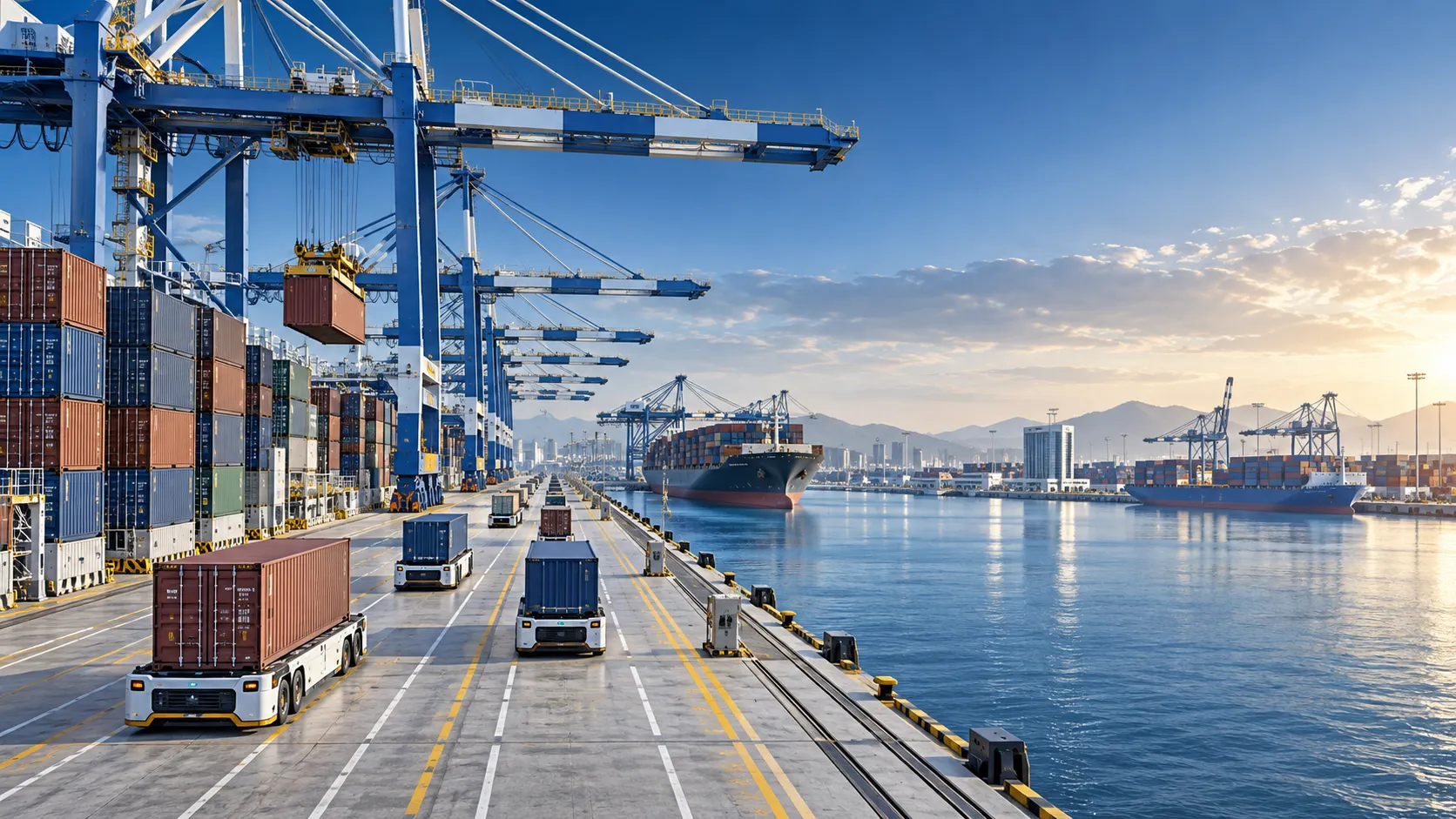
How to Evaluate Terminal Efficiency Solution Suppliers for High-Throughput Operations
Choose a terminal efficiency solutions supplier with confidence. Explore proven criteria for throughput, integration, lifecycle cost, safety, and reliable delivery.
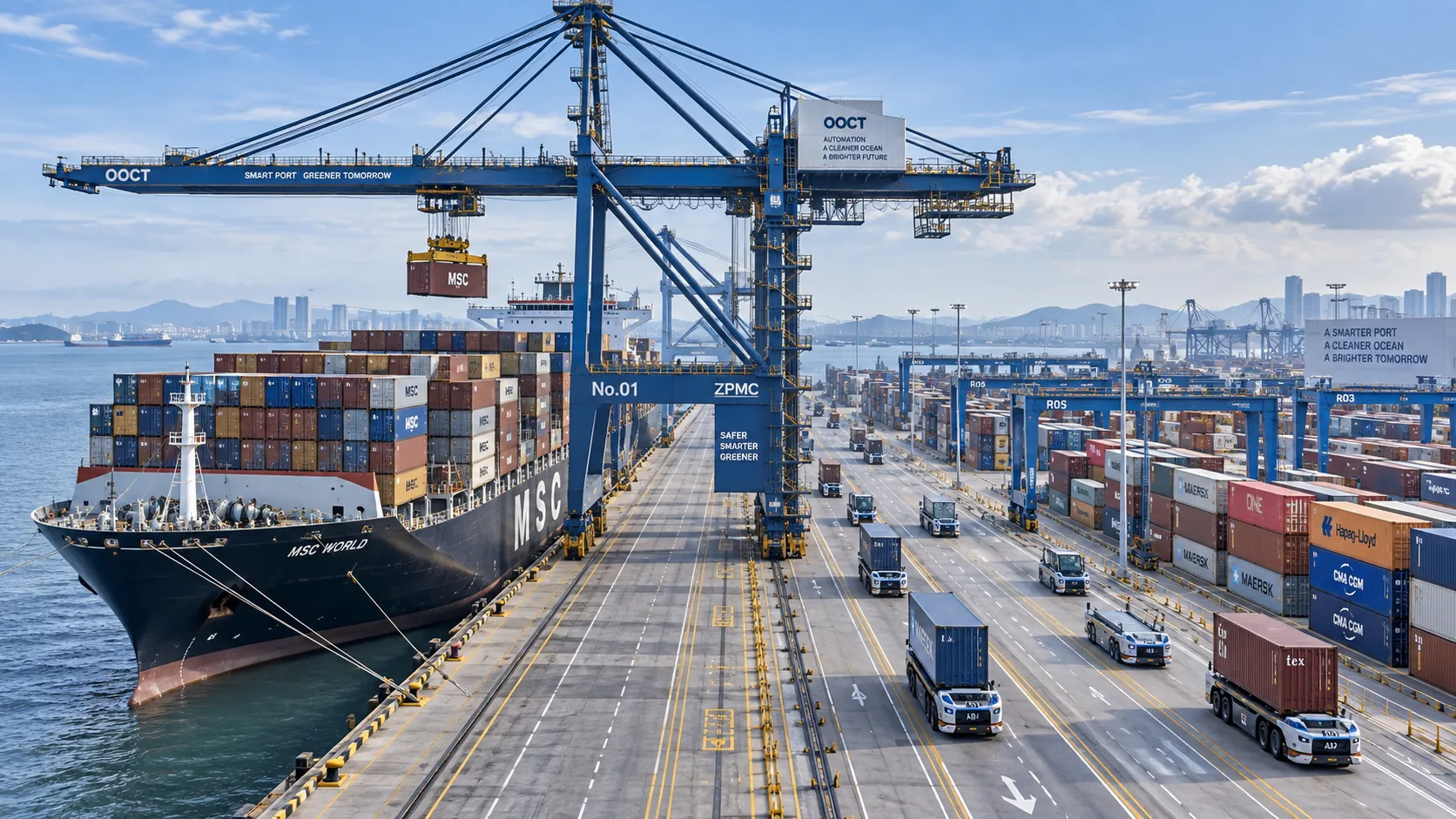
How to Specify a Quay Crane for Container Terminals by Vessel Size and Throughput?
Quay crane for container terminals: learn how to match outreach, lift height, capacity, automation, and cycle performance to vessel size and throughput goals.
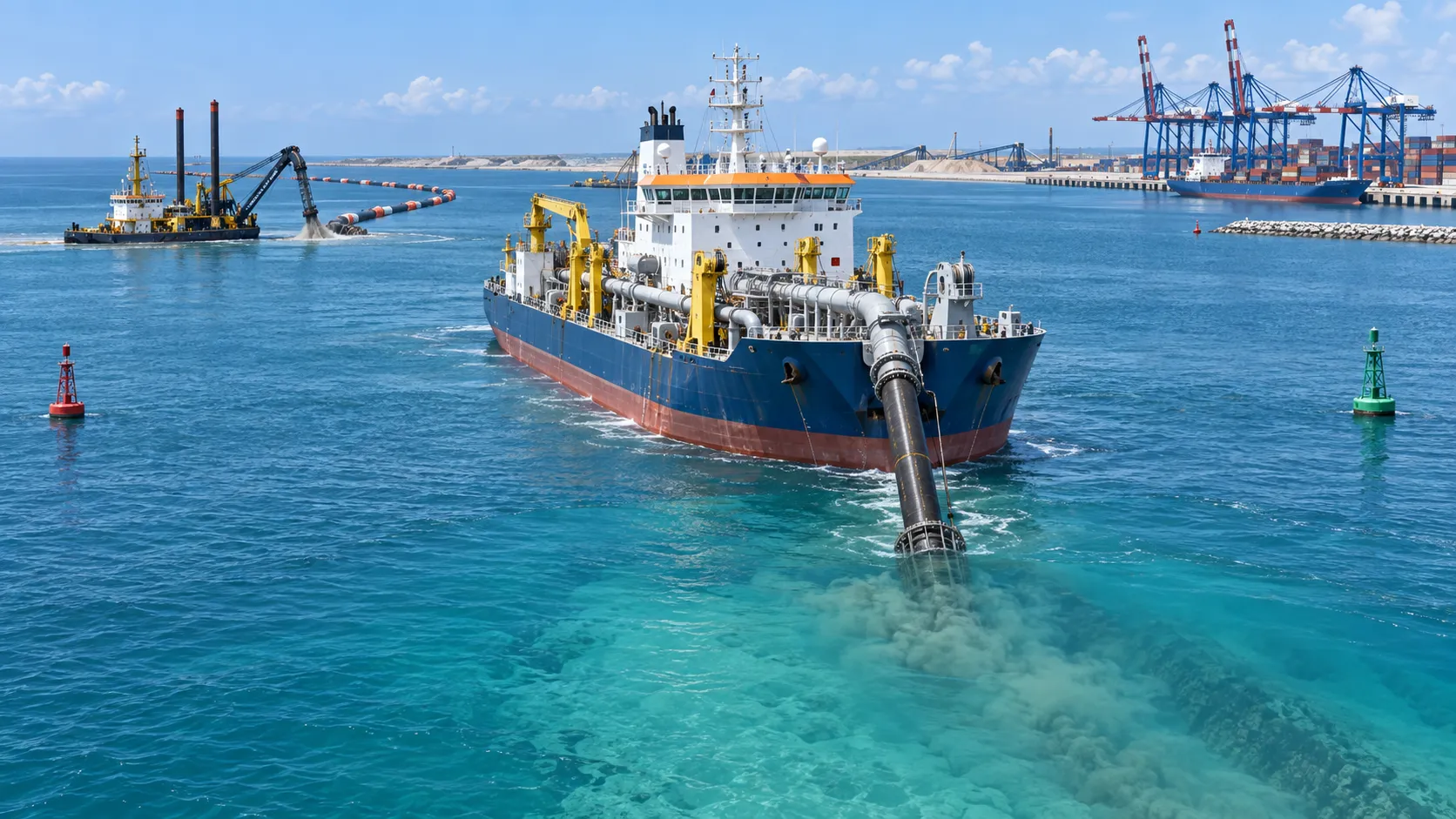
What Dredging Equipment Is Needed for Channel Deepening?
What dredging equipment is needed for channel deepening? Explore dredgers, pipelines, survey tools, and planning strategies for safer, more efficient port access.
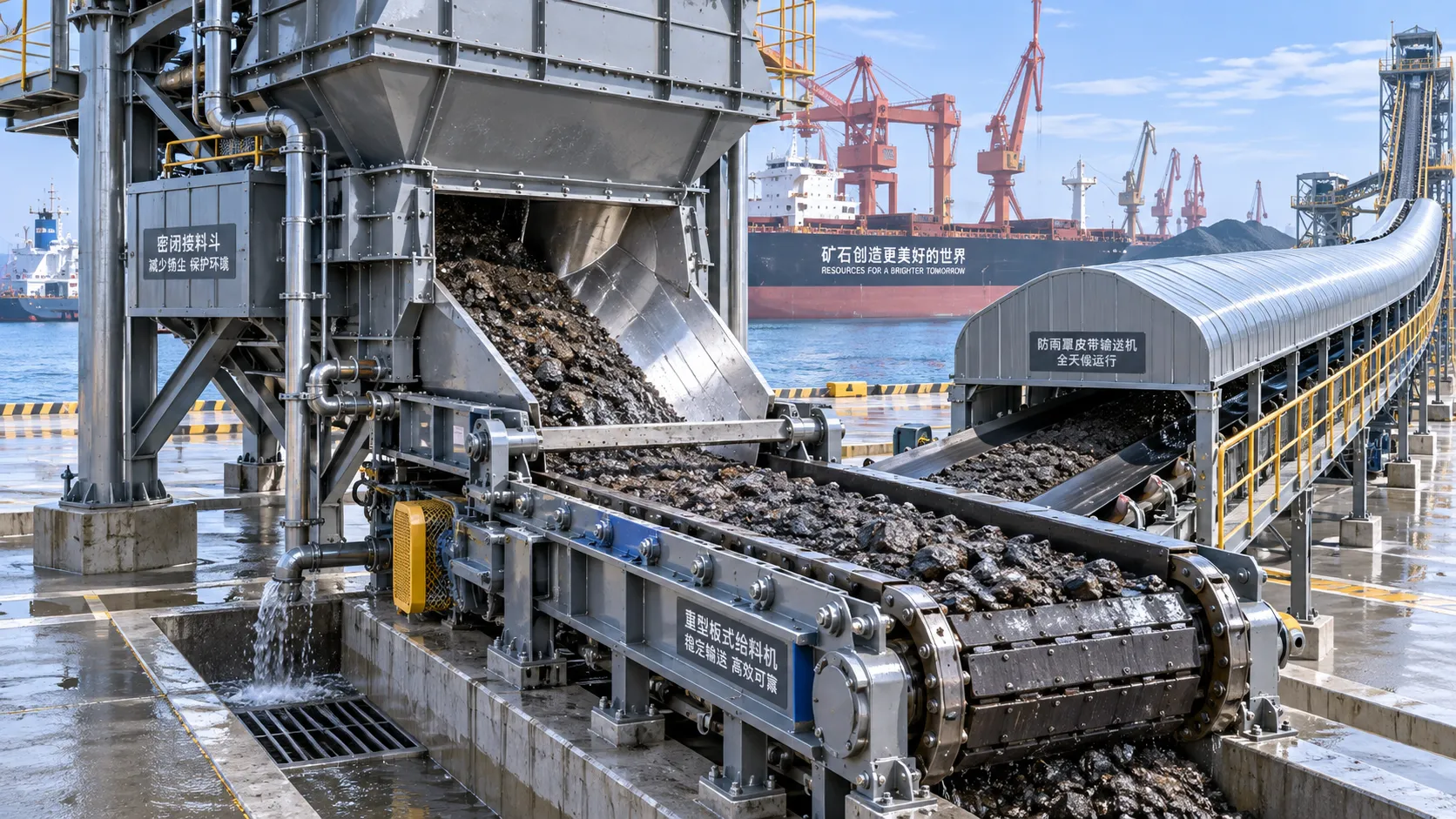
Which Bulk Handling Equipment Suits High-Moisture Cargo?
Which bulk handling equipment suits high-moisture cargo? Compare belt, apron, screw, drag, and slurry systems for reliable flow, less carryback, and higher terminal uptime.
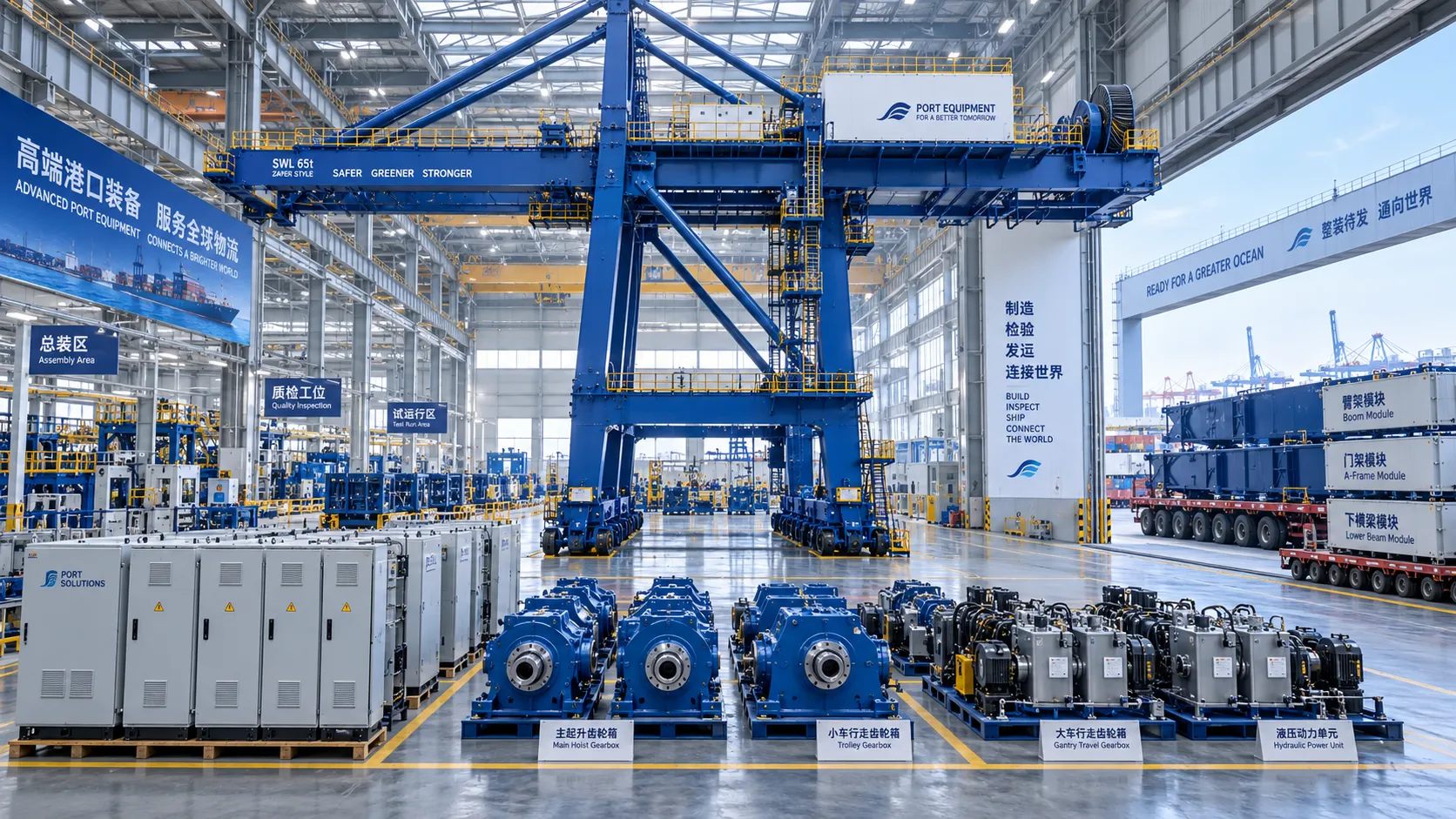
How Can Port Equipment Lead-Time Risk Be Managed?
How can port equipment lead-time risk be managed? Explore practical strategies to control critical paths, suppliers, transport, site readiness, and commissioning delays.
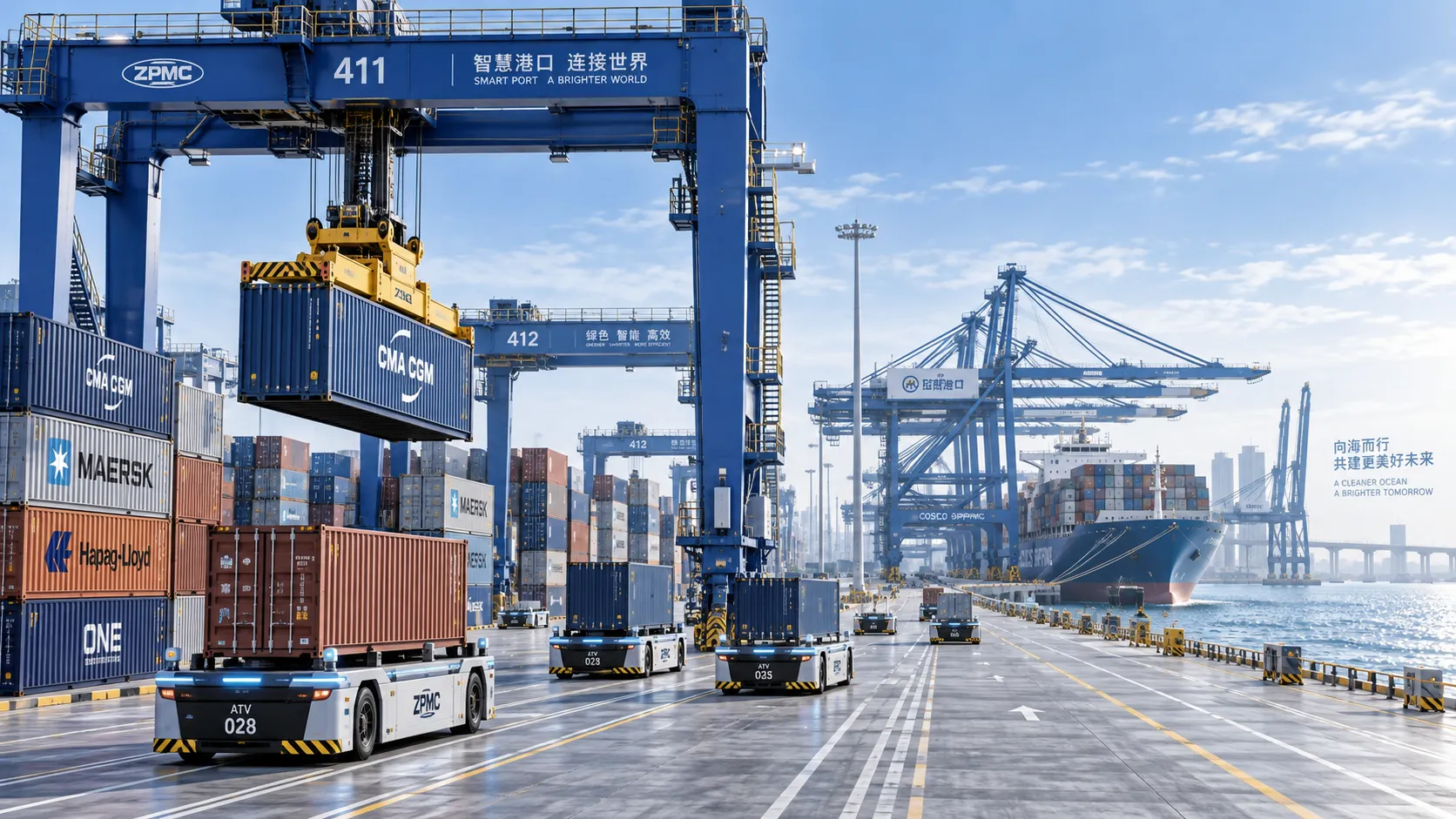
Terminal Automation Technologies That Raise Container Throughput Without Yard Disruption
Terminal automation technology that increases container throughput without disrupting yard flow. Explore smarter integration, resilient workflows, and phased deployment strategies.
Middle East Port Automation: Key Market Drivers, Projects, and Investment Risks
Port automation systems Middle East: explore market drivers, flagship projects, integration challenges, and investment risks shaping smarter, resilient terminals.
Planning Offshore Dredging Operations: Key Risks, Methods, and Project Controls
Offshore dredging operations demand smart planning. Explore key risks, proven methods, environmental controls, and project strategies for reliable delivery.