Related News
- 00
0000-00
How Can Port Equipment Lead-Time Risk Be Managed? - 00
0000-00
Maritime Logistics Operations: How Ports Can Reduce Container Dwell Time - 00
0000-00
What Does Logistics Node Monitoring Cost Across Warehouses and Transport Hubs? - 00
0000-00
How Can IoT Smart Port Solutions Improve Container Tracking and Yard Efficiency? - 00
0000-00
How Real-Time Port Logistics Intelligence Improves Container Yard Efficiency
When do port logistics solutions pay off fastest?
The fastest payback from port logistics solutions appears when hidden friction is already damaging margins.
Vessel delays, yard congestion, idle cranes, and poor asset visibility can turn growth into operational drag.
In modern terminals, automated handling, intelligent scheduling, and live data can convert that drag into measurable savings.
The key question is not whether port logistics solutions create value, but where they recover capital fastest.
Payback accelerates when terminal friction becomes visible
Ports often delay investment until congestion becomes severe. By then, the economic case may already be strong.
Fast-return port logistics solutions usually target repeatable losses, not abstract modernization goals.
These losses appear in berth waiting time, container rehandles, truck queues, equipment downtime, and labor imbalance.
When these indicators are measured daily, automation and scheduling upgrades become easier to justify.
A terminal with rising volume, limited land, and aging control systems often sees the quickest return.
In such conditions, port logistics solutions do not merely add capacity. They recover trapped capacity.
Trend signals now favor smarter port logistics solutions
Global maritime logistics is entering a more demanding operating cycle.
Larger vessels, volatile schedules, labor constraints, and decarbonization pressure are reshaping terminal investment priorities.
The result is stronger demand for port logistics solutions that combine machinery, software, and operational intelligence.
Mega terminal gear now depends on digital coordination to achieve its designed throughput.
Bulk handling systems require better flow control as energy and raw material routes shift.
Specialized container handling equipment must serve denser yards without increasing safety risks.
Dredging fleets also need digital monitoring, because fairway reliability directly affects port competitiveness.
Across these areas, port logistics solutions are moving from support tools to strategic infrastructure.
Why the return window is becoming shorter
Several forces are compressing the time available for slow terminal improvement.
These forces make manual coordination less forgiving.
They also make port logistics solutions more attractive when existing assets are underused.
Where port logistics solutions pay off fastest
1. Berth and quay crane synchronization
Berth delays are among the clearest sources of lost value.
When quay cranes wait for trucks, yard slots, or vessel clearance, expensive machinery sits idle.
Port logistics solutions with real-time berth planning can reduce these idle periods.
The fastest gains appear where vessel arrival patterns are irregular but data quality is improving.
2. Yard congestion and container rehandling
Yard congestion quietly multiplies cost across the terminal.
Each unnecessary rehandle consumes equipment time, energy, labor, and slot availability.
Smart yard management is often one of the quickest-return port logistics solutions.
It works best when container dwell time, stacking rules, and gate appointments are digitally connected.
3. AGV, straddle carrier, and truck dispatch
Horizontal transport creates large efficiency gaps in many terminals.
Poor dispatching causes empty travel, bunching, queue formation, and fuel waste.
Port logistics solutions using path-planning algorithms can improve utilization across vehicle fleets.
Payback is strongest where terminals already operate mixed fleets or semi-automated zones.
4. Predictive maintenance for heavy terminal gear
A single crane failure can disrupt an entire vessel operation.
Sensor-based maintenance reduces unplanned downtime and extends asset life.
This makes predictive maintenance a practical layer within port logistics solutions.
Returns improve when failure histories, spare part lead times, and workload data are integrated.
5. Dredging equipment visibility and fairway reliability
Channel depth is a commercial factor, not only an engineering concern.
Digital pump monitoring and dredger performance tracking reduce uncertainty in marine access planning.
For growing hubs, these port logistics solutions protect berth productivity and vessel acceptance capacity.
The impact differs across terminal functions
Port logistics solutions affect each business layer differently.
The strongest business cases connect several layers instead of optimizing one isolated activity.
- Operations gain faster vessel turnaround and fewer resource conflicts.
- Engineering gains better maintenance timing and longer equipment availability.
- Commercial planning gains more reliable capacity commitments.
- Finance gains clearer cost attribution and payback tracking.
- Sustainability programs gain lower idle energy and better emission evidence.
The highest-value projects usually link berth planning, yard execution, and equipment control.
That linkage turns port logistics solutions into a terminal operating advantage, not a software expense.
When investment is too early, too late, or timed well
Timing determines whether port logistics solutions deliver fast returns or slow transformation benefits.
A well-timed project begins before congestion becomes reputational damage.
However, it should start after enough data exists to identify bottlenecks accurately.
Readiness matters more than technology labels
Not every automated system creates fast value.
Port logistics solutions pay back faster when operational readiness matches technical ambition.
Several readiness factors should be reviewed before capital is committed.
- Clear baseline metrics for turnaround, dwell time, and equipment utilization.
- Reliable data from cranes, vehicles, gates, yards, and maintenance systems.
- Process discipline strong enough to support algorithmic scheduling.
- Network infrastructure suitable for low-latency control environments.
- Integration plans across terminal operating systems and equipment controls.
- Governance for cybersecurity, data ownership, and operational accountability.
Without these foundations, port logistics solutions may still help, but payback becomes harder to prove.
How to judge the fastest-payback opportunities
A practical assessment should focus on friction, feasibility, and strategic value.
The goal is to identify port logistics solutions that improve daily performance and long-term competitiveness.
- Map the most expensive delays across berth, yard, gate, and equipment maintenance.
- Quantify avoidable idle time, rehandles, fuel use, and overtime exposure.
- Rank bottlenecks by frequency, cost, and controllability.
- Test whether data quality supports automated decisions.
- Prioritize modular upgrades that can scale into broader automation.
- Track benefits monthly against the original operational baseline.
This approach prevents overinvestment in attractive technology with weak operational leverage.
It also reveals where port logistics solutions can strengthen asset productivity without large civil expansion.
Strategic value beyond direct cost savings
Fast payback is important, but it is not the only reason to invest.
Modern port logistics solutions also improve commercial resilience.
Reliable operations help terminals handle schedule volatility and attract more predictable cargo flows.
Better intelligence also supports equipment procurement, capacity planning, and phased automation roadmaps.
For coastal economies, the benefits can extend into industrial clusters and hinterland logistics.
A smarter port becomes a stronger trade node, not only a faster loading point.
What to watch next in maritime logistics intelligence
The next wave of port logistics solutions will be shaped by intelligence integration.
Remote-controlled cranes will require stable low-latency communication and safer exception handling.
AGV fleets will depend on more adaptive routing under mixed traffic conditions.
Bulk terminals will adopt better flow prediction for energy, grain, minerals, and industrial inputs.
Dredging operations will rely more heavily on digital monitoring and lifecycle performance data.
These shifts favor platforms that combine sector news, engineering insight, and commercial interpretation.
A practical next step for faster returns
The fastest returns come from disciplined diagnosis before procurement.
Start with a bottleneck audit covering vessel turnaround, yard flow, equipment reliability, and gate performance.
Then match each recurring loss to specific port logistics solutions with measurable operating targets.
Pilot the highest-friction workflow first, especially where existing assets can be used more efficiently.
PS-Nexus tracks the intelligence behind these decisions, from heavy terminal gear to automated control systems.
Use that intelligence to compare technology maturity, infrastructure readiness, and commercial timing before scaling investment.
When friction is measurable and readiness is strong, port logistics solutions can pay off faster than expected.
Related News
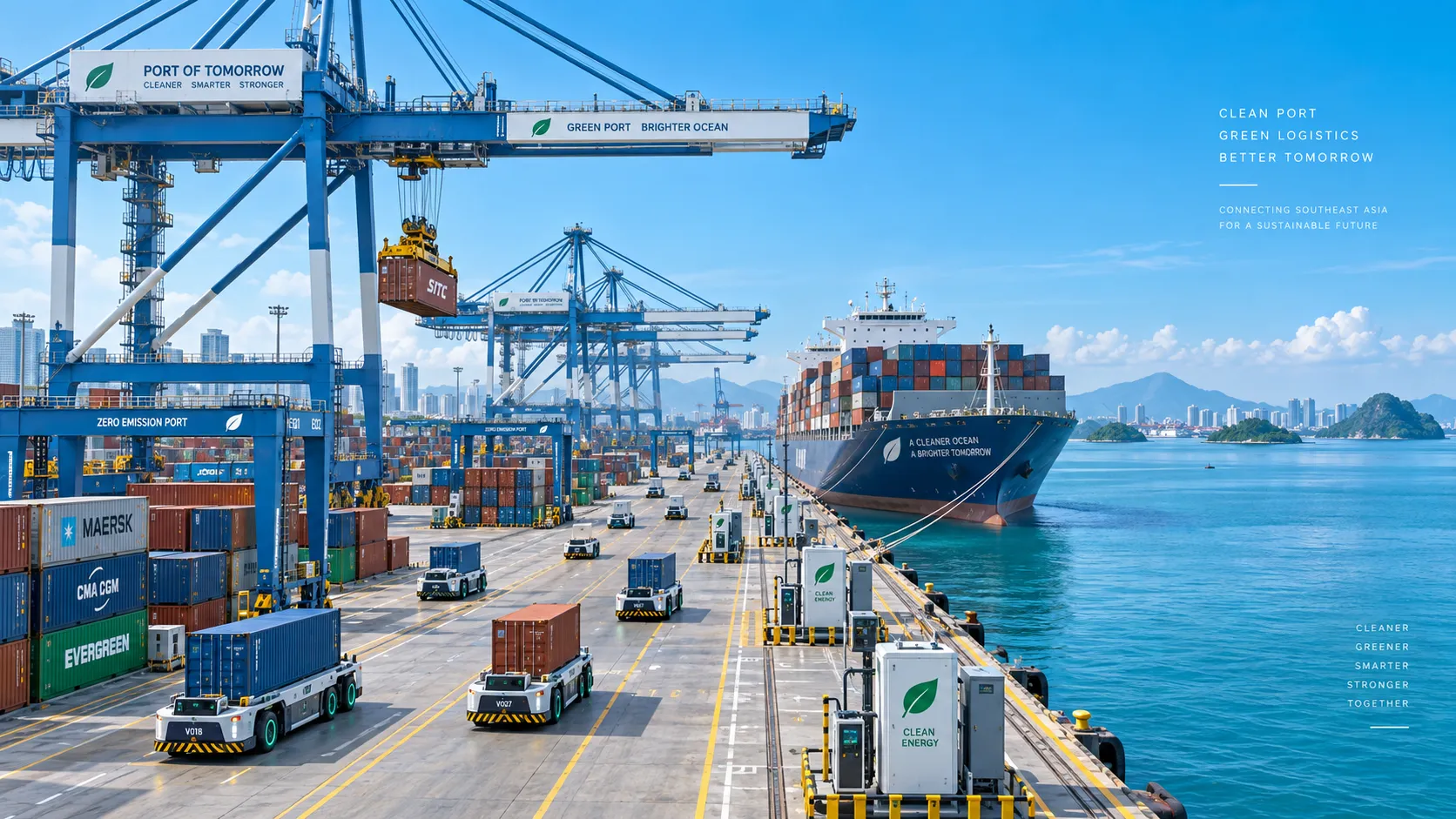
Smart Port Systems in Southeast Asia: Investment Priorities and Adoption Barriers
Smart port systems Southeast Asia: discover investment priorities, adoption barriers, and practical steps to build resilient, connected, high-performing terminals.
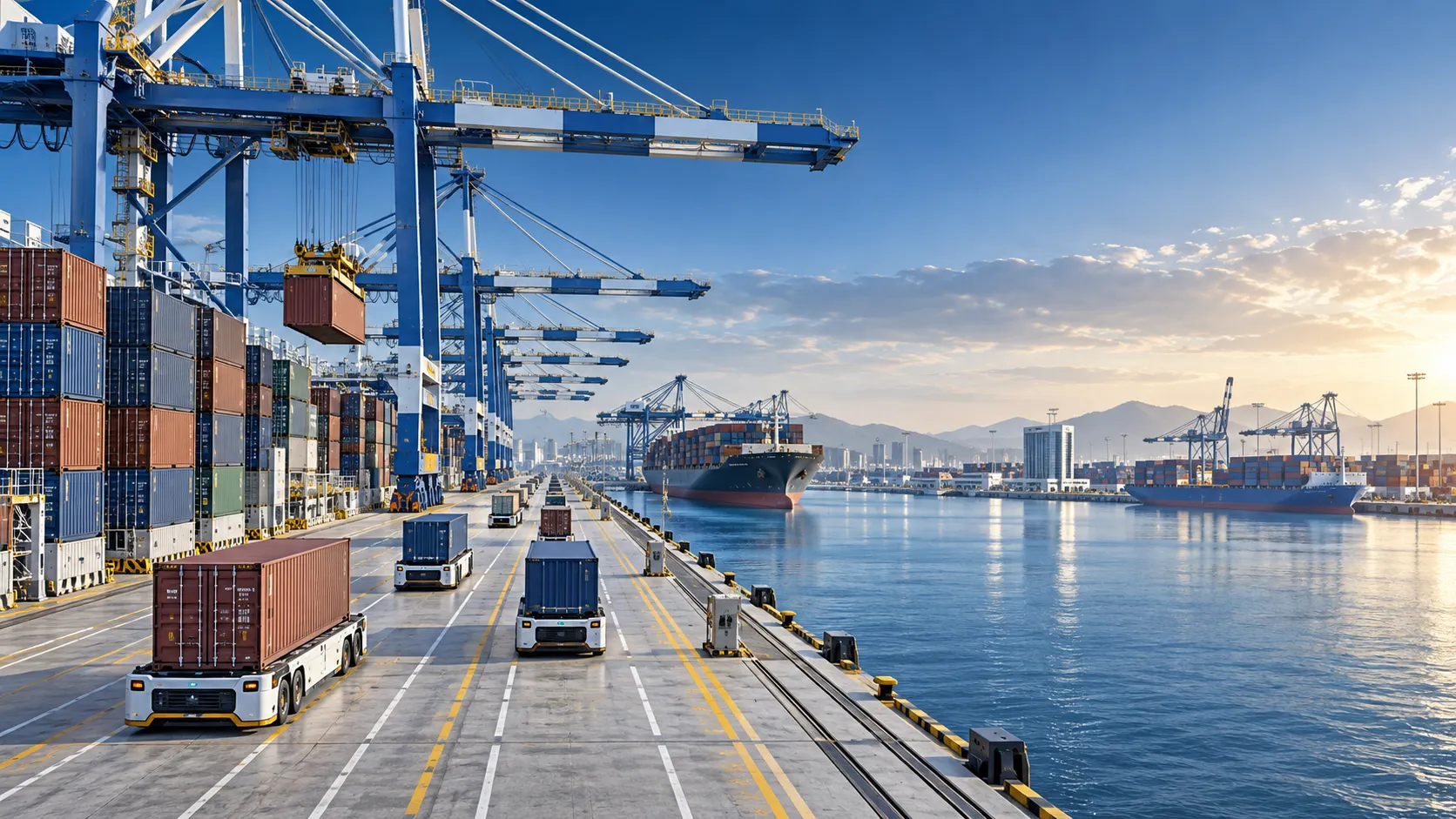
How to Evaluate Terminal Efficiency Solution Suppliers for High-Throughput Operations
Choose a terminal efficiency solutions supplier with confidence. Explore proven criteria for throughput, integration, lifecycle cost, safety, and reliable delivery.
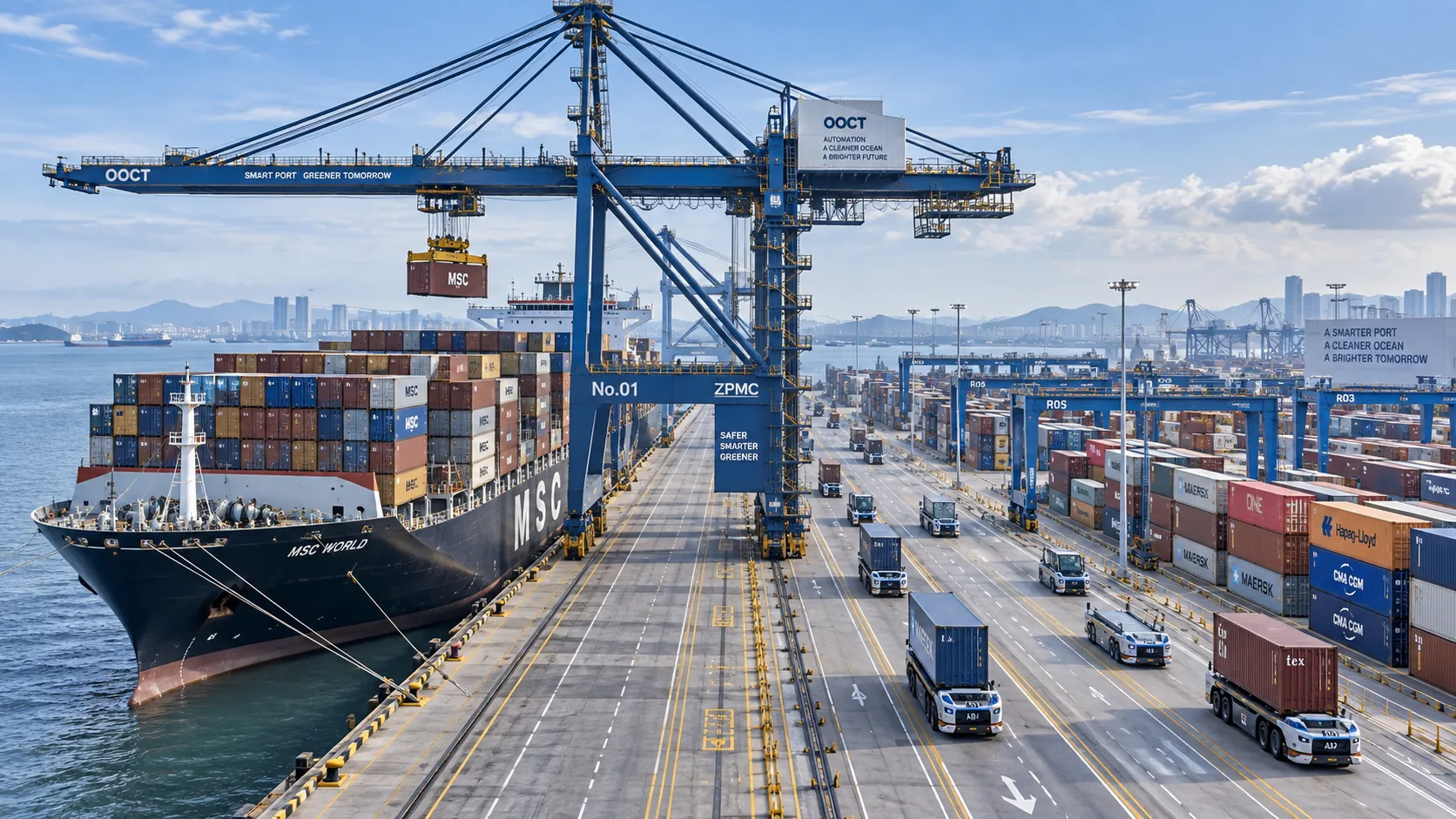
How to Specify a Quay Crane for Container Terminals by Vessel Size and Throughput?
Quay crane for container terminals: learn how to match outreach, lift height, capacity, automation, and cycle performance to vessel size and throughput goals.
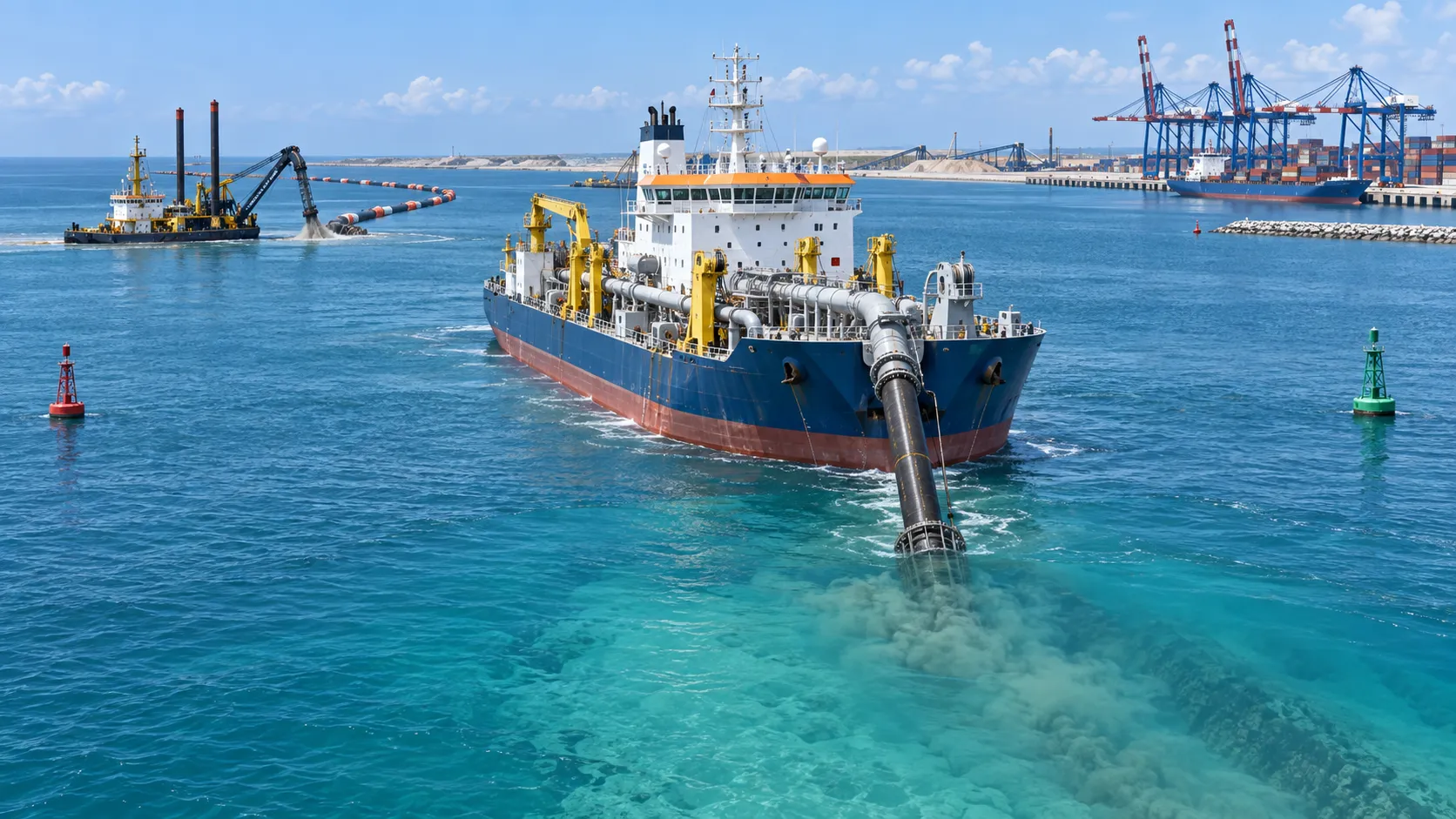
What Dredging Equipment Is Needed for Channel Deepening?
What dredging equipment is needed for channel deepening? Explore dredgers, pipelines, survey tools, and planning strategies for safer, more efficient port access.
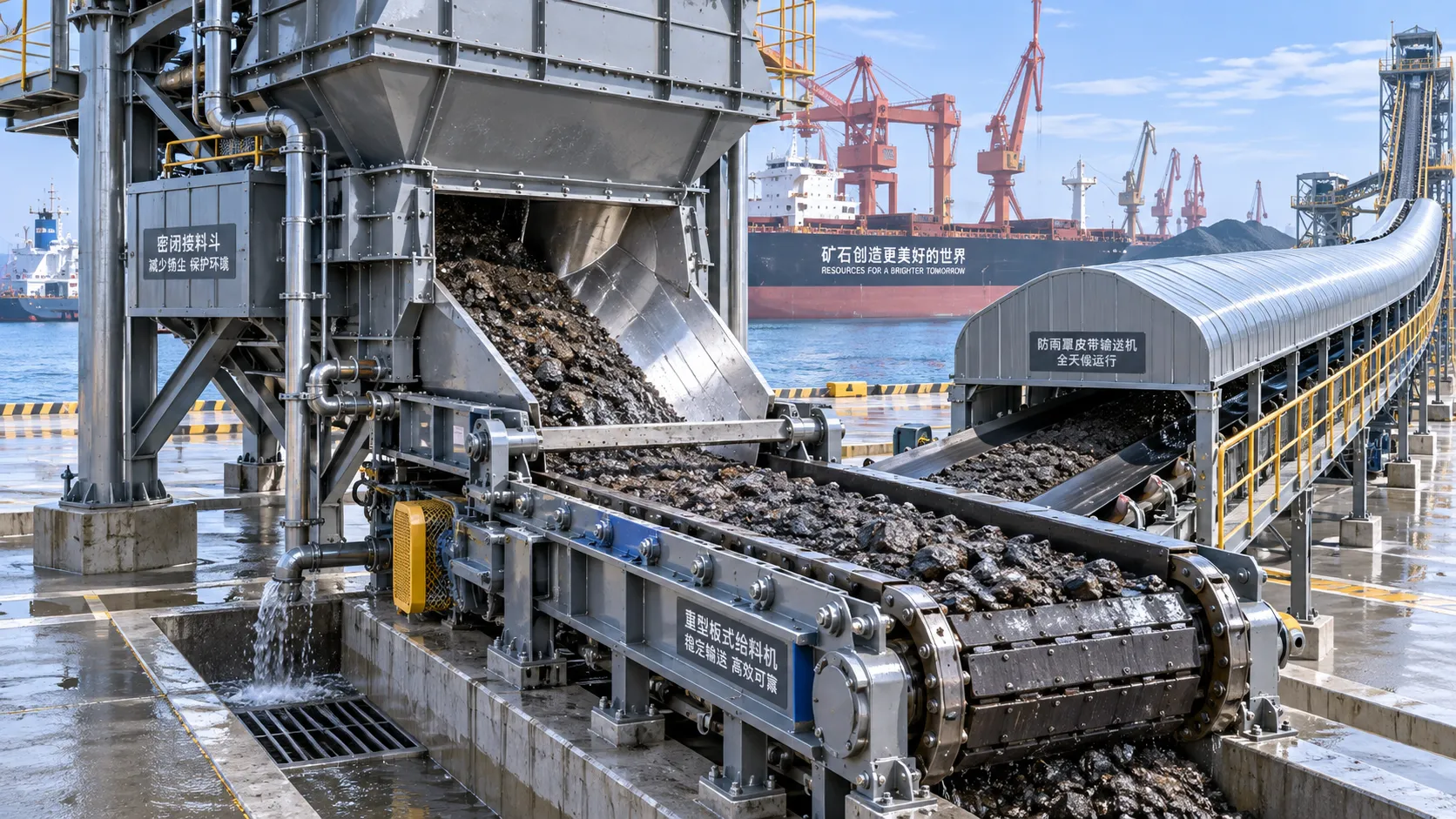
Which Bulk Handling Equipment Suits High-Moisture Cargo?
Which bulk handling equipment suits high-moisture cargo? Compare belt, apron, screw, drag, and slurry systems for reliable flow, less carryback, and higher terminal uptime.
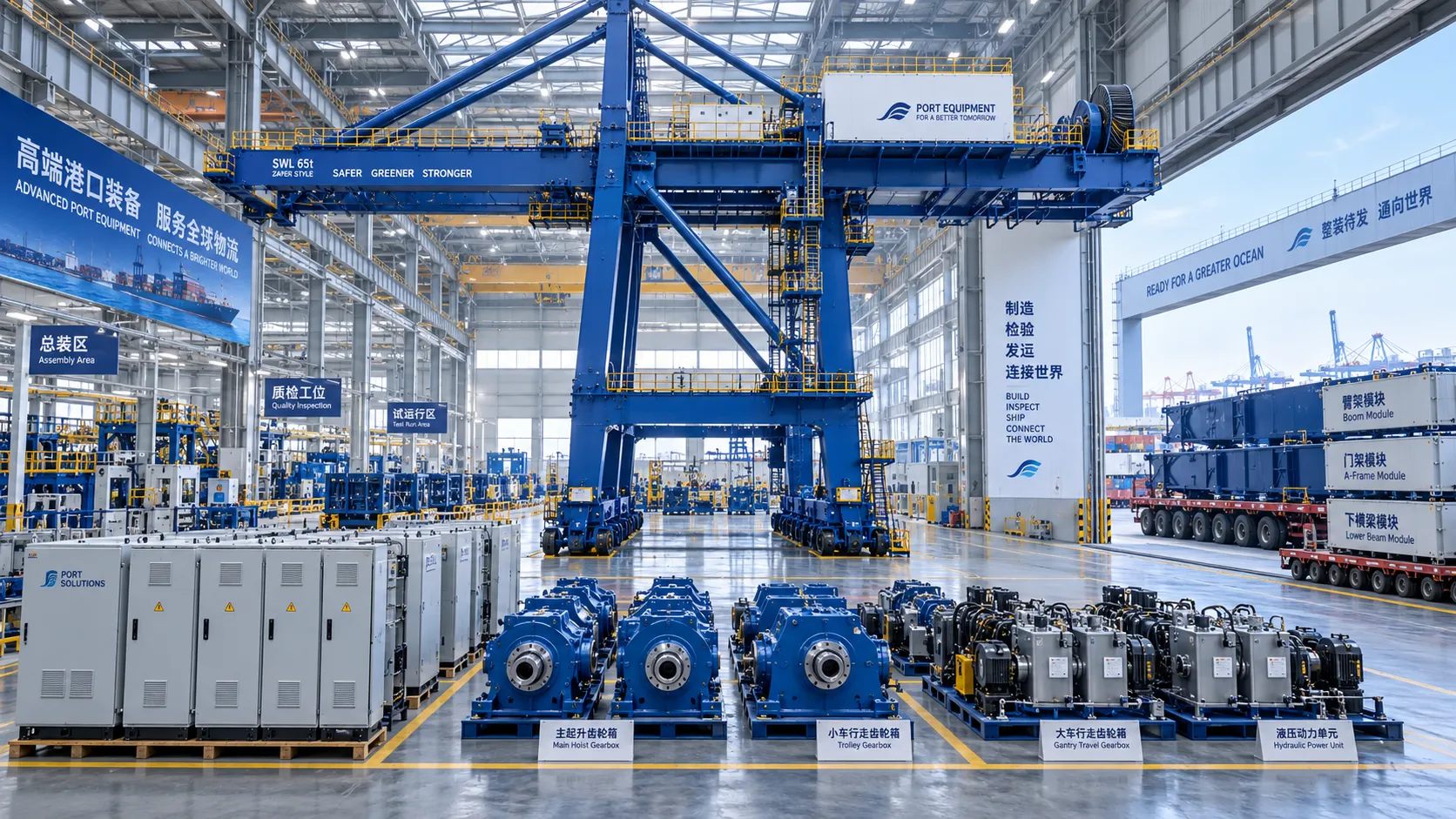
How Can Port Equipment Lead-Time Risk Be Managed?
How can port equipment lead-time risk be managed? Explore practical strategies to control critical paths, suppliers, transport, site readiness, and commissioning delays.
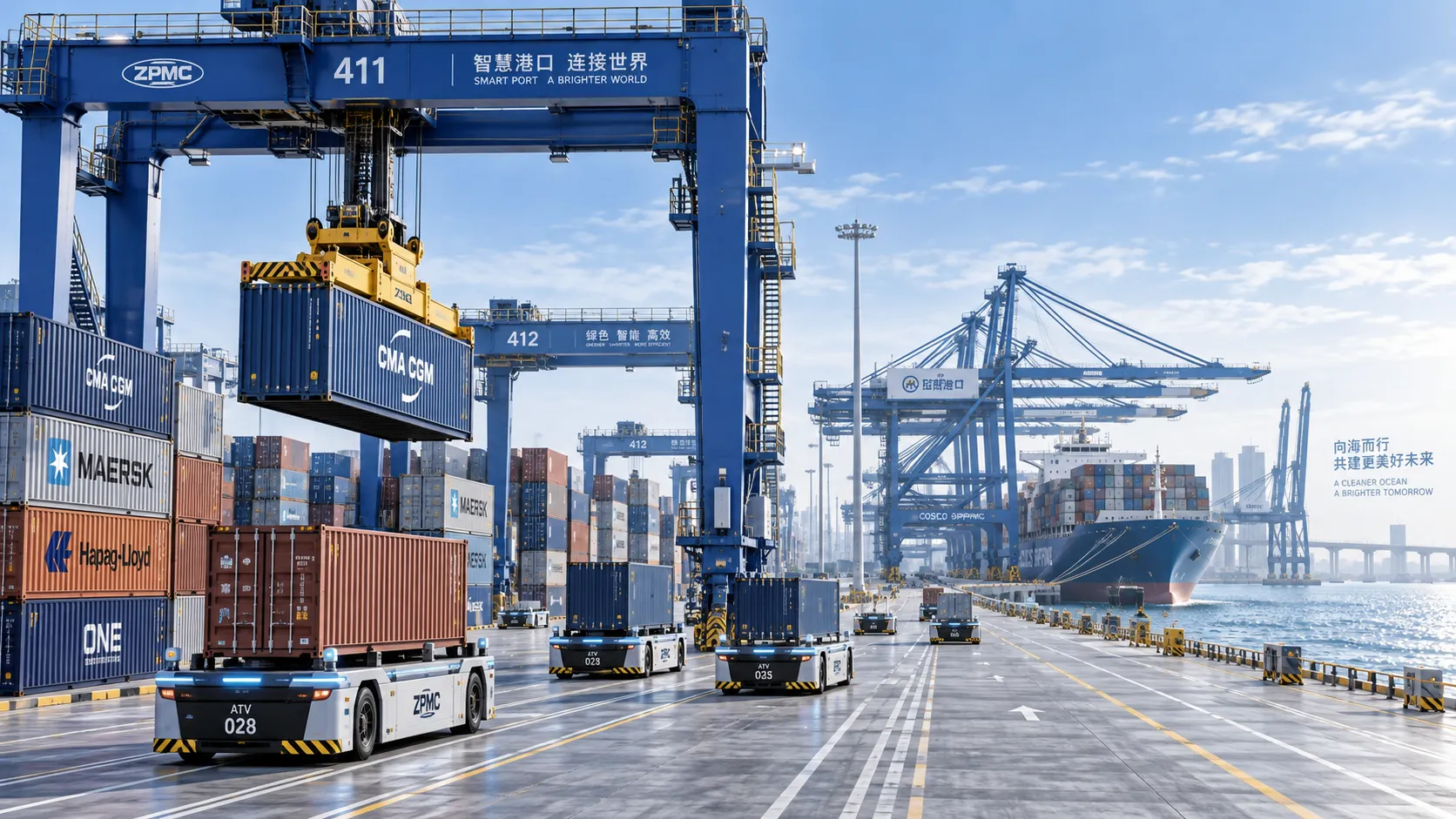
Terminal Automation Technologies That Raise Container Throughput Without Yard Disruption
Terminal automation technology that increases container throughput without disrupting yard flow. Explore smarter integration, resilient workflows, and phased deployment strategies.
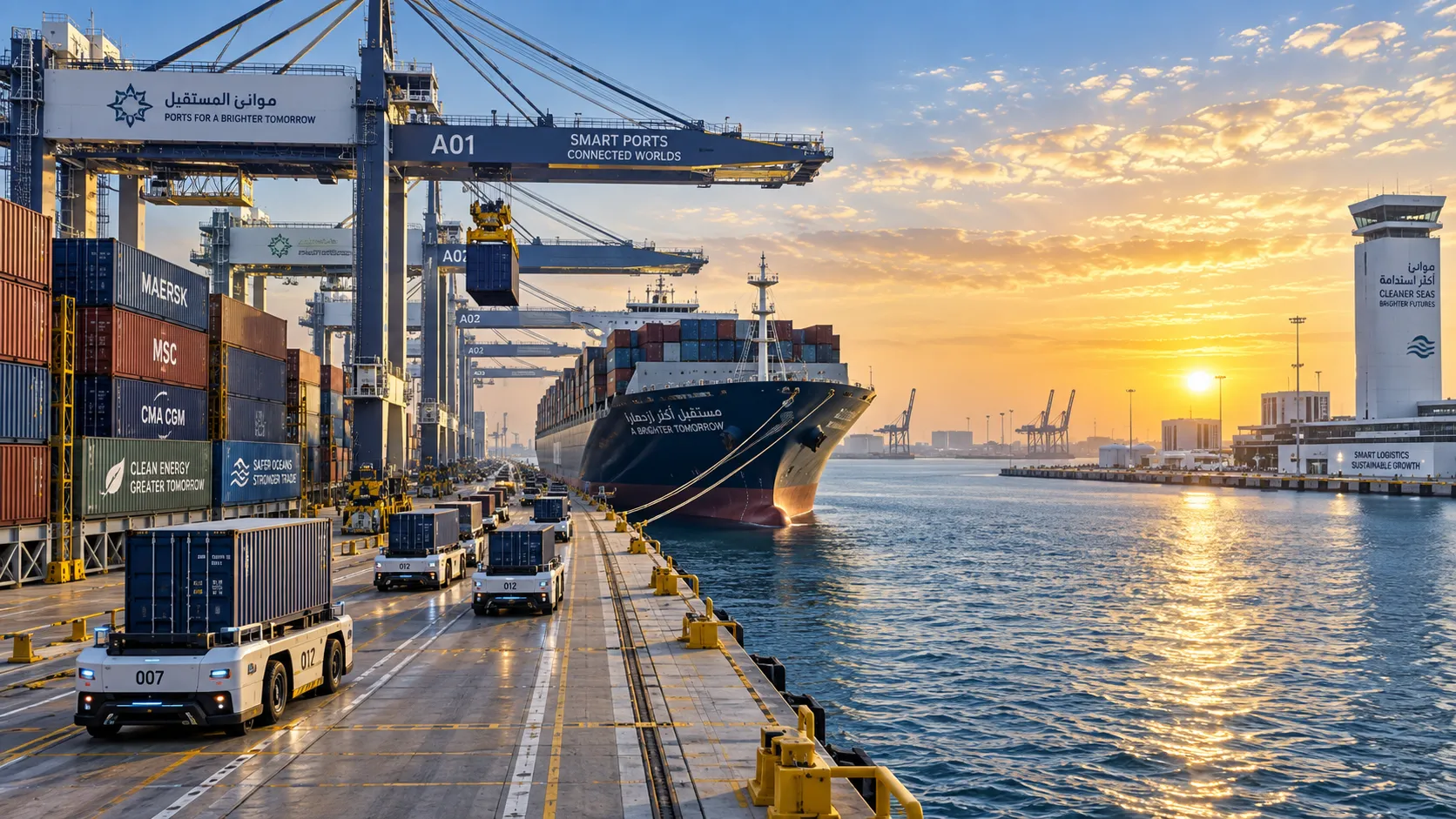
Middle East Port Automation: Key Market Drivers, Projects, and Investment Risks
Port automation systems Middle East: explore market drivers, flagship projects, integration challenges, and investment risks shaping smarter, resilient terminals.
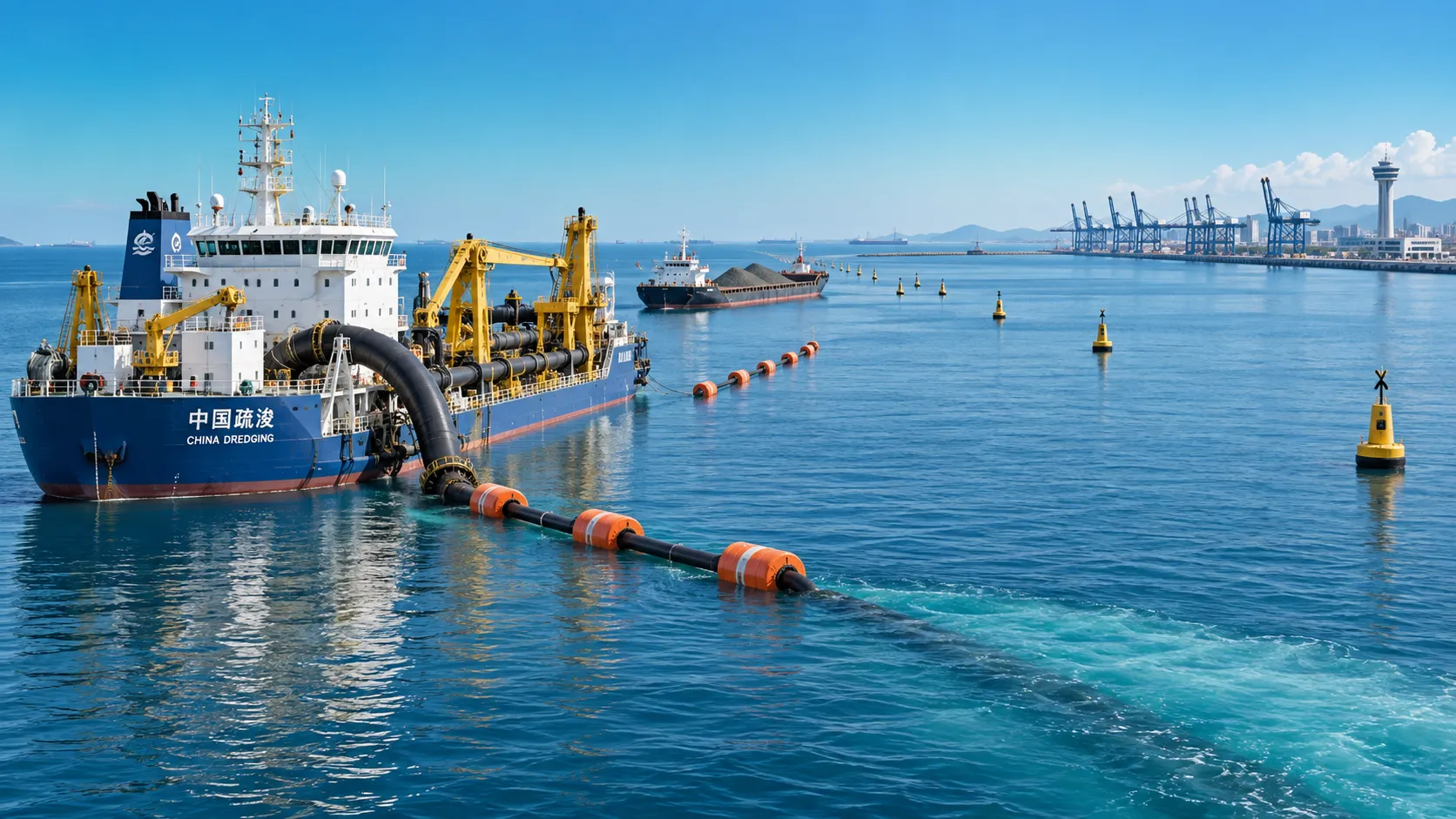
Planning Offshore Dredging Operations: Key Risks, Methods, and Project Controls
Offshore dredging operations demand smart planning. Explore key risks, proven methods, environmental controls, and project strategies for reliable delivery.