Related News
- 00
0000-00
How Can Port Equipment Lead-Time Risk Be Managed? - 00
0000-00
Maritime Logistics Operations: How Ports Can Reduce Container Dwell Time - 00
0000-00
What Does Logistics Node Monitoring Cost Across Warehouses and Transport Hubs? - 00
0000-00
How Can IoT Smart Port Solutions Improve Container Tracking and Yard Efficiency? - 00
0000-00
How Real-Time Port Logistics Intelligence Improves Container Yard Efficiency
Heavy Machinery Logistics Costs: What Drives Transport, Lifting, and Site Delivery Prices?
Heavy machinery logistics costs are rarely about mileage alone
Heavy machinery logistics pricing often looks simple at first glance. In reality, transport distance is only one part of the final number.
A crawler crane, ship loader, harbor reach stacker, or dredging module can travel the same distance with very different delivery costs.
That difference comes from permits, axle loads, escort rules, lifting plans, quay access, unloading windows, and site readiness.
In heavy terminal gear and marine projects, the job is not just moving cargo. It is coordinating engineering, timing, and local constraints.
This is why heavy machinery logistics becomes a planning exercise as much as a transport service.
PS-Nexus follows these patterns closely across port equipment, automated handling systems, and dredging engineering, where cost shifts often reflect operational complexity rather than pure freight rates.
Why can two heavy machinery logistics quotes differ so much?
The short answer is scope. Two quotes may describe the same machine, yet cover very different responsibilities.
One provider may price only line-haul transport. Another may include route survey, lifting crew, temporary road plates, police escort, and final positioning.
That is why the lowest quote can become the most expensive move once extras begin to appear.
A reliable comparison usually starts with five cost drivers:
- Machine dimensions, weight, and center of gravity.
- Route restrictions, permit class, and escort requirements.
- Loading and lifting method at origin and destination.
- Site access, ground bearing capacity, and setup space.
- Timing risks such as tide windows, port congestion, or night delivery.
For port-bound equipment, another factor often appears: synchronization with vessel schedules, terminal shutdown windows, or automation commissioning plans.
When one delay affects crane assembly, AGV routing, or dredger deployment, logistics pricing carries risk premiums that ordinary cargo does not.
What usually adds the most to transport and lifting costs?
Oversize permits are a common cost trigger, but they are rarely the largest one by themselves.
More often, major cost increases come from the combination of permit limits and the equipment needed to work around them.
For example, a machine that exceeds bridge limits may require a different route, modular trailer configuration, or partial disassembly.
That changes labor hours, lifting sequence, and possibly customs documentation if components travel separately.
Lifting costs also rise quickly when site conditions are uncertain. A larger crane may be needed not because of gross weight, but because of reach and setup limits.
This is common at ports, bulk yards, and coastal construction zones where working space is narrow and pavement strength varies.
The table below helps separate routine items from budget-sensitive ones.
In practice, lifting and final positioning create many of the surprises people first mistake for transport overpricing.
How do route surveys, permits, and site access affect heavy machinery logistics?
They affect cost because they determine whether the move is standard, engineered, or highly restricted.
A route survey is not paperwork for its own sake. It tests whether the quote matches physical reality.
If the route includes weak culverts, low utility lines, or tight gate geometry, the transport plan may need redesign before the move starts.
Site access matters just as much at the final stage. A delivery truck can arrive on time and still fail to complete the job.
Typical issues include soft ground, blocked laydown zones, missing lifting pads, or incomplete civil works near the installation point.
For marine and port assets, another layer appears. Delivery may be tied to berth occupancy, tidal conditions, or a narrow maintenance outage.
PS-Nexus often tracks this intersection between mechanical transport and algorithmic scheduling, especially where automated terminals depend on tightly sequenced asset arrivals.
A machine arriving early can be costly. Arriving late can be worse if commissioning teams, cranes, and vessel slots are already booked.
When does site delivery become the most expensive part of the move?
Usually when the final 200 meters are harder than the first 200 kilometers.
This happens with quay crane components, ship unloaders, dredging pumps, hoppers, and oversized electrical skids.
The transport leg may be straightforward, but site delivery may require temporary steel plates, jack-and-slide systems, skidding beams, or tandem lifts.
If installation must happen inside an operating terminal, every hour of restricted traffic can raise the project cost.
More importantly, site delivery costs increase when responsibilities are unclear. One party assumes unloading is included, while another assumes it is separate.
A practical check is to confirm these points before accepting any quote:
- Who provides lifting studies and rigging plans.
- Whether standby charges apply for crane or trailer waiting time.
- Who verifies pavement strength and underground services.
- Whether assembly support is included after unloading.
- What happens if weather or access restrictions delay placement.
Those details do not look dramatic on paper, yet they often decide whether heavy machinery logistics stays within budget.
How can quotes be compared without missing hidden costs?
The most useful method is to compare scope line by line, not total price against total price.
A quote that seems higher may include engineering hours, permit handling, escort booking, lifting supervision, and delivery coordination.
A cheaper offer may leave those items open, which shifts risk rather than removing cost.
It helps to ask a few direct questions:
- Is the rate based on exact machine drawings or estimated dimensions?
- Are permits included, reimbursable, or excluded?
- Does the quote assume disassembly at origin?
- Are mobilization and demobilization charged separately?
- What standby events trigger extra billing?
For complex port and coastal projects, it is also worth checking whether the logistics provider understands interface risk.
That includes vessel interface, yard sequencing, automation startup schedules, and environmental constraints around dredging or shoreline work.
Heavy machinery logistics becomes more predictable when every assumption is named before execution.
What mistakes most often push heavy machinery logistics over budget?
The biggest mistake is treating technical unknowns as commercial savings.
If dimensions, lifting points, or site constraints are unclear, low pricing usually means deferred cost, not real efficiency.
Another common error is separating transport from installation logic. The machine may arrive, yet still be impossible to place safely.
In high-value sectors such as port automation, bulk handling, and dredging engineering, schedule misalignment can be as expensive as direct freight charges.
A short checklist helps reduce avoidable overruns:
- Confirm exact transport dimensions after any partial disassembly.
- Request route validation before final commercial approval.
- Match crane selection to lift radius, not just equipment weight.
- Verify site readiness dates against actual civil progress.
- Align delivery timing with marine, terminal, or commissioning windows.
That approach is especially useful when decisions sit inside a wider supply chain shaped by global shipping rates and infrastructure investment cycles.
What is the smartest next step before approving a move?
Start by mapping the move as a sequence, not a single shipment.
Break it into origin handling, transport, permits, lifting, site delivery, and final positioning. Then test each step for assumptions.
That simple exercise usually reveals where heavy machinery logistics costs are fixed, where they are variable, and where risk is still hidden.
For projects linked to terminals, bulk cargo systems, or coastal engineering, it also helps to watch the broader operating context.
Insights from platforms such as PS-Nexus can add value here, not as sales material, but as market intelligence around equipment flows, logistics nodes, and timing pressure across maritime infrastructure.
The goal is straightforward: compare like-for-like quotes, remove preventable surprises, and tie the move plan to real site conditions.
When that happens, heavy machinery logistics stops being a reactive cost center and becomes a controlled part of project execution.
Related News
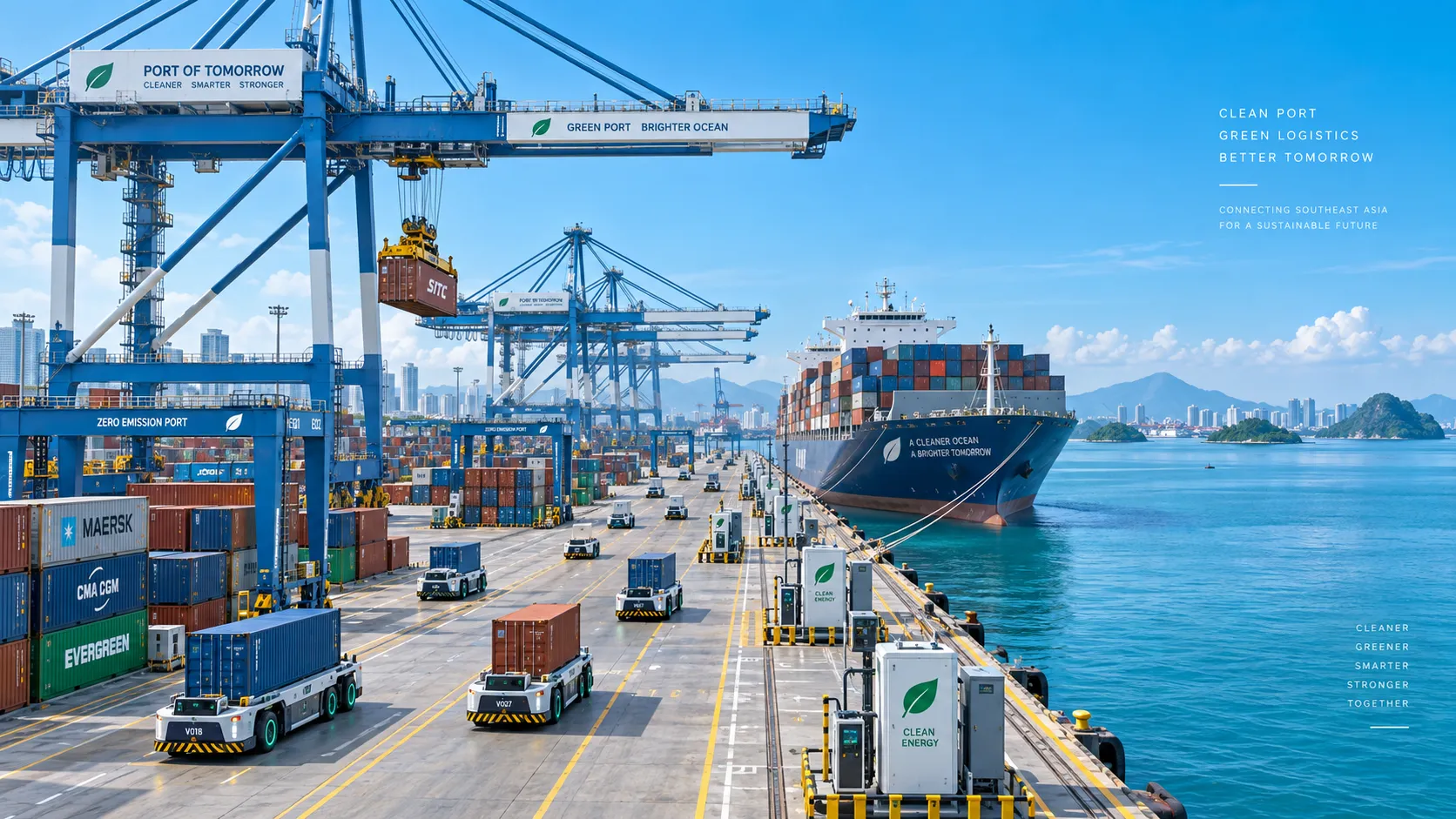
Smart Port Systems in Southeast Asia: Investment Priorities and Adoption Barriers
Smart port systems Southeast Asia: discover investment priorities, adoption barriers, and practical steps to build resilient, connected, high-performing terminals.
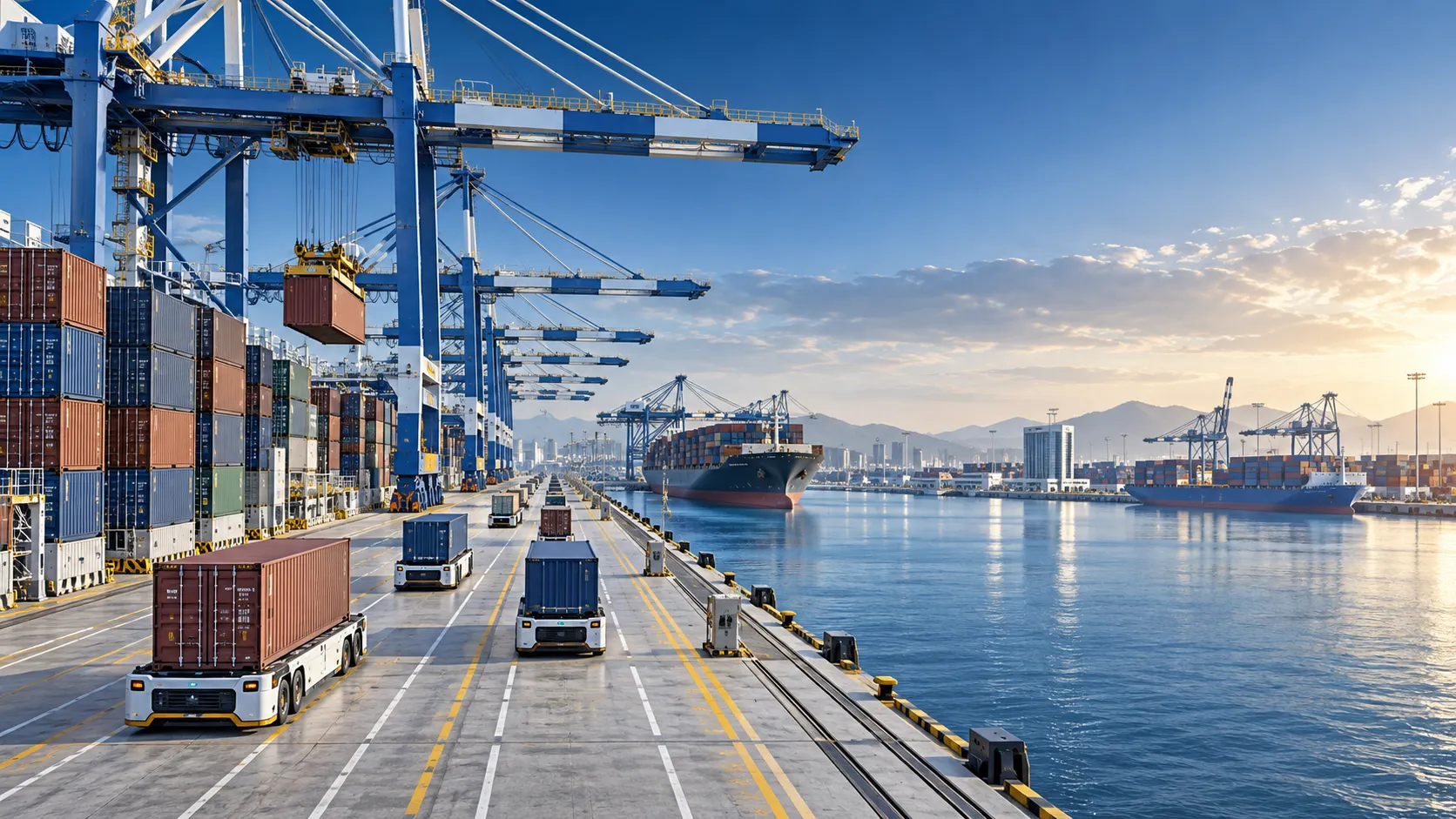
How to Evaluate Terminal Efficiency Solution Suppliers for High-Throughput Operations
Choose a terminal efficiency solutions supplier with confidence. Explore proven criteria for throughput, integration, lifecycle cost, safety, and reliable delivery.
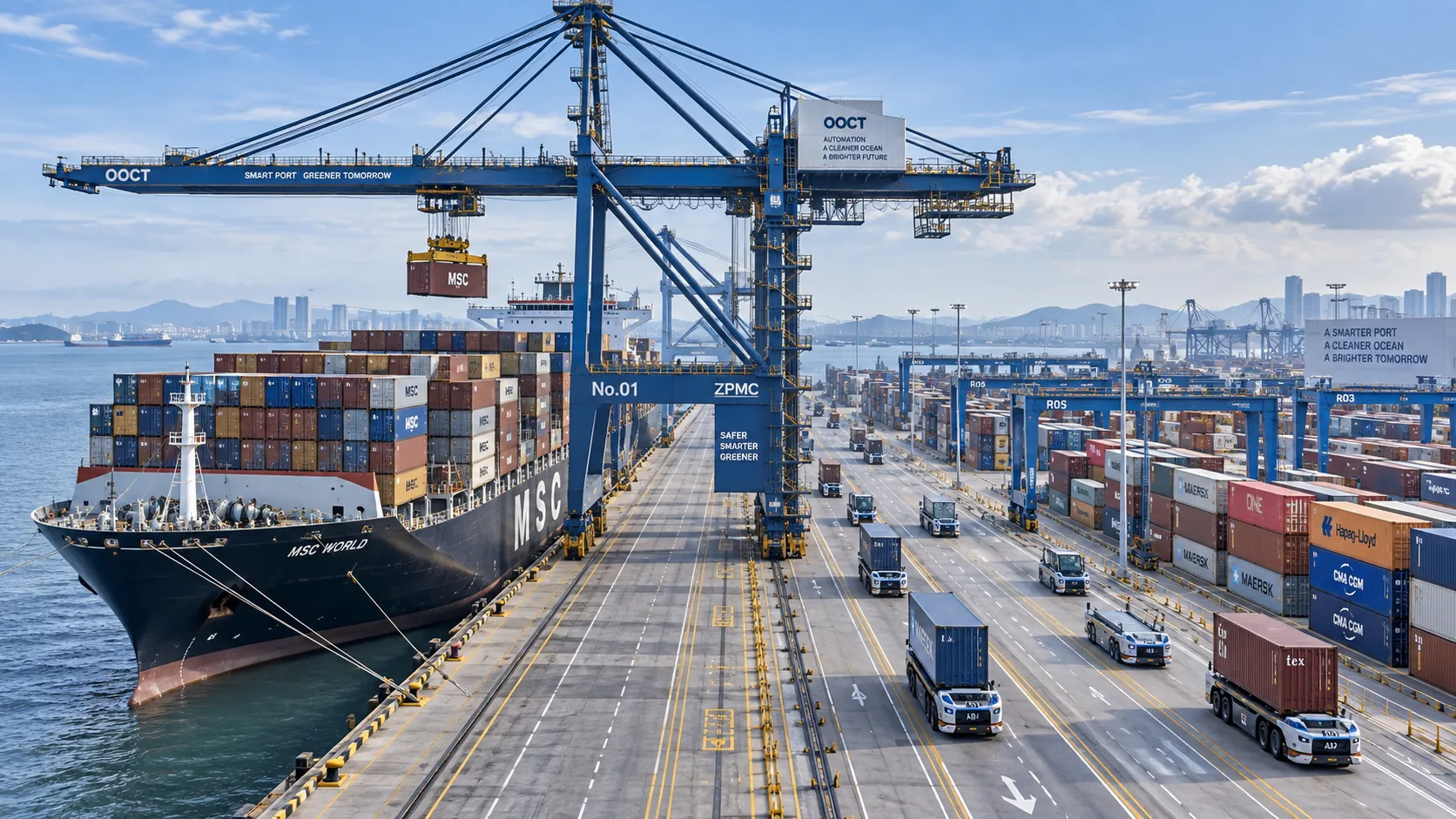
How to Specify a Quay Crane for Container Terminals by Vessel Size and Throughput?
Quay crane for container terminals: learn how to match outreach, lift height, capacity, automation, and cycle performance to vessel size and throughput goals.
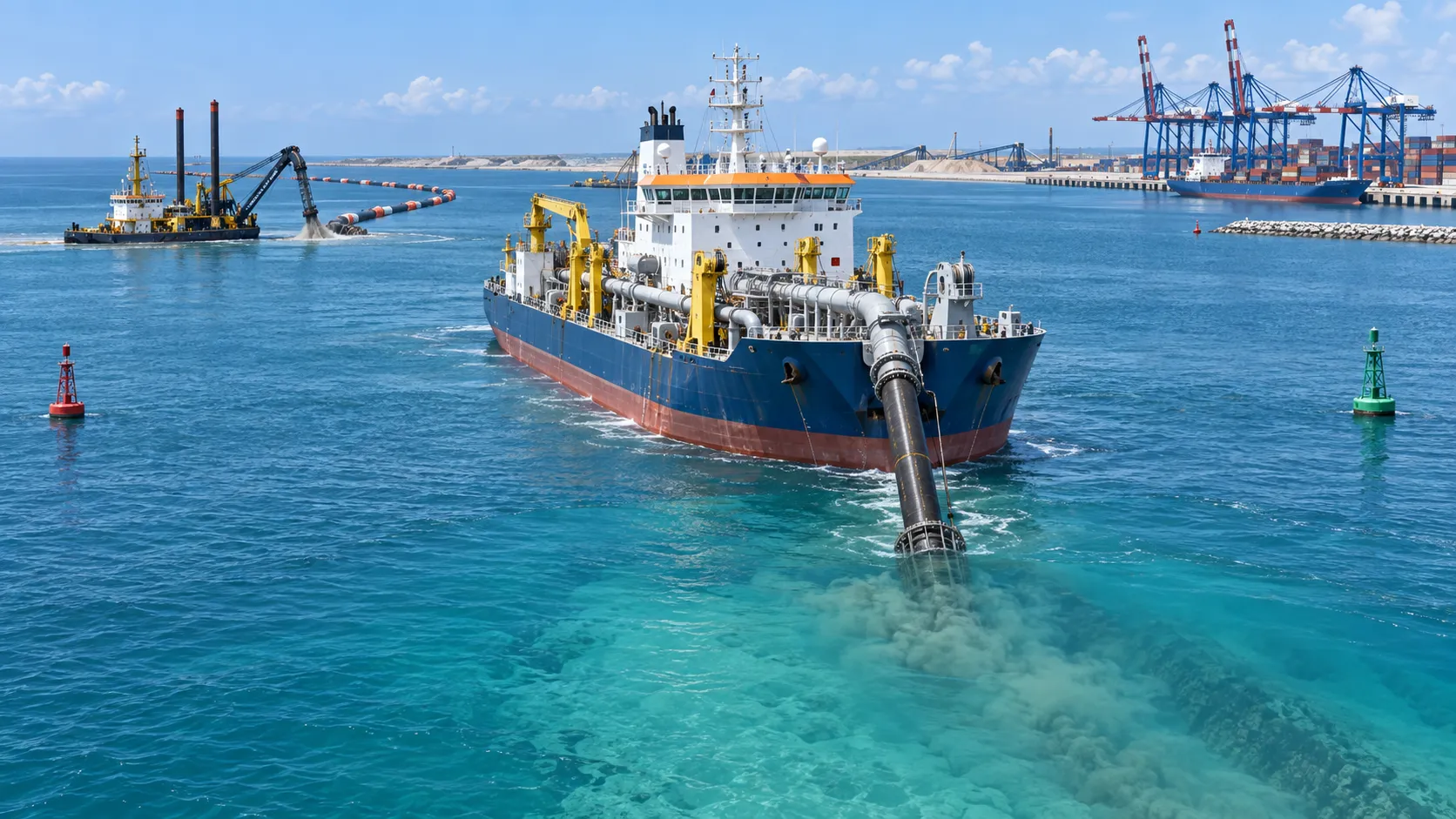
What Dredging Equipment Is Needed for Channel Deepening?
What dredging equipment is needed for channel deepening? Explore dredgers, pipelines, survey tools, and planning strategies for safer, more efficient port access.
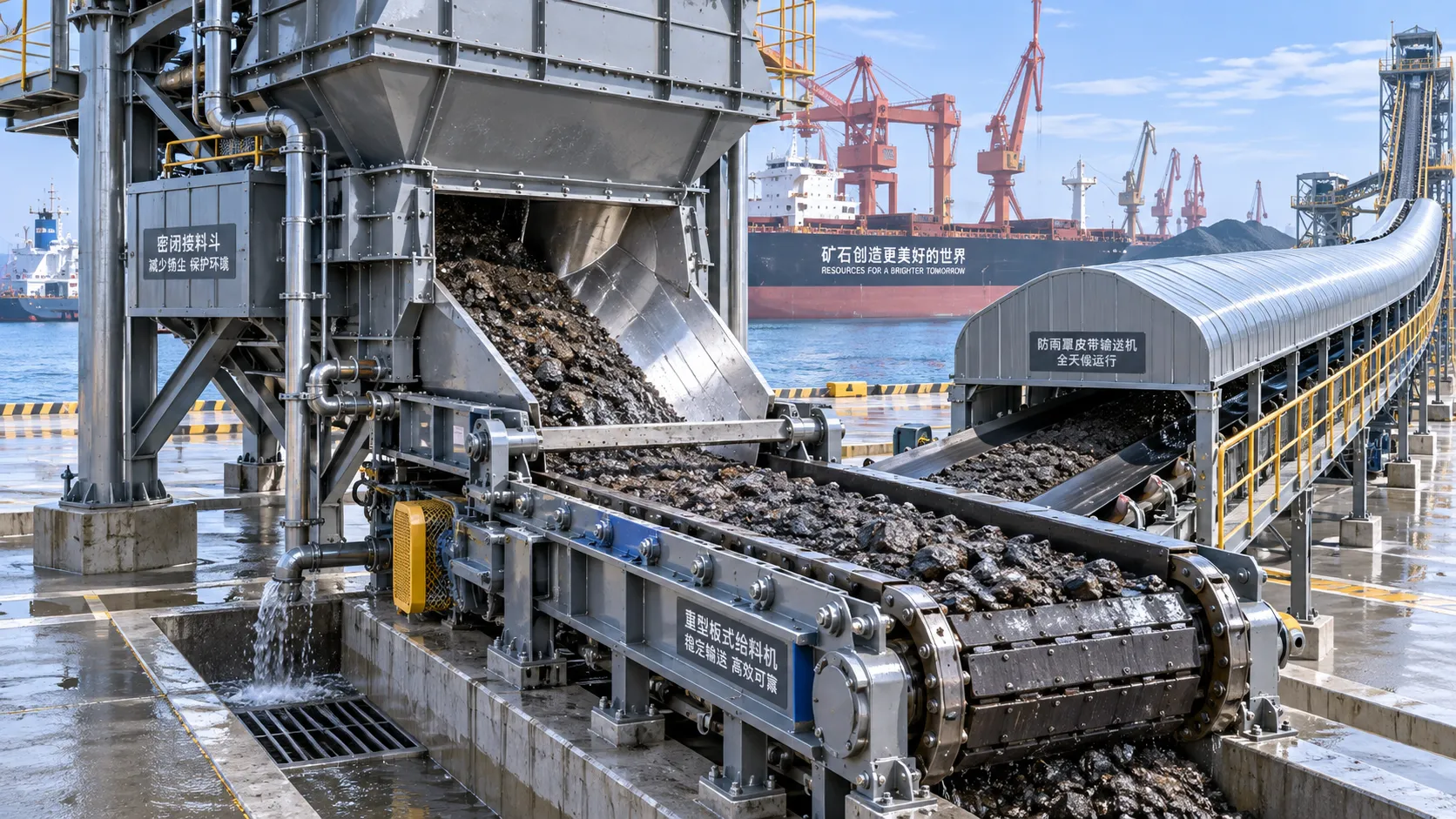
Which Bulk Handling Equipment Suits High-Moisture Cargo?
Which bulk handling equipment suits high-moisture cargo? Compare belt, apron, screw, drag, and slurry systems for reliable flow, less carryback, and higher terminal uptime.
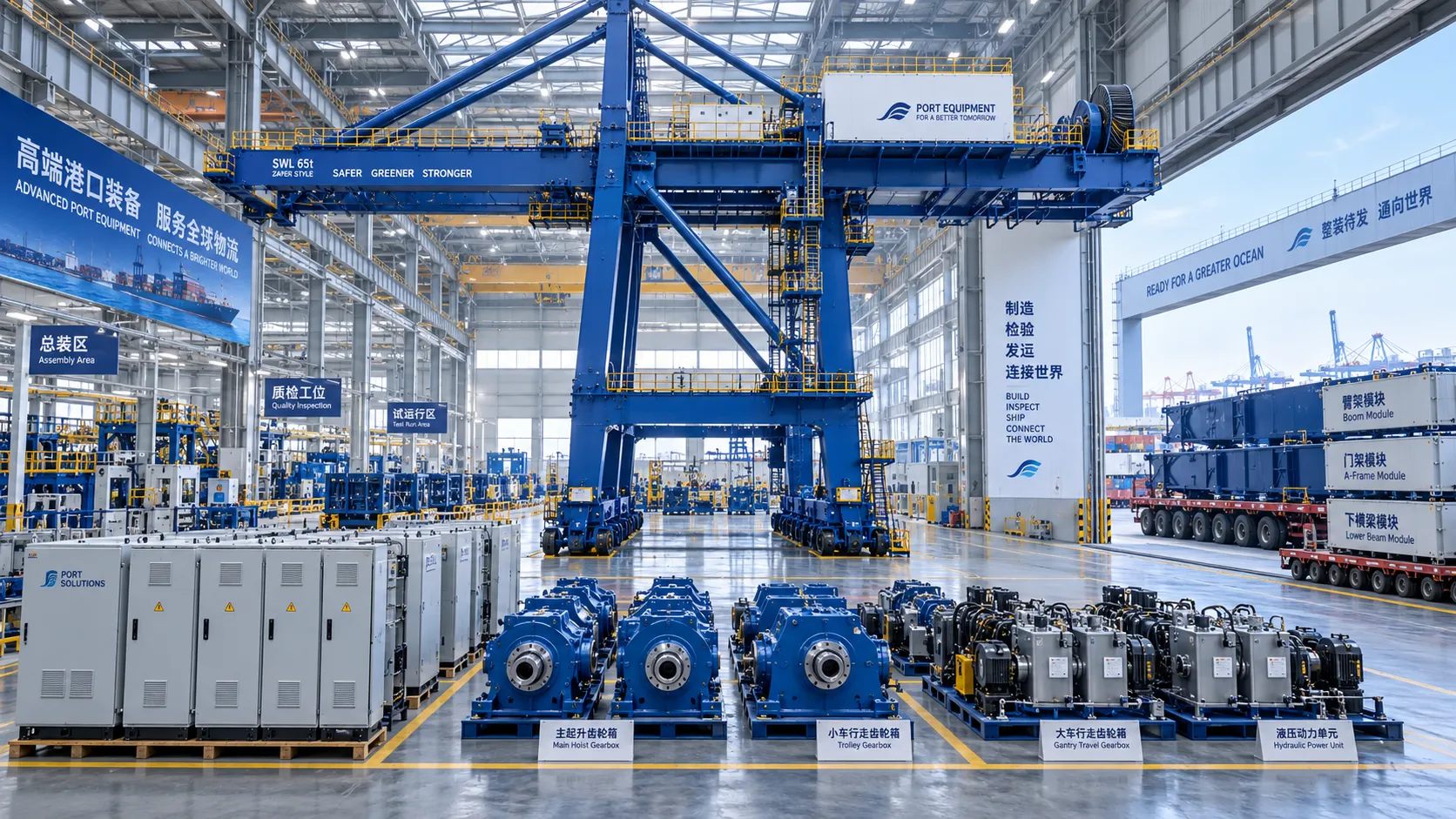
How Can Port Equipment Lead-Time Risk Be Managed?
How can port equipment lead-time risk be managed? Explore practical strategies to control critical paths, suppliers, transport, site readiness, and commissioning delays.
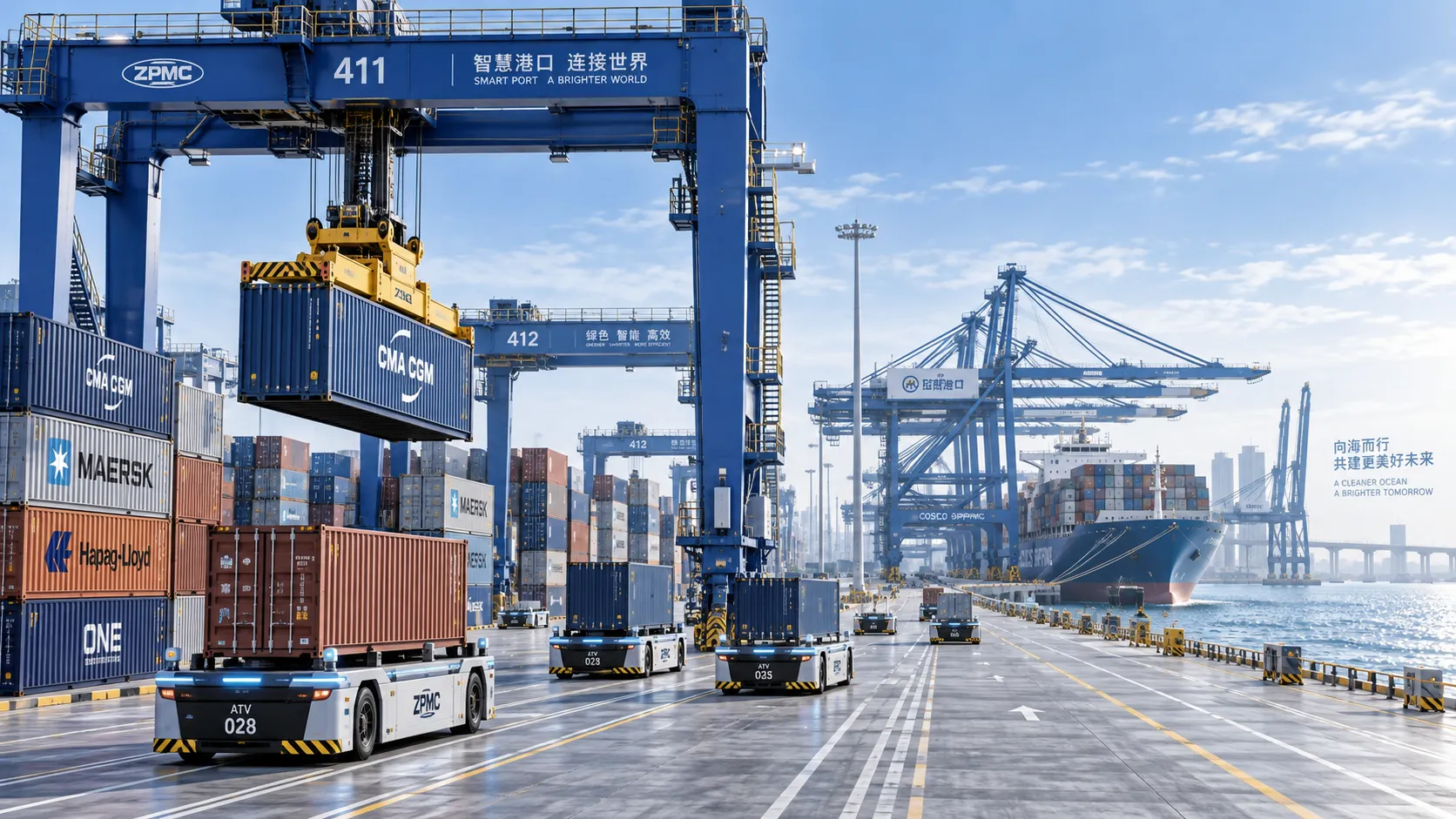
Terminal Automation Technologies That Raise Container Throughput Without Yard Disruption
Terminal automation technology that increases container throughput without disrupting yard flow. Explore smarter integration, resilient workflows, and phased deployment strategies.
Middle East Port Automation: Key Market Drivers, Projects, and Investment Risks
Port automation systems Middle East: explore market drivers, flagship projects, integration challenges, and investment risks shaping smarter, resilient terminals.
Planning Offshore Dredging Operations: Key Risks, Methods, and Project Controls
Offshore dredging operations demand smart planning. Explore key risks, proven methods, environmental controls, and project strategies for reliable delivery.