Related News
- 00
0000-00
How Can Port Equipment Lead-Time Risk Be Managed? - 00
0000-00
Maritime Logistics Operations: How Ports Can Reduce Container Dwell Time - 00
0000-00
What Does Logistics Node Monitoring Cost Across Warehouses and Transport Hubs? - 00
0000-00
How Can IoT Smart Port Solutions Improve Container Tracking and Yard Efficiency? - 00
0000-00
How Real-Time Port Logistics Intelligence Improves Container Yard Efficiency
Heavy Machinery Logistics Planning: How to Choose Routes, Permits, and Lifting Methods
In heavy machinery logistics, small planning mistakes rarely stay small. One low bridge, one missed escort requirement, or one rushed lift study can push a whole project off schedule.
That is why route choice, permit timing, and lifting method selection need to work as one decision chain. When they are planned together, oversized moves become safer, faster, and easier to control.
For port equipment, bulk handling systems, dredging modules, and automated terminal assets, the stakes are even higher. These loads often move through mixed corridors where road limits, quay access, weather windows, and lifting capacity all interact.
PS-Nexus tracks these operational links across maritime logistics and coastal economics. That broader view helps turn heavy machinery logistics from a reactive transport task into a structured execution plan.
Start with the load, not the route
The fastest way to weaken a heavy machinery logistics plan is to begin with available roads instead of real load behavior. Dimensions alone do not tell the whole story.
Weight concentration, center of gravity, axle load transfer, lifting points, and packaging protection all shape what route is actually possible. A crane boom section and a dredge pump skid may share similar dimensions, but they do not travel the same way.
- Confirm exact transport weight, loaded dimensions, center of gravity, and support points before any routing study. Early drawing errors often create the biggest heavy machinery logistics delays later.
- Check whether shipped condition differs from installed condition. Removing handrails, booms, cabs, or piping can reduce permit complexity and open safer route choices.
- Map lifting lugs, trailer contact zones, and no-load areas together. This avoids damage during transfer and keeps route, trailer, and lifting decisions aligned.
- Review weather sensitivity, marine corrosion protection, and vibration tolerance. Sensitive terminal electronics and automation modules may need different handling than steel structural components.
Why this matters in port and coastal projects
In a marine project, heavy machinery logistics often spans factory yards, public roads, temporary port storage, and final berth-side lifting zones. A mismatch in one segment affects every other segment.
For example, automated container handling units may clear a highway route but fail at the final terminal gate because turning radius and pavement limits were not checked early enough.
Choose routes by constraint stacking
A practical route study is not just a shortest-path exercise. In heavy machinery logistics, the best route is usually the one with the fewest critical constraints, not the fewest kilometers.
That means stacking every restriction in one view: bridge ratings, overhead clearance, turning geometry, pavement condition, convoy timing, utility conflicts, and local movement hours.
- Screen two or three route options first, then compare weak points side by side. A slightly longer corridor may reduce escort cost, permit risk, and overnight holding time.
- Validate vertical, horizontal, and ground-bearing limits together. Many heavy machinery logistics failures happen when one discipline clears the route but another does not.
- Study first-mile and last-mile details carefully. Depot exits, port gates, temporary ramps, and laydown areas often create more trouble than the highway section.
- Use site visits where geometry is tight or records are old. Field verification is often cheaper than redesigning a move after equipment is already dispatched.
A quick route comparison table
Treat permits as a planning path, not paperwork
Permits are often discussed too late in heavy machinery logistics. By then, route assumptions are already fixed, contractors are booked, and schedule flexibility is gone.
A stronger approach is to treat permits as a parallel planning path. Requirements for police escort, utility lifting, bridge engineering review, and municipal notices can change route economics quickly.
- Create a permit matrix by region, road class, and equipment profile. This makes heavy machinery logistics decisions clearer when a move crosses several authorities.
- Identify long-lead approvals first, especially bridge checks and special movement windows. These items often control project timing more than transport availability.
- Match permit applications to the final trailer setup, not an early estimate. Small axle or dimension changes can invalidate approvals and force rework.
- Build a fallback date and fallback route into the permit schedule. Weather, port congestion, and local events can shift approved movement windows unexpectedly.
Where teams usually lose time
One common miss is forgetting that port-side access can involve separate operational permissions, even after public road permits are secured. Terminal operations, security controls, and berth availability may need their own approvals.
This is especially relevant for mega port terminal gear and specialized container handling systems. The route may be legally open, but the operational window may still be closed.
Select lifting methods with the full move in mind
Lifting method selection should never happen in isolation. In heavy machinery logistics, the right crane or jacking plan depends on how the equipment arrives, where it lands, and what happens next.
A safe lift on paper can still fail operationally if trailer approach is poor, outrigger mats are undersized, or the set-down sequence conflicts with marine works nearby.
- Choose lifting methods after confirming transport orientation, final landing direction, and assembly sequence. This reduces double handling and keeps heavy machinery logistics efficient.
- Check ground-bearing pressure and quay or yard structural capacity early. Crane charts mean little if the support surface cannot carry the actual load.
- Review tandem lift needs carefully for long or flexible components. Spreader beams, sling angles, and communication protocols must be defined before mobilization.
- Account for wind, tide, and vessel motion where marine interfaces exist. Coastal lifting operations can change quickly even when road transport arrives on time.
A practical scenario: dredging equipment delivery
A dredge pump package may travel inland by multi-axle trailer, stage near a port, and then be lifted onto a barge or directly into a service area. Each transfer changes the risk profile.
If the transport frame is not designed for both road restraint and lifting geometry, crews may improvise on site. That is where avoidable delays and safety exposure begin.
Use a short execution sequence before mobilization
Even strong engineering can fall apart if teams mobilize with different assumptions. A short pre-move sequence keeps heavy machinery logistics decisions coordinated across transport, site, and lifting teams.
- Hold one final review covering route, permits, trailer, lifting gear, ground conditions, weather window, and emergency contacts. This closes gaps between separate contractors.
- Issue one controlled movement pack with drawings, permit copies, lift plan, route notes, and hold points. Field teams need one source of truth.
- Define stop-work triggers in advance, including wind limits, route obstruction, axle overheating, and unexpected settlement. Clear triggers support faster, safer decisions.
- Confirm laydown and recovery options before departure. If access is blocked or berth timing slips, the load still needs a safe interim position.
Why intelligence matters here
This is where PS-Nexus adds practical value. In sectors shaped by terminal automation, bulk handling demand, and dredging engineering, decisions are rarely local only.
Shipping rates, port congestion, equipment turnover, and coastal infrastructure constraints all influence heavy machinery logistics planning. Better intelligence supports better timing, better sequencing, and fewer expensive surprises.
Watch the hidden risks that change cost fastest
Most budget overruns in heavy machinery logistics do not come from the base transport rate. They come from changes made late, often after route, permits, or lifting plans were treated separately.
The biggest hidden risks are usually temporary works, waiting time, unplanned escorts, surface remediation, and repeat lifting. These are manageable if spotted early.
- Track costs by decision point, not only by supplier quote. This shows how route changes, permit delays, and lifting revisions affect total heavy machinery logistics spend.
- Include temporary works in early budgets, such as steel plates, crane mats, utility protection, and access ramp reinforcement. These items are often underestimated.
- Do not separate schedule risk from transport risk. Waiting for a berth, tide, or shutdown window can cost more than the move itself.
- Capture lessons after each move, especially route constraints and local authority response times. Repeated coastal and port projects benefit quickly from this record.
Bring route, permit, and lift decisions into one model
The most reliable heavy machinery logistics plans are simple in one important way: every major decision is checked against the same operational picture.
If the route is feasible but the permit lead time breaks the schedule, the route is not really feasible. If the lift works but requires a trailer orientation that the road cannot support, the lift is not really workable either.
For port equipment, automation assets, bulk machinery, and dredging systems, that joined-up view is what protects schedule, asset condition, and installation readiness.
A solid next step is to review the load file, route constraints, permit matrix, and lifting study in one meeting before mobilization. That single alignment step often prevents the costliest heavy machinery logistics mistakes.
Related News
Smart Port Systems in Southeast Asia: Investment Priorities and Adoption Barriers
Smart port systems Southeast Asia: discover investment priorities, adoption barriers, and practical steps to build resilient, connected, high-performing terminals.

How to Evaluate Terminal Efficiency Solution Suppliers for High-Throughput Operations
Choose a terminal efficiency solutions supplier with confidence. Explore proven criteria for throughput, integration, lifecycle cost, safety, and reliable delivery.
How to Specify a Quay Crane for Container Terminals by Vessel Size and Throughput?
Quay crane for container terminals: learn how to match outreach, lift height, capacity, automation, and cycle performance to vessel size and throughput goals.
What Dredging Equipment Is Needed for Channel Deepening?
What dredging equipment is needed for channel deepening? Explore dredgers, pipelines, survey tools, and planning strategies for safer, more efficient port access.
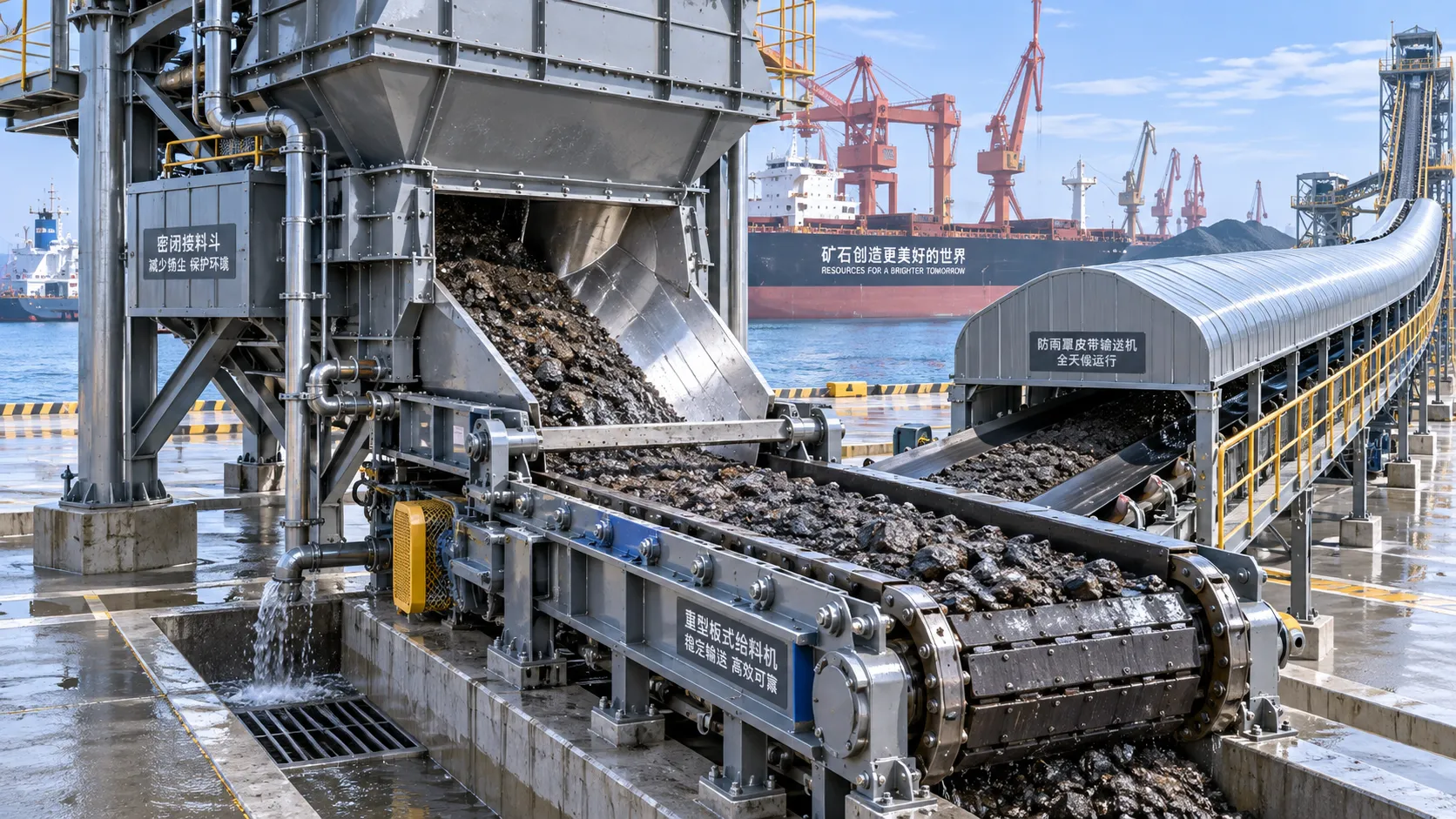
Which Bulk Handling Equipment Suits High-Moisture Cargo?
Which bulk handling equipment suits high-moisture cargo? Compare belt, apron, screw, drag, and slurry systems for reliable flow, less carryback, and higher terminal uptime.
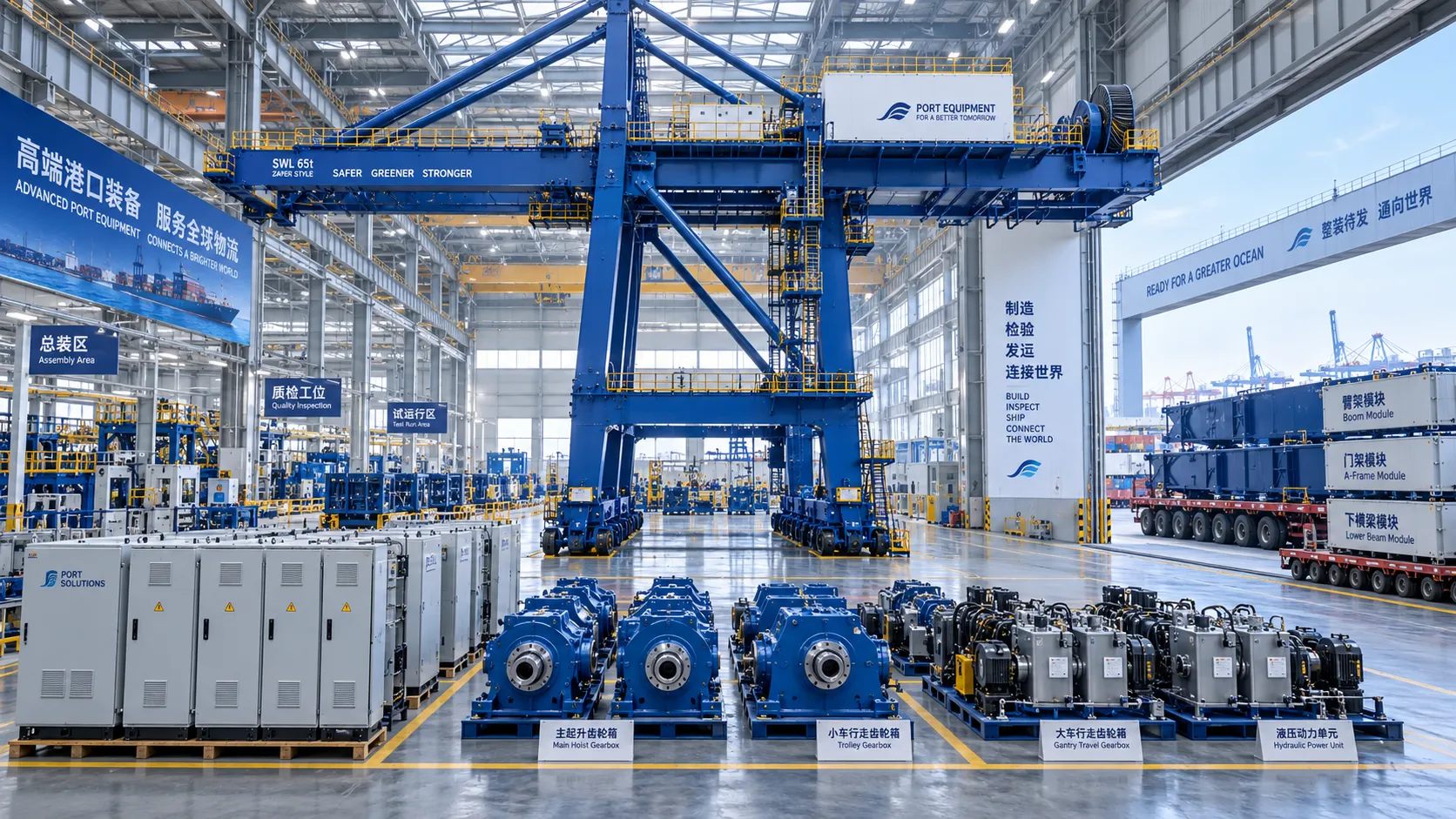
How Can Port Equipment Lead-Time Risk Be Managed?
How can port equipment lead-time risk be managed? Explore practical strategies to control critical paths, suppliers, transport, site readiness, and commissioning delays.
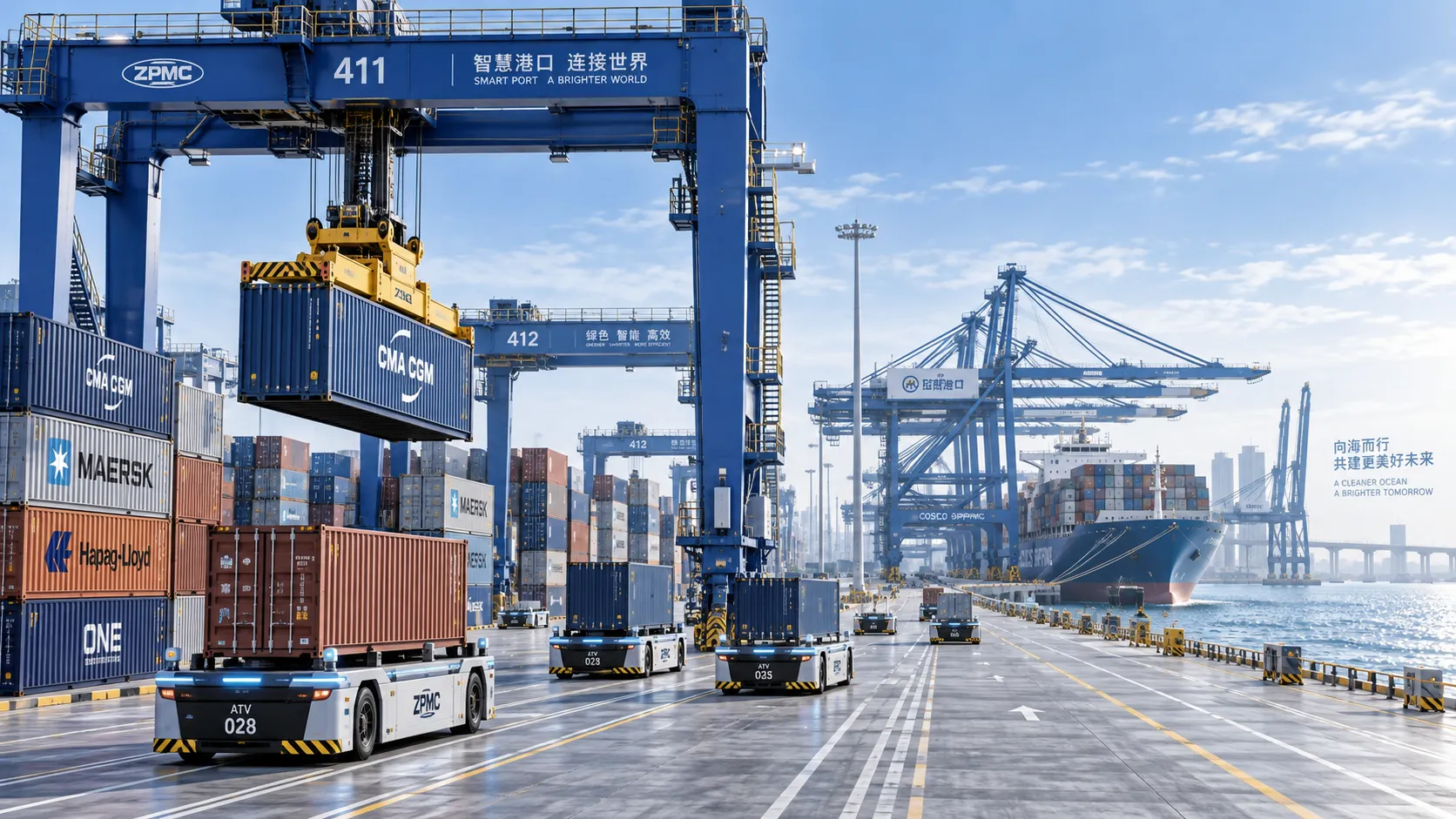
Terminal Automation Technologies That Raise Container Throughput Without Yard Disruption
Terminal automation technology that increases container throughput without disrupting yard flow. Explore smarter integration, resilient workflows, and phased deployment strategies.
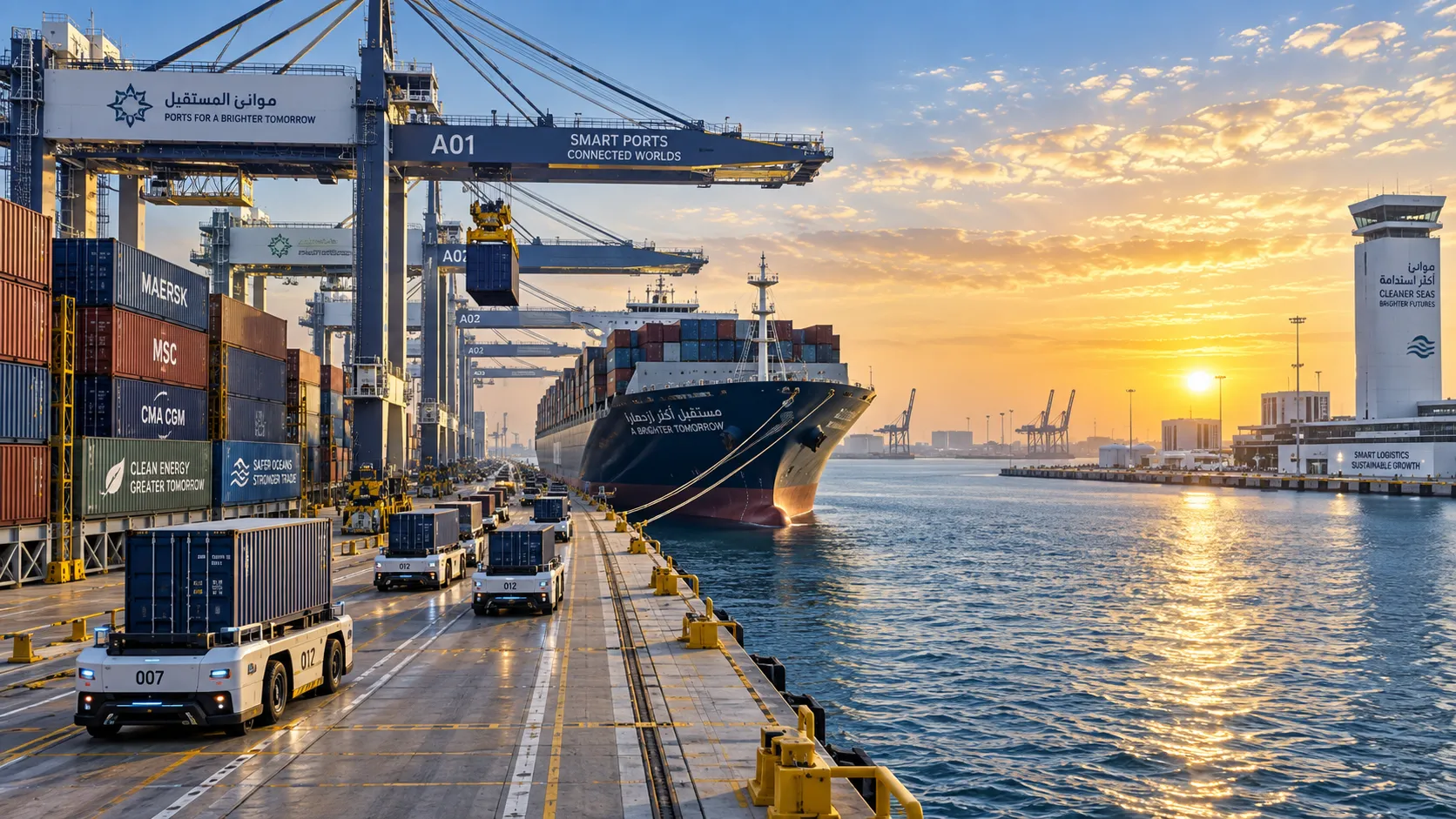
Middle East Port Automation: Key Market Drivers, Projects, and Investment Risks
Port automation systems Middle East: explore market drivers, flagship projects, integration challenges, and investment risks shaping smarter, resilient terminals.
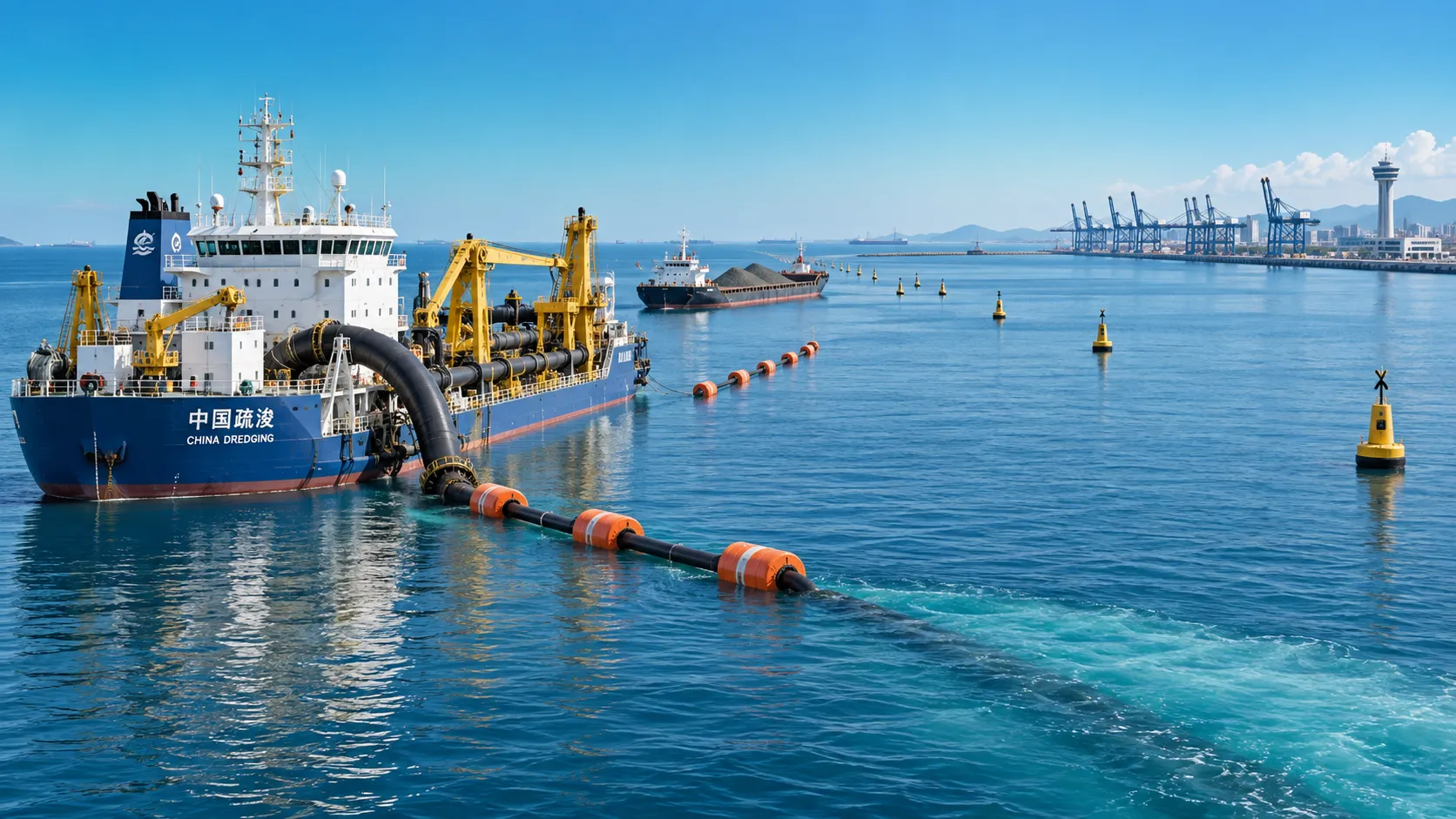
Planning Offshore Dredging Operations: Key Risks, Methods, and Project Controls
Offshore dredging operations demand smart planning. Explore key risks, proven methods, environmental controls, and project strategies for reliable delivery.