
Related News
- 00
0000-00
How Can Port Equipment Lead-Time Risk Be Managed? - 00
0000-00
Maritime Logistics Operations: How Ports Can Reduce Container Dwell Time - 00
0000-00
What Does Logistics Node Monitoring Cost Across Warehouses and Transport Hubs? - 00
0000-00
How Can IoT Smart Port Solutions Improve Container Tracking and Yard Efficiency? - 00
0000-00
How Real-Time Port Logistics Intelligence Improves Container Yard Efficiency
Mega Port Terminal Planning: How to Balance Throughput, Yard Space, and Truck Flow
Why mega port terminal planning changes from one site to another
Mega port terminal planning rarely fails because one machine is too small. It usually fails when berth, yard, and gate assumptions were made in isolation.
A terminal can post strong quay crane moves yet still lose vessel windows because yard reshuffles rise, truck queues spill outward, or inland links arrive in uneven waves.
That is why the right way to design a mega port terminal is to read it as one operating system, not three separate capacity projects.
In practical terms, throughput targets, yard space, and truck flow need one planning logic. Each affects the others through dwell time, handoff speed, and traffic timing.
This is also where PS-Nexus adds value. Its intelligence lens connects terminal gear, control systems, container handling, and marine engineering into a more realistic planning view.
For a mega port terminal, the central question is not simply how much volume can be handled. The better question is how stable that volume remains under daily variability.
The first planning split usually appears at the berth
Two terminals may target similar annual TEU, yet require very different layouts. Vessel call size, peak exchange ratio, and service reliability create very different pressure profiles.
A mega port terminal serving large alliance calls often faces short, violent peaks. The berth performs in bursts, and the yard must absorb fast surges without freezing circulation.
A gateway terminal with steadier strings sees another pattern. Average utilization may look healthy, but truck appointments and import dwell become the real constraint.
In both cases, quay crane count alone is a weak planning indicator. Crane intensity matters less if horizontal transport and stack access cannot match the exchange rhythm.
When vessel peaks dominate the operating day
This scenario is common in transshipment-heavy networks. The mega port terminal needs fast interface capacity between ship-to-shore cranes, transport vehicles, and yard blocks.
More often, the key judgment is buffer design. If transfer lanes, pre-marshalling space, or block handoff logic are too tight, berth productivity collapses before the yard looks full.
Automation can help, but only if routing rules were built around real peak stacking behavior. Otherwise, automated equipment simply reproduces a bad traffic design faster.
When mixed cargo rhythms shape the terminal
Some sites handle containers alongside bulk support flows, feeder services, or project cargo pressure nearby. Here, the mega port terminal must protect circulation from cross-terminal interference.
That means planning access roads, utility corridors, and equipment staging with broader port economics in mind, not only container moves per hour.
Yard space decisions are really time decisions
Yard capacity is often described in slots, rows, or stacking height. In actual operations, yard space is mostly a dwell-time management issue.
A mega port terminal with moderate land can outperform a larger site if import, export, empties, and transshipment containers are segmented by timing and retrieval probability.
What matters is not just how many boxes fit. It is how often a box blocks another box that needs to move earlier.
This is why specialized container handling and planning algorithms now sit near the center of terminal competitiveness. They shape both density and mobility.
The table shows why one mega port terminal cannot copy another site’s yard template. Similar equipment can behave very differently under different dwell structures.
Truck flow becomes critical earlier than many plans assume
Gate congestion is often treated as a later operational issue. In reality, truck flow should shape early-stage terminal geometry and digital process design.
A mega port terminal may have strong waterside productivity yet still underperform commercially if trucks face inconsistent turn times, poor lane logic, or weak document integration.
The common mistake is to size gates by average truck volume. What matters more is hourly peaking, exception handling, and how fast trucks clear the yard interface.
This is where port automation and control systems become a practical planning tool, not a technology add-on. Appointment quality, OCR, weighbridge logic, and dispatch visibility all affect physical capacity.
Urban-adjacent terminals face a different truck problem
When a mega port terminal sits near urban roads, the challenge extends beyond gate speed. Local traffic regulations, emission limits, and queue spillback can restrict available operating patterns.
In these cases, off-terminal staging, tighter appointment windows, and better exception lanes usually matter more than simply adding more booths.
Rail-linked terminals need another balance
Where rail is strong, truck pressure may seem lower. Yet the mega port terminal still needs a clear hierarchy between rail blocks, truck pickup zones, and vessel-related transfer lanes.
Without that separation, rail efficiency can improve while truck service becomes erratic. The planning win is intermodal stability, not isolated rail productivity.
Where equipment, automation, and dredging choices intersect
A mega port terminal is never only a landside layout question. Berth depth, turning basin access, and dredging strategy influence crane choice, vessel windows, and future scalability.
If dredging phases lag expansion plans, terminal equipment may be oversized for actual vessel access. If marine works outpace yard readiness, new berth capacity can sit underused.
PS-Nexus consistently frames this as a synchronization problem. Heavy terminal gear, digital control, and dredging engineering create value only when their timelines are operationally aligned.
- Match quay crane outreach and lift profile to the vessel mix that marine access can truly support.
- Check AGV or terminal truck routing against block geometry before locking automation architecture.
- Tie yard block design to communication latency, dispatch logic, and maintenance access.
- Phase dredging, berth commissioning, and gate upgrades as one program, not parallel assumptions.
That integrated view is especially important for greenfield projects, where wrong sequencing creates long-term operating penalties that are expensive to reverse later.
Common planning errors that distort mega port terminal performance
Several mistakes appear repeatedly, even in sophisticated projects. Most come from treating local constraints as minor details instead of primary design inputs.
- Using headline throughput targets without testing peak-hour exchange patterns between berth, yard, and gate.
- Choosing high-density yard concepts without estimating retrieval friction during import surges.
- Focusing on equipment specification while overlooking software rules, communication reliability, and exception workflows.
- Comparing capital cost only, while ignoring maintenance windows, spare strategy, and recovery time after disruption.
- Assuming similar terminals have similar needs, despite different dwell profiles, labor models, and hinterland access.
In real projects, these are not minor oversights. They reshape truck turn time, container visibility, and berth reliability for years.
A more practical way to evaluate the right terminal fit
A workable mega port terminal plan usually starts with a few grounded checks rather than a long list of generic KPIs.
First, map volume by operating pattern, not just annual total. Peak call size, import dwell, transshipment speed, and truck arrival clustering should be visible together.
Then test whether yard rules support those patterns. Block allocation, stack height, and rehandle tolerance need to match retrieval behavior, not planning optimism.
Next, examine how gate logic connects with the yard. A fast gate that releases trucks into a congested block only shifts the bottleneck inward.
Finally, review marine access, equipment phasing, and control systems as one investment sequence. That is often the difference between theoretical capacity and resilient capacity.
For any mega port terminal, the most useful next step is to build a site-specific comparison matrix. Include peak flows, dwell assumptions, traffic windows, automation dependencies, and maintenance constraints.
Once those conditions are explicit, planning becomes clearer. Trade-offs can be tested early, risk becomes visible, and long-term competitiveness is based on operating fit rather than headline scale.
Related News
Smart Port Systems in Southeast Asia: Investment Priorities and Adoption Barriers
Smart port systems Southeast Asia: discover investment priorities, adoption barriers, and practical steps to build resilient, connected, high-performing terminals.
How to Evaluate Terminal Efficiency Solution Suppliers for High-Throughput Operations
Choose a terminal efficiency solutions supplier with confidence. Explore proven criteria for throughput, integration, lifecycle cost, safety, and reliable delivery.
How to Specify a Quay Crane for Container Terminals by Vessel Size and Throughput?
Quay crane for container terminals: learn how to match outreach, lift height, capacity, automation, and cycle performance to vessel size and throughput goals.
What Dredging Equipment Is Needed for Channel Deepening?
What dredging equipment is needed for channel deepening? Explore dredgers, pipelines, survey tools, and planning strategies for safer, more efficient port access.
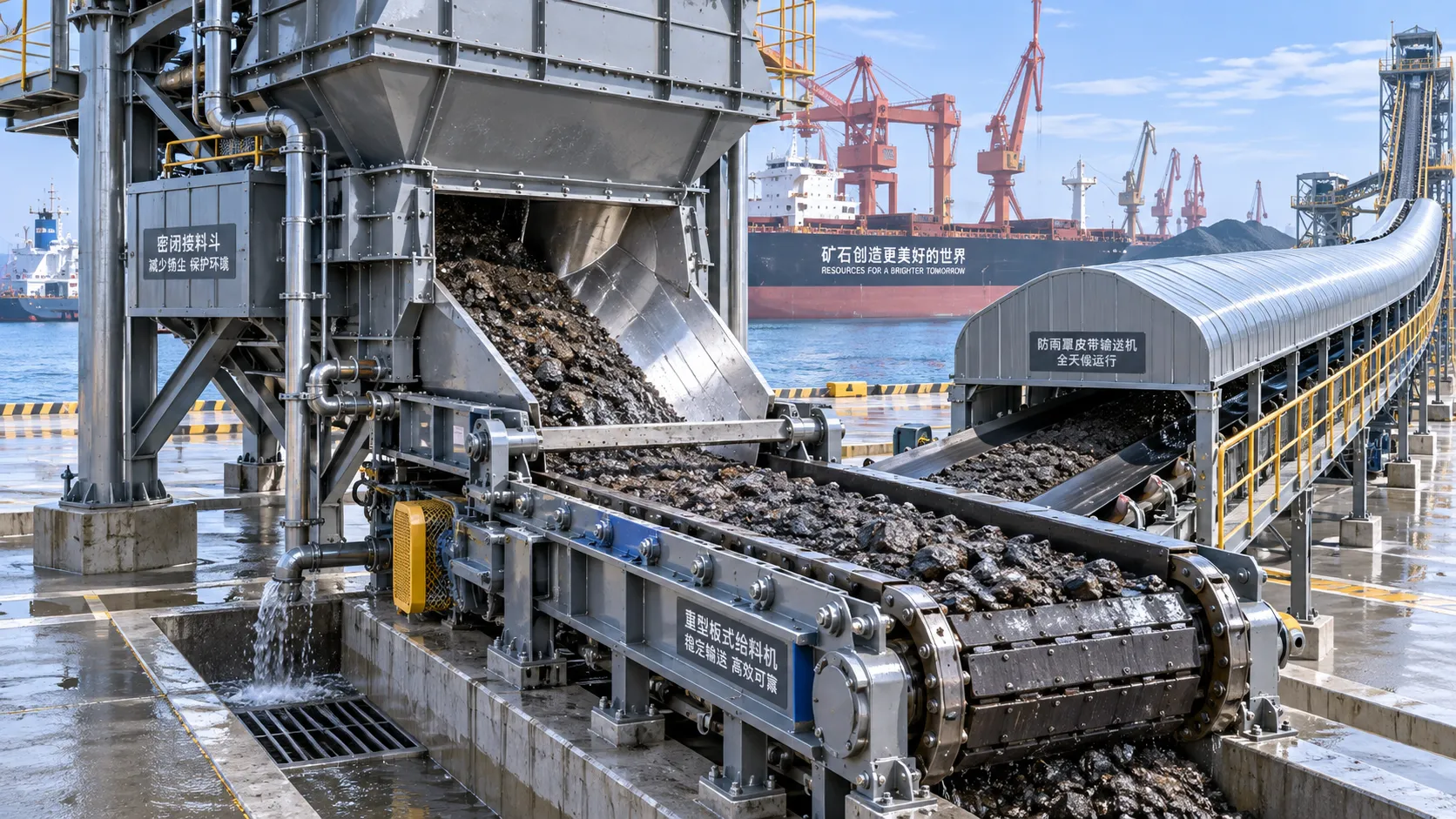
Which Bulk Handling Equipment Suits High-Moisture Cargo?
Which bulk handling equipment suits high-moisture cargo? Compare belt, apron, screw, drag, and slurry systems for reliable flow, less carryback, and higher terminal uptime.
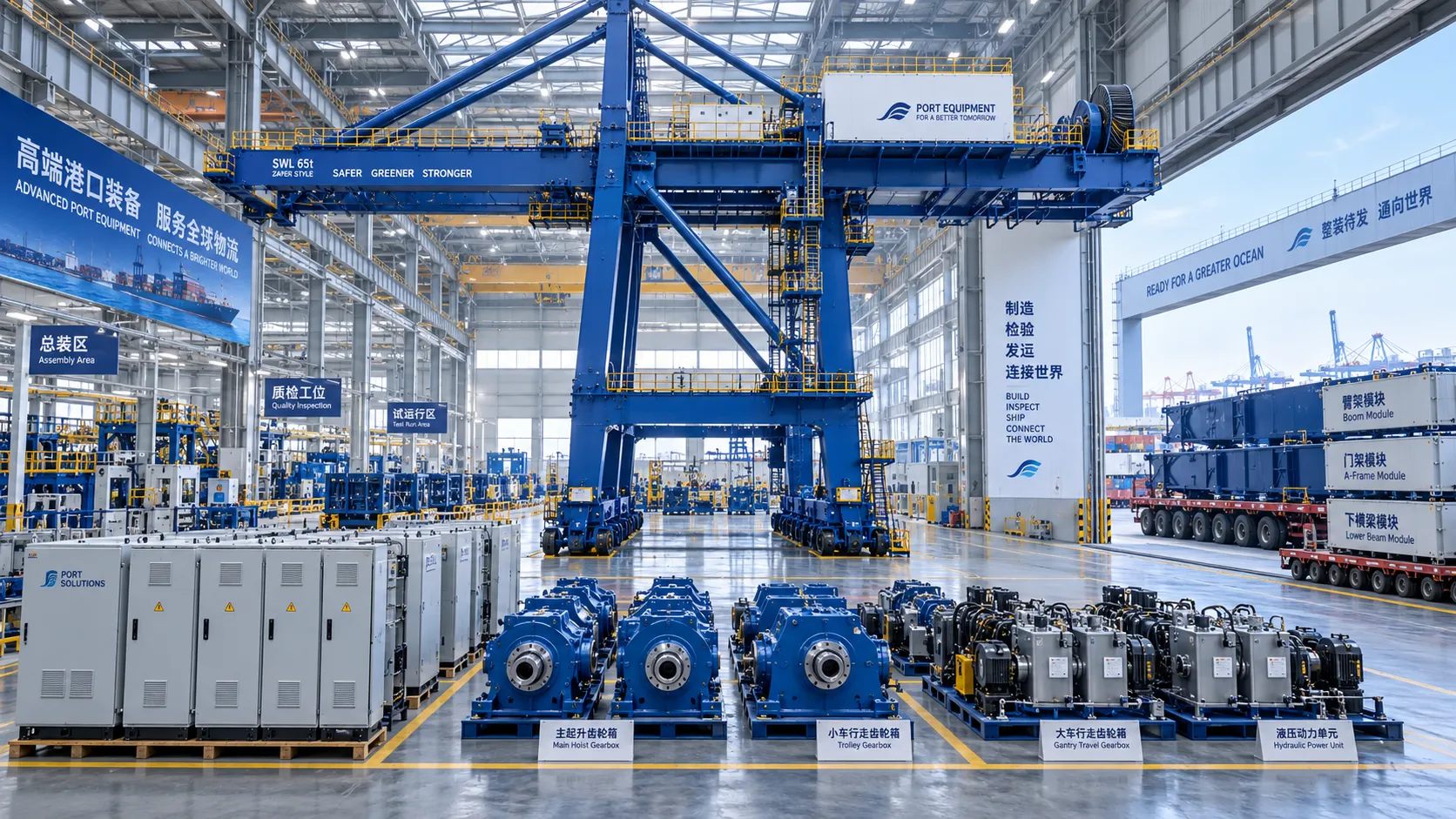
How Can Port Equipment Lead-Time Risk Be Managed?
How can port equipment lead-time risk be managed? Explore practical strategies to control critical paths, suppliers, transport, site readiness, and commissioning delays.
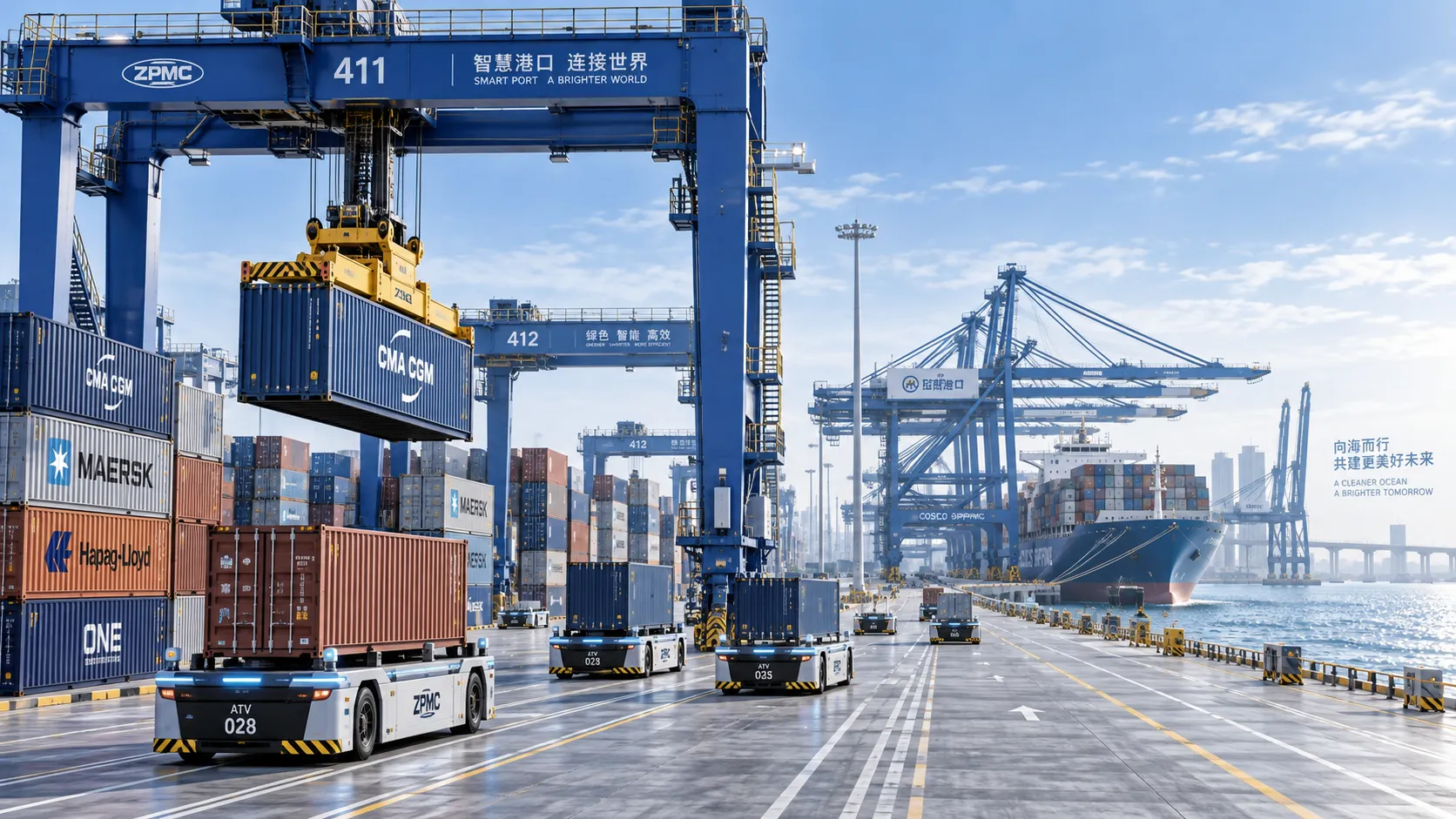
Terminal Automation Technologies That Raise Container Throughput Without Yard Disruption
Terminal automation technology that increases container throughput without disrupting yard flow. Explore smarter integration, resilient workflows, and phased deployment strategies.
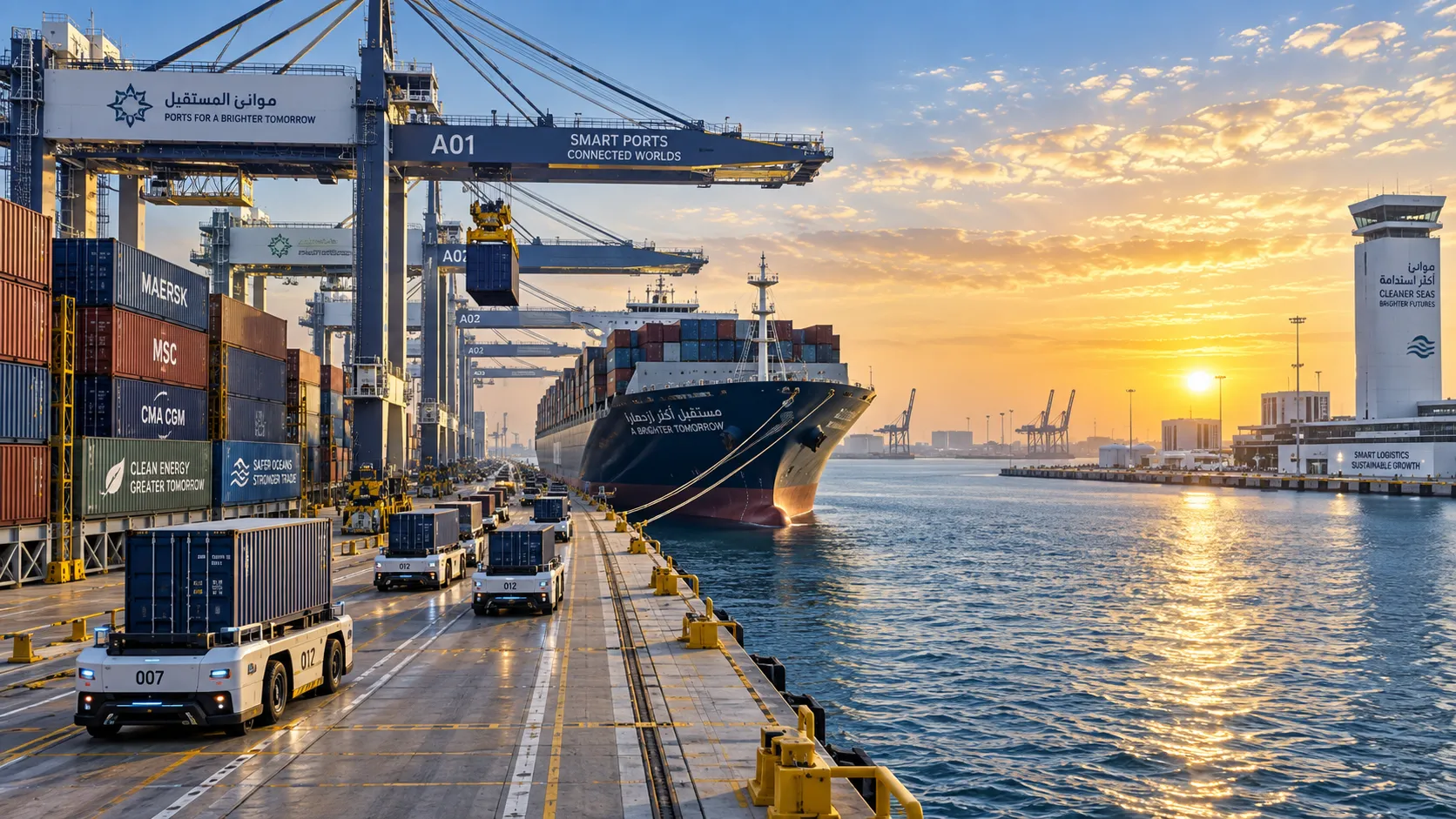
Middle East Port Automation: Key Market Drivers, Projects, and Investment Risks
Port automation systems Middle East: explore market drivers, flagship projects, integration challenges, and investment risks shaping smarter, resilient terminals.
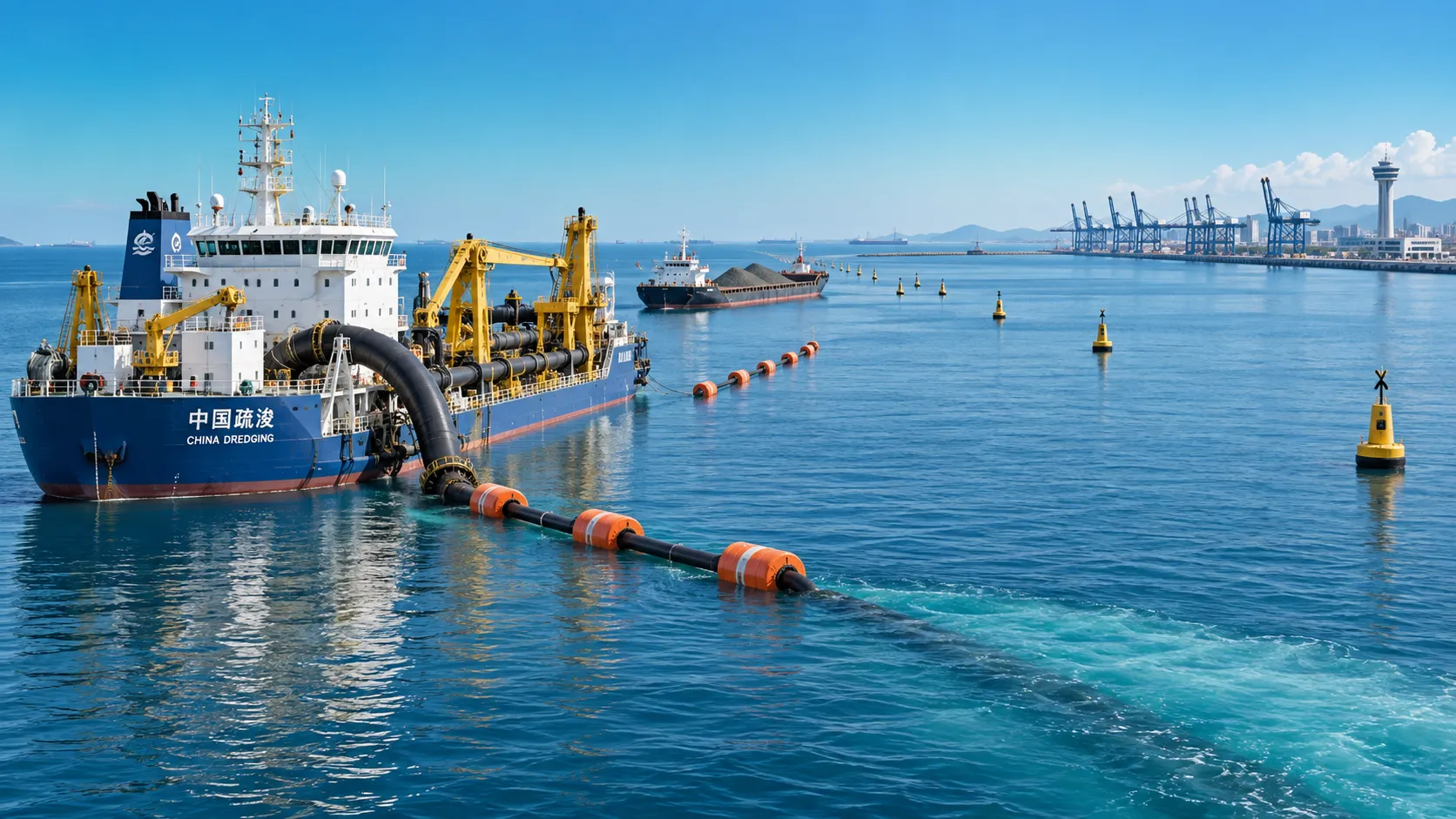
Planning Offshore Dredging Operations: Key Risks, Methods, and Project Controls
Offshore dredging operations demand smart planning. Explore key risks, proven methods, environmental controls, and project strategies for reliable delivery.