Related News
- 00
0000-00
How Can Port Equipment Lead-Time Risk Be Managed? - 00
0000-00
Maritime Logistics Operations: How Ports Can Reduce Container Dwell Time - 00
0000-00
What Does Logistics Node Monitoring Cost Across Warehouses and Transport Hubs? - 00
0000-00
How Can IoT Smart Port Solutions Improve Container Tracking and Yard Efficiency? - 00
0000-00
How Real-Time Port Logistics Intelligence Improves Container Yard Efficiency
Container Yard Optimization: How to Reduce Truck Turnaround Time and Rehandle Moves
Container Yard Optimization: How to Reduce Truck Turnaround Time and Rehandle Moves
In modern terminals, container yard optimization is no longer optional for teams facing congestion, rising fuel costs, and tighter vessel windows.
When slots, equipment, and gate workflows fall out of sync, trucks wait longer, stacks get messy, and rehandle moves climb fast.
The good news is that better yard performance rarely starts with one big investment.
It usually starts with clearer rules, cleaner data, tighter dispatch logic, and better timing between people and machines.
For operations focused on daily execution, container yard optimization means making every move count and every lane flow with less friction.
That also aligns with the practical intelligence approach promoted by PS-Nexus, where mechanical capacity, control logic, and trade rhythm must work together.
Why truck turnaround time and rehandle moves get worse
Most delays in the yard are not random.
They are usually the result of small planning gaps repeated across shifts.
A truck arrives early, but the box is buried.
A transfer vehicle is available, but the crane is serving another block.
A stack looks balanced on screen, yet import, export, empties, and reefers compete for the same space.
This is where container yard optimization becomes operational, not theoretical.
The main causes usually include poor slot discipline, weak appointment control, uneven block utilization, and limited visibility into upcoming moves.
- Import boxes stacked without pickup probability in mind
- Export containers arriving too early and consuming premium yard space
- Equipment dispatch based on reaction rather than forecast
- Gate peaks that overload specific blocks within narrow time windows
- Incomplete data from carriers, truckers, or terminal operating systems
Once these issues overlap, truck turnaround time extends, crane productivity drops, and rehandle moves become a hidden tax on the whole terminal.
Start with slot planning that reflects actual pickup and delivery patterns
Strong container yard optimization begins with smarter stacking logic.
Too many yards still assign slots by general category only.
That approach is easy to manage, but it often creates future rehandle moves.
A better method is to stack by expected dwell time, pickup sequence, and service priority.
For imports, fast-exit cargo should sit in the most accessible positions.
For exports, late-gate cargo should not be blocked by early arrivals with lower vessel urgency.
In actual operations, even a simple color-coded rule by dwell bands can improve flow.
- Create dwell-time bands for import, export, empty, and special cargo
- Reserve front rows for high-probability near-term pickups
- Separate uncertain dwell cargo from time-critical cargo
- Review stack rules at least once per shift using live exceptions
This kind of container yard optimization reduces avoidable reshuffles before they happen, which is always cheaper than fixing them later.
Use gate appointments to smooth pressure before it hits the yard
Truck queues often start outside the gate, but the root cause sits deeper inside the operation.
If too many trucks target the same block at the same hour, no dispatch team can fully absorb that shock.
That is why container yard optimization should include appointment design, not just yard design.
Effective appointment systems do more than assign time slots.
They control mix, spread demand, and protect critical vessel or rail windows.
More importantly, they should feed expected truck arrivals directly into yard labor and equipment planning.
- Cap appointments by block, transaction type, and hour
- Protect capacity for dual transactions when possible
- Penalize chronic no-shows and reward reliable arrival behavior
- Link gate bookings with real-time yard congestion alerts
When appointment controls are tuned well, truck turnaround time improves because peaks are flattened before they become operational emergencies.
Coordinate cranes, trucks, and transfer equipment as one flow
Many yards do not suffer from lack of equipment.
They suffer from poor timing between equipment types.
A rubber-tired gantry may be ready, while the truck is in another queue.
An AGV may arrive on time, while a handoff area remains blocked.
These timing losses look small, but they quickly stretch cycle time.
PS-Nexus often highlights this point in automation discussions.
The value is not in isolated machine speed alone, but in synchronized movement across the terminal.
For practical container yard optimization, dispatch logic should prioritize coordinated cycles over local efficiency.
When the yard is managed as one connected system, container yard optimization delivers steadier flow instead of short bursts followed by delays.
Cut rehandle moves by controlling stack height and exception cargo
Rehandle moves rarely come from one bad decision.
They come from stacking policies that ignore variation.
If every block is pushed to maximum density, the yard may look efficient on paper.
In practice, high density without selectivity often creates more reshuffles.
A smarter container yard optimization strategy sets different stack height limits by cargo behavior.
For example, uncertain pickup cargo should not be stacked like predictable short-dwell cargo.
Special handling units also need clean separation early, not after they disrupt normal flow.
- Set lower stack limits for volatile dwell cargo
- Isolate customs holds, damaged units, and special service boxes
- Audit blocks with the highest reshuffle ratio every shift
- Measure rehandle moves per transaction, not only per crane hour
This matters because lower rehandle intensity not only saves time, but also reduces fuel burn, tire wear, and operator fatigue.
Make data quality part of daily yard discipline
Even the best optimization rules fail when the underlying data is late or wrong.
A container shown in the wrong slot can waste several moves before anyone finds the problem.
That is why container yard optimization should include data hygiene as a frontline routine.
The priority is not collecting more dashboards.
The priority is trusting the live position, status, and task sequence of every important move.
In real operations, a short exception list reviewed each shift often beats a large report no one uses.
- Flag slot mismatches immediately after each move confirmation
- Review missing truck ETA, vessel cutoff, and container status fields
- Track manual overrides and study why they happen
- Share one shift-level congestion view across gate, yard, and control room
Better data quality gives container yard optimization a stable base, especially in automated or semi-automated terminals where scheduling logic depends on clean inputs.
Track the few metrics that actually change behavior
Some terminals track dozens of indicators and still miss the real bottleneck.
For container yard optimization, the most useful metrics are the ones that guide the next shift.
Keep the scorecard simple, visible, and tied to action.
- Average truck turnaround time by transaction type
- Rehandle moves per box handled
- Crane idle time caused by truck or lane delay
- Block occupancy by dwell category
- Appointment adherence and no-show rate
These measures help identify whether the problem is layout, scheduling, compliance, or data quality.
That clarity is what turns container yard optimization from a broad idea into a daily operating method.
Turn optimization into a repeatable operating habit
Lasting gains do not come from one workshop or one software upgrade.
They come from repeatable decisions made correctly under pressure.
The most effective container yard optimization programs are practical, measurable, and easy to review at shift level.
Start with one block, one gate window, or one cargo segment.
Test better slot rules, align appointments with yard capacity, and tighten dispatch timing.
Then compare truck turnaround time, rehandle moves, and idle losses over a defined period.
From there, scale what works and remove what only adds complexity.
In a market shaped by tighter trade schedules and smarter terminals, consistent yard discipline becomes a competitive advantage.
That is also the broader lesson behind PS-Nexus intelligence across port equipment, automation systems, and marine logistics infrastructure.
When machines, data, and scheduling logic are truly synchronized, the yard stops reacting and starts performing.
If the next shift can find the right box faster, move it once, and release the truck sooner, container yard optimization is already delivering real value.
Related News
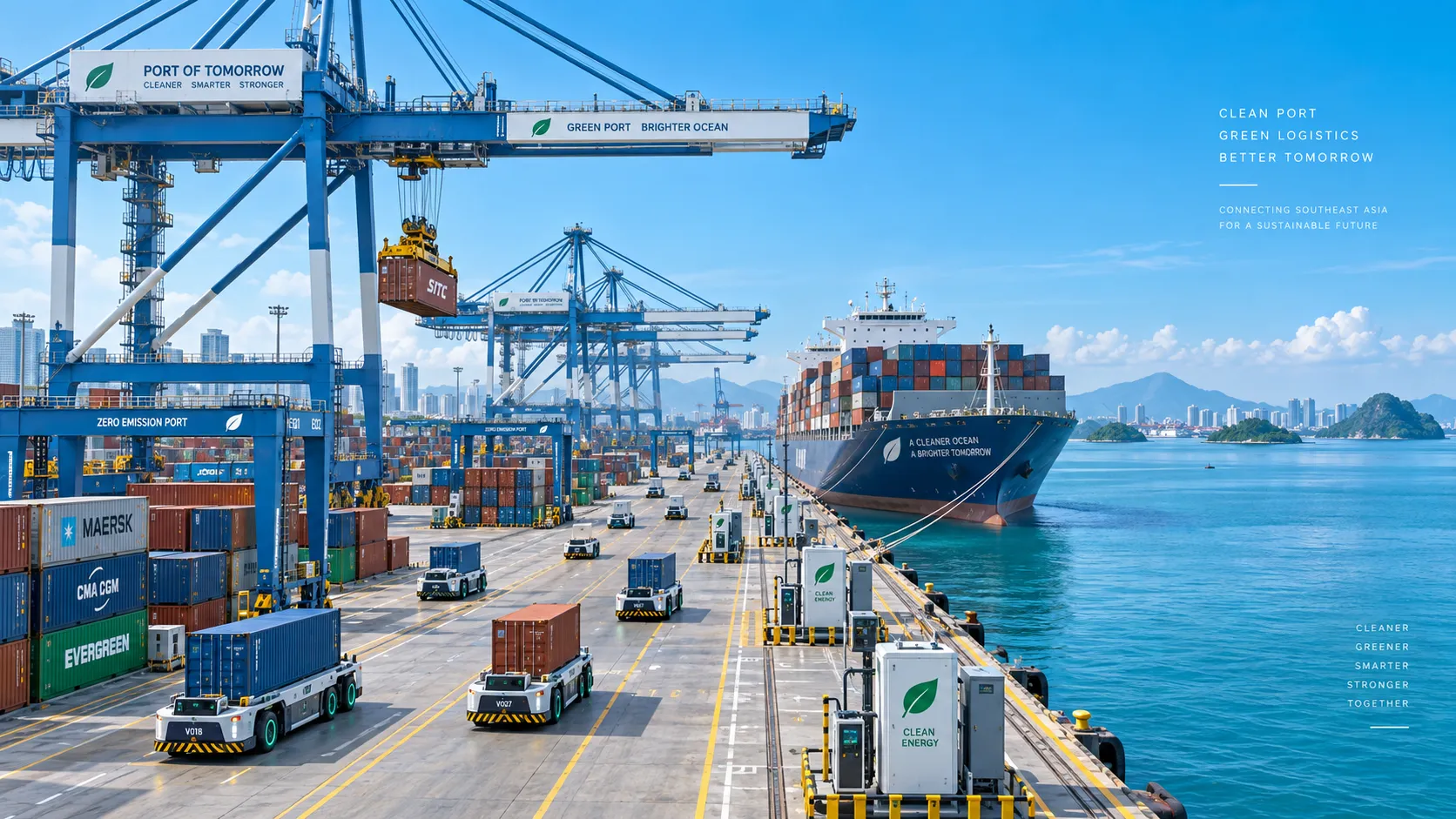
Smart Port Systems in Southeast Asia: Investment Priorities and Adoption Barriers
Smart port systems Southeast Asia: discover investment priorities, adoption barriers, and practical steps to build resilient, connected, high-performing terminals.
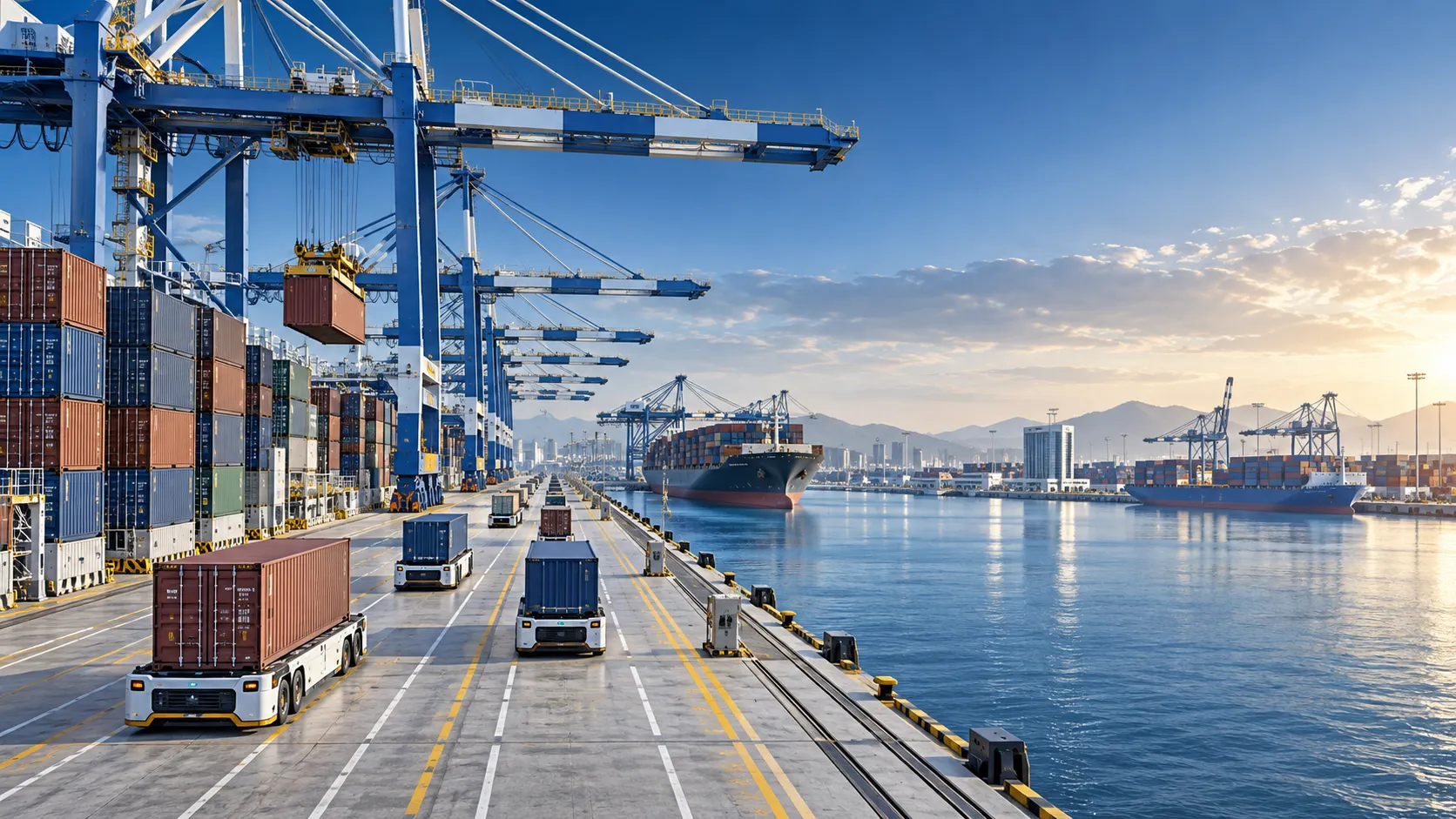
How to Evaluate Terminal Efficiency Solution Suppliers for High-Throughput Operations
Choose a terminal efficiency solutions supplier with confidence. Explore proven criteria for throughput, integration, lifecycle cost, safety, and reliable delivery.
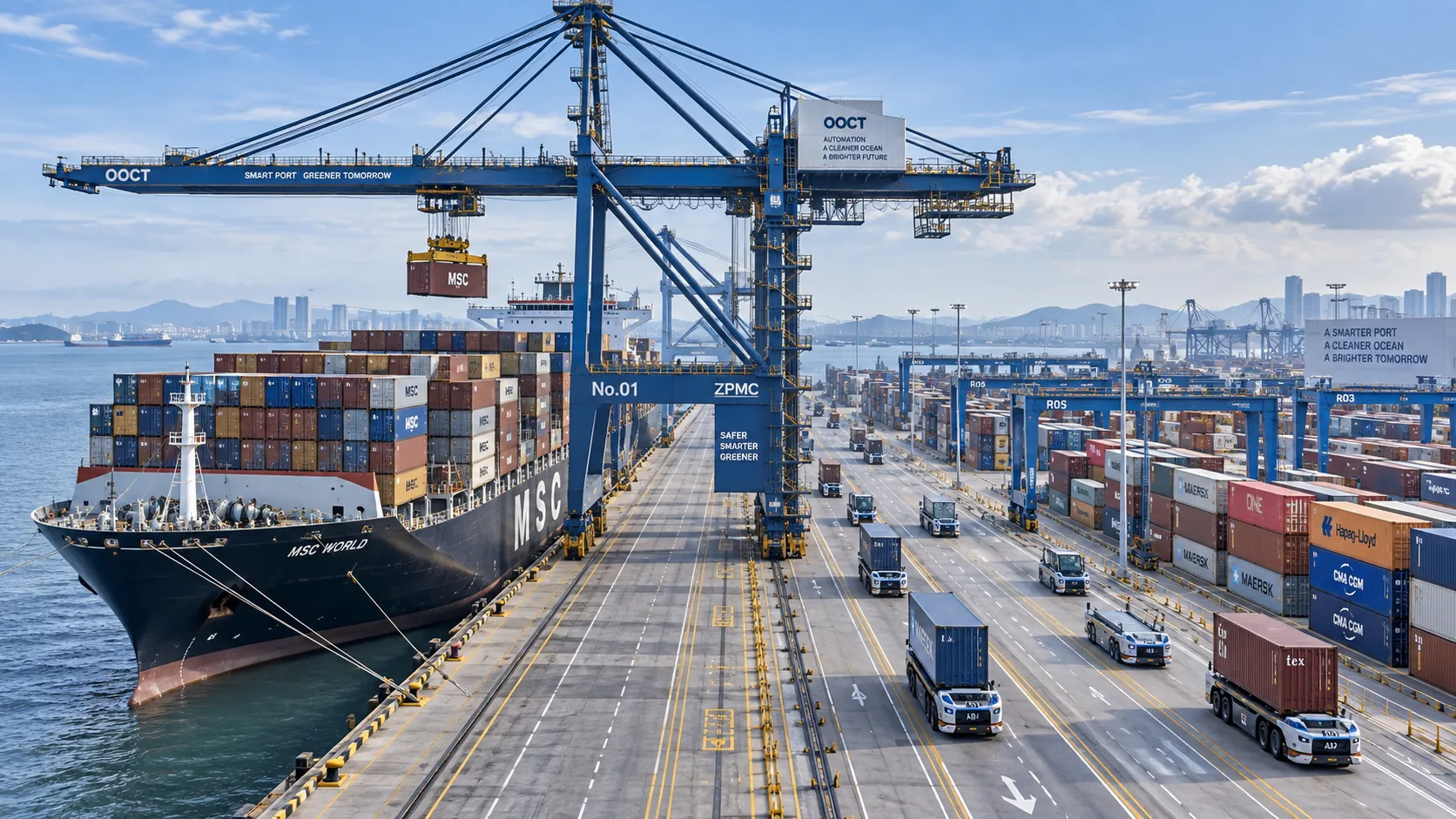
How to Specify a Quay Crane for Container Terminals by Vessel Size and Throughput?
Quay crane for container terminals: learn how to match outreach, lift height, capacity, automation, and cycle performance to vessel size and throughput goals.
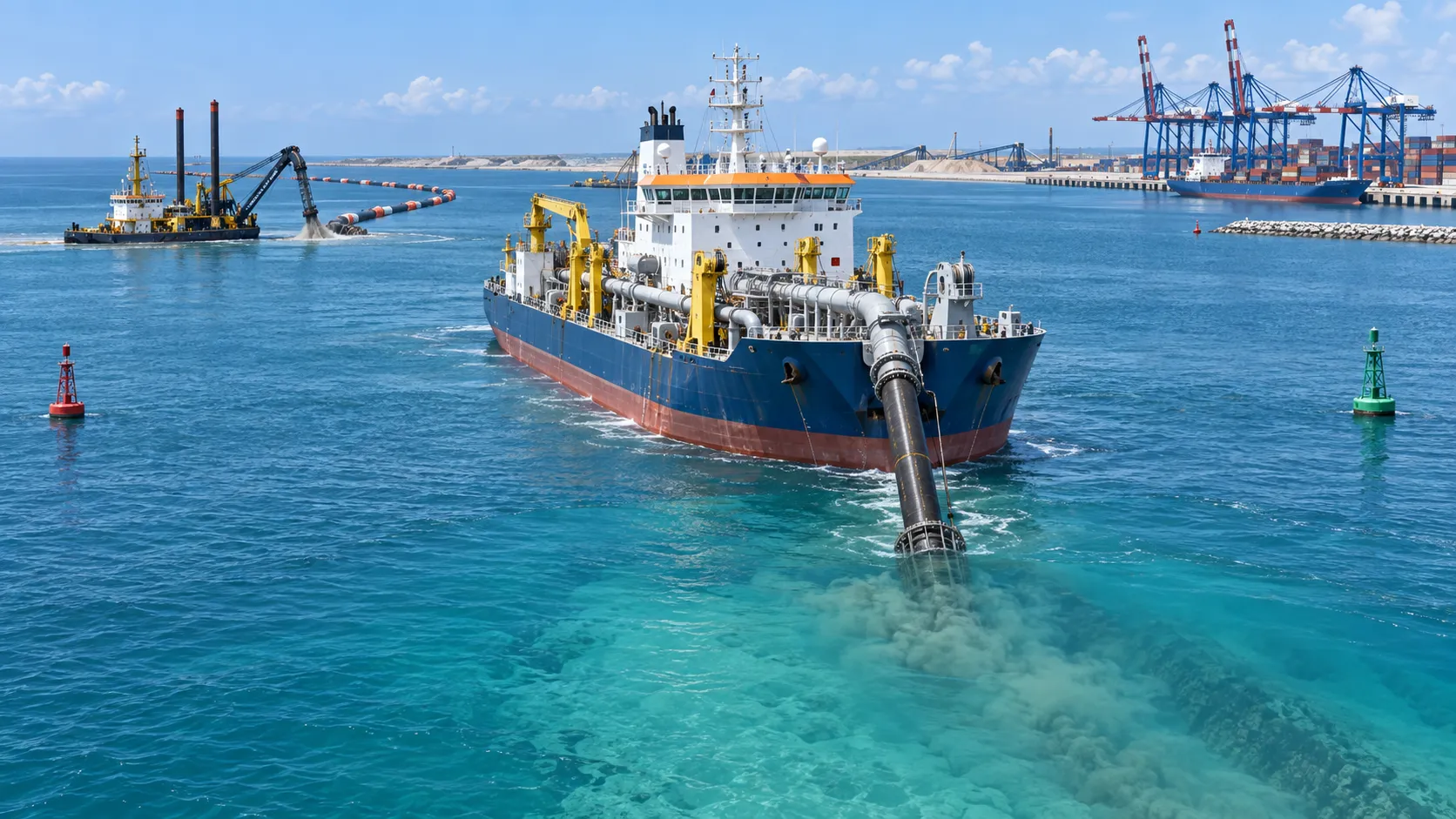
What Dredging Equipment Is Needed for Channel Deepening?
What dredging equipment is needed for channel deepening? Explore dredgers, pipelines, survey tools, and planning strategies for safer, more efficient port access.
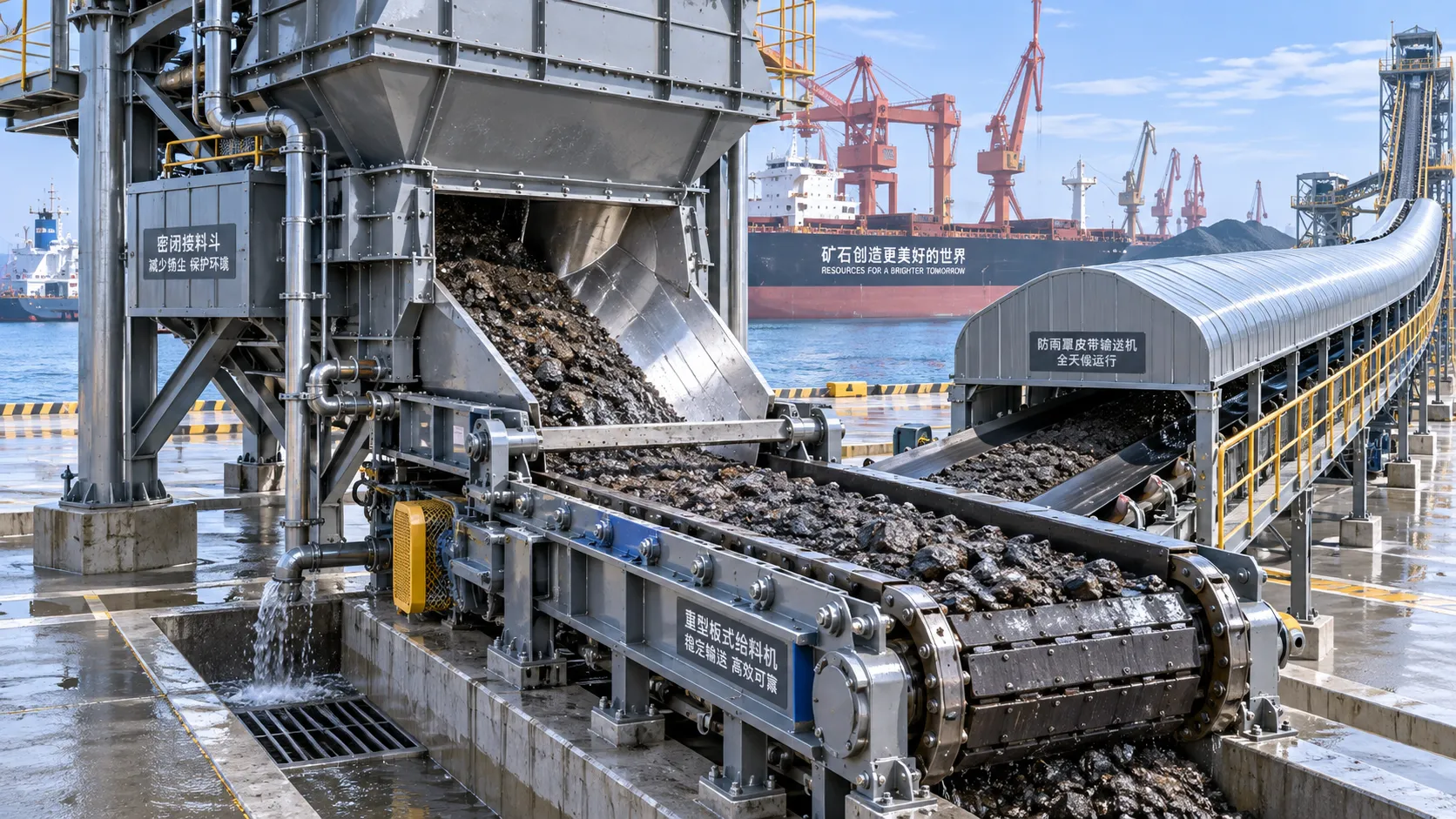
Which Bulk Handling Equipment Suits High-Moisture Cargo?
Which bulk handling equipment suits high-moisture cargo? Compare belt, apron, screw, drag, and slurry systems for reliable flow, less carryback, and higher terminal uptime.
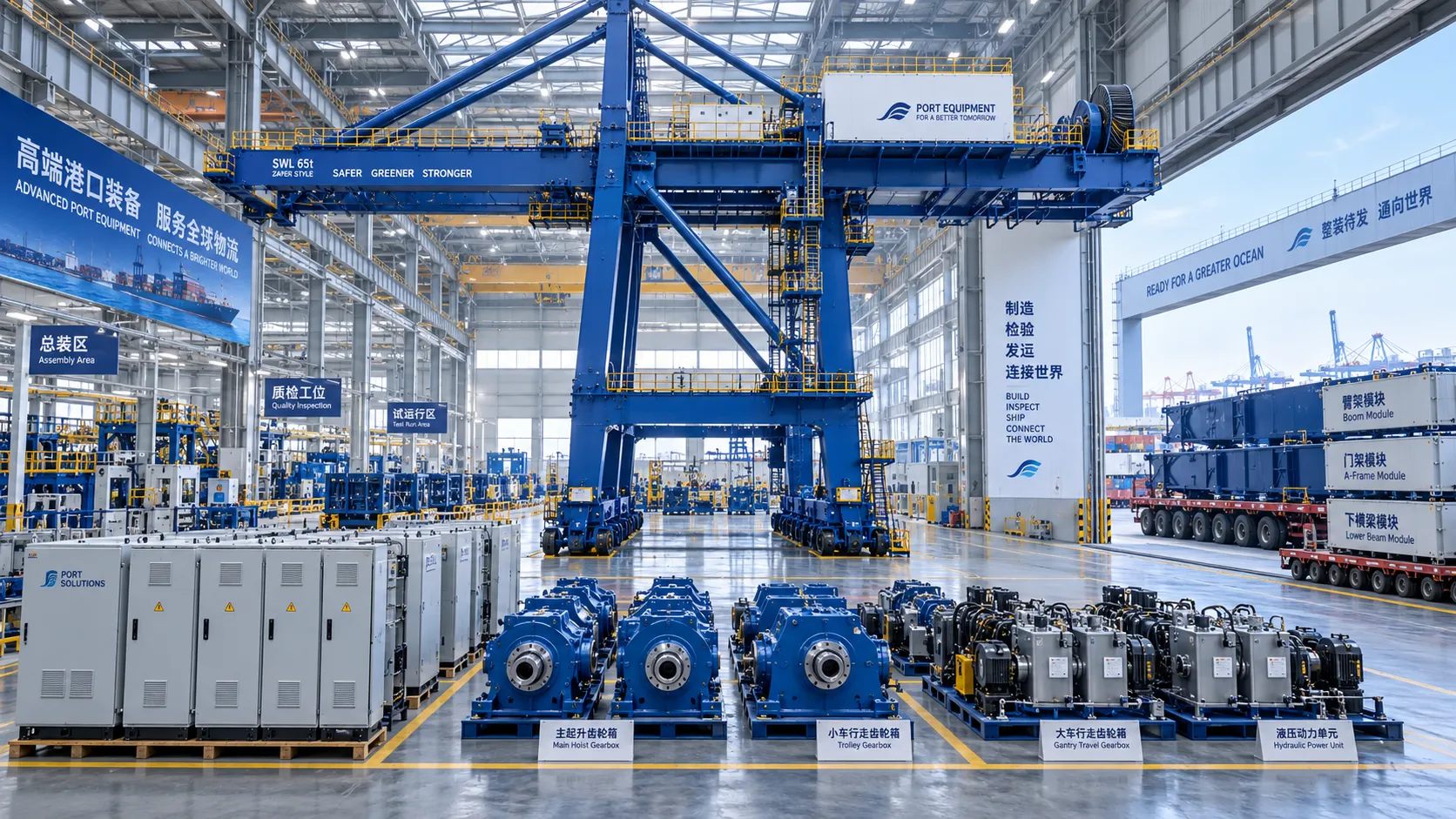
How Can Port Equipment Lead-Time Risk Be Managed?
How can port equipment lead-time risk be managed? Explore practical strategies to control critical paths, suppliers, transport, site readiness, and commissioning delays.
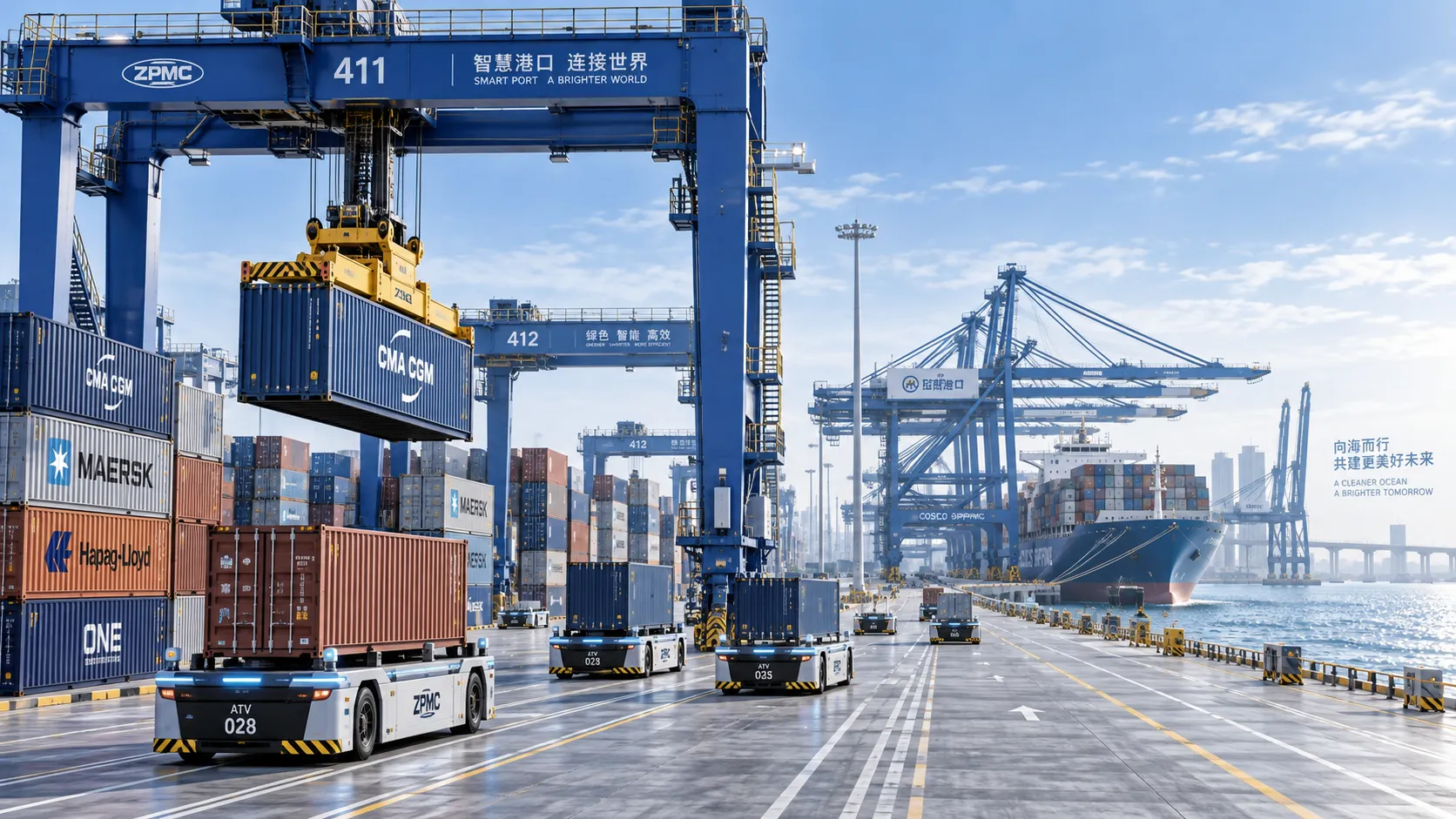
Terminal Automation Technologies That Raise Container Throughput Without Yard Disruption
Terminal automation technology that increases container throughput without disrupting yard flow. Explore smarter integration, resilient workflows, and phased deployment strategies.
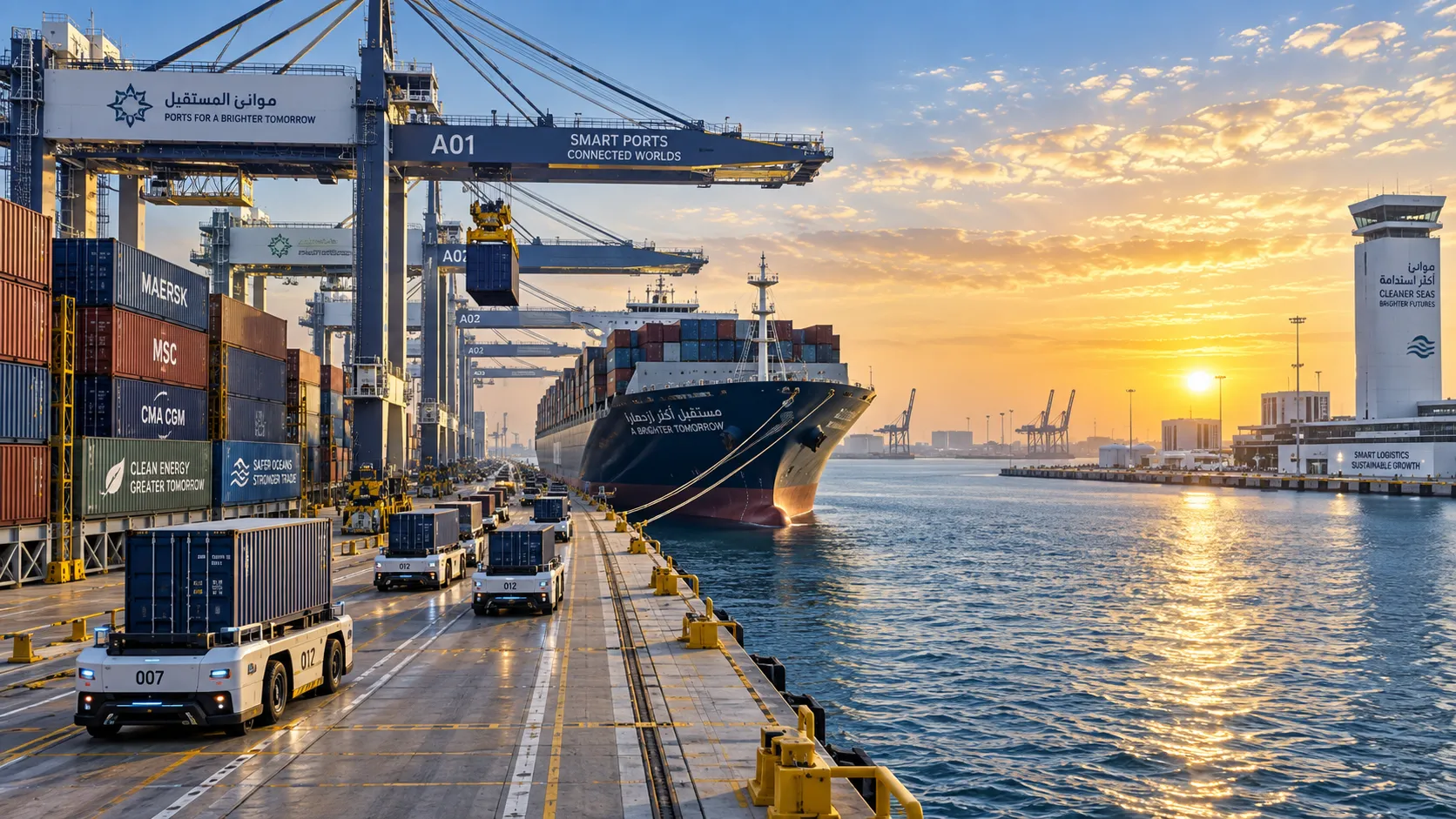
Middle East Port Automation: Key Market Drivers, Projects, and Investment Risks
Port automation systems Middle East: explore market drivers, flagship projects, integration challenges, and investment risks shaping smarter, resilient terminals.
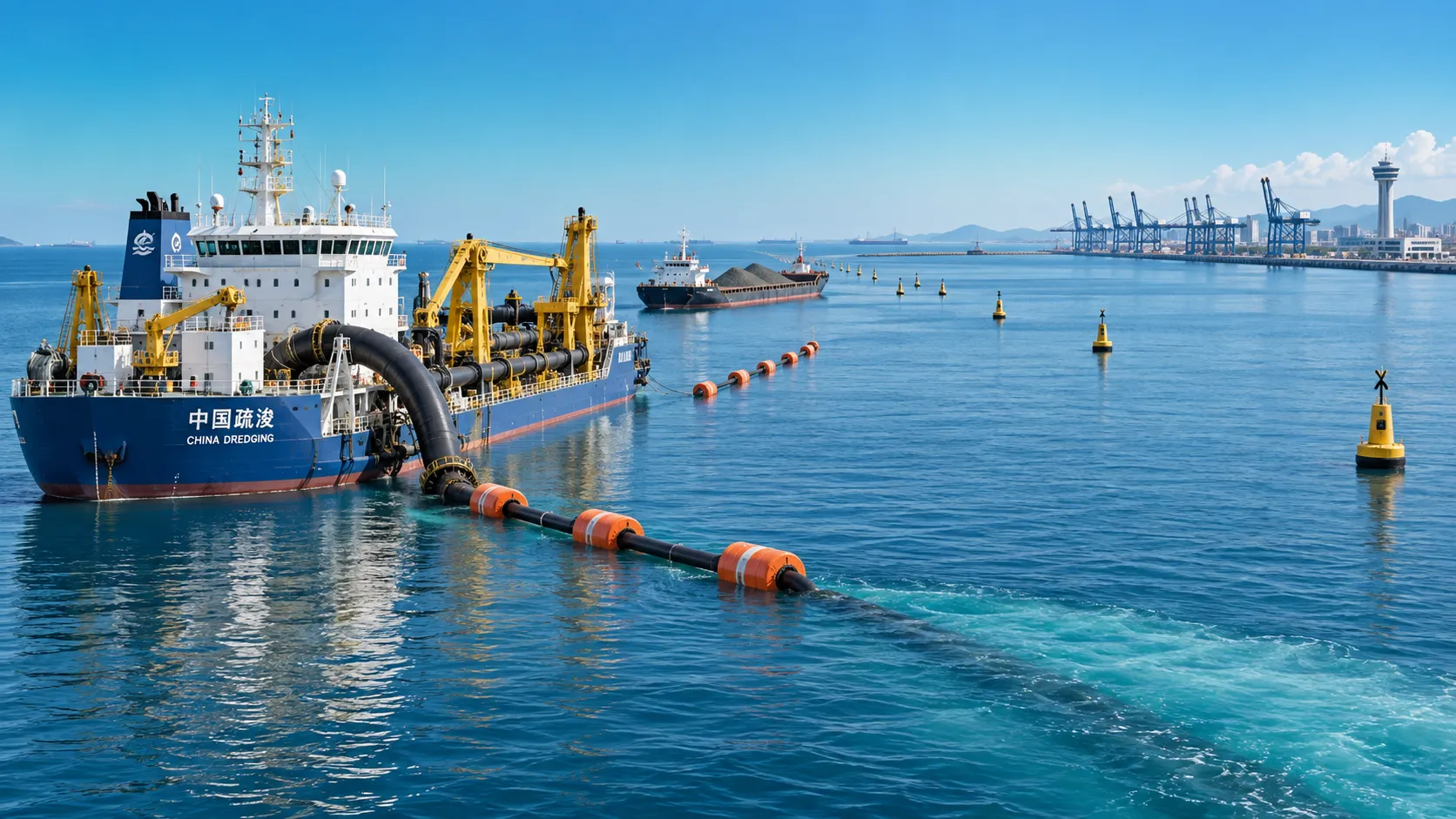
Planning Offshore Dredging Operations: Key Risks, Methods, and Project Controls
Offshore dredging operations demand smart planning. Explore key risks, proven methods, environmental controls, and project strategies for reliable delivery.