Related News
- 00
0000-00
How to Specify a Quay Crane for Container Terminals by Vessel Size and Throughput? - 00
0000-00
Which Bulk Handling Equipment Suits High-Moisture Cargo? - 00
0000-00
Terminal Automation Technologies That Raise Container Throughput Without Yard Disruption - 00
0000-00
Planning Offshore Dredging Operations: Key Risks, Methods, and Project Controls - 00
0000-00
Where Do Automated Guided Vehicles Deliver the Fastest Warehouse Gains in the Middle East?
Why smart operations solutions fail without clear data
Smart operations solutions promise speed, visibility, and automation, but they underperform when the data beneath them is inconsistent, delayed, or incomplete. For technical evaluators in ports, bulk handling, and terminal automation, the main issue is not software sophistication alone. It is whether the platform can trust, normalize, and operationalize data across equipment, control systems, yards, vessels, and planning layers.
In maritime logistics, failure rarely comes from a lack of dashboards or analytics features. It usually comes from unstable interfaces, mismatched timestamps, poor master data, and fragmented control logic between operational technology and enterprise platforms. When that happens, scheduling degrades, alarms lose meaning, utilization metrics become misleading, and automation decisions create more friction than value.
This is why smart operations solutions should be evaluated first as data systems, not just as application suites. A terminal can install modern software, connect cranes, AGVs, TOS platforms, PLC networks, and dredging assets, yet still fail to achieve measurable gains if its data foundation cannot support real-time coordination and reliable decision-making.
What technical evaluators are really trying to determine
When users search for why smart operations solutions fail without clear data, they are usually not looking for a generic statement about digital transformation. They want to know what breaks in practice, how to identify risk early, and how to separate a credible solution from a polished but fragile one.
For technical assessment teams, the core concern is operational reliability. Can the system ingest data from mixed fleets, legacy assets, and multiple vendors without creating blind spots? Can it maintain accurate timestamps, asset states, and event histories under live operating conditions? If not, the solution may look advanced during demonstrations but fail during peak terminal activity.
They also want a practical judging framework. Instead of asking whether a platform supports AI, optimization, or automation, they need to ask whether the data structure is stable enough for those functions to work safely. In port environments, optimization is only as good as the event quality, asset context, and exception handling behind it.
Why clear data matters more than interface sophistication
In complex maritime operations, clear data means more than clean charts or readable labels. It means data that is accurate, synchronized, contextualized, and usable across systems. A smart operations solution depends on this clarity to turn machine events, yard positions, maintenance signals, and vessel plans into decisions that improve throughput rather than disrupt it.
Consider quay crane coordination, yard allocation, or automated container handoffs. If position data is delayed, if work orders are duplicated, or if status codes differ between systems, the platform cannot form a reliable picture of operations. At that point, even strong optimization logic produces weak outcomes because it is acting on flawed assumptions.
This issue is especially serious in terminals where equipment classes are diverse. Ship-to-shore cranes, RTGs, RMGs, straddle carriers, AGVs, conveyors, and dredging support assets often operate across different protocols, controllers, and software layers. Without clear data governance, the system becomes a collection of disconnected truths instead of a single operational model.
That is why technical evaluators should treat data clarity as a control issue, not just an IT issue. Once data quality drops, scheduling confidence falls, exception response slows, and human operators begin bypassing system recommendations. The result is not just lower efficiency. It is lower trust.
The most common reasons smart operations solutions fail
The first reason is fragmented integration. Many deployments connect to multiple systems, but they do not harmonize them. A terminal may have a terminal operating system, equipment monitoring tools, maintenance platforms, ERP data, vessel schedules, and energy reporting systems, all feeding into one layer. If the semantics are inconsistent, the platform will aggregate noise rather than intelligence.
The second reason is poor event timing. In automated or semi-automated terminals, timing accuracy is essential. If sensor updates, dispatch instructions, or job completion events arrive out of sequence or with unpredictable latency, the system cannot make reliable coordination decisions. This creates operational oscillation, where resources are constantly reassigned based on stale information.
The third reason is weak master data. Asset naming conventions, location hierarchies, job types, container status categories, and maintenance codes must be standardized. When they are not, reports may appear complete while hiding major inconsistency. This is one of the most dangerous failure modes because the system looks functional while its logic is silently degrading.
The fourth reason is unclear ownership of data quality. Many organizations assign implementation responsibility to vendors or IT teams but do not define who owns event definitions, exception rules, synchronization thresholds, and data validation. In live port operations, unclear ownership leads directly to unresolved anomalies and long-term platform erosion.
The fifth reason is trying to automate before stabilizing visibility. Some operators want predictive scheduling, digital twins, or autonomous orchestration before they have dependable baseline telemetry. Without stable visibility into current states, advanced features become high-risk layers on top of uncertain inputs.
How data problems show up in real port and terminal operations
In marine logistics, data failure usually appears first as operational inconsistency rather than system outage. Crane productivity reports differ from actual moves. Yard occupancy looks acceptable in the dashboard but fails in field execution. AGV dispatching seems balanced at the top level while producing avoidable queueing and idle time at transfer points.
For bulk handling, data clarity is equally critical. Conveyor loads, stockpile positions, shiploader rates, and moisture or quality readings must align in time and context. If one part of the chain is delayed or mislabeled, planning decisions can shift material inefficiently, distort utilization, or create avoidable demurrage risk.
In dredging engineering, unclear data affects asset health, pump monitoring, fuel management, and progress verification. A system may show acceptable performance averages while missing short bursts of overload, sediment variability, or communication loss. Technical evaluators should therefore check whether the platform preserves raw event fidelity instead of only presenting high-level summaries.
Across all these scenarios, the main symptom is the same. Operators stop depending on the system during critical periods. They return to manual calls, spreadsheets, radio confirmation, or local workarounds because system outputs no longer match operational reality.
What a strong data foundation looks like
A strong foundation begins with a clear operational data model. The platform should define assets, jobs, locations, statuses, alarms, and events in a way that remains consistent across vendors and subsystems. It should be obvious how a crane move, a vehicle dispatch, a maintenance event, and a berth assignment relate to one another.
Second, the solution should support robust time handling. In terminals, event timing is not cosmetic metadata. It determines whether sequencing logic, dispatch optimization, and root-cause analysis are trustworthy. Technical evaluators should verify timestamp precision, clock synchronization, buffering behavior, and recovery logic after communication interruption.
Third, the system should include data validation and exception management. A good platform does not merely ingest information. It detects impossible states, duplicate events, missing transitions, and conflicting equipment statuses. This capability matters because maritime operations are noisy, and real-world systems must handle imperfect conditions without silently corrupting decision layers.
Fourth, interoperability should be practical rather than nominal. It is not enough for a solution to claim API support. Evaluators should examine how well it handles industrial protocols, edge collection, historian integration, OT security boundaries, and vendor-specific variations in equipment telemetry.
Fifth, governance must be built into the operating model. Data stewardship, field naming control, alarm classification, retention rules, and change approval should be defined before expansion. Without this discipline, initial success often deteriorates as more assets and use cases are added.
Evaluation questions that matter more than feature lists
When comparing smart operations solutions, technical teams should avoid centering the discussion on dashboards, AI labels, or generic automation promises. Those features matter, but they are downstream outcomes. The first evaluation layer should test whether the solution can produce a reliable operational truth under real load and mixed-system conditions.
Useful questions include: What are the required data sources for each optimization function? How does the platform handle missing or delayed events? What happens when two systems report different states for the same asset? How are master data conflicts detected and resolved? Which decisions are blocked automatically when data confidence drops below threshold?
They should also ask how the vendor measures data quality after go-live. Is there a visible score for completeness, latency, consistency, and exception rate? Can users trace a KPI back to source events? Is there support for auditability when investigating productivity, incidents, or equipment underperformance?
Another essential topic is operational fallback. In high-value marine environments, resilience matters as much as intelligence. If connectivity degrades or a subsystem fails, does the platform degrade safely? Can operators continue work with controlled manual override and later reconcile records accurately? Mature smart operations solutions are designed for imperfect reality, not ideal laboratory conditions.
How to reduce implementation risk before deployment
The most effective way to reduce failure risk is to start with a data-readiness assessment before full application rollout. This assessment should map source systems, event structures, asset hierarchies, latency characteristics, protocol constraints, and existing master data quality. It should also identify where business definitions differ across departments.
Next, build a priority use-case sequence instead of digitizing everything at once. For example, begin with equipment visibility, event quality, and dispatch transparency before moving to predictive maintenance or automated yard optimization. This staged approach helps validate the data layer under live conditions before advanced logic depends on it.
Technical evaluators should also insist on scenario testing, not only interface demonstrations. The right tests include communication delay, duplicate event injection, subsystem outage, timestamp drift, inconsistent asset IDs, and peak-load throughput stress. A solution that performs well under these conditions is far more valuable than one that looks elegant in static presentations.
Finally, involve operations, maintenance, controls engineering, and IT together. Smart operations solutions fail when evaluation is isolated inside one function. Port environments are cross-disciplinary by nature, so the data model must serve real workflows across dispatch, equipment reliability, energy use, berth management, and commercial reporting.
Why this matters strategically for maritime logistics
For organizations in port automation, heavy terminal gear, bulk handling, and dredging engineering, clear data is not only an implementation detail. It is the foundation for throughput, safety, energy performance, and investment confidence. A terminal cannot scale intelligent scheduling or remote operations if its underlying data remains fragmented.
As terminals pursue net-zero goals, low-latency control, autonomous equipment, and tighter supply chain synchronization, the quality of operational data becomes even more strategic. Energy optimization, emissions reporting, predictive service intervals, and digital control all depend on the same prerequisite: trusted, timely, structured information.
This is why smart operations solutions should be assessed as long-term infrastructure capabilities rather than software purchases. The best platforms do more than visualize activity. They create a dependable operational language that lets equipment, software, and people act on the same reality.
Conclusion: evaluate the data spine before the intelligence layer
Smart operations solutions do not usually fail because the vision is wrong. They fail because the data spine is too weak to support real-time decisions across complex maritime systems. For technical evaluators, the most important judgment is not whether the platform appears innovative. It is whether the data model, integration quality, timing integrity, and governance framework are strong enough to sustain trust in live operations.
If the data is clear, synchronized, and governed, optimization can deliver measurable value. If the data is fragmented, delayed, or ambiguous, even advanced systems will struggle. In ports and marine logistics, operational intelligence starts with data discipline. Everything else depends on it.
Related News
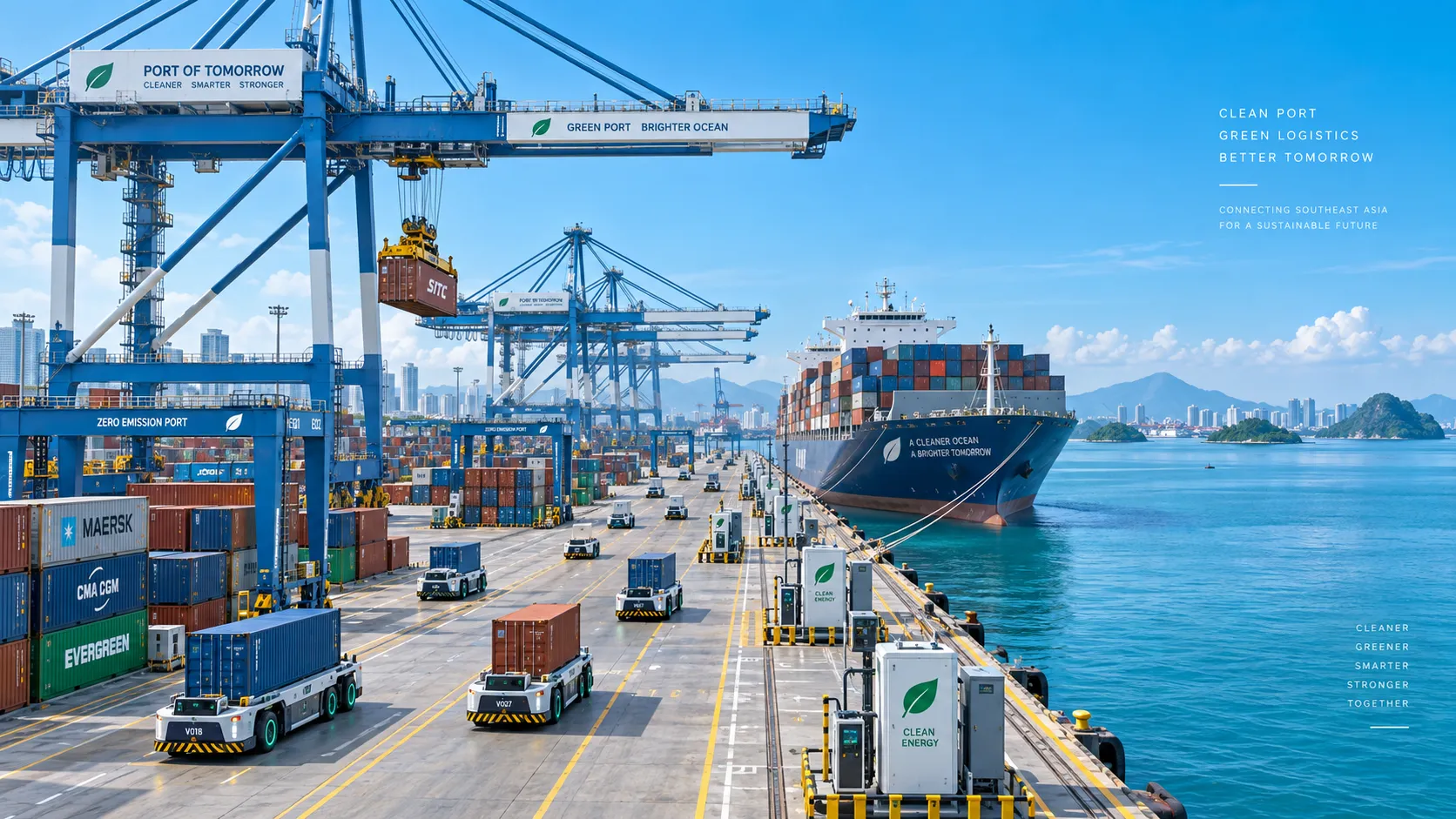
Smart Port Systems in Southeast Asia: Investment Priorities and Adoption Barriers
Smart port systems Southeast Asia: discover investment priorities, adoption barriers, and practical steps to build resilient, connected, high-performing terminals.
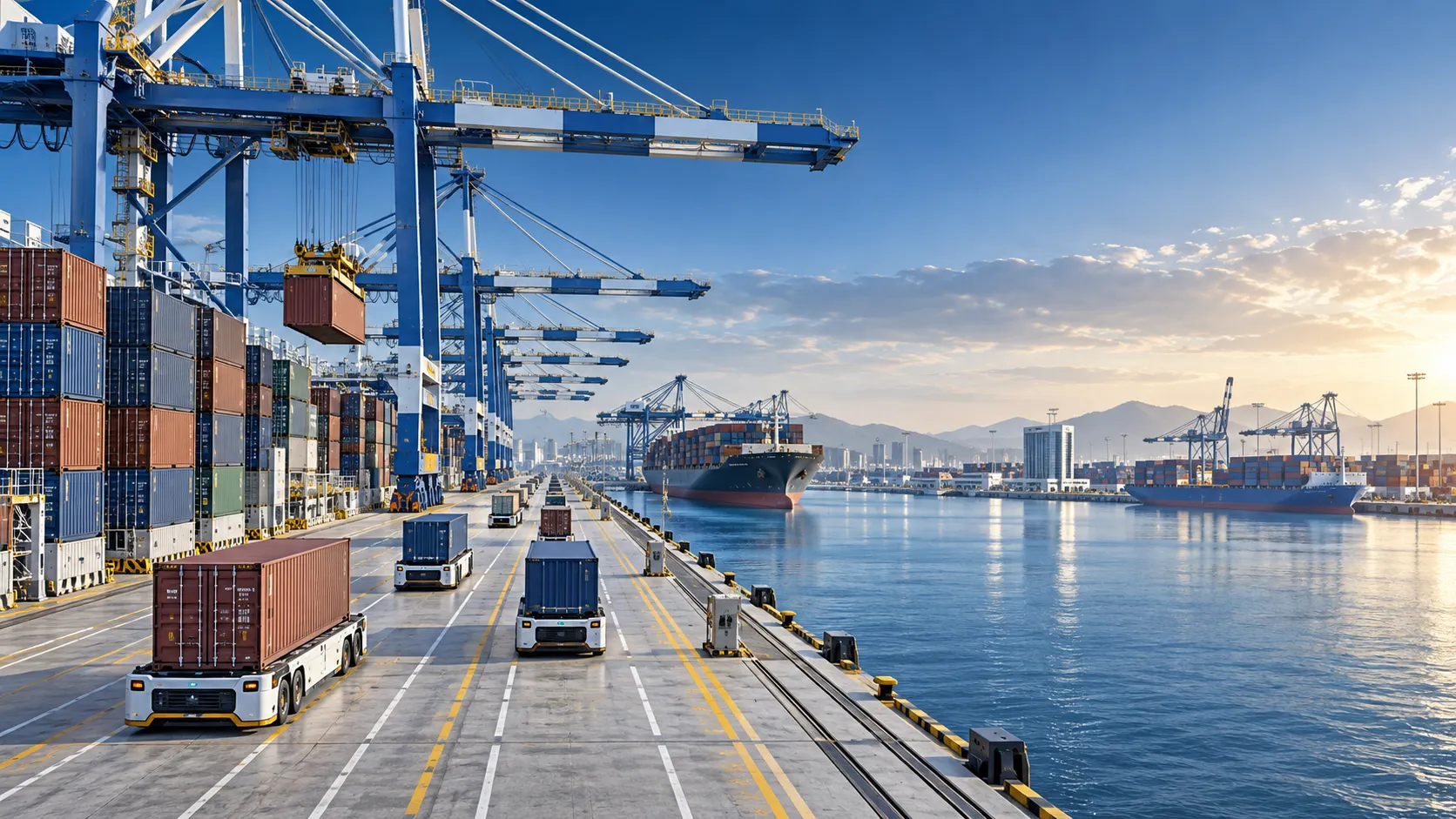
How to Evaluate Terminal Efficiency Solution Suppliers for High-Throughput Operations
Choose a terminal efficiency solutions supplier with confidence. Explore proven criteria for throughput, integration, lifecycle cost, safety, and reliable delivery.
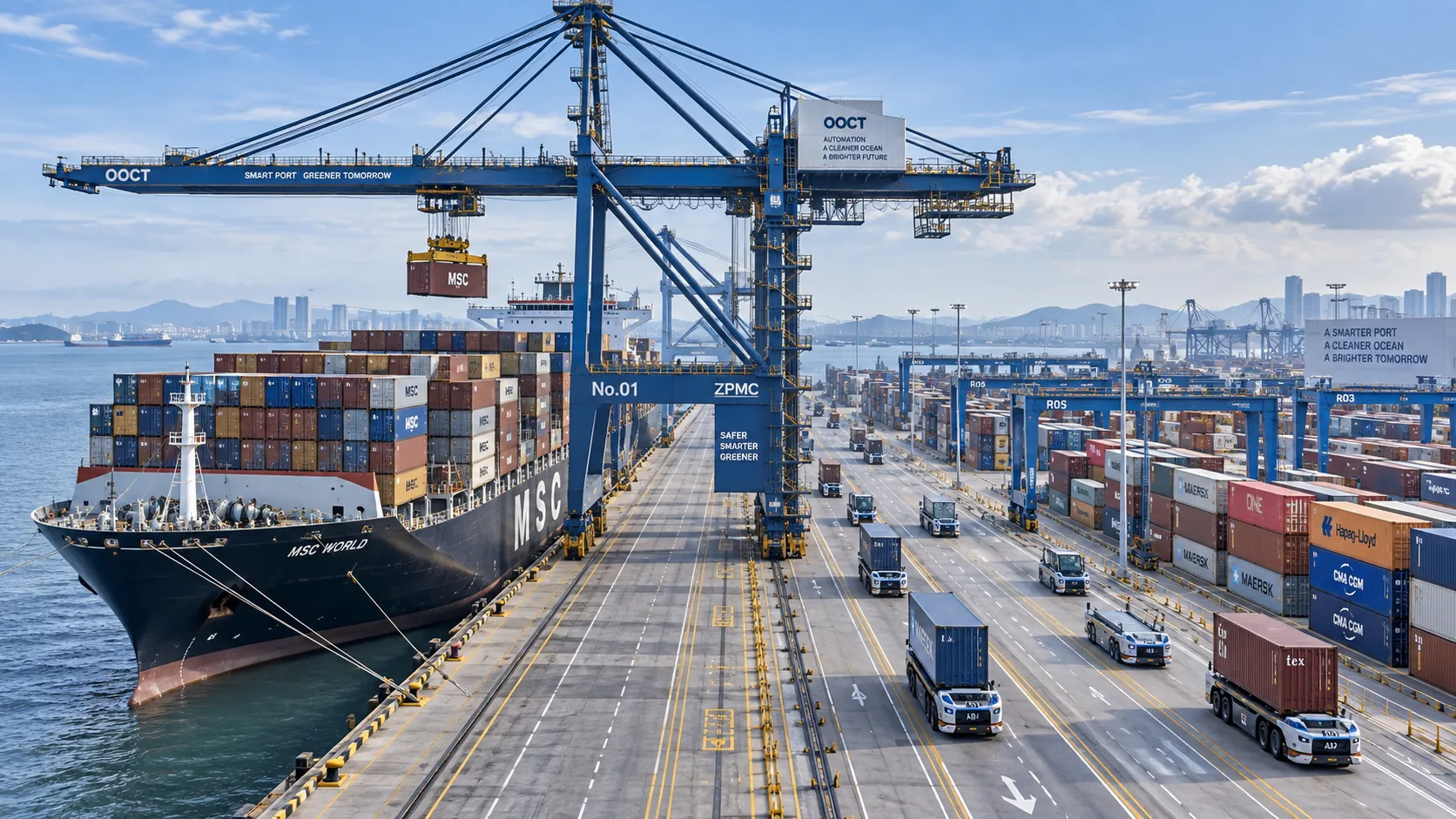
How to Specify a Quay Crane for Container Terminals by Vessel Size and Throughput?
Quay crane for container terminals: learn how to match outreach, lift height, capacity, automation, and cycle performance to vessel size and throughput goals.
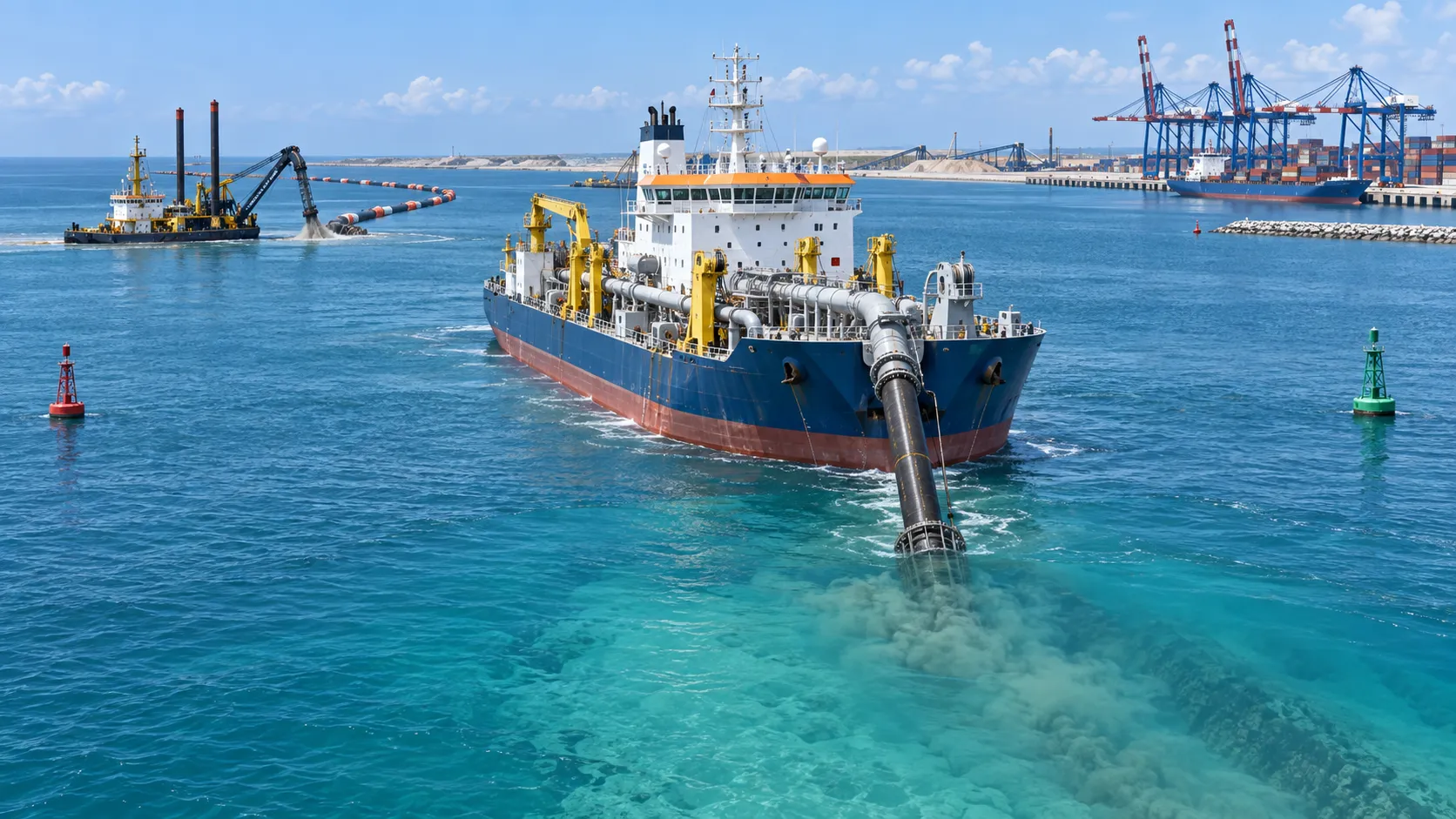
What Dredging Equipment Is Needed for Channel Deepening?
What dredging equipment is needed for channel deepening? Explore dredgers, pipelines, survey tools, and planning strategies for safer, more efficient port access.
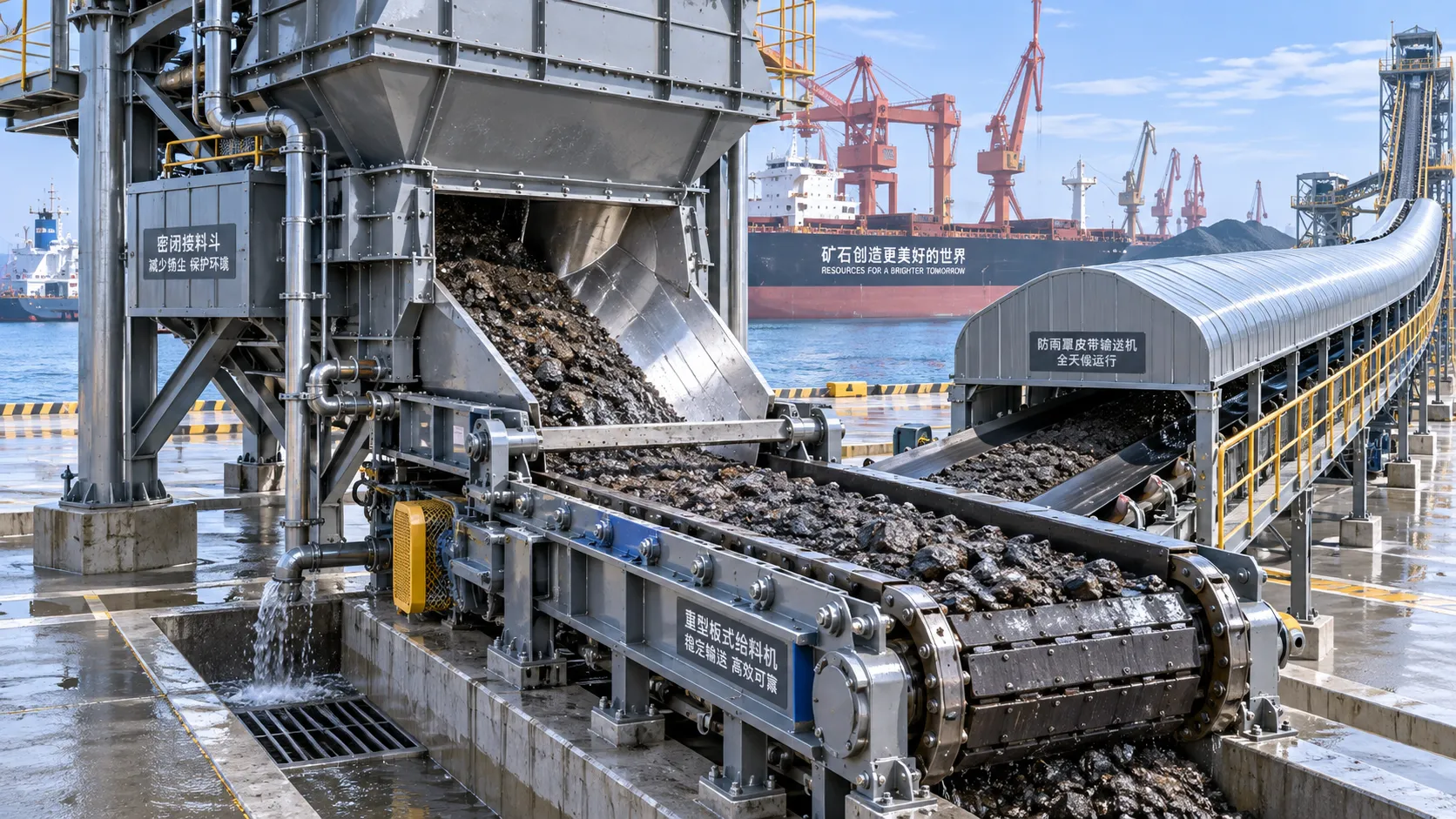
Which Bulk Handling Equipment Suits High-Moisture Cargo?
Which bulk handling equipment suits high-moisture cargo? Compare belt, apron, screw, drag, and slurry systems for reliable flow, less carryback, and higher terminal uptime.
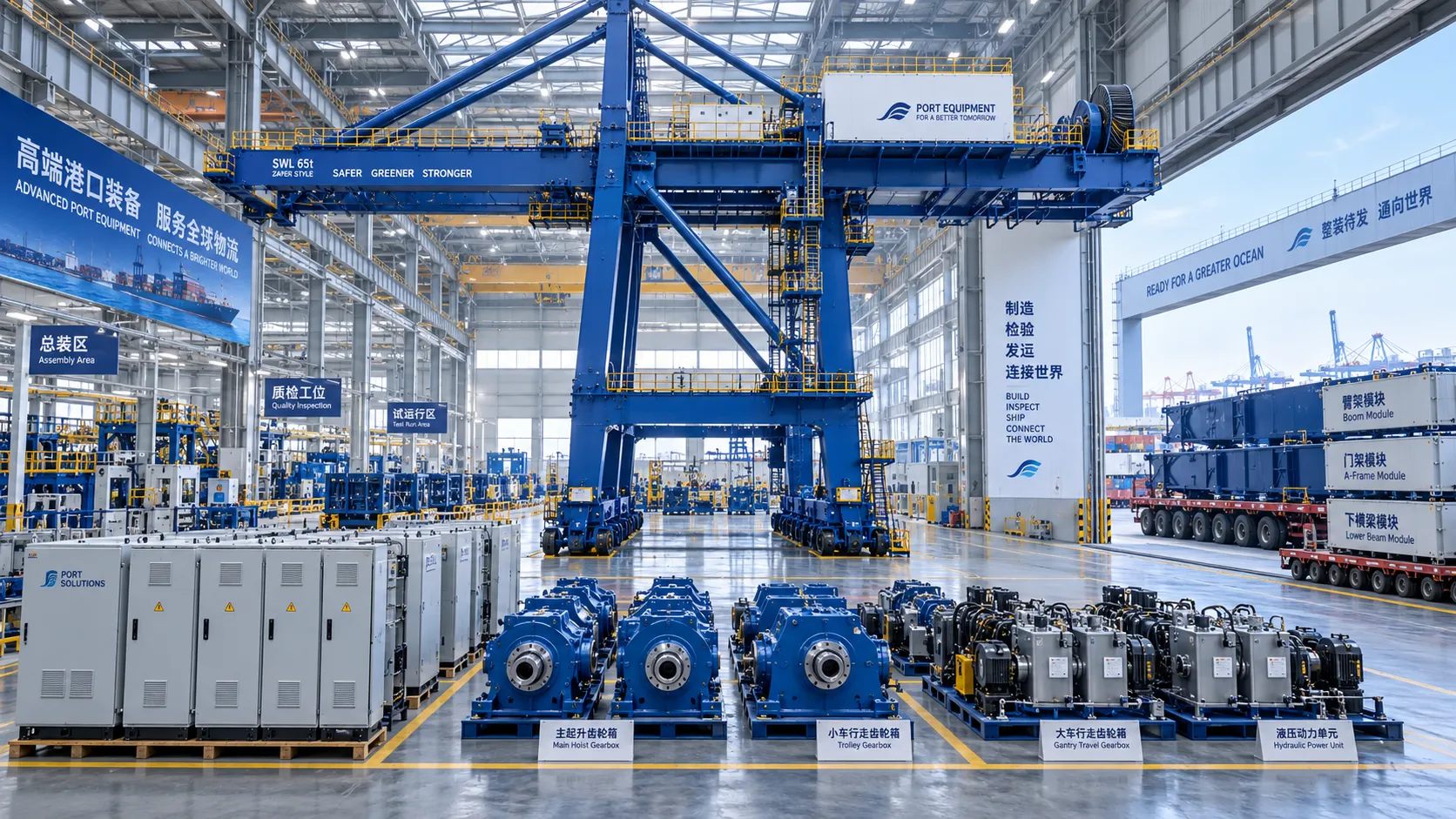
How Can Port Equipment Lead-Time Risk Be Managed?
How can port equipment lead-time risk be managed? Explore practical strategies to control critical paths, suppliers, transport, site readiness, and commissioning delays.
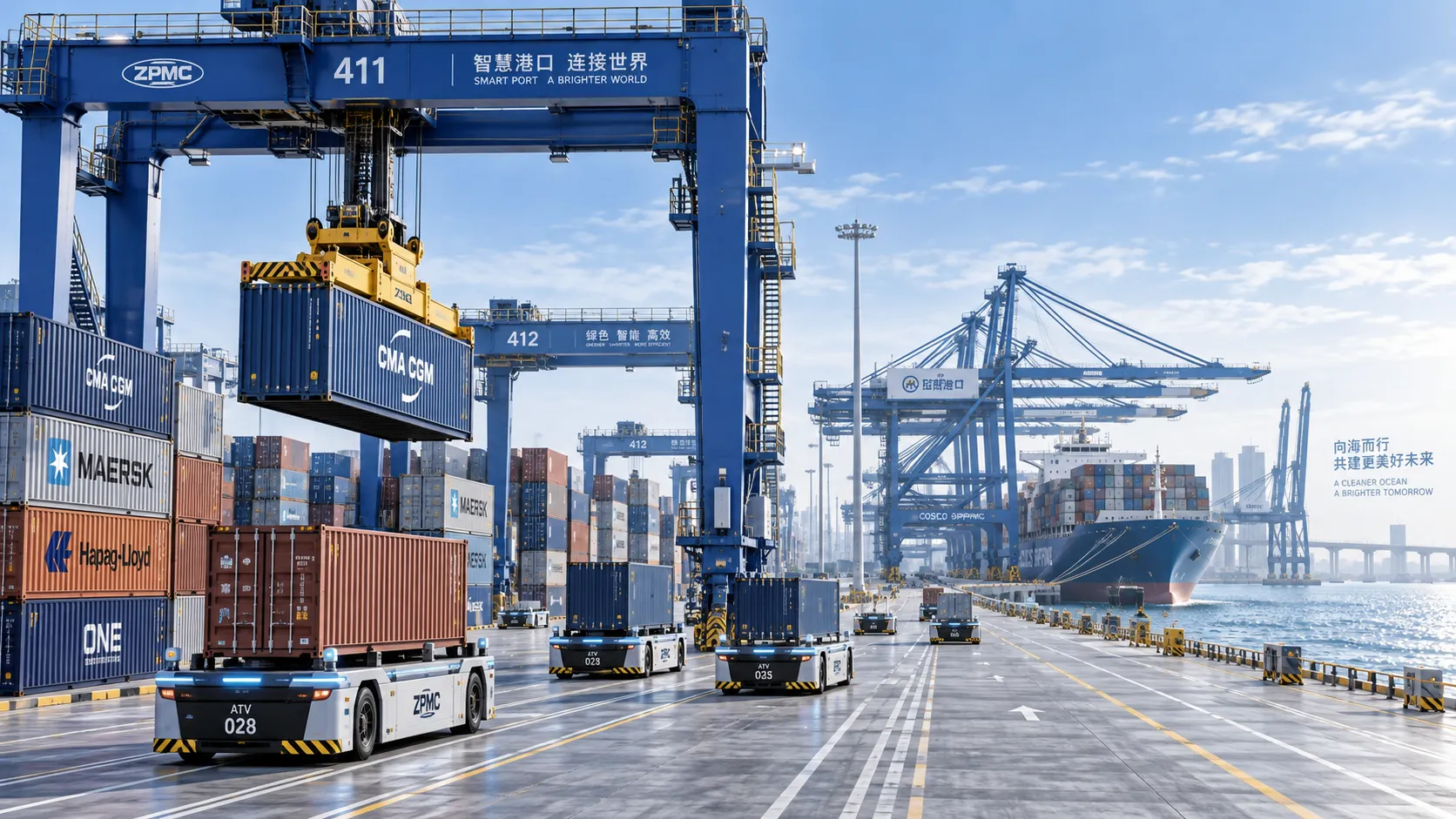
Terminal Automation Technologies That Raise Container Throughput Without Yard Disruption
Terminal automation technology that increases container throughput without disrupting yard flow. Explore smarter integration, resilient workflows, and phased deployment strategies.
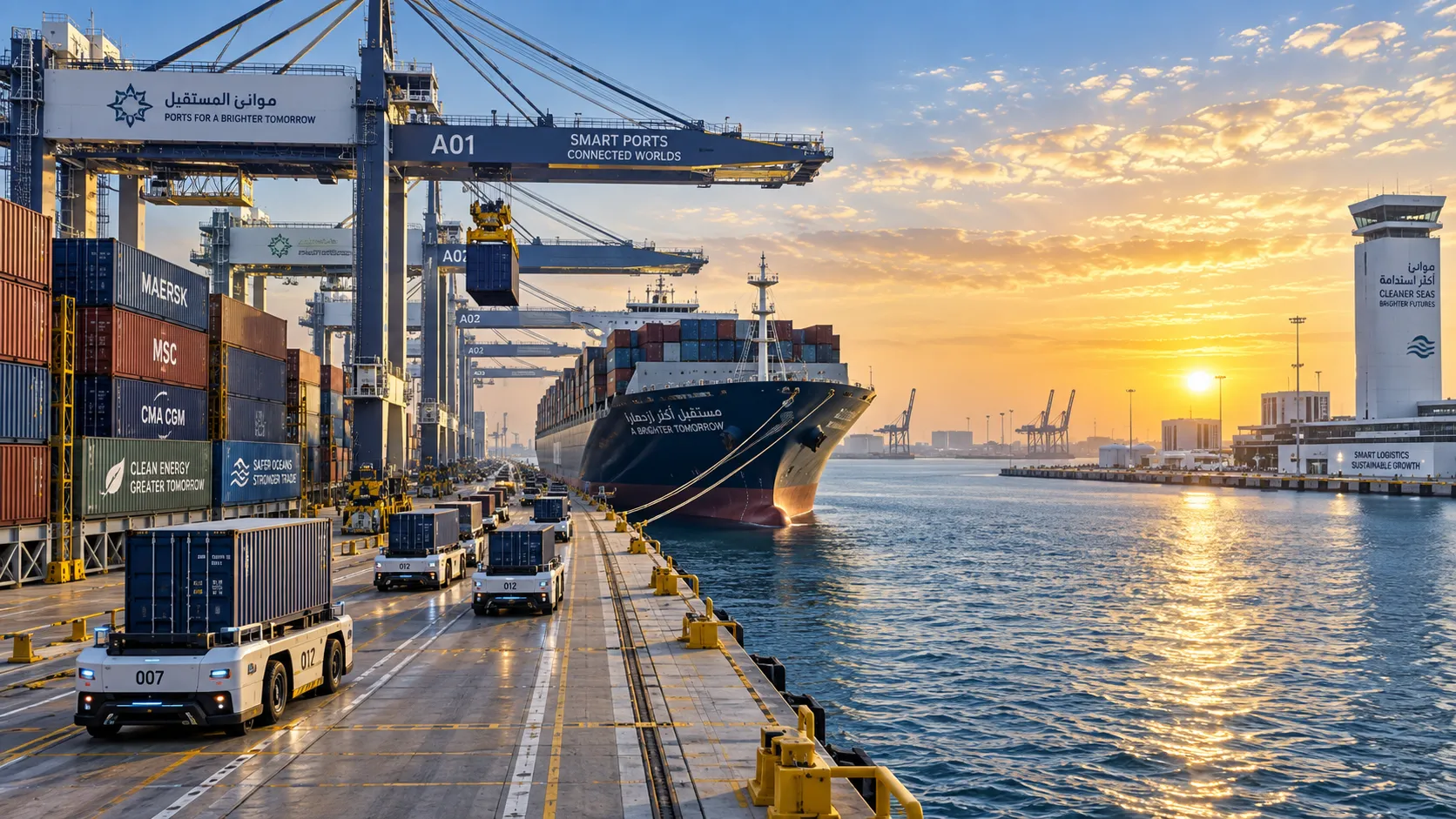
Middle East Port Automation: Key Market Drivers, Projects, and Investment Risks
Port automation systems Middle East: explore market drivers, flagship projects, integration challenges, and investment risks shaping smarter, resilient terminals.
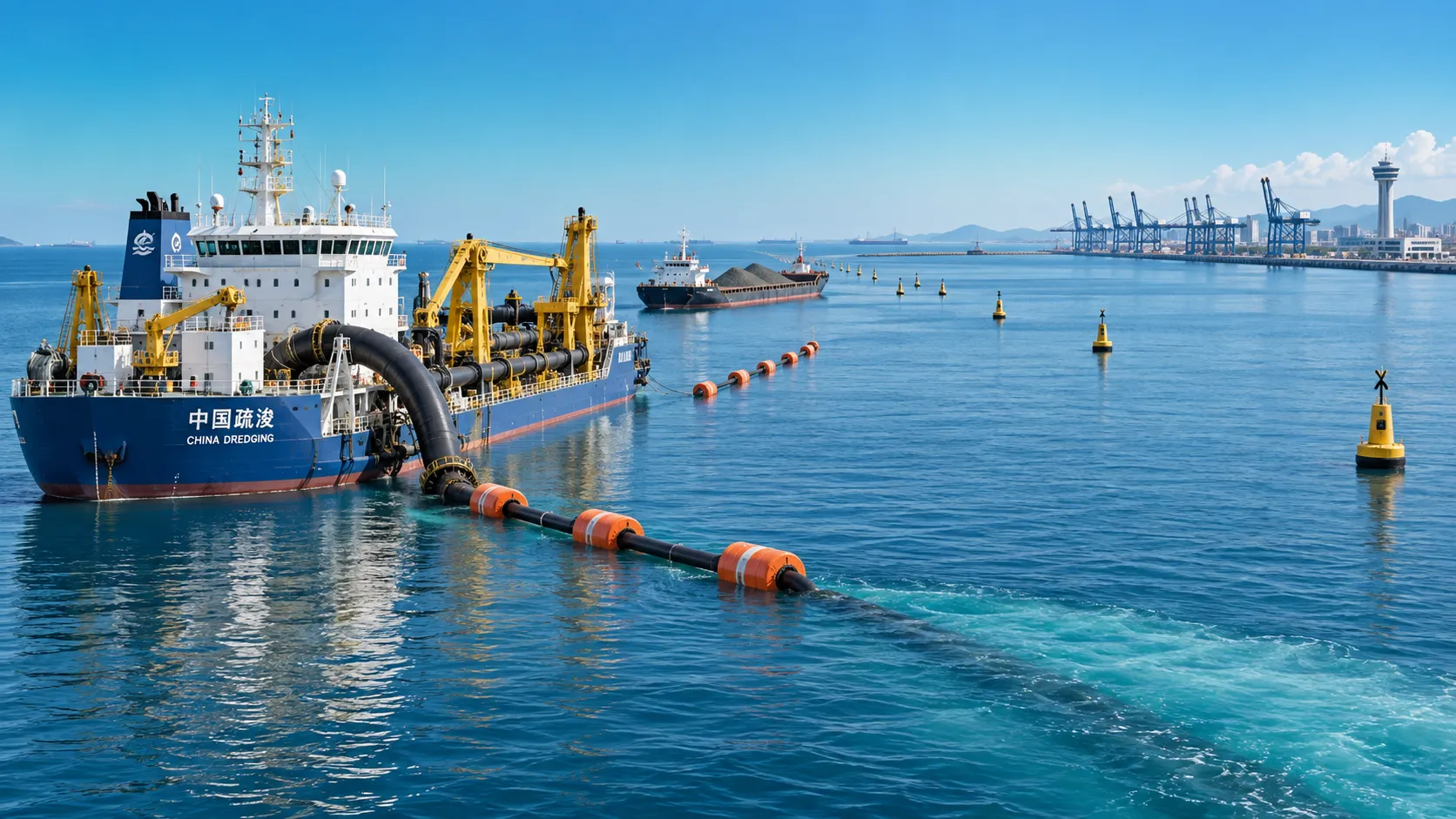
Planning Offshore Dredging Operations: Key Risks, Methods, and Project Controls
Offshore dredging operations demand smart planning. Explore key risks, proven methods, environmental controls, and project strategies for reliable delivery.