Related News
- 00
0000-00
How to Specify a Quay Crane for Container Terminals by Vessel Size and Throughput? - 00
0000-00
Which Bulk Handling Equipment Suits High-Moisture Cargo? - 00
0000-00
Terminal Automation Technologies That Raise Container Throughput Without Yard Disruption - 00
0000-00
Planning Offshore Dredging Operations: Key Risks, Methods, and Project Controls - 00
0000-00
Where Do Automated Guided Vehicles Deliver the Fastest Warehouse Gains in the Middle East?
What port automation solutions improve safety first?
For quality control and safety managers, choosing the right port automation solutions is no longer only about speed and efficiency—it starts with risk reduction. From automated container handling to intelligent control systems, the safest technologies help minimize human error, improve equipment visibility, and support more predictable terminal operations in increasingly complex port environments.
In modern terminals, safety-first investment decisions must match actual operating conditions. A busy container yard needs different controls than a bulk berth, a remote crane zone, or a dredging support area.
That is why effective port automation solutions should be evaluated by scenario. The best answer depends on traffic density, equipment mix, weather exposure, latency tolerance, and the maturity of operating procedures.
When high-traffic container yards need fewer human-risk touchpoints
Container yards create repeated collision risks. Trucks, AGVs, reach stackers, and cranes operate close together, often under schedule pressure and uneven visibility.
In this scenario, port automation solutions should first reduce pedestrian exposure. Automated gate systems, geofenced lanes, and equipment anti-collision sensors are usually the highest-value controls.
Core safety priorities in dense yard operations
- Separate people from moving equipment whenever possible.
- Use real-time location tracking for vehicles and containers.
- Integrate CCTV, radar, and LiDAR into one operator view.
- Trigger automatic slow-down or stop functions in conflict zones.
Automated stacking cranes with protected operating envelopes also improve safety. They reduce manual repositioning and make crane movement more repeatable, especially during night shifts and bad weather.
When quay crane operations demand remote control and better visibility
Quay-side work carries severe consequences when lifting loads over vessels, trucks, and people. Here, port automation solutions should focus on visibility, load stability, and communication reliability.
Remote-controlled quay cranes can move operators away from hazardous cabin positions. However, safety improves only when video latency, sway control, and emergency override design are fully validated.
What to check before remote crane deployment
- End-to-end network latency under peak traffic.
- Camera coverage for blind spots and container corners.
- Automatic sway suppression during lift and landing.
- Manual takeover procedures during sensor failure.
The safest port automation solutions at the quay often combine machine vision, load monitoring, digital twin testing, and protected fail-safe logic. Speed matters, but predictable behavior matters more.
When bulk terminals need dust, spill, and machinery incident control
Bulk handling terminals face a different safety profile. Risks include conveyor fires, chute blockages, dust explosions, belt misalignment, and mobile loader interaction.
In this environment, port automation solutions should emphasize condition monitoring. Thermal sensors, belt drift detection, automated shutdown logic, and dust suppression controls become first-line safeguards.
Best-fit controls for bulk handling safety
- Distributed sensors for bearing heat and vibration.
- Automated alarms for chute plugging and overloading.
- Interlocked access systems for maintenance isolation.
- Centralized dashboards for conveyor line health.
These port automation solutions improve safety by detecting weak signals early. They also support cleaner shutdowns, reducing emergency interventions near hazardous rotating equipment.
When mixed fleets and legacy equipment create hidden safety gaps
Many ports do not start from a greenfield design. They operate mixed fleets, older RTGs, manual trucks, and new digital systems at the same time.
In these hybrid settings, the best port automation solutions are often integration layers. Safety gains come from shared visibility, standard alarms, and consistent movement rules across assets.
Warning signs in partial automation environments
- Different vehicles use incompatible location systems.
- Operators receive alarms from separate, unlinked screens.
- Manual vehicles enter automated lanes without geofencing.
- Maintenance teams bypass digital lockout steps.
A port community should not assume that more automation automatically means more safety. Poor interface design can multiply confusion, especially during faults, handoffs, and maintenance windows.
How different operating scenarios change safety requirements
Safety-first planning works better when scenario differences are made explicit. The table below shows how port automation solutions should be prioritized by environment.
Which port automation solutions are safest for each stage of adoption
Not every terminal should pursue full autonomy first. A phased approach often delivers better safety results than a large, rushed rollout.
Recommended path by maturity level
- Early stage: Add surveillance integration, geofencing, and digital permit-to-work controls.
- Intermediate stage: Deploy remote equipment monitoring, predictive maintenance, and lane automation.
- Advanced stage: Expand to automated crane cycles, AGV orchestration, and digital twins for testing.
This staged model helps port automation solutions support safe behavior change. It also reduces resistance from fragmented processes and lowers disruption during transition periods.
Common misjudgments that weaken safety-first automation
One common mistake is buying advanced equipment before mapping exposure points. If the hazard is uncontrolled access, a smarter crane alone will not solve it.
Another error is underestimating communication design. Port automation solutions depend on reliable data exchange, clear alarm hierarchy, and understandable operator interfaces.
A third oversight is weak maintenance integration. Sensors and control logic need calibration, cybersecurity updates, and failure drills, or safety performance will decay over time.
Questions worth asking before approval
- Which specific human exposure does this system remove?
- How does it behave during sensor loss or network delay?
- Can legacy assets follow the same movement rules?
- What evidence proves safer operation, not only faster throughput?
Next-step actions for selecting port automation solutions with safety first
Start with an operational hazard map. Rank zones by collision probability, visibility limits, equipment interaction, and consequence severity.
Then match each hazard cluster to specific port automation solutions. Use pilot areas, measurable safety KPIs, and fault simulations before wider deployment.
For organizations tracking maritime logistics and terminal modernization, safety-led automation decisions create more durable value than simple output expansion. The most effective port automation solutions are those that fit real scenarios, reduce uncertainty, and keep complex port systems stable under pressure.
A practical shortlist should include integration quality, fail-safe design, remote visibility, maintainability, and evidence from similar terminal conditions. When those factors align, safer automation becomes a strategic operating advantage.
Related News
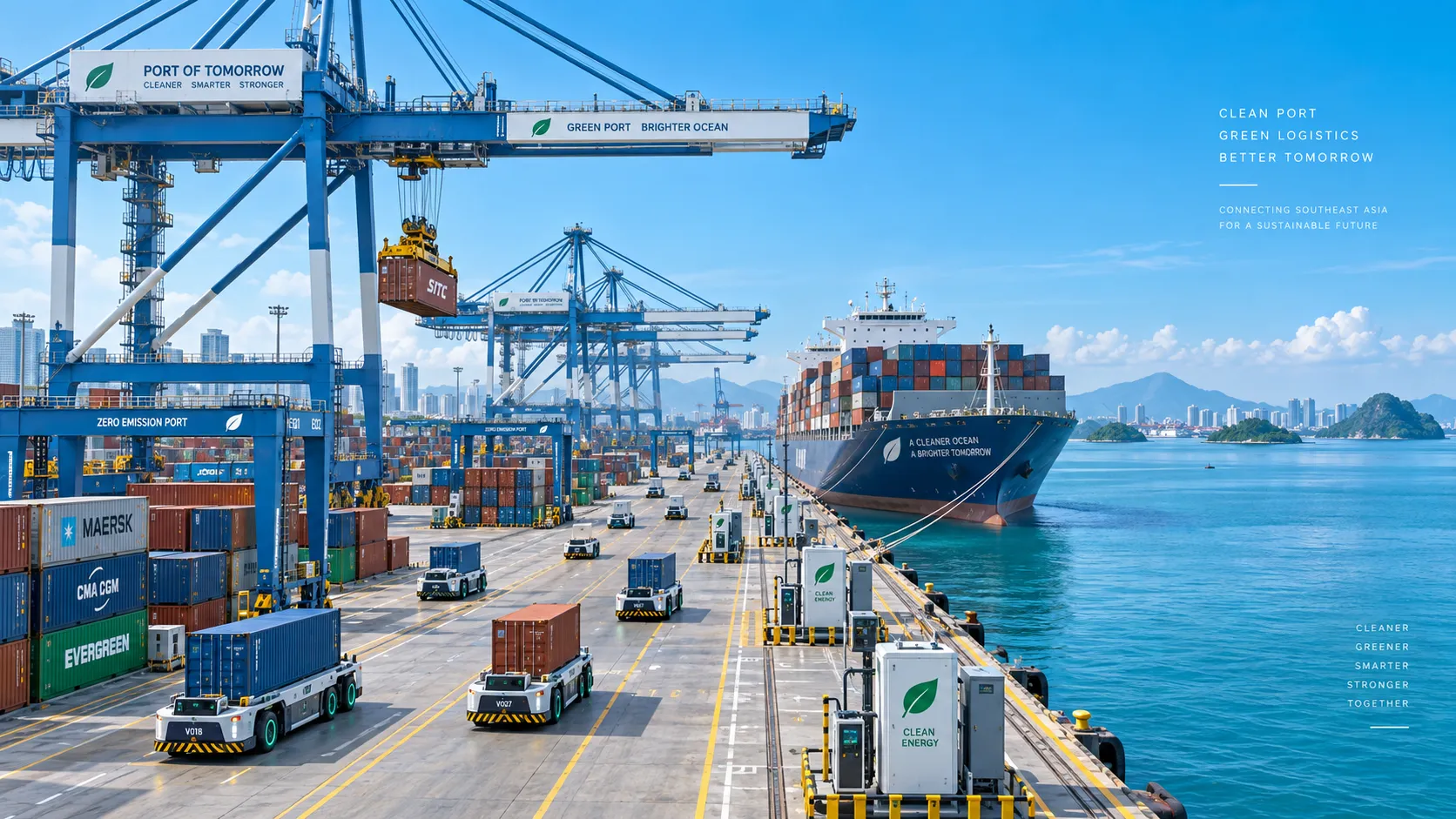
Smart Port Systems in Southeast Asia: Investment Priorities and Adoption Barriers
Smart port systems Southeast Asia: discover investment priorities, adoption barriers, and practical steps to build resilient, connected, high-performing terminals.
How to Evaluate Terminal Efficiency Solution Suppliers for High-Throughput Operations
Choose a terminal efficiency solutions supplier with confidence. Explore proven criteria for throughput, integration, lifecycle cost, safety, and reliable delivery.
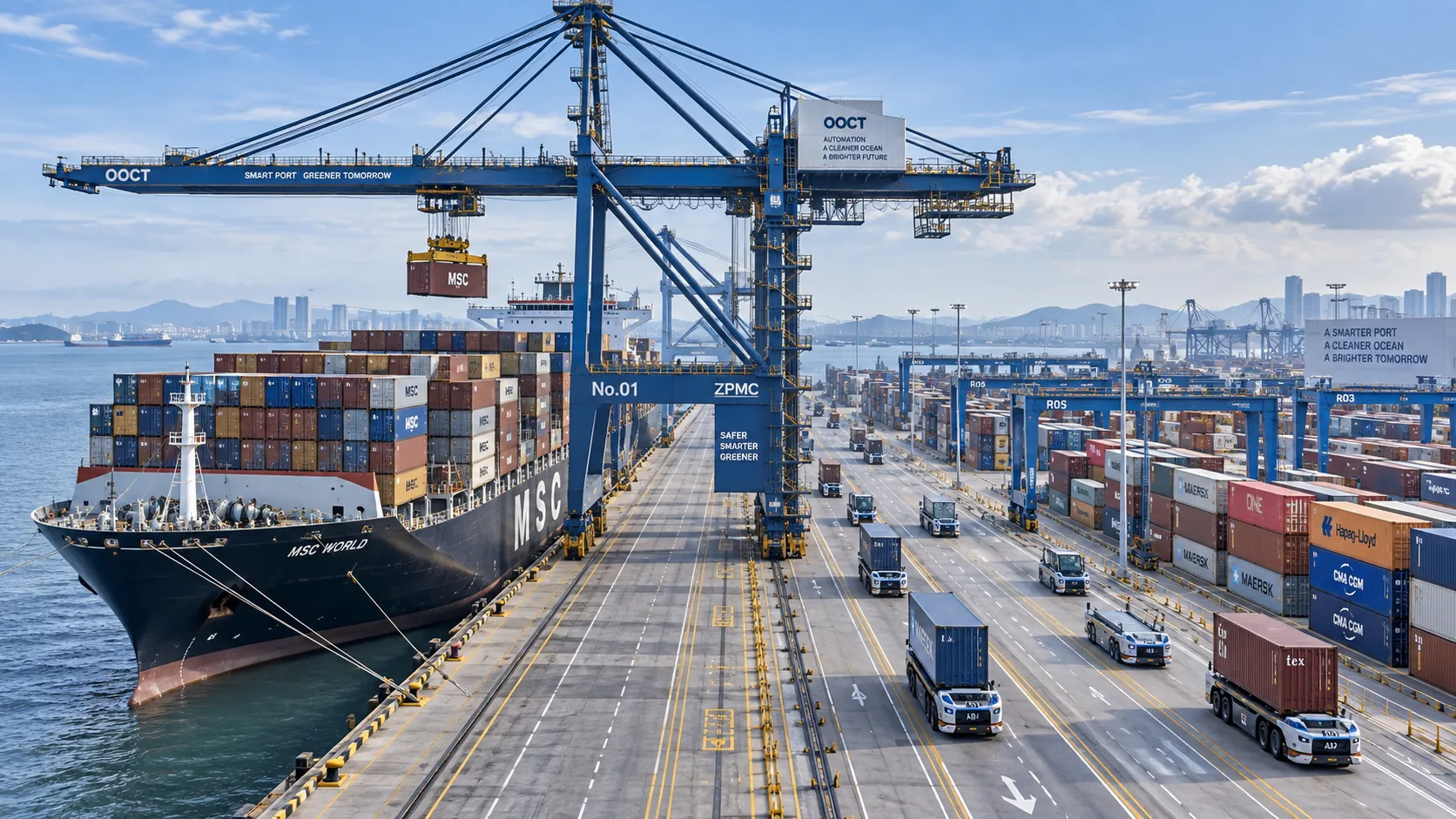
How to Specify a Quay Crane for Container Terminals by Vessel Size and Throughput?
Quay crane for container terminals: learn how to match outreach, lift height, capacity, automation, and cycle performance to vessel size and throughput goals.
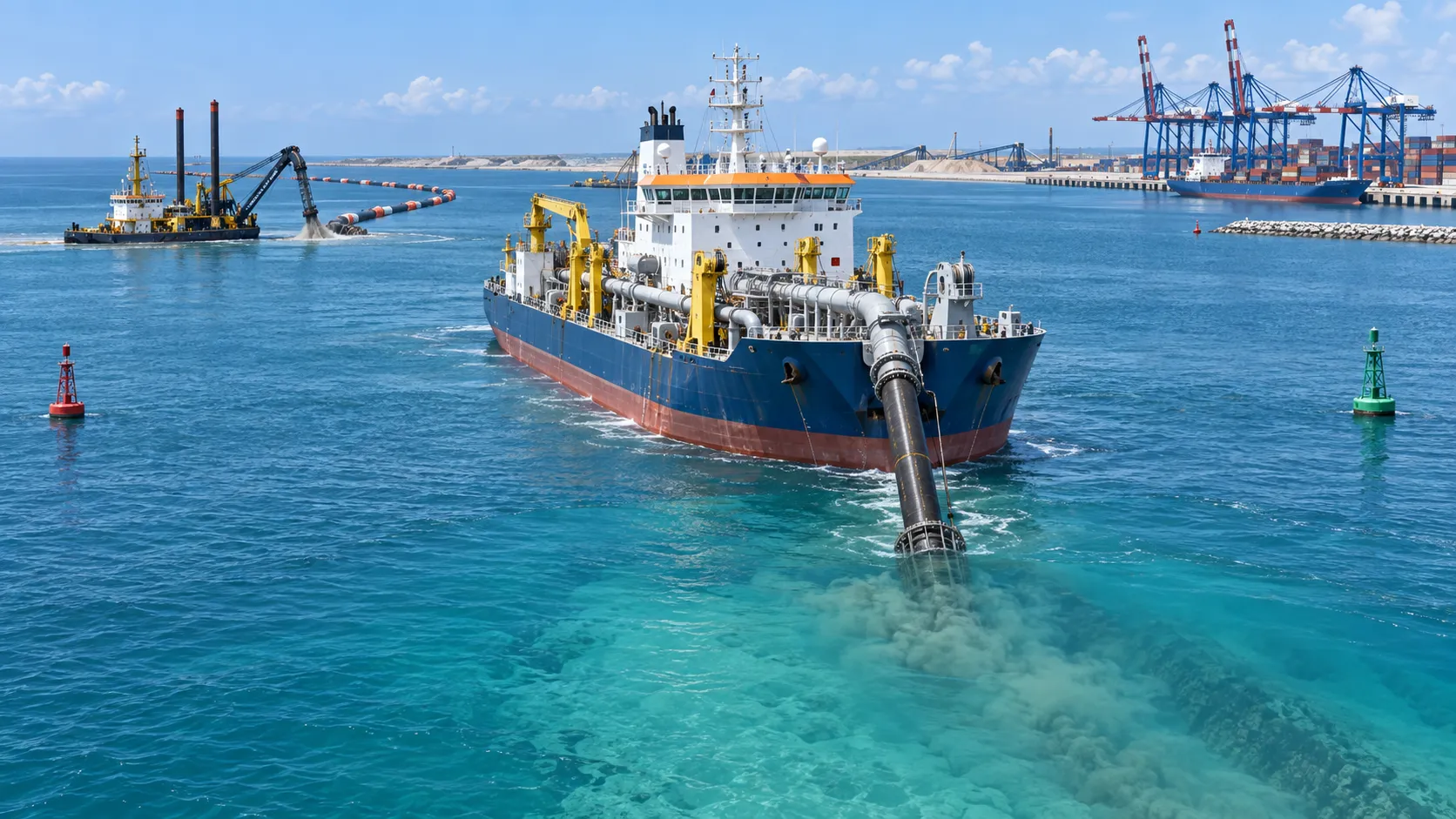
What Dredging Equipment Is Needed for Channel Deepening?
What dredging equipment is needed for channel deepening? Explore dredgers, pipelines, survey tools, and planning strategies for safer, more efficient port access.
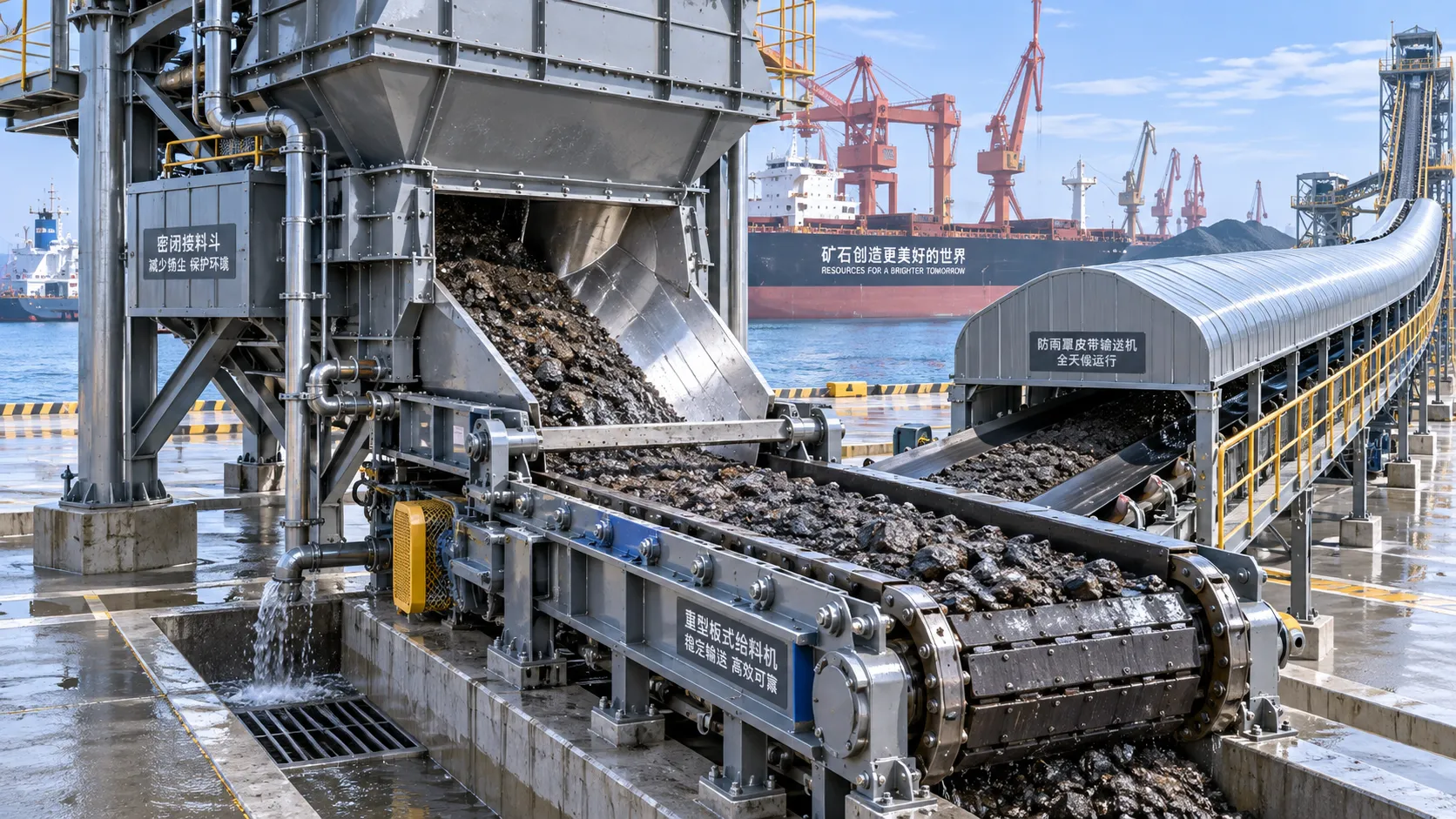
Which Bulk Handling Equipment Suits High-Moisture Cargo?
Which bulk handling equipment suits high-moisture cargo? Compare belt, apron, screw, drag, and slurry systems for reliable flow, less carryback, and higher terminal uptime.
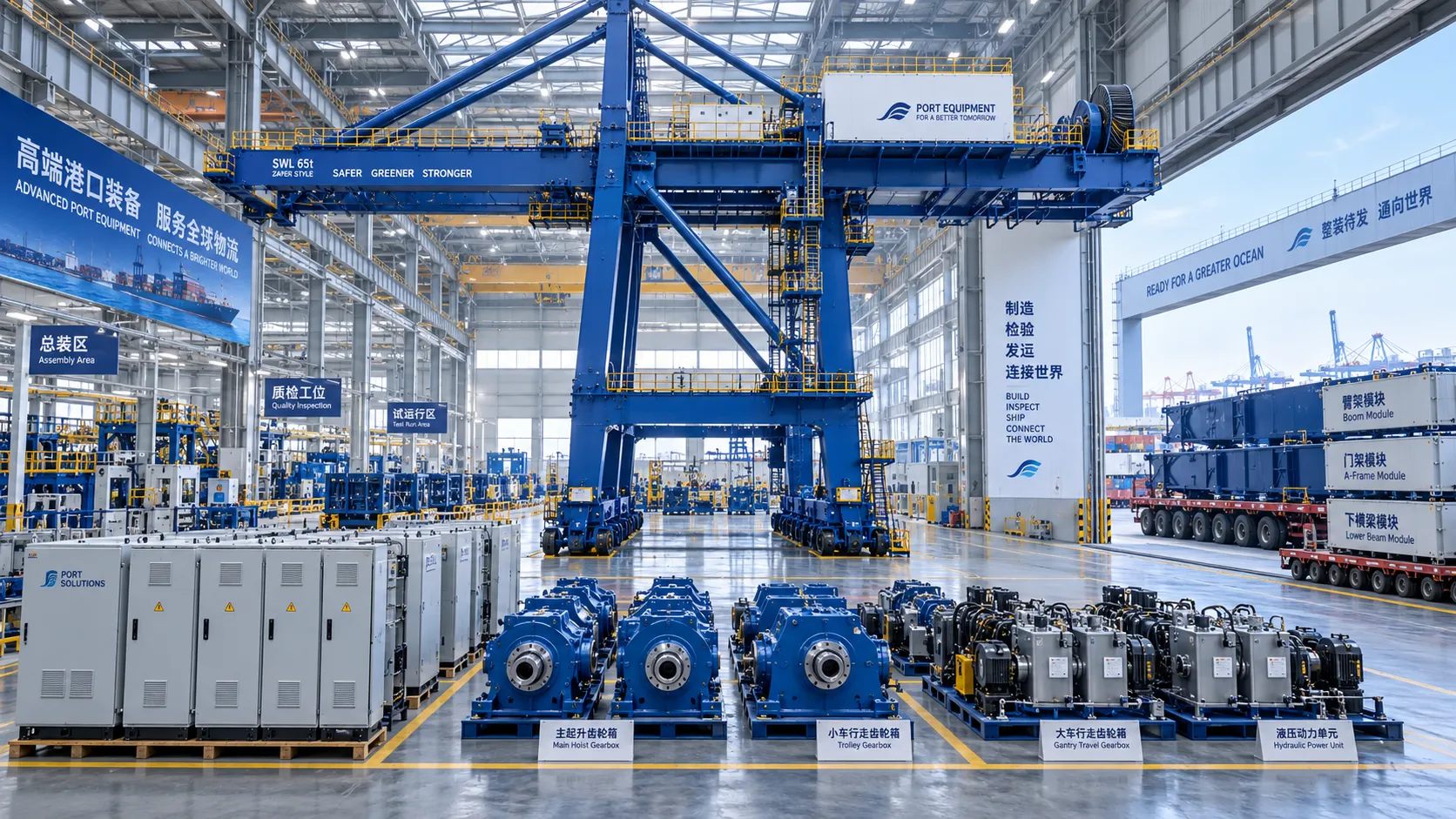
How Can Port Equipment Lead-Time Risk Be Managed?
How can port equipment lead-time risk be managed? Explore practical strategies to control critical paths, suppliers, transport, site readiness, and commissioning delays.
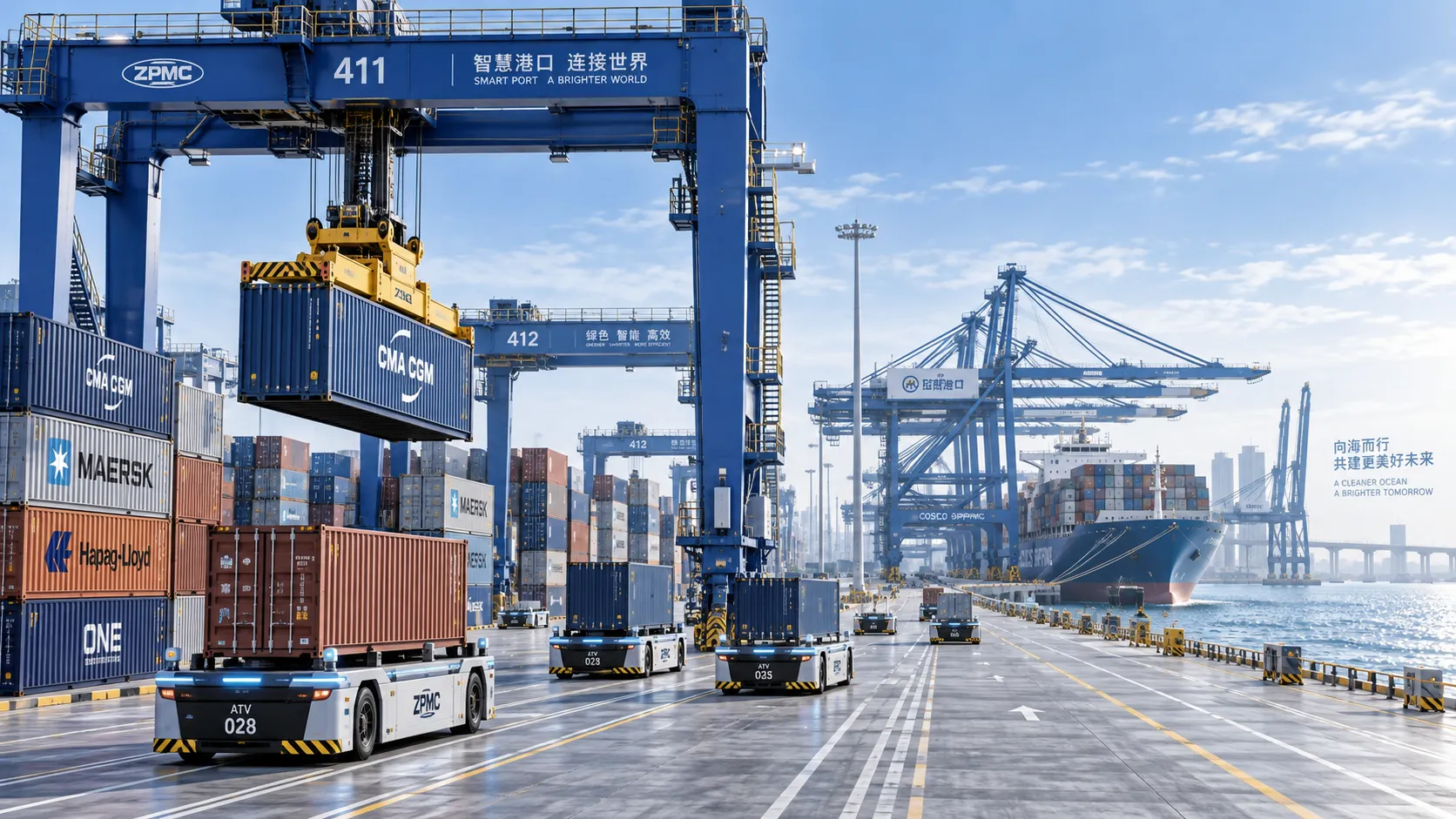
Terminal Automation Technologies That Raise Container Throughput Without Yard Disruption
Terminal automation technology that increases container throughput without disrupting yard flow. Explore smarter integration, resilient workflows, and phased deployment strategies.
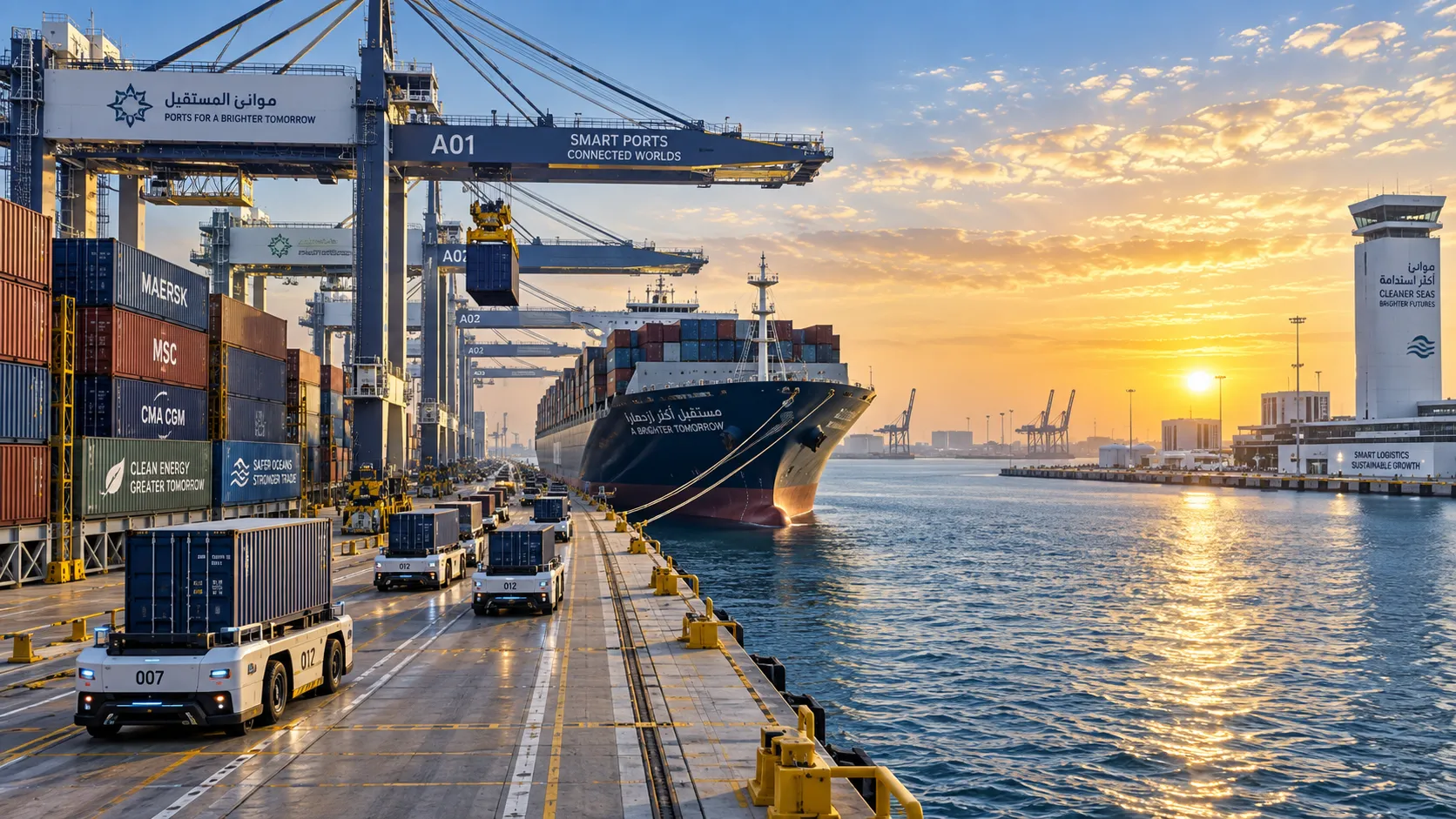
Middle East Port Automation: Key Market Drivers, Projects, and Investment Risks
Port automation systems Middle East: explore market drivers, flagship projects, integration challenges, and investment risks shaping smarter, resilient terminals.
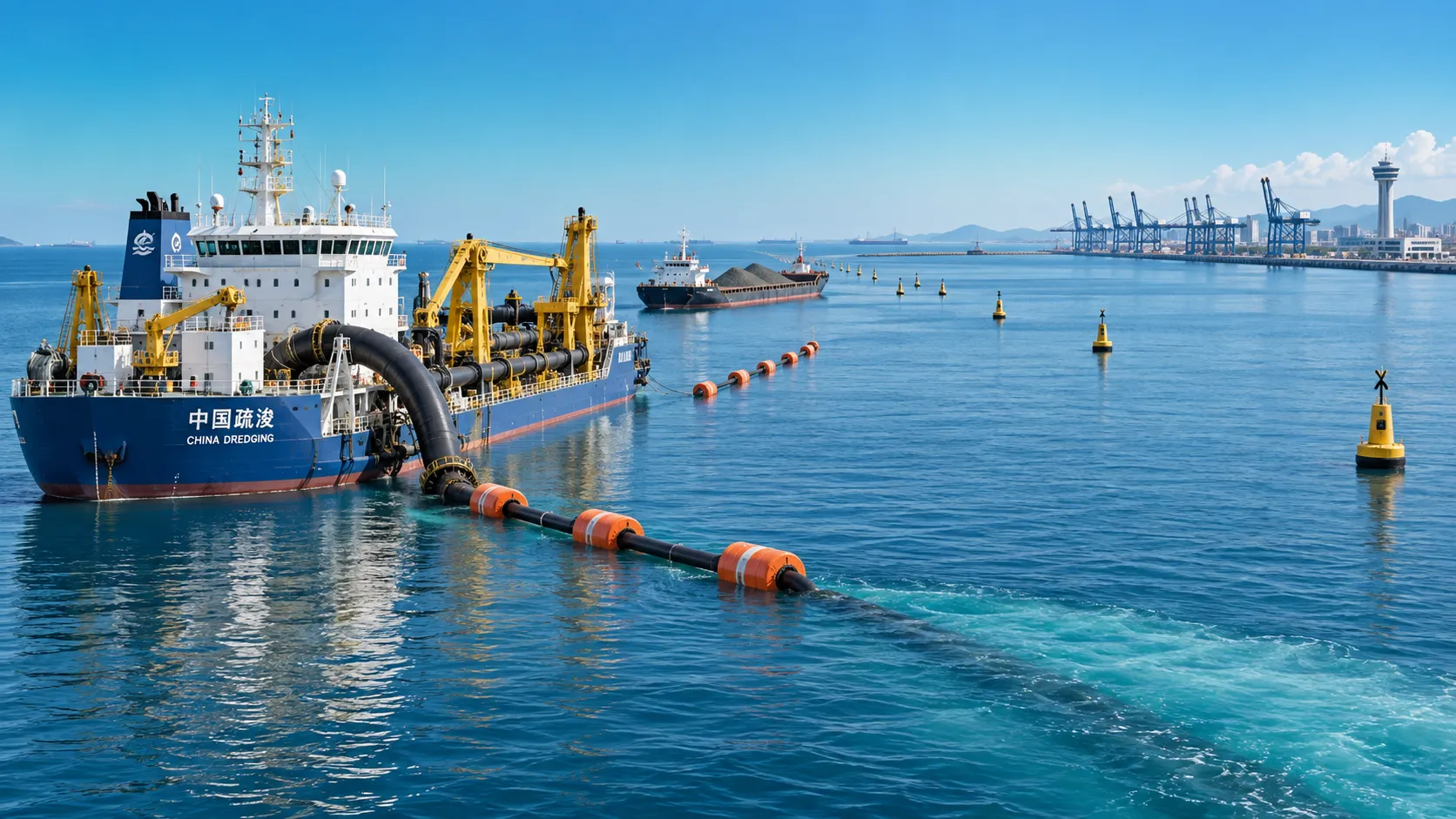
Planning Offshore Dredging Operations: Key Risks, Methods, and Project Controls
Offshore dredging operations demand smart planning. Explore key risks, proven methods, environmental controls, and project strategies for reliable delivery.