Related News
- 00
0000-00
How to Specify a Quay Crane for Container Terminals by Vessel Size and Throughput? - 00
0000-00
Which Bulk Handling Equipment Suits High-Moisture Cargo? - 00
0000-00
Terminal Automation Technologies That Raise Container Throughput Without Yard Disruption - 00
0000-00
Planning Offshore Dredging Operations: Key Risks, Methods, and Project Controls - 00
0000-00
Where Do Automated Guided Vehicles Deliver the Fastest Warehouse Gains in the Middle East?
Is container terminal automation worth the upfront cost?
For finance decision-makers, the core issue is practical: can container terminal automation repay its high initial cost through stronger performance over time?
The answer depends on terminal size, cargo mix, labor conditions, land constraints, and digital maturity. In the right setting, container terminal automation becomes a durable capital strategy.
For PS-Nexus, this topic sits at the intersection of heavy equipment, control systems, and global trade resilience. The value is not only speed, but predictable operations and scalable capacity.
When is container terminal automation financially justified?
Container terminal automation is rarely justified by technology appeal alone. It becomes compelling when recurring operating pressures are already eroding margins, service quality, or expansion potential.
The best-fit case usually includes high yard density, labor volatility, expensive waterfront land, or growing vessel call complexity. In these scenarios, manual processes often hit structural limits.
A second trigger is network reliability. If missed windows create cascading delays across shipping lines, inland transport, and storage, automation can reduce the cost of disruption.
- Throughput demand is rising faster than available terminal footprint.
- Labor availability or industrial stability is uncertain.
- Safety exposure and insurance costs are increasing.
- Energy consumption has become a major operating concern.
- The terminal must support larger vessels and tighter schedules.
Scenario 1: High-volume gateway terminals gain the clearest return
Large gateway terminals often present the strongest business case for container terminal automation. Their volumes are high enough to spread capital cost across many moves.
In these locations, even small gains in crane coordination, yard stacking, and truck turnaround can deliver meaningful annual savings. Asset utilization becomes more consistent across peaks.
Automated stacking cranes, automated guided vehicles, and terminal operating system integration can improve yard predictability. That matters when call sizes fluctuate sharply within short windows.
Container terminal automation also supports denser land use. When waterfront expansion is difficult or politically constrained, better yard design may be cheaper than new acreage.
Key judgment points for gateway terminals
- Annual throughput is stable enough to support long-horizon investment.
- Vessel bunching creates repeated operational pressure.
- Land scarcity makes capacity expansion costly.
- System uptime can be protected through strong maintenance planning.
Scenario 2: Transshipment hubs benefit from schedule precision and speed
Transshipment hubs compete on time certainty. Their value depends on rapid container exchange between vessels, often under narrow connection windows and intense berth pressure.
In this scenario, container terminal automation can improve synchronization between quay cranes, horizontal transport, and yard allocation. Reduced variability may be as valuable as raw speed.
A missed transfer can damage network trust and shift volume elsewhere. Automation helps reduce manual handoff errors and enables more disciplined execution during peaks.
However, the return depends heavily on software quality. Weak scheduling logic can neutralize equipment advantages and create digital bottlenecks instead of operational flow.
Core questions for transshipment operations
- How costly are missed connection windows?
- Can the control system manage dynamic re-planning in real time?
- Is data visibility strong enough across vessel, yard, and gate layers?
- Will the automation design handle irregular call patterns?
Scenario 3: Brownfield terminals must weigh disruption against long-term efficiency
Brownfield conversion is often the hardest automation decision. Existing terminals may need upgrades, but retrofitting around live operations adds complexity, cost, and implementation risk.
Here, container terminal automation is worth the upfront cost only when phased deployment can protect service continuity. A full rebuild may not always be the most rational path.
Semi-automation can be a financially disciplined step. Examples include automated yard blocks, remote-controlled cranes, or optimized gate systems linked to a stronger TOS.
The key is sequencing. A terminal that digitizes planning, data capture, and maintenance workflows first usually reduces later integration failures.
Brownfield suitability indicators
- Legacy equipment can be interfaced without excessive downtime.
- The terminal can automate selected functions in stages.
- Operations teams can support hybrid workflows during transition.
- The expected payback survives temporary productivity dips.
Scenario 4: Medium-volume terminals need selective, not total, automation
Not every terminal needs a fully unmanned model. For medium-volume sites, container terminal automation may create better returns through targeted modules rather than complete transformation.
Common high-value areas include gate automation, OCR, yard planning software, remote diagnostics, and energy-managed electric equipment. These upgrades improve control without overextending capital.
This scenario is especially relevant where cargo demand is cyclical. Flexible investment protects balance sheets while still building a digital foundation for future expansion.
What cost factors matter most beyond equipment price?
The upfront cost of container terminal automation includes far more than machines. Software architecture, communication networks, cybersecurity, civil works, and training often reshape the budget.
Maintenance capability is another overlooked factor. Advanced automated systems require disciplined spare parts planning, sensor calibration, and specialist support to protect uptime.
Energy design also matters. Electrified equipment can lower fuel exposure, but charging logic, grid stability, and demand management should be modeled early.
Decision quality improves when capital analysis includes lifecycle cost, downtime probability, software obsolescence, and resilience value during labor or weather disruptions.
A better investment lens for container terminal automation
- Measure total cost of ownership, not purchase price alone.
- Model peak-season performance, not average-day assumptions.
- Quantify safety and insurance improvements.
- Include emissions and energy savings in long-term valuation.
- Test how the system performs under abnormal disruptions.
Common misjudgments that weaken automation returns
One common mistake is assuming container terminal automation automatically raises productivity. Poor layout design, weak data governance, or fragmented software can erase expected gains.
Another mistake is underestimating transition risk. During commissioning, throughput can temporarily decline, and that dip must be reflected in financial planning.
Some projects also overinvest in machinery before fixing process logic. If dispatching rules and maintenance routines remain weak, hardware alone cannot deliver resilient performance.
A final blind spot is interoperability. Container terminal automation works best when cranes, vehicles, gates, yard systems, and analytics share reliable operational data.
How to decide the next practical step
A sound decision starts with scenario matching. Determine whether the terminal’s pressure point is labor stability, land efficiency, vessel speed, safety, or emissions performance.
Then map the automation level to that pressure point. Full automation is only one option. In many cases, phased container terminal automation creates the strongest return profile.
The most useful next action is a structured audit covering flow design, equipment readiness, data quality, power infrastructure, and commercial demand outlook.
From the PS-Nexus perspective, the best investments combine heavy terminal gear, robust control logic, and realistic trade assumptions. When those elements align, container terminal automation is often worth the upfront cost.
If they do not align, selective upgrades may deliver stronger economics with less risk. The right answer is not universal. It is scenario-specific, measurable, and operationally grounded.
Related News
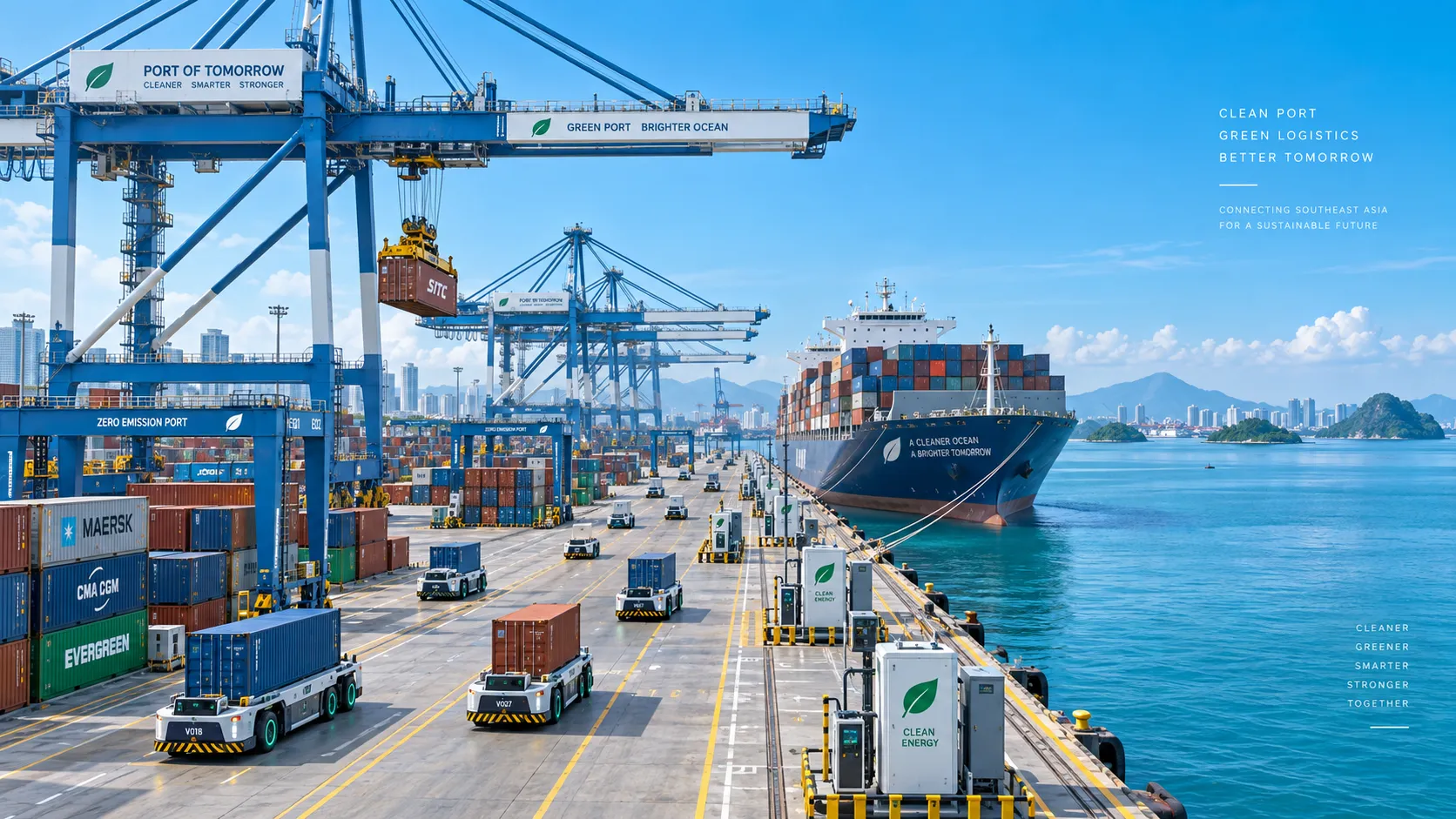
Smart Port Systems in Southeast Asia: Investment Priorities and Adoption Barriers
Smart port systems Southeast Asia: discover investment priorities, adoption barriers, and practical steps to build resilient, connected, high-performing terminals.
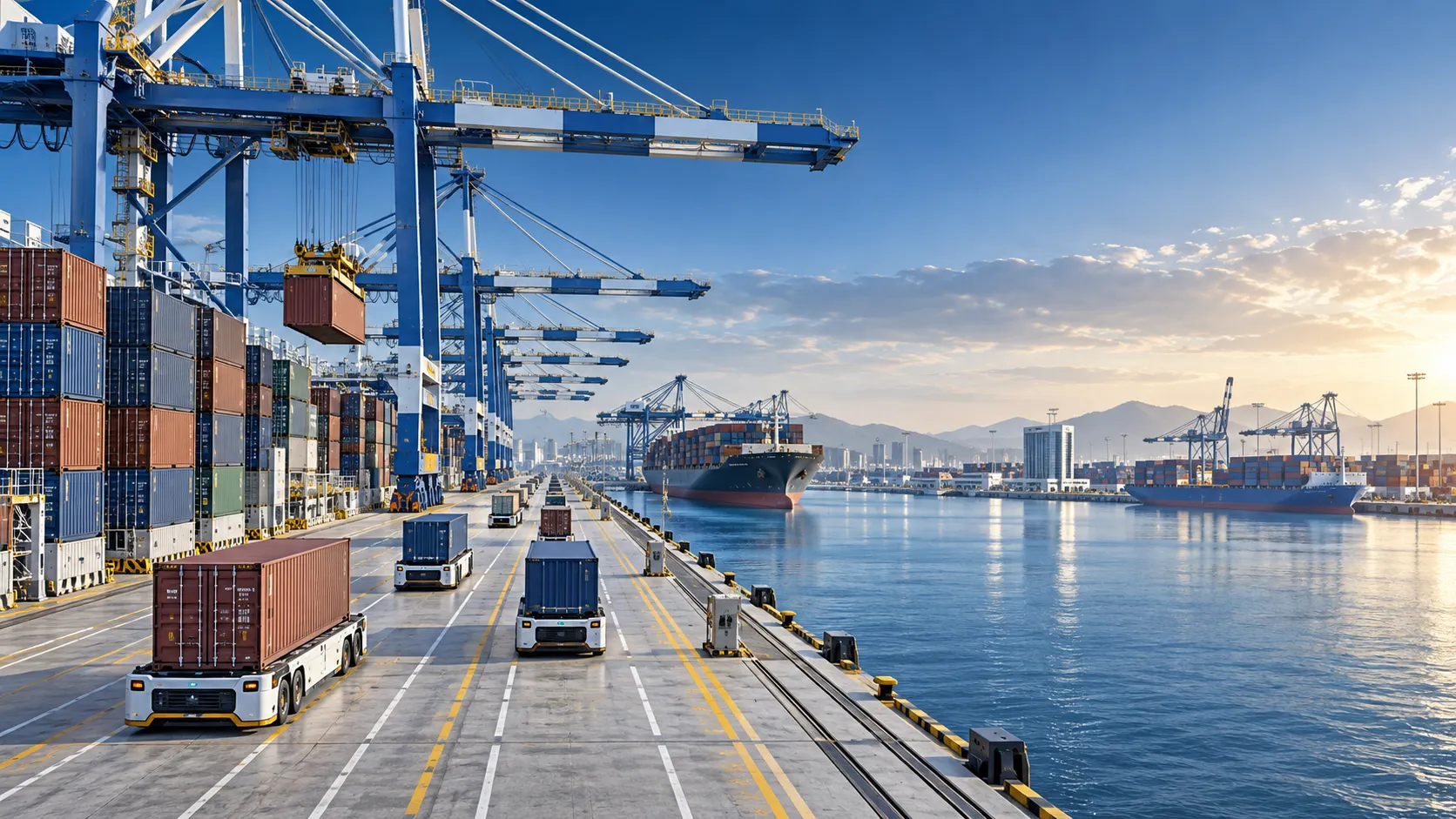
How to Evaluate Terminal Efficiency Solution Suppliers for High-Throughput Operations
Choose a terminal efficiency solutions supplier with confidence. Explore proven criteria for throughput, integration, lifecycle cost, safety, and reliable delivery.
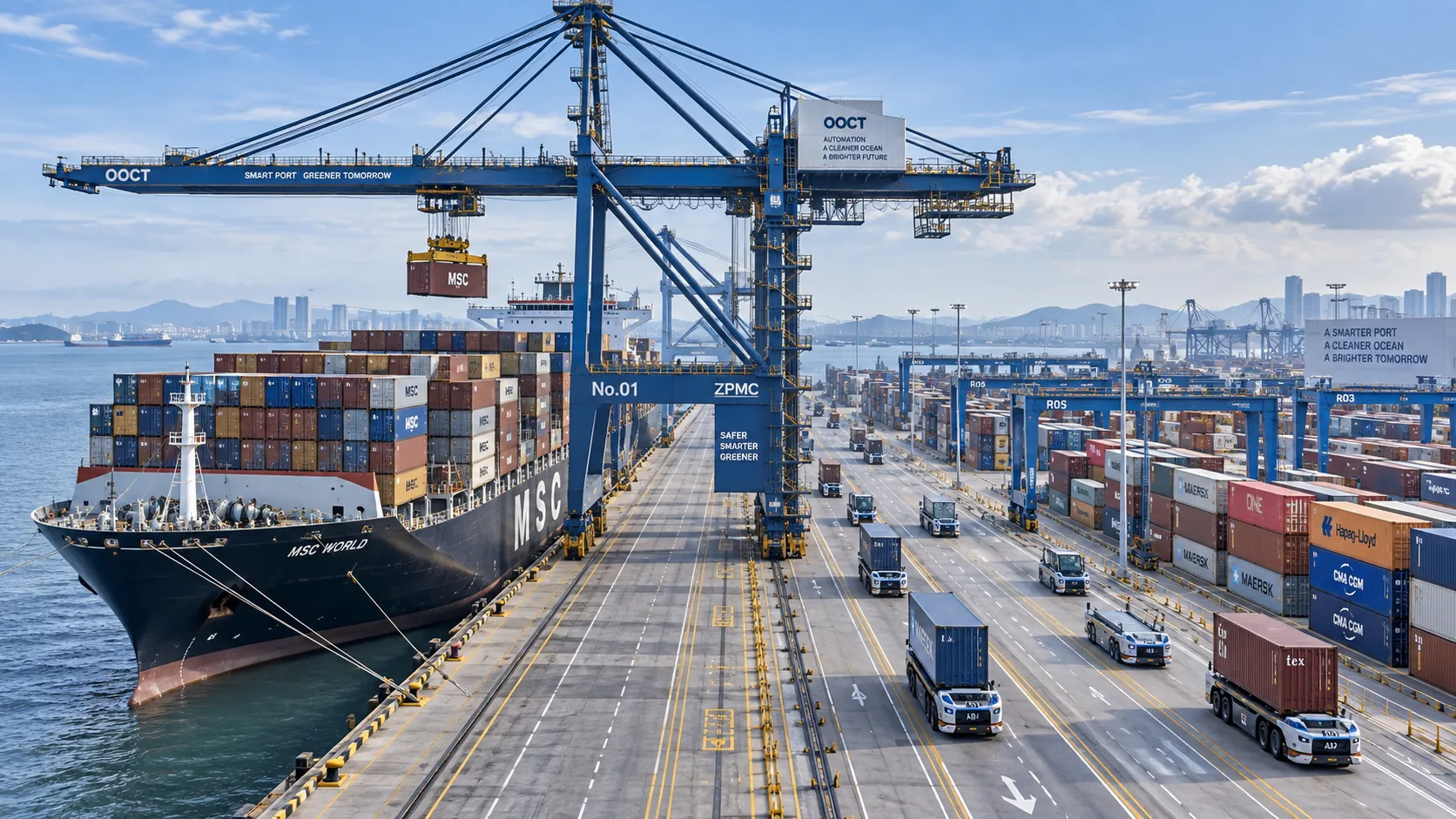
How to Specify a Quay Crane for Container Terminals by Vessel Size and Throughput?
Quay crane for container terminals: learn how to match outreach, lift height, capacity, automation, and cycle performance to vessel size and throughput goals.
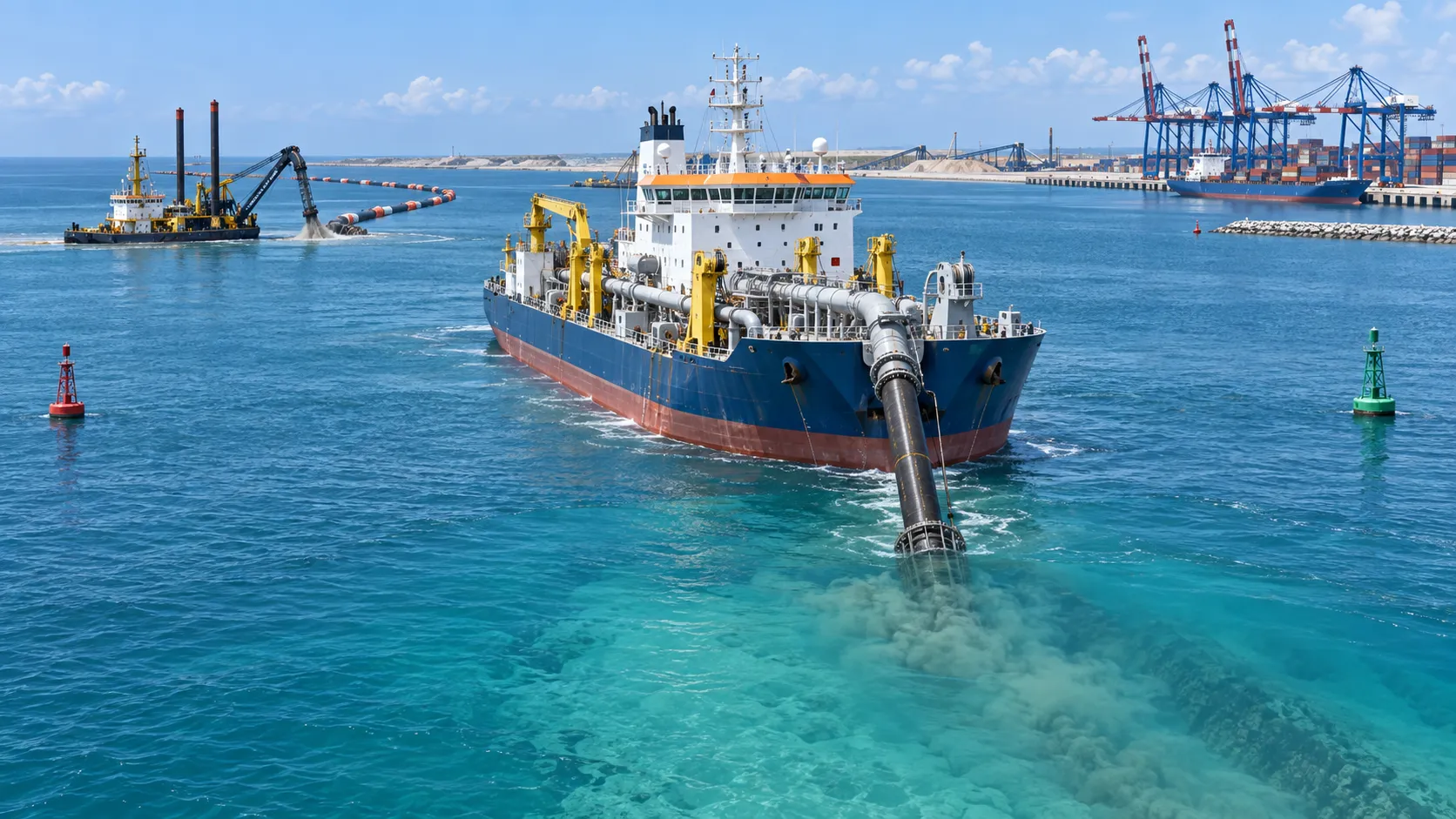
What Dredging Equipment Is Needed for Channel Deepening?
What dredging equipment is needed for channel deepening? Explore dredgers, pipelines, survey tools, and planning strategies for safer, more efficient port access.
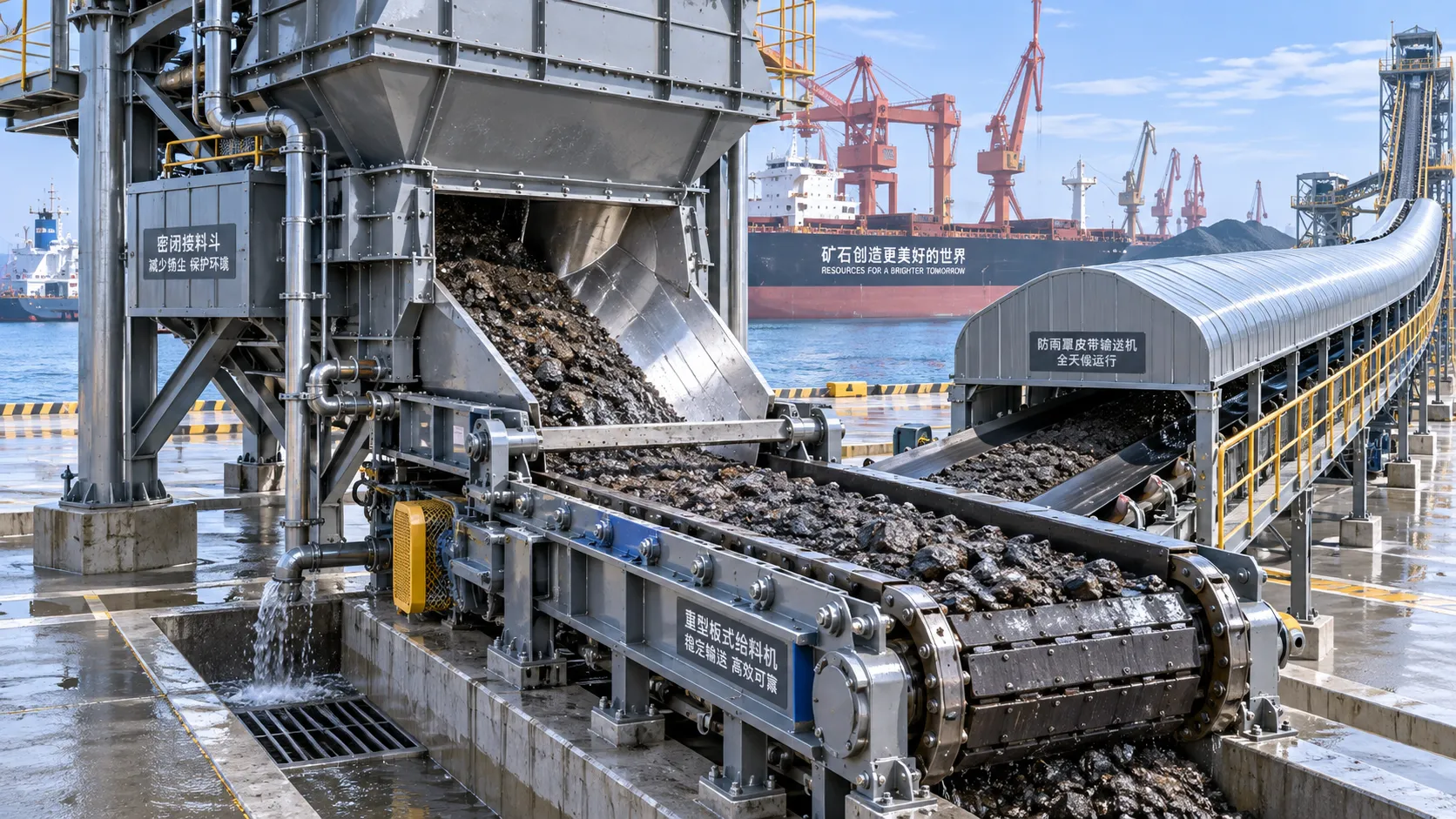
Which Bulk Handling Equipment Suits High-Moisture Cargo?
Which bulk handling equipment suits high-moisture cargo? Compare belt, apron, screw, drag, and slurry systems for reliable flow, less carryback, and higher terminal uptime.
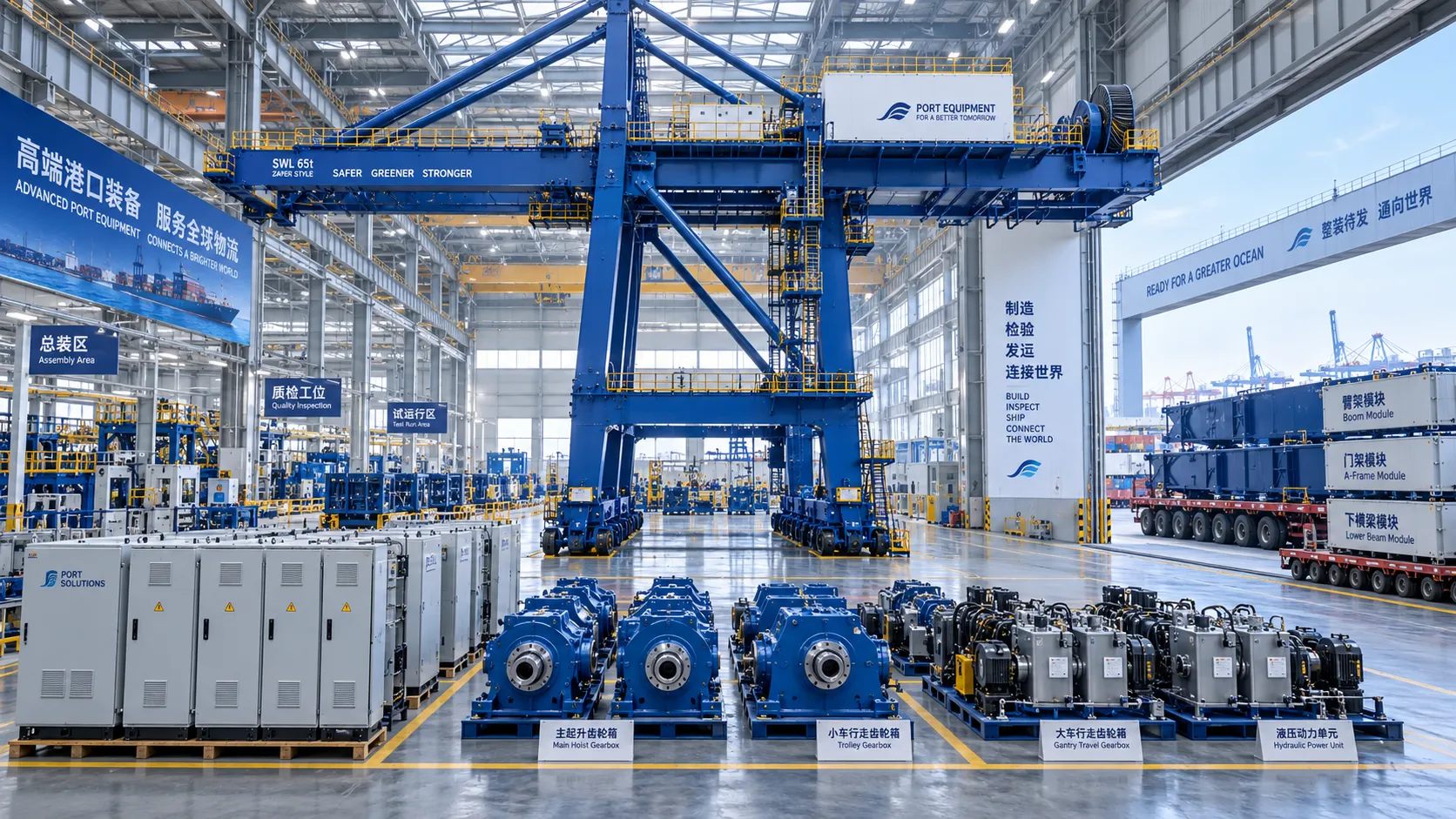
How Can Port Equipment Lead-Time Risk Be Managed?
How can port equipment lead-time risk be managed? Explore practical strategies to control critical paths, suppliers, transport, site readiness, and commissioning delays.
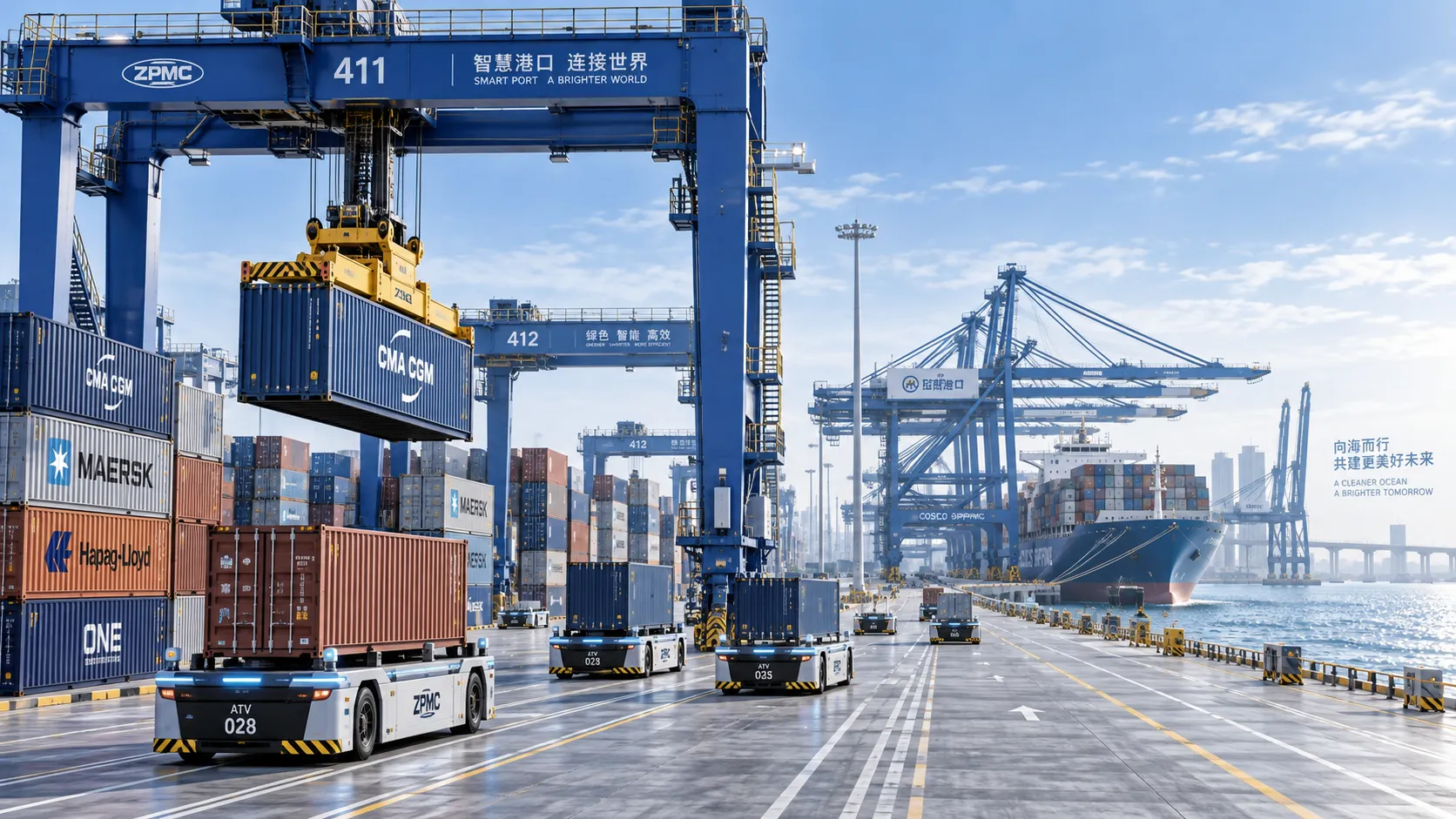
Terminal Automation Technologies That Raise Container Throughput Without Yard Disruption
Terminal automation technology that increases container throughput without disrupting yard flow. Explore smarter integration, resilient workflows, and phased deployment strategies.
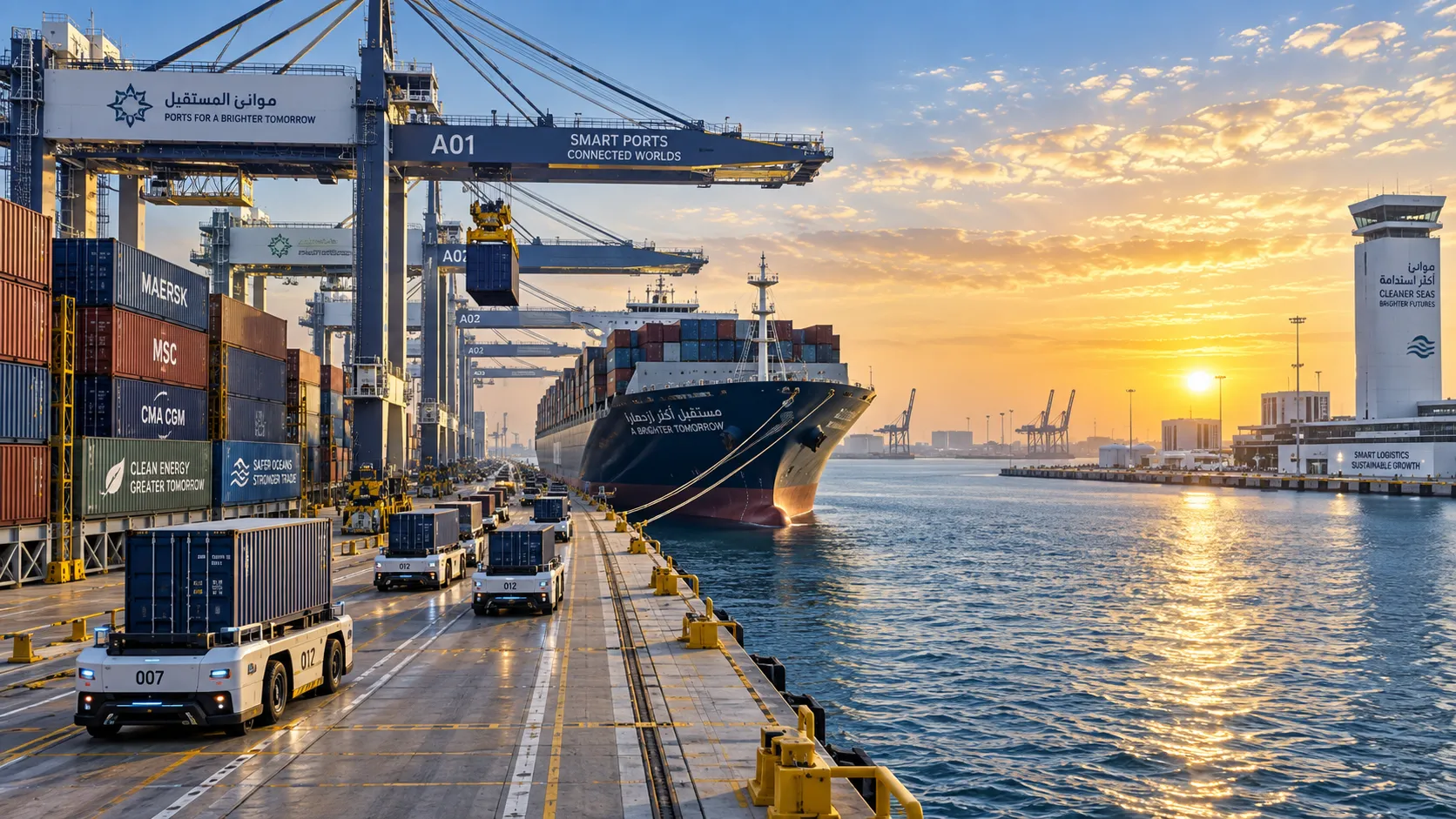
Middle East Port Automation: Key Market Drivers, Projects, and Investment Risks
Port automation systems Middle East: explore market drivers, flagship projects, integration challenges, and investment risks shaping smarter, resilient terminals.
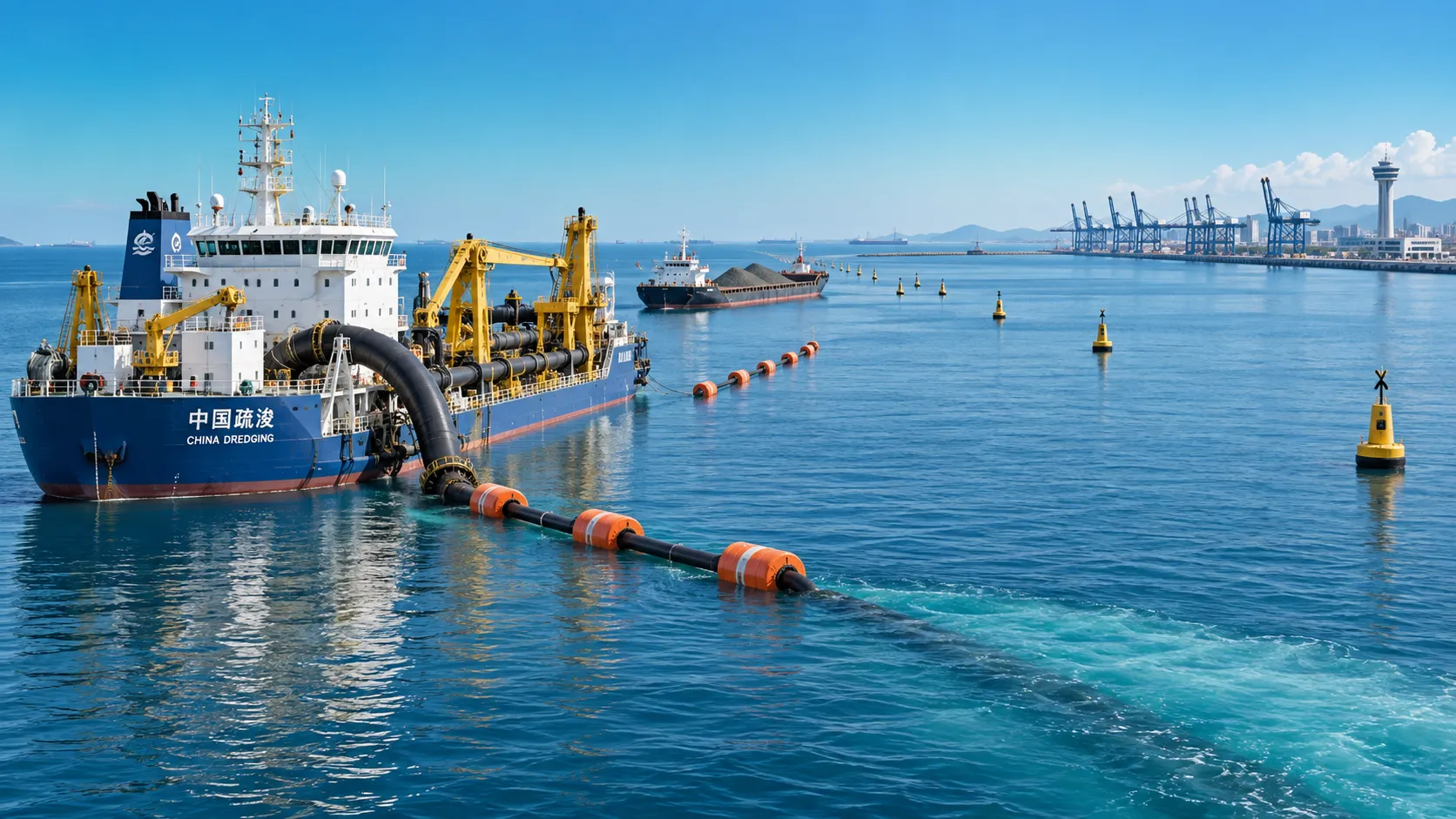
Planning Offshore Dredging Operations: Key Risks, Methods, and Project Controls
Offshore dredging operations demand smart planning. Explore key risks, proven methods, environmental controls, and project strategies for reliable delivery.