Related News
- 00
0000-00
How to Specify a Quay Crane for Container Terminals by Vessel Size and Throughput? - 00
0000-00
Which Bulk Handling Equipment Suits High-Moisture Cargo? - 00
0000-00
Terminal Automation Technologies That Raise Container Throughput Without Yard Disruption - 00
0000-00
Planning Offshore Dredging Operations: Key Risks, Methods, and Project Controls - 00
0000-00
Where Do Automated Guided Vehicles Deliver the Fastest Warehouse Gains in the Middle East?
What to compare before adopting smart port solutions
Before adopting smart port solutions, technical evaluators need to compare far more than feature lists. Interoperability, control architecture, data latency, cybersecurity, equipment compatibility, and long-term scalability all shape whether a system can truly improve terminal efficiency. This guide outlines the key factors to assess so ports can reduce implementation risk, align automation with operational goals, and make smarter infrastructure decisions.
What should technical evaluators compare first in smart port solutions?
A smart port project usually spans terminal equipment, yard orchestration, communications, safety logic, analytics, and operational workflows. That is why technical evaluators should begin with the operating model, not the software demo.
In practice, smart port solutions succeed when they match berth productivity targets, yard density constraints, labor transition plans, and vessel schedule volatility. A platform that looks advanced on paper may still fail if it cannot fit the terminal’s existing crane fleet or control philosophy.
For ports tracking long-cycle infrastructure decisions, PS-Nexus emphasizes a cross-disciplinary view. Heavy terminal gear, remote-control systems, AGV scheduling, and dredging-linked access capacity all affect how digital investments perform over time.
- Compare the current bottleneck first: quay crane moves, yard handoff delays, gate congestion, or channel restrictions.
- Check whether the proposed smart port solutions improve decision speed at the control layer, not just dashboard visibility.
- Verify whether integration covers existing PLC, TOS, SCADA, RTG/RMG, AGV, OCR, and energy systems.
- Assess whether the supplier can support phased deployment rather than forcing a disruptive full replacement.
Core evaluation questions before shortlisting vendors
A useful early screen is simple: what operational decision will be automated, how quickly must it be made, and which asset depends on it? If those answers are vague, the proposal is still immature.
Technical teams should also ask whether the architecture is open enough to survive future expansion. A container terminal may later add remote crane operation, truck appointment logic, shore power monitoring, or dredging-related channel planning inputs.
How to compare smart port solutions across architecture, data, and field equipment
The following comparison table helps technical evaluators review smart port solutions beyond generic marketing claims. It focuses on areas that directly influence reliability, expandability, and operational fit in marine logistics environments.
A strong smart port solutions provider should be able to explain each dimension with engineering detail. If the response stays at brochure level, evaluators should request interface lists, network assumptions, and failure-mode descriptions before moving forward.
Why architecture matters more than features
Feature richness does not guarantee throughput gains. In container terminals, the real performance question is whether dispatching logic, machine control, and operator visibility stay synchronized under operational stress.
PS-Nexus often frames this as the relationship between mechanical power and algorithmic timing. A terminal can own high-capacity gear, but without low-latency control and consistent data exchange, that capacity remains underused.
Which technical parameters matter most for terminal automation?
When comparing smart port solutions, technical evaluators need a parameter view that ties directly to terminal use cases. The goal is not to collect every specification, but to identify which metrics affect safe and stable operations.
These parameters should be reviewed together, not in isolation. Low latency with poor redundancy is still risky, while broad integration support with weak data quality control can create unreliable optimization outputs.
Parameter checks by scenario
- For remote-controlled quay cranes, prioritize response stability, video transport reliability, and local safety fallback.
- For AGV or terminal tractor orchestration, focus on path planning logic, localization quality, and dispatch recovery during communication loss.
- For bulk handling or dredging-linked systems, compare sensor integration, pump or conveyor monitoring, and predictive maintenance data consistency.
How to judge compatibility with existing port assets
Many smart port solutions underperform because they are evaluated as standalone digital products. Real ports operate mixed fleets, aging control cabinets, different OEM interfaces, and uneven maintenance histories.
Technical evaluators should therefore map every target asset: quay cranes, yard cranes, horizontal transport, substations, weighbridges, gates, cameras, and hydrographic or dredging-support systems where relevant. Compatibility is both a software question and an electrical-control question.
A practical compatibility checklist
- List existing OEMs, controller generations, sensor types, and communication interfaces for each critical asset.
- Confirm whether retrofits require mechanical changes, cabinet upgrades, network rewiring, or field recalibration.
- Review how exceptions are handled when one subsystem remains manual and another becomes automated.
- Check whether vendor support extends through commissioning, tuning, and post-go-live optimization, not just installation.
This is where a sector-specific intelligence source becomes valuable. PS-Nexus connects market movement with engineering context, helping evaluators interpret how equipment age, automation depth, and global supply-chain pressure influence practical adoption windows.
What hidden costs and implementation risks should be compared?
Budget decisions around smart port solutions often fail because the quoted platform price is treated as the full project cost. In reality, integration engineering, field modifications, downtime, training, and cybersecurity hardening can significantly change the business case.
The table below summarizes cost and risk categories that technical evaluators should request during pre-procurement review.
A credible cost review should include both implementation and lifecycle impacts. Technical evaluators should insist on separating core software, retrofit work, network upgrades, site testing, and long-term support so the procurement team can compare like for like.
Common mistakes during cost evaluation
- Comparing license prices without comparing integration scope or asset readiness.
- Ignoring the cost of fallback procedures when automated and manual operations must coexist.
- Underestimating the effort needed to normalize poor-quality operational data.
Which standards, compliance, and cybersecurity issues deserve attention?
Smart port solutions touch industrial control, safety, networking, and business systems, so compliance must be reviewed from both IT and OT perspectives. Technical evaluators do not need every certification at the first stage, but they do need clarity on the compliance path.
Common reference areas include industrial cybersecurity frameworks, electrical safety rules, machinery safety concepts, data governance practices, and environmental reporting needs linked to net-zero planning or energy optimization.
Key compliance review points
- Ask how user access, remote maintenance, and audit logs are controlled in the OT environment.
- Review whether safety logic stays functional when upstream analytics or planning modules fail.
- Check data retention, ownership, and export options if port authorities require long-term traceability.
- Verify whether energy monitoring and emissions-related data can support corporate sustainability reporting.
For ports involved in remote operation, unmanned yard processes, or digital dredging support, cybersecurity should be treated as a design input, not a post-installation add-on. That approach reduces approval delays and supports safer scaling later.
How should implementation be phased to reduce adoption risk?
The safest adoption path for smart port solutions is usually phased deployment. This lets technical teams validate data quality, operator workflows, and interface stability before high-dependency automation is activated across the terminal.
A practical rollout sequence
- Start with a baseline study covering berth performance, yard conflict points, network readiness, and asset condition.
- Pilot one bounded use case, such as remote crane assistance, yard dispatch optimization, or gate-queue digitization.
- Measure operational outcomes using agreed indicators such as cycle consistency, exception rate, and downtime response.
- Expand only after interface behavior, training, and incident handling processes are proven under realistic load.
PS-Nexus supports this decision style because market intelligence is most useful when combined with engineering sequence. Knowing which technologies are trending is helpful, but knowing when a specific terminal is ready to deploy them is far more valuable.
FAQ: common questions when comparing smart port solutions
How do I know whether smart port solutions fit a partially modernized terminal?
Look at interface readiness, not terminal age alone. A partially modernized site can still be a good candidate if its key cranes, yard equipment, and operating systems expose stable data points and support safe retrofit paths.
What is the most overlooked technical factor during vendor comparison?
Exception handling is often overlooked. Vendors may demonstrate nominal workflows, but technical evaluators should test what happens during signal loss, equipment faults, vessel schedule changes, or mixed manual-automatic operations.
Should we prioritize AI features when assessing smart port solutions?
Only after the control and data foundation is reliable. AI-based scheduling or prediction can add value, but unstable field data, weak synchronization, or poor equipment integration will limit the practical benefit.
How long does evaluation usually take before procurement?
That depends on terminal complexity, retrofit depth, and approval requirements. A focused technical review can move quickly, but projects involving legacy cranes, OT cybersecurity redesign, or phased automation usually require broader validation and stakeholder alignment.
Why choose PS-Nexus for smart port solutions research and decision support?
Technical evaluators need more than trend headlines. They need clear links between heavy equipment capability, control logic, communications performance, and trade-driven operating pressure. That is the perspective PS-Nexus is built to provide.
Our intelligence focus spans mega port terminal gear, specialized container handling, port automation and control systems, bulk handling machinery, and dredging engineering equipment. This helps procurement and engineering teams compare smart port solutions in the context of real terminal constraints rather than isolated product claims.
If you are reviewing adoption options, contact PS-Nexus for support with parameter confirmation, architecture comparison, equipment compatibility checks, phased implementation planning, delivery timeline questions, compliance review priorities, and quotation communication aligned with your terminal’s operational goals.
Related News
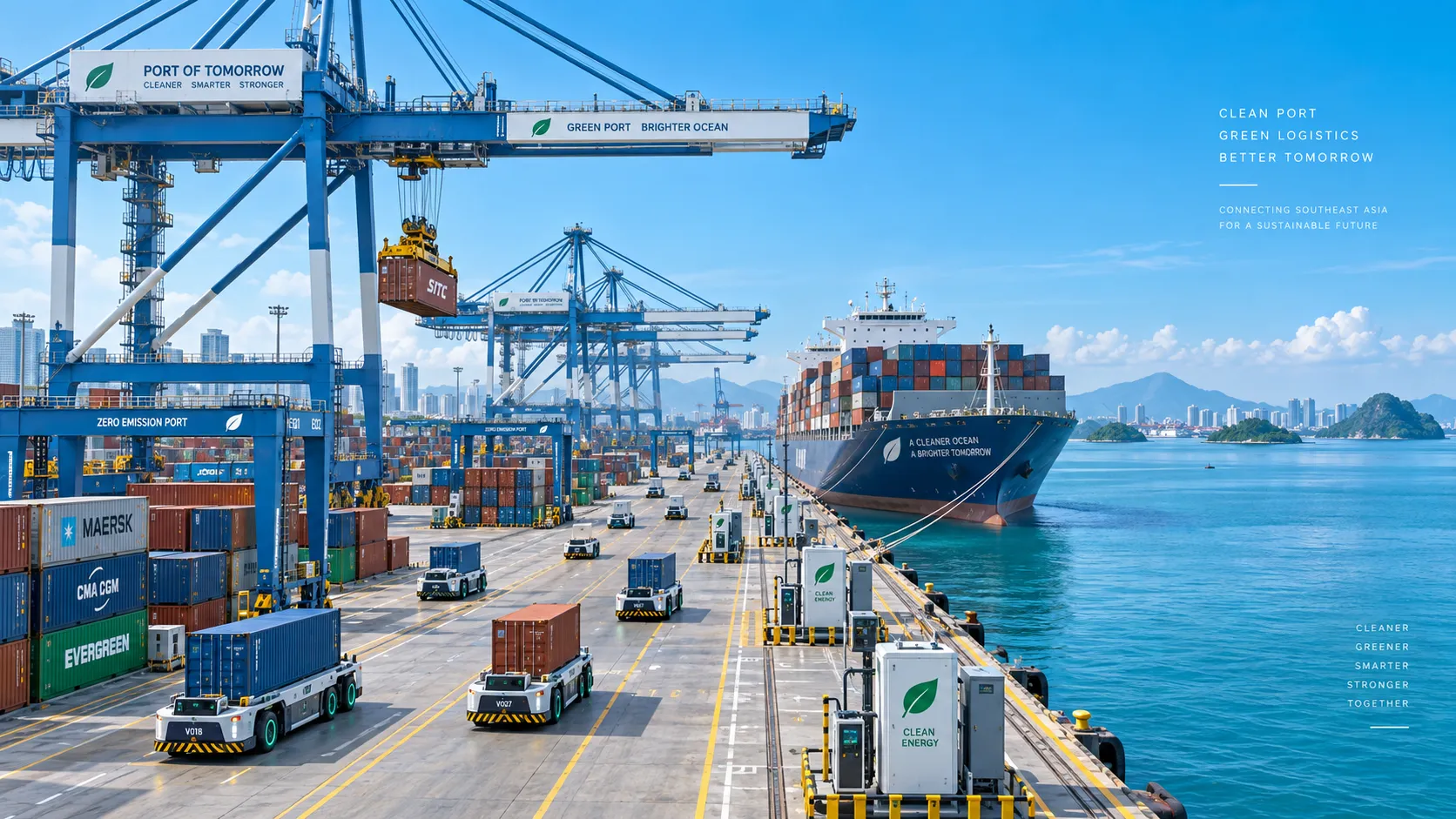
Smart Port Systems in Southeast Asia: Investment Priorities and Adoption Barriers
Smart port systems Southeast Asia: discover investment priorities, adoption barriers, and practical steps to build resilient, connected, high-performing terminals.

How to Evaluate Terminal Efficiency Solution Suppliers for High-Throughput Operations
Choose a terminal efficiency solutions supplier with confidence. Explore proven criteria for throughput, integration, lifecycle cost, safety, and reliable delivery.
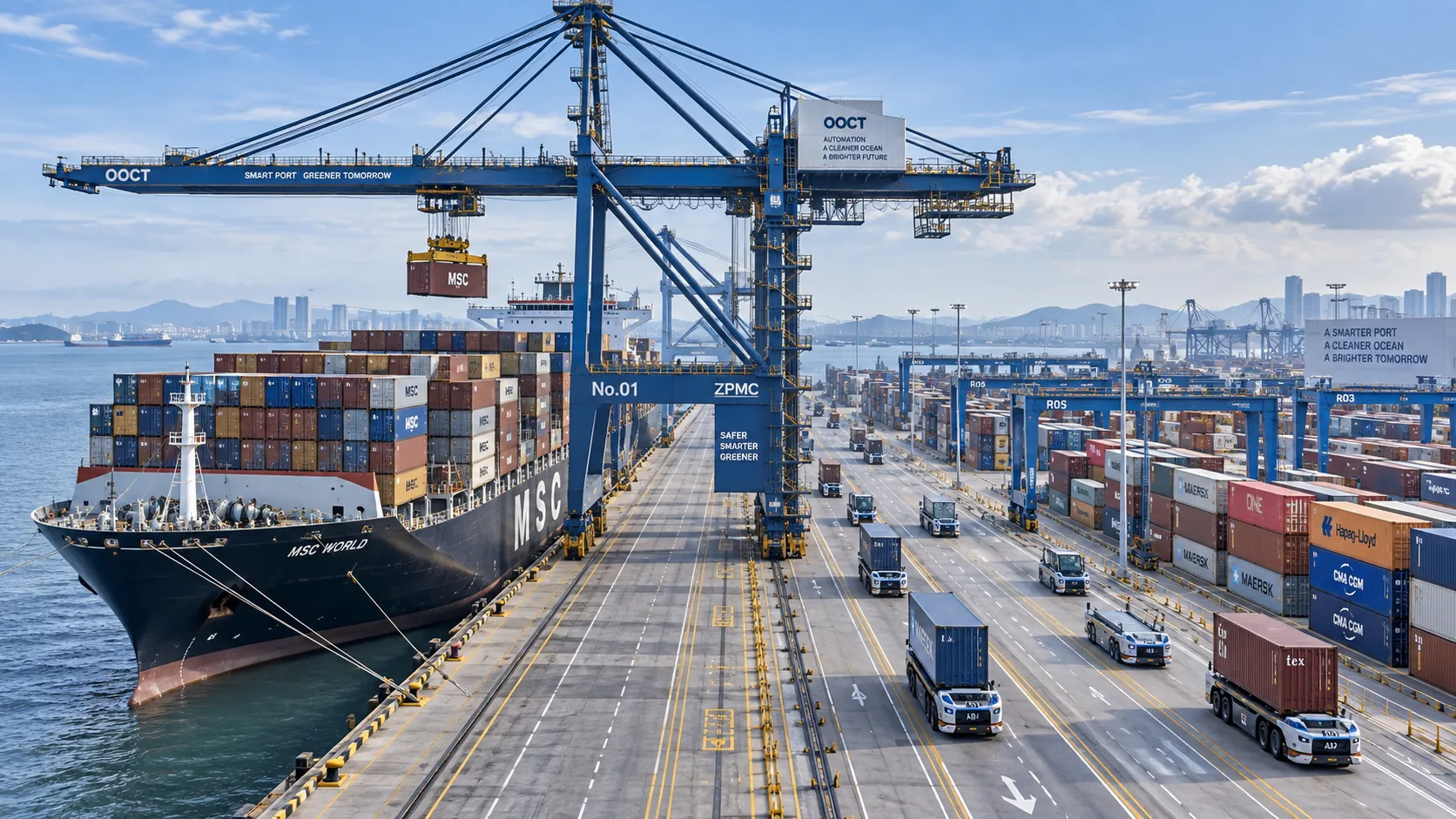
How to Specify a Quay Crane for Container Terminals by Vessel Size and Throughput?
Quay crane for container terminals: learn how to match outreach, lift height, capacity, automation, and cycle performance to vessel size and throughput goals.
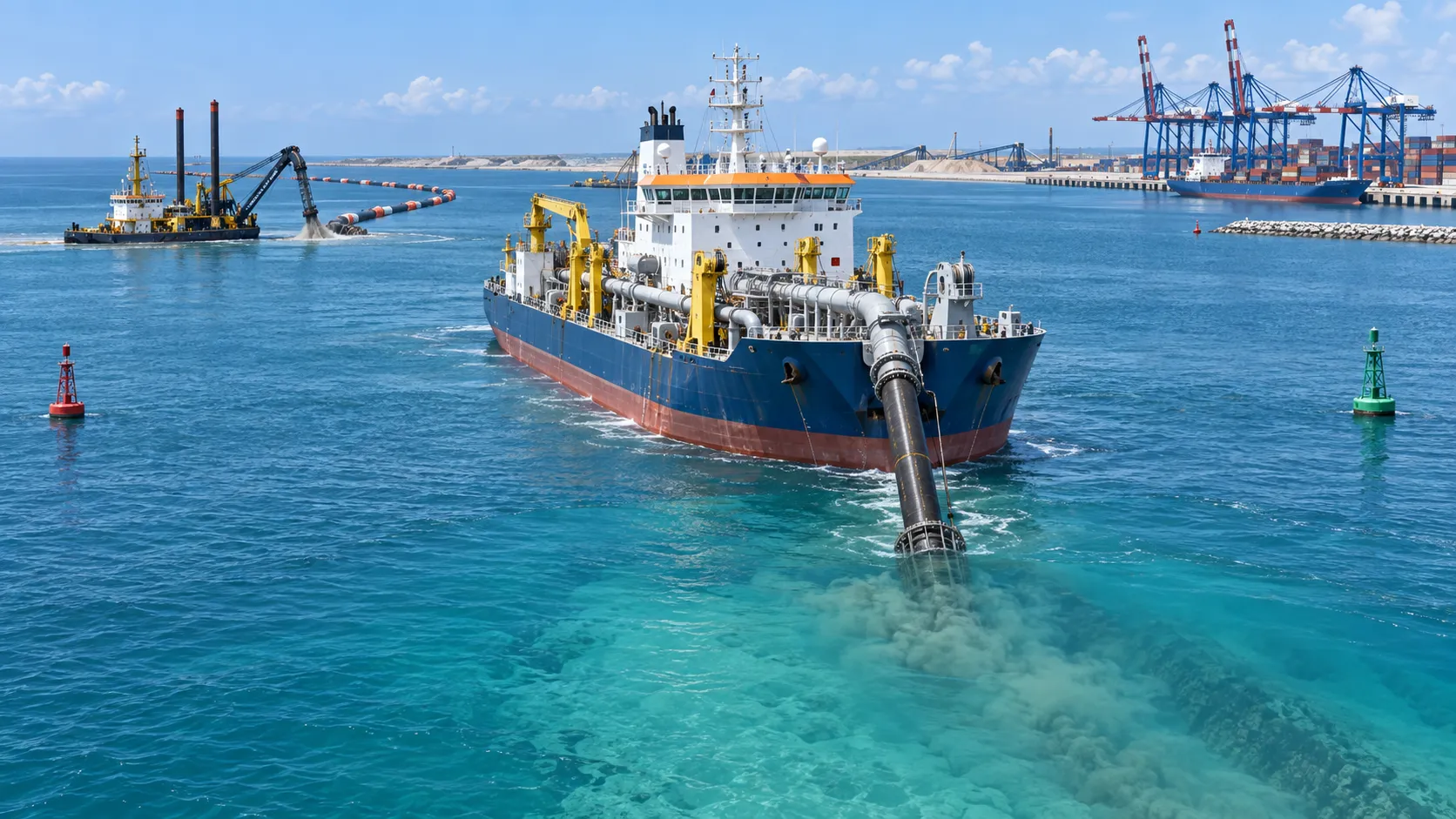
What Dredging Equipment Is Needed for Channel Deepening?
What dredging equipment is needed for channel deepening? Explore dredgers, pipelines, survey tools, and planning strategies for safer, more efficient port access.
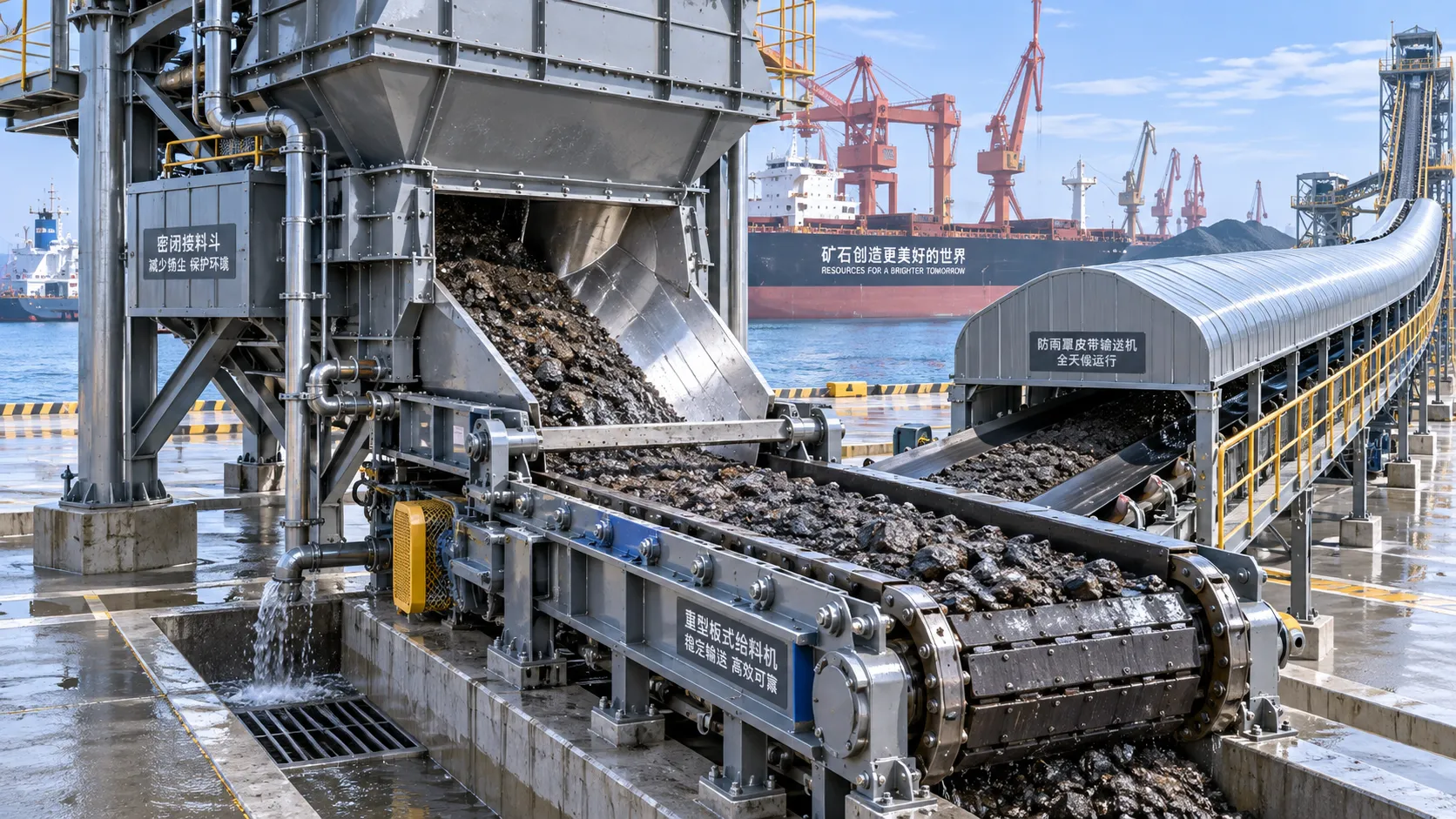
Which Bulk Handling Equipment Suits High-Moisture Cargo?
Which bulk handling equipment suits high-moisture cargo? Compare belt, apron, screw, drag, and slurry systems for reliable flow, less carryback, and higher terminal uptime.
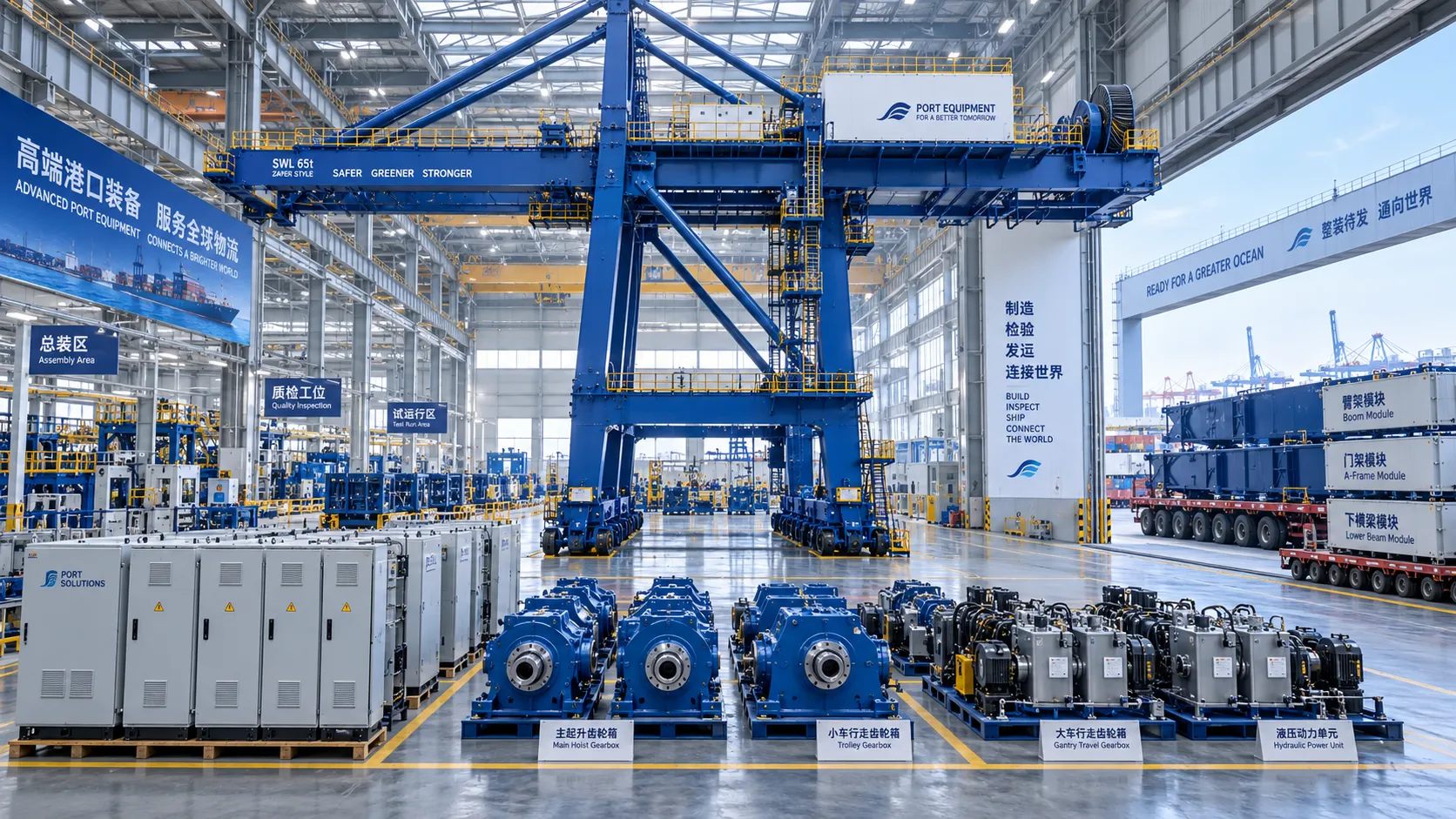
How Can Port Equipment Lead-Time Risk Be Managed?
How can port equipment lead-time risk be managed? Explore practical strategies to control critical paths, suppliers, transport, site readiness, and commissioning delays.
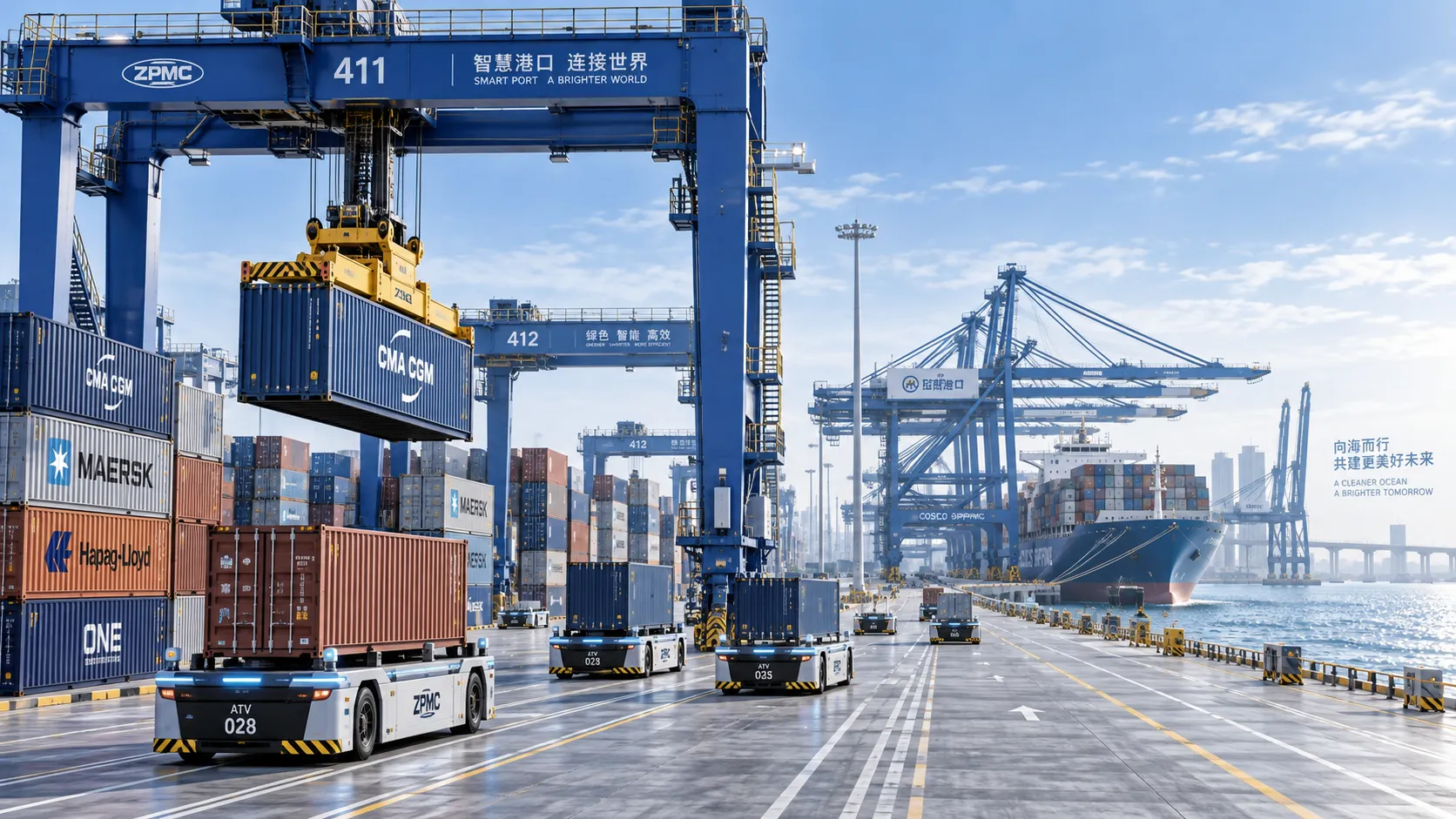
Terminal Automation Technologies That Raise Container Throughput Without Yard Disruption
Terminal automation technology that increases container throughput without disrupting yard flow. Explore smarter integration, resilient workflows, and phased deployment strategies.

Middle East Port Automation: Key Market Drivers, Projects, and Investment Risks
Port automation systems Middle East: explore market drivers, flagship projects, integration challenges, and investment risks shaping smarter, resilient terminals.
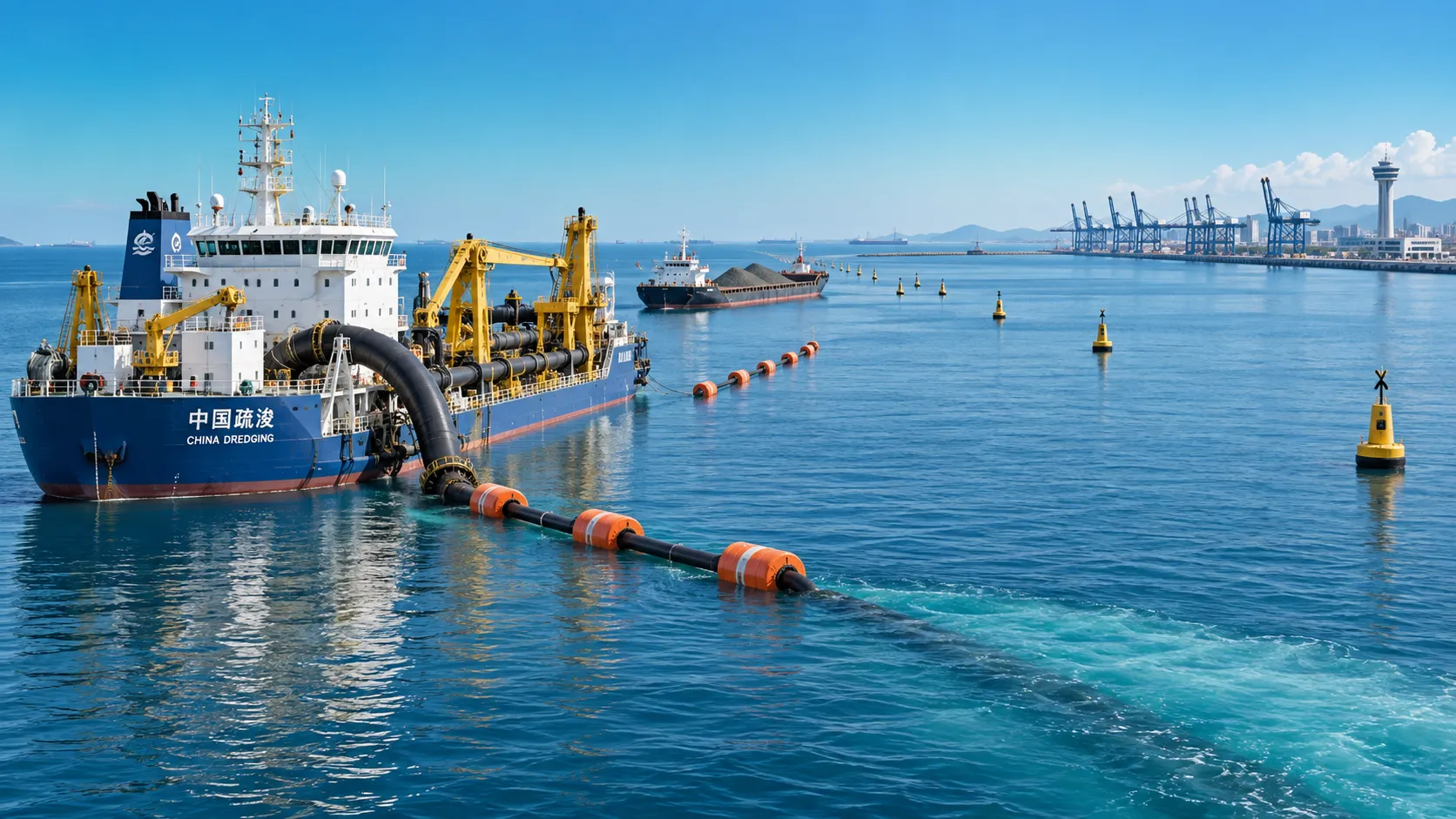
Planning Offshore Dredging Operations: Key Risks, Methods, and Project Controls
Offshore dredging operations demand smart planning. Explore key risks, proven methods, environmental controls, and project strategies for reliable delivery.