Related News
- 00
0000-00
How to Specify a Quay Crane for Container Terminals by Vessel Size and Throughput? - 00
0000-00
Which Bulk Handling Equipment Suits High-Moisture Cargo? - 00
0000-00
Terminal Automation Technologies That Raise Container Throughput Without Yard Disruption - 00
0000-00
Planning Offshore Dredging Operations: Key Risks, Methods, and Project Controls - 00
0000-00
Where Do Automated Guided Vehicles Deliver the Fastest Warehouse Gains in the Middle East?
When does dredging technology lower project risk?
For project managers and engineering leads, dredging technology lowers project risk when it improves seabed accuracy, shortens execution time, and reduces environmental and operational uncertainty. In port expansion, channel maintenance, and coastal development, the right system converts unknowns into measurable variables. That shift supports safer decisions, stronger schedule control, and tighter budget performance across the full project lifecycle.
Why project risk changes across dredging scenarios
Not every project benefits from dredging technology in the same way. Risk falls only when the selected method matches seabed conditions, environmental limits, access constraints, and production targets.
A maintenance campaign in a stable shipping channel has different risk drivers than a greenfield port basin. One may prioritize continuity and silt management. The other may depend on survey precision, soil variability, and disposal logistics.
This is why dredging technology should be judged by scenario fit, not by headline capacity alone. The best solution is the one that lowers uncertainty at the points where projects usually fail.
When dredging technology lowers risk in port expansion projects
Port expansion often involves mixed soils, tight marine traffic windows, and complex interface management. In this setting, dredging technology lowers project risk when it delivers accurate cut profiles and stable production rates.
Real-time positioning, digital depth control, and integrated hydrographic feedback reduce over-dredging and under-dredging. That matters because both errors create costly rework, permit issues, and berth commissioning delays.
Risk also falls when equipment matches the material profile. Cutter suction dredgers support harder strata and controlled excavation. Trailing suction hopper dredgers often suit larger volumes and flexible transport routes.
In expansion work near active terminals, automation features add value. Better navigation, pump monitoring, and production analytics help crews react early to blockage, wear, or instability before these become critical delays.
Key judgment points for port expansion
- How variable are the soil layers across the excavation area?
- Will marine traffic restrict work windows or dredger movement?
- Is rehandling of dredged material likely to affect cost and schedule?
- Can survey data be updated fast enough for operational decisions?
When dredging technology lowers risk in channel maintenance
Maintenance dredging usually focuses on reliability rather than first-time excavation. Here, dredging technology lowers project risk when it protects navigational depth without creating recurring disruption.
Sedimentation patterns are often seasonal and uneven. Smart survey planning and digital sediment tracking reduce the risk of missing shoals that threaten vessel draft and port availability.
Efficient dredging technology also limits downtime in busy fairways. Faster cycle times, accurate hopper loading, and route optimization can reduce interference with shipping schedules and pilotage operations.
Environmental compliance is another major factor. Turbidity monitoring, controlled overflow management, and precise disposal placement reduce the chance of permit breaches and public scrutiny.
Core risk signals in maintenance work
- Frequent emergency dredging requests
- Poor visibility of sediment return rates
- Repeated underperformance after earlier campaigns
- Limited integration between survey and execution teams
When dredging technology lowers risk in coastal development and land reclamation
Coastal development projects carry broader geotechnical and environmental exposure. Dredging technology lowers project risk when fill quality, placement accuracy, and settlement behavior are monitored from the start.
For reclamation, production volume alone is not enough. The hydraulic transport system, discharge control, and staged filling strategy must support compaction goals and future structural loads.
Advanced dredging technology can help balance these demands. Pump diagnostics, slurry density monitoring, and digital terrain models support more predictable placement and reduce the risk of weak zones.
The environmental side is equally important. Sensitive coastlines, fisheries, and erosion patterns require tighter control of plume spread, borrow area disturbance, and shoreline impact.
What matters most in coastal development
- Consistency of fill material and moisture content
- Compatibility between dredging method and reclamation geometry
- Monitoring of settlement, erosion, and edge stability
- Protection of nearby habitats and community interfaces
How different scenarios change dredging technology requirements
The same dredging technology cannot reduce risk equally in every project. Decision quality improves when scenario demands are compared directly.
Practical ways to match dredging technology to project risk
A practical selection process should begin with risk mapping, not equipment branding. The question is not which dredger is most advanced. The question is which dredging technology removes the most uncertainty.
- Map seabed, sediment, and access constraints early.
- Link each project risk to a measurable technology response.
- Check survey, dredging, and disposal data integration.
- Validate environmental control capability before mobilization.
- Model downtime exposure from wear, blockage, and weather.
- Compare total risk-adjusted cost, not only production price.
This approach supports stronger planning across the broader maritime logistics chain. It also aligns with the intelligence-led perspective promoted by PS-Nexus, where equipment, data, and operations must work together.
Common misjudgments that keep dredging risk high
Several errors prevent dredging technology from delivering real risk reduction. The first is relying on nominal capacity while ignoring soil behavior and transport distance.
Another common mistake is separating hydrographic surveys from production control. When field data arrives late, crews react slowly and the project absorbs avoidable inefficiency.
Environmental risk is often underestimated as well. A technically productive system may still raise project exposure if plume control, overflow limits, or disposal accuracy are weak.
A final mistake is treating dredging technology as a standalone asset. In reality, risk drops most when the technology connects with traffic planning, terminal operations, and coastal engineering logic.
Next steps for evaluating dredging technology with confidence
If a project faces uncertain seabed conditions, tight schedules, or strict compliance demands, start with a scenario-based review. Define where uncertainty is highest and what data is missing.
Then assess whether the proposed dredging technology improves measurement, control, and response speed. If it does, project risk is likely to fall in a meaningful way.
For organizations tracking port equipment, marine engineering, and operational intelligence, PS-Nexus provides a valuable lens on how dredging technology fits into smarter maritime infrastructure decisions.
In the end, dredging technology lowers project risk when it turns dynamic marine conditions into visible, manageable, and auditable performance outcomes.
Related News
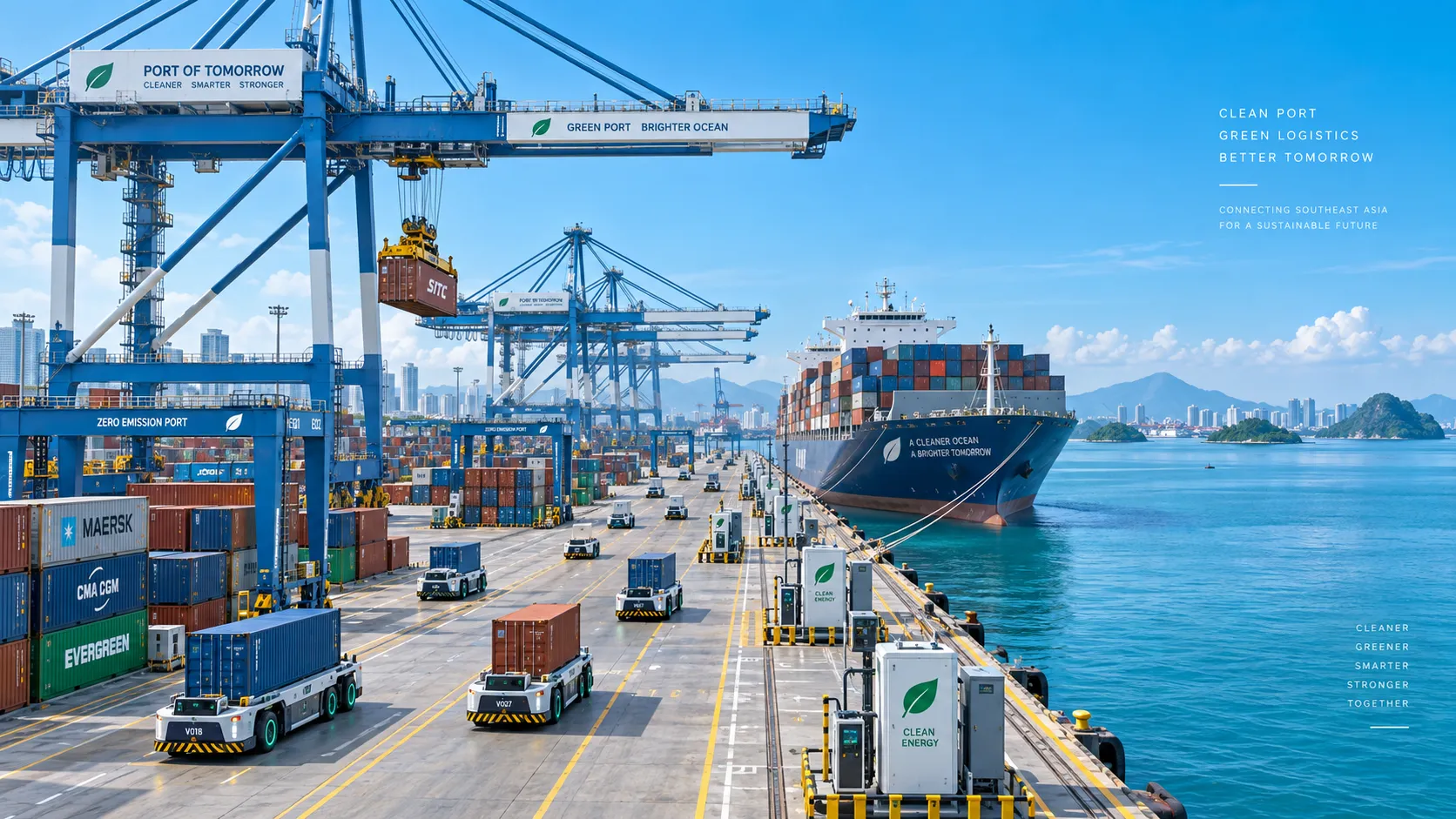
Smart Port Systems in Southeast Asia: Investment Priorities and Adoption Barriers
Smart port systems Southeast Asia: discover investment priorities, adoption barriers, and practical steps to build resilient, connected, high-performing terminals.
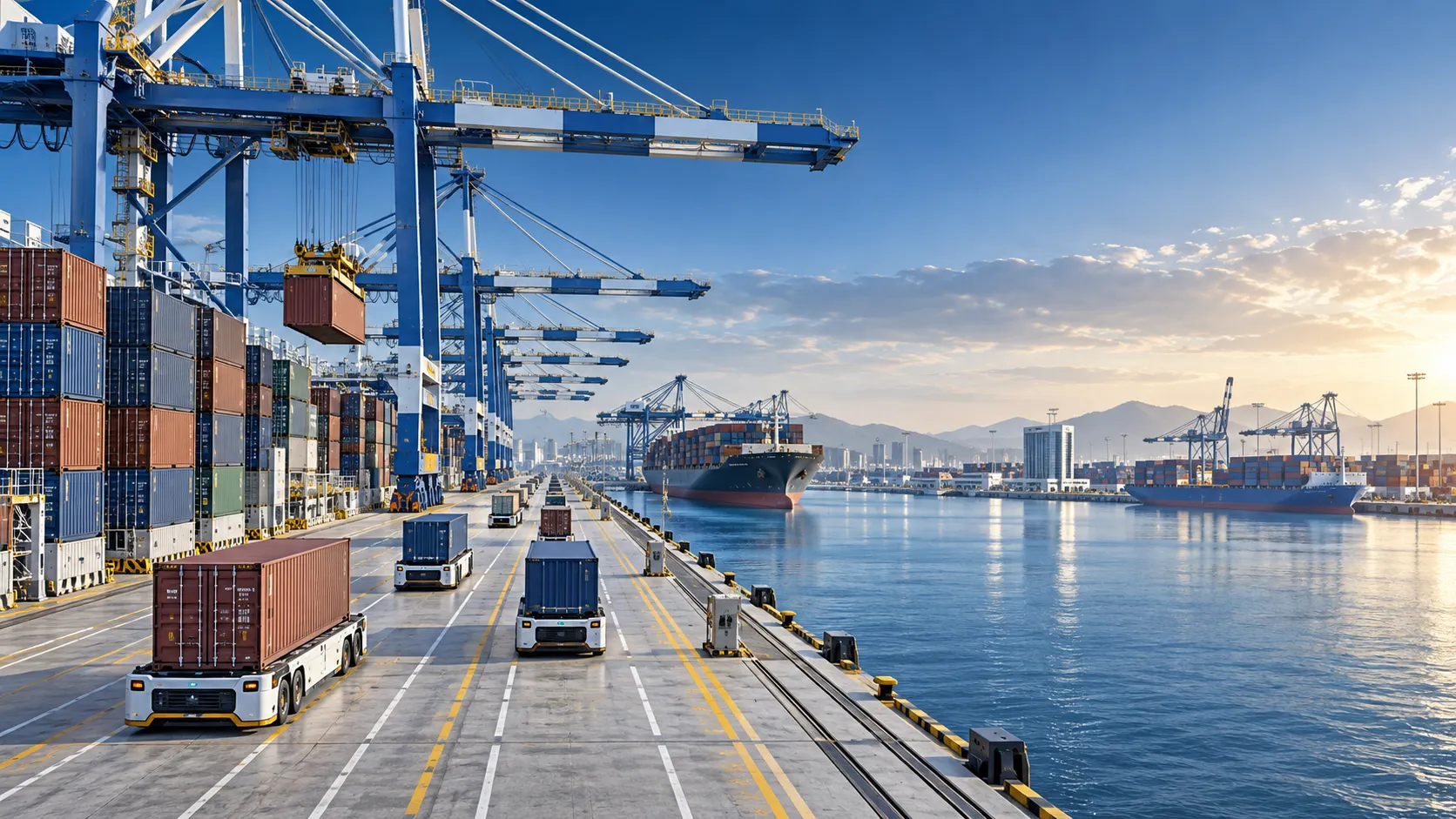
How to Evaluate Terminal Efficiency Solution Suppliers for High-Throughput Operations
Choose a terminal efficiency solutions supplier with confidence. Explore proven criteria for throughput, integration, lifecycle cost, safety, and reliable delivery.
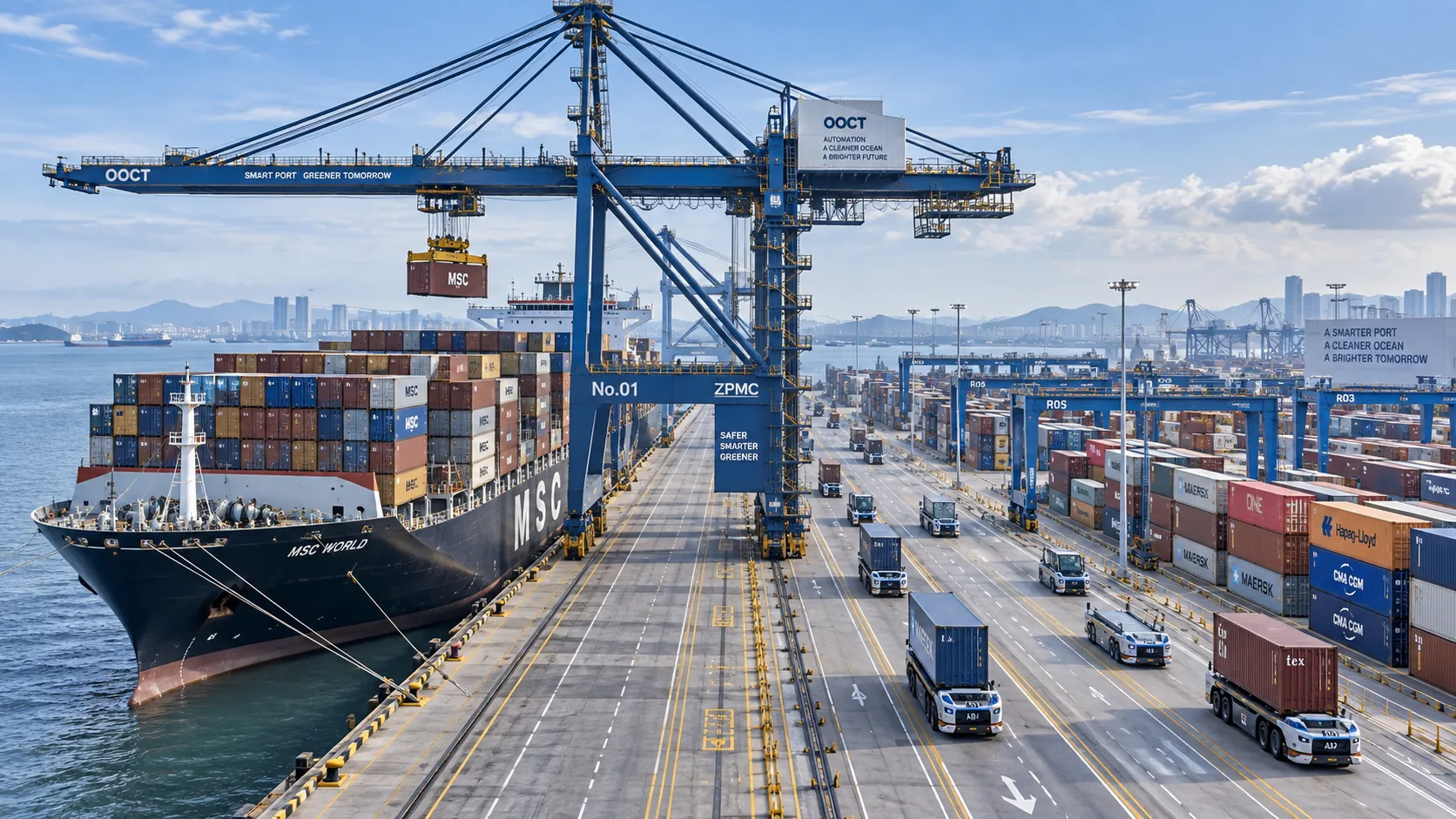
How to Specify a Quay Crane for Container Terminals by Vessel Size and Throughput?
Quay crane for container terminals: learn how to match outreach, lift height, capacity, automation, and cycle performance to vessel size and throughput goals.
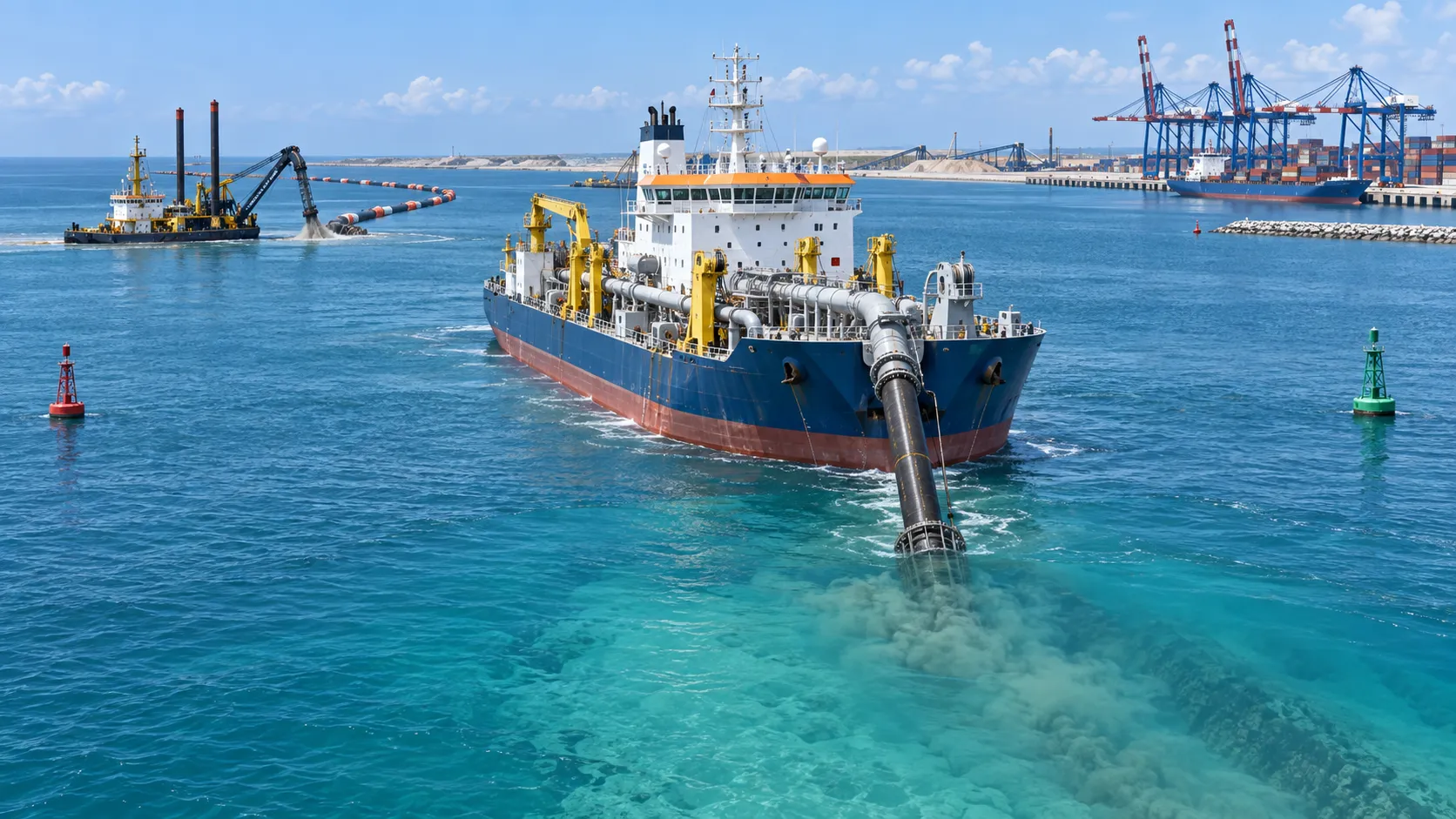
What Dredging Equipment Is Needed for Channel Deepening?
What dredging equipment is needed for channel deepening? Explore dredgers, pipelines, survey tools, and planning strategies for safer, more efficient port access.
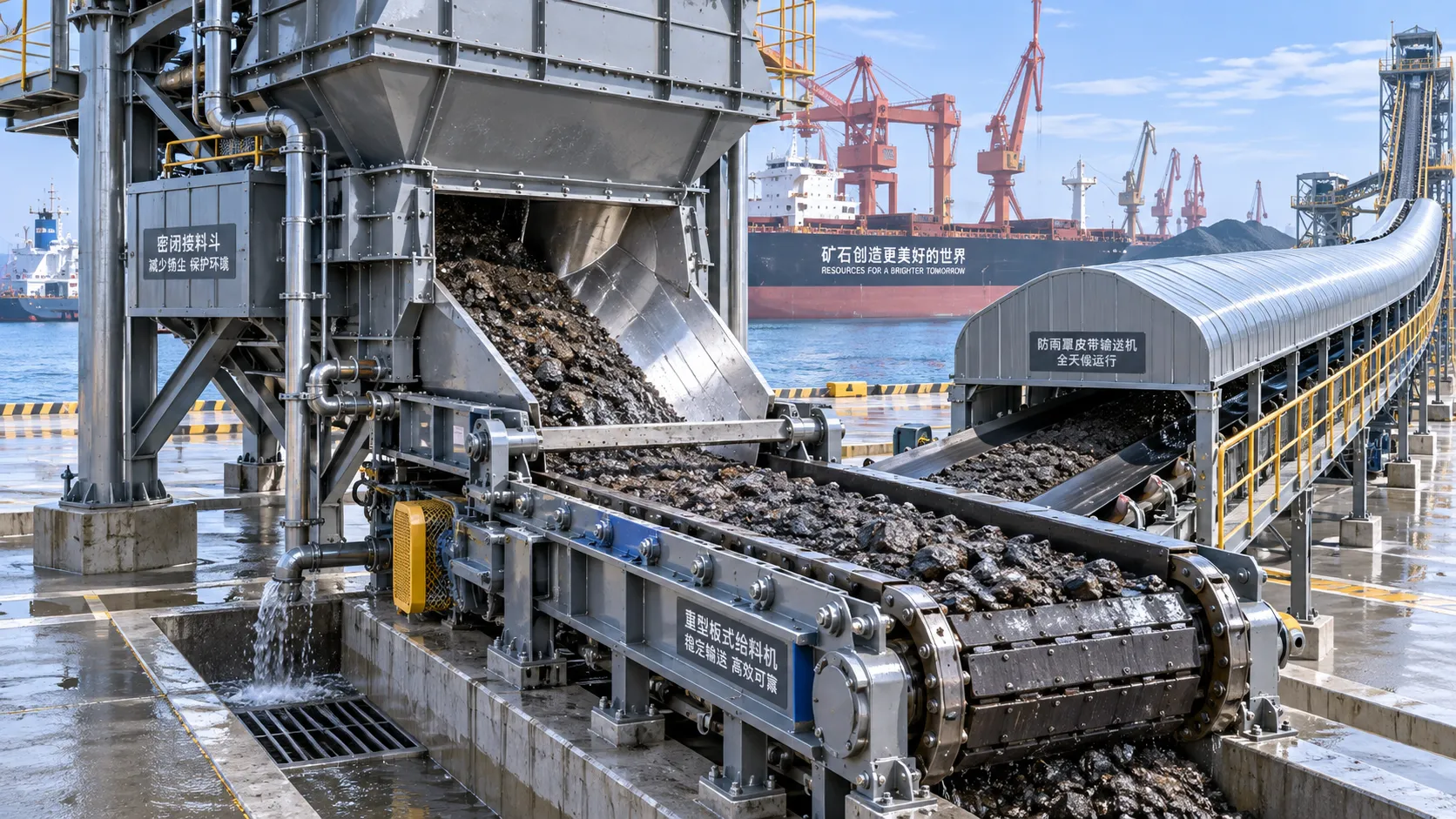
Which Bulk Handling Equipment Suits High-Moisture Cargo?
Which bulk handling equipment suits high-moisture cargo? Compare belt, apron, screw, drag, and slurry systems for reliable flow, less carryback, and higher terminal uptime.
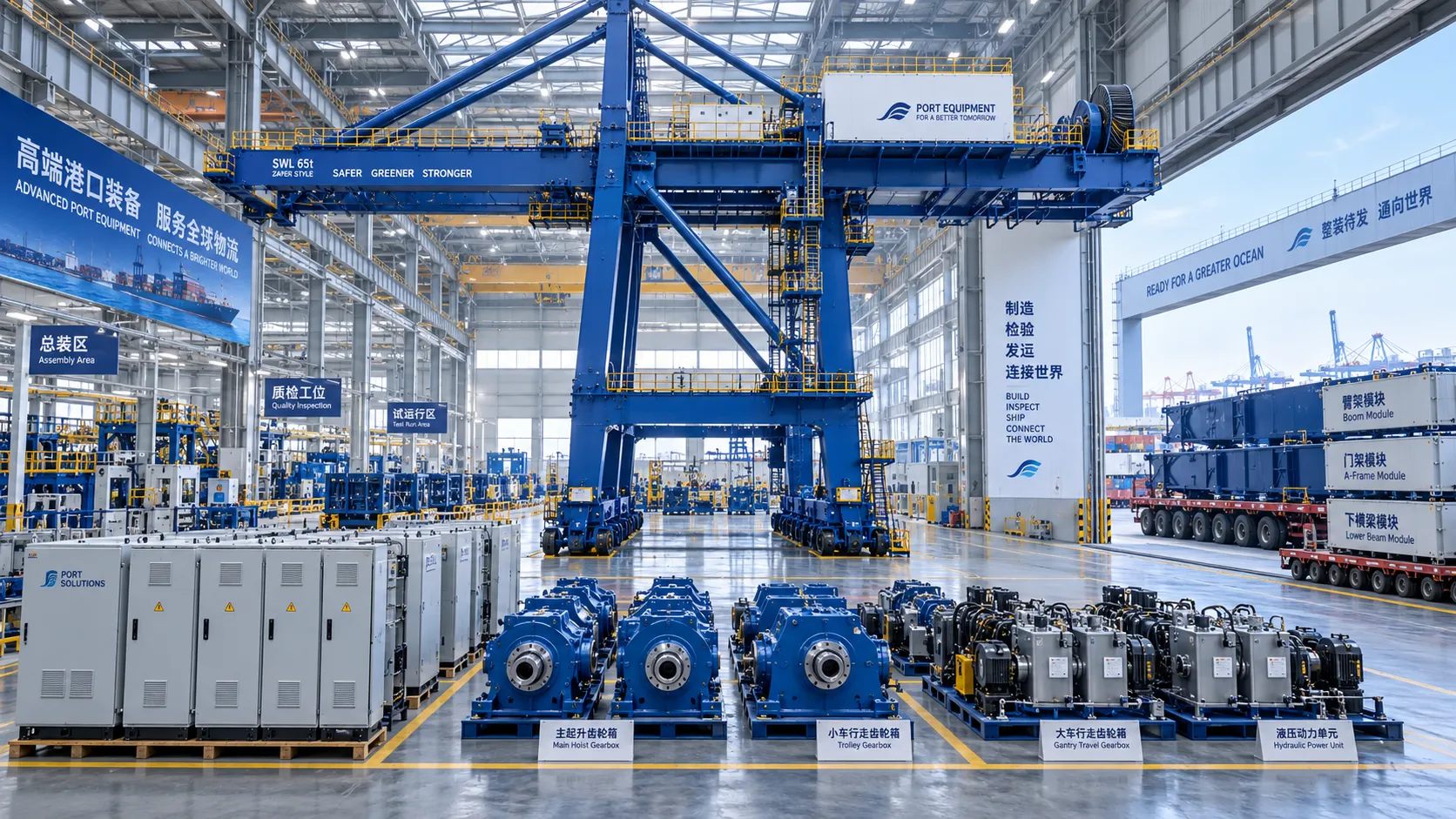
How Can Port Equipment Lead-Time Risk Be Managed?
How can port equipment lead-time risk be managed? Explore practical strategies to control critical paths, suppliers, transport, site readiness, and commissioning delays.
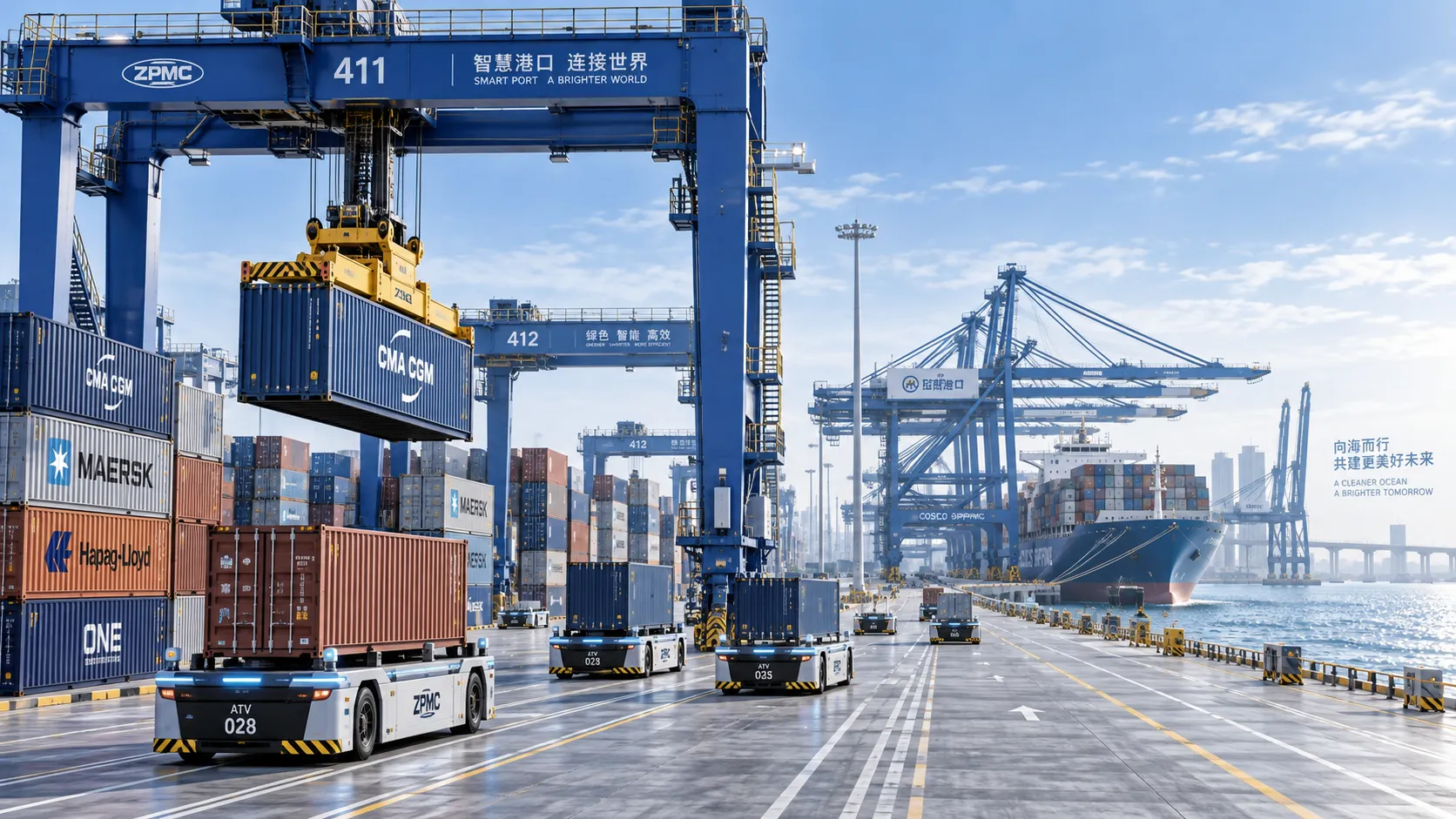
Terminal Automation Technologies That Raise Container Throughput Without Yard Disruption
Terminal automation technology that increases container throughput without disrupting yard flow. Explore smarter integration, resilient workflows, and phased deployment strategies.
Middle East Port Automation: Key Market Drivers, Projects, and Investment Risks
Port automation systems Middle East: explore market drivers, flagship projects, integration challenges, and investment risks shaping smarter, resilient terminals.
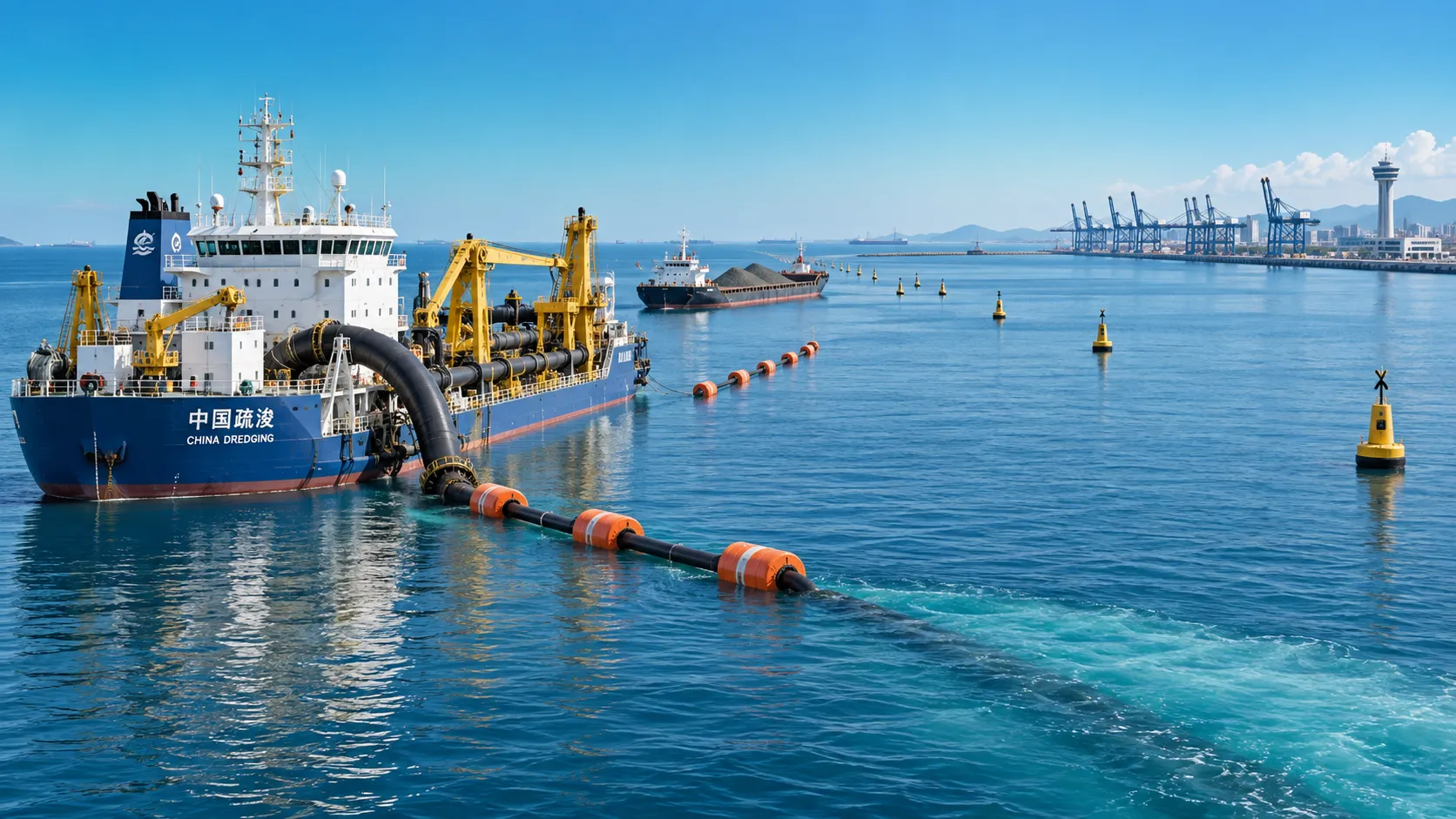
Planning Offshore Dredging Operations: Key Risks, Methods, and Project Controls
Offshore dredging operations demand smart planning. Explore key risks, proven methods, environmental controls, and project strategies for reliable delivery.