Related News
- 00
0000-00
How to Specify a Quay Crane for Container Terminals by Vessel Size and Throughput? - 00
0000-00
Which Bulk Handling Equipment Suits High-Moisture Cargo? - 00
0000-00
Terminal Automation Technologies That Raise Container Throughput Without Yard Disruption - 00
0000-00
Planning Offshore Dredging Operations: Key Risks, Methods, and Project Controls - 00
0000-00
Where Do Automated Guided Vehicles Deliver the Fastest Warehouse Gains in the Middle East?
How marine logistics technology is changing vessel planning
Marine logistics technology is no longer a back-office upgrade. It has become a planning advantage that directly affects vessel turnaround, berth reliability, fuel efficiency, cargo flow, and network resilience.
For business decision-makers, the core question is not whether digital tools matter, but which technologies materially improve vessel planning and where they create measurable commercial returns.
In practical terms, better vessel planning now depends on how well operators connect routing data, berth windows, weather signals, terminal automation, inland constraints, and asset availability into one decision framework.
This is why marine logistics technology is changing vessel planning so quickly. It reduces uncertainty, shortens reaction time, and helps fleets align more precisely with real operating conditions across ports and trade lanes.
For companies exposed to volatile freight markets, congested terminals, and tighter emissions expectations, the value is strategic. Better planning means fewer delays, lower costs, stronger service reliability, and clearer capital decisions.
What decision-makers are really asking about vessel planning technology
Most executives are not searching for a technical definition. They want to know how planning technology improves schedule performance, protects margins, and supports better coordination with ports, terminals, and customers.
They are also assessing risk. Can the system use reliable data, fit existing workflows, scale across regions, and support automation without creating new bottlenecks or expensive integration failures?
That makes vessel planning a business issue as much as an operational one. The planning stack now influences contractual performance, fleet utilization, working capital, and even long-term competitiveness in strategic corridors.
Why traditional vessel planning no longer works well enough
Traditional planning often depends on fragmented updates from agents, terminals, weather providers, and internal teams. That approach may work in stable conditions, but global shipping is rarely stable anymore.
Berth congestion changes quickly. Terminal productivity shifts by equipment availability. Weather events alter transit assumptions. Inland disruptions slow cargo readiness. A static planning model cannot absorb these variables fast enough.
As a result, planners spend too much time reacting manually. Decisions arrive late, vessel arrivals miss the best berth windows, and downstream resources are allocated based on outdated assumptions rather than live operating reality.
For executives, this creates hidden cost leakage. The losses do not always appear as one line item, but they accumulate through idle time, demurrage exposure, fuel waste, service failure, and strained customer commitments.
How marine logistics technology changes the planning model
Modern marine logistics technology replaces isolated planning steps with connected decision systems. Instead of treating route planning, port calls, cargo readiness, and terminal handling as separate processes, it links them dynamically.
The change begins with visibility. Platforms now ingest AIS feeds, port congestion data, weather forecasts, tidal constraints, terminal performance signals, and cargo status updates into a common planning environment.
Once those inputs are connected, planning becomes predictive rather than purely reactive. Teams can model expected arrival ranges, berth access probability, crane availability, and handling time before disruption becomes operational damage.
This is the real shift in marine logistics technology. It is not only digitizing paperwork or dashboards. It is improving the timing and quality of decisions that determine how efficiently vessels move through the network.
Which technologies are having the biggest impact
Several technologies are driving the strongest change in vessel planning today. Their impact grows when they are combined rather than deployed as isolated software tools.
First, real-time data integration platforms create a shared operating picture across vessel operators, terminals, agents, and landside logistics teams. This reduces planning delays caused by disconnected information sources.
Second, predictive analytics helps planners estimate arrival accuracy, berth demand, queue risk, and turnaround duration using historical patterns plus live conditions. This supports earlier and more confident decisions.
Third, digital twins are gaining importance in complex ports and automated terminals. They simulate how vessel arrivals interact with quay cranes, yard equipment, gate flow, and storage density before the ship reaches port.
Fourth, AI-assisted scheduling tools optimize trade-offs among speed, fuel burn, berth timing, and terminal readiness. Instead of optimizing for one variable, they support more balanced operational outcomes.
Fifth, integrated port automation systems matter because vessel plans are only as good as terminal execution. If crane allocation, yard sequencing, and AGV routing are digitized, berth planning becomes far more reliable.
For sectors tracked closely by PS-Nexus, this integration is especially relevant where heavy terminal gear, specialized container handling, and automated control systems directly determine whether a planned port call is actually achievable.
How better planning improves commercial performance
Executives often ask where the business value appears first. In most cases, the earliest gains show up in schedule reliability, lower waiting time, and reduced fuel inefficiency caused by poor arrival coordination.
When vessels arrive closer to true berth readiness, operators avoid the costly pattern of speeding up at sea only to wait offshore. That improves bunker economics and supports emissions reduction goals at the same time.
Improved planning also raises asset productivity. Ships spend less unproductive time between voyage stages, terminals can prepare labor and equipment earlier, and cargo owners receive more dependable service windows.
There is also value in contract performance. More accurate estimated times of arrival and departure support stronger communication with charterers, shippers, and port stakeholders, reducing dispute risk and service penalty exposure.
Over time, the strategic benefit is network resilience. Companies using better planning technology can recover faster from disruptions because they can re-sequence calls, adjust speeds, and rebalance resources with less friction.
Why terminal intelligence now matters to vessel planning
Vessel planning used to focus mainly on the ship and sea leg. That is no longer enough. Terminal-side intelligence increasingly determines whether the voyage plan translates into a productive port call.
In major trade hubs, berth assignment depends on quay crane readiness, yard density, labor conditions, gate flow, and automation system performance. A vessel can arrive on time and still lose efficiency if terminal conditions deteriorate.
This is why the connection between marine logistics technology and port operations is so important. Planning quality rises sharply when vessel operators can see realistic handling capacity rather than nominal capacity.
For example, automated container handling systems can improve predictability when data is shared effectively. But if those systems are poorly integrated, they can create blind spots that undermine berth and discharge planning.
Decision-makers should therefore view vessel planning as an end-to-end coordination challenge. The best results come from linking maritime schedules with the operational logic of the terminal, yard, and hinterland interface.
How technology supports better decisions during disruption
Disruption is where advanced planning tools prove their value most clearly. In normal conditions, many systems appear adequate. Under volatility, the difference between static planning and adaptive planning becomes obvious.
Consider a sudden weather event, labor slowdown, or equipment outage. A connected planning platform can recalculate ETA, berth feasibility, terminal productivity, and downstream cargo impact within minutes rather than hours.
That speed changes outcomes. Operators may choose a different sailing speed, swap call sequences, revise crane allocation expectations, or reroute cargo flows before congestion escalates into a chain-wide delay.
For senior leaders, this capability is not just operational convenience. It is a resilience asset that protects revenue quality, customer trust, and the company’s ability to compete in uncertain trade environments.
What ROI should companies realistically expect
Returns vary by fleet type, trade pattern, and digital maturity, but decision-makers should evaluate value across several categories rather than expecting one headline metric to tell the whole story.
Direct savings often include lower fuel consumption, reduced port waiting costs, fewer planning errors, and better utilization of vessel and terminal assets. These benefits can emerge relatively quickly in data-rich operations.
Indirect returns may be even more important. Better reliability can improve customer retention, strengthen pricing power in service-sensitive markets, and support growth without proportional increases in operational complexity.
There are also strategic returns tied to capital discipline. Companies gain clearer signals on whether to invest in software, terminal partnerships, automation interfaces, or specific corridor upgrades based on measurable planning pain points.
The most realistic ROI assessments combine operational metrics with executive-level indicators such as service consistency, disruption recovery speed, contract performance, and alignment with decarbonization objectives.
What usually blocks successful adoption
Many digital initiatives underperform not because the technology lacks capability, but because the operating model around it remains fragmented. Data quality is usually the first major obstacle.
If ETA updates, berth status, cargo readiness, and equipment conditions are inconsistent or delayed, even sophisticated analytics will produce weak recommendations. Better decisions require trusted and timely inputs.
The second barrier is integration. Planning tools must connect with legacy fleet systems, terminal platforms, customer communication channels, and sometimes third-party port community systems. Integration failure limits value quickly.
The third barrier is governance. If teams do not know who owns data standards, exception handling, and decision rights, the technology becomes another dashboard rather than a real planning engine.
Finally, some organizations focus too much on software features and too little on operational use cases. Adoption works best when deployment starts with high-value planning problems, not generic digital transformation messaging.
How executives can evaluate whether a solution is worth adopting
Start with the planning decisions that most affect profit and service. These may include berth window accuracy, speed optimization, terminal coordination, transshipment sequencing, or disruption response in congested corridors.
Next, ask whether the solution improves decision timing, not only data visibility. A platform that shows information but does not help teams act faster will have limited business value.
Then assess interoperability. Can the system connect with terminal operating systems, port automation layers, voyage management tools, and external data feeds without excessive customization or manual intervention?
Scenario capability matters too. Decision-makers should favor tools that simulate alternatives, quantify trade-offs, and explain why one planning option is better under a given set of conditions.
Finally, measure success with business outcomes. Focus on waiting time, ETA accuracy, berth adherence, handling predictability, fuel intensity, and disruption recovery rather than adoption statistics alone.
Where marine logistics technology is heading next
The next phase of vessel planning will be more autonomous, more collaborative, and more closely linked to terminal infrastructure. Planning systems will increasingly orchestrate decisions across the full port call lifecycle.
We can expect stronger use of AI for schedule recommendations, more digital twins for port call simulation, and broader integration with automated cranes, AGVs, yard systems, and dredged channel management data.
Another likely shift is toward shared intelligence across stakeholders. Ports, terminal operators, carriers, and cargo owners will exchange more structured planning signals to reduce friction across the maritime supply chain.
This matters especially in strategic infrastructure environments where heavy terminal gear, smart control systems, and channel engineering shape the real capacity available to vessels and trade networks.
For companies following the intelligence models emphasized by PS-Nexus, the opportunity lies in connecting equipment capability, algorithmic scheduling, and trade flow analysis into a more synchronized operating ecosystem.
Conclusion: vessel planning is becoming a strategic intelligence function
Marine logistics technology is changing vessel planning because shipping can no longer rely on fragmented updates, static schedules, and loosely coordinated port calls. The cost of uncertainty has become too high.
For business leaders, the key takeaway is clear: the greatest value comes from technologies that connect maritime visibility with terminal execution, predictive analytics, and faster operational decision-making.
Companies that adopt this approach can improve turnaround performance, reduce avoidable cost, strengthen resilience, and make smarter infrastructure and automation decisions across their logistics networks.
In that sense, vessel planning is no longer just an operational task. It is becoming a strategic intelligence function at the center of modern maritime logistics competitiveness.
Related News
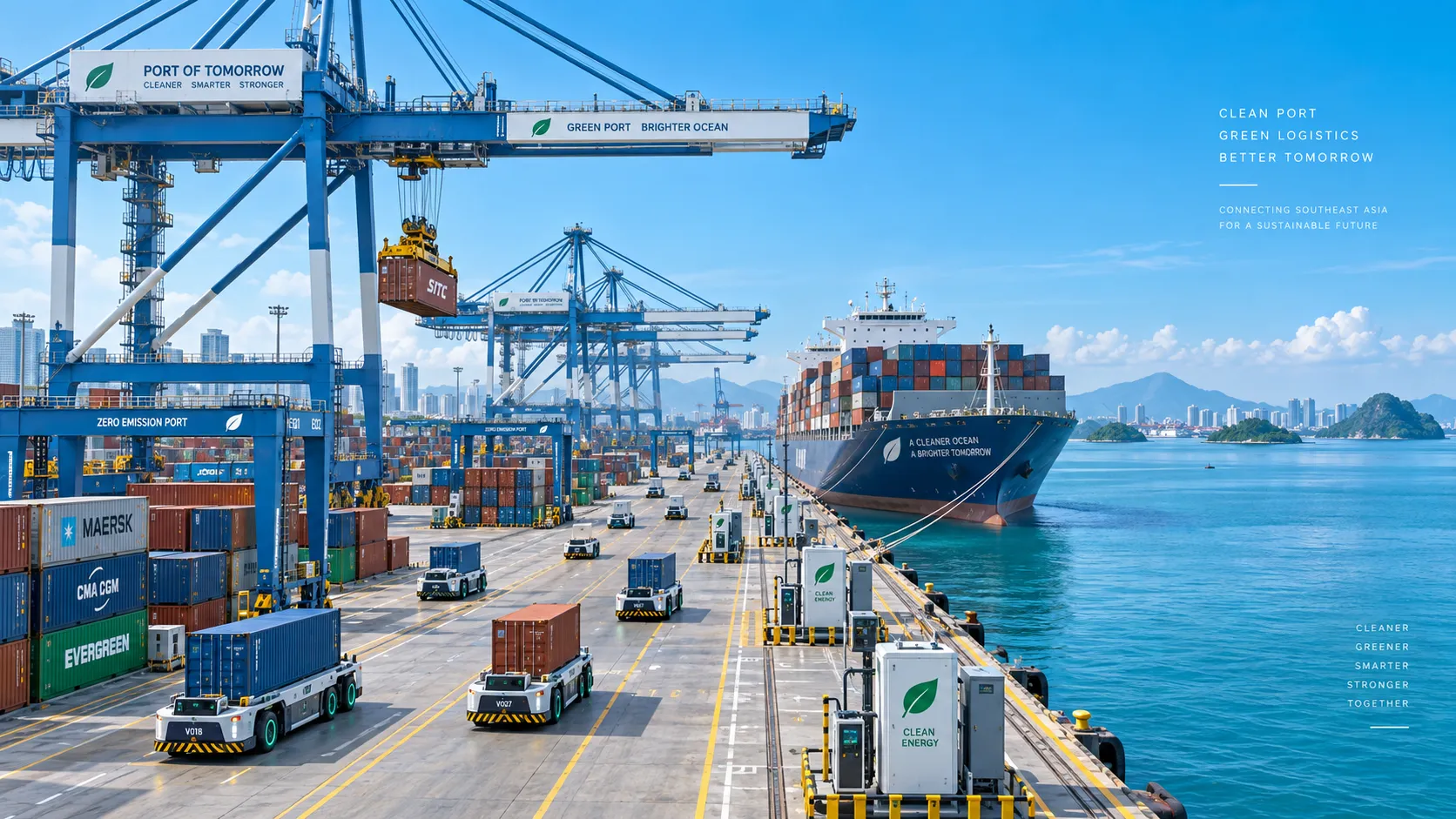
Smart Port Systems in Southeast Asia: Investment Priorities and Adoption Barriers
Smart port systems Southeast Asia: discover investment priorities, adoption barriers, and practical steps to build resilient, connected, high-performing terminals.
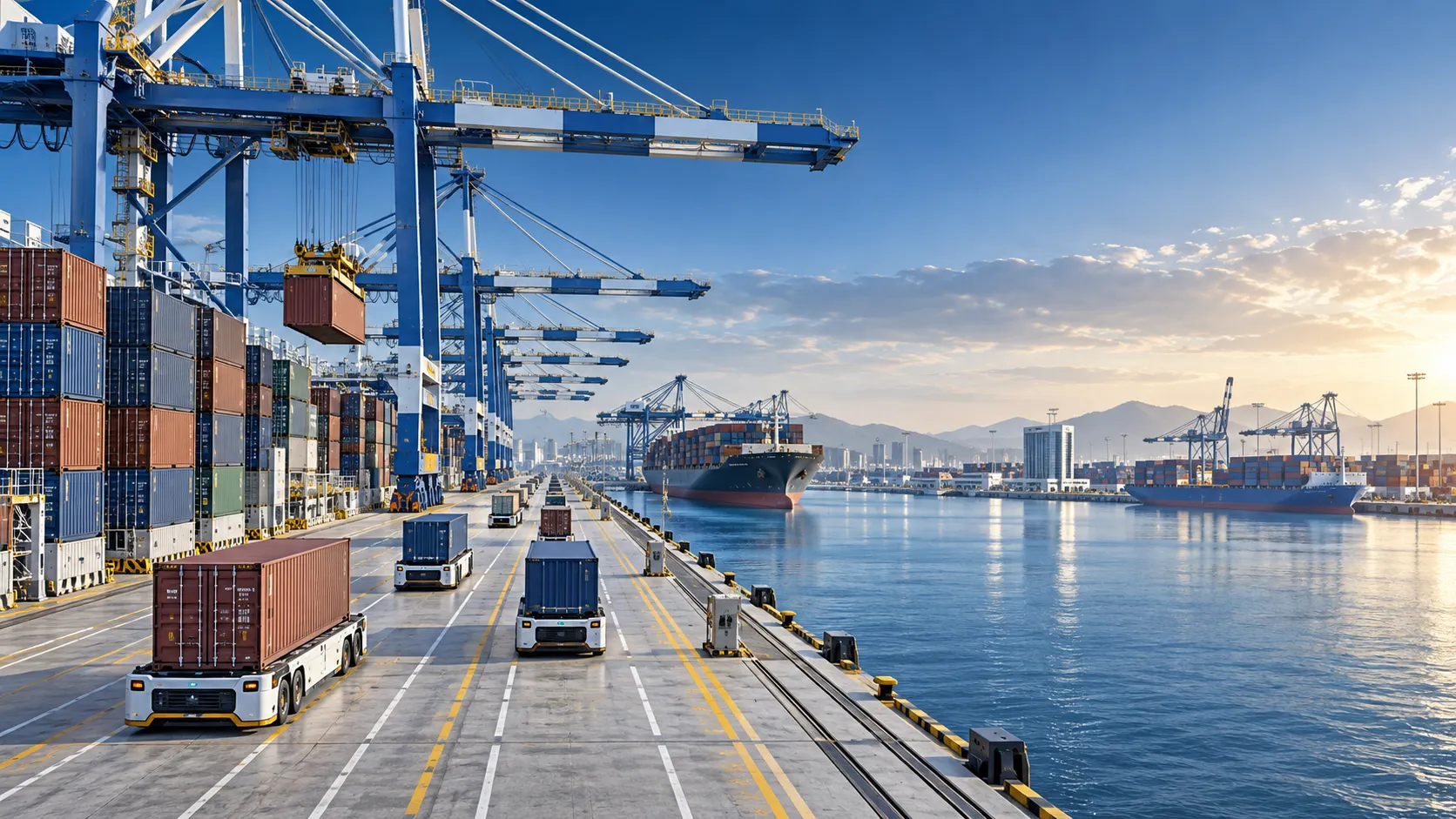
How to Evaluate Terminal Efficiency Solution Suppliers for High-Throughput Operations
Choose a terminal efficiency solutions supplier with confidence. Explore proven criteria for throughput, integration, lifecycle cost, safety, and reliable delivery.
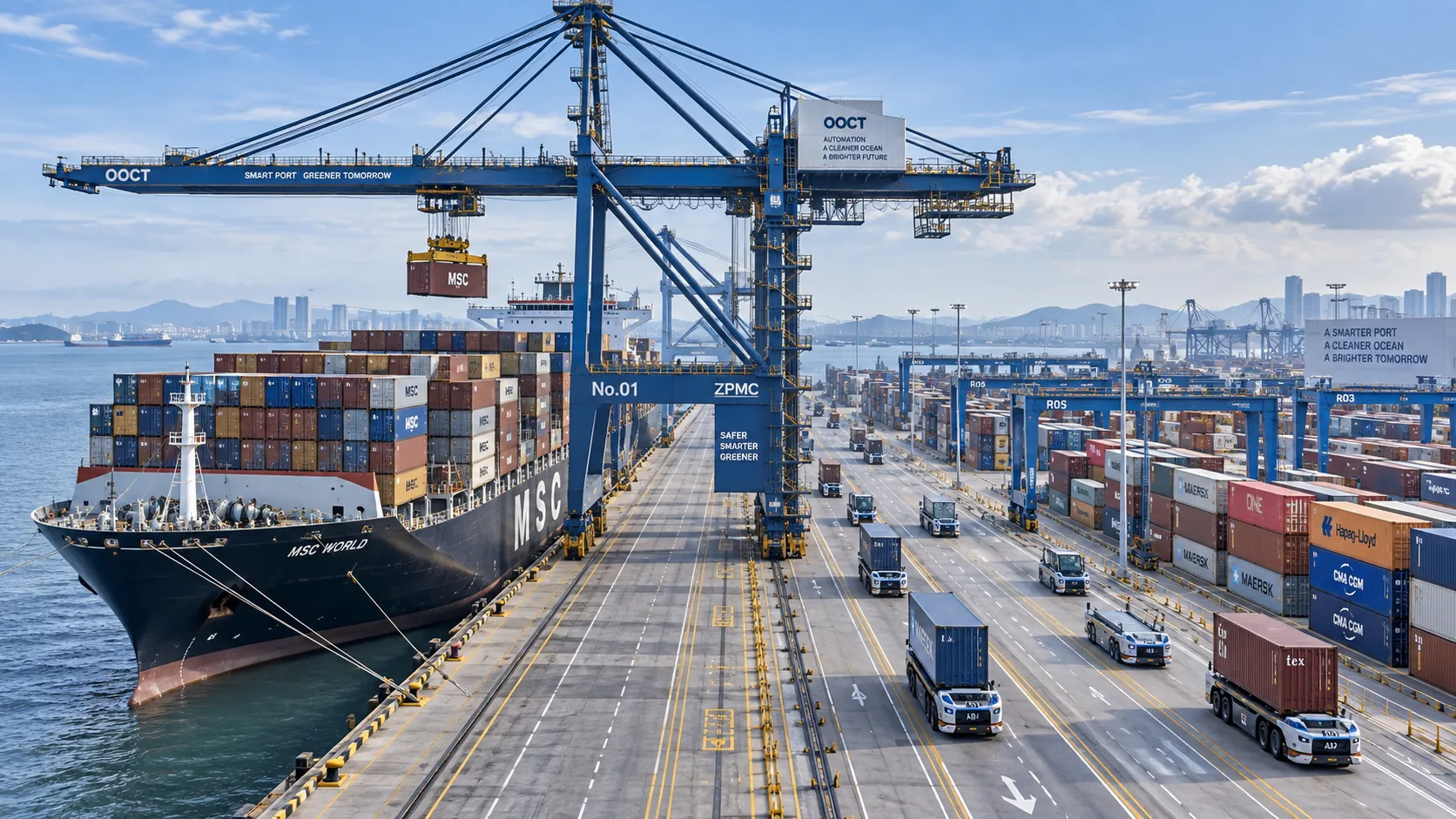
How to Specify a Quay Crane for Container Terminals by Vessel Size and Throughput?
Quay crane for container terminals: learn how to match outreach, lift height, capacity, automation, and cycle performance to vessel size and throughput goals.
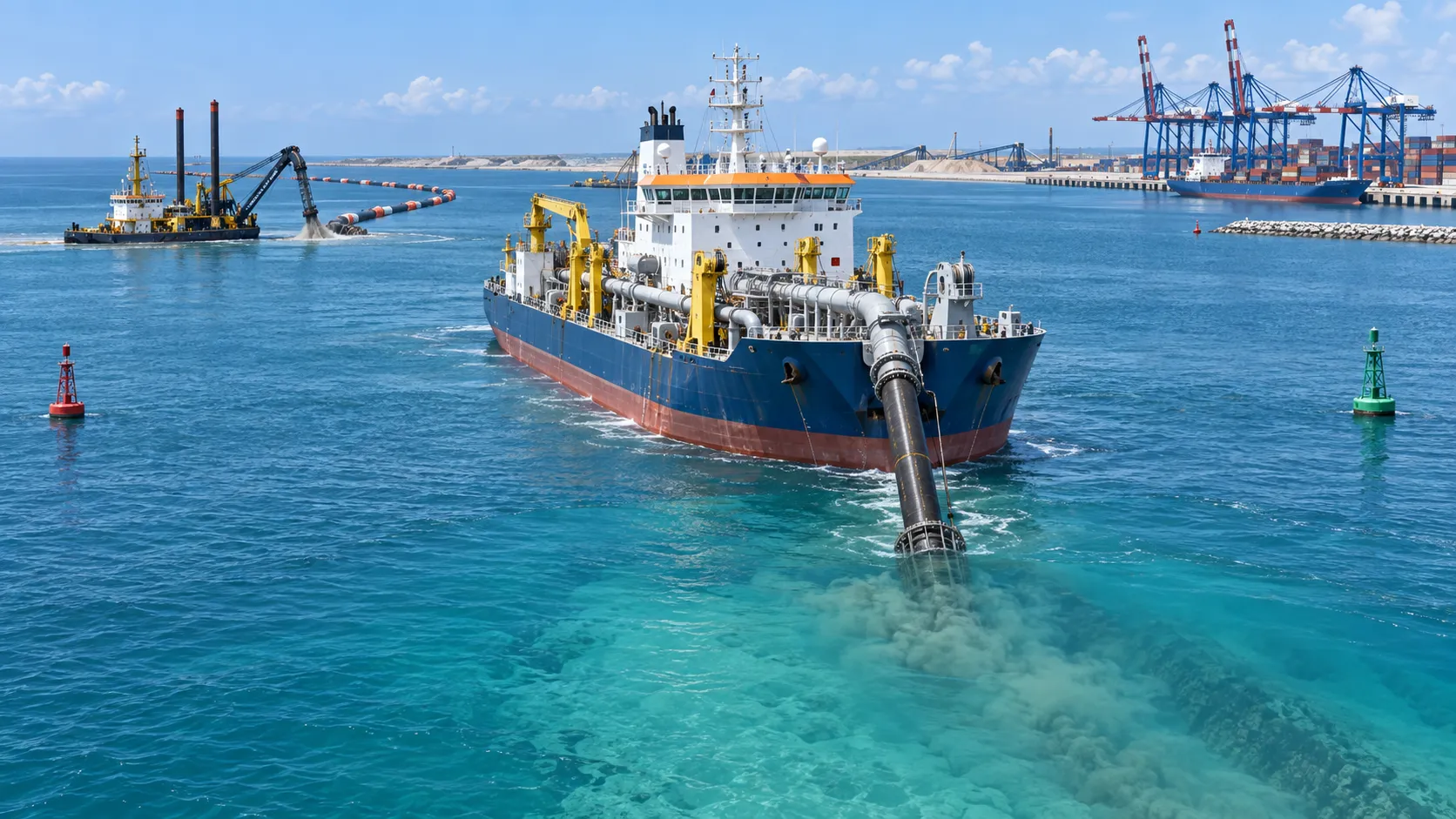
What Dredging Equipment Is Needed for Channel Deepening?
What dredging equipment is needed for channel deepening? Explore dredgers, pipelines, survey tools, and planning strategies for safer, more efficient port access.
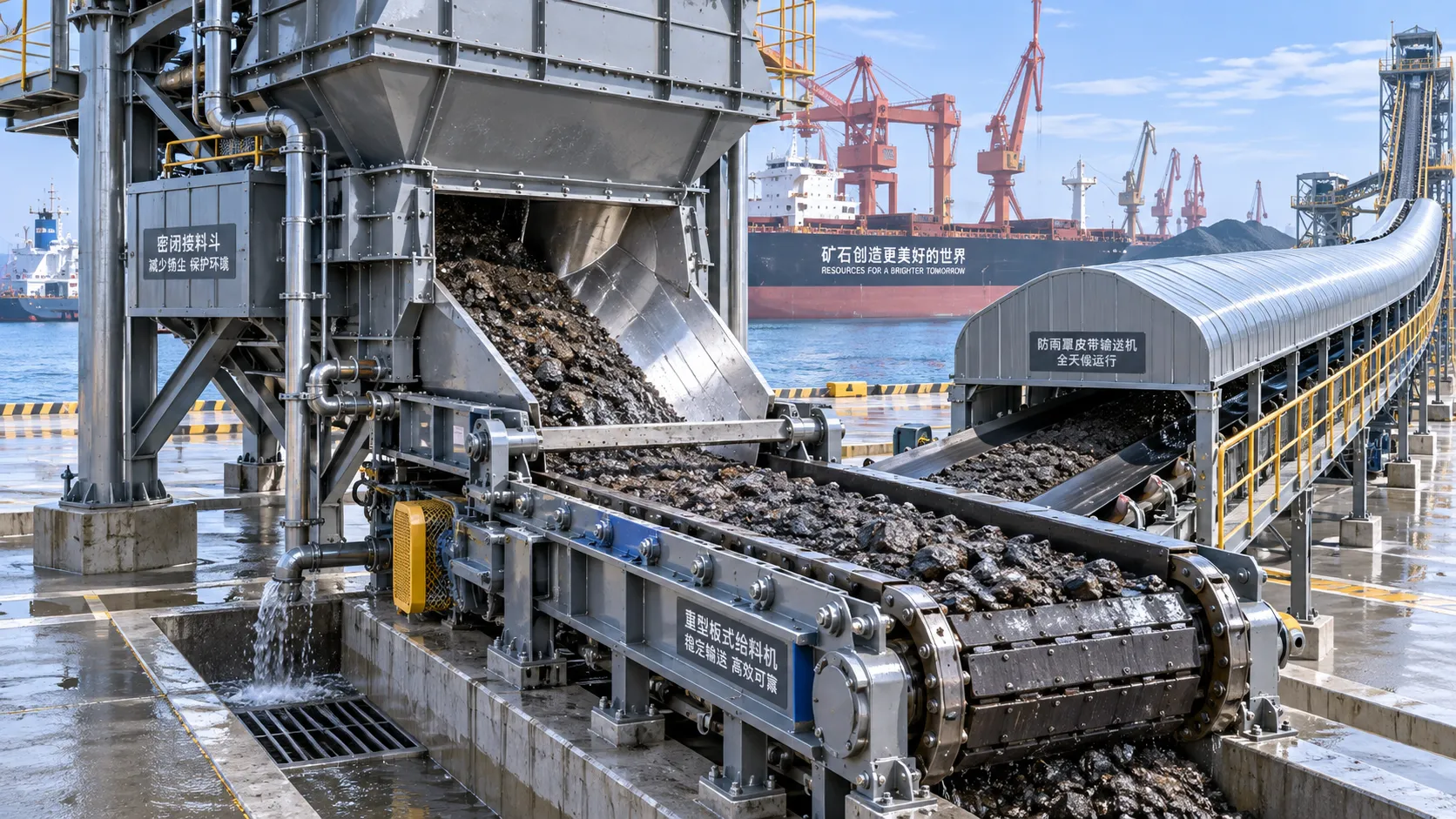
Which Bulk Handling Equipment Suits High-Moisture Cargo?
Which bulk handling equipment suits high-moisture cargo? Compare belt, apron, screw, drag, and slurry systems for reliable flow, less carryback, and higher terminal uptime.
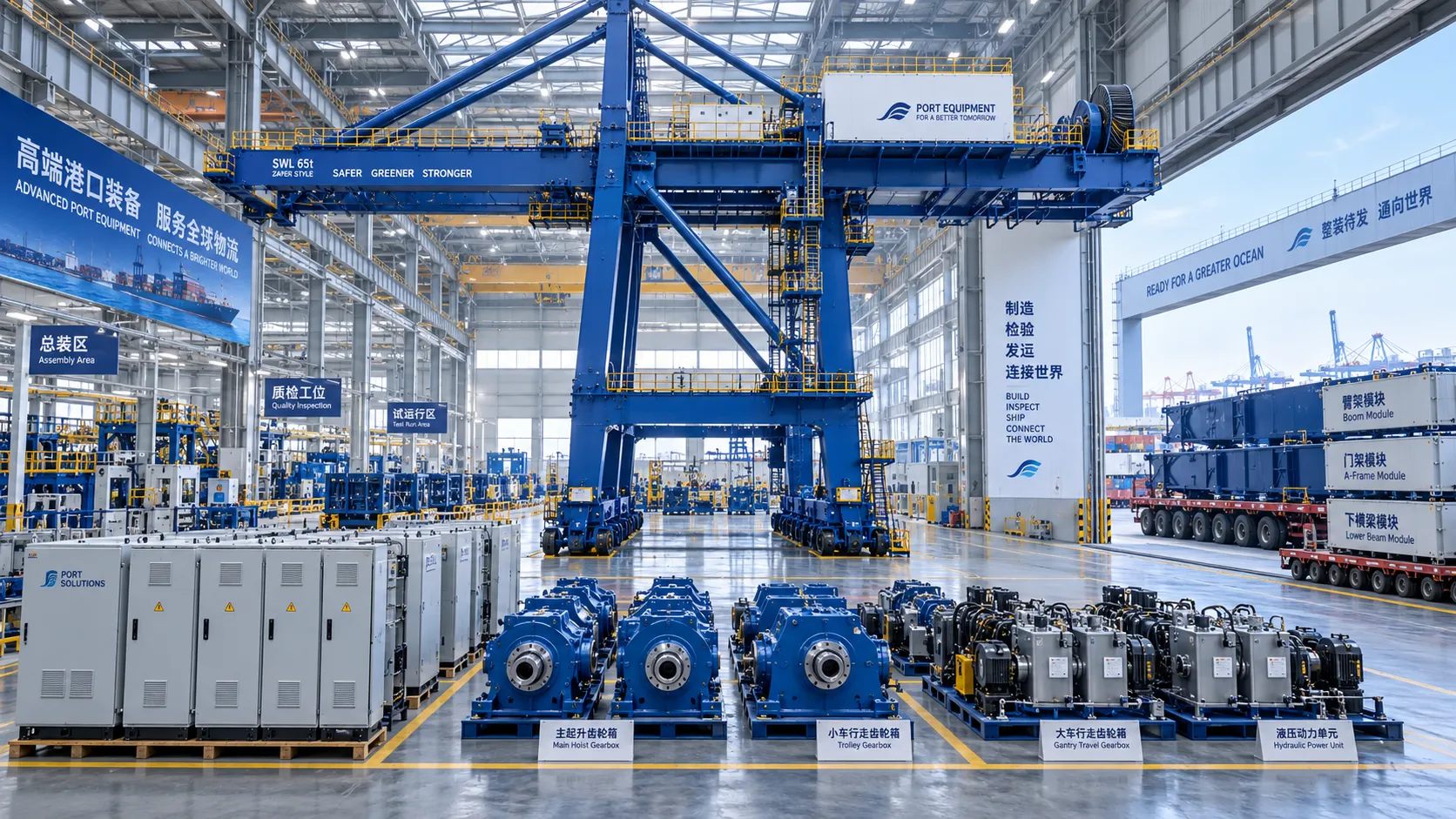
How Can Port Equipment Lead-Time Risk Be Managed?
How can port equipment lead-time risk be managed? Explore practical strategies to control critical paths, suppliers, transport, site readiness, and commissioning delays.
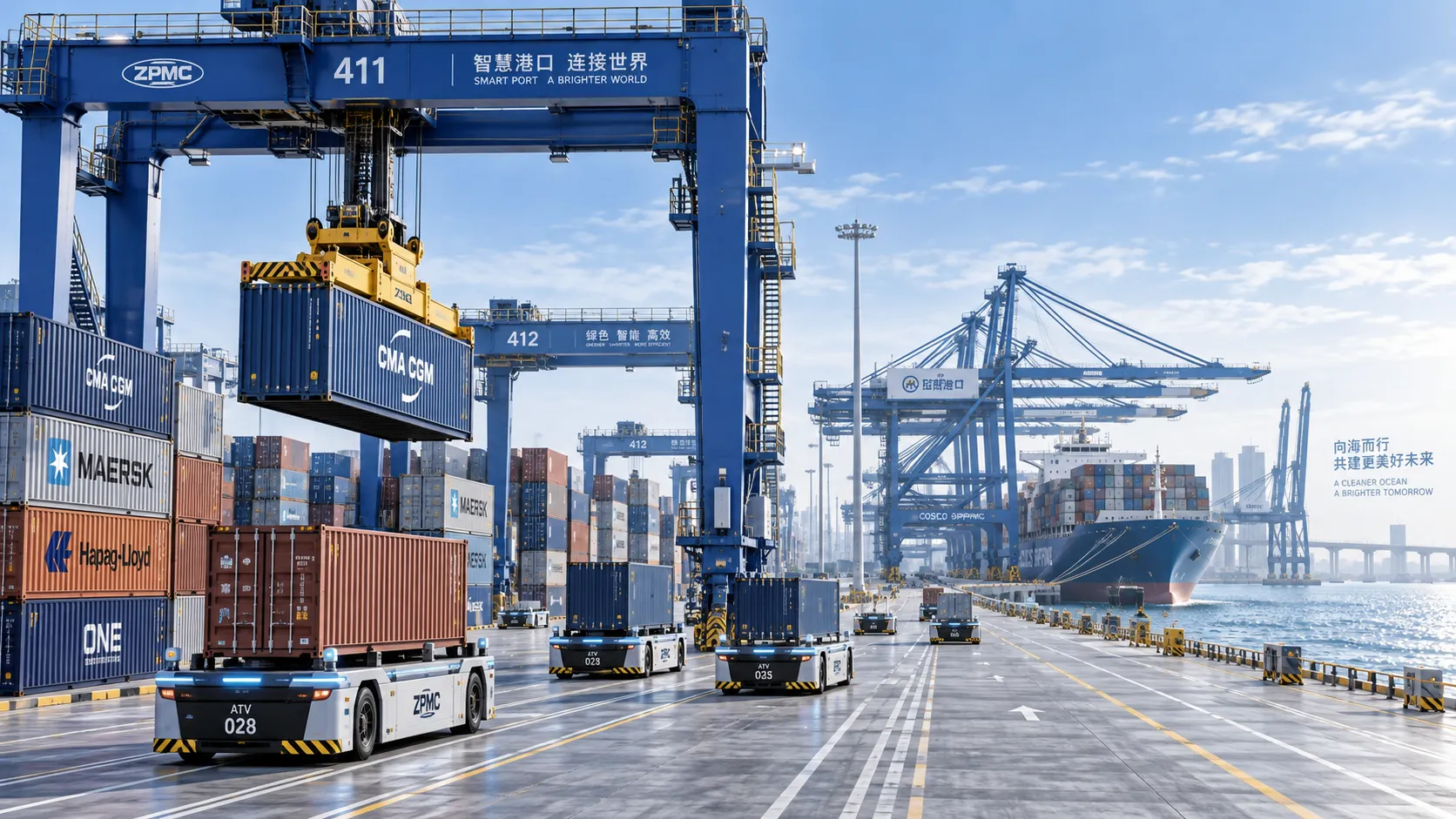
Terminal Automation Technologies That Raise Container Throughput Without Yard Disruption
Terminal automation technology that increases container throughput without disrupting yard flow. Explore smarter integration, resilient workflows, and phased deployment strategies.
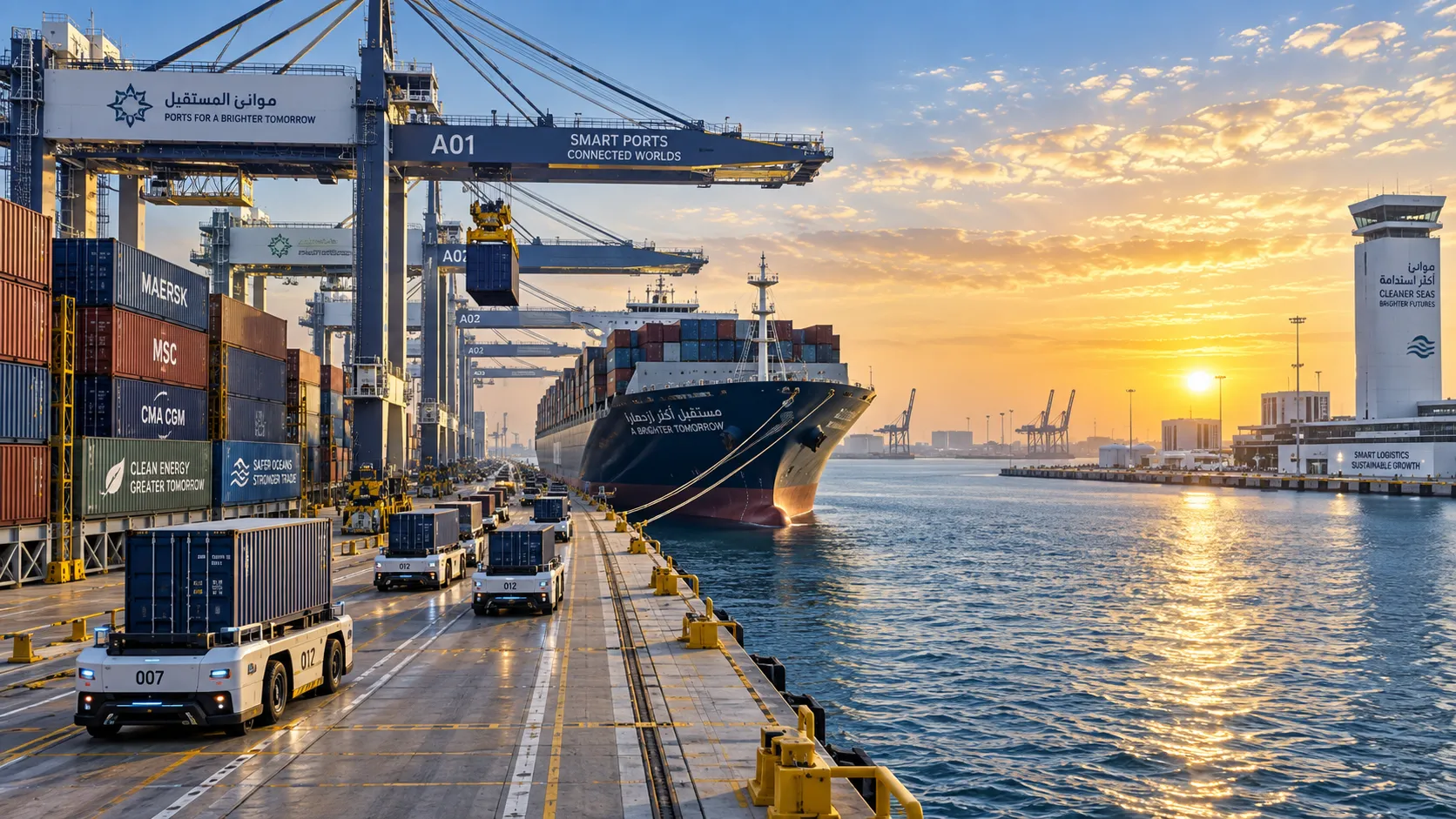
Middle East Port Automation: Key Market Drivers, Projects, and Investment Risks
Port automation systems Middle East: explore market drivers, flagship projects, integration challenges, and investment risks shaping smarter, resilient terminals.
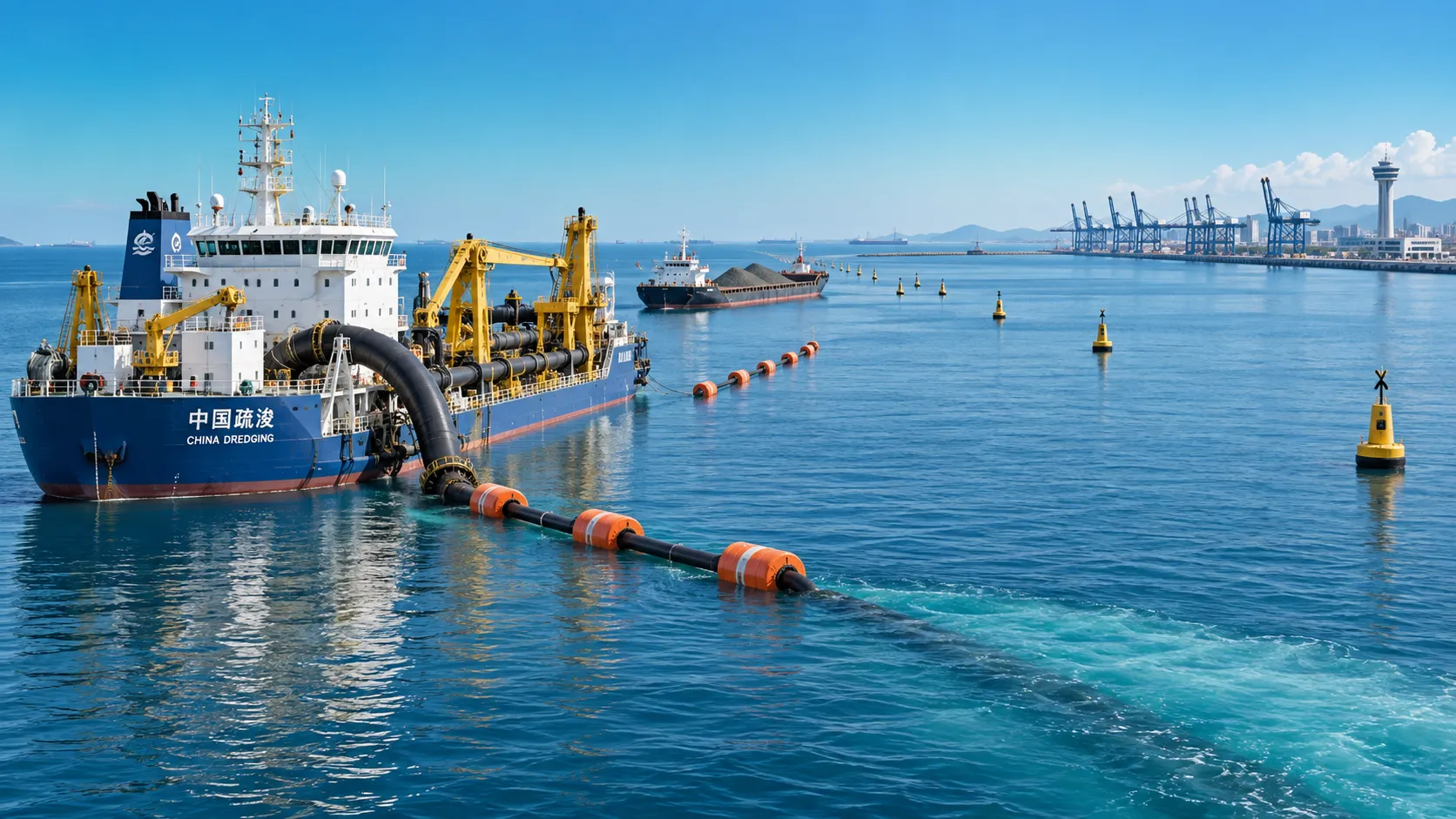
Planning Offshore Dredging Operations: Key Risks, Methods, and Project Controls
Offshore dredging operations demand smart planning. Explore key risks, proven methods, environmental controls, and project strategies for reliable delivery.