Related News
- 00
0000-00
How to Specify a Quay Crane for Container Terminals by Vessel Size and Throughput? - 00
0000-00
Which Bulk Handling Equipment Suits High-Moisture Cargo? - 00
0000-00
Terminal Automation Technologies That Raise Container Throughput Without Yard Disruption - 00
0000-00
Planning Offshore Dredging Operations: Key Risks, Methods, and Project Controls - 00
0000-00
Where Do Automated Guided Vehicles Deliver the Fastest Warehouse Gains in the Middle East?
How port terminal equipment affects long term upkeep
For after-sales maintenance teams, port terminal equipment shapes far more than daily repairs. It drives inspection timing, spare inventory, labor demand, energy use, and the total cost of long-term upkeep.
From quay cranes to automated stacking systems, design choices influence wear rates, fault patterns, access safety, and service speed. Understanding these links supports stronger lifecycle planning and more stable terminal performance.
Why does port terminal equipment have such a strong impact on long-term upkeep?
Port terminal equipment operates under harsh conditions. Salt air, vibration, humidity, heavy duty cycles, and round-the-clock use accelerate corrosion, fatigue, and electrical degradation.
Because of this environment, maintenance costs are not controlled by age alone. Equipment architecture, material quality, control complexity, and load profiles often matter more.
A simple example is crane structure design. Poor drainage points can trap water, while inaccessible joints delay inspection. Both issues increase hidden damage and future repair scope.
The same applies to electrical systems. Cabinets with weak sealing or poor cable routing may suffer repeated failures. Over time, minor faults become chronic reliability problems.
Well-designed port terminal equipment usually lowers lifecycle risk through modular parts, clear access zones, sensor integration, and maintainable layouts. These features shorten intervention time and reduce downtime.
Key upkeep drivers linked to equipment design
- Structural durability and anti-corrosion protection
- Accessibility for inspection and replacement
- Component standardization across fleets
- Automation depth and software dependency
- Sensor quality and condition-monitoring capability
- Power system efficiency and thermal management
Which types of port terminal equipment create the highest upkeep burden?
Not all port terminal equipment affects maintenance in the same way. The upkeep burden depends on motion intensity, environmental exposure, control sophistication, and spare-part specialization.
Quay cranes usually carry high structural and electrical maintenance demand. They combine steel fatigue, hoisting systems, spreaders, motors, brakes, and large automation interfaces.
Rubber-tired gantry cranes add tire wear, steering systems, diesel or hybrid powertrain servicing, and frequent yard travel stress. Their mobility raises maintenance variability.
Automated guided vehicles and automated stacking cranes shift the burden toward software, sensors, batteries, communication links, and control logic validation.
Bulk handling machinery faces another pattern. Conveyors, ship loaders, and reclaimers often suffer abrasive wear, dust contamination, and misalignment across long mechanical chains.
Dredging-related support equipment also demands close monitoring. Pumps, pipelines, and hydraulic systems can experience heavy erosion, clogging, and pressure-driven fatigue.
Typical long-term pressure points
How do automation and digital controls change maintenance strategy?
Modern port terminal equipment increasingly depends on automation. This does not remove maintenance pressure. It changes the maintenance profile from reactive mechanics toward predictive, data-led service.
Sensors can reveal motor temperature drift, bearing vibration, spreader cycle anomalies, and communication delay. These insights support earlier intervention and avoid larger failures.
However, digital systems also introduce new maintenance responsibilities. Software updates, cybersecurity hardening, network redundancy checks, and calibration routines become part of long-term upkeep.
The most effective approach combines physical inspection with condition monitoring. Neither method alone is enough for high-availability terminal environments.
For PS-Nexus readers tracking maritime logistics, this matters strategically. Terminals with stable automated port terminal equipment can improve asset utilization and reduce operational volatility.
Maintenance changes caused by automation
- More reliance on diagnostics and event logs
- Higher importance of communication network health
- Greater need for firmware and software version control
- Lower tolerance for sensor drift or false signals
- Stronger benefit from predictive maintenance models
What should be checked before choosing or upgrading port terminal equipment?
Many long-term problems begin during specification or upgrade planning. Equipment may meet throughput targets but still create expensive upkeep over the next fifteen or twenty years.
A sound review should ask whether the port terminal equipment is maintainable under real terminal conditions, not just under ideal test conditions.
Access platforms, cable routes, lubrication points, corrosion systems, fault-code transparency, and spare compatibility should all be examined early.
It is also important to compare local support depth. Specialized control boards or imported drive units may increase lead times and force higher emergency stock.
Energy architecture matters too. Electrified and hybrid port terminal equipment can lower fuel-related servicing, but they may increase dependence on cooling systems and power electronics.
Practical selection checklist
- Review component accessibility for safe routine service.
- Check corrosion resistance for marine exposure.
- Confirm spare-part commonality across equipment groups.
- Evaluate diagnostic depth and remote support tools.
- Estimate software dependency and update procedures.
- Calculate lifecycle cost, not purchase price only.
What are the most common upkeep mistakes with port terminal equipment?
One frequent mistake is focusing only on visible failures. Many critical issues in port terminal equipment begin quietly through corrosion under coatings, cable fatigue, or alignment drift.
Another mistake is treating all assets the same. High-cycle cranes, low-use backup systems, and automated yard units require different inspection logic and spare strategies.
Teams also underestimate software-related downtime. A minor integration fault can stop a large area of terminal activity, even when the mechanical side remains healthy.
Deferred maintenance is especially dangerous in marine settings. Small coating damage, drainage blockage, or sensor instability can multiply repair costs later.
Finally, some operators overlook data discipline. Without clean service records, failure patterns remain hidden, and port terminal equipment cannot benefit from predictive planning.
Risk reminder table
How can long-term upkeep of port terminal equipment be improved in practical terms?
Improvement starts with asset segmentation. Port terminal equipment should be grouped by criticality, duty cycle, environment, and failure impact rather than by equipment name alone.
Next, combine preventive routines with monitored indicators. Structural checks, lubrication, thermography, vibration analysis, and software health reviews should work together.
Spare strategy should also match operational reality. Long-lead electrical modules and unique hydraulic components deserve tighter stock control than standard consumables.
Training remains essential. Advanced port terminal equipment often fails at the interface between mechanics, electrics, and controls. Cross-disciplinary troubleshooting reduces repeated outages.
For terminals aiming at smart, low-emission growth, lifecycle intelligence is now a competitive tool. Better upkeep supports throughput reliability, safety, and lower total asset ownership cost.
Quick FAQ summary
Long-term performance depends on how port terminal equipment is designed, supported, monitored, and serviced over time. Strong upkeep begins long before failure appears.
Use these checkpoints to review current assets, upgrade specifications, and maintenance plans. A lifecycle-focused approach can protect availability, lower repair escalation, and strengthen terminal resilience.
For deeper intelligence on heavy terminal gear, automation systems, and marine equipment trends, keep tracking structured insights that connect technical detail with operational value.
Related News
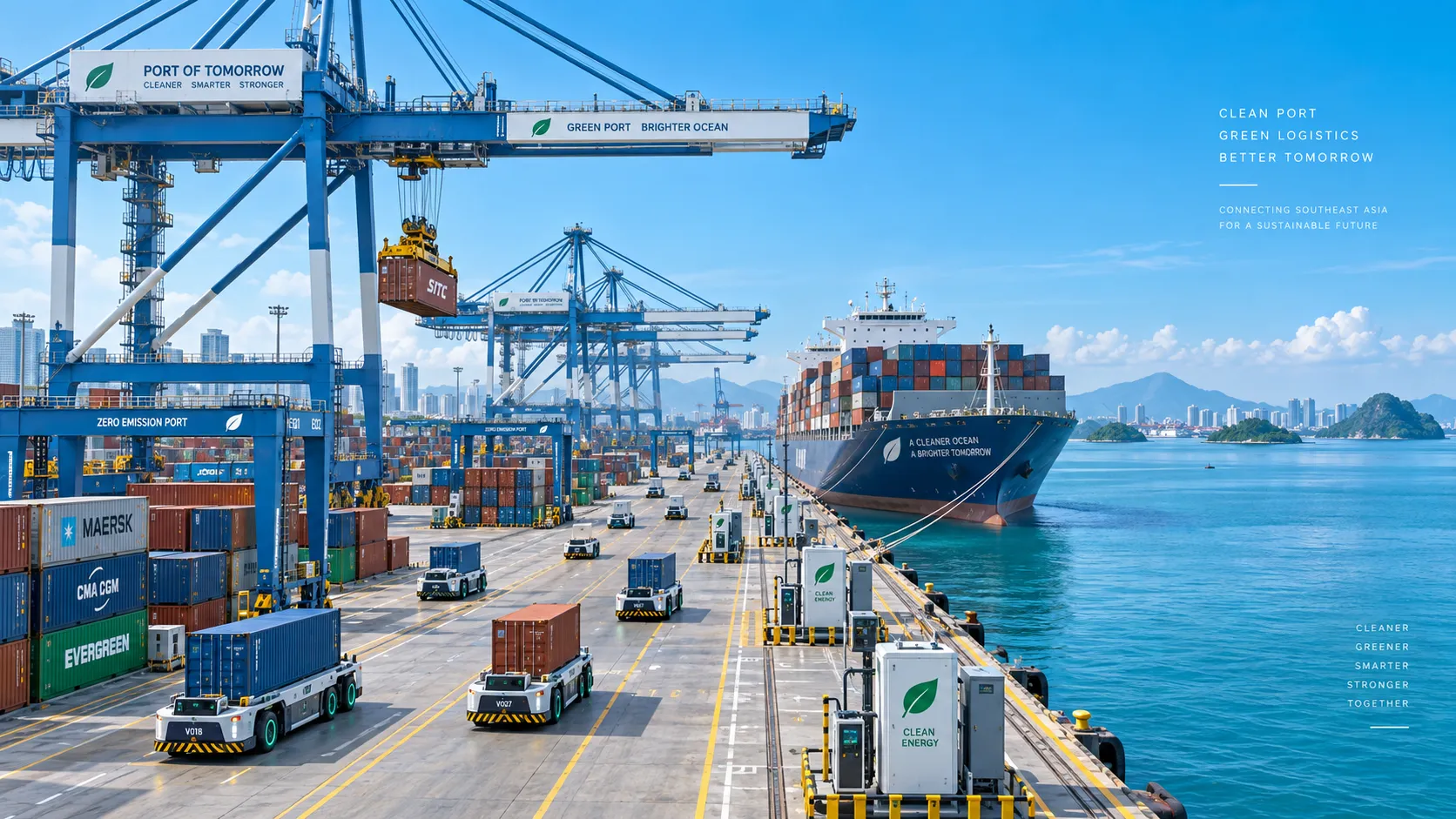
Smart Port Systems in Southeast Asia: Investment Priorities and Adoption Barriers
Smart port systems Southeast Asia: discover investment priorities, adoption barriers, and practical steps to build resilient, connected, high-performing terminals.
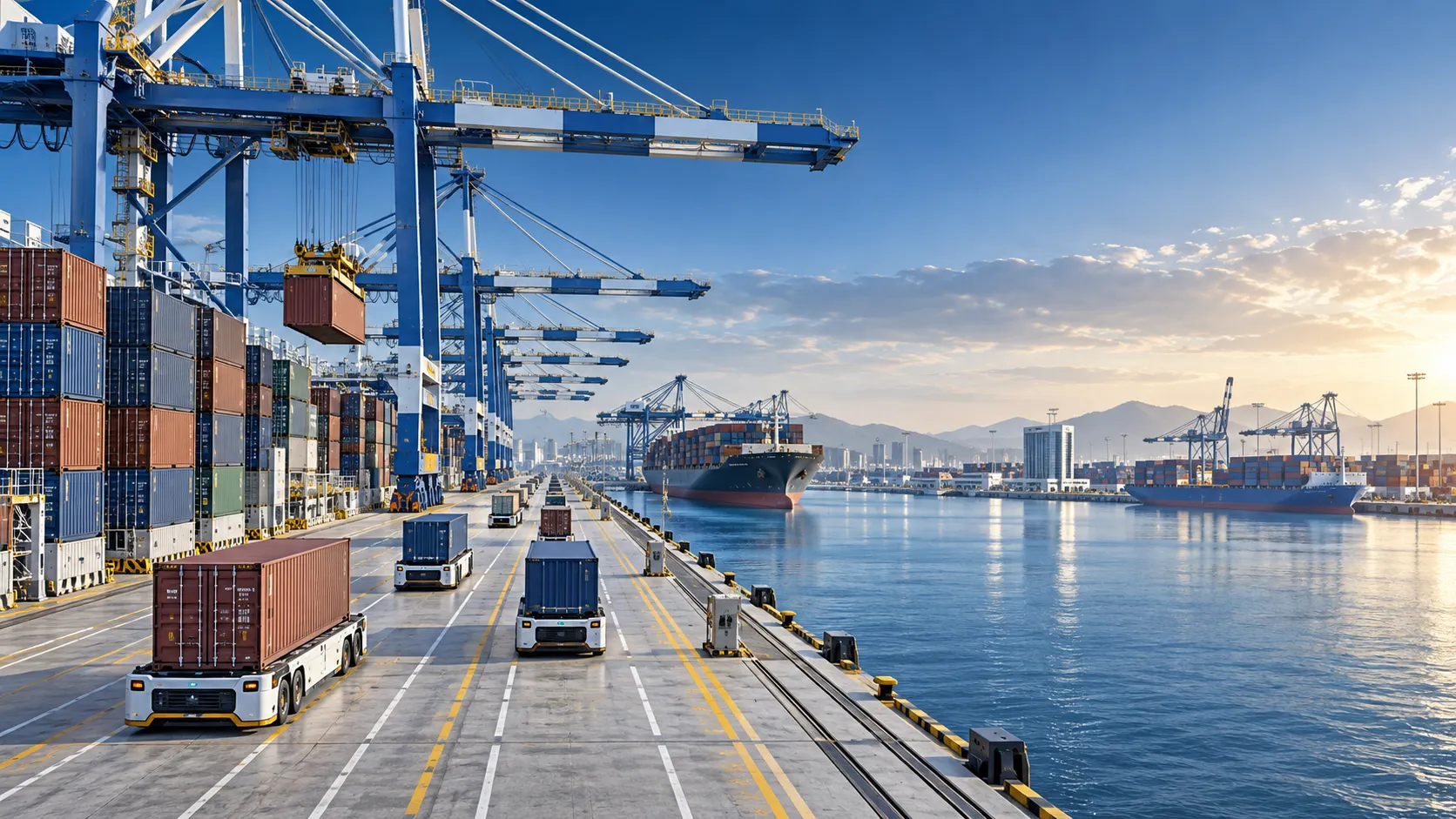
How to Evaluate Terminal Efficiency Solution Suppliers for High-Throughput Operations
Choose a terminal efficiency solutions supplier with confidence. Explore proven criteria for throughput, integration, lifecycle cost, safety, and reliable delivery.
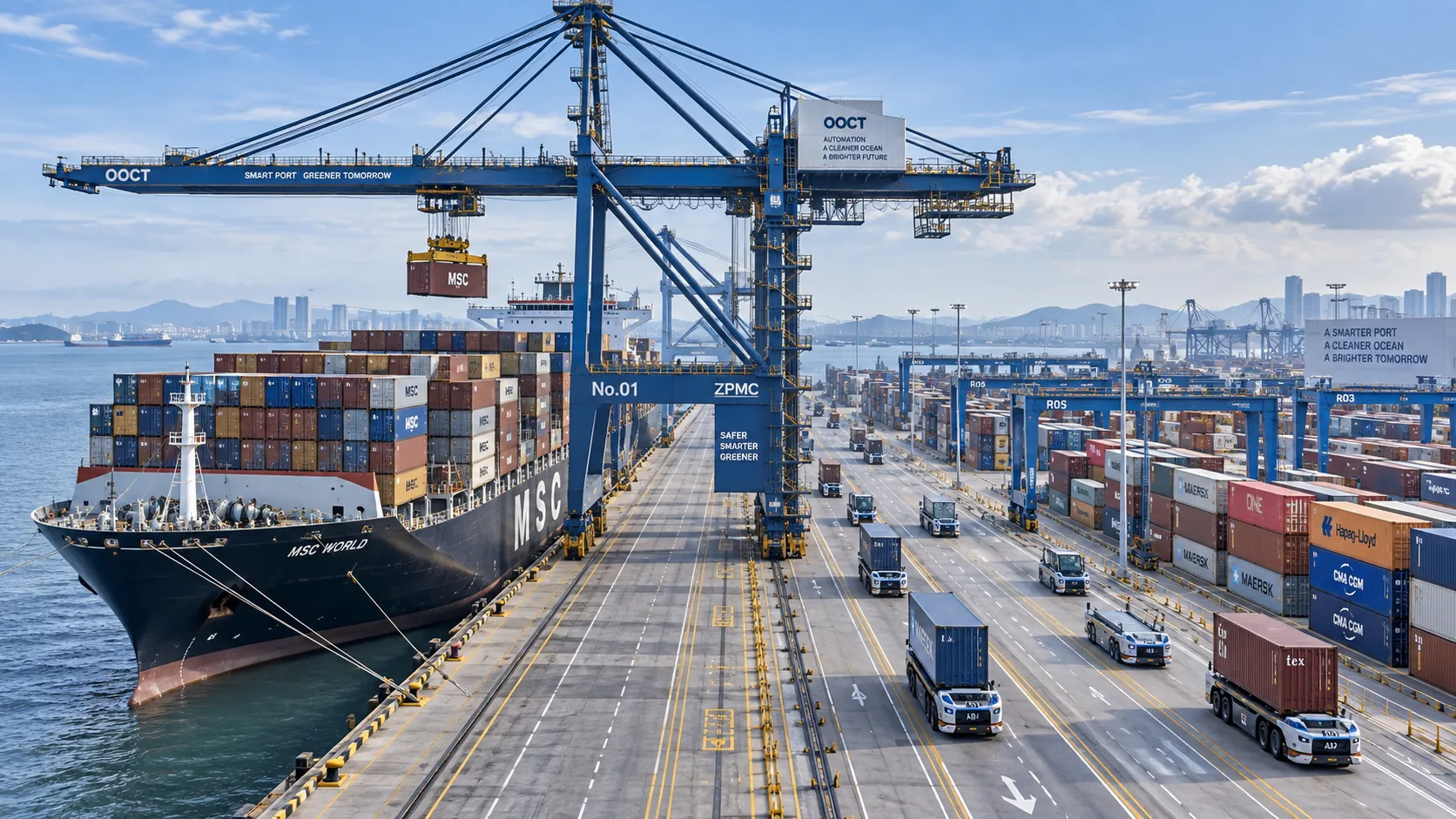
How to Specify a Quay Crane for Container Terminals by Vessel Size and Throughput?
Quay crane for container terminals: learn how to match outreach, lift height, capacity, automation, and cycle performance to vessel size and throughput goals.
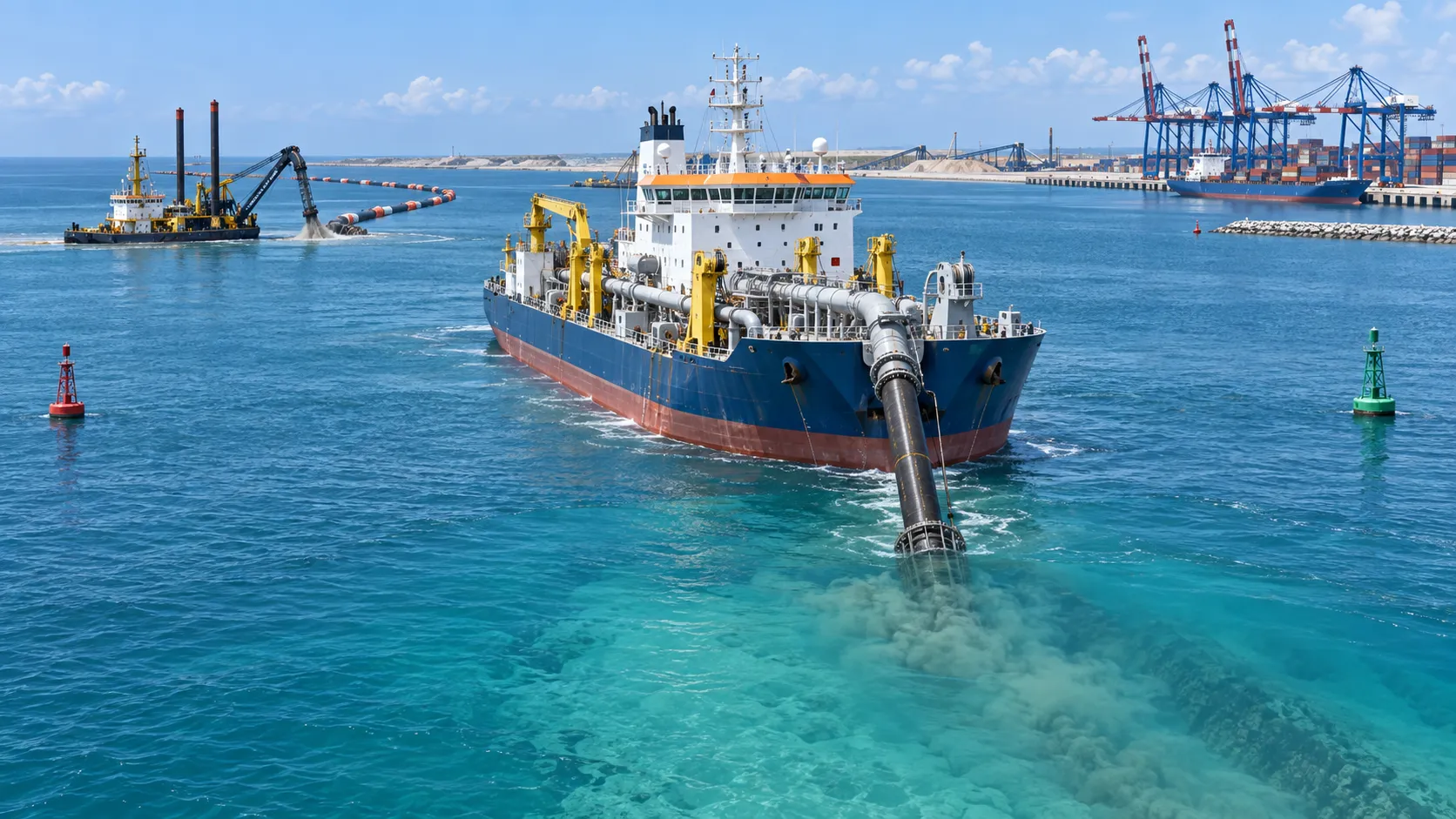
What Dredging Equipment Is Needed for Channel Deepening?
What dredging equipment is needed for channel deepening? Explore dredgers, pipelines, survey tools, and planning strategies for safer, more efficient port access.
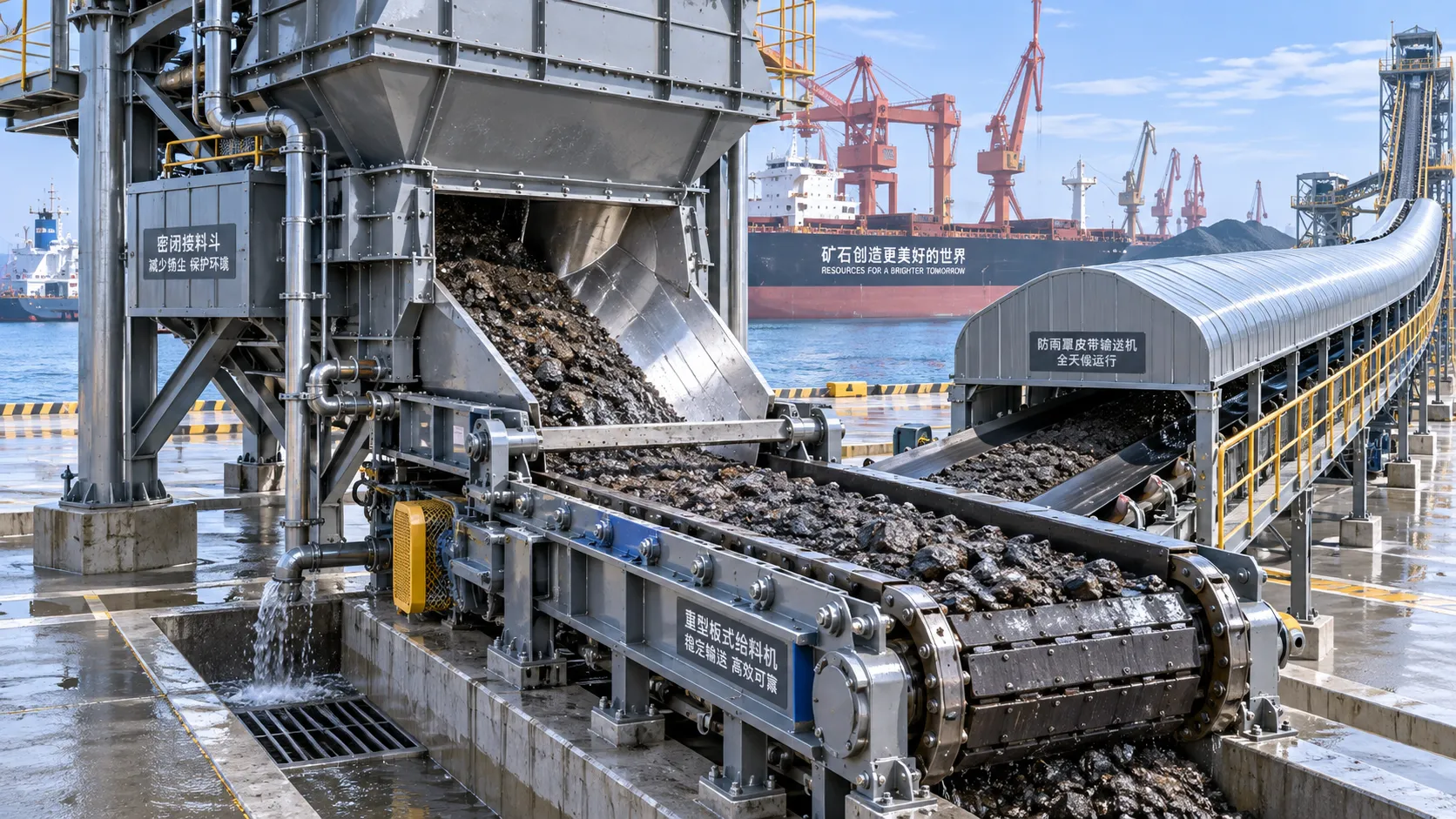
Which Bulk Handling Equipment Suits High-Moisture Cargo?
Which bulk handling equipment suits high-moisture cargo? Compare belt, apron, screw, drag, and slurry systems for reliable flow, less carryback, and higher terminal uptime.
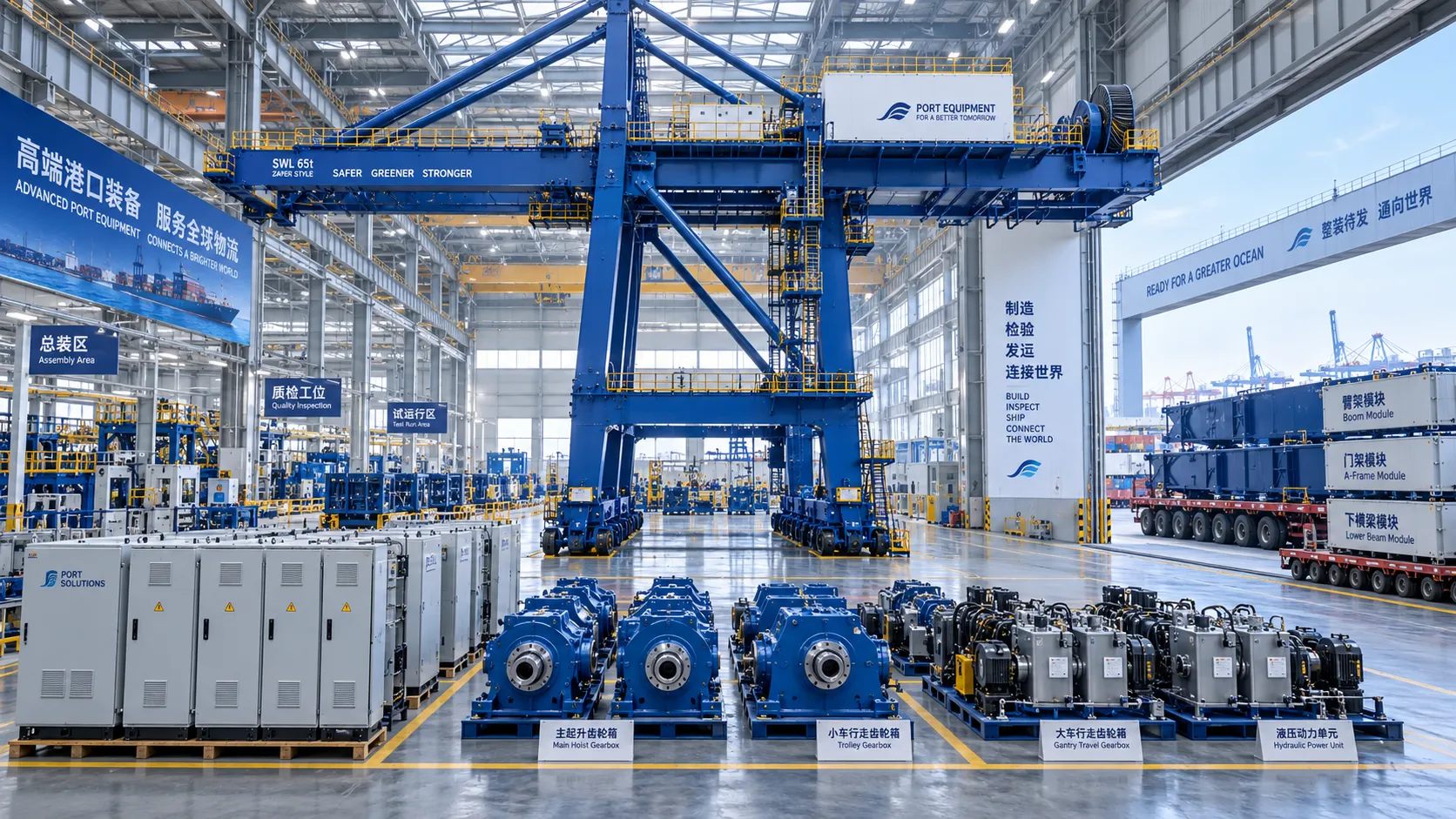
How Can Port Equipment Lead-Time Risk Be Managed?
How can port equipment lead-time risk be managed? Explore practical strategies to control critical paths, suppliers, transport, site readiness, and commissioning delays.
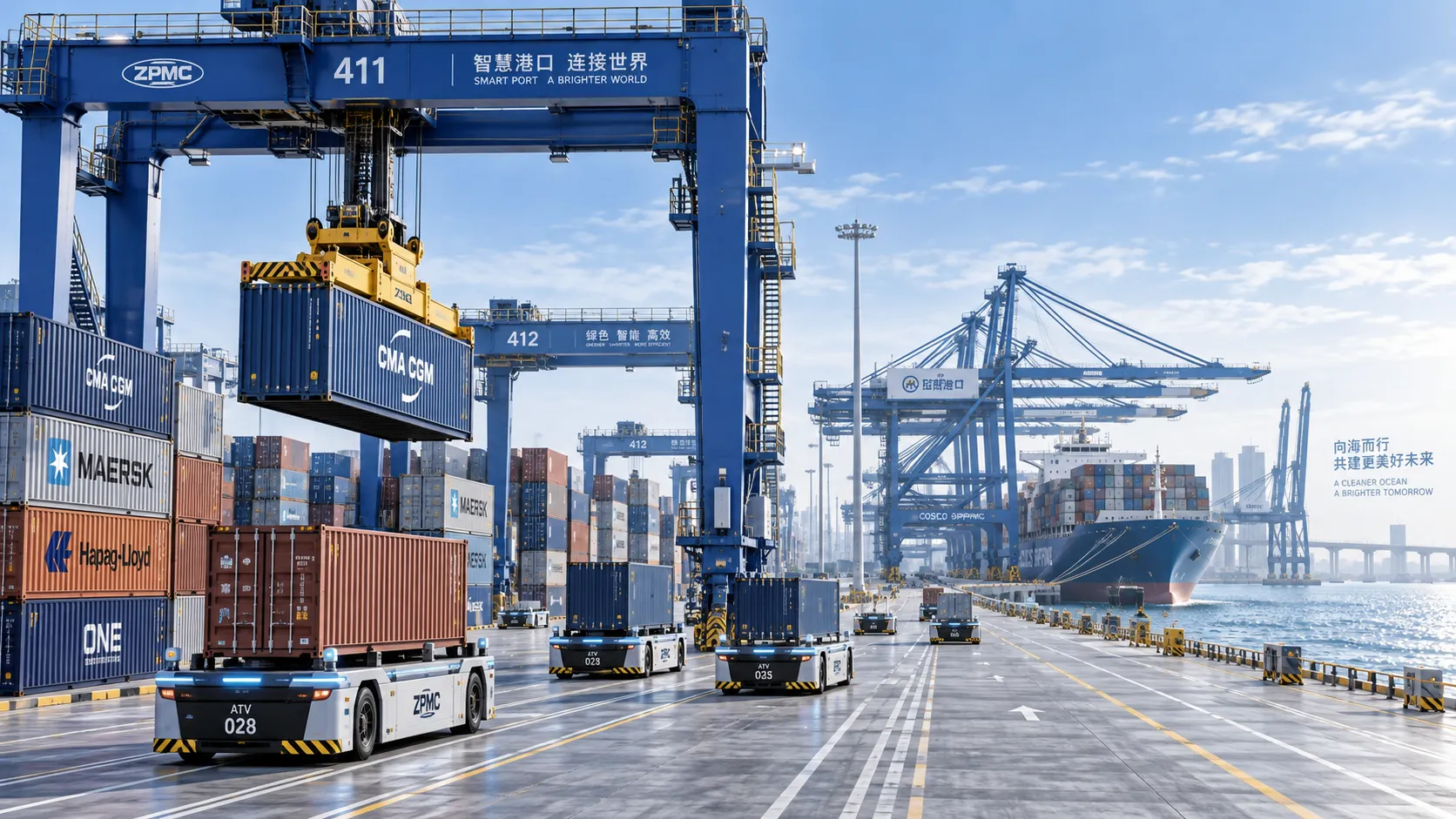
Terminal Automation Technologies That Raise Container Throughput Without Yard Disruption
Terminal automation technology that increases container throughput without disrupting yard flow. Explore smarter integration, resilient workflows, and phased deployment strategies.
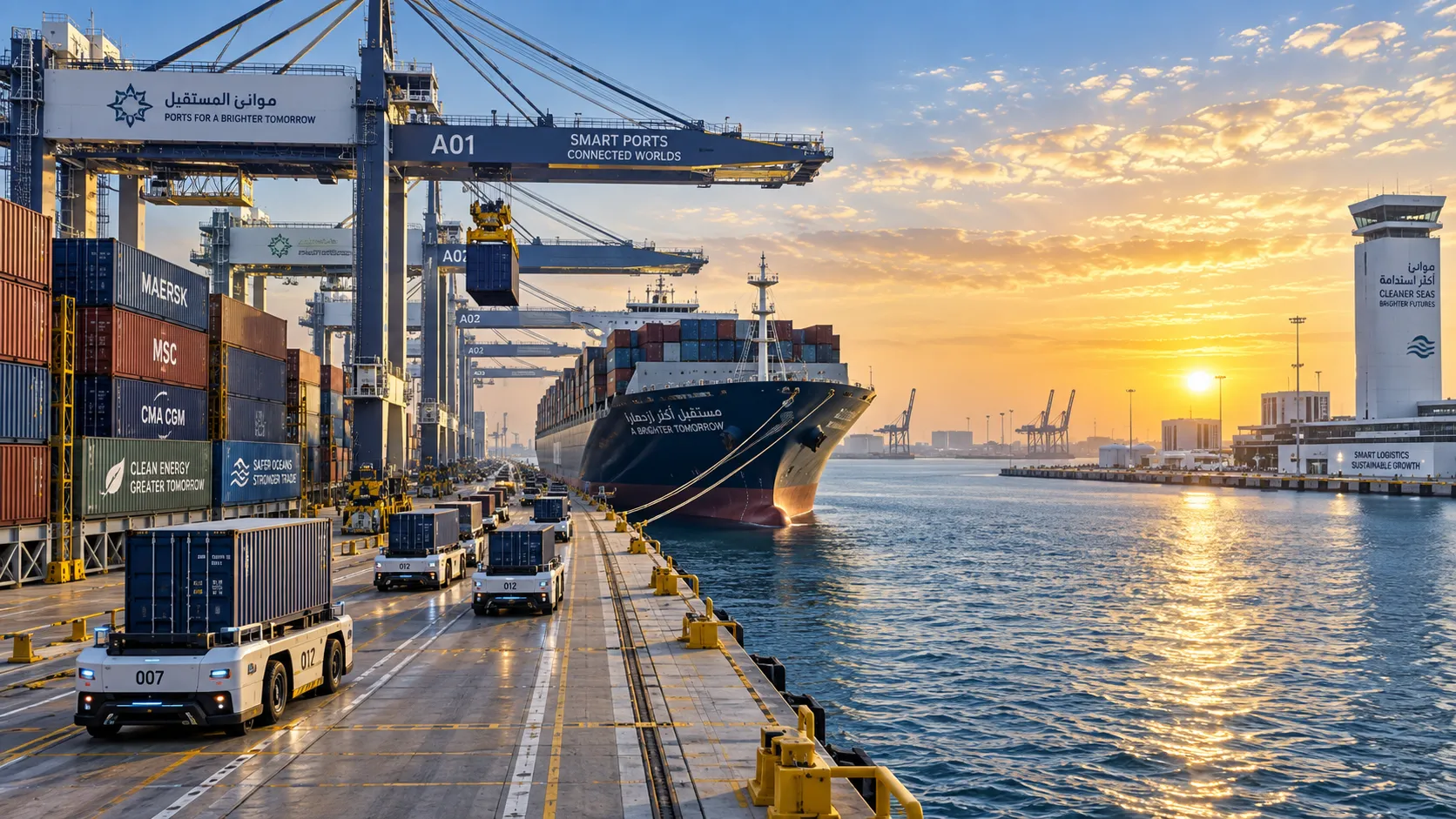
Middle East Port Automation: Key Market Drivers, Projects, and Investment Risks
Port automation systems Middle East: explore market drivers, flagship projects, integration challenges, and investment risks shaping smarter, resilient terminals.
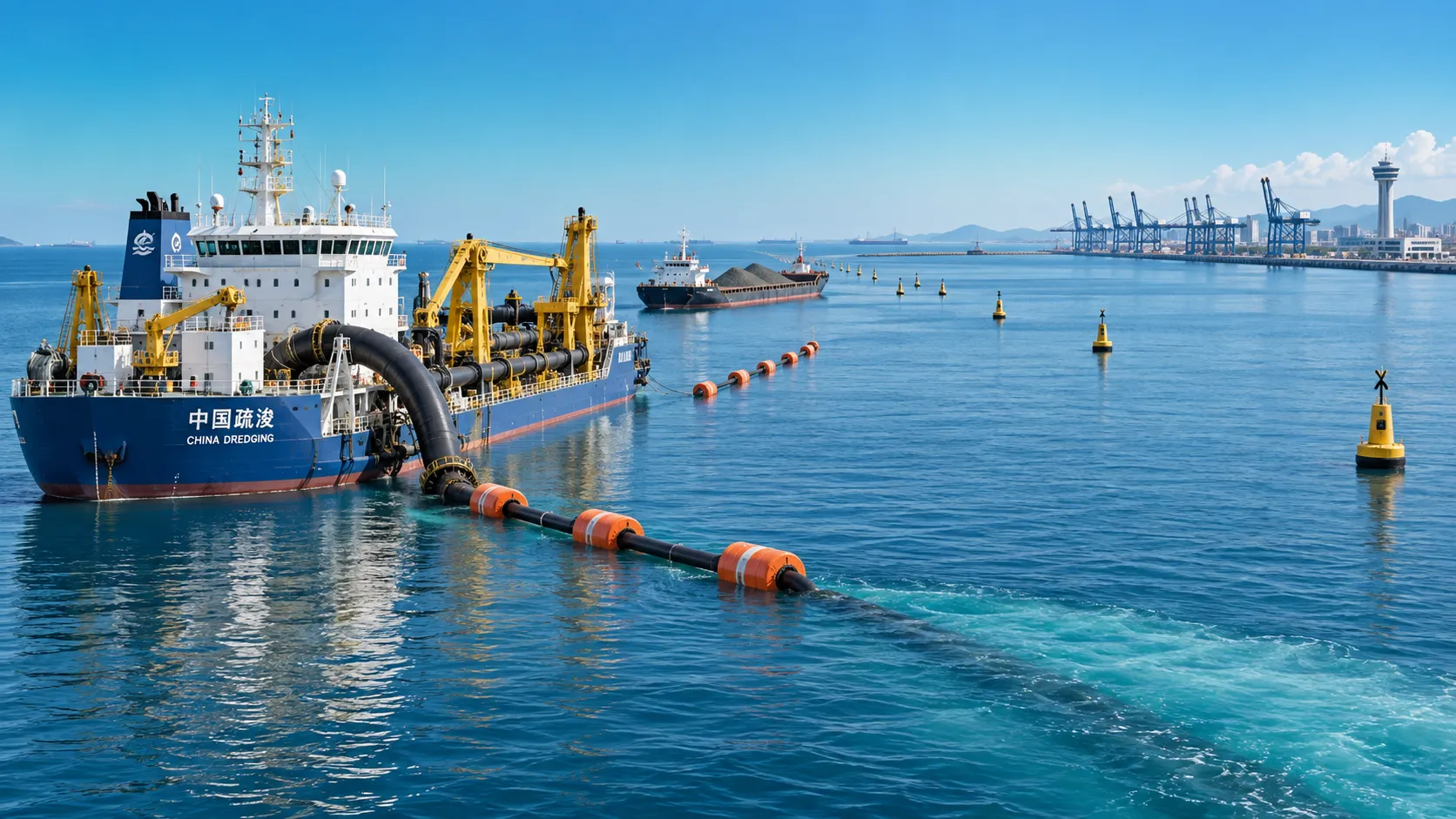
Planning Offshore Dredging Operations: Key Risks, Methods, and Project Controls
Offshore dredging operations demand smart planning. Explore key risks, proven methods, environmental controls, and project strategies for reliable delivery.