Related News
- 00
0000-00
How to Specify a Quay Crane for Container Terminals by Vessel Size and Throughput? - 00
0000-00
Which Bulk Handling Equipment Suits High-Moisture Cargo? - 00
0000-00
Terminal Automation Technologies That Raise Container Throughput Without Yard Disruption - 00
0000-00
Planning Offshore Dredging Operations: Key Risks, Methods, and Project Controls - 00
0000-00
Where Do Automated Guided Vehicles Deliver the Fastest Warehouse Gains in the Middle East?
What to check before upgrading automated cargo handling
Before upgrading automated cargo handling, executives should not start with brochures, crane speed claims, or isolated software demos. The real decision begins with a business case: whether the upgrade matches cargo mix, terminal constraints, labor strategy, digital maturity, and long-term trade demand.
For port operators, logistics groups, and infrastructure investors, the biggest mistake is treating automation as an equipment purchase. In practice, it is an operating model change that affects layout, control systems, maintenance, safety governance, data architecture, and capital recovery.
This article explains what to check before committing to an automated cargo handling upgrade. It focuses on the issues decision-makers care about most: return on investment, operational fit, integration risk, resilience, workforce transition, and the scalability needed for future throughput growth.
Start with the business problem, not the automation concept
The first check is simple but often skipped: what problem are you trying to solve? Automated cargo handling can improve yard density, cycle consistency, labor productivity, and safety, but only when it targets a real operational bottleneck.
If your terminal struggles with vessel peaks, truck congestion, labor volatility, or growing landside complexity, automation may provide measurable value. If your core problem is poor berth planning, outdated gate processes, or weak maintenance discipline, automation alone will not fix performance.
Decision-makers should ask whether the upgrade is intended to raise throughput, reduce unit handling cost, improve schedule reliability, lower incidents, cut emissions, or expand service capacity without major civil works. A clear objective is the foundation for every later investment decision.
This matters because different goals require different solutions. A yard seeking higher storage density may prioritize automated stacking cranes, while a terminal focused on truck turn time may invest first in gate automation, orchestration software, and appointment-based traffic control.
Check whether the current terminal layout can support automation
Many automated cargo handling projects underperform because the physical site was never designed for automated movement logic. Before selecting machinery, review yard geometry, lane width, turning radius, block arrangement, traffic segregation, and equipment interaction points.
Automation works best in controlled and predictable environments. Mixed traffic, irregular block shapes, constrained transfer zones, and frequent exceptions reduce the value of autonomous or semi-autonomous systems. In such cases, the terminal may need redesign before automation can scale effectively.
Executives should request a layout readiness assessment covering berth interface, yard handoff zones, reefer access, truck staging, rail connection, and emergency access. Even high-quality equipment can lose productivity if travel paths, buffer areas, and transfer logic are poorly aligned.
Civil constraints also matter. Pavement condition, foundation tolerance, drainage, power routing, and communications infrastructure can materially increase project cost. A seemingly attractive upgrade may become difficult if the site requires major enabling works before automation can perform safely.
Understand the cargo profile and demand pattern
Automated cargo handling is not equally suitable for every cargo stream. The right upgrade depends on container dwell time, transshipment ratio, peak bunching, hazardous cargo handling, reefer intensity, truck arrival patterns, and vessel schedule variability.
A terminal with stable volumes and repeatable flows is usually a stronger automation candidate than one with highly irregular operations. If exceptions dominate the process, system design becomes more complex, and expected productivity gains may be diluted by manual intervention.
Decision-makers should also test demand assumptions carefully. Forecasts should include baseline volume, peak-hour intensity, seasonal variation, customer concentration risk, and likely shipping alliance changes. Automation economics often depend more on future utilization than on current throughput alone.
In other words, the question is not only whether automation works today, but whether it will still fit the terminal’s cargo mix five to ten years from now. A rigid design can become expensive if trade patterns shift or customer service requirements change.
Audit system compatibility before choosing new equipment
One of the most critical checks before upgrading automated cargo handling is compatibility with existing systems. Equipment performance is only part of the equation. The larger risk often sits in interfaces between the terminal operating system, equipment control system, ERP tools, and data platforms.
Executives should ask whether the current TOS can support automated workflows, real-time dispatching, exception handling, and synchronized task execution. If not, the project may require a major software transformation in parallel with the machinery investment.
Integration should be reviewed across cranes, AGVs, automated stacking systems, gate platforms, OCR, weighbridges, positioning systems, and maintenance software. Weak interoperability can create hidden delays, data conflicts, and operational blind spots that reduce the value of automation.
Vendor claims about open architecture should be tested carefully. Request interface specifications, reference cases, latency benchmarks, cybersecurity provisions, and ownership terms for operational data. A high-performance automated system is only useful if it can exchange trusted data in real time.
Evaluate the control philosophy and exception management model
Automation performs best in routine conditions, but terminals succeed or fail during exceptions. Before approval, management should understand how the system handles mis-stows, damaged containers, weather disruption, late trucks, vessel sequence changes, and equipment outages.
Ask suppliers and internal teams to explain the control philosophy in practical terms. Which decisions are fully automated? Which require operator confirmation? How are priority conflicts resolved? What happens when a sensor fails or a traffic lane is blocked?
Many projects look strong in nominal productivity simulations but weak in real-world exception recovery. Decision-makers should insist on scenario testing, not just average-cycle demonstrations. The objective is not simply automated movement, but reliable service under imperfect operating conditions.
A mature exception management model reduces operational shock during go-live. It also lowers dependence on informal workarounds, which can erode both safety and consistency after deployment.
Build the financial case around total value, not purchase price
For senior leadership, the central question is whether the upgrade creates durable economic value. That means evaluating total cost of ownership and total operational benefit rather than comparing equipment quotations in isolation.
The cost side should include civil works, power supply, communications networks, software licenses, integration, testing, commissioning, training, spare parts, cybersecurity controls, and long-term support. Downtime during transition should also be modeled as part of project impact.
On the benefit side, examine labor productivity, throughput uplift, yard capacity gains, lower rehandle rates, reduced damage, better energy efficiency, and stronger service reliability. In some terminals, the largest value driver is not labor reduction but capacity creation without land expansion.
Decision-makers should also model several scenarios: base case, slow-demand case, and peak-growth case. A robust automated cargo handling investment should still make sense if volume ramps more slowly than expected or if customer mix changes.
Payback expectations should be realistic. In major terminals, automation returns are often linked to long asset lives, contractual customer stability, and the ability to absorb future growth with lower marginal cost. Short-term savings alone rarely justify the full investment.
Do not underestimate safety, compliance, and cyber risk
Automation can improve safety by reducing human exposure to hazardous areas, but it also introduces new risk categories. Before upgrading, assess machine-human interaction rules, remote operations protocols, fail-safe design, emergency stops, access control, and regulatory compliance requirements.
Safety reviews should cover the entire operating environment, not just the machine. How are manual vehicles separated from automated traffic? How is maintenance conducted in live zones? How are contractors, inspectors, and visitors protected within mixed-control spaces?
Cybersecurity deserves equal attention. Automated cargo handling depends on connected control systems, data exchange, remote diagnostics, and in some cases cloud-linked services. That increases exposure to intrusion, disruption, and operational manipulation if governance is weak.
Executives should require a cybersecurity architecture review that includes network segmentation, patch management, authentication controls, incident response procedures, and vendor access management. In automated operations, cyber resilience is operational resilience.
Assess workforce readiness and organizational change capacity
Even the best automation program can stall if the organization is not prepared to operate it. Upgrading automated cargo handling changes roles, supervision models, maintenance requirements, training pathways, and labor relations. This is a management issue, not only a technical one.
Leaders should evaluate whether the terminal has the skills needed for control room operations, system monitoring, data analysis, reliability engineering, and software-supported maintenance. Traditional mechanical competence remains important, but digital capability becomes more critical over time.
Labor transition planning should start early. That includes communication with unions or workforce representatives, retraining plans, revised staffing models, and clear accountability for hybrid operations during rollout. Delayed workforce planning often becomes a major source of deployment friction.
It is also important to define who owns operational decisions after go-live. In highly automated environments, blurred responsibility between IT, engineering, operations, and vendors can slow response times and weaken performance management.
Test maintenance readiness and lifecycle support
Automation raises performance expectations, but it also increases dependence on disciplined maintenance. Before upgrading, ask whether the organization can support predictive maintenance, sensor calibration, software updates, spare parts planning, and fault diagnostics at the required standard.
Decision-makers should examine OEM support models carefully. What service levels are guaranteed? How quickly can critical components be replaced? Is remote support available around the clock? Are there local technicians, or will the terminal depend on overseas intervention?
Another key issue is parts obsolescence and software version management. Automated systems often outlast original digital components. Without a lifecycle plan, ports can face costly modernization gaps years after the initial investment.
A strong maintenance strategy should link asset health data, operations planning, and shutdown scheduling. This reduces unplanned downtime and protects the productivity assumptions used in the original business case.
Confirm scalability, flexibility, and future integration options
Executives should avoid designing for current volume only. Trade networks, vessel sizes, customer expectations, and environmental rules are all changing. An automated cargo handling upgrade should therefore be judged by how well it can adapt to future operating conditions.
Scalability questions include whether additional blocks, vehicles, cranes, or software modules can be added without major redesign. Flexibility questions include whether the system can handle changing truck peaks, rail growth, new cargo services, or revised stack strategies.
Future integration is equally important. Ports are moving toward broader digital ecosystems that include port community systems, berth optimization tools, emissions monitoring, energy management, and real-time visibility platforms. Your automation architecture should not become a closed island.
This is especially relevant for enterprises building multi-terminal portfolios. Standardized data models, common KPIs, and replicable automation logic can create network-level value beyond one site.
Use a phased decision framework instead of a one-step commitment
For most organizations, the safest path is a phased approach. Start with diagnostic analysis, concept validation, and digital readiness review. Then compare several upgrade pathways, including partial automation, process automation, or full integrated automation.
Pilot phases can help validate assumptions around traffic logic, labor adaptation, software latency, and exception handling. They also give management better evidence before approving full-scale capital deployment.
A strong governance model should include clear stage gates: business need confirmation, technical feasibility, integration assurance, safety approval, financial validation, and operational readiness. Each gate should have measurable criteria rather than broad subjective confidence.
This disciplined approach helps reduce one of the biggest risks in automated cargo handling projects: committing too early to a technical path that does not fit the terminal’s actual operating reality.
Final decision checklist for executives
Before signing off on an upgrade, leadership should be able to answer several questions with confidence. Does automation solve a defined business bottleneck? Can the terminal layout support it? Are forecast volumes sufficient to justify the investment?
Is the existing TOS and control environment compatible, or will major system replacement be required? Has exception handling been tested? Are safety and cyber risks governed properly? Is the workforce prepared for the new operating model?
Do lifecycle support, maintenance capability, and vendor commitments protect uptime? Can the system scale with future trade changes? And most importantly, does the financial case remain sound under realistic, not optimistic, operating scenarios?
If any of these answers remain unclear, the project is not yet ready for full commitment. In automated cargo handling, disciplined preparation creates more value than fast procurement.
Conclusion
Upgrading automated cargo handling is a strategic decision that reshapes terminal performance for years. The best projects succeed because they align technology with business goals, layout realities, digital architecture, workforce capability, and long-term market demand.
For enterprise decision-makers, the right question is not whether automation is attractive in principle. It is whether this specific upgrade, at this specific site, under these specific operating conditions, will create resilient and scalable value.
When that evaluation is done rigorously, automation can become more than a modernization signal. It can be a practical engine for higher throughput, lower operating friction, stronger safety performance, and a more competitive position in evolving global logistics networks.
Related News
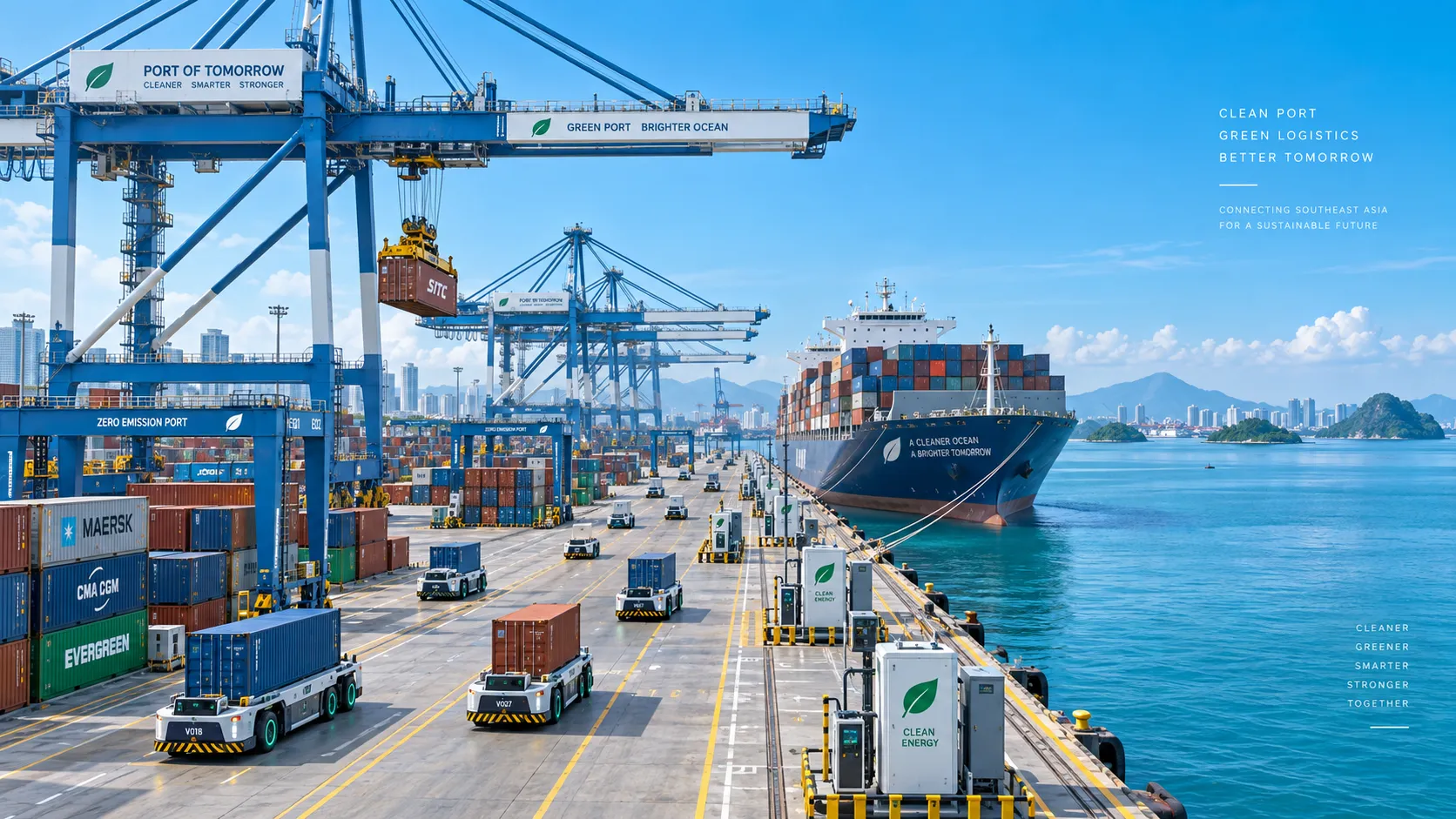
Smart Port Systems in Southeast Asia: Investment Priorities and Adoption Barriers
Smart port systems Southeast Asia: discover investment priorities, adoption barriers, and practical steps to build resilient, connected, high-performing terminals.
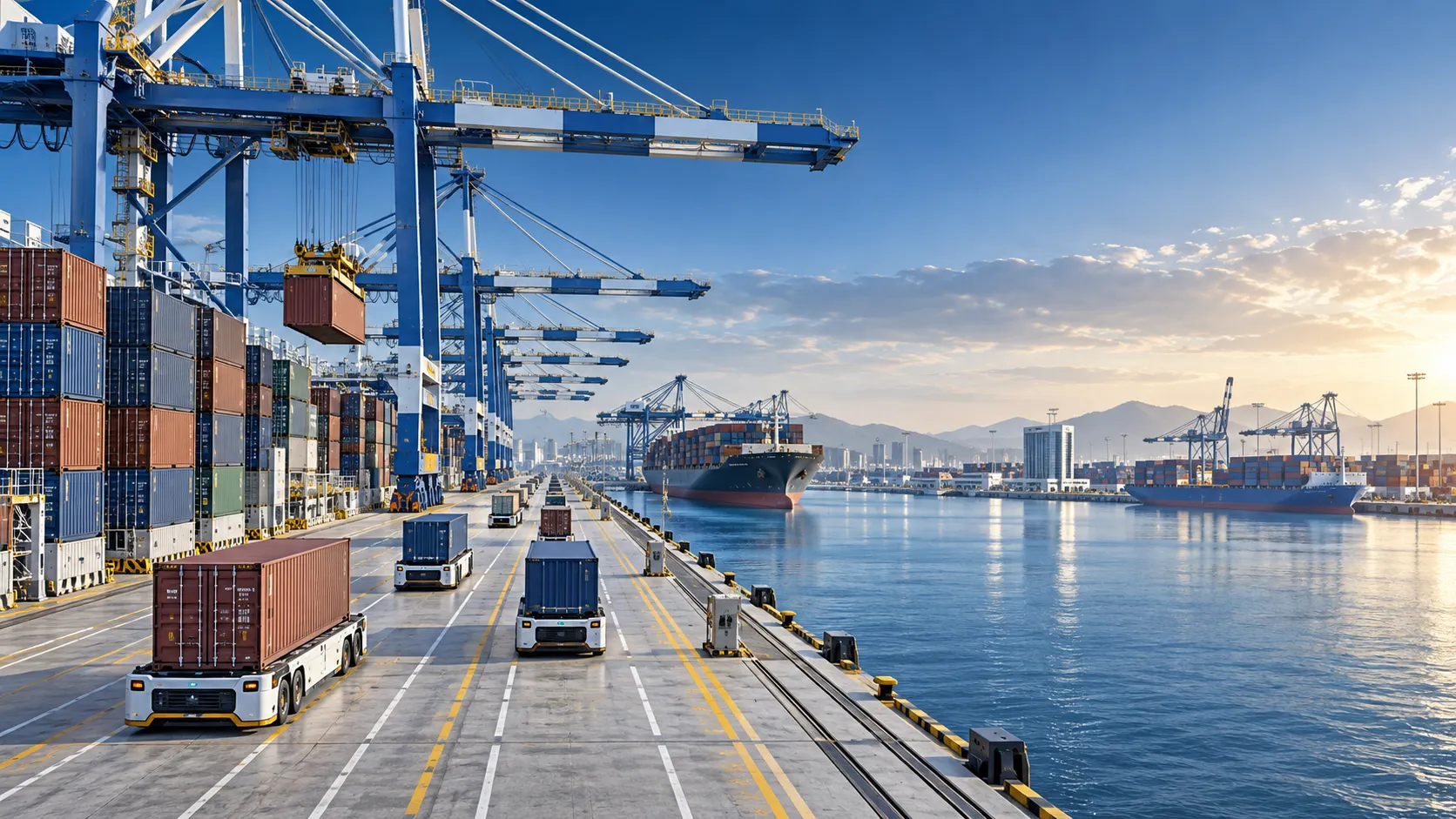
How to Evaluate Terminal Efficiency Solution Suppliers for High-Throughput Operations
Choose a terminal efficiency solutions supplier with confidence. Explore proven criteria for throughput, integration, lifecycle cost, safety, and reliable delivery.
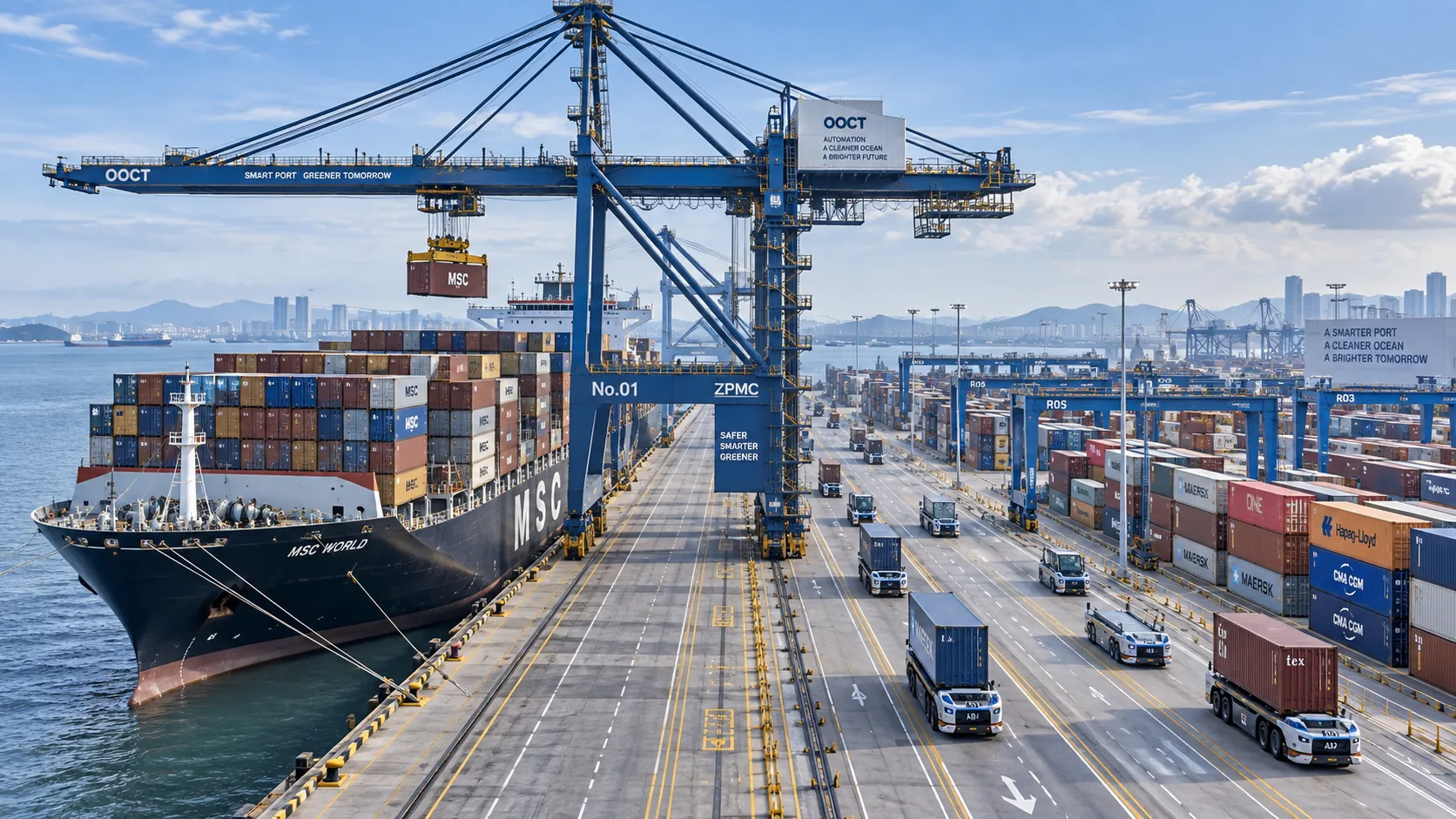
How to Specify a Quay Crane for Container Terminals by Vessel Size and Throughput?
Quay crane for container terminals: learn how to match outreach, lift height, capacity, automation, and cycle performance to vessel size and throughput goals.
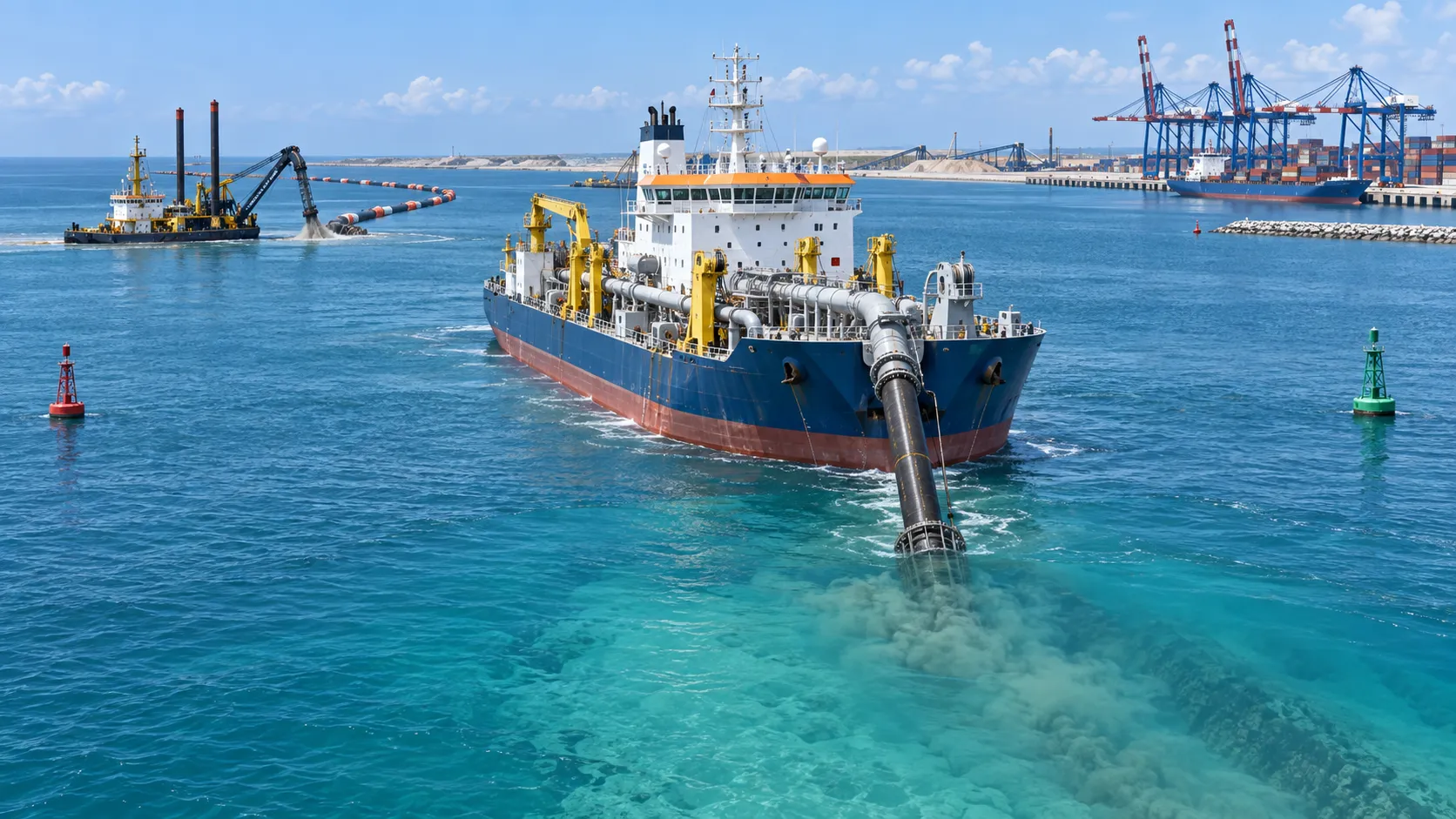
What Dredging Equipment Is Needed for Channel Deepening?
What dredging equipment is needed for channel deepening? Explore dredgers, pipelines, survey tools, and planning strategies for safer, more efficient port access.
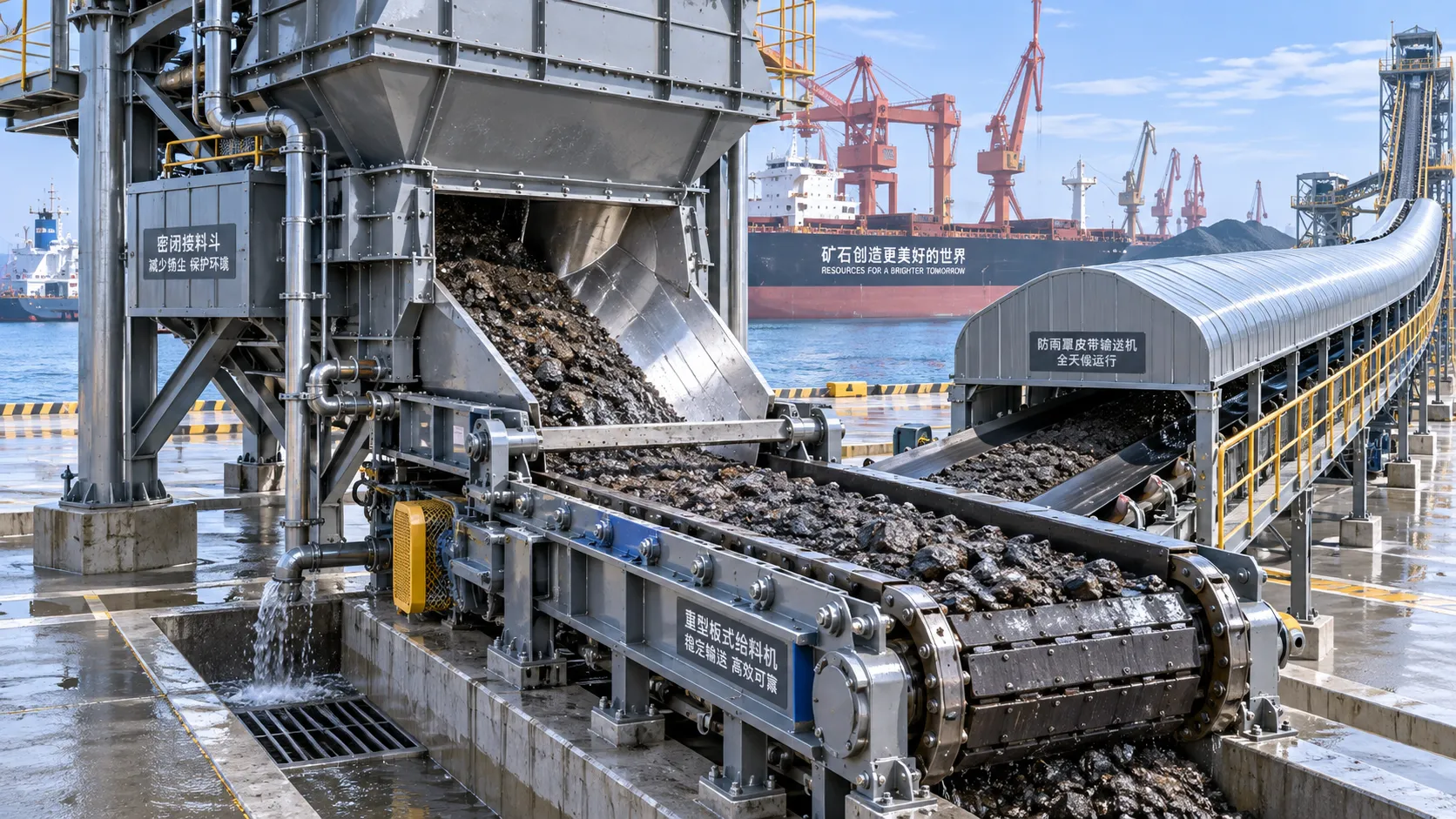
Which Bulk Handling Equipment Suits High-Moisture Cargo?
Which bulk handling equipment suits high-moisture cargo? Compare belt, apron, screw, drag, and slurry systems for reliable flow, less carryback, and higher terminal uptime.
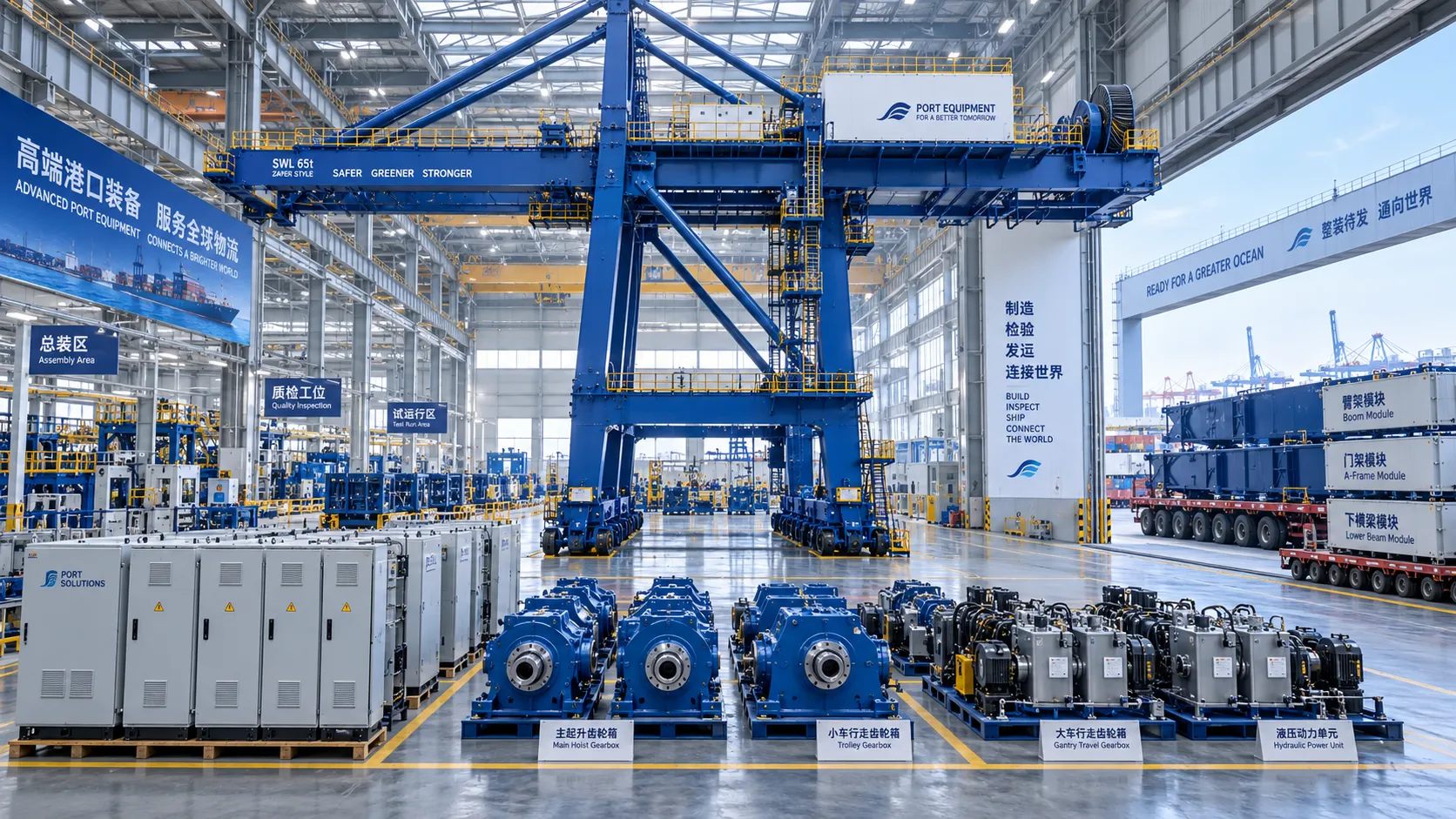
How Can Port Equipment Lead-Time Risk Be Managed?
How can port equipment lead-time risk be managed? Explore practical strategies to control critical paths, suppliers, transport, site readiness, and commissioning delays.
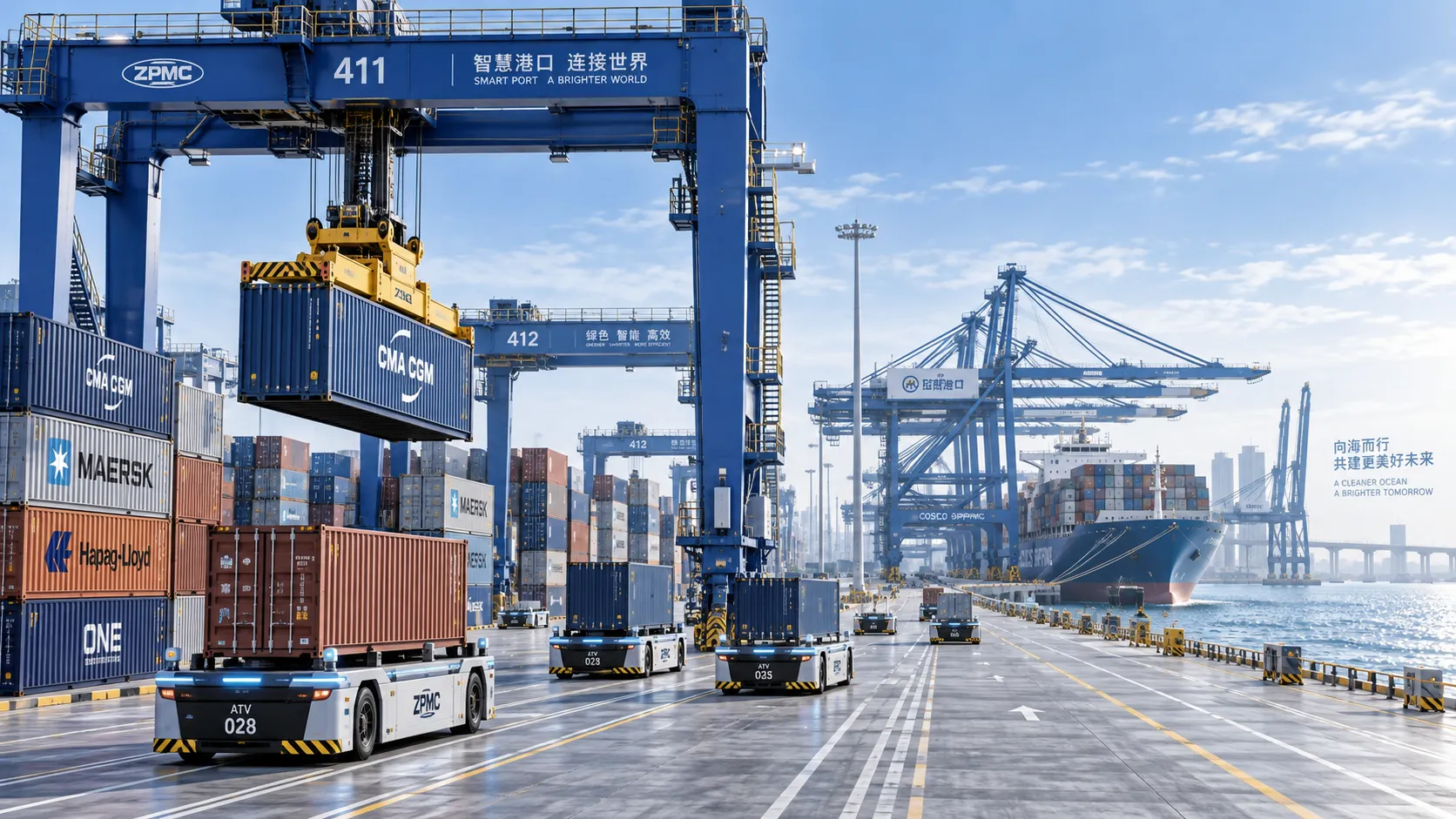
Terminal Automation Technologies That Raise Container Throughput Without Yard Disruption
Terminal automation technology that increases container throughput without disrupting yard flow. Explore smarter integration, resilient workflows, and phased deployment strategies.
Middle East Port Automation: Key Market Drivers, Projects, and Investment Risks
Port automation systems Middle East: explore market drivers, flagship projects, integration challenges, and investment risks shaping smarter, resilient terminals.
Planning Offshore Dredging Operations: Key Risks, Methods, and Project Controls
Offshore dredging operations demand smart planning. Explore key risks, proven methods, environmental controls, and project strategies for reliable delivery.