
Related News
- 00
0000-00
How to Specify a Quay Crane for Container Terminals by Vessel Size and Throughput? - 00
0000-00
Which Bulk Handling Equipment Suits High-Moisture Cargo? - 00
0000-00
Terminal Automation Technologies That Raise Container Throughput Without Yard Disruption - 00
0000-00
Planning Offshore Dredging Operations: Key Risks, Methods, and Project Controls - 00
0000-00
Where Do Automated Guided Vehicles Deliver the Fastest Warehouse Gains in the Middle East?
When do marine engineering solutions lower project risk?
Marine engineering solutions lower project risk when technical choices match seabed realities, operational goals, regulatory limits, and delivery timelines.
In ports, coastal logistics, dredging programs, and terminal upgrades, risk rarely comes from one issue alone.
It usually emerges from weak coordination between civil design, equipment layout, automation logic, and marine construction sequencing.
Well-scoped marine engineering solutions reduce uncertainty early, improve constructability, and support safer, faster, and more resilient delivery.
For complex waterfront projects, that reduction in uncertainty often matters more than any single cost-saving measure.
Understanding how marine engineering solutions reduce risk
Marine engineering solutions combine technical planning, field investigation, infrastructure design, equipment integration, and operational readiness measures.
They may cover dredging strategy, quay wall design, berth geometry, sediment handling, corrosion protection, mooring analysis, and terminal systems integration.
In modern ports, they also include digital controls, remote monitoring, and interface planning for automated handling assets.
Project risk falls when these elements are addressed as one connected system rather than isolated engineering packages.
This systems view is especially important where dredging, heavy terminal gear, and automation depend on the same physical envelope.
Core risk categories affected by engineering quality
- Geotechnical risk from incomplete soil, sediment, or seabed data.
- Schedule risk caused by poor marine access planning or weather exposure.
- Interface risk between civil works, cranes, yard systems, and utilities.
- Compliance risk related to permits, environmental thresholds, and navigation safety.
- Lifecycle risk from weak maintainability, energy inefficiency, or premature asset degradation.
Strong marine engineering solutions do not remove all uncertainty, but they convert hidden uncertainty into managed decision points.
Current industry signals shaping project risk
Across the broader maritime and logistics sector, project teams face tighter performance expectations than in previous investment cycles.
Port expansions now intersect with decarbonization targets, vessel upsizing, workforce digitalization, and pressure for uninterrupted cargo flow.
As a result, marine engineering solutions are increasingly judged by risk outcomes, not only by engineering compliance.
These signals show why marine engineering solutions must connect physical infrastructure with operational intelligence from the earliest planning stage.
Where marine engineering solutions create practical business value
Risk reduction matters because marine projects are capital-intensive, interface-heavy, and difficult to modify once construction begins offshore or alongside active terminals.
The best marine engineering solutions protect value across design, procurement, construction, operations, and long-term maintenance.
1. Better front-end decisions
Early hydrographic, geotechnical, and traffic analysis prevents false assumptions about depth, bearing capacity, or vessel handling windows.
This improves budget realism and reduces later claims driven by scope discovery.
2. Fewer construction disruptions
Constructability-focused marine engineering solutions align dredging methods, access routes, prefabrication choices, and marine plant deployment.
That lowers weather exposure, rework, and conflicts with live port operations.
3. Stronger equipment performance
Heavy terminal gear performs best when rail tolerances, pavement loads, utility corridors, and software interfaces are planned together.
Separated planning often creates hidden bottlenecks long before throughput targets are missed.
4. Lower lifecycle cost
Marine engineering solutions should anticipate corrosion, sedimentation, drainage failure, and maintenance access from the start.
Assets that are easier to inspect and maintain usually deliver superior whole-life economics.
5. More defensible compliance
Environmental and navigation obligations increasingly affect schedule certainty.
Robust marine engineering solutions embed monitoring, mitigation, and reporting requirements into the delivery model rather than treating them as add-ons.
Typical scenarios where risk reduction is most visible
Not every project needs the same depth of intervention.
However, several recurring scenarios show where marine engineering solutions have the highest impact on project certainty.
In each case, marine engineering solutions work best when operational constraints are mapped before detailed design hardens.
Practical methods for lowering risk through engineering strategy
A risk-aware approach depends less on generic best practice and more on disciplined sequencing.
Several methods consistently improve the effectiveness of marine engineering solutions.
Build the data foundation early
Use current hydrographic surveys, sediment characterization, metocean records, and utility mapping before locking design assumptions.
Old surveys often create expensive surprises in marine work.
Treat interfaces as primary design items
Civil works, dredging, power supply, automation platforms, and terminal equipment should share a coordinated interface register.
This is a major strength of mature marine engineering solutions.
Model operations, not only structures
Berth capacity, AGV routing, queue patterns, and maintenance windows affect engineering performance.
Operational simulation can reveal design weaknesses before field execution.
Design for maintainability and resilience
Specify access, inspection zones, spare capacity, corrosion allowances, and monitoring points.
Risk reduction continues long after commissioning.
Link compliance to delivery milestones
Permits, environmental thresholds, and marine traffic controls should be embedded in the master schedule.
That keeps marine engineering solutions aligned with real execution constraints.
Common warning signs that risk is still too high
Even technically advanced projects can remain exposed if early warnings are ignored.
- Different teams using different seabed or elevation baselines.
- Dredging scope defined before sediment behavior is fully tested.
- Terminal equipment selected before confirming structural tolerances and utility capacity.
- Automation decisions made without field communication and fail-safe validation.
- Environmental approvals treated as separate paperwork instead of engineering constraints.
If these signs appear, marine engineering solutions may need re-scoping before major commitments are made.
A practical next step for more reliable project outcomes
The most effective way to reduce exposure is to review the project as an integrated marine system.
That means checking site data quality, interface definition, dredging logic, equipment fit, automation readiness, and compliance sequencing together.
High-value marine engineering solutions are not simply detailed designs.
They are structured decision frameworks that turn uncertainty into measurable control.
For port, terminal, and coastal infrastructure programs, that is often the clearest path to lower risk, steadier delivery, and stronger long-term performance.
Related News
Smart Port Systems in Southeast Asia: Investment Priorities and Adoption Barriers
Smart port systems Southeast Asia: discover investment priorities, adoption barriers, and practical steps to build resilient, connected, high-performing terminals.
How to Evaluate Terminal Efficiency Solution Suppliers for High-Throughput Operations
Choose a terminal efficiency solutions supplier with confidence. Explore proven criteria for throughput, integration, lifecycle cost, safety, and reliable delivery.
How to Specify a Quay Crane for Container Terminals by Vessel Size and Throughput?
Quay crane for container terminals: learn how to match outreach, lift height, capacity, automation, and cycle performance to vessel size and throughput goals.
What Dredging Equipment Is Needed for Channel Deepening?
What dredging equipment is needed for channel deepening? Explore dredgers, pipelines, survey tools, and planning strategies for safer, more efficient port access.
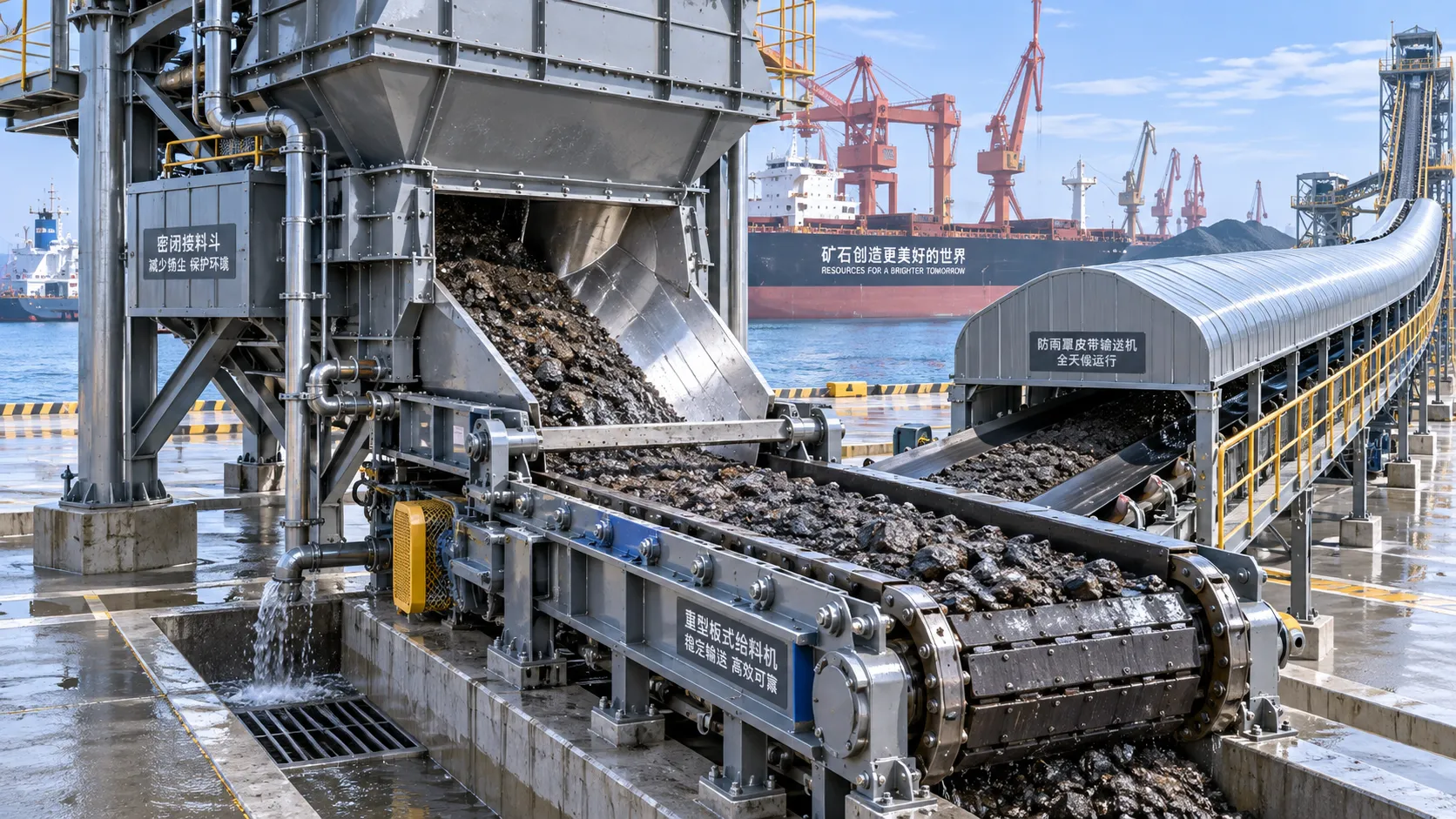
Which Bulk Handling Equipment Suits High-Moisture Cargo?
Which bulk handling equipment suits high-moisture cargo? Compare belt, apron, screw, drag, and slurry systems for reliable flow, less carryback, and higher terminal uptime.
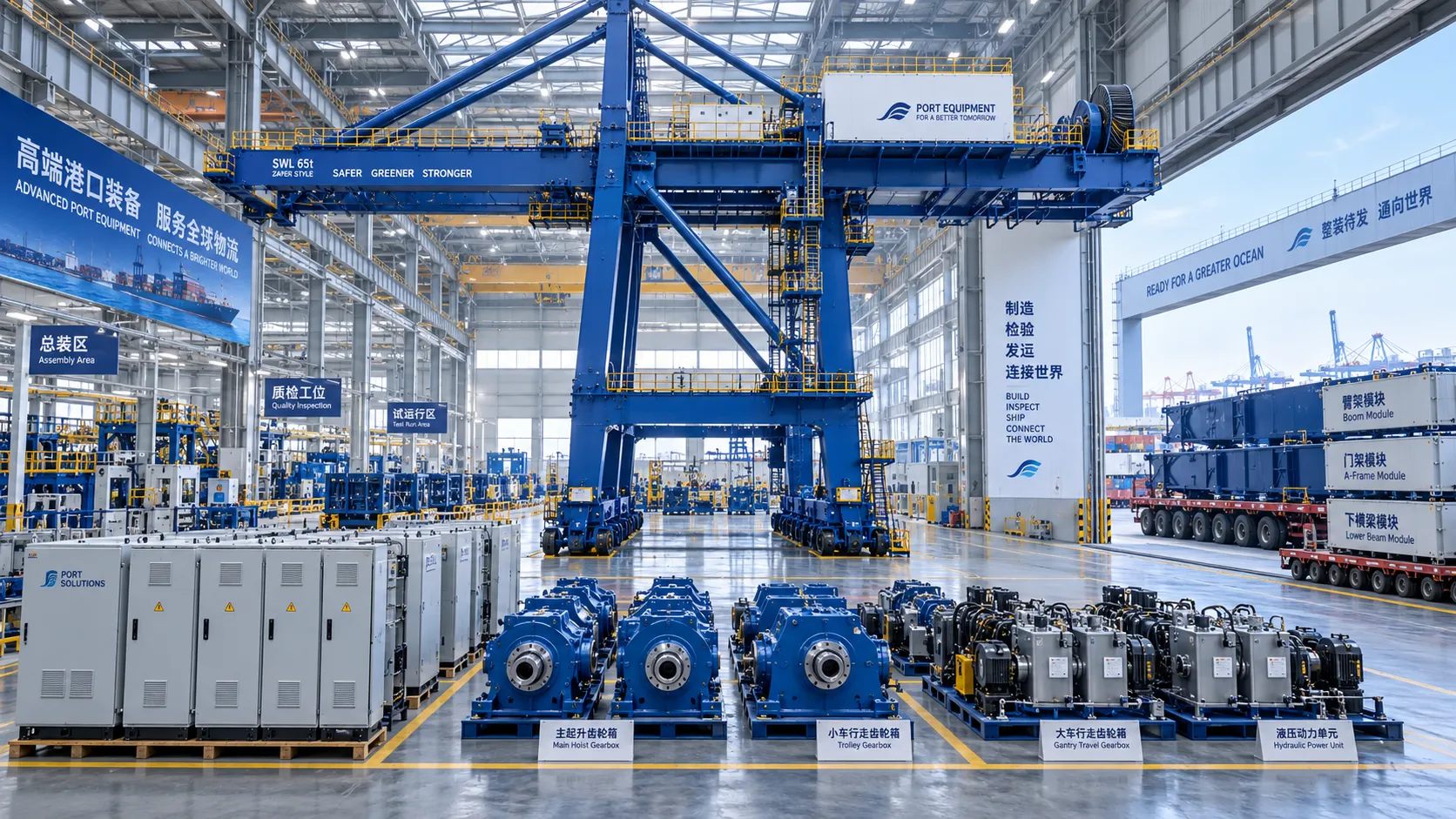
How Can Port Equipment Lead-Time Risk Be Managed?
How can port equipment lead-time risk be managed? Explore practical strategies to control critical paths, suppliers, transport, site readiness, and commissioning delays.
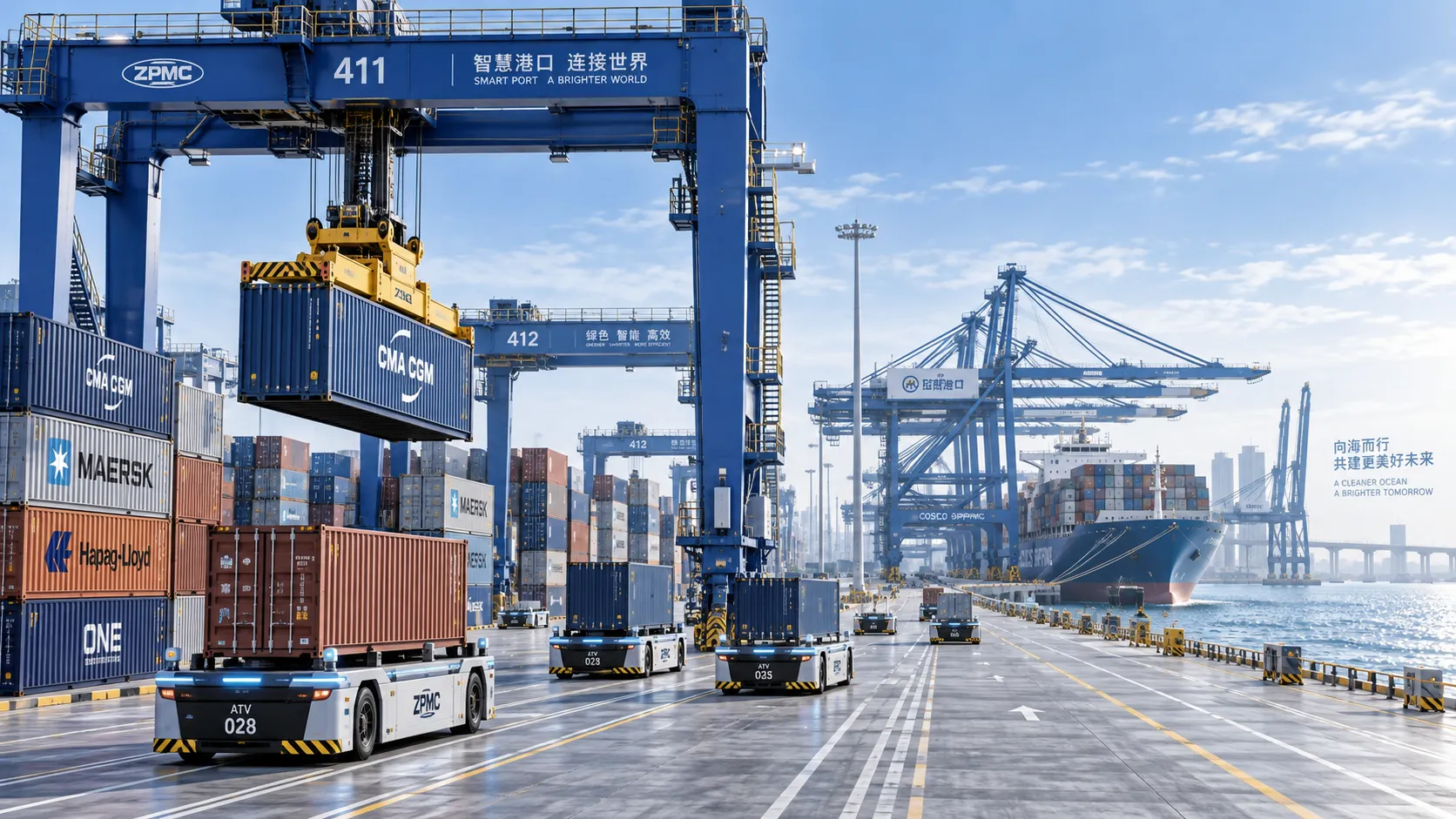
Terminal Automation Technologies That Raise Container Throughput Without Yard Disruption
Terminal automation technology that increases container throughput without disrupting yard flow. Explore smarter integration, resilient workflows, and phased deployment strategies.
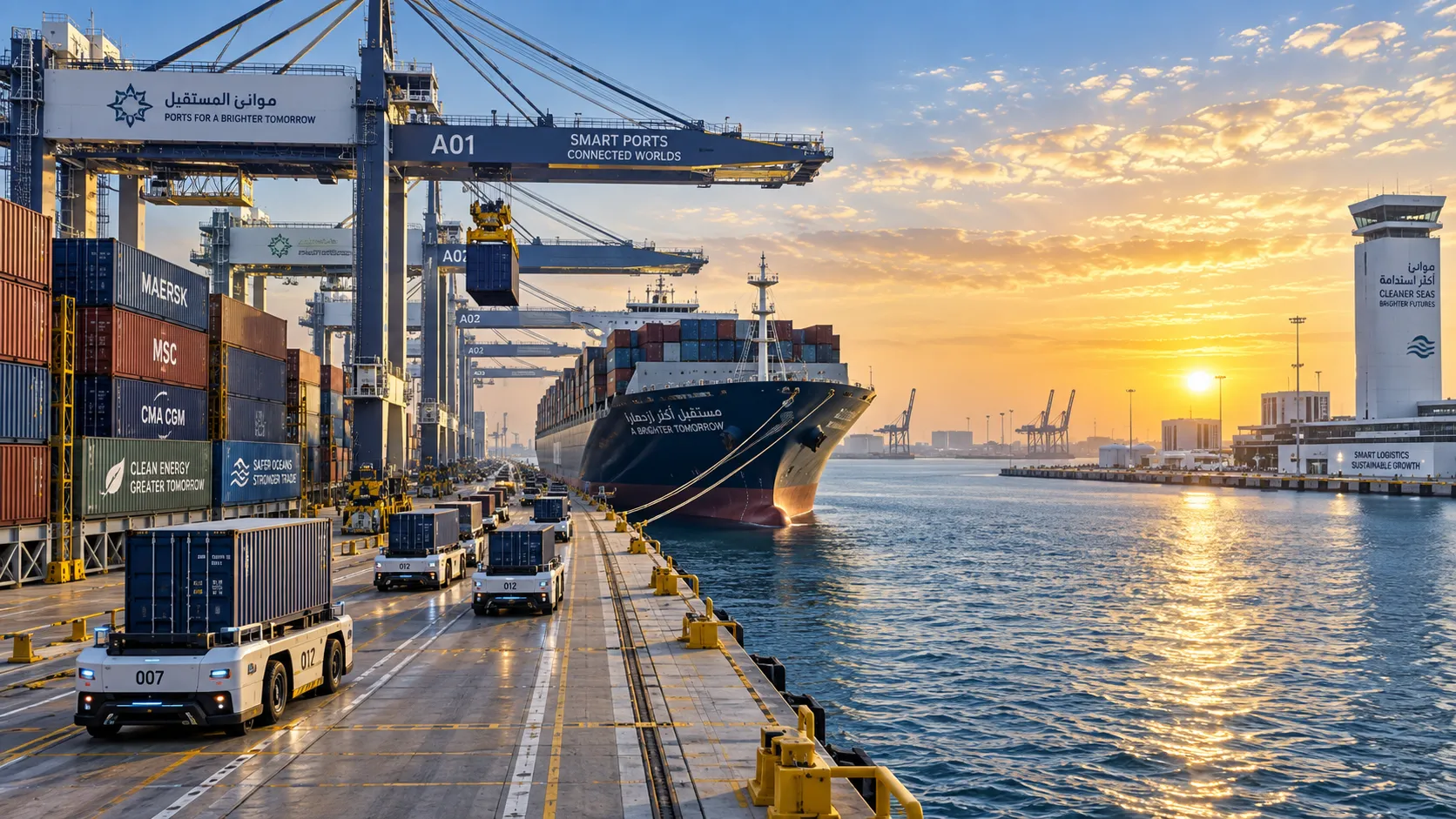
Middle East Port Automation: Key Market Drivers, Projects, and Investment Risks
Port automation systems Middle East: explore market drivers, flagship projects, integration challenges, and investment risks shaping smarter, resilient terminals.
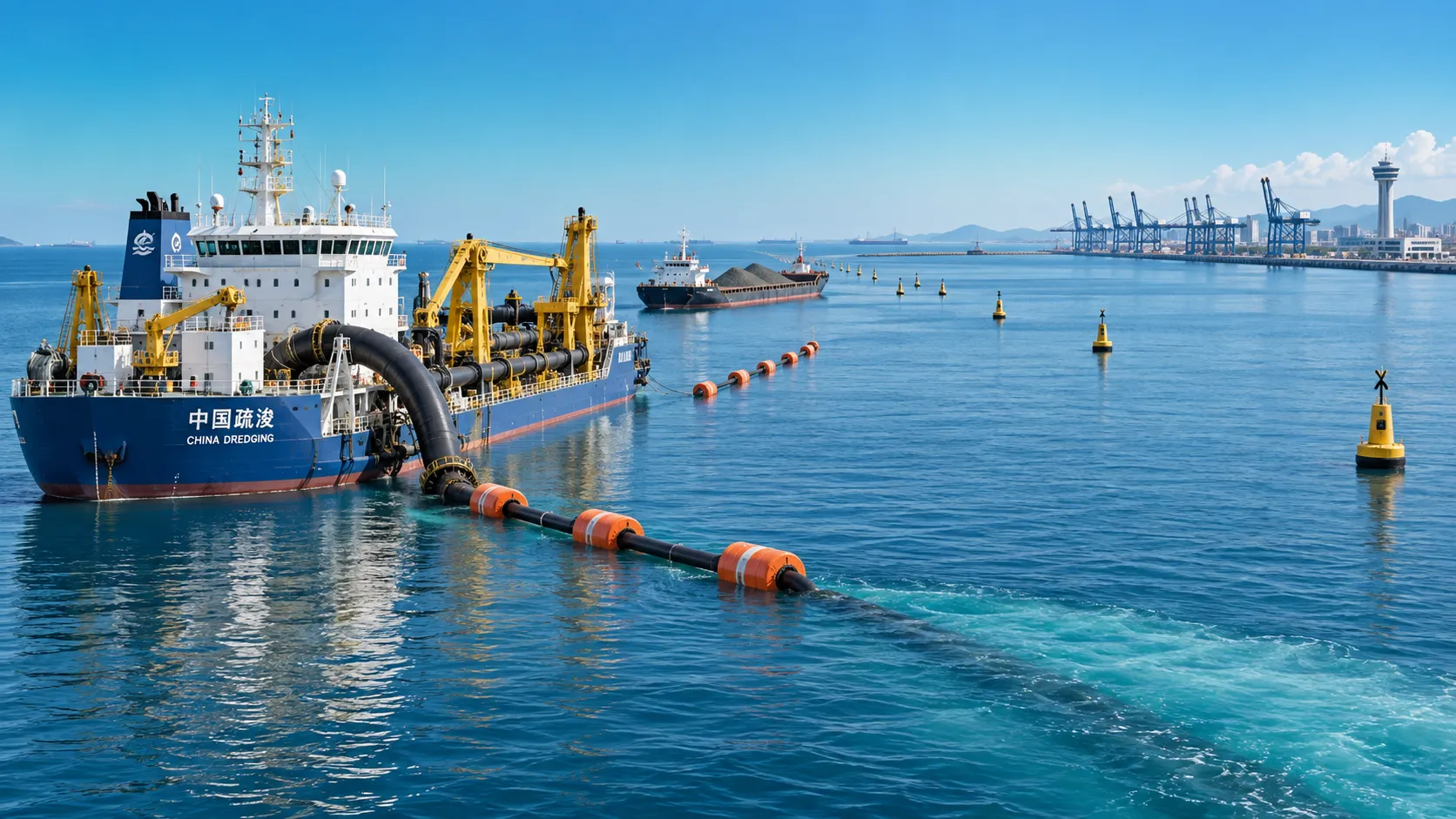
Planning Offshore Dredging Operations: Key Risks, Methods, and Project Controls
Offshore dredging operations demand smart planning. Explore key risks, proven methods, environmental controls, and project strategies for reliable delivery.