Related News
- 00
0000-00
How to Specify a Quay Crane for Container Terminals by Vessel Size and Throughput? - 00
0000-00
Which Bulk Handling Equipment Suits High-Moisture Cargo? - 00
0000-00
Terminal Automation Technologies That Raise Container Throughput Without Yard Disruption - 00
0000-00
Planning Offshore Dredging Operations: Key Risks, Methods, and Project Controls - 00
0000-00
Where Do Automated Guided Vehicles Deliver the Fastest Warehouse Gains in the Middle East?
Terminal automation technology is changing risk control
As global terminals race toward unmanned operations, terminal automation technology is redefining how risk is identified, monitored, and controlled.
For quality control and safety management, the shift is no longer only about productivity.
It is about removing blind spots, improving equipment reliability, and supporting better decisions across dense, high-value terminal environments.
Within global maritime logistics, terminal automation technology now connects cranes, AGVs, yard systems, sensors, and control platforms into one risk-aware operating framework.
This article answers the most practical questions about how that change affects modern risk control.
What does terminal automation technology mean in modern risk control?
Terminal automation technology combines software, control systems, sensors, communication networks, and autonomous equipment to manage cargo movement with limited human intervention.
In risk control, its value comes from visibility, consistency, and speed.
Manual operations often depend on fragmented observation, radio calls, and delayed reporting.
Automated systems replace those gaps with structured data and rule-based responses.
For example, a remote-controlled quay crane can continuously report sway, load status, wind conditions, and positioning accuracy.
That stream allows early intervention before a small deviation becomes a safety event.
At advanced sites, terminal automation technology also links gate operations, yard planning, asset health, and vessel schedules.
Risk control then becomes predictive rather than reactive.
This matters across the broader supply chain because ports are pressure points.
A crane outage, yard collision, or network failure can quickly spread disruption to shipping lines, trucking flows, and inland storage capacity.
How does terminal automation technology reduce operational blind spots?
Blind spots usually appear where information is delayed, inconsistent, or physically impossible to observe in real time.
Terminal automation technology addresses all three areas at once.
Sensors mounted on cranes, spreaders, transfer vehicles, and yard blocks generate continuous operational status data.
Computer vision adds location awareness, obstacle detection, and behavior recognition.
Positioning systems track container flow with far greater precision than manual logs.
This creates a living map of the terminal.
Risk teams can see where congestion is building, where assets are deviating from planned routes, and where weather may affect safe lifting windows.
The technology is especially useful in three scenarios:
- Night operations with reduced direct visibility.
- High-throughput peaks when manual reporting falls behind.
- Mixed environments where automated and conventional assets operate together.
Another advantage is event traceability.
When an incident occurs, terminal automation technology preserves logs, alarms, timestamps, and equipment behavior.
That evidence supports root cause analysis and helps prevent repeated failures.
Which terminal risks are most affected by terminal automation technology?
Not every risk disappears with automation, but several major categories become easier to control.
1. Equipment failure risk
Condition monitoring can detect abnormal vibration, temperature drift, hydraulic instability, or motor stress before breakdown occurs.
Predictive maintenance reduces sudden stoppages and lowers the safety impact of hidden wear.
2. Collision and movement risk
Automated route planning and anti-collision logic help separate assets in constrained spaces.
This is important for AGVs, automated stacking cranes, and transfer equipment moving under variable yard pressure.
3. Human exposure risk
Remote operations reduce direct worker exposure in hazardous zones, including heavy lift areas, traffic intersections, and poor-weather conditions.
Terminal automation technology lowers the need for people to remain near moving equipment.
4. Planning and scheduling risk
Bad sequencing can create vessel delay, yard reshuffles, and unnecessary equipment travel.
Algorithmic scheduling improves flow balance and reduces cascading operational stress.
5. Compliance and documentation risk
Automated records support auditability.
That strengthens compliance with safety procedures, maintenance intervals, and incident review requirements.
What should be considered before adopting terminal automation technology?
A common mistake is treating automation as only an equipment upgrade.
In reality, terminal automation technology changes operating logic, maintenance priorities, and risk governance methods.
Before implementation, several questions need clear answers.
- Is the existing terminal layout suitable for automated movement paths?
- Can the communication network support low-latency, high-reliability control?
- Are current maintenance teams prepared for software-centered diagnostics?
- Will legacy systems integrate cleanly with new control platforms?
- Are cybersecurity and access control included from the beginning?
Cost planning also deserves realism.
Initial investment covers hardware, software, sensors, networking, training, simulation, and phased testing.
However, the real comparison should measure avoided downtime, reduced incident frequency, and better asset utilization over time.
For many ports, a phased rollout works better than a full replacement.
Starting with remote crane control, yard visibility, or predictive maintenance can build data discipline before full autonomy.
How is terminal automation technology different from traditional risk control methods?
Traditional risk control depends heavily on inspections, operator experience, paper procedures, and after-event analysis.
Those methods still matter, but they struggle in high-volume, high-speed terminal environments.
Terminal automation technology introduces continuous monitoring and real-time response.
It does not wait for a supervisor to notice a pattern hours later.
It detects anomalies during the process itself.
The difference is not simply digitalization.
It is the shift from fragmented control to integrated, evidence-based risk management.
What are the main implementation risks and common misconceptions?
Automation can improve safety, but poor implementation can create new vulnerabilities.
One misconception is that terminal automation technology automatically removes human error.
In reality, error often shifts from field operation to system design, interface quality, and exception handling.
Another misconception is that more data always means better control.
Without alarm prioritization and clear thresholds, teams can face alert fatigue.
Cybersecurity is another critical issue.
When cranes, vehicles, and operating systems are connected, network resilience becomes part of safety management.
A control interruption can become an operational risk event.
The following table summarizes key checks:
Successful adoption depends on process discipline as much as technology quality.
What practical steps improve results from terminal automation technology?
The most effective path begins with a measurable risk baseline.
Identify current incident types, downtime causes, near misses, and manual reporting gaps.
Then align automation priorities to those findings.
- Audit high-risk workflows before selecting systems.
- Define decision thresholds for alerts and interventions.
- Start with a limited deployment zone and validate performance.
- Test fallback procedures for network loss and sensor failure.
- Review outcomes using both safety and throughput indicators.
For intelligence platforms such as PS-Nexus, the greatest long-term value lies in connecting operational data with strategic industry insight.
That includes automation trends, equipment evolution, remote control protocols, and demand shifts across maritime logistics.
When terminals combine local performance data with broader market intelligence, risk control becomes more adaptive and future-ready.
In summary, terminal automation technology is changing risk control by turning terminals into more visible, traceable, and predictable operating systems.
Its strongest impact appears where safety, equipment reliability, and scheduling complexity intersect.
The next practical step is to assess which risks remain least visible today and match them with automation capabilities that deliver measurable control.
With a phased plan, strong integration design, and clear governance, terminal automation technology can become a durable foundation for safer and smarter port operations.
Related News
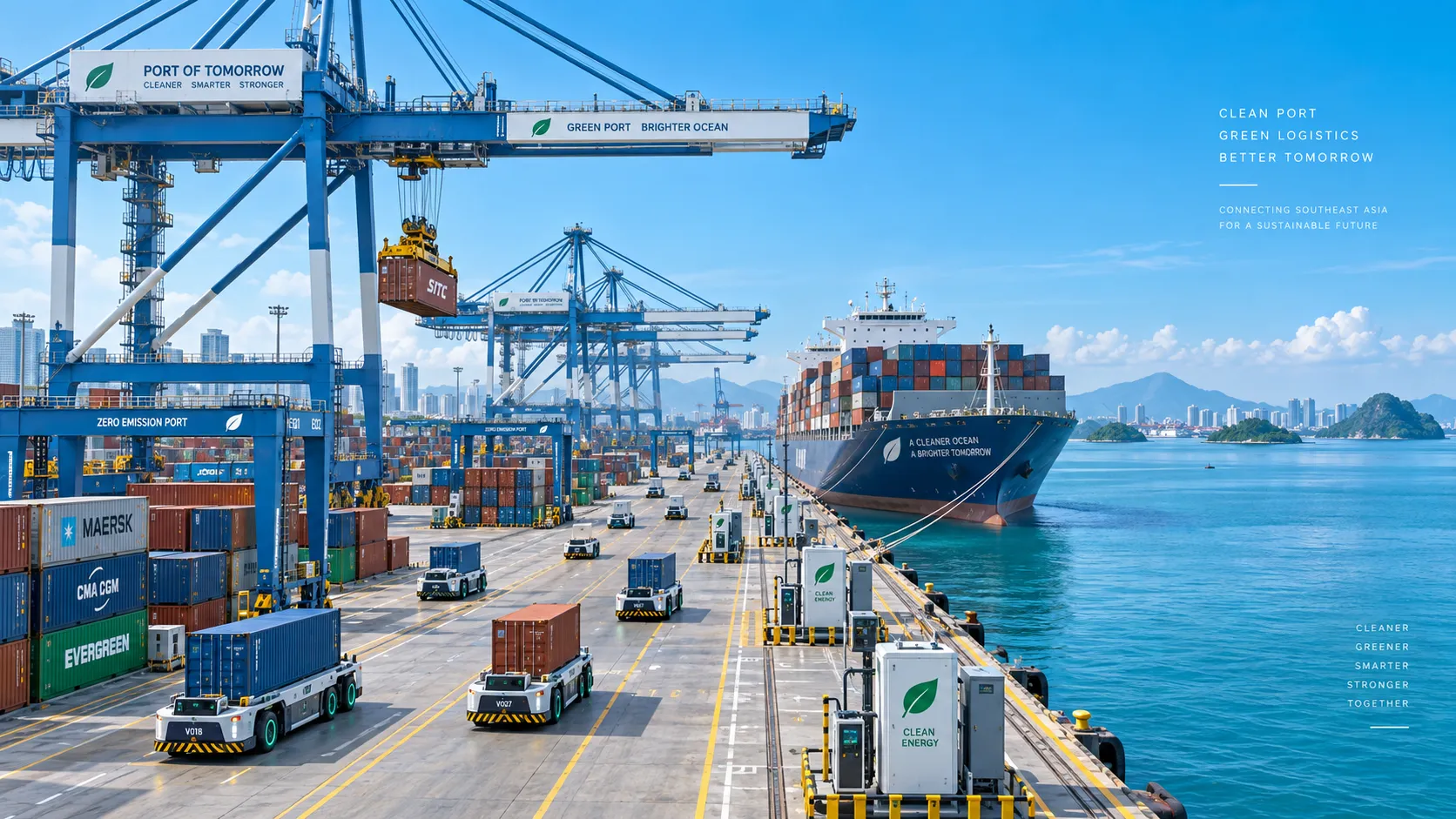
Smart Port Systems in Southeast Asia: Investment Priorities and Adoption Barriers
Smart port systems Southeast Asia: discover investment priorities, adoption barriers, and practical steps to build resilient, connected, high-performing terminals.
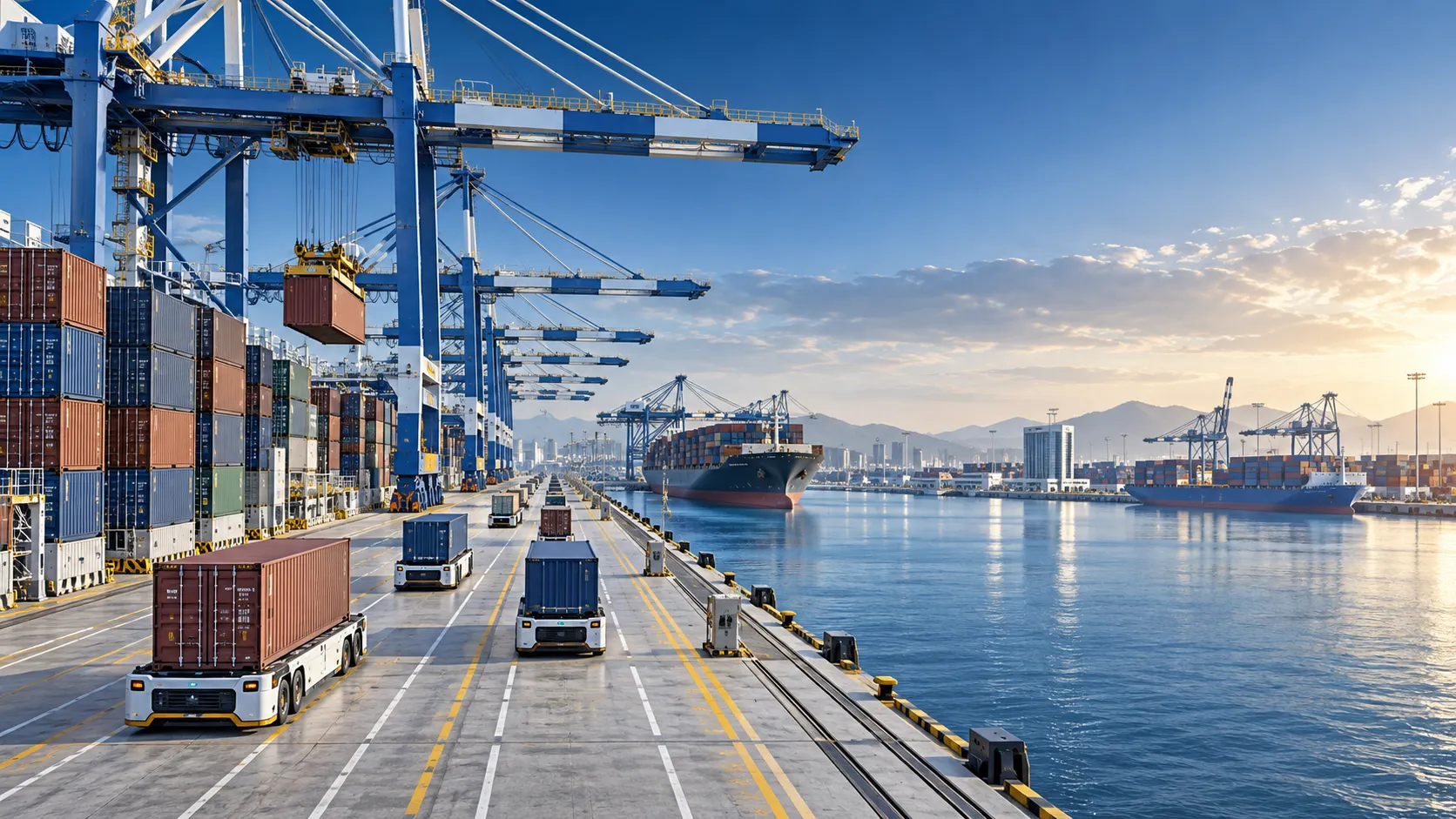
How to Evaluate Terminal Efficiency Solution Suppliers for High-Throughput Operations
Choose a terminal efficiency solutions supplier with confidence. Explore proven criteria for throughput, integration, lifecycle cost, safety, and reliable delivery.
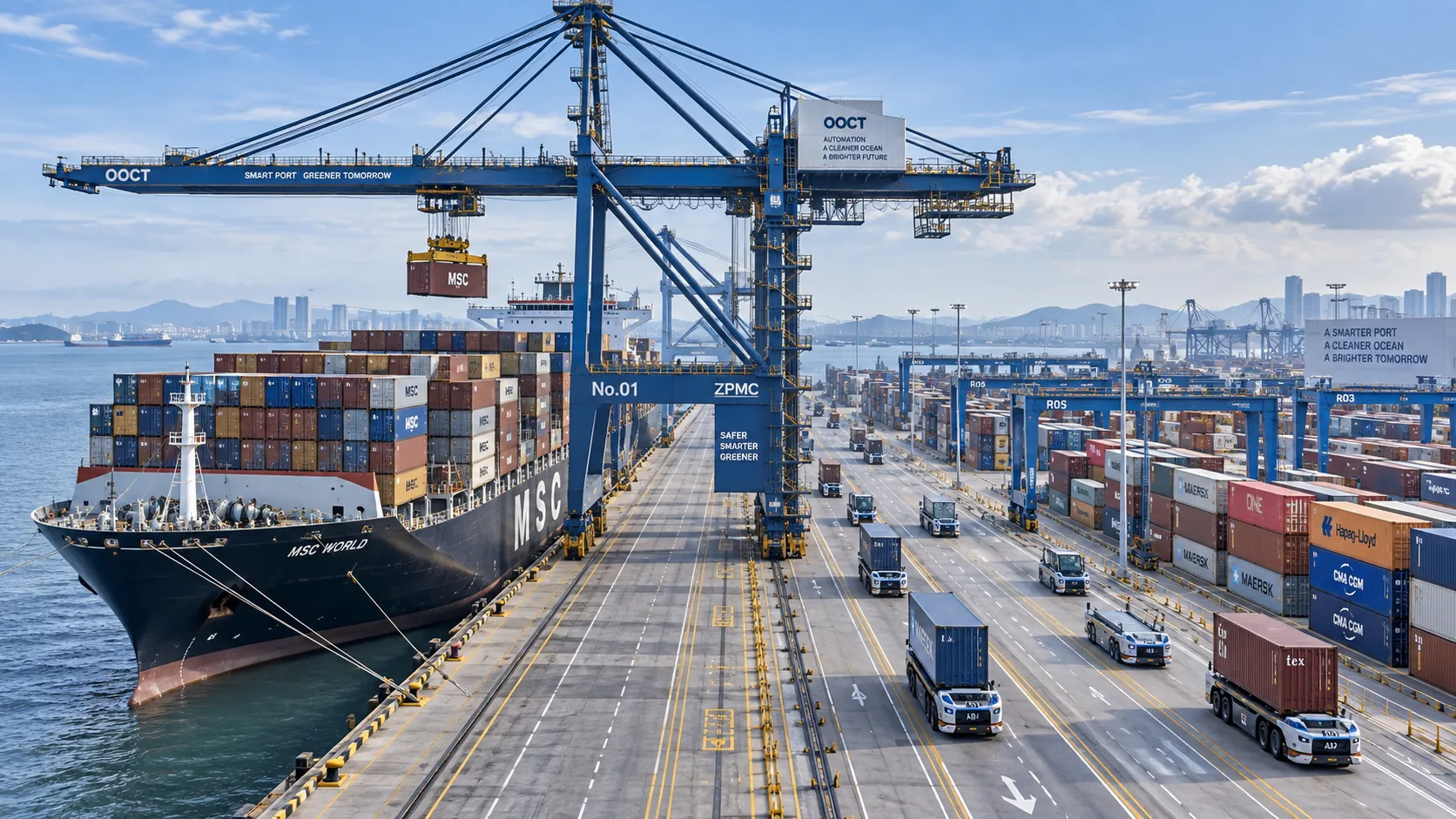
How to Specify a Quay Crane for Container Terminals by Vessel Size and Throughput?
Quay crane for container terminals: learn how to match outreach, lift height, capacity, automation, and cycle performance to vessel size and throughput goals.
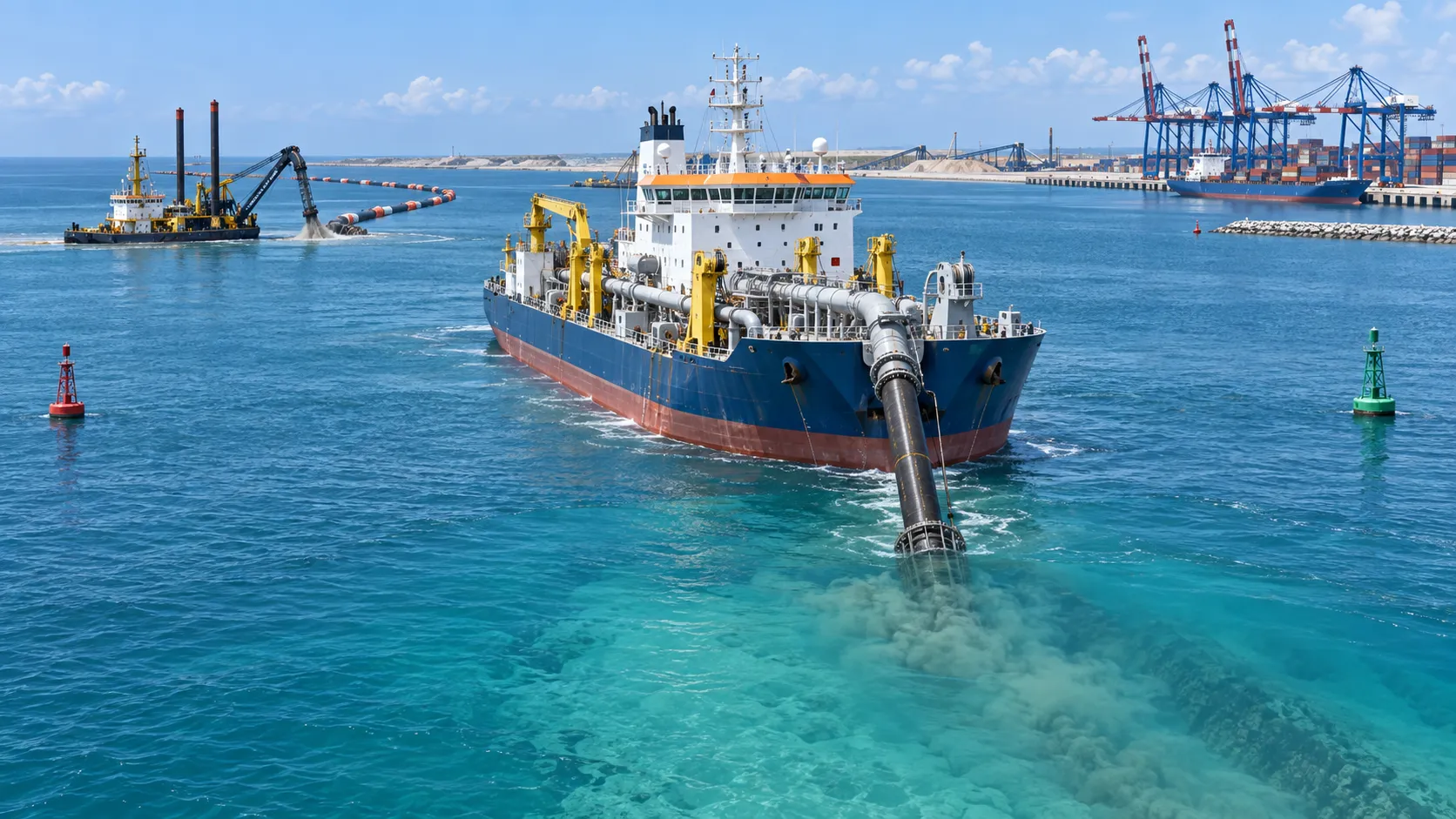
What Dredging Equipment Is Needed for Channel Deepening?
What dredging equipment is needed for channel deepening? Explore dredgers, pipelines, survey tools, and planning strategies for safer, more efficient port access.
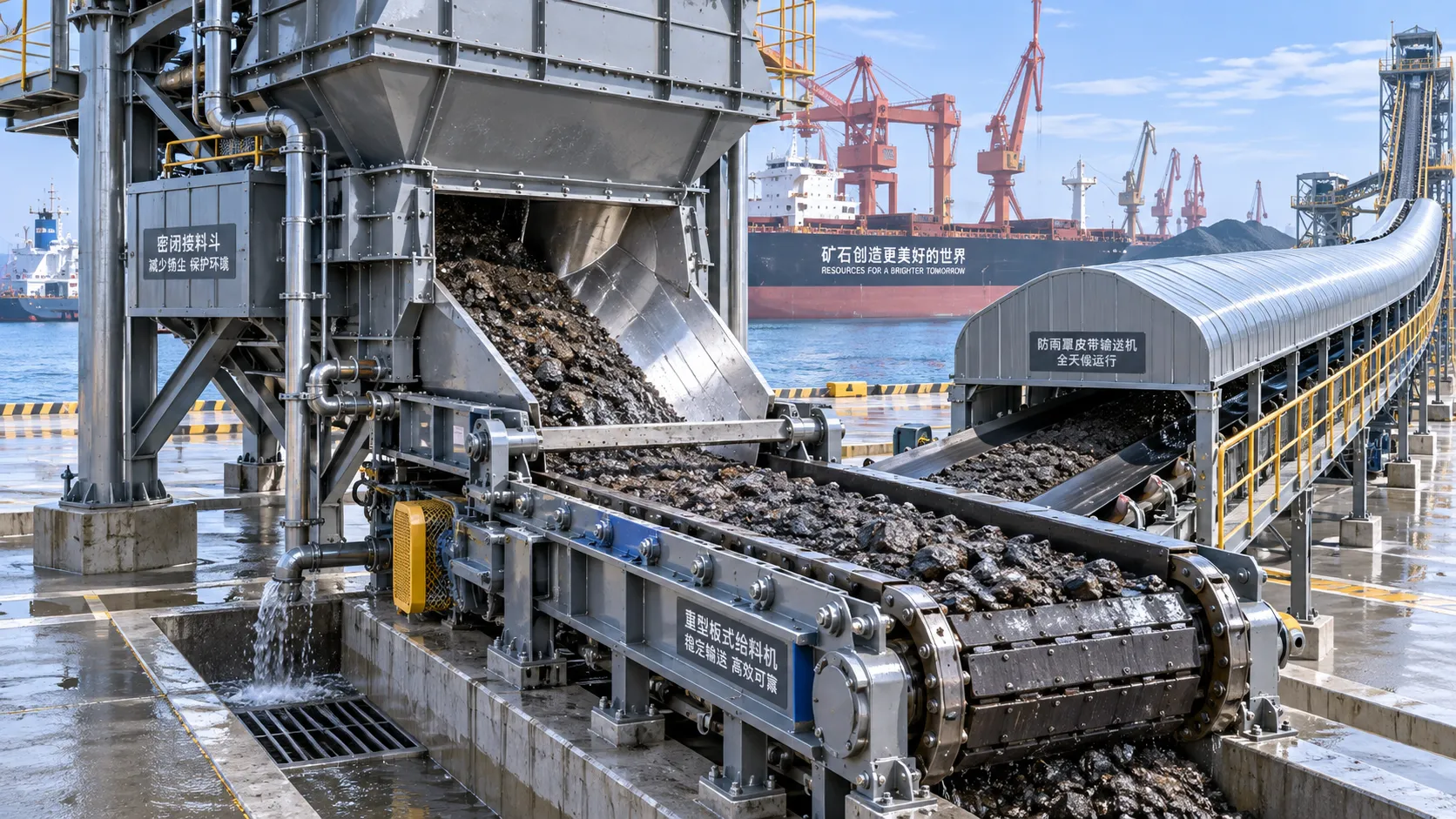
Which Bulk Handling Equipment Suits High-Moisture Cargo?
Which bulk handling equipment suits high-moisture cargo? Compare belt, apron, screw, drag, and slurry systems for reliable flow, less carryback, and higher terminal uptime.
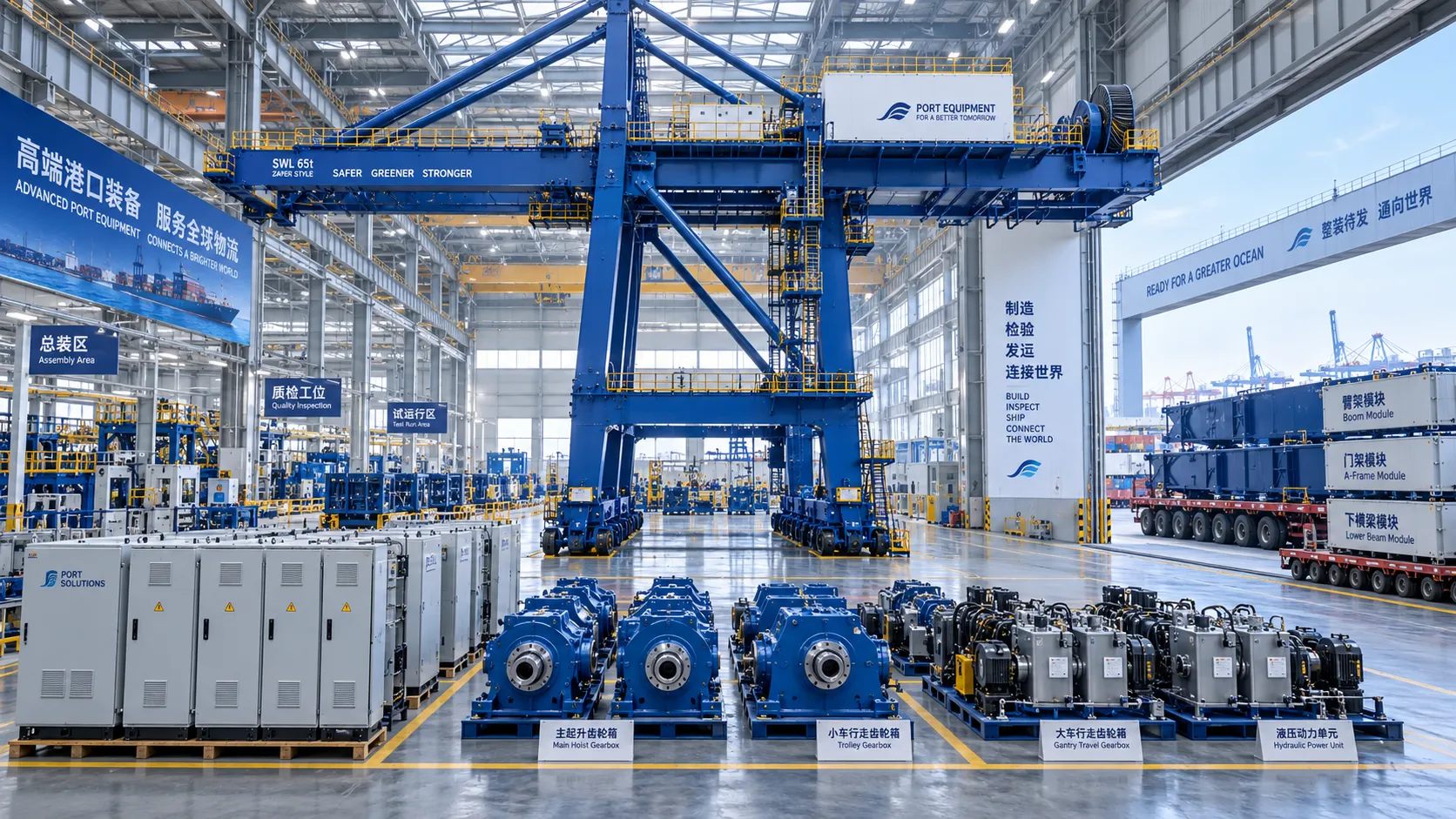
How Can Port Equipment Lead-Time Risk Be Managed?
How can port equipment lead-time risk be managed? Explore practical strategies to control critical paths, suppliers, transport, site readiness, and commissioning delays.
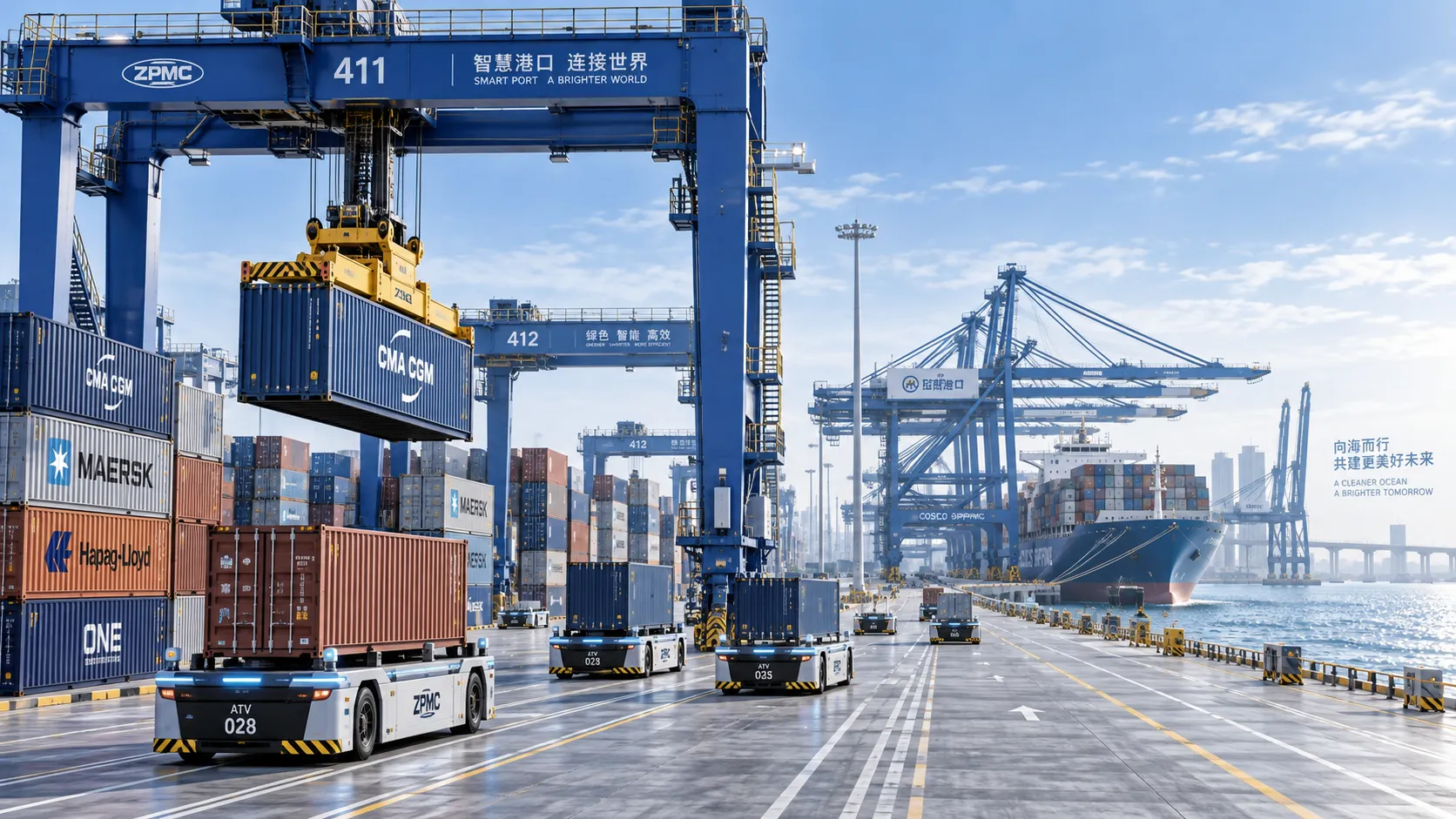
Terminal Automation Technologies That Raise Container Throughput Without Yard Disruption
Terminal automation technology that increases container throughput without disrupting yard flow. Explore smarter integration, resilient workflows, and phased deployment strategies.
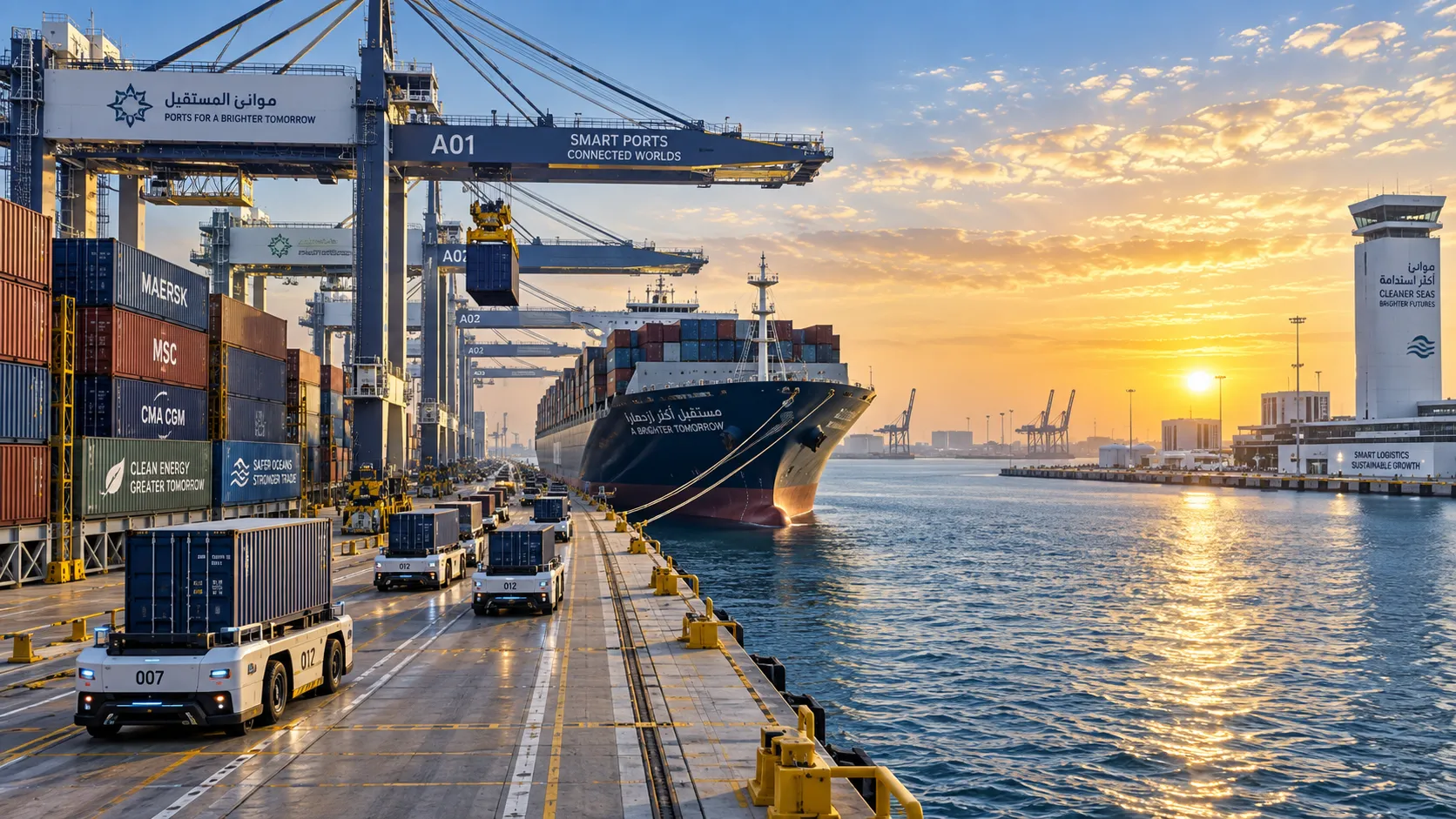
Middle East Port Automation: Key Market Drivers, Projects, and Investment Risks
Port automation systems Middle East: explore market drivers, flagship projects, integration challenges, and investment risks shaping smarter, resilient terminals.
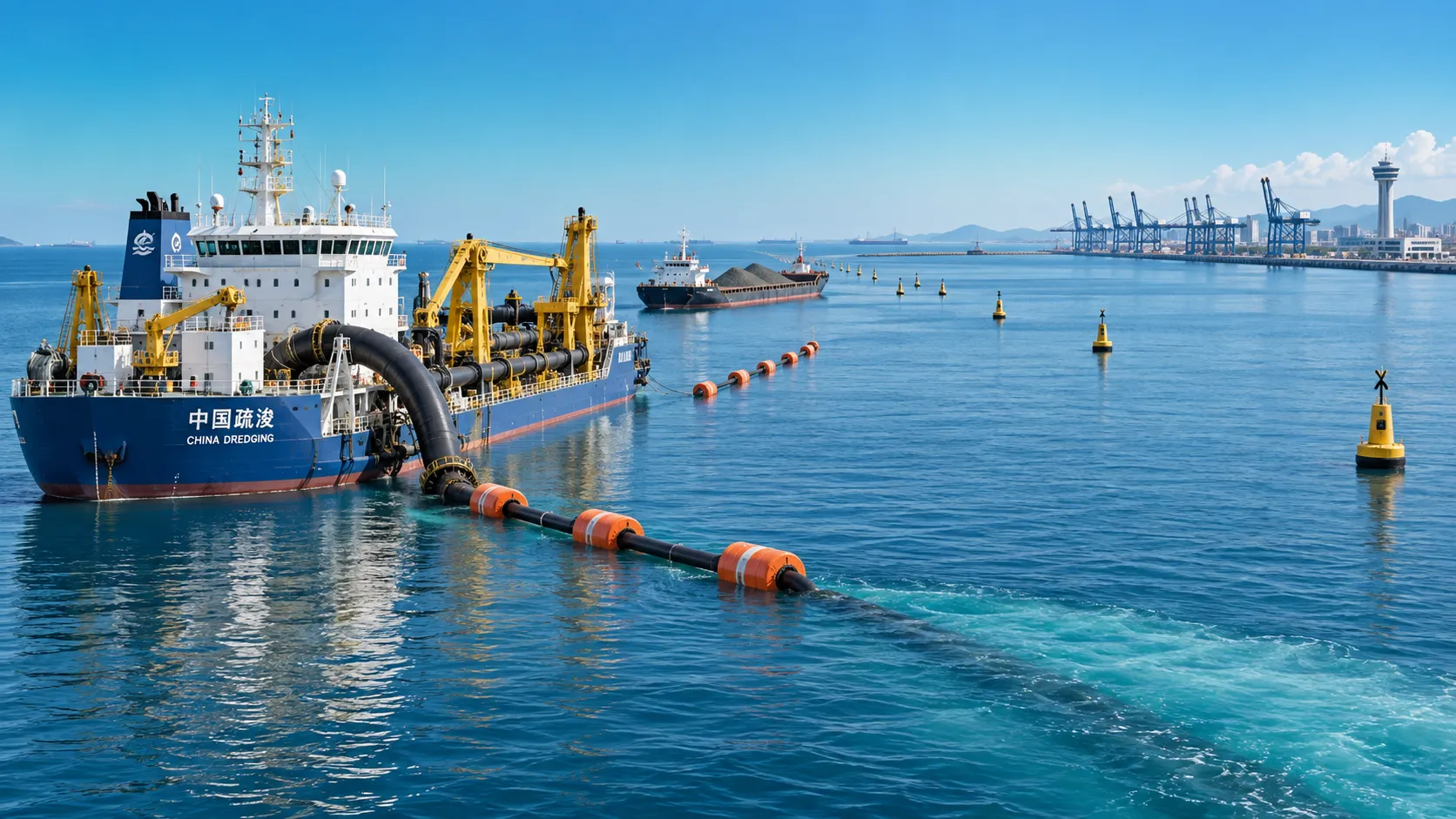
Planning Offshore Dredging Operations: Key Risks, Methods, and Project Controls
Offshore dredging operations demand smart planning. Explore key risks, proven methods, environmental controls, and project strategies for reliable delivery.