Related News
- 00
0000-00
How to Specify a Quay Crane for Container Terminals by Vessel Size and Throughput? - 00
0000-00
Which Bulk Handling Equipment Suits High-Moisture Cargo? - 00
0000-00
Terminal Automation Technologies That Raise Container Throughput Without Yard Disruption - 00
0000-00
Planning Offshore Dredging Operations: Key Risks, Methods, and Project Controls - 00
0000-00
Where Do Automated Guided Vehicles Deliver the Fastest Warehouse Gains in the Middle East?
Smart terminal technology is changing vessel turnaround
For operators under pressure to move vessels faster and safer, smart terminal technology is becoming the key to shorter turnaround times. From automated container handling to real-time equipment coordination, today’s ports rely on data-driven systems to reduce delays, improve yard flow, and support better decisions. This article explains how these tools reshape terminal routines and help vessels berth, work, and depart with less friction.
Why a checklist matters for faster vessel turnaround
Vessel turnaround rarely depends on one machine or one software platform. It depends on the timing between berth plans, cranes, yard blocks, trucks, gates, and marine services.
That is why smart terminal technology should be judged through a practical checklist. A clear list helps compare systems, expose bottlenecks, and focus on measurable operational gains.
For intelligence platforms such as PS-Nexus, the value lies in connecting equipment performance, automation logic, and trade-side pressure into one operational picture. In that picture, vessel efficiency is the result of synchronized decisions.
Core checklist for evaluating smart terminal technology
Use the following checklist to assess whether smart terminal technology can truly improve turnaround instead of adding complexity.
- Verify real-time berth visibility across pilots, tugs, quay cranes, and yard teams so arrival changes do not cascade into idle windows and last-minute rescheduling.
- Measure crane productivity by move rate, waiting time, twin-lift consistency, and exception recovery rather than relying only on peak performance figures.
- Check whether yard planning tools predict stack congestion early and rebalance container placement before discharge and loading sequences start to conflict.
- Confirm AGV, terminal truck, or straddle carrier dispatching uses live task allocation instead of fixed routes that create empty travel and queue buildup.
- Review equipment integration between TOS, crane control, OCR, gate systems, and maintenance platforms so data moves without manual re-entry or delay.
- Test alert quality for weather shifts, reefer exceptions, dangerous goods conflicts, and berth window drift to ensure staff react before service levels drop.
- Examine predictive maintenance capability for quay cranes, RTGs, conveyors, and dredging support assets to reduce unplanned downtime during vessel operations.
- Track energy performance and idle power use because efficient smart terminal technology should cut emissions while improving operational rhythm.
- Audit cybersecurity controls for operational technology networks since a connected terminal cannot afford disruptions in crane commands or planning data.
- Demand KPI dashboards that connect berth productivity, yard dwell time, truck turn time, and vessel departure reliability in one decision layer.
How smart terminal technology improves daily operations
Berth and quay coordination
The first gains usually come from better berth planning. If ETA updates, pilot boarding, and crane assignment are linked, terminals can reduce idle berth time and avoid rushed adjustments.
Advanced smart terminal technology also matches crane intensity to cargo profile. A vessel with heavy transshipment demand needs different sequencing than one dominated by local imports.
Yard flow and container positioning
A fast quay operation fails if the yard cannot absorb container flow. Smart stacking logic reduces reshuffles, balances block occupancy, and shortens travel between quay and storage zones.
This matters most during peak exchanges. When import discharge and export loading overlap, smart terminal technology keeps yard density from turning into a hidden vessel delay.
Equipment synchronization
Automated container handling performs best when machines are scheduled as a fleet, not as isolated assets. Crane cycles, AGV dispatches, and handoff timing must be coordinated to avoid micro-stoppages.
At advanced terminals, machine learning models help forecast interference points. That allows dispatch rules to change before lanes clog or crane buffers fill.
Marine support and channel readiness
Turnaround is not only a landside issue. Dredging conditions, tidal windows, and channel depth data shape berth access. Integrated intelligence supports safer arrivals and departures.
For ports with ongoing channel works, combining hydrographic monitoring with smart terminal technology helps align berth commitments with actual nautical capacity.
Scenario-based guidance
High-volume container terminals
In large container hubs, the priority is orchestration at scale. Smart systems should minimize crane waiting, smooth truck exchange, and protect yard capacity during vessel bunching.
The best results come when planning engines recalculate continuously, not just at shift start. Static plans break quickly under real shipping volatility.
Bulk and multipurpose terminals
For bulk cargo, timing between conveyors, grab unloaders, stockpile management, and outbound transport defines vessel productivity. The data model differs, but the logic is similar.
Here, smart terminal technology should focus on material flow continuity, equipment health, and weather-linked handling constraints rather than only container-style move counts.
Emerging automated terminals
New automated sites often expect instant efficiency. In practice, digital maturity depends on phased tuning of control logic, safety rules, and exception handling.
A realistic rollout sequence starts with visibility, then dispatch optimization, then predictive functions. That approach lowers risk while preserving service continuity.
Commonly overlooked risks
Poor data quality
Even strong software fails with bad timestamps, inconsistent container status codes, or missing equipment signals. Clean data discipline is a basic requirement, not a late upgrade.
Over-automation without exception design
Terminals face weather changes, customs holds, equipment faults, and vessel stowage surprises. If automation cannot manage exceptions, delays simply move to another point.
Disconnected maintenance planning
A quay crane outage during a critical call can erase gains from every planning module. Maintenance insight must sit inside the same decision loop as operations.
Misaligned KPIs
If teams optimize only crane moves, the yard may suffer. If they optimize only truck turn time, berth productivity may drop. Shared KPIs are central to effective smart terminal technology.
Practical execution steps
- Map the current turnaround path from pilot boarding to final departure confirmation, then identify every waiting point with timestamp evidence.
- Rank improvement targets by operational impact, starting with berth utilization, crane delay minutes, yard reshuffles, and equipment dispatch waste.
- Integrate core data sources first, especially TOS, crane control, gate events, and maintenance records, before adding advanced analytics layers.
- Run pilot tests on one berth, one yard block, or one vessel string to validate response time, exception handling, and KPI improvement.
- Review results weekly and adjust planning logic, threshold alerts, and workflow rules until the technology supports stable operational behavior.
Conclusion and next action
Smart terminal technology is changing vessel turnaround because it turns fragmented terminal activity into coordinated execution. The real advantage is not only speed. It is more predictable service, safer operations, and better asset use.
The most effective next step is to assess one terminal workflow against a structured checklist, measure current delay sources, and match digital tools to those bottlenecks. With the right intelligence framework, faster vessel turnaround becomes an operational system, not a one-time improvement.
Related News
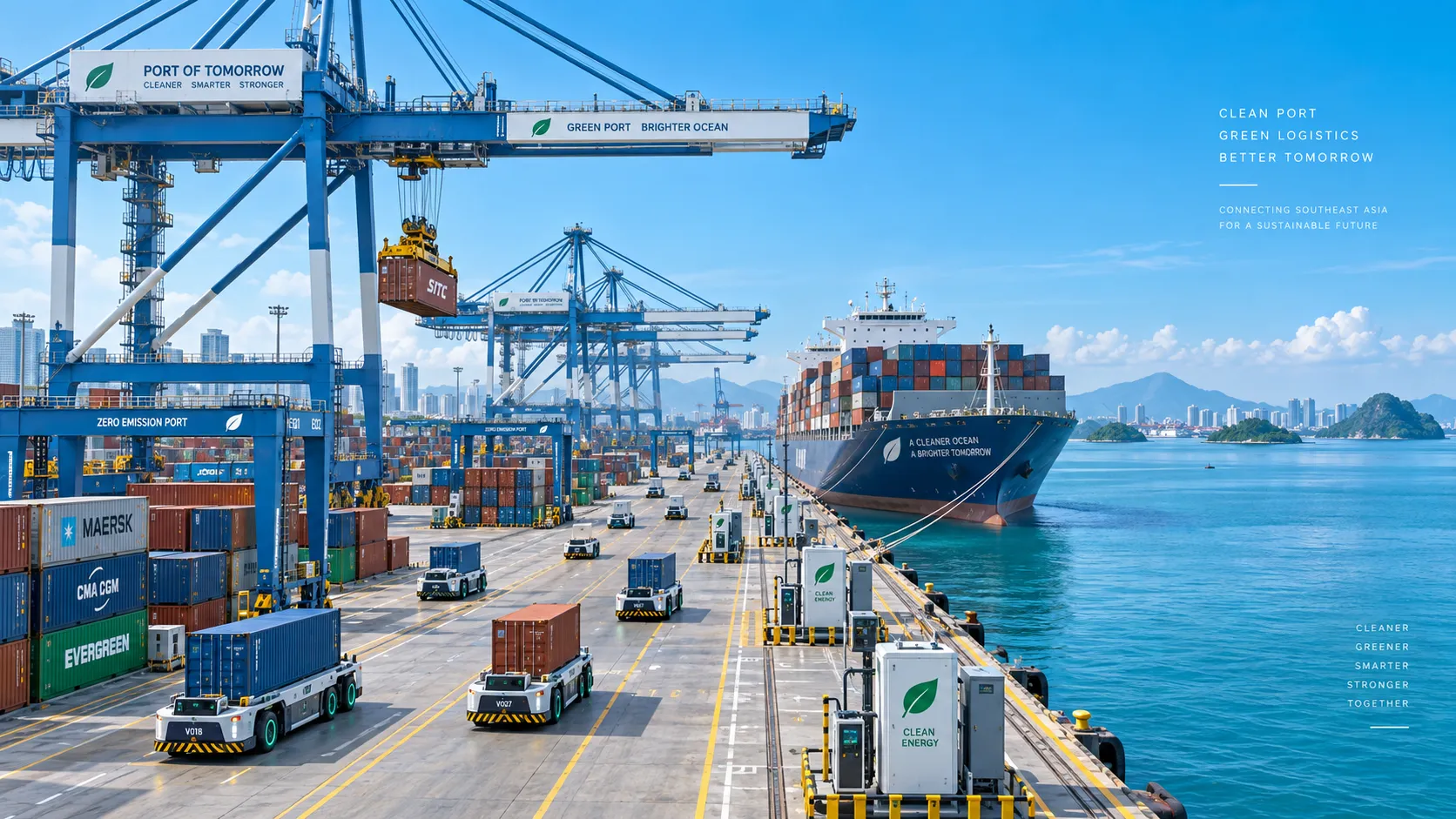
Smart Port Systems in Southeast Asia: Investment Priorities and Adoption Barriers
Smart port systems Southeast Asia: discover investment priorities, adoption barriers, and practical steps to build resilient, connected, high-performing terminals.
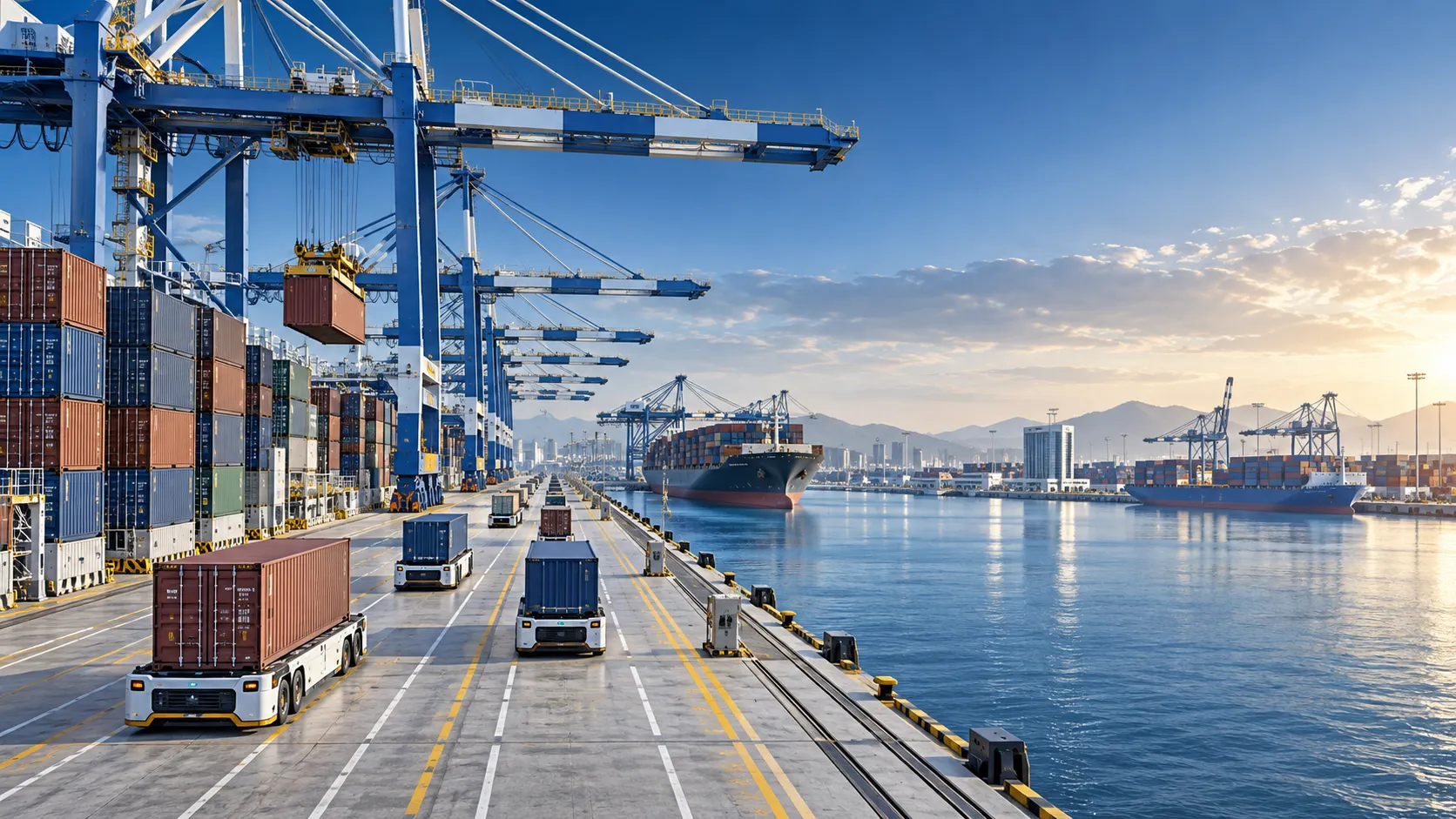
How to Evaluate Terminal Efficiency Solution Suppliers for High-Throughput Operations
Choose a terminal efficiency solutions supplier with confidence. Explore proven criteria for throughput, integration, lifecycle cost, safety, and reliable delivery.
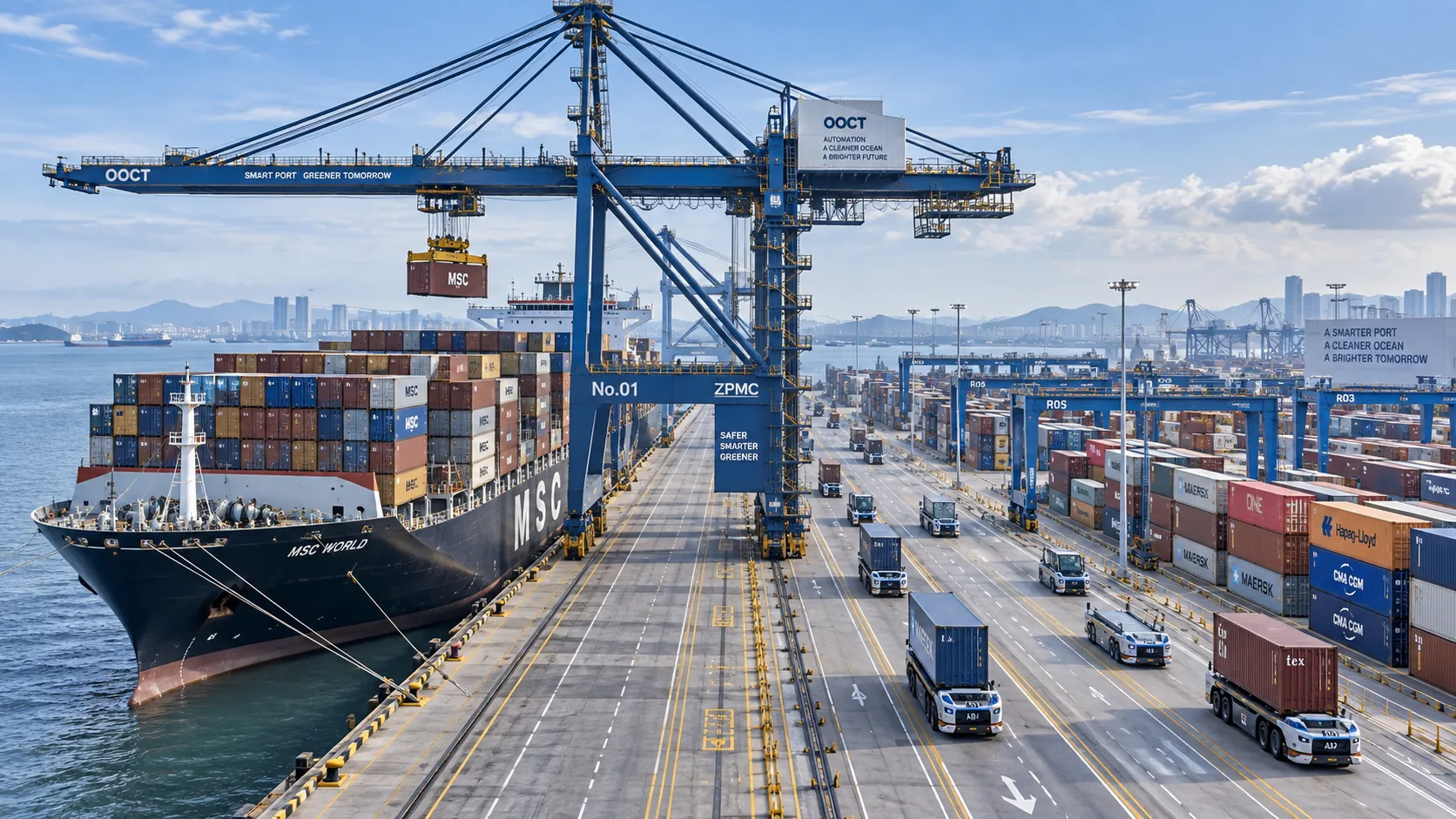
How to Specify a Quay Crane for Container Terminals by Vessel Size and Throughput?
Quay crane for container terminals: learn how to match outreach, lift height, capacity, automation, and cycle performance to vessel size and throughput goals.
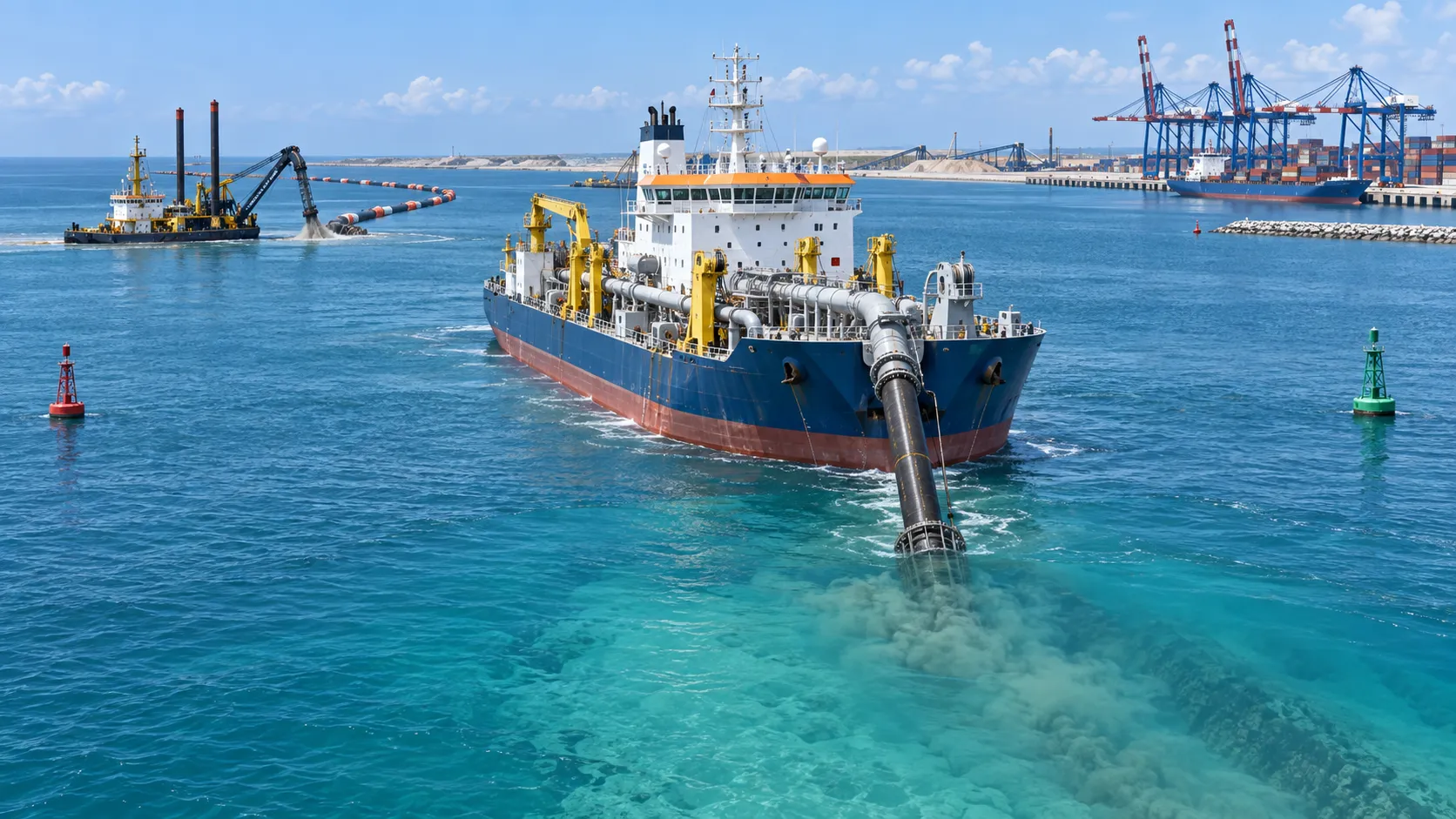
What Dredging Equipment Is Needed for Channel Deepening?
What dredging equipment is needed for channel deepening? Explore dredgers, pipelines, survey tools, and planning strategies for safer, more efficient port access.
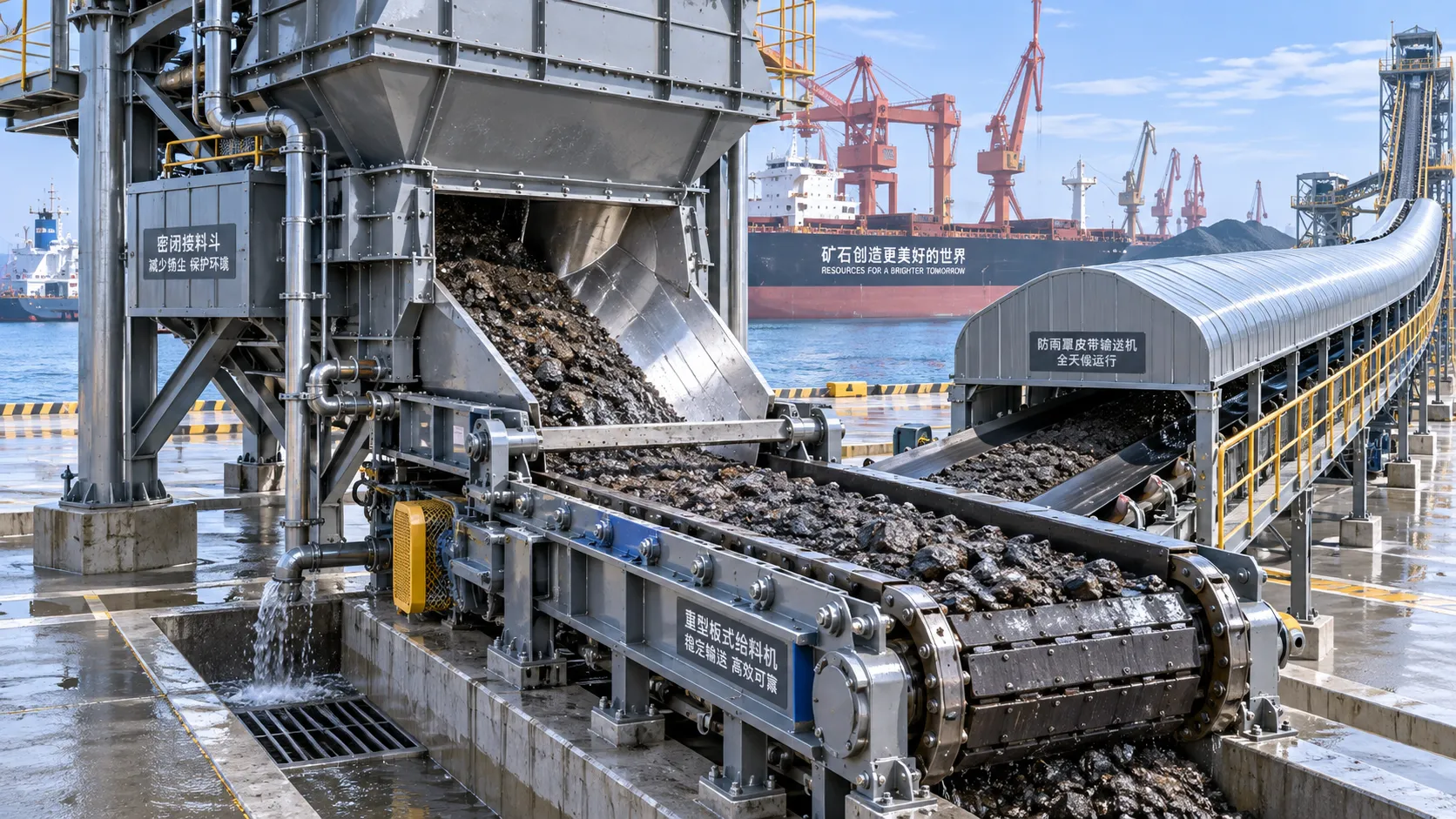
Which Bulk Handling Equipment Suits High-Moisture Cargo?
Which bulk handling equipment suits high-moisture cargo? Compare belt, apron, screw, drag, and slurry systems for reliable flow, less carryback, and higher terminal uptime.
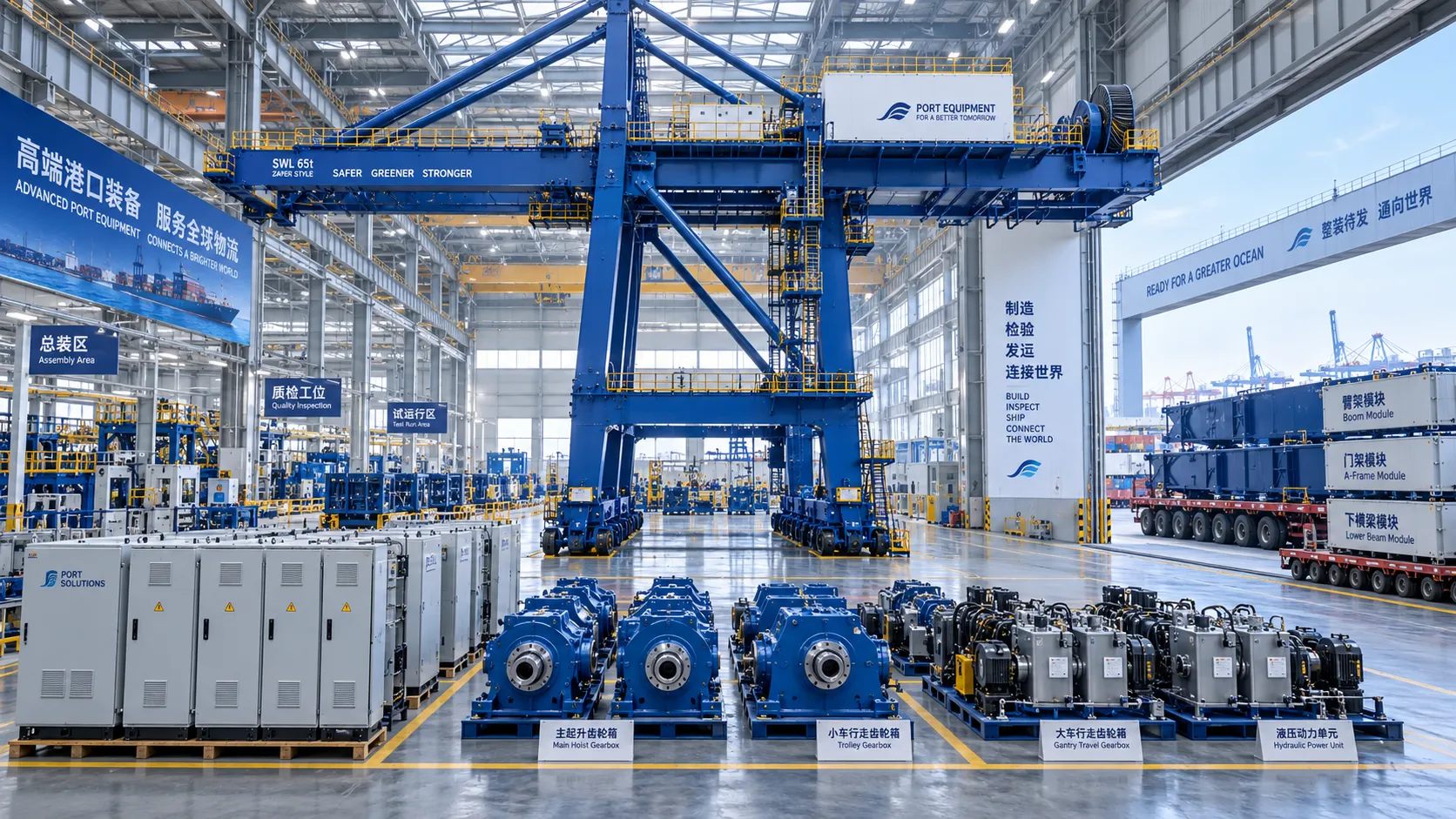
How Can Port Equipment Lead-Time Risk Be Managed?
How can port equipment lead-time risk be managed? Explore practical strategies to control critical paths, suppliers, transport, site readiness, and commissioning delays.
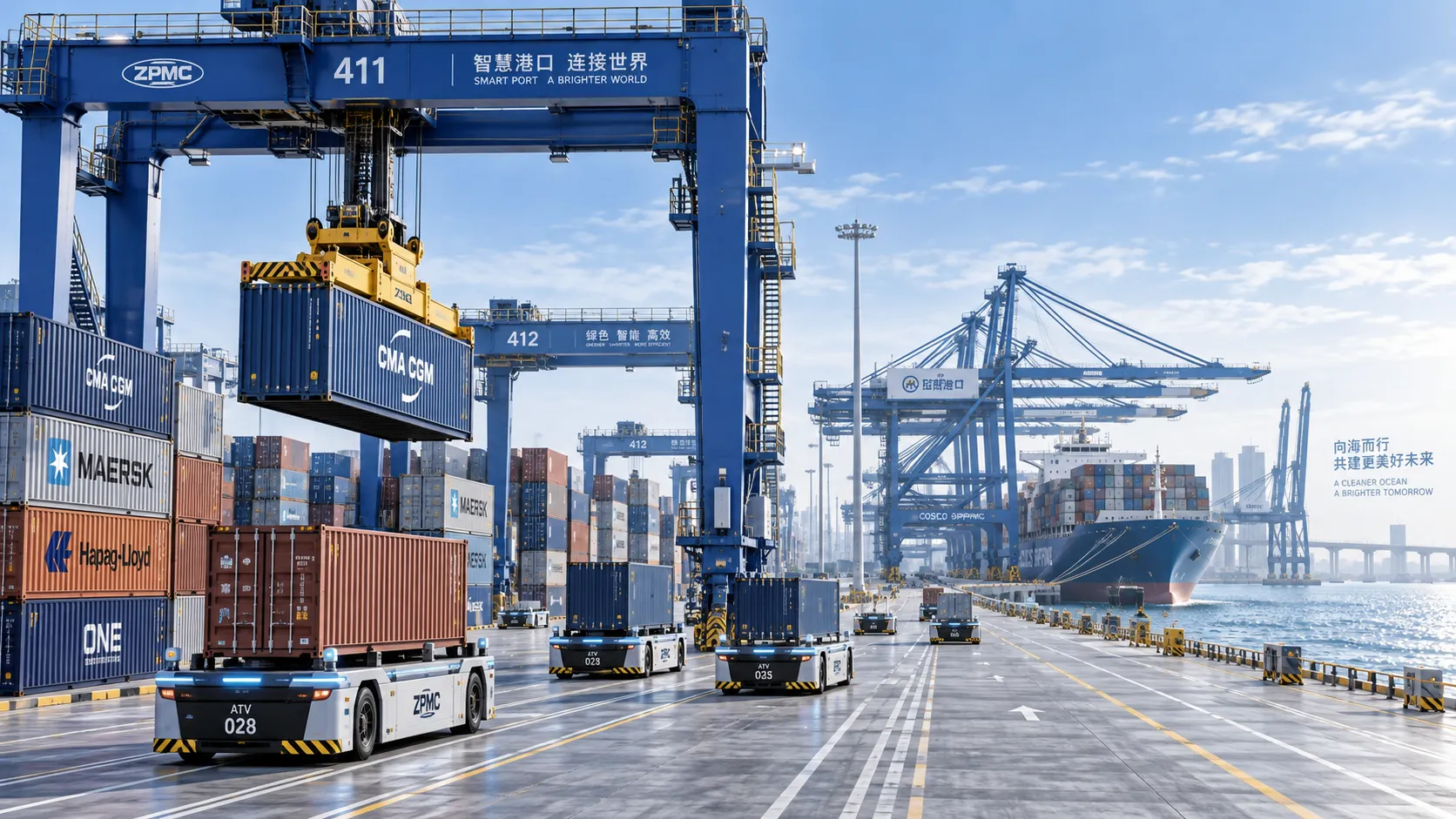
Terminal Automation Technologies That Raise Container Throughput Without Yard Disruption
Terminal automation technology that increases container throughput without disrupting yard flow. Explore smarter integration, resilient workflows, and phased deployment strategies.
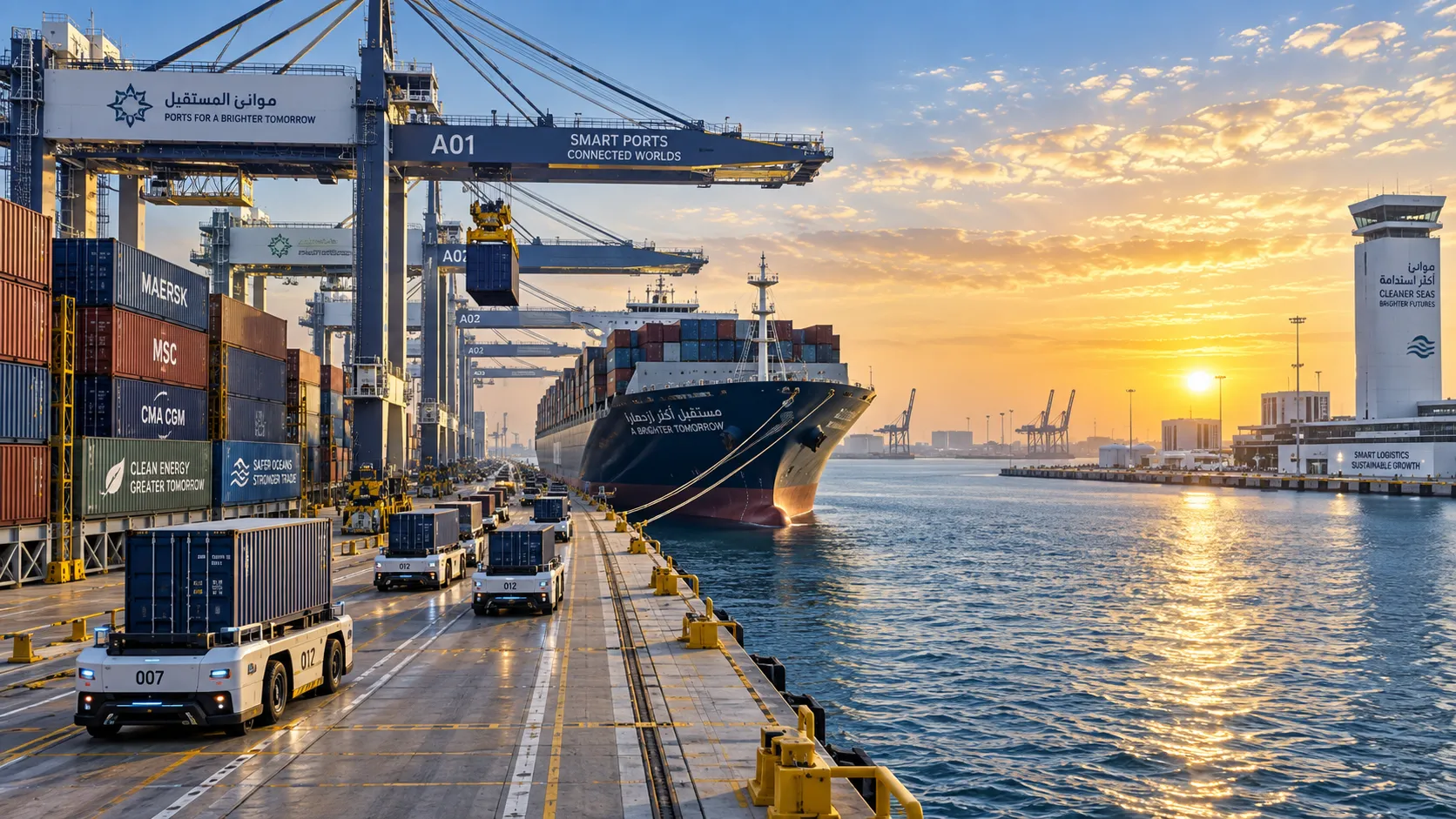
Middle East Port Automation: Key Market Drivers, Projects, and Investment Risks
Port automation systems Middle East: explore market drivers, flagship projects, integration challenges, and investment risks shaping smarter, resilient terminals.
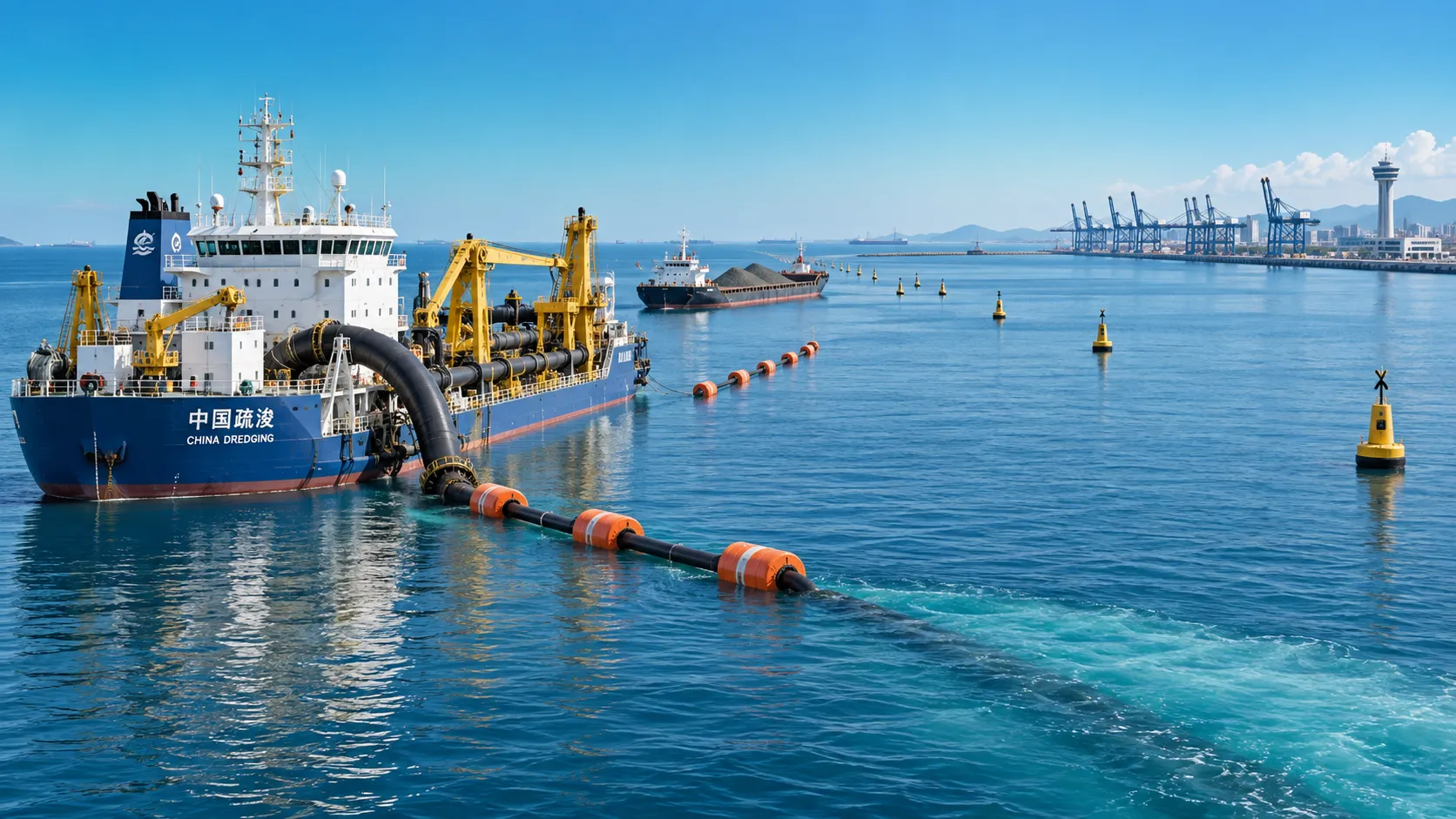
Planning Offshore Dredging Operations: Key Risks, Methods, and Project Controls
Offshore dredging operations demand smart planning. Explore key risks, proven methods, environmental controls, and project strategies for reliable delivery.