Related News
- 00
0000-00
How to Specify a Quay Crane for Container Terminals by Vessel Size and Throughput? - 00
0000-00
Which Bulk Handling Equipment Suits High-Moisture Cargo? - 00
0000-00
Terminal Automation Technologies That Raise Container Throughput Without Yard Disruption - 00
0000-00
Planning Offshore Dredging Operations: Key Risks, Methods, and Project Controls - 00
0000-00
Where Do Automated Guided Vehicles Deliver the Fastest Warehouse Gains in the Middle East?
How digital pump monitoring system cuts downtime at sea
For after-sales maintenance teams working in harsh marine conditions, a digital pump monitoring system is becoming essential for reducing unplanned stoppages and speeding up fault response. By turning pump performance data into clear, actionable alerts, it helps crews detect wear, pressure instability, and efficiency loss before they trigger costly downtime at sea.
Why a digital pump monitoring system matters at sea
Marine pumps operate under salt exposure, variable load, vibration, and long duty cycles. Traditional inspection routines often catch issues late, especially when access is limited during active voyages or dredging runs.
A digital pump monitoring system changes the maintenance model from reactive repair to condition-based action. Instead of waiting for a breakdown, crews can follow live trends in pressure, flow, temperature, power draw, and seal behavior.
This is highly relevant across the broader maritime logistics chain. Terminal support vessels, dredgers, ballast systems, cooling loops, fire pumps, and hydraulic support units all depend on reliable pump performance.
In heavy terminal gear and port automation environments, even one pump failure can delay cargo handling, berth turnaround, or sediment transport schedules. The cost is not only repair labor, but also idle assets, missed slots, and operational disruption.
Checklist: how to use a digital pump monitoring system to cut downtime
Use the following checklist to evaluate performance, sharpen diagnostics, and improve response speed when deploying a digital pump monitoring system onboard or within marine support infrastructure.
- Map critical pumps first, then rank them by mission impact, repair difficulty, and failure history before connecting every unit to the digital pump monitoring system.
- Track baseline pressure, flow, vibration, bearing temperature, and motor current during healthy operation so later deviations are measured against real working conditions.
- Set alarm thresholds by operating mode, because startup, standby, dredging load, ballast transfer, and flushing cycles produce different normal data patterns.
- Link sensor data with maintenance logs, seal replacements, impeller changes, and dry dock records to make the digital pump monitoring system more diagnostic than descriptive.
- Watch trend speed, not just absolute values, since a fast pressure drop or rising current often signals blockage, cavitation, or wear before limits are crossed.
- Correlate suction and discharge readings to identify restriction, leakage, or unstable feed conditions instead of treating each alarm as an isolated event.
- Use remote alerts with clear fault labels so response teams can separate urgent shutdown risks from serviceable anomalies during offshore or voyage operations.
- Verify sensor integrity routinely, because salt mist, cable fatigue, loose fittings, and calibration drift can degrade the accuracy of any digital pump monitoring system.
- Build simple response playbooks for high-frequency alarms, including suction loss, overheating, seal leakage, or abnormal vibration, to reduce decision delay onboard.
- Review weekly trend reports and failure near-misses so the digital pump monitoring system continuously improves maintenance timing and spare parts planning.
Key performance signals that deserve constant attention
Pressure and flow stability
Stable pressure and flow indicate that hydraulic conditions are healthy. Sudden fluctuation may point to suction blockage, entrained air, valve issues, or internal wear.
A digital pump monitoring system helps distinguish between short process changes and a developing fault. That distinction is vital when stopping the pump immediately would disrupt a larger operation.
Temperature and motor load
Rising bearing temperature or unusual motor current often appears before complete failure. These signals may reveal lubrication problems, misalignment, overload, or friction from worn internal parts.
When the digital pump monitoring system trends temperature together with power draw, fault isolation becomes faster. Teams can decide whether to derate, inspect, or keep operating until the next safe maintenance window.
Vibration and seal condition
Abnormal vibration is a classic warning sign in marine pump maintenance. It can result from cavitation, imbalance, shaft movement, loose mounting, or damaged bearings.
A digital pump monitoring system does more than raise a warning. It captures trends over time, helping teams identify whether the fault is progressive or linked to a specific operating state.
Where this approach delivers the most value
Dredging equipment and slurry transfer
Dredging pumps face abrasive material, unstable load, and long continuous runs. In this environment, a digital pump monitoring system is especially useful for identifying wear progression before throughput drops sharply.
Because dredging schedules are tightly linked to fuel, tide windows, and disposal routes, reducing one pump-related stoppage can protect a full chain of operational commitments.
Port support vessels and utility systems
Cooling water pumps, ballast pumps, bilge pumps, and firefighting support systems all benefit from continuous condition visibility. These assets may look secondary, yet their failure can halt mission-critical vessel functions.
In automated or semi-automated port ecosystems, the digital pump monitoring system also supports faster maintenance coordination between vessel crews, shore teams, and service contractors.
Heavy terminal gear and hydraulic auxiliaries
Many cranes, transfer platforms, and marine handling systems rely on pumps within cooling, lubrication, or hydraulic support circuits. A hidden auxiliary fault can still trigger major equipment downtime.
Using a digital pump monitoring system in these applications improves asset readiness and supports data-backed service intervals instead of calendar-only maintenance decisions.
Common oversights that increase downtime risk
Ignoring operating context. A pressure alert during startup may be normal, while the same reading under steady load may indicate a serious issue. Context-sensitive thresholds are essential.
Installing sensors without response rules. Data alone does not cut downtime. The digital pump monitoring system must be paired with clear actions, escalation timing, and shutdown criteria.
Monitoring only one parameter. A single temperature or vibration signal can mislead. Reliable diagnosis usually requires combined analysis across hydraulic, thermal, and electrical indicators.
Skipping baseline capture after overhaul. If no fresh benchmark is recorded after repair, teams lose the best reference point for detecting renewed degradation.
Underestimating communications reliability. Offshore connectivity gaps, poor cabling, or unstable gateways can delay alarm delivery and weaken trust in the digital pump monitoring system.
Practical execution steps for marine operations
- Start with one high-risk pump group, then expand after confirming sensor quality, alarm relevance, and maintenance workflow fit.
- Define three alarm levels: advisory, intervention, and shutdown risk, with one action owner for each level.
- Standardize data review during watch handover or daily technical briefings to keep the digital pump monitoring system operationally visible.
- Use fault history to stock seals, bearings, filters, and wear parts according to actual condition patterns, not assumptions.
- Export monthly trend summaries to support service planning, warranty evidence, and lifecycle performance analysis.
Conclusion: turn pump data into faster action
A digital pump monitoring system is no longer just a useful upgrade for marine maintenance. It is a practical tool for protecting uptime, shortening diagnosis, and reducing operational uncertainty across vessels, dredging assets, and port-linked equipment.
The most effective approach is simple: identify critical pumps, capture a healthy baseline, define action thresholds, and review trends regularly. When the digital pump monitoring system is connected to real maintenance decisions, downtime at sea becomes easier to predict, contain, and avoid.
The next step is to audit current pump failure points, choose the most disruption-prone assets, and implement monitoring where one avoided stoppage delivers immediate operational value.
Related News
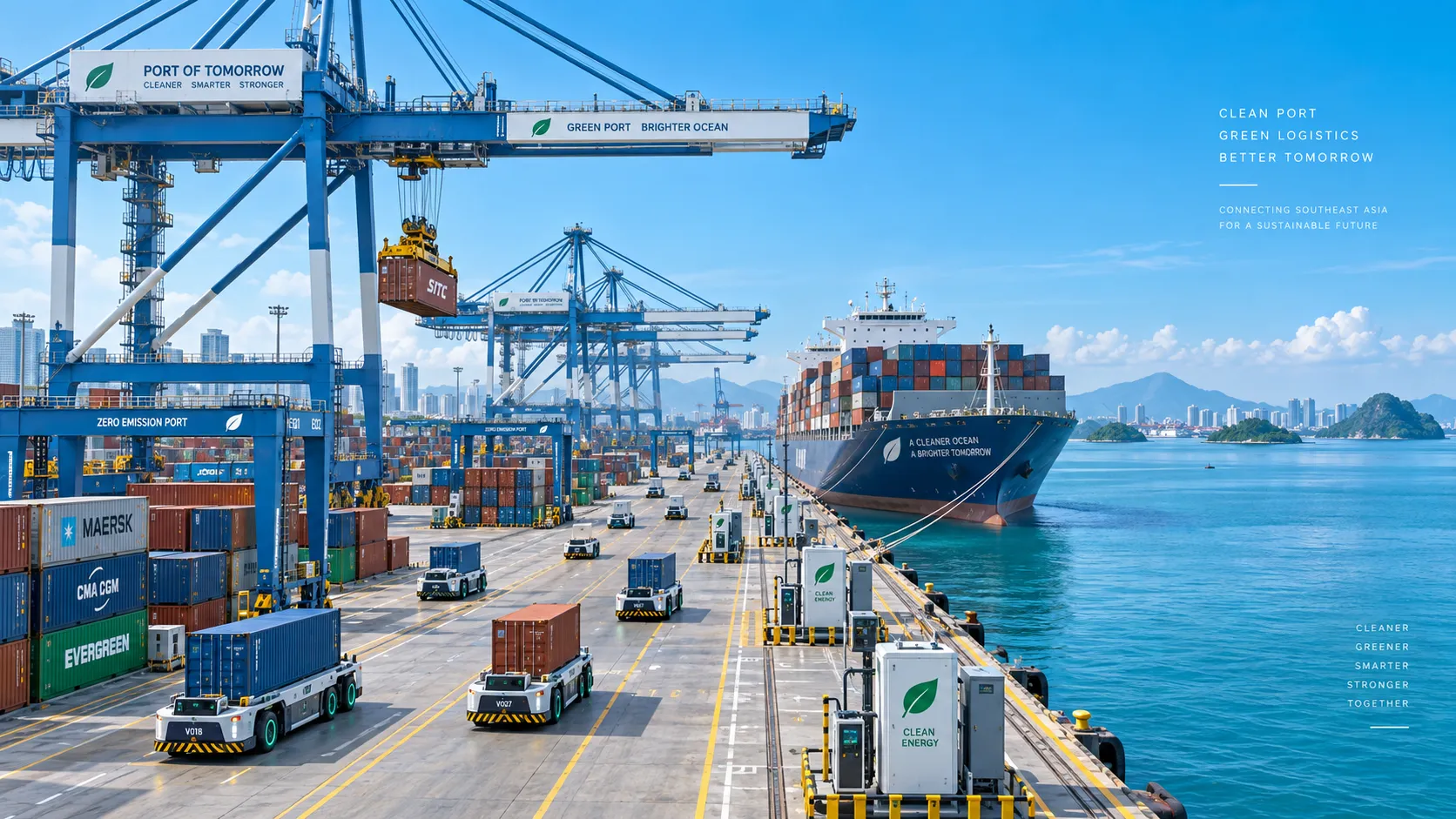
Smart Port Systems in Southeast Asia: Investment Priorities and Adoption Barriers
Smart port systems Southeast Asia: discover investment priorities, adoption barriers, and practical steps to build resilient, connected, high-performing terminals.

How to Evaluate Terminal Efficiency Solution Suppliers for High-Throughput Operations
Choose a terminal efficiency solutions supplier with confidence. Explore proven criteria for throughput, integration, lifecycle cost, safety, and reliable delivery.
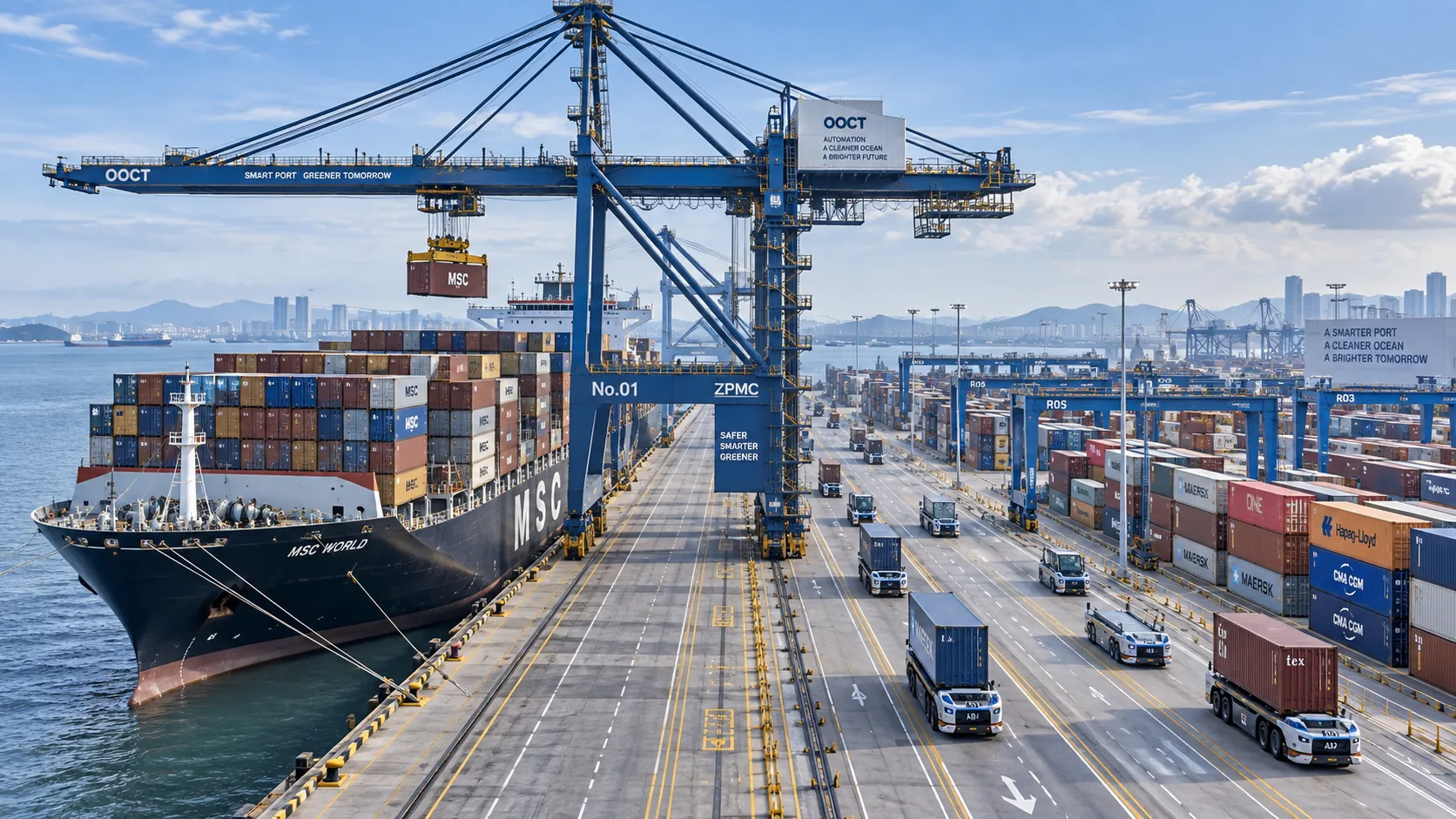
How to Specify a Quay Crane for Container Terminals by Vessel Size and Throughput?
Quay crane for container terminals: learn how to match outreach, lift height, capacity, automation, and cycle performance to vessel size and throughput goals.
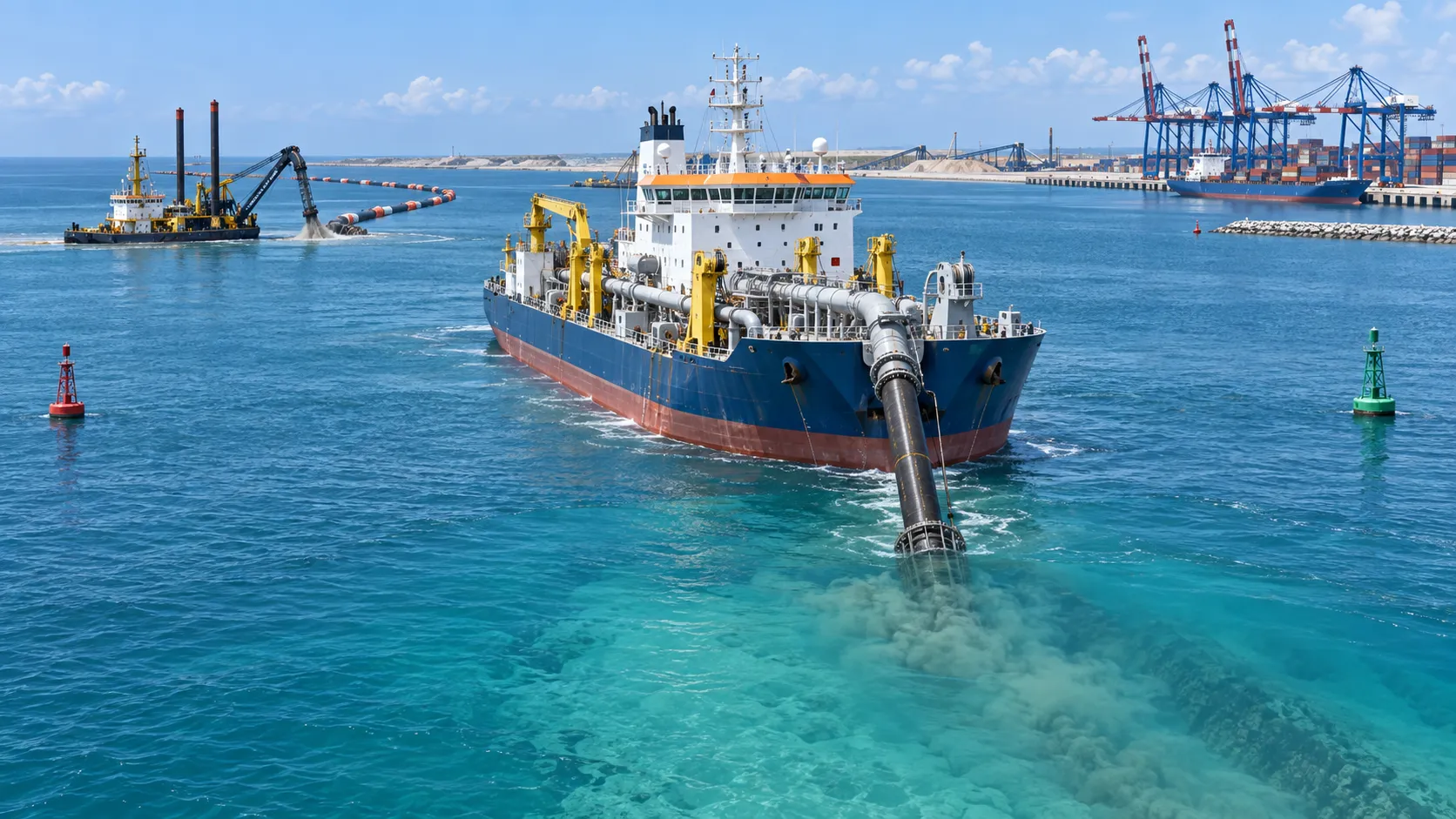
What Dredging Equipment Is Needed for Channel Deepening?
What dredging equipment is needed for channel deepening? Explore dredgers, pipelines, survey tools, and planning strategies for safer, more efficient port access.
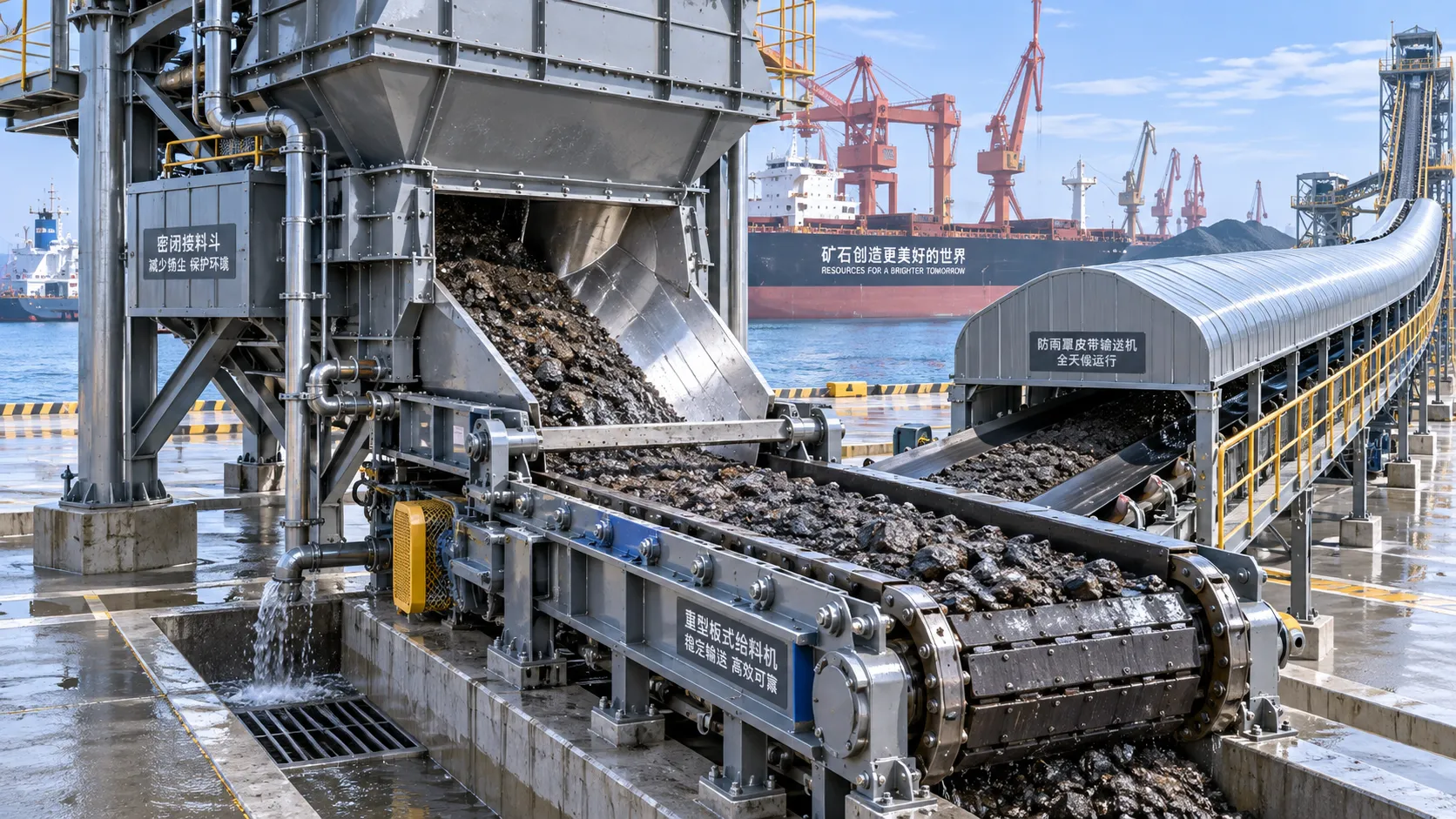
Which Bulk Handling Equipment Suits High-Moisture Cargo?
Which bulk handling equipment suits high-moisture cargo? Compare belt, apron, screw, drag, and slurry systems for reliable flow, less carryback, and higher terminal uptime.
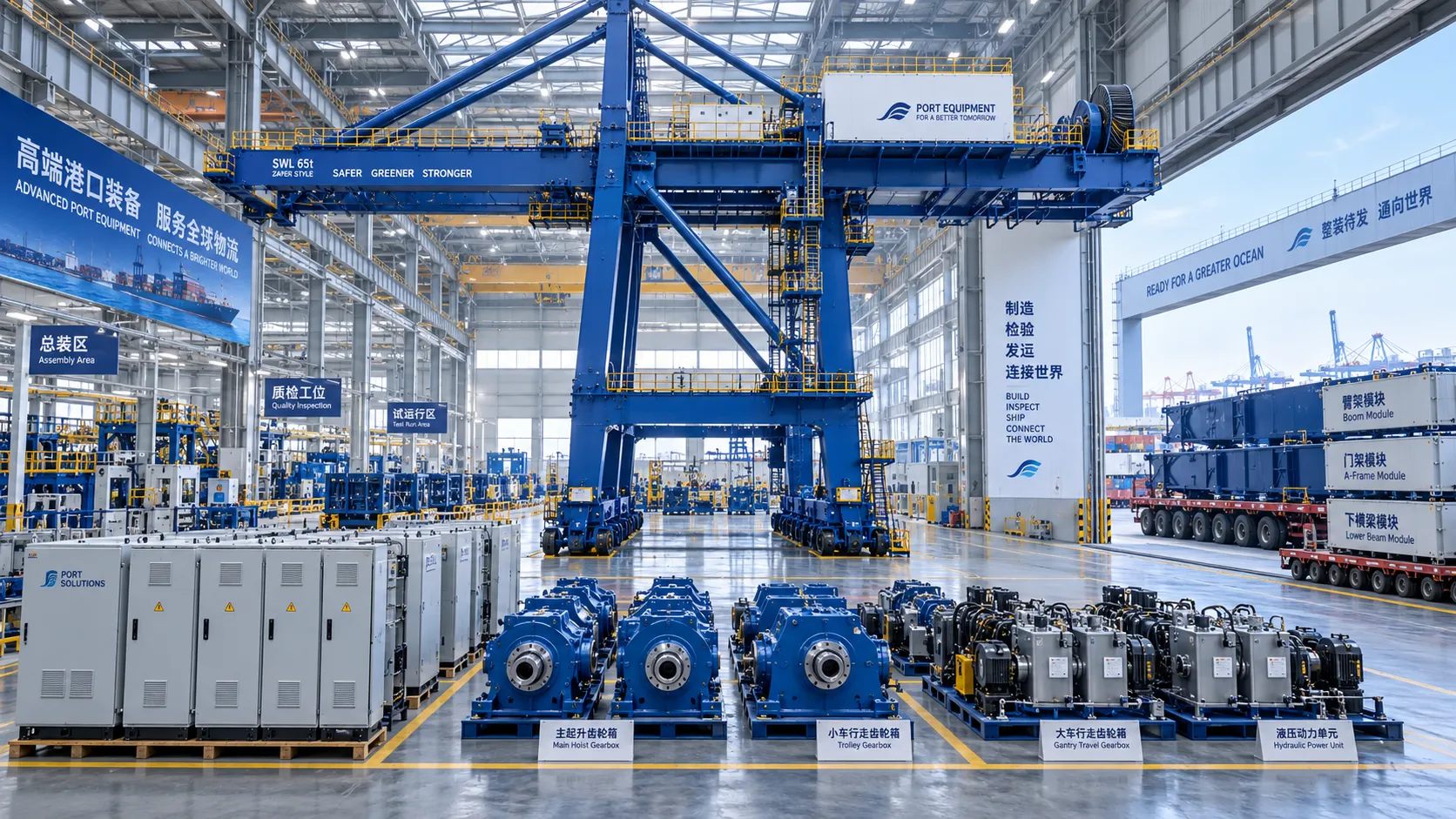
How Can Port Equipment Lead-Time Risk Be Managed?
How can port equipment lead-time risk be managed? Explore practical strategies to control critical paths, suppliers, transport, site readiness, and commissioning delays.
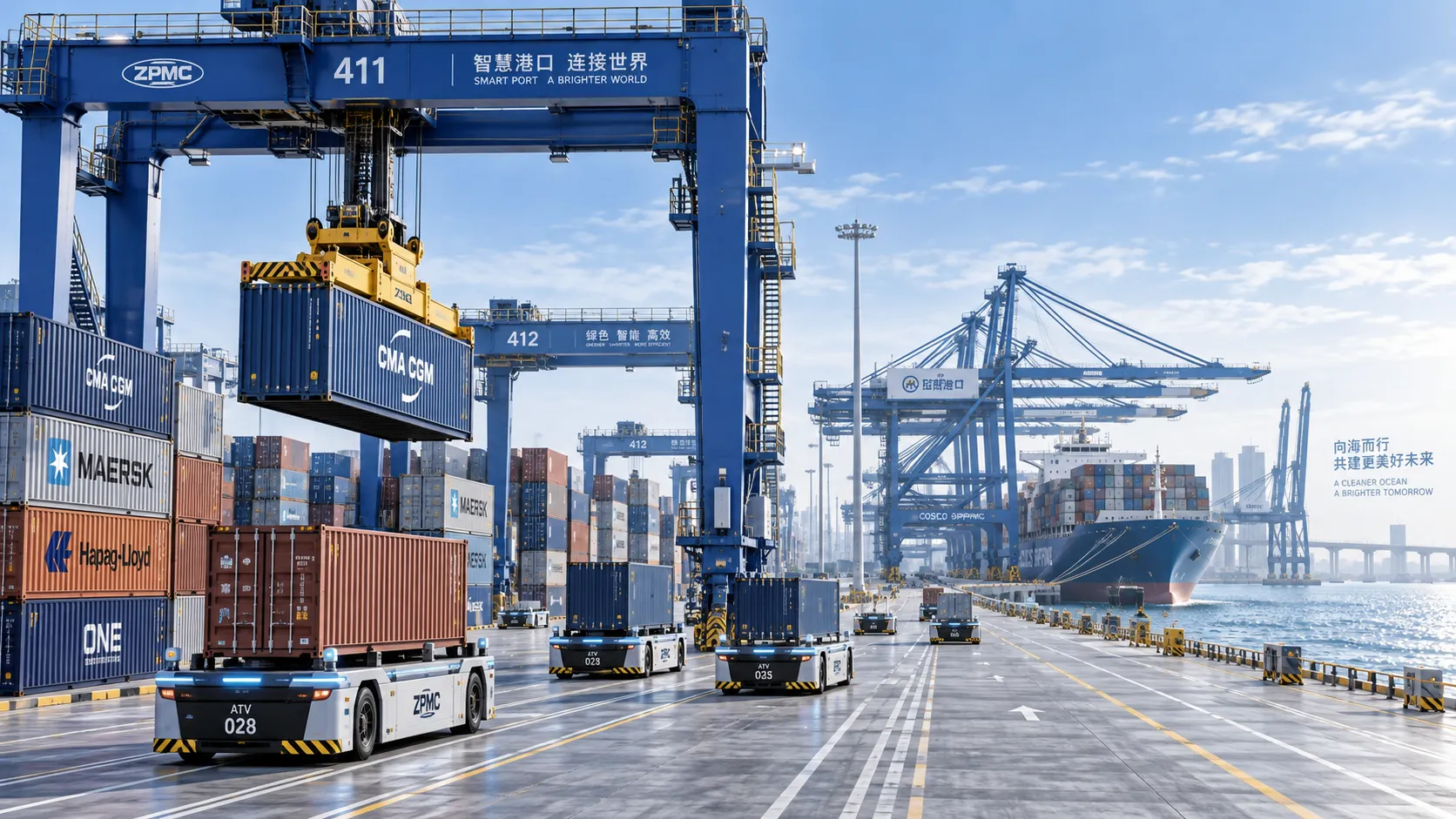
Terminal Automation Technologies That Raise Container Throughput Without Yard Disruption
Terminal automation technology that increases container throughput without disrupting yard flow. Explore smarter integration, resilient workflows, and phased deployment strategies.
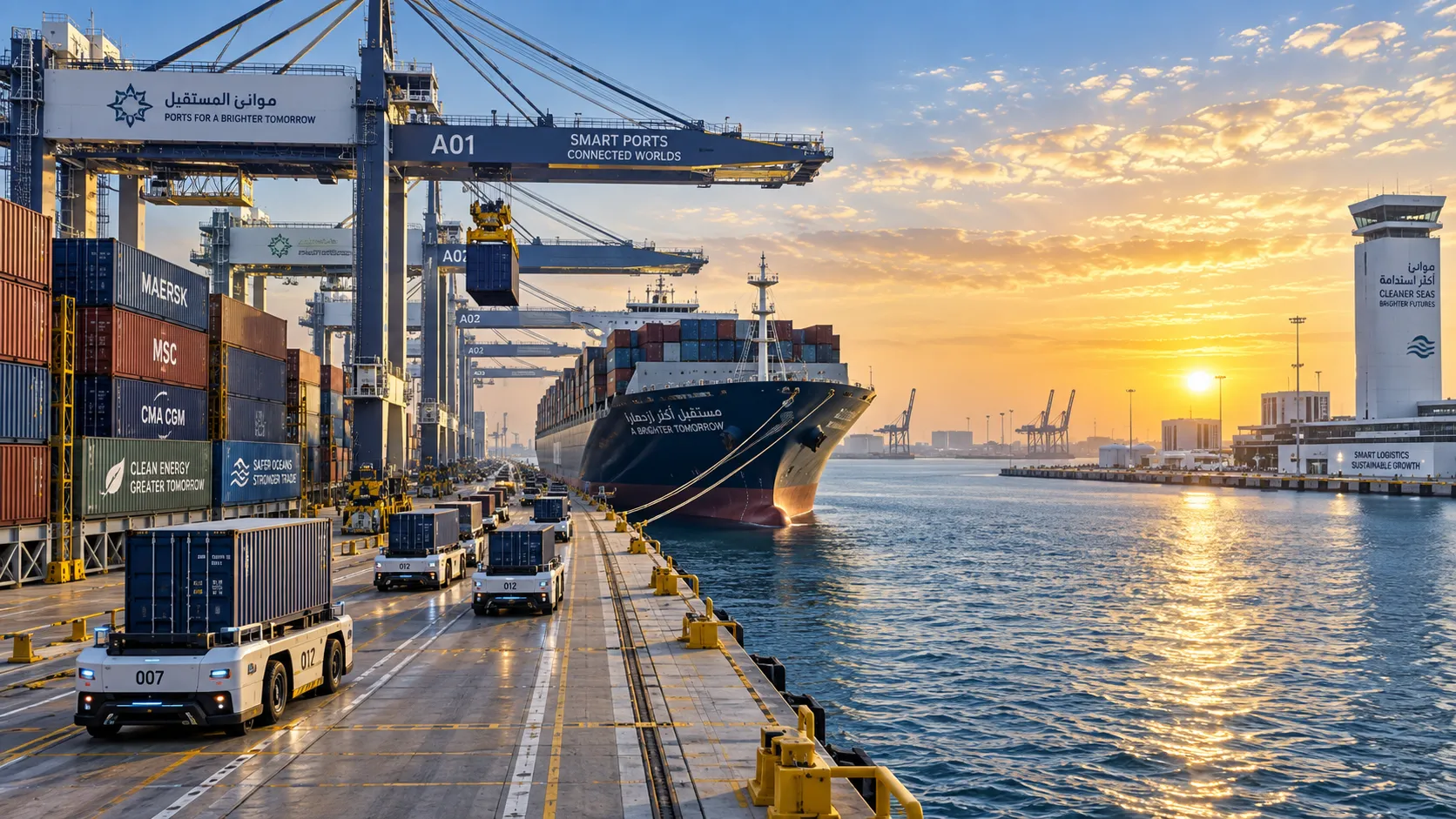
Middle East Port Automation: Key Market Drivers, Projects, and Investment Risks
Port automation systems Middle East: explore market drivers, flagship projects, integration challenges, and investment risks shaping smarter, resilient terminals.
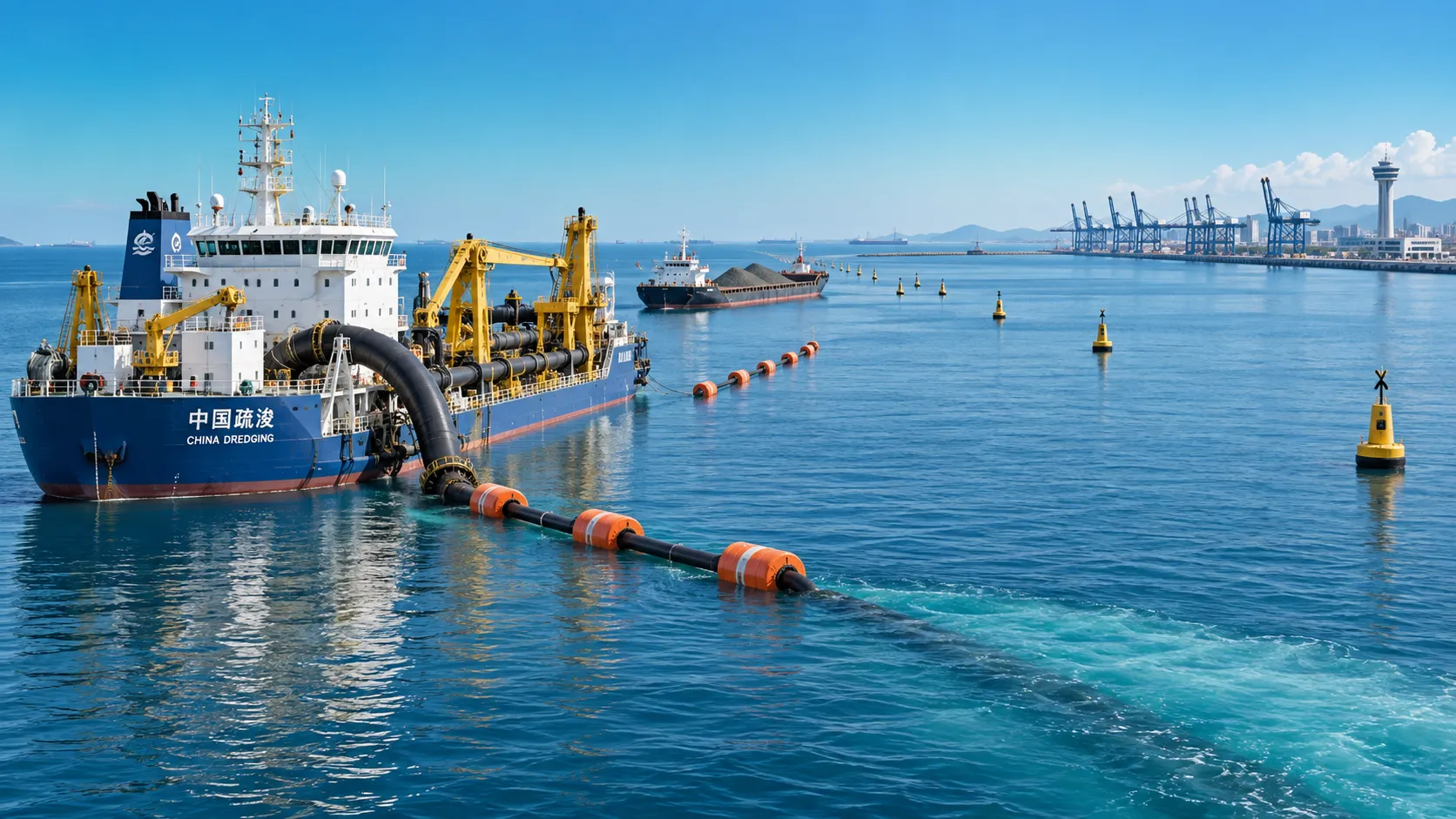
Planning Offshore Dredging Operations: Key Risks, Methods, and Project Controls
Offshore dredging operations demand smart planning. Explore key risks, proven methods, environmental controls, and project strategies for reliable delivery.