Related News
- 00
0000-00
How to Specify a Quay Crane for Container Terminals by Vessel Size and Throughput? - 00
0000-00
Which Bulk Handling Equipment Suits High-Moisture Cargo? - 00
0000-00
Terminal Automation Technologies That Raise Container Throughput Without Yard Disruption - 00
0000-00
Planning Offshore Dredging Operations: Key Risks, Methods, and Project Controls - 00
0000-00
Where Do Automated Guided Vehicles Deliver the Fastest Warehouse Gains in the Middle East?
What marine engineering solutions matter most in retrofits
For retrofit programs across vessels, terminals, and dredging-linked assets, the most effective marine engineering solutions are rarely single upgrades. They are coordinated choices that protect uptime, improve efficiency, and reduce future constraints.
In practice, retrofit success depends on how structural changes, control systems, energy performance, and waterside interfaces work together. Strong planning turns marine engineering solutions into measurable operational value rather than short-term technical fixes.
Why retrofit context changes which marine engineering solutions matter most
Not every retrofit faces the same constraints. A quay crane modernization differs from a dredger pump upgrade, and both differ from a berth reinforcement project.
The right marine engineering solutions depend on five variables: asset age, duty cycle, environmental exposure, integration complexity, and required downtime window.
PS-Nexus tracks these differences closely because terminal gear, automation, and dredging engineering intersect with larger trade patterns. Retrofit decisions now affect not only maintenance budgets, but also throughput resilience and competitive positioning.
- Older steel structures may need fatigue analysis before any equipment upgrade.
- Automated operations need communication and control compatibility first.
- Energy-focused retrofits require electrical and load-profile verification.
- Dredging interfaces must consider sediment behavior and berth geometry.
Scenario 1: When structural retrofits define the whole upgrade pathway
In many ports and offshore assets, structural limitations appear before mechanical limitations. That makes reinforcement, corrosion renewal, and load redistribution the first marine engineering solutions to assess.
If heavier spreaders, taller crane systems, or revised deck machinery are planned, existing foundations and support members may become the critical bottleneck.
Key judgment points for structural upgrade scenarios
- Remaining fatigue life under revised loading cycles.
- Corrosion extent in splash zones, ballast spaces, and pile interfaces.
- Dynamic response after machinery replacement or speed changes.
- Foundation settlement risk and berth edge capacity.
The best marine engineering solutions here often combine finite element modeling, non-destructive testing, and staged reinforcement. This reduces the risk of upgrading equipment on weak supporting structures.
Scenario 2: When automation integration matters more than hardware replacement
For container yards and bulk terminals, mechanical assets may still be serviceable. The real value may come from automation, controls, and decision-layer upgrades.
In these cases, marine engineering solutions must bridge legacy drives, sensors, PLCs, terminal operating systems, and remote supervision architecture.
What to verify before control-system retrofits
- Signal latency tolerance for remote handling functions.
- Cybersecurity hardening for connected operational technology.
- Interoperability with AGV routing, crane positioning, and gate systems.
- Fallback modes during communication loss or partial outages.
Poorly sequenced automation retrofits can create bottlenecks instead of efficiency. The most practical marine engineering solutions start with interface mapping, protocol review, and phased commissioning under live operating conditions.
Scenario 3: When dredging-linked assets need waterside and landside coordination
Retrofits near channels, berths, and reclamation zones require closer coordination than standard equipment upgrades. Waterside geometry can directly limit landside productivity.
Here, marine engineering solutions may include berth deepening interfaces, revetment protection, pump and pipeline upgrades, and sediment-control monitoring.
Core judgment points in dredging-related retrofits
- Required draft versus future vessel mix.
- Sediment transport behavior after channel modification.
- Pump efficiency, wear profiles, and slurry handling stability.
- Environmental compliance for turbidity and disposal routes.
These marine engineering solutions matter most where throughput gains depend on both navigation access and terminal cycle time. Ignoring either side weakens total retrofit value.
Scenario 4: When energy performance and emissions shape retrofit priorities
Many upgrades now start with energy targets rather than failure events. Electrification, hybridization, and power optimization are becoming central marine engineering solutions in ports and onboard systems.
However, replacing engines, pumps, winches, or hydraulic systems without studying duty cycles can lead to oversizing, unstable loads, or weak returns.
Where energy-focused retrofits create the most value
- Shore power interfaces for berth-side emissions reduction.
- Variable frequency drives on pumps, fans, and conveyors.
- Regenerative systems on lifting and lowering cycles.
- Digital monitoring for fuel, power, and maintenance optimization.
The strongest marine engineering solutions in this scenario connect emissions goals with measured load data, grid readiness, and maintenance capability.
How retrofit needs differ across common marine asset scenarios
Practical ways to match marine engineering solutions to each retrofit scenario
A useful retrofit process starts by identifying the dominant constraint. It may be structure, controls, channel access, energy, or maintenance exposure.
- Define the operating target in measurable terms.
- Map physical, digital, and environmental constraints.
- Rank marine engineering solutions by lifecycle impact, not purchase cost.
- Test integration risks before field execution.
- Plan phased downtime with contingency paths.
This approach helps avoid isolated upgrades that look efficient on paper but disrupt throughput once connected to live port or vessel operations.
Common misjudgments that weaken retrofit results
One common mistake is treating marine engineering solutions as equipment packages only. Retrofit value often depends more on interfaces than on the core machine itself.
- Underestimating corrosion beneath visible surfaces.
- Ignoring software, protocol, and cybersecurity dependencies.
- Assuming dredging depth alone guarantees larger-vessel readiness.
- Focusing on capex savings while increasing maintenance complexity.
- Skipping operator validation during commissioning design.
Another frequent issue is weak future-proofing. Marine engineering solutions should support expected cargo shifts, automation maturity, and emissions rules over the next investment cycle.
What to do next when evaluating marine engineering solutions for retrofits
Start with a scenario-based audit rather than a generic upgrade list. Review structural condition, system interfaces, energy loads, environmental limits, and downtime tolerance together.
Then compare marine engineering solutions against operational outcomes: berth productivity, handling speed, draft access, energy use, maintenance burden, and resilience under traffic variability.
For complex terminal and dredging environments, intelligence-led planning is essential. That is where PS-Nexus adds value through cross-disciplinary insight linking heavy equipment, automation logic, and coastal engineering realities.
The best retrofits are not simply modernized assets. They are aligned systems, built around the marine engineering solutions that fit the real operating scenario and the trade demands ahead.
Related News
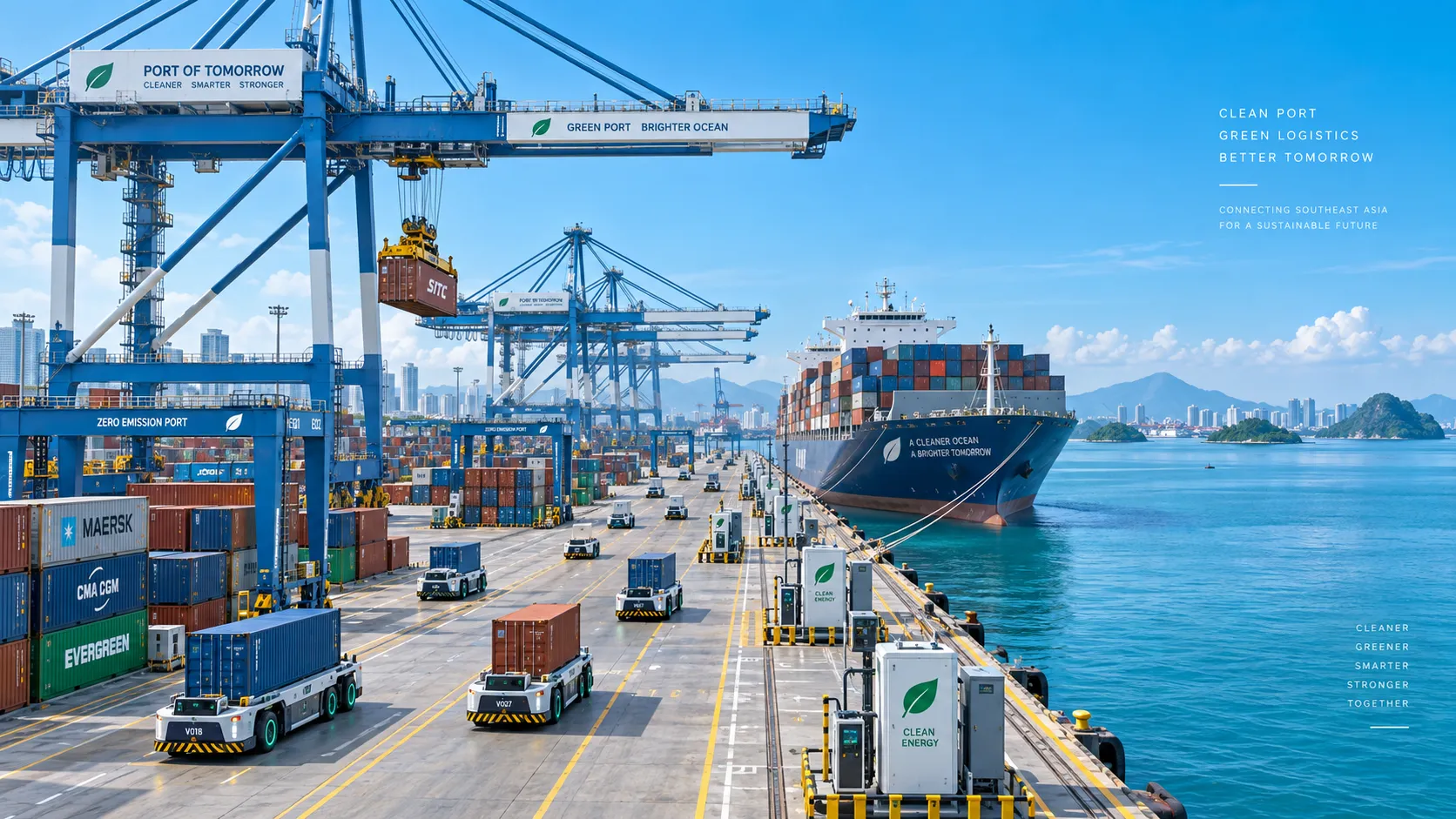
Smart Port Systems in Southeast Asia: Investment Priorities and Adoption Barriers
Smart port systems Southeast Asia: discover investment priorities, adoption barriers, and practical steps to build resilient, connected, high-performing terminals.

How to Evaluate Terminal Efficiency Solution Suppliers for High-Throughput Operations
Choose a terminal efficiency solutions supplier with confidence. Explore proven criteria for throughput, integration, lifecycle cost, safety, and reliable delivery.
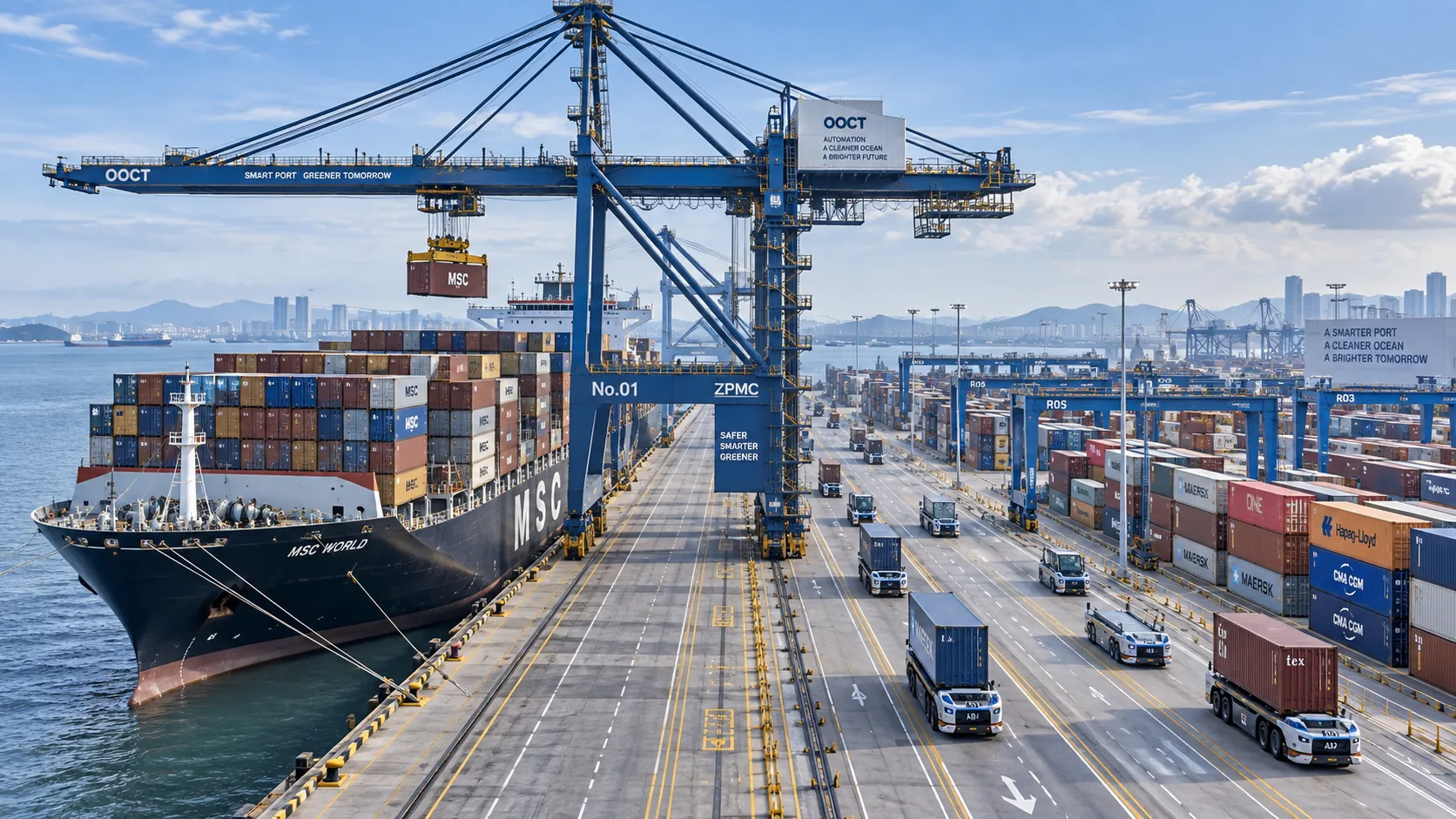
How to Specify a Quay Crane for Container Terminals by Vessel Size and Throughput?
Quay crane for container terminals: learn how to match outreach, lift height, capacity, automation, and cycle performance to vessel size and throughput goals.
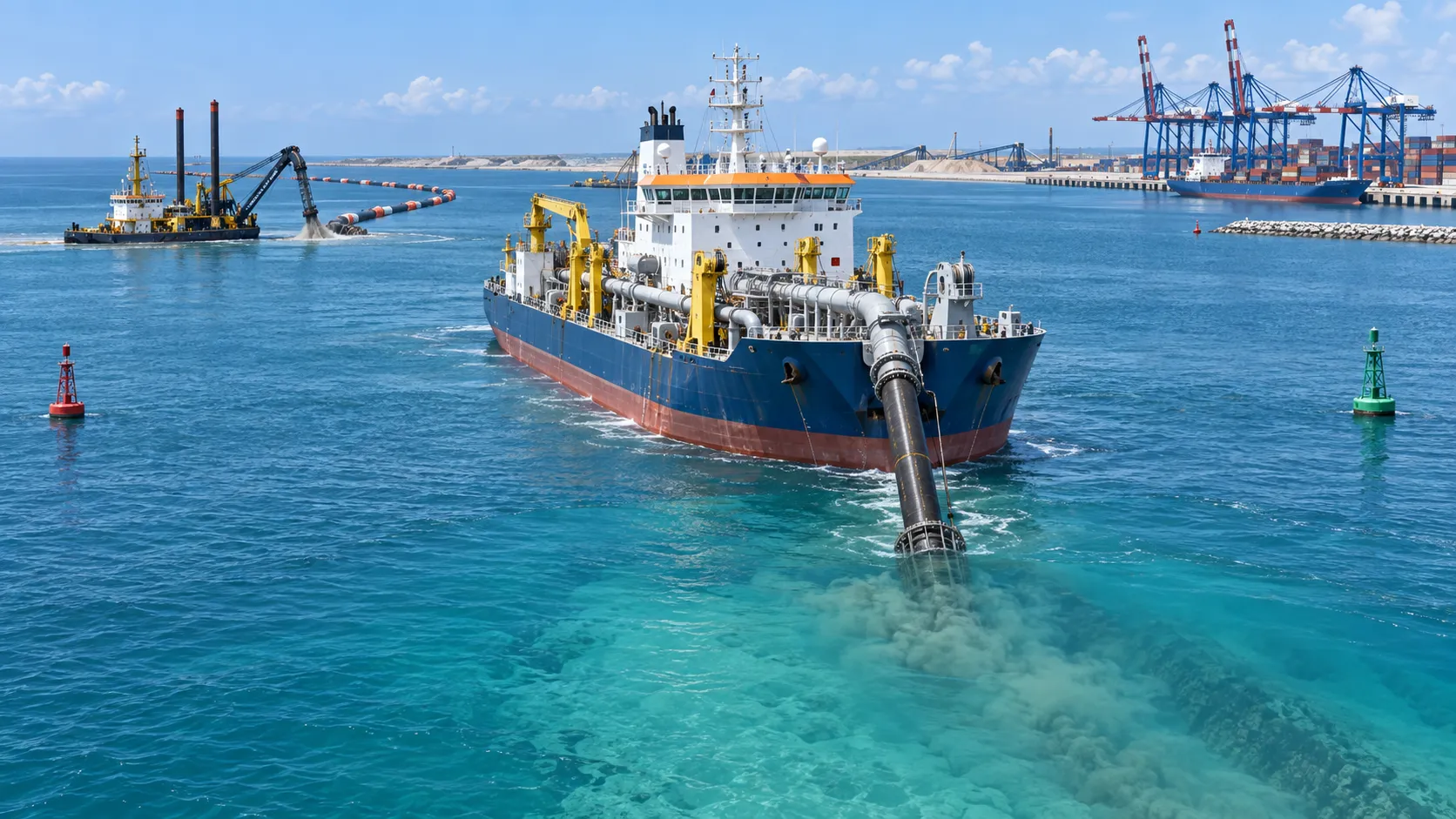
What Dredging Equipment Is Needed for Channel Deepening?
What dredging equipment is needed for channel deepening? Explore dredgers, pipelines, survey tools, and planning strategies for safer, more efficient port access.
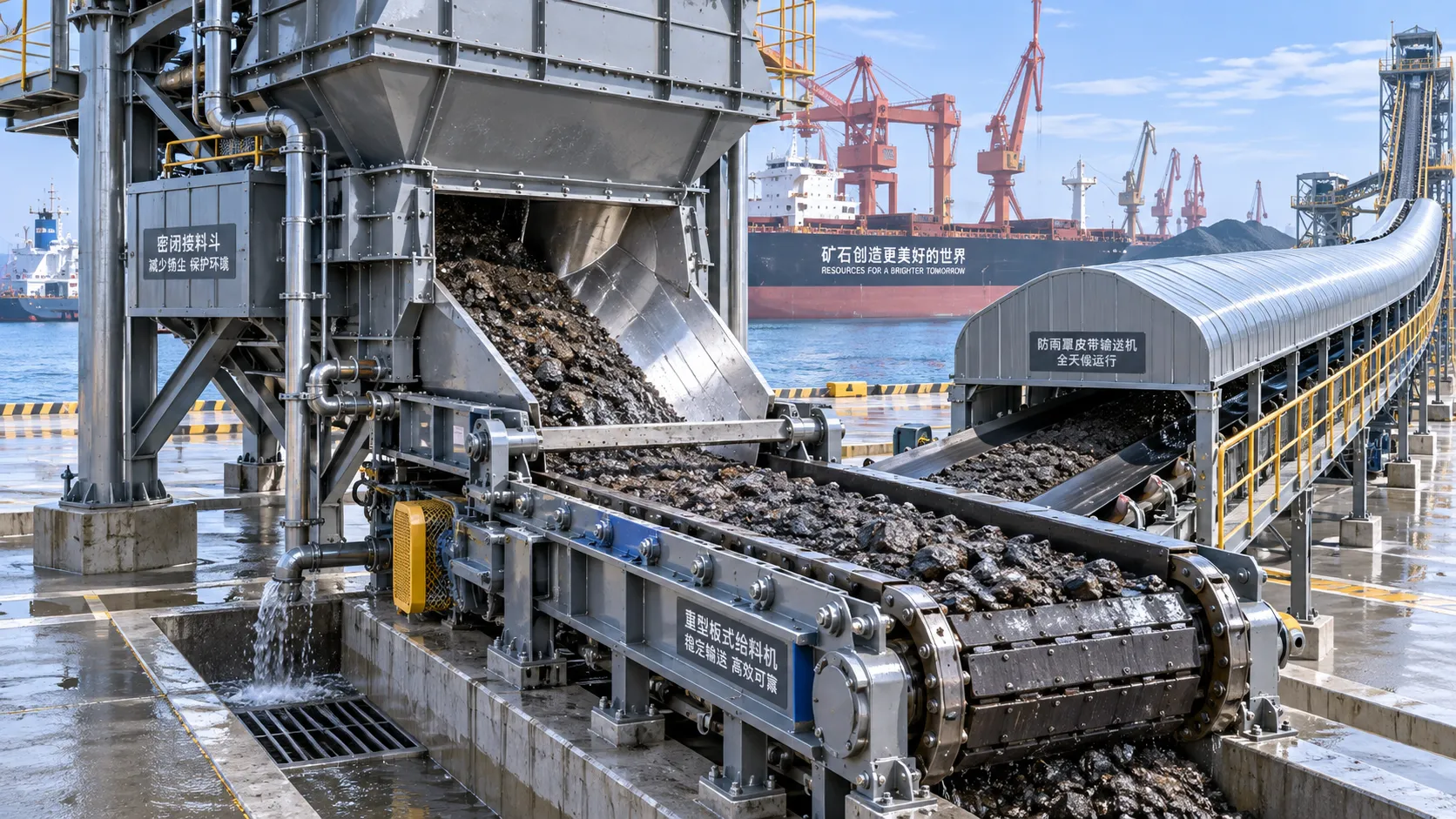
Which Bulk Handling Equipment Suits High-Moisture Cargo?
Which bulk handling equipment suits high-moisture cargo? Compare belt, apron, screw, drag, and slurry systems for reliable flow, less carryback, and higher terminal uptime.
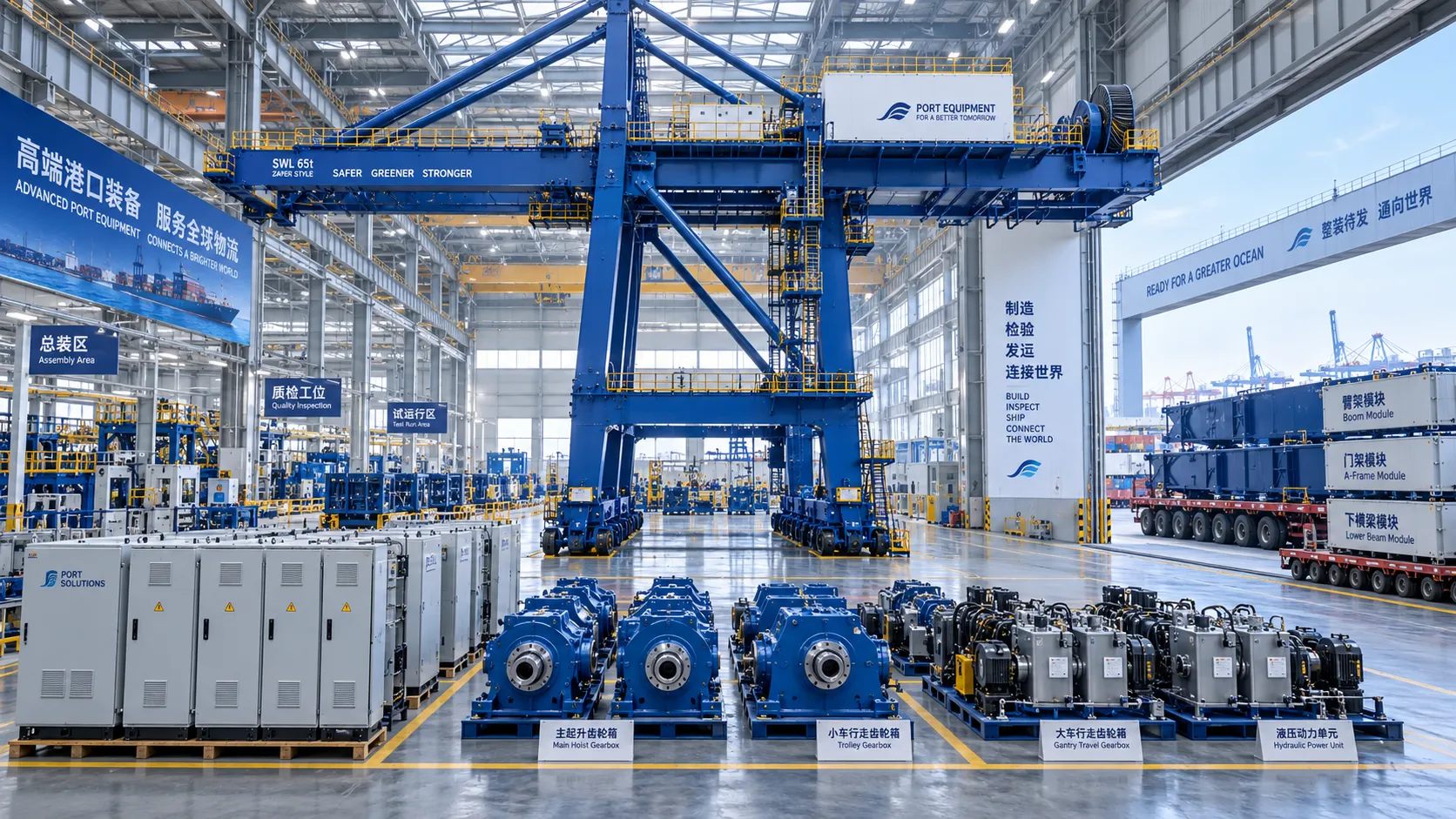
How Can Port Equipment Lead-Time Risk Be Managed?
How can port equipment lead-time risk be managed? Explore practical strategies to control critical paths, suppliers, transport, site readiness, and commissioning delays.
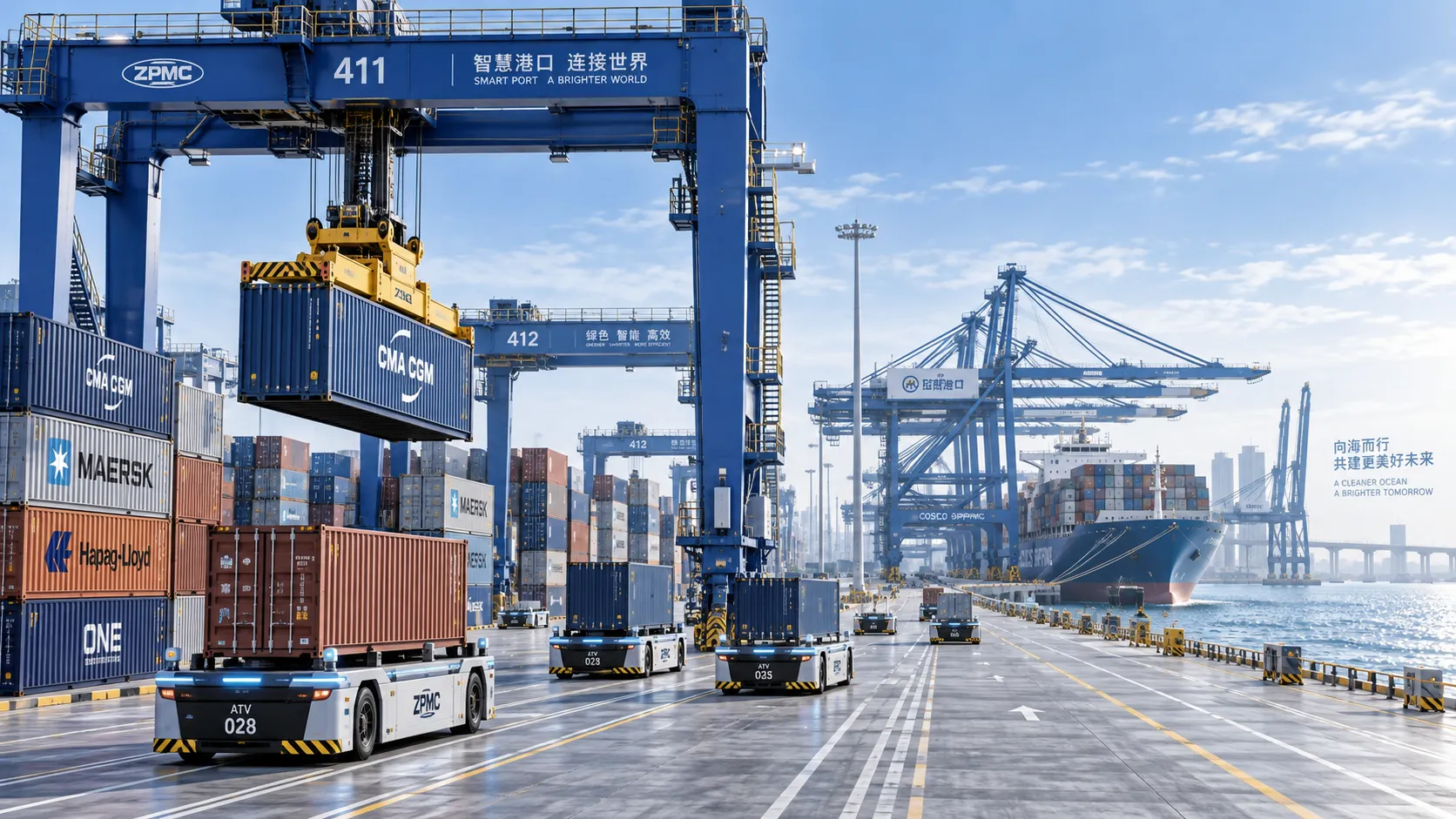
Terminal Automation Technologies That Raise Container Throughput Without Yard Disruption
Terminal automation technology that increases container throughput without disrupting yard flow. Explore smarter integration, resilient workflows, and phased deployment strategies.
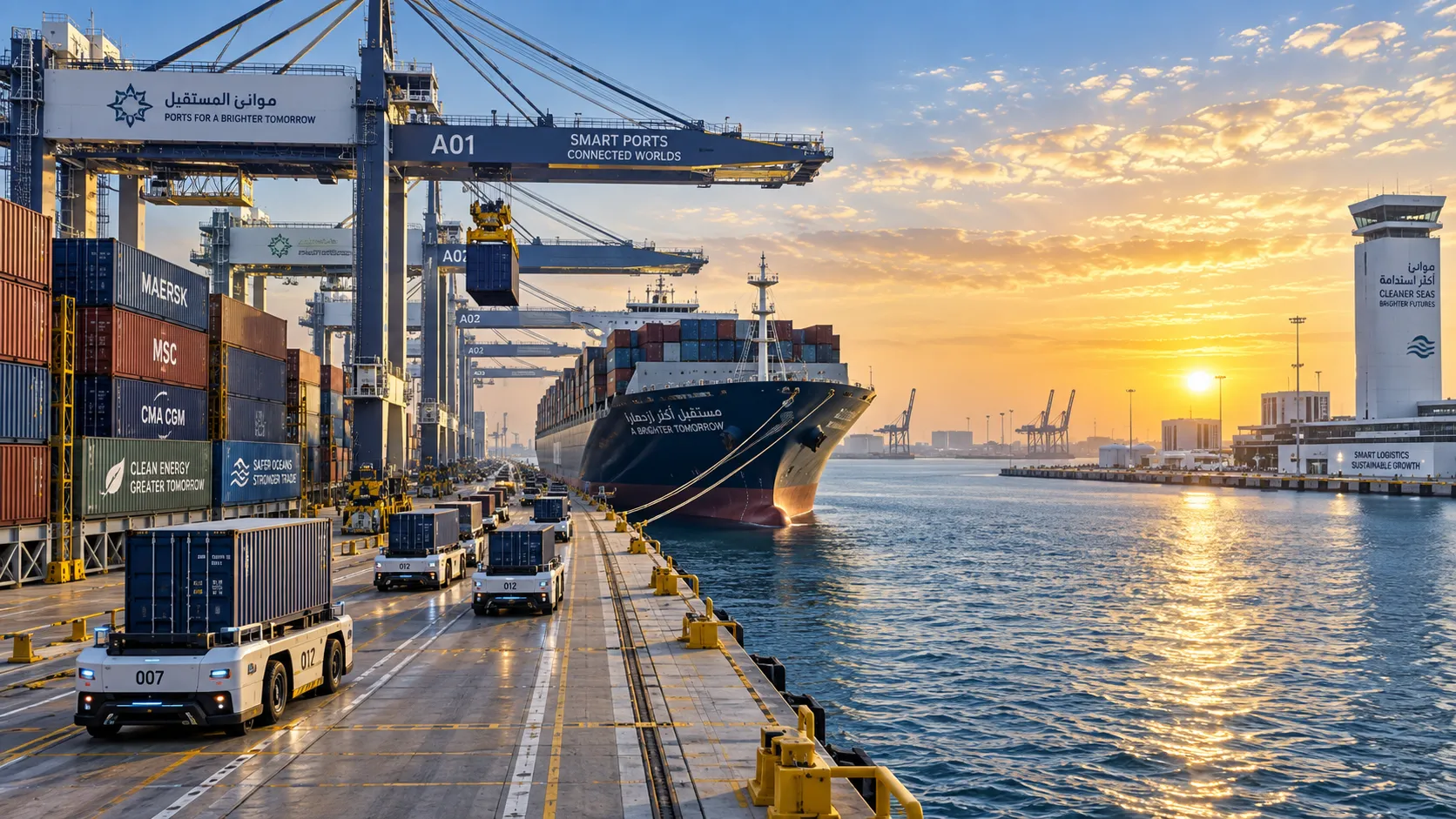
Middle East Port Automation: Key Market Drivers, Projects, and Investment Risks
Port automation systems Middle East: explore market drivers, flagship projects, integration challenges, and investment risks shaping smarter, resilient terminals.
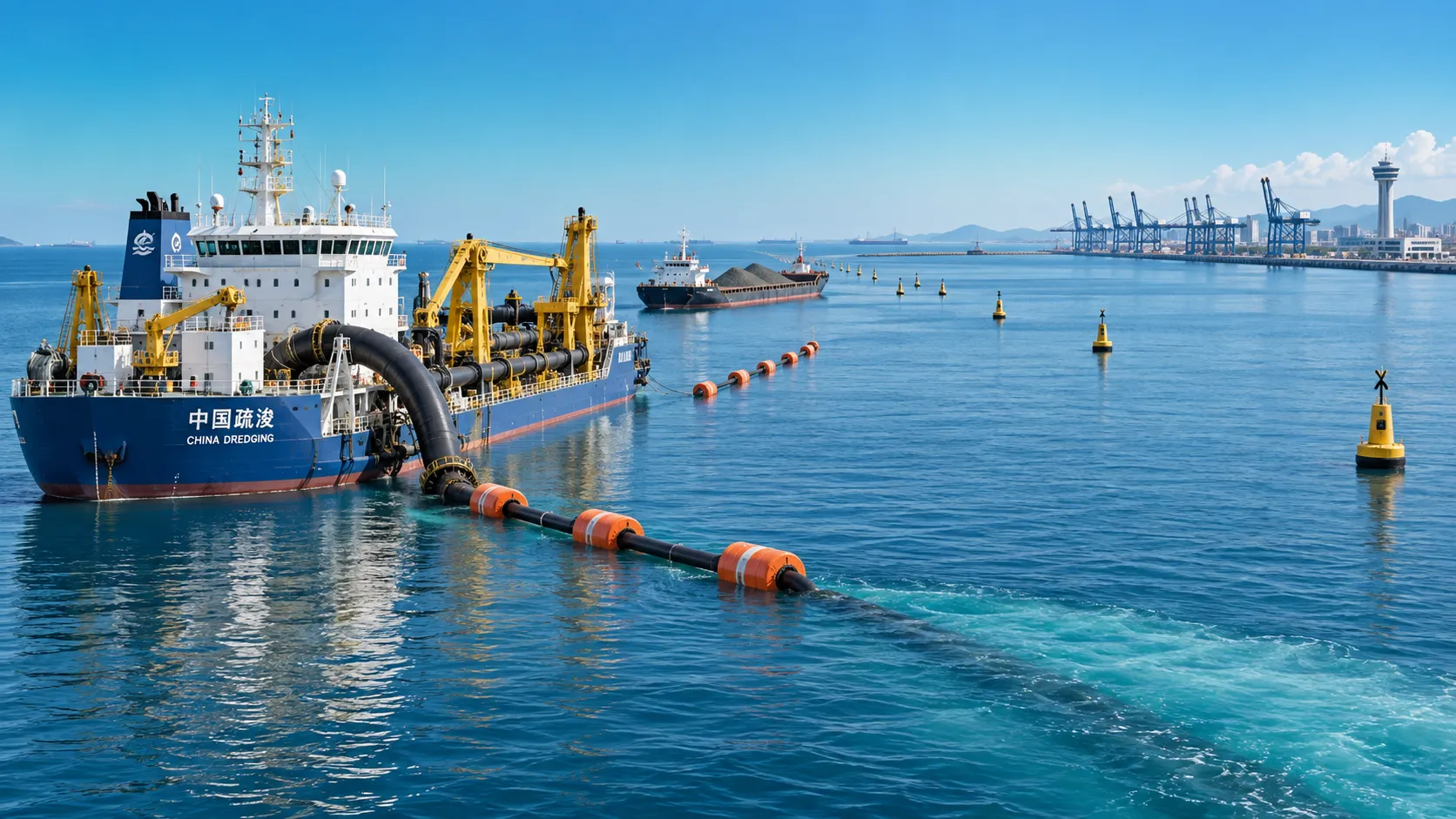
Planning Offshore Dredging Operations: Key Risks, Methods, and Project Controls
Offshore dredging operations demand smart planning. Explore key risks, proven methods, environmental controls, and project strategies for reliable delivery.