Related News
- 00
0000-00
How to Specify a Quay Crane for Container Terminals by Vessel Size and Throughput? - 00
0000-00
Which Bulk Handling Equipment Suits High-Moisture Cargo? - 00
0000-00
Terminal Automation Technologies That Raise Container Throughput Without Yard Disruption - 00
0000-00
Planning Offshore Dredging Operations: Key Risks, Methods, and Project Controls - 00
0000-00
Where Do Automated Guided Vehicles Deliver the Fastest Warehouse Gains in the Middle East?
Are automated gear for ports worth the safety tradeoffs
As terminals race toward automation, one question keeps surfacing: are automated gear for ports worth the safety tradeoffs? The answer depends on context, not hype.
In modern port operations, safety is no longer only about guarding moving steel. It also involves software logic, sensor reliability, cyber resilience, and human oversight.
For intelligence platforms such as PS-Nexus, the issue is strategic. Automated gear for ports can raise throughput, reduce exposure, and support net-zero goals.
Yet the same systems can create hidden failure paths. Poor integration, weak training, or unclear emergency control may shift risk rather than remove it.
When automated gear for ports improves safety in high-exposure terminal zones
Some terminal areas are naturally suited to automation. Repetitive, hazardous, and highly predictable tasks often show the clearest safety gains.
Examples include quay crane moves, automated stacking crane cycles, and AGV transport inside restricted traffic lanes. These settings reduce direct human exposure to crush, collision, and fall risks.
In these scenarios, automated gear for ports works best when lane discipline, geofencing, and equipment interfaces are mature. Predictability matters more than simple machine availability.
Core safety signals in structured zones
- Lower human presence near suspended loads and moving vehicles
- Consistent braking, routing, and lift cycle behavior
- Reduced fatigue-related incidents during long shifts
- Better incident traceability through logs and digital records
Here, the safety tradeoff can be favorable. Human workers spend less time in danger zones, while control systems deliver repeatable motion and faster alarm response.
When automated gear for ports adds risk in mixed-traffic and transitional operations
Not every terminal is a clean automation environment. Many facilities operate in mixed mode, combining manual trucks, remote cranes, contractors, and legacy yard layouts.
In these settings, automated gear for ports may increase uncertainty. The machine may perform correctly, while the surrounding system remains unstable.
Typical risk points include blind intersections, temporary work zones, unexpected pedestrian movement, and inconsistent radio communications between teams and control rooms.
Why transition areas create safety gaps
- Manual and automated vehicles interpret right-of-way differently
- Temporary route changes may exceed algorithm assumptions
- Emergency stop responsibility may be unclear
- Maintenance staff may enter zones during active cycles
This is where safety tradeoffs become real. The challenge is rarely one machine. It is the handoff between human judgment and automated behavior.
How automated gear for ports performs across common terminal scenarios
Different applications place different demands on control quality, sensing depth, and procedural discipline. A scenario-based view helps avoid blanket conclusions.
Scenario 1: Fully segregated container yards
This is the strongest fit for automated gear for ports. AGVs, stacking cranes, and gate logic can operate inside tightly managed digital boundaries.
The main judgment point is system integration. If sensors, fleet control, and exception handling align, safety outcomes are usually strong.
Scenario 2: Brownfield terminals with legacy equipment
Brownfield upgrades often promise fast productivity gains. However, uneven surface conditions, outdated interfaces, and irregular traffic flows can complicate safe automation.
In this case, automated gear for ports should be phased. Safety value appears only when old and new systems can communicate clearly.
Scenario 3: Bulk and multi-cargo operations
Bulk terminals often face dust, vibration, visibility limits, and variable material behavior. These factors affect sensors, braking confidence, and maintenance cycles.
Automated gear for ports can help here, especially in remote control and repetitive conveyor interfaces. Still, environmental hardening is essential.
Scenario 4: Dredging support and waterside logistics
Marine-adjacent operations add weather, tide, and communication complexity. Dynamic positioning, pump monitoring, and remote diagnostics may improve situational awareness.
Yet automated gear for ports near dredging and marine transfer points needs stronger fail-safe design. Conditions change faster than in fixed yard lanes.
Where safety requirements differ by port automation scenario
A practical comparison helps clarify whether automated gear for ports fits a site’s real operating profile.
How to decide if automated gear for ports is the right fit
A useful decision framework should test operating conditions, not just vendor claims. Strong safety performance comes from scenario fit and governance depth.
Checklist for scenario adaptation
- Map all human entry points into automated zones.
- Assess visibility, weather, dust, vibration, and surface variability.
- Review emergency stop chains and manual takeover timing.
- Test communication between TOS, fleet control, and field devices.
- Run failure simulations for sensor loss, network lag, and power events.
- Measure incident learning speed through logs and root-cause workflows.
If these areas are weak, automated gear for ports may expose hidden vulnerabilities. If they are strong, safety and productivity can improve together.
Common mistakes when judging safety tradeoffs in port automation
Many automation decisions fail because safety is assessed too narrowly. Looking only at equipment specifications misses operational reality.
- Assuming fewer people on site always means lower total risk
- Ignoring maintenance access during live automated cycles
- Treating cybersecurity as separate from physical safety
- Overlooking latency in remote crane or AGV control links
- Copying automation models from incompatible terminal layouts
Another frequent error is underestimating transition periods. Early-stage mixed operations often carry the highest exposure, even when long-term automation plans are sound.
A balanced path forward for safer automated gear for ports
So, are automated gear for ports worth the safety tradeoffs? In many scenarios, yes—but only when deployment matches terminal reality.
The strongest results appear in structured environments with clear segregation, reliable control architecture, and disciplined exception management. The weakest results appear in poorly mapped hybrid operations.
A practical next step is to perform a scenario-based safety review before expanding automation scope. Compare high-exposure tasks, transition interfaces, and override procedures first.
For organizations tracking maritime logistics, coastal economics, and equipment intelligence, this approach creates better capital decisions. It also supports safer modernization with fewer blind spots.
Automated gear for ports should not be judged as universally safe or unsafe. It should be judged by scenario fit, control maturity, and the quality of risk transfer management.
Related News
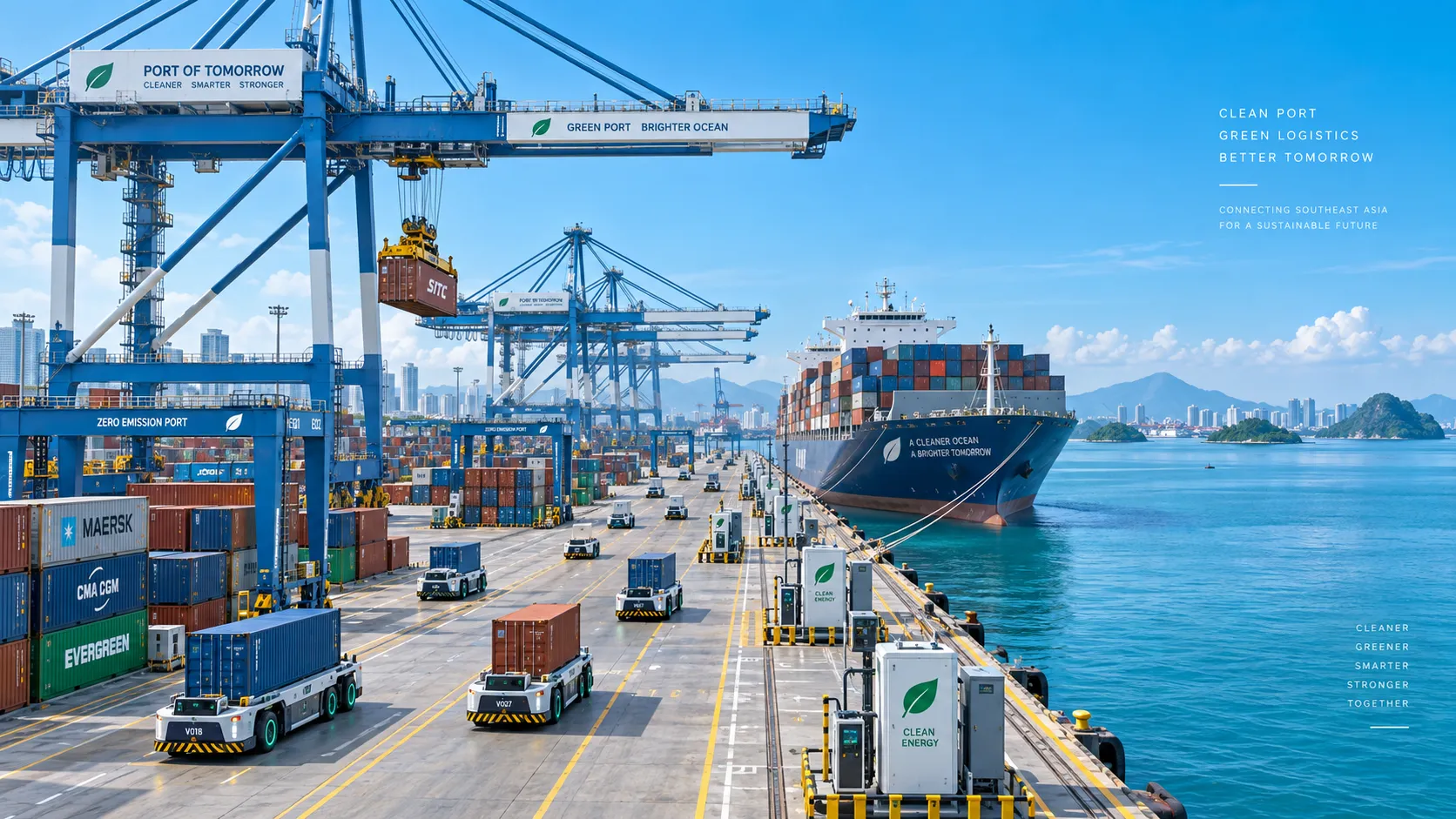
Smart Port Systems in Southeast Asia: Investment Priorities and Adoption Barriers
Smart port systems Southeast Asia: discover investment priorities, adoption barriers, and practical steps to build resilient, connected, high-performing terminals.
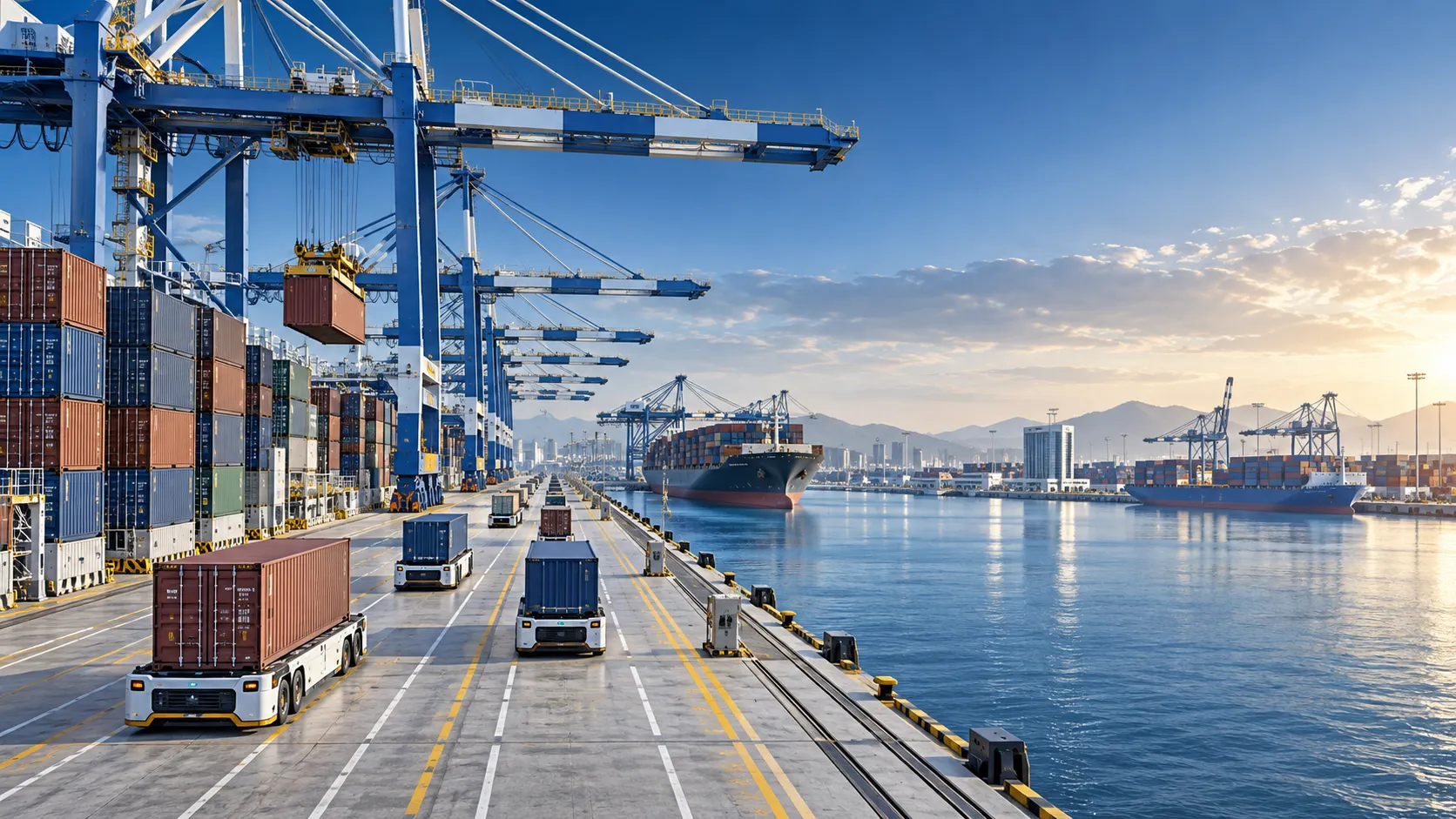
How to Evaluate Terminal Efficiency Solution Suppliers for High-Throughput Operations
Choose a terminal efficiency solutions supplier with confidence. Explore proven criteria for throughput, integration, lifecycle cost, safety, and reliable delivery.
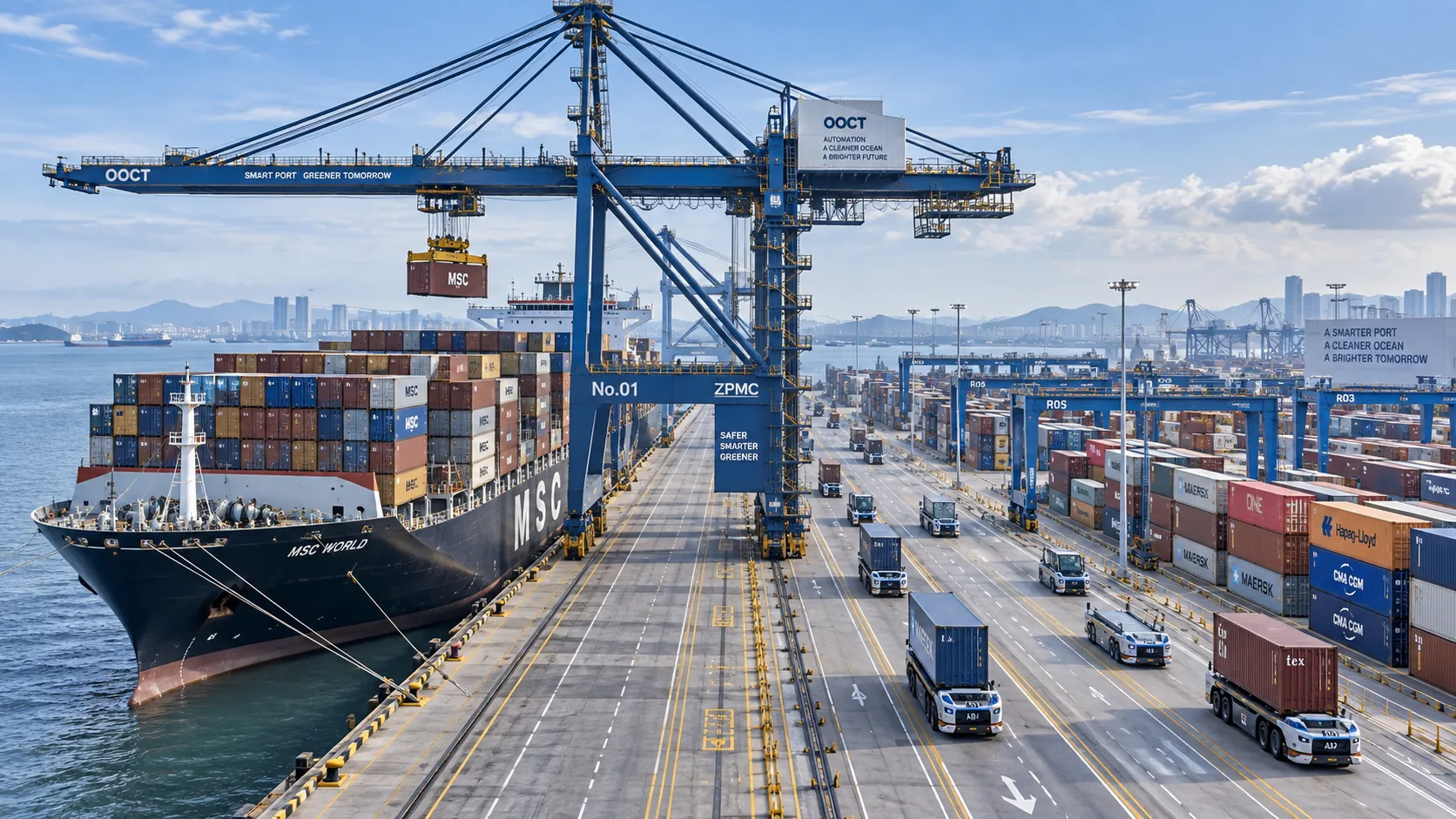
How to Specify a Quay Crane for Container Terminals by Vessel Size and Throughput?
Quay crane for container terminals: learn how to match outreach, lift height, capacity, automation, and cycle performance to vessel size and throughput goals.
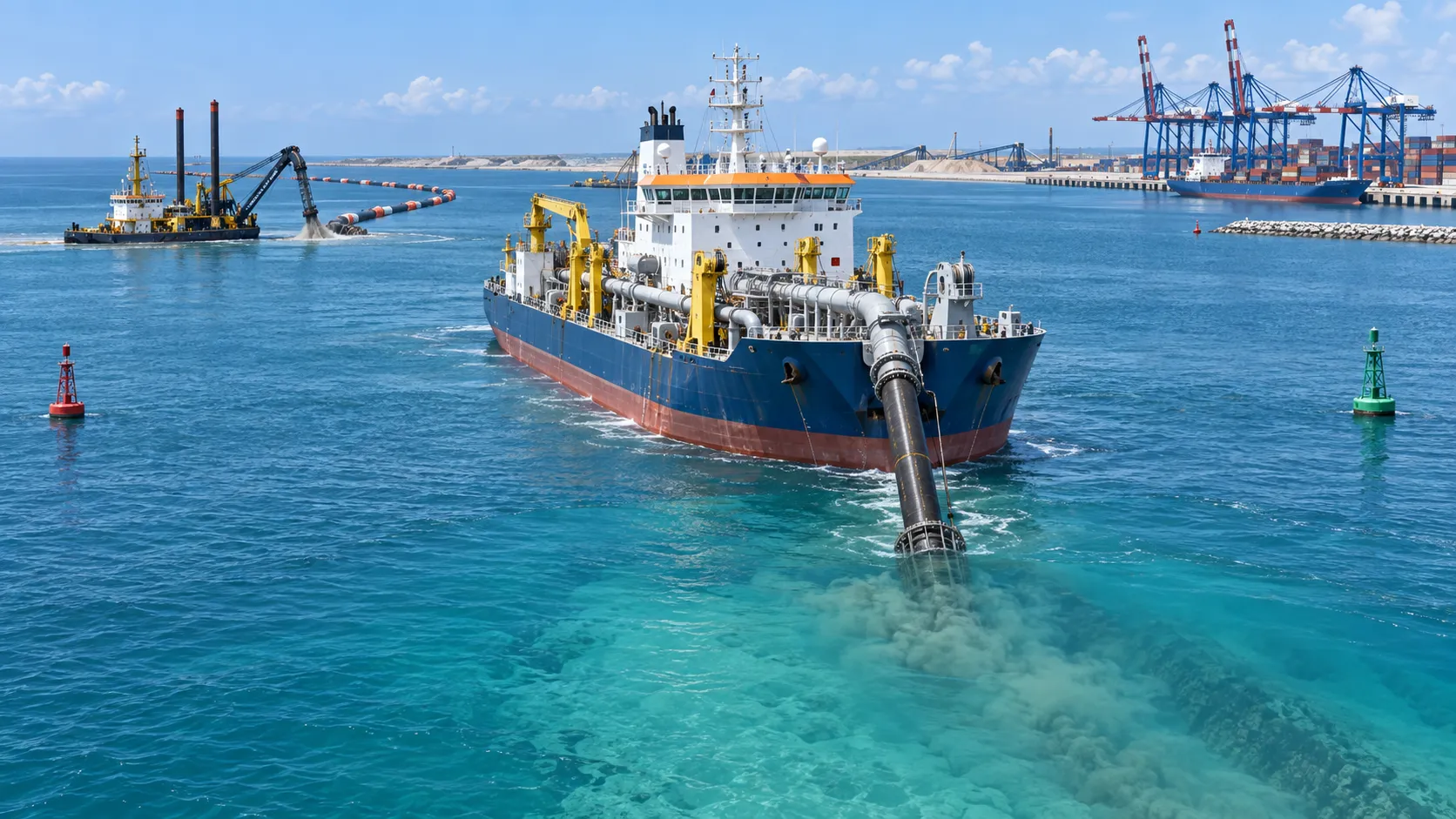
What Dredging Equipment Is Needed for Channel Deepening?
What dredging equipment is needed for channel deepening? Explore dredgers, pipelines, survey tools, and planning strategies for safer, more efficient port access.
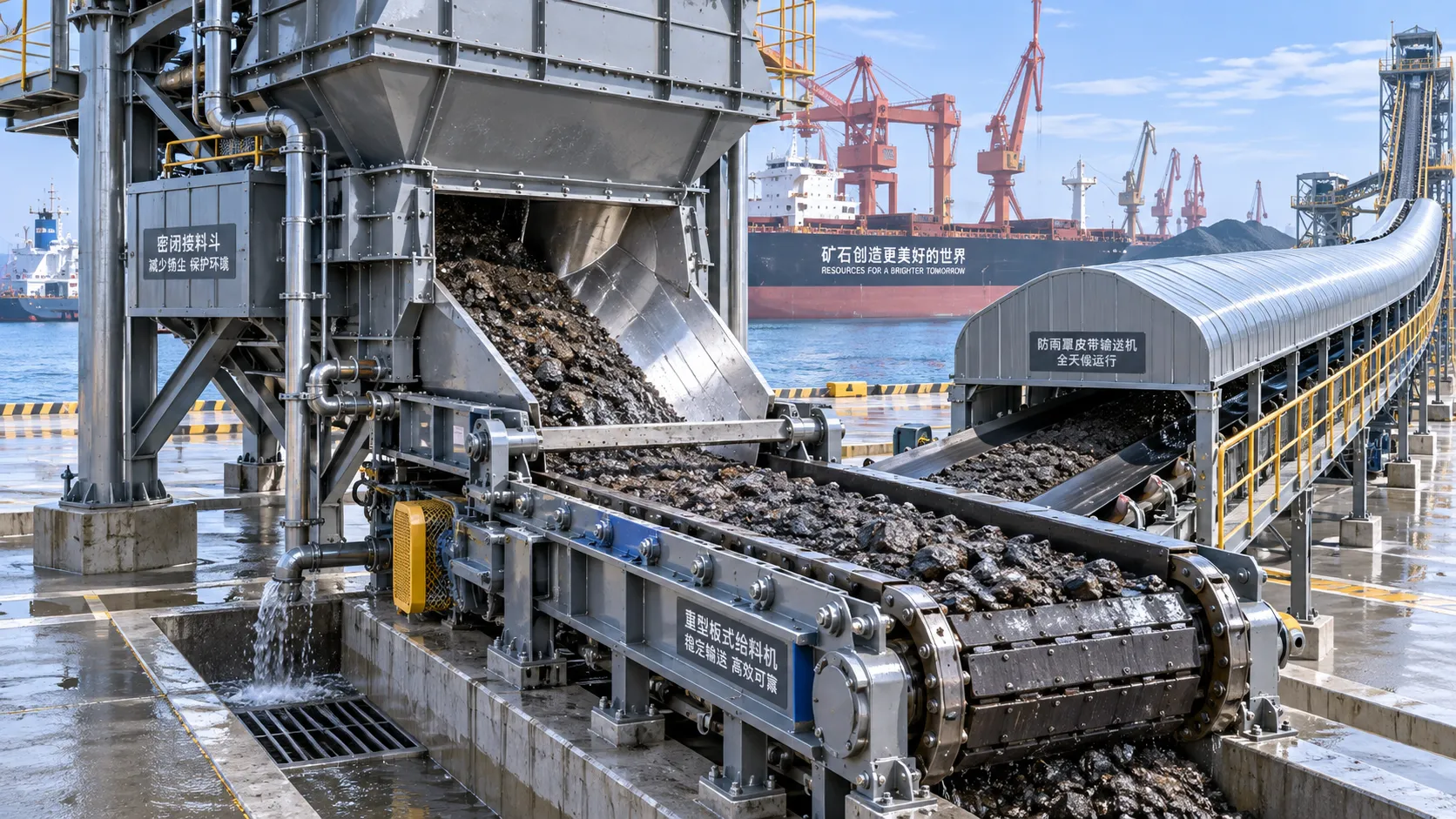
Which Bulk Handling Equipment Suits High-Moisture Cargo?
Which bulk handling equipment suits high-moisture cargo? Compare belt, apron, screw, drag, and slurry systems for reliable flow, less carryback, and higher terminal uptime.
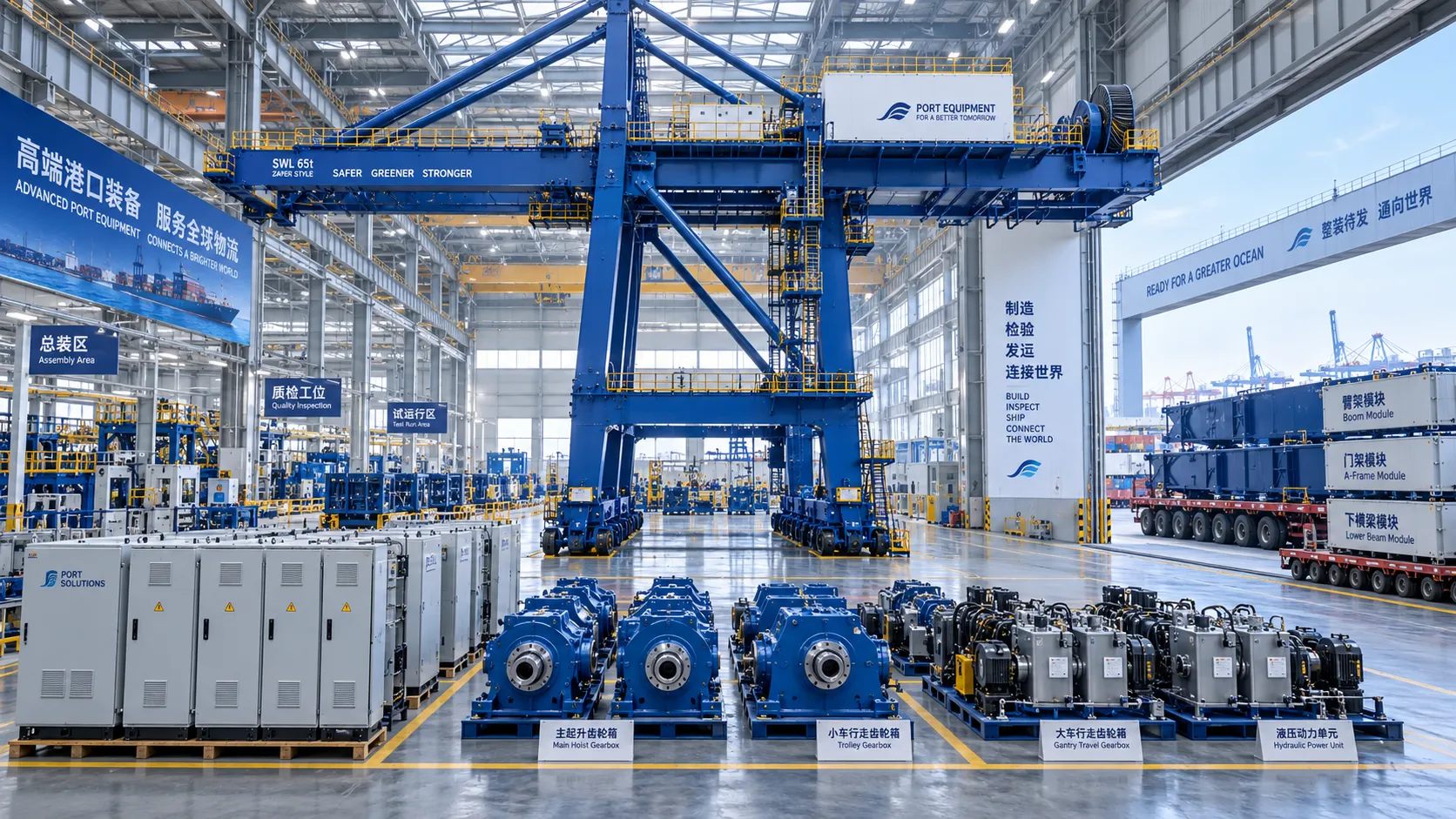
How Can Port Equipment Lead-Time Risk Be Managed?
How can port equipment lead-time risk be managed? Explore practical strategies to control critical paths, suppliers, transport, site readiness, and commissioning delays.
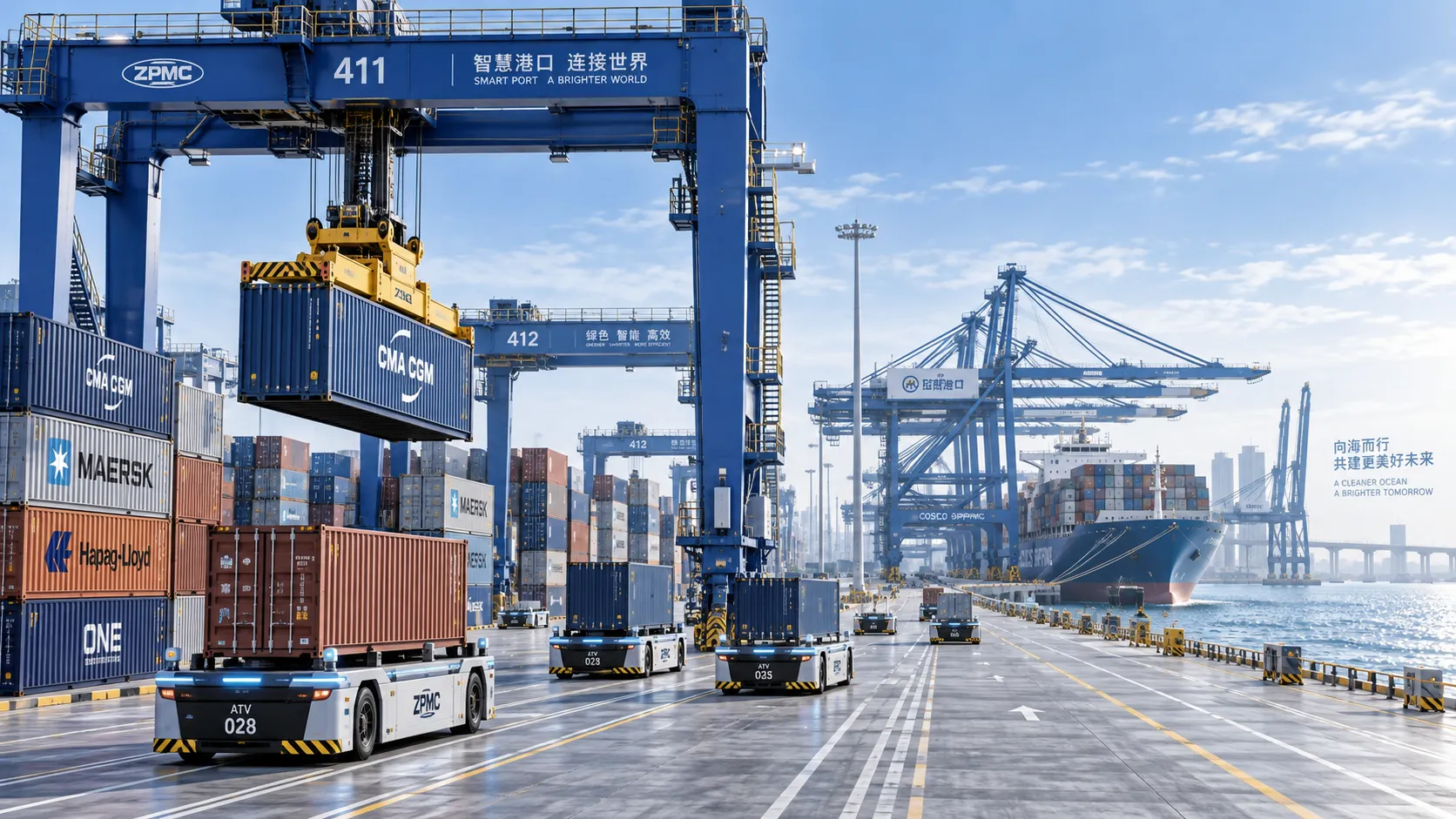
Terminal Automation Technologies That Raise Container Throughput Without Yard Disruption
Terminal automation technology that increases container throughput without disrupting yard flow. Explore smarter integration, resilient workflows, and phased deployment strategies.
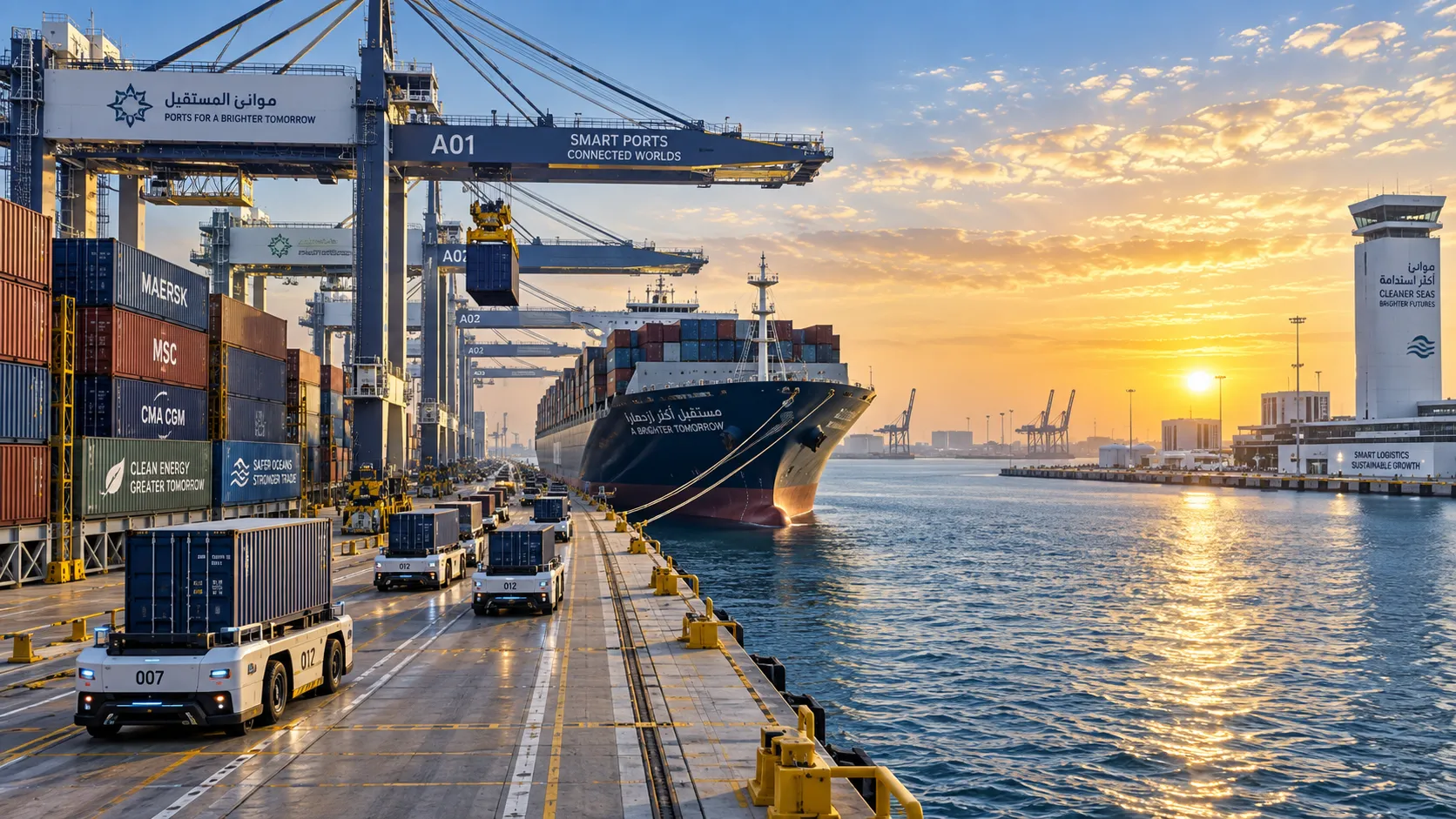
Middle East Port Automation: Key Market Drivers, Projects, and Investment Risks
Port automation systems Middle East: explore market drivers, flagship projects, integration challenges, and investment risks shaping smarter, resilient terminals.
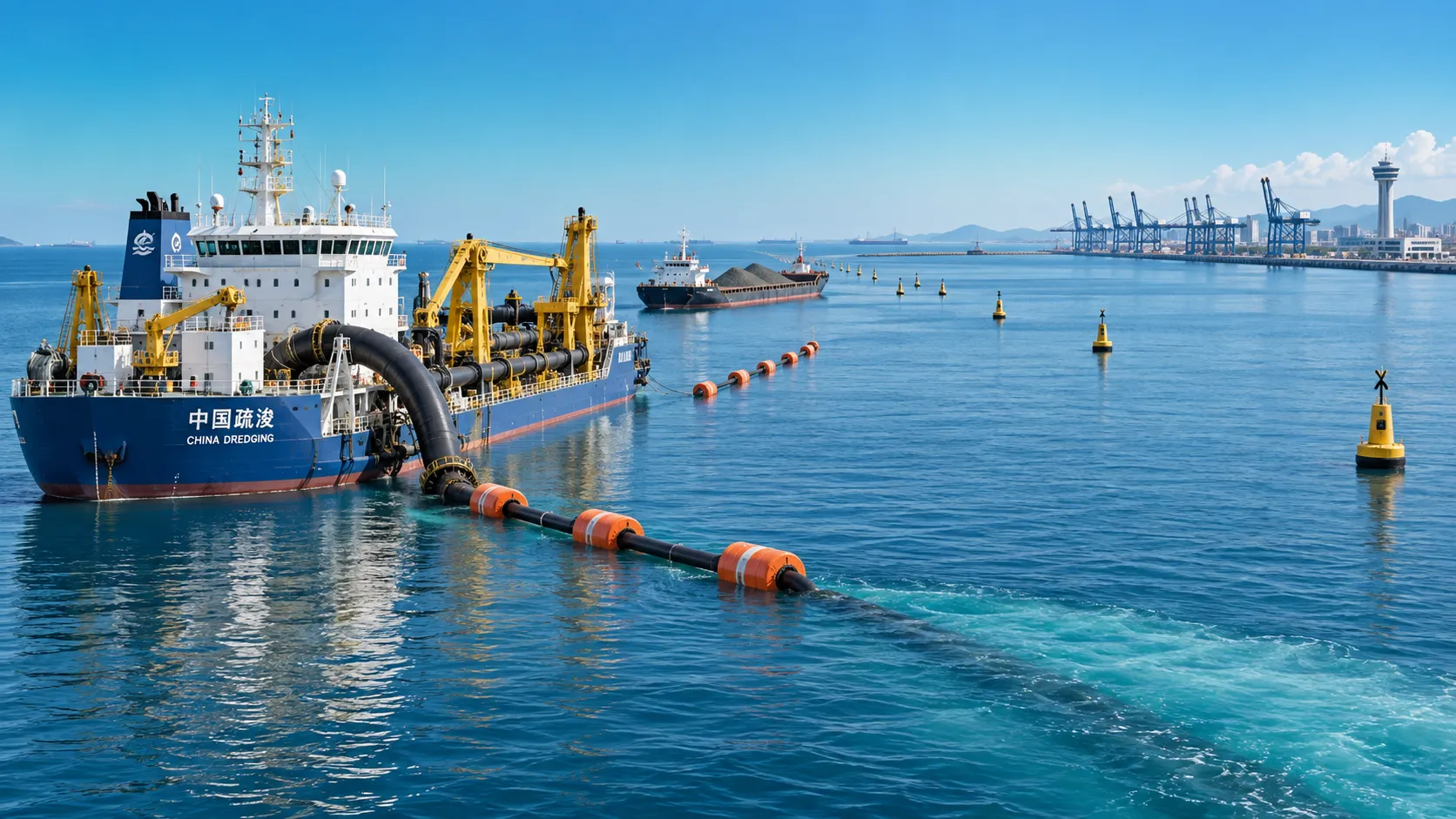
Planning Offshore Dredging Operations: Key Risks, Methods, and Project Controls
Offshore dredging operations demand smart planning. Explore key risks, proven methods, environmental controls, and project strategies for reliable delivery.