Related News
- 00
0000-00
How to Specify a Quay Crane for Container Terminals by Vessel Size and Throughput? - 00
0000-00
Which Bulk Handling Equipment Suits High-Moisture Cargo? - 00
0000-00
Terminal Automation Technologies That Raise Container Throughput Without Yard Disruption - 00
0000-00
Planning Offshore Dredging Operations: Key Risks, Methods, and Project Controls - 00
0000-00
Where Do Automated Guided Vehicles Deliver the Fastest Warehouse Gains in the Middle East?
Automated cargo handling can fail without these checks
Automated cargo handling can raise throughput, reduce manual exposure, and support consistent terminal performance across complex logistics environments.
Yet reliability depends on disciplined checks before, during, and after operations. Missing one validation step can trigger delays, damaged loads, unsafe movements, or system-wide interruptions.
For ports, yards, inland hubs, and bulk transfer points, automated cargo handling works best when mechanical systems, sensors, software, and operators stay aligned.
This overview explains the essential checks that keep automated cargo handling stable, safe, and commercially effective in modern logistics networks.
Understanding automated cargo handling and its operating scope
Automated cargo handling refers to the controlled movement, storage, loading, and transfer of goods through machines guided by software, sensors, and integrated control logic.
Common assets include quay cranes, stacking cranes, shuttle carriers, AGVs, conveyor systems, bulk loaders, spreaders, and terminal operating platforms.
In container terminals, automated cargo handling often depends on synchronized handoffs between crane positioning, yard routing, slot planning, and traffic management.
In bulk operations, the same principle applies to grab discharge, conveyor feed rates, hopper balance, and stockpile management.
The technology promises faster cycles. However, speed without validation increases exposure to silent faults that spread across the operating chain.
Why failure rarely starts with one major breakdown
Most automated cargo handling failures begin as small mismatches. A drifting sensor, stale map data, uneven wheel wear, or delayed network signal can create compounding errors.
Because automation links many systems, one unchecked anomaly may affect routing accuracy, equipment timing, and berth productivity at the same time.
Current industry focus areas shaping reliability checks
Across maritime logistics and inland transfer nodes, reliability checks now extend beyond hardware inspection. They include data integrity, cyber resilience, and remote intervention readiness.
PS-Nexus closely tracks this shift because smart terminal performance now depends on engineering detail and scheduling intelligence working together.
- Low-latency communication between cranes, AGVs, and control rooms
- Precise positioning for automated cargo handling in dense yard layouts
- Software interoperability across terminal operating and equipment control systems
- Condition monitoring for motors, ropes, brakes, and hydraulic units
- Emergency stop logic and manual override readiness
- Energy efficiency and net-zero aligned operation planning
The operational value of disciplined automated cargo handling checks
Reliable automated cargo handling protects more than equipment uptime. It supports berth planning, truck turnarounds, vessel schedules, and cargo traceability.
When checks are structured, facilities gain predictable cycle times, lower unplanned maintenance, and better confidence in expansion planning.
This has direct business meaning in high-volume trade corridors where delay costs ripple through shipping, warehousing, and inland transport.
Key business impacts
- Reduced downtime from preventable faults
- Safer cargo transfer under repeatable machine logic
- Improved use of yard space and transport lanes
- Lower cargo damage and fewer misplacement events
- Stronger confidence in remote and unmanned operation
Typical failure points in automated cargo handling environments
Failure patterns differ by facility type, but several weak points appear repeatedly across automated cargo handling systems.
Checks that should never be skipped
The most effective automated cargo handling programs rely on short, repeatable checks with clear pass or fail criteria.
1. Mechanical readiness checks
Inspect hoist components, brakes, wheels, rails, ropes, hydraulic pressure, and structural connection points before active duty begins.
Pay close attention to abnormal noise, vibration, heat, and uneven wear. Automation cannot compensate for unstable mechanics.
2. Sensor validation checks
Confirm lidar, radar, cameras, load cells, anti-collision devices, and position encoders are clean, aligned, and responding within tolerance.
Sensor drift is a leading hidden risk in automated cargo handling because false confidence can persist until a movement error occurs.
3. Software and logic checks
Verify job orders, route maps, exclusion zones, equipment status flags, and control software versions before each operational window.
A small data mismatch between terminal software and equipment control can interrupt the full automated cargo handling sequence.
4. Communication checks
Test network latency, signal handoff, backup links, and command acknowledgment timing between field equipment and central control.
Remote control and autonomous flow both depend on stable communication, especially under dense traffic conditions.
5. Safety and emergency checks
Confirm emergency stops, limit switches, alarms, geofencing, safe speed logic, and manual takeover procedures function as designed.
Every automated cargo handling line should also include clear recovery procedures after blocked paths, power dips, or failed lifts.
How check routines vary by operating scenario
Different cargo environments require different emphasis, even when the core automated cargo handling framework appears similar.
- Container terminals: prioritize spreader locking, slot accuracy, vehicle path coordination, and crane-to-yard timing.
- Bulk terminals: prioritize conveyor load balance, dust control integration, chute wear, and flow continuity.
- Intermodal yards: prioritize data handoff between rail, truck, and storage systems.
- Cold chain or sensitive cargo sites: prioritize timing precision, shock control, and continuous traceability.
This scenario-based approach keeps automated cargo handling checks practical instead of overly generic.
Practical steps for stronger control and fewer disruptions
Improving automated cargo handling reliability does not always require major capital upgrades. Strong discipline often delivers the fastest gains.
- Build checklists by asset type, not one checklist for every machine.
- Separate pre-start, in-shift, and shutdown checks for better traceability.
- Record recurring alarms and compare them with maintenance history.
- Run sensor calibration reviews on a fixed schedule.
- Test fail-safe and manual override functions in controlled drills.
- Review software updates in a sandbox before live deployment.
- Use operational data to spot early drift in cycle time or positioning accuracy.
For intelligence-led operations, this is where sector monitoring becomes valuable. Trends in communication protocols, path planning, and equipment diagnostics can refine local checks.
Next-step planning for reliable automated cargo handling
A dependable automated cargo handling strategy starts with visibility. Map every critical movement, system dependency, and failure recovery point.
Then align inspection intervals with operating intensity, cargo profile, and equipment age rather than relying on broad assumptions.
Facilities that treat checks as an operational control layer, not a formality, usually achieve stronger uptime and cleaner cargo flow.
For organizations following maritime logistics intelligence, PS-Nexus offers a useful lens on evolving automation risks, control methods, and infrastructure performance signals.
In practice, the message is simple: automated cargo handling delivers its promise only when every critical check is built into daily execution.
Related News
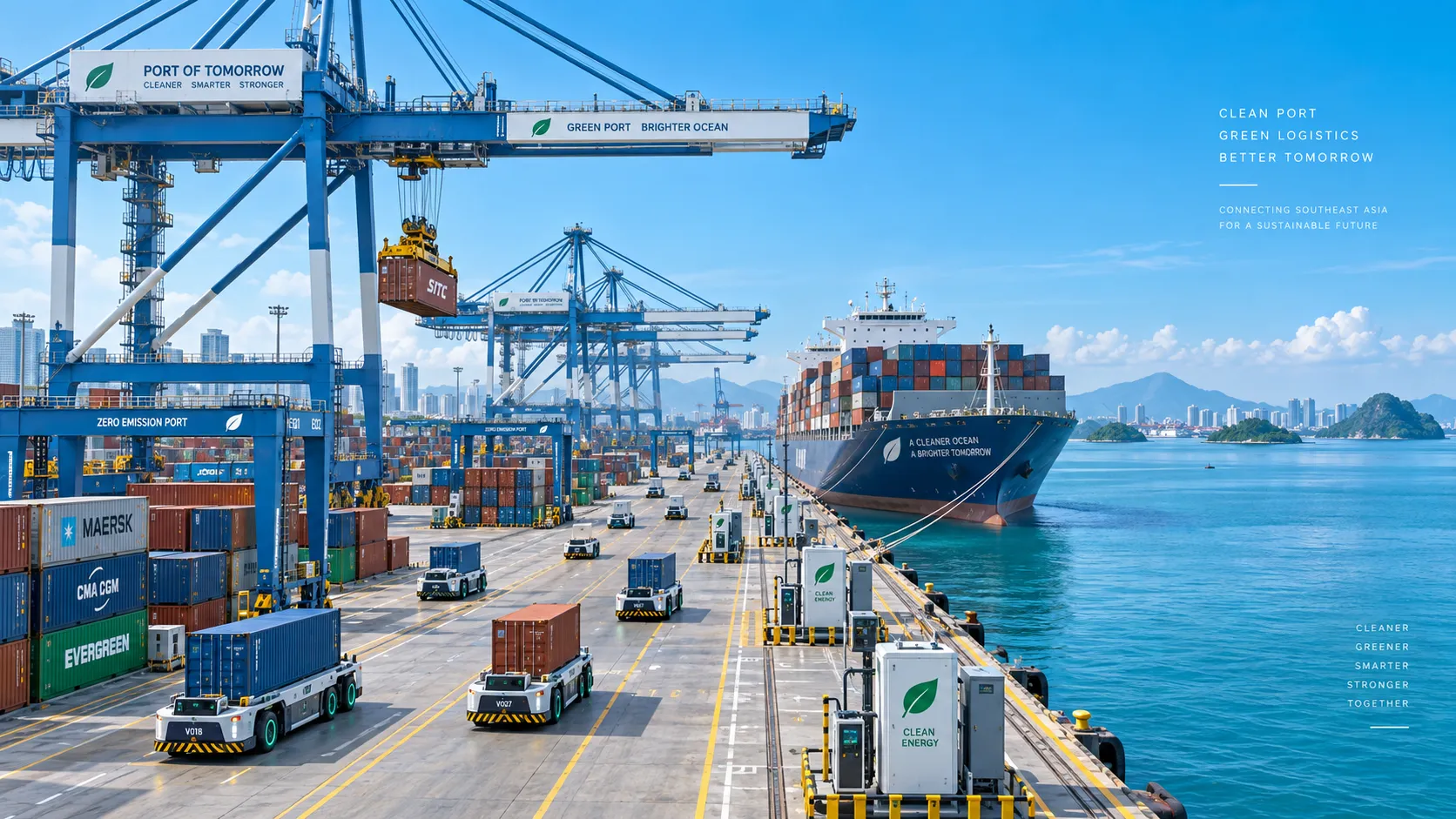
Smart Port Systems in Southeast Asia: Investment Priorities and Adoption Barriers
Smart port systems Southeast Asia: discover investment priorities, adoption barriers, and practical steps to build resilient, connected, high-performing terminals.

How to Evaluate Terminal Efficiency Solution Suppliers for High-Throughput Operations
Choose a terminal efficiency solutions supplier with confidence. Explore proven criteria for throughput, integration, lifecycle cost, safety, and reliable delivery.
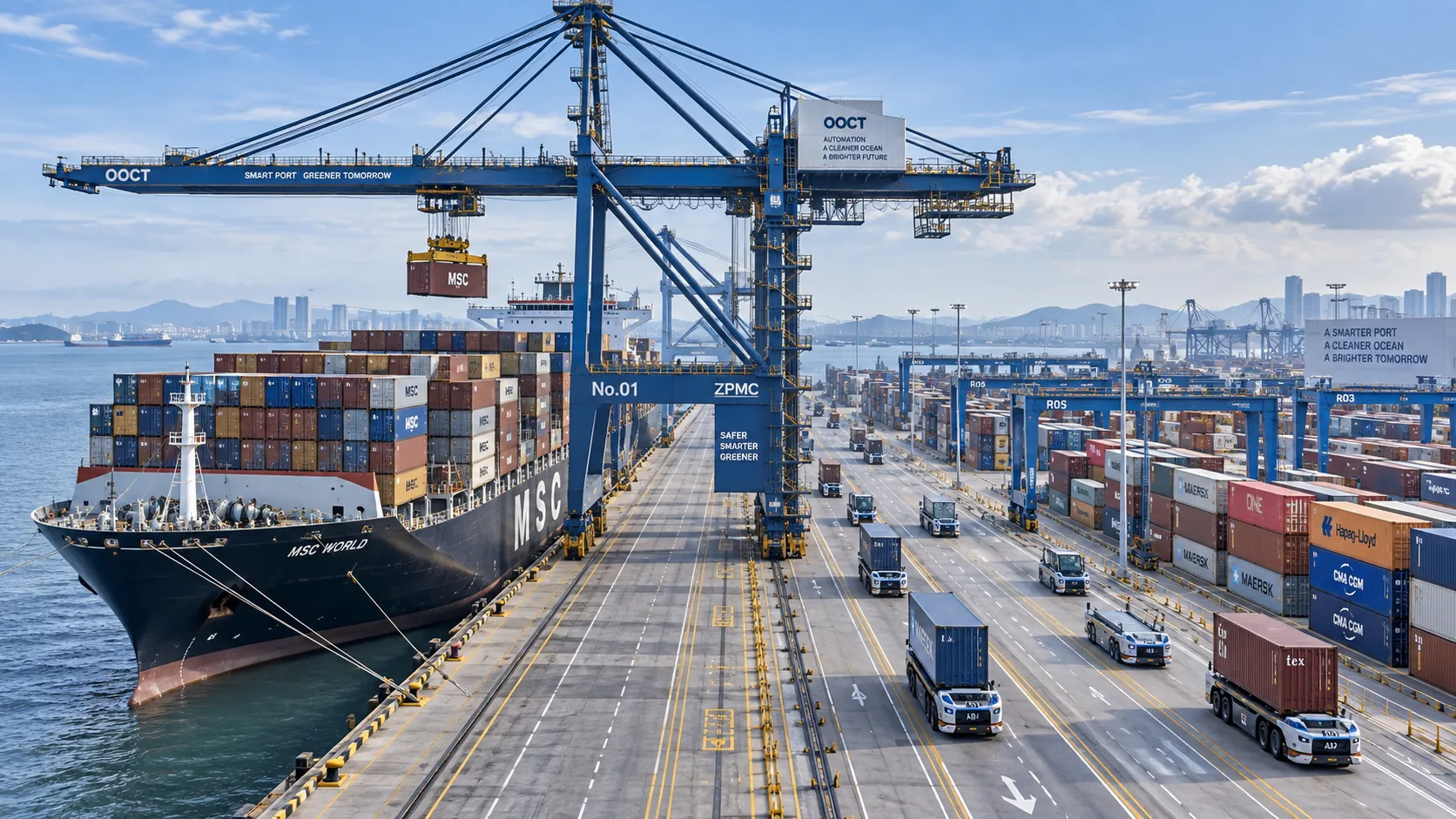
How to Specify a Quay Crane for Container Terminals by Vessel Size and Throughput?
Quay crane for container terminals: learn how to match outreach, lift height, capacity, automation, and cycle performance to vessel size and throughput goals.
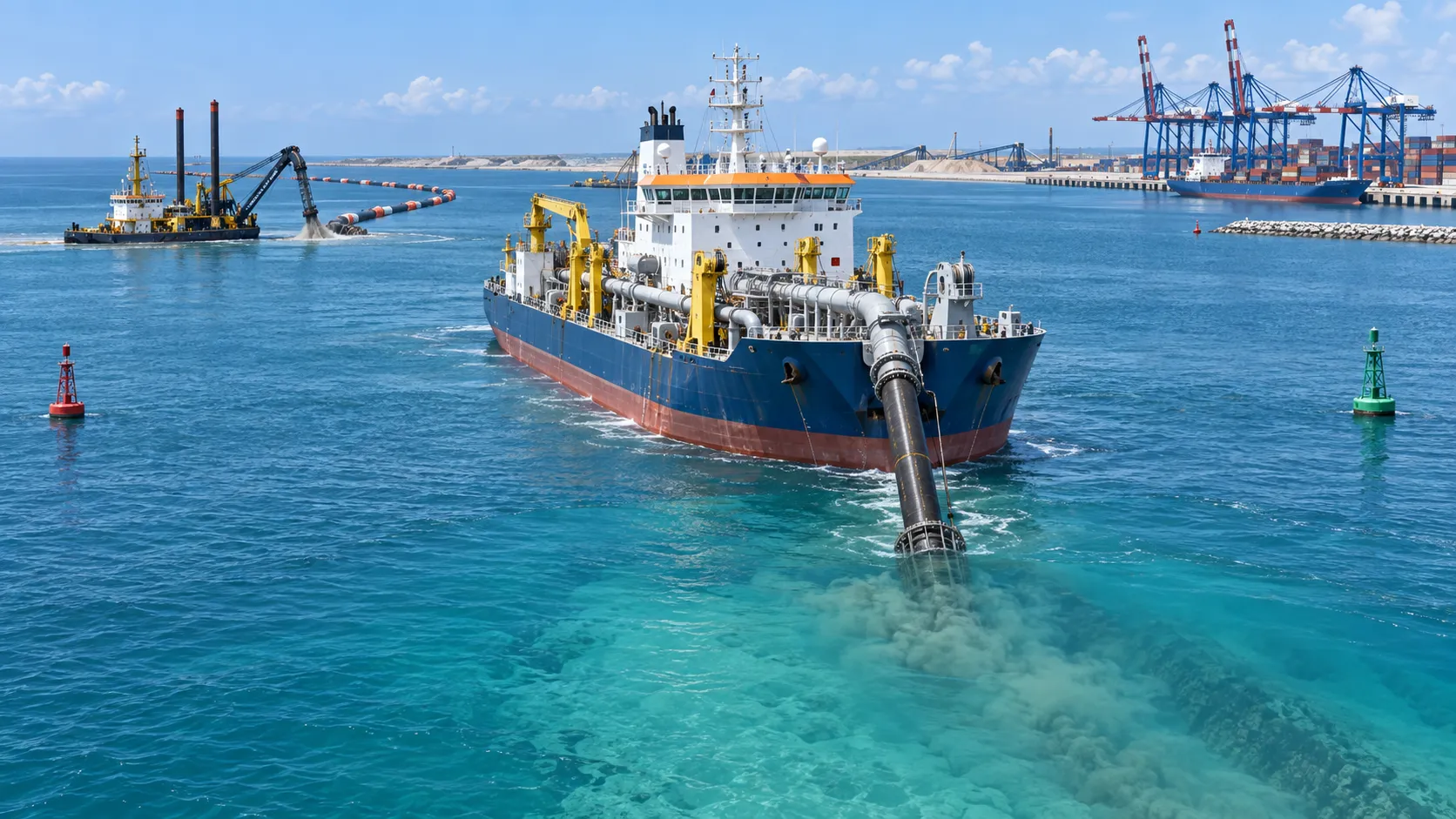
What Dredging Equipment Is Needed for Channel Deepening?
What dredging equipment is needed for channel deepening? Explore dredgers, pipelines, survey tools, and planning strategies for safer, more efficient port access.
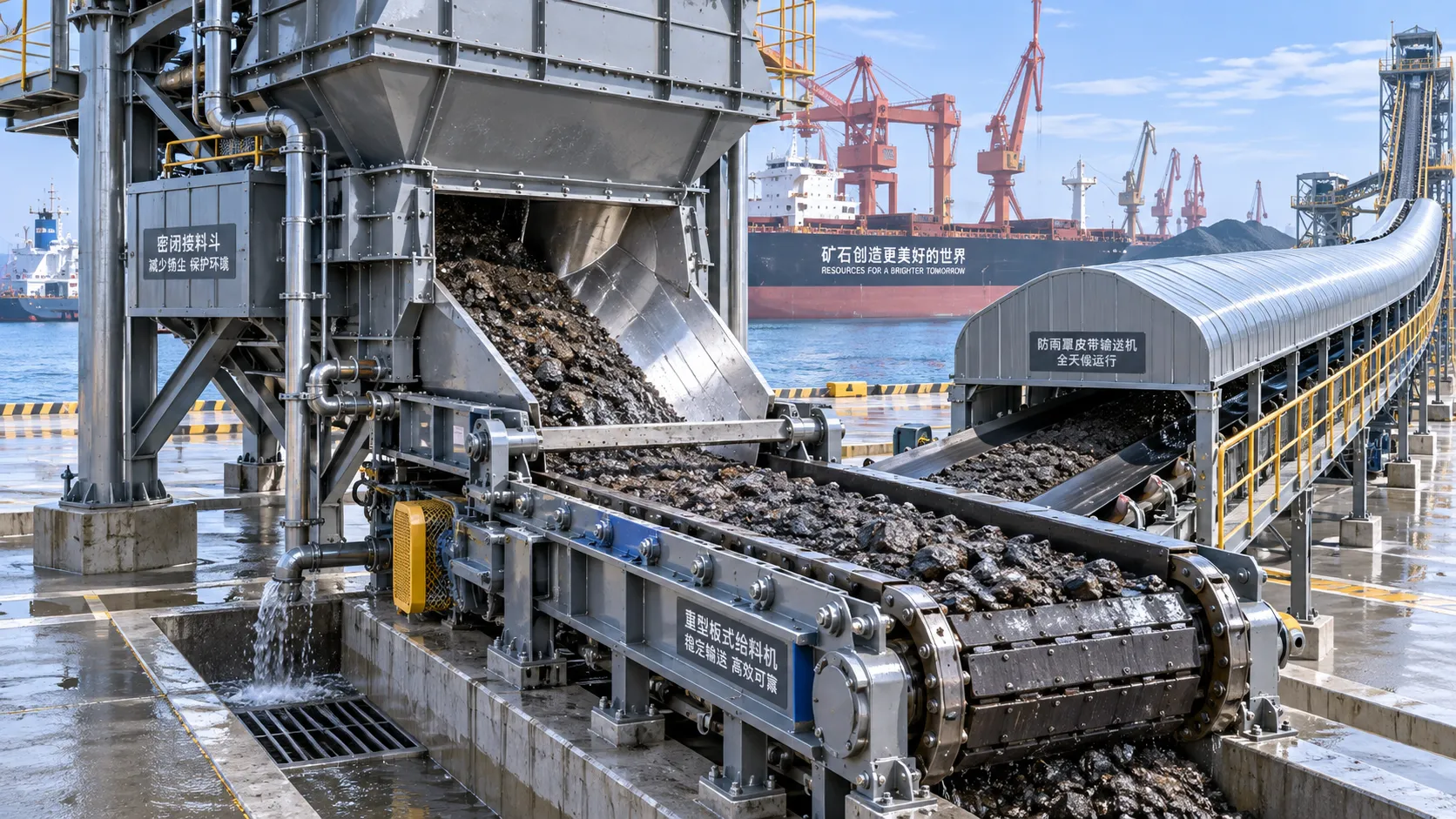
Which Bulk Handling Equipment Suits High-Moisture Cargo?
Which bulk handling equipment suits high-moisture cargo? Compare belt, apron, screw, drag, and slurry systems for reliable flow, less carryback, and higher terminal uptime.
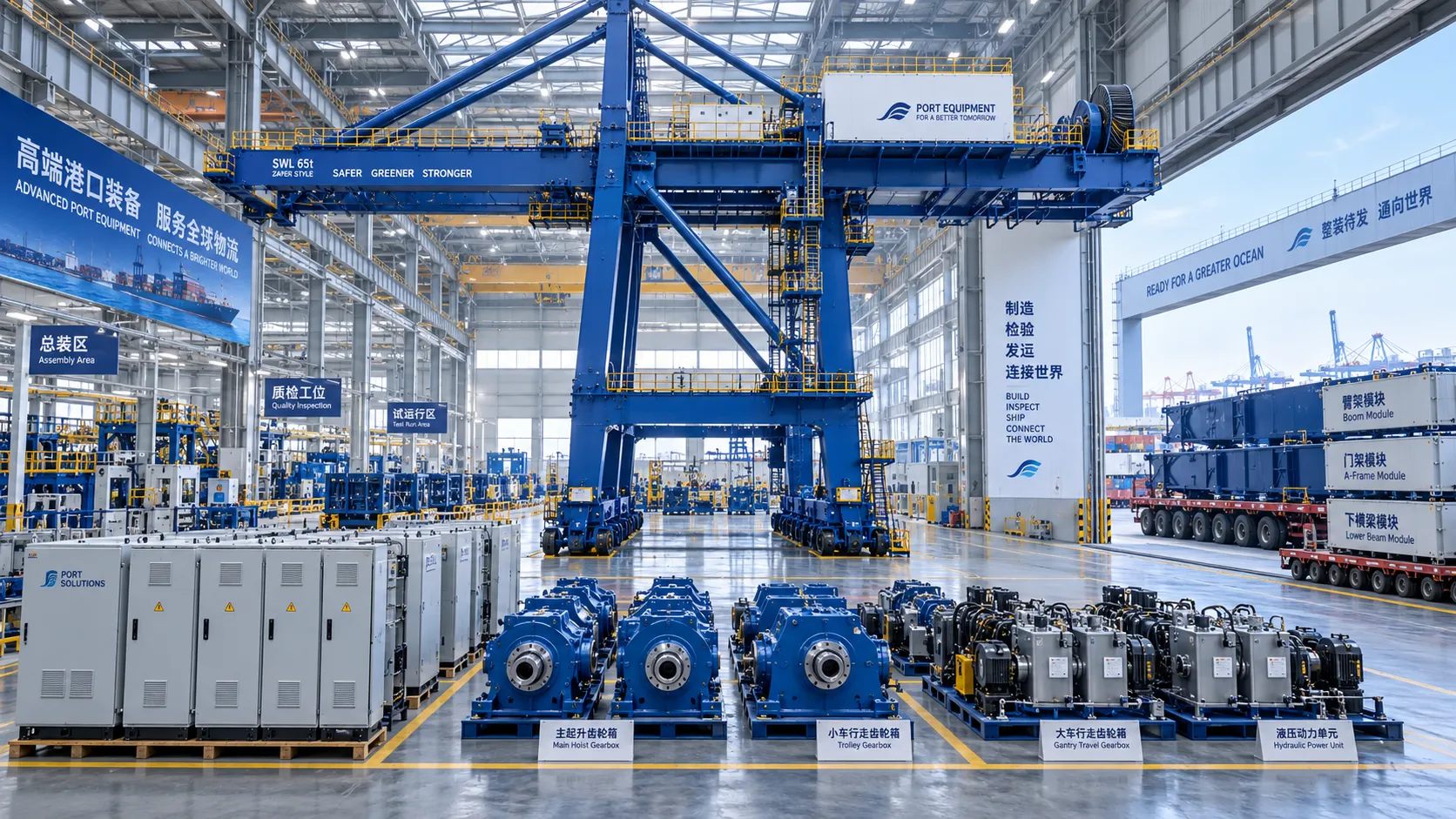
How Can Port Equipment Lead-Time Risk Be Managed?
How can port equipment lead-time risk be managed? Explore practical strategies to control critical paths, suppliers, transport, site readiness, and commissioning delays.
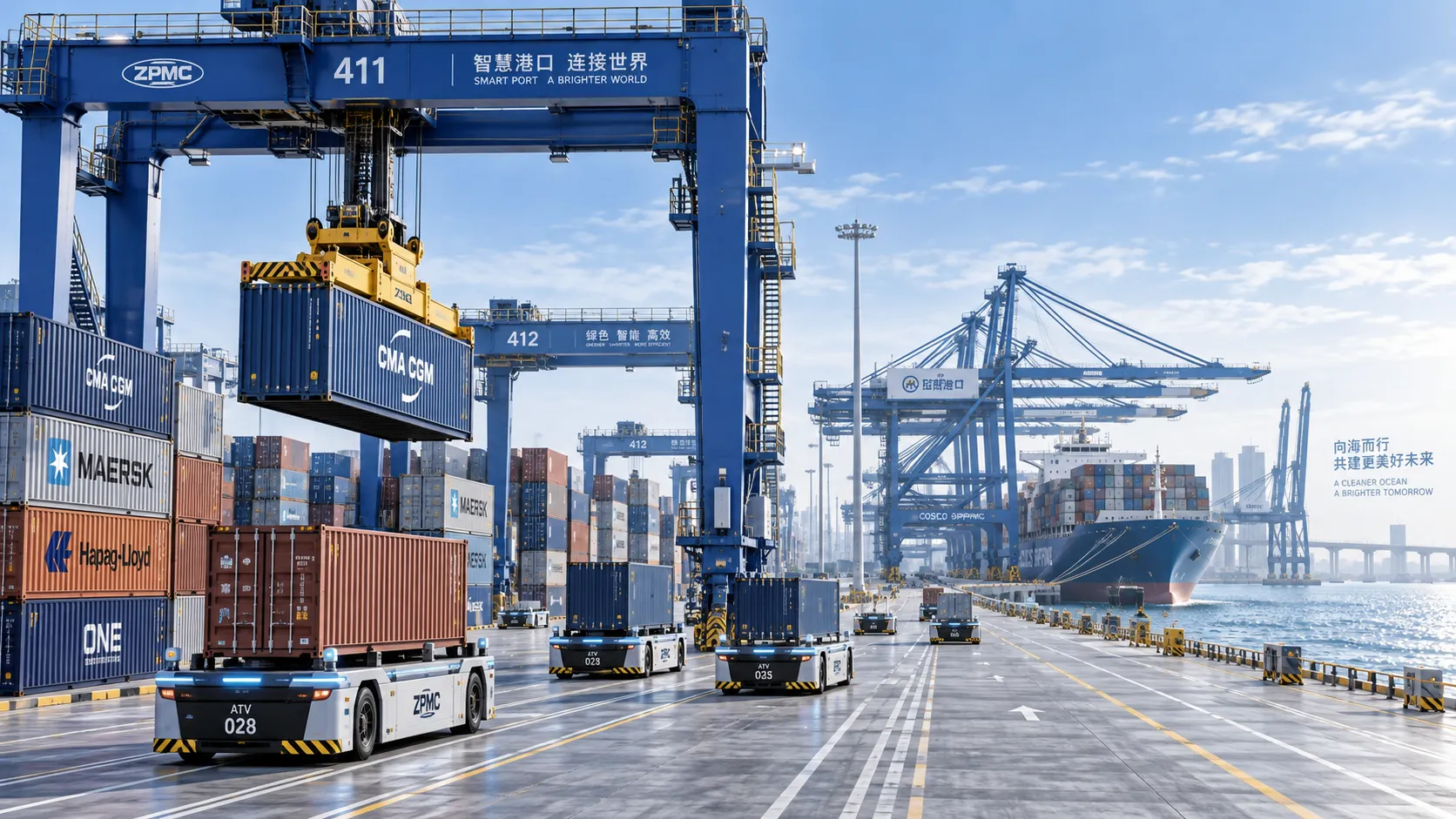
Terminal Automation Technologies That Raise Container Throughput Without Yard Disruption
Terminal automation technology that increases container throughput without disrupting yard flow. Explore smarter integration, resilient workflows, and phased deployment strategies.
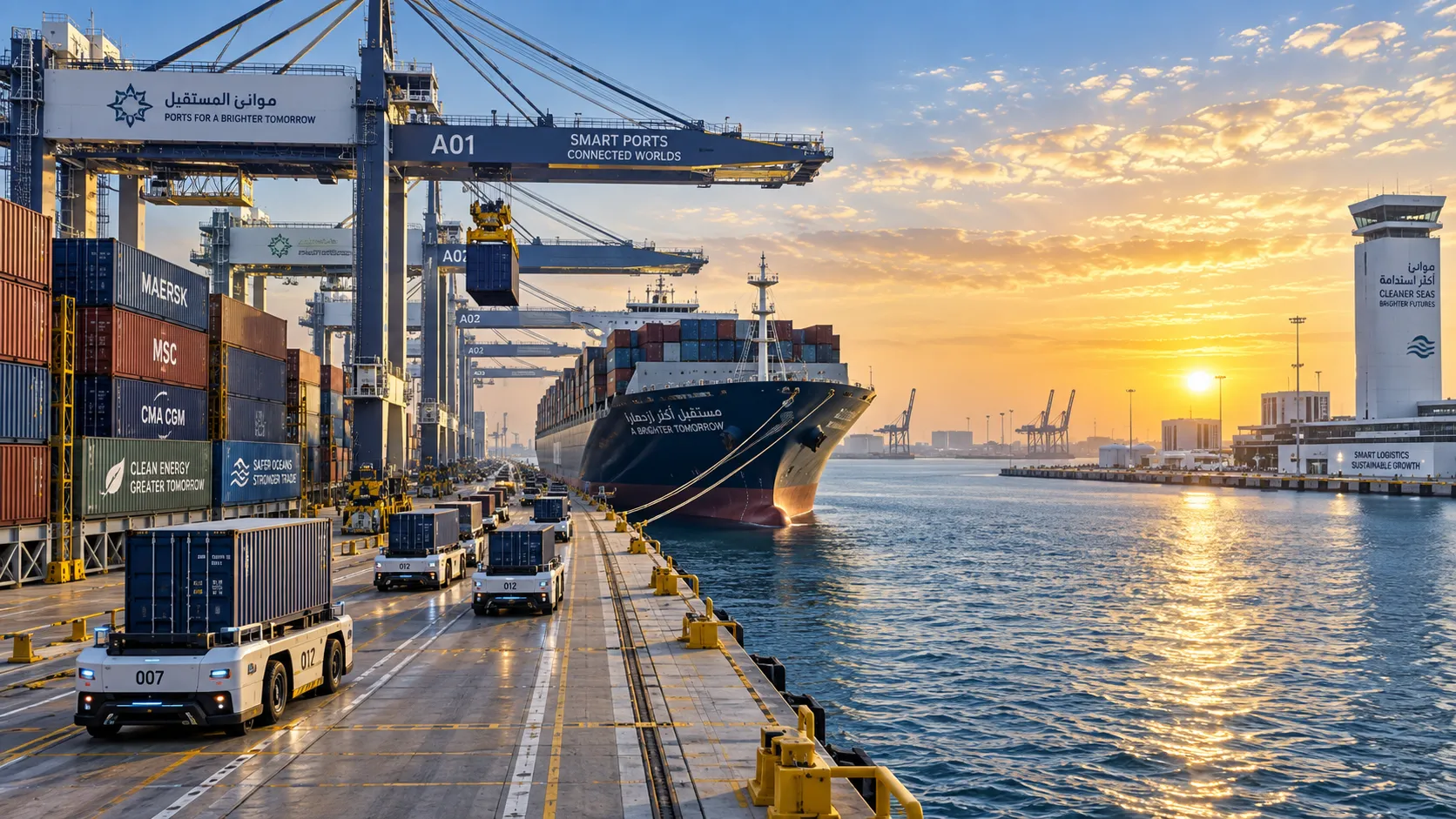
Middle East Port Automation: Key Market Drivers, Projects, and Investment Risks
Port automation systems Middle East: explore market drivers, flagship projects, integration challenges, and investment risks shaping smarter, resilient terminals.
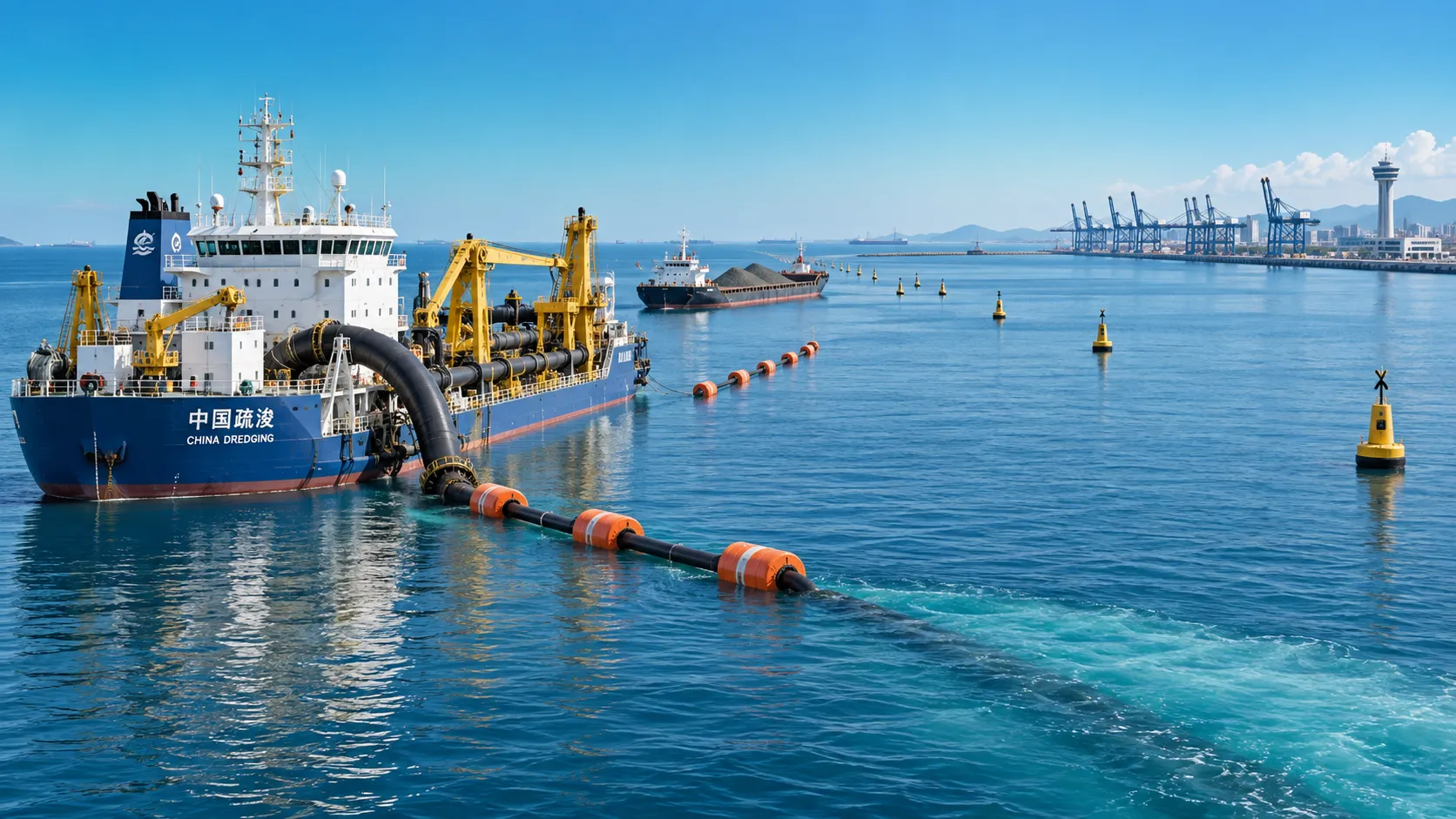
Planning Offshore Dredging Operations: Key Risks, Methods, and Project Controls
Offshore dredging operations demand smart planning. Explore key risks, proven methods, environmental controls, and project strategies for reliable delivery.