Related News
- 00
0000-00
How to Specify a Quay Crane for Container Terminals by Vessel Size and Throughput? - 00
0000-00
Which Bulk Handling Equipment Suits High-Moisture Cargo? - 00
0000-00
Terminal Automation Technologies That Raise Container Throughput Without Yard Disruption - 00
0000-00
Planning Offshore Dredging Operations: Key Risks, Methods, and Project Controls - 00
0000-00
Where Do Automated Guided Vehicles Deliver the Fastest Warehouse Gains in the Middle East?
Is terminal automation technology worth the upfront cost
For finance approvers, the real test of terminal automation technology is not novelty. It is whether capital spending converts into durable operating gains, lower risk, and stronger resilience across changing trade cycles.
In ports, yards, and bulk logistics systems, automation decisions affect labor structure, asset use, maintenance planning, energy demand, and service reliability. A higher upfront cost can be justified, but only with disciplined evaluation.
This guide explains how to judge terminal automation technology through a practical financial lens. It also shows where returns appear first, where risks hide, and how to compare options with greater confidence.
What does terminal automation technology actually include?
Terminal automation technology covers more than unmanned cranes. It usually combines software, sensors, communications, controls, safety logic, and integrated equipment scheduling.
Typical systems include automated stacking cranes, remote-controlled quay cranes, AGVs, OCR gates, terminal operating systems, digital twins, and predictive maintenance tools.
In container, bulk, and mixed cargo terminals, terminal automation technology may also involve power management, route optimization, anti-collision systems, and real-time visibility platforms.
That matters because cost evaluation must include the full stack. Hardware alone rarely defines value. Integration quality often determines whether throughput and labor benefits become real.
Key cost layers to identify early
- Core equipment and control hardware
- Software licensing and terminal system upgrades
- Communications infrastructure and cybersecurity
- Testing, commissioning, and integration services
- Training, process redesign, and change management
- Downtime risk during transition
Why is terminal automation technology often worth the upfront cost?
The strongest case for terminal automation technology comes from cumulative economics. Savings rarely come from one source. They usually appear through many small improvements that compound over years.
Labor efficiency is often the first driver. Automation can reduce repetitive manual tasks, improve shift consistency, and limit productivity losses linked to fatigue, weather exposure, or staffing variability.
Equipment utilization is another major factor. Automated scheduling helps reduce idle time, shorten travel paths, and improve handoff timing between cranes, vehicles, and yard systems.
Throughput gains may create even larger returns. If terminal automation technology increases moves per hour or lowers vessel turnaround time, the terminal can unlock hidden capacity without immediate physical expansion.
Energy savings also matter. Electrified and algorithmically coordinated assets often use power more efficiently than manually operated fleets with inconsistent acceleration and routing patterns.
Safety-related value is sometimes underestimated. Fewer accidents can reduce repair expenses, claims exposure, medical costs, insurance pressure, and unplanned service disruptions.
Common return channels
- Lower operating cost per move
- Higher annual throughput from the same footprint
- Reduced congestion and queue time
- Better asset life through smoother usage patterns
- Improved service reliability for shipping lines and cargo owners
When does terminal automation technology fail to pay back fast enough?
Terminal automation technology is not automatically economical in every setting. Weak project design can delay returns, inflate integration costs, or create operational bottlenecks instead of solving them.
Low or unstable throughput is a common issue. If cargo volumes are highly uncertain, savings may not offset fixed costs quickly enough to meet investment expectations.
Legacy infrastructure can also raise complexity. Old yard layouts, fragmented software, and incompatible equipment interfaces often increase engineering work and delay benefits.
Another risk is over-automation. A terminal may install advanced functions that exceed actual operational needs, adding cost without proportional gains in capacity or efficiency.
Poor data quality can quietly erode value. Terminal automation technology depends on accurate inputs, disciplined workflows, and stable communication links. Without them, optimization logic becomes unreliable.
Warning signs before approval
- No baseline for current cost per move
- No phased deployment plan
- Benefits estimated without traffic sensitivity analysis
- Cybersecurity and redundancy excluded from budget
- Limited operator training or weak process ownership
How should the upfront cost of terminal automation technology be evaluated?
A sound review starts with total cost of ownership, not purchase price alone. Terminal automation technology should be measured across its full lifecycle, usually over ten to twenty years.
First, build a baseline. Capture present labor expense, maintenance cost, downtime frequency, energy use, asset productivity, queue delays, and safety incidents.
Next, model three cases. Use conservative, expected, and upside scenarios. This avoids approving terminal automation technology based on a single optimistic throughput assumption.
Then compare direct and indirect returns. Direct returns include labor, fuel, and maintenance savings. Indirect returns include capacity release, customer retention, and lower disruption risk.
Finally, test implementation timing. A phased project can reduce disruption and spread capital demand, even if full optimization arrives later.
Useful financial metrics
Which applications justify terminal automation technology most clearly?
The best candidates usually share several traits. They handle repetitive flows, face labor intensity, operate under space pressure, and need predictable service performance.
Container yards often fit this profile well. High move density and complex handoffs allow terminal automation technology to improve stacking, dispatching, gate processing, and berth coordination.
Bulk terminals can also benefit. Conveyor control, stockyard management, sampling automation, and predictive maintenance help reduce bottlenecks and lower spillage or handling inconsistencies.
Intermodal and inland nodes may justify smaller-scale automation. OCR, remote equipment monitoring, and digital scheduling can produce meaningful gains without a full greenfield conversion.
Brownfield projects require more caution, but they can still work. The strongest cases focus on targeted modules with quick operational impact rather than all-at-once transformation.
Good-fit scenarios
- Terminals nearing land-use limits
- Sites with rising energy and labor costs
- Operations needing stronger safety control
- Facilities seeking lower emissions intensity
- Networks requiring standardized cross-site performance
What mistakes distort the business case for terminal automation technology?
One common mistake is focusing only on headcount reduction. Terminal automation technology creates value through process stability, asset coordination, and capacity efficiency, not labor cuts alone.
Another mistake is underbudgeting systems integration. Interfaces between TOS, cranes, vehicles, gates, ERP tools, and maintenance software often determine project difficulty.
Decision models also fail when they ignore transition losses. During commissioning, productivity can dip before improving. Financial plans should reflect this temporary drag.
Cyber risk is often treated as secondary. Yet terminal automation technology depends on secure, low-latency connectivity. A weak cyber design can undermine both safety and continuity.
Finally, some projects ignore future adaptability. Modular architecture, upgrade paths, and vendor support quality strongly influence lifecycle economics.
FAQ summary table
In most serious port environments, terminal automation technology is worth the upfront cost when it is tied to clear throughput, utilization, safety, and energy goals.
The smarter question is not whether to automate everything. It is which processes should be automated first, at what scale, and under what financial assumptions.
A practical next step is to build a baseline operating model, identify the highest-friction workflows, and test terminal automation technology through phased economics rather than broad promises.
For intelligence-led planning across terminal gear, control systems, and marine logistics infrastructure, PS-Nexus supports deeper visibility into the strategic and operational logic behind automation investment.
Related News
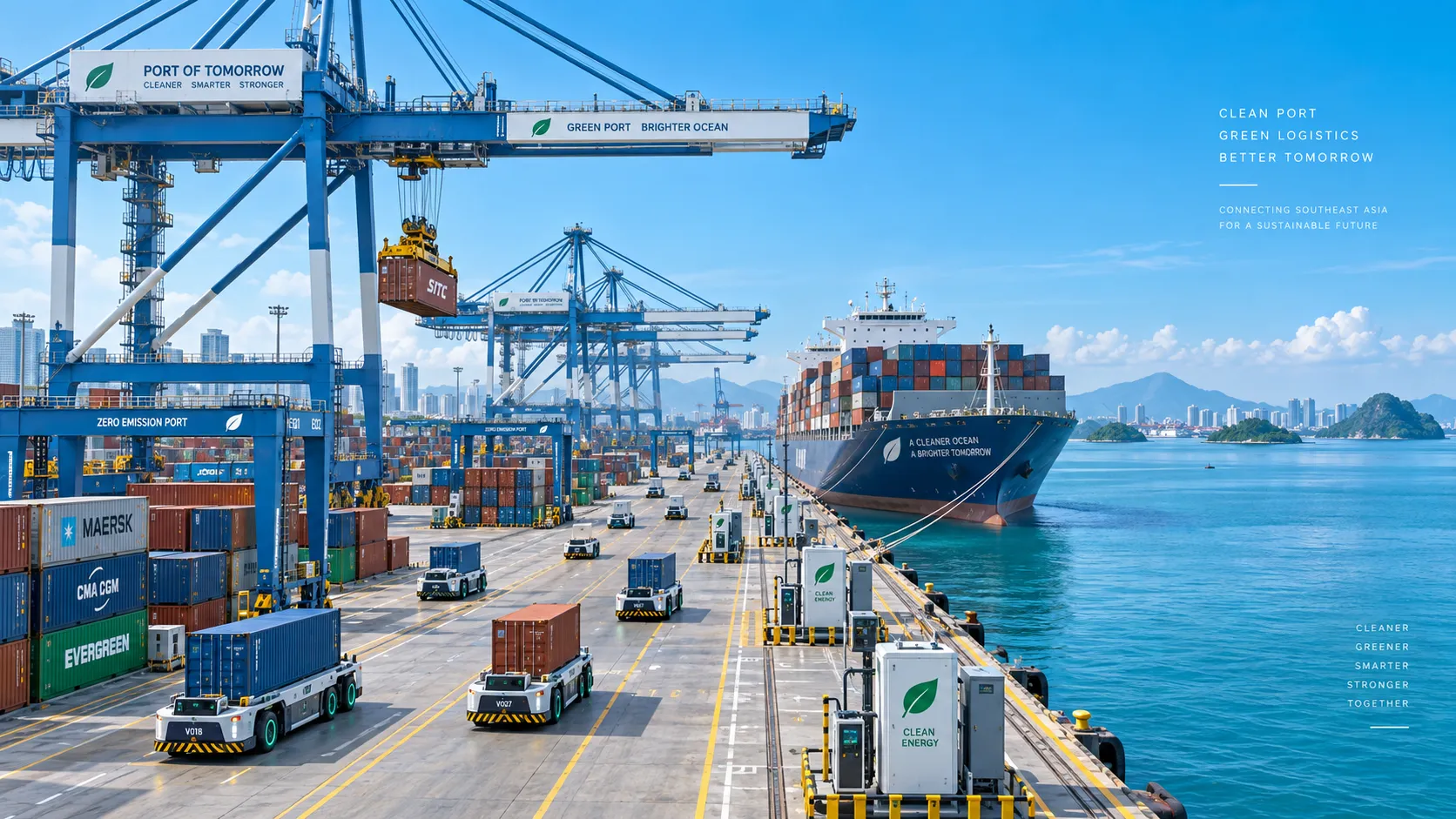
Smart Port Systems in Southeast Asia: Investment Priorities and Adoption Barriers
Smart port systems Southeast Asia: discover investment priorities, adoption barriers, and practical steps to build resilient, connected, high-performing terminals.
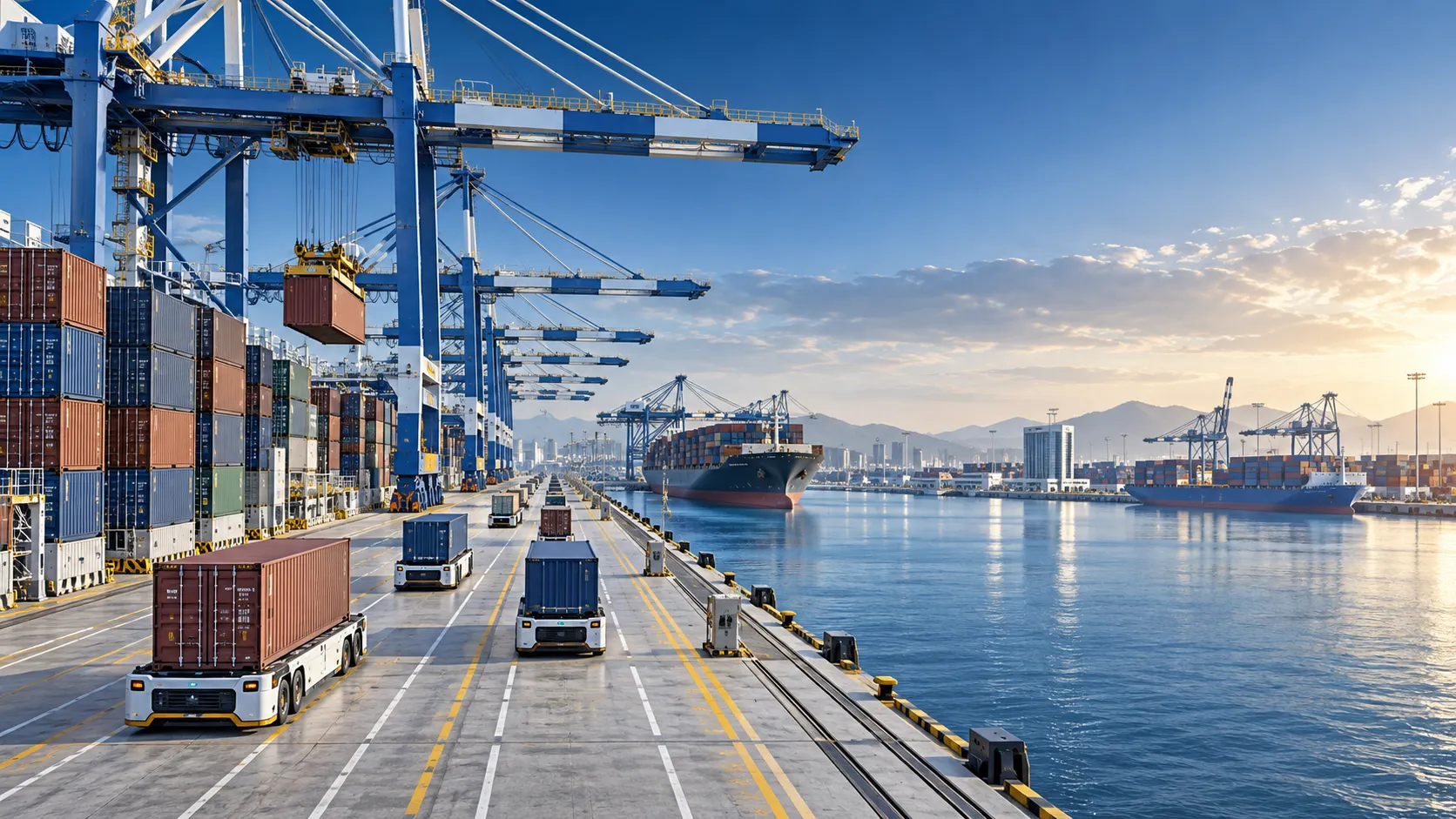
How to Evaluate Terminal Efficiency Solution Suppliers for High-Throughput Operations
Choose a terminal efficiency solutions supplier with confidence. Explore proven criteria for throughput, integration, lifecycle cost, safety, and reliable delivery.
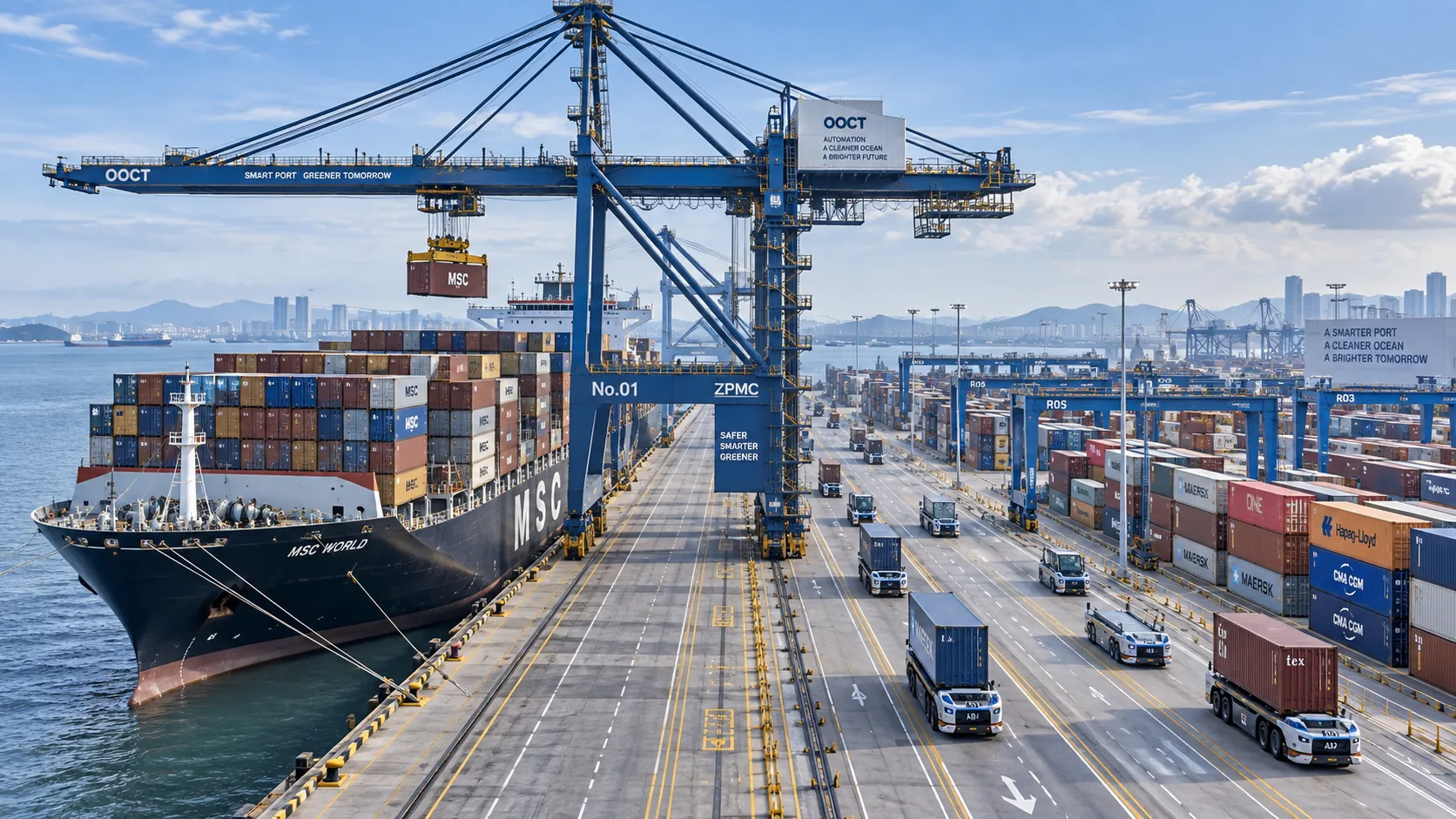
How to Specify a Quay Crane for Container Terminals by Vessel Size and Throughput?
Quay crane for container terminals: learn how to match outreach, lift height, capacity, automation, and cycle performance to vessel size and throughput goals.
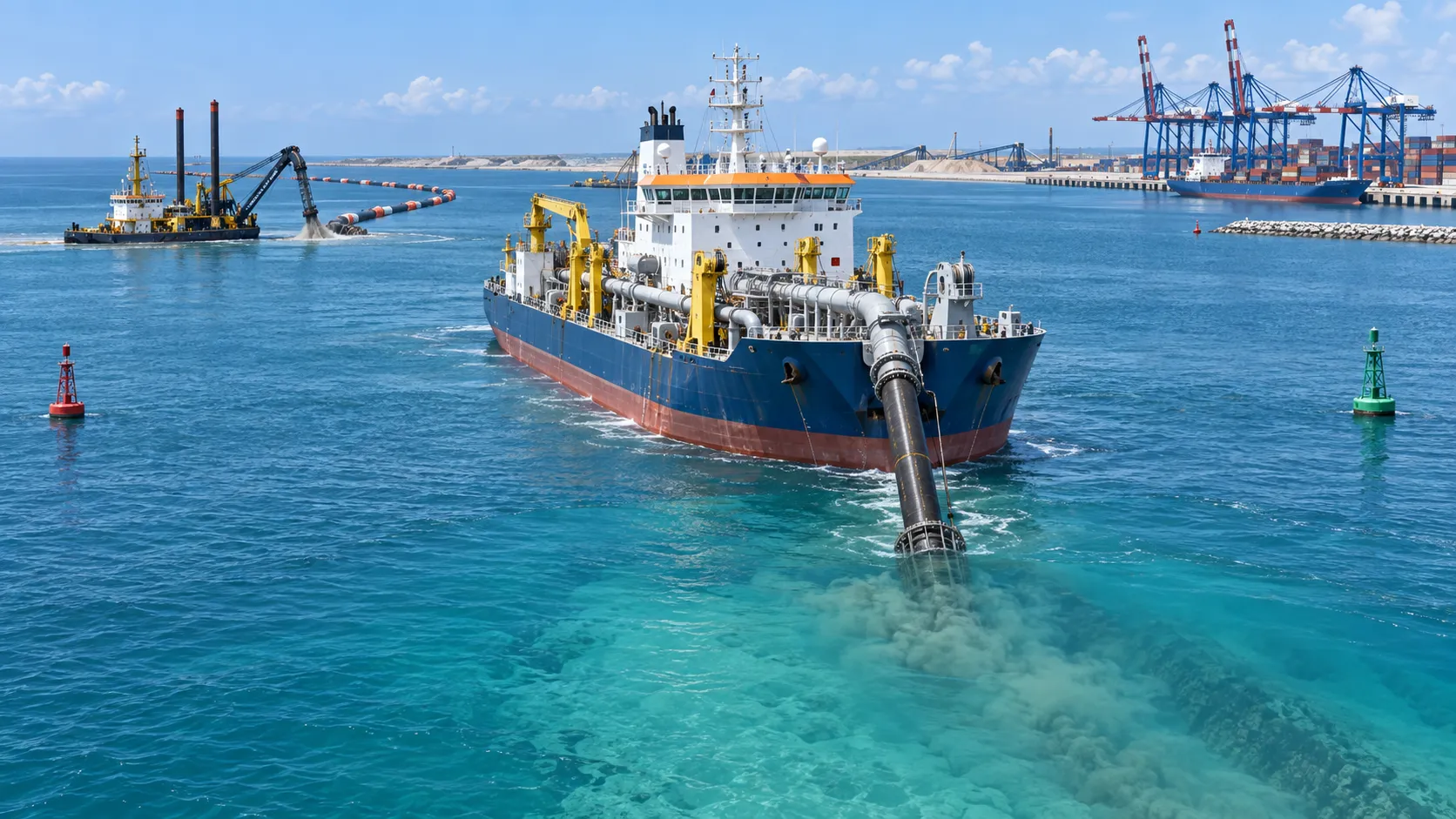
What Dredging Equipment Is Needed for Channel Deepening?
What dredging equipment is needed for channel deepening? Explore dredgers, pipelines, survey tools, and planning strategies for safer, more efficient port access.
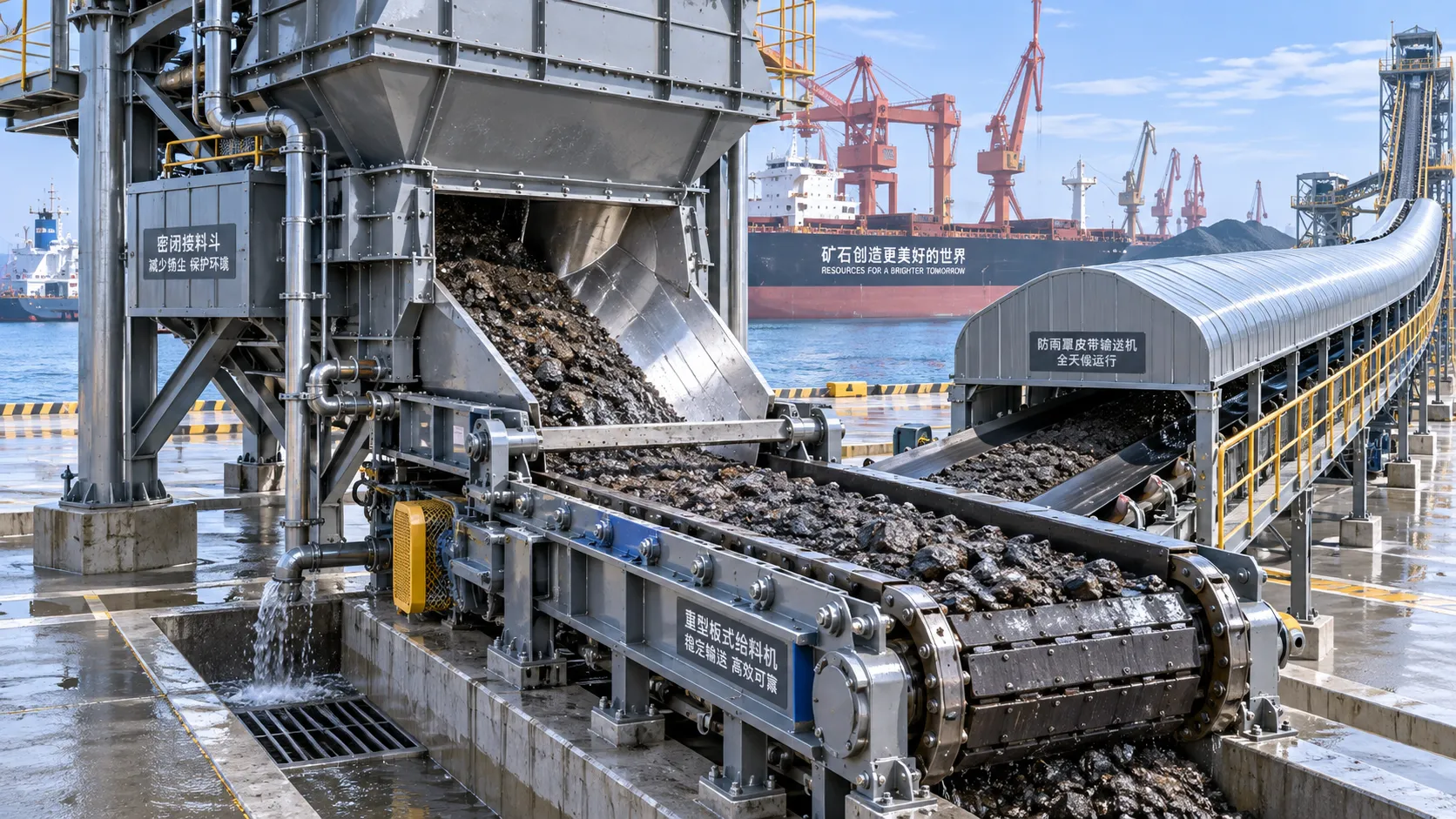
Which Bulk Handling Equipment Suits High-Moisture Cargo?
Which bulk handling equipment suits high-moisture cargo? Compare belt, apron, screw, drag, and slurry systems for reliable flow, less carryback, and higher terminal uptime.
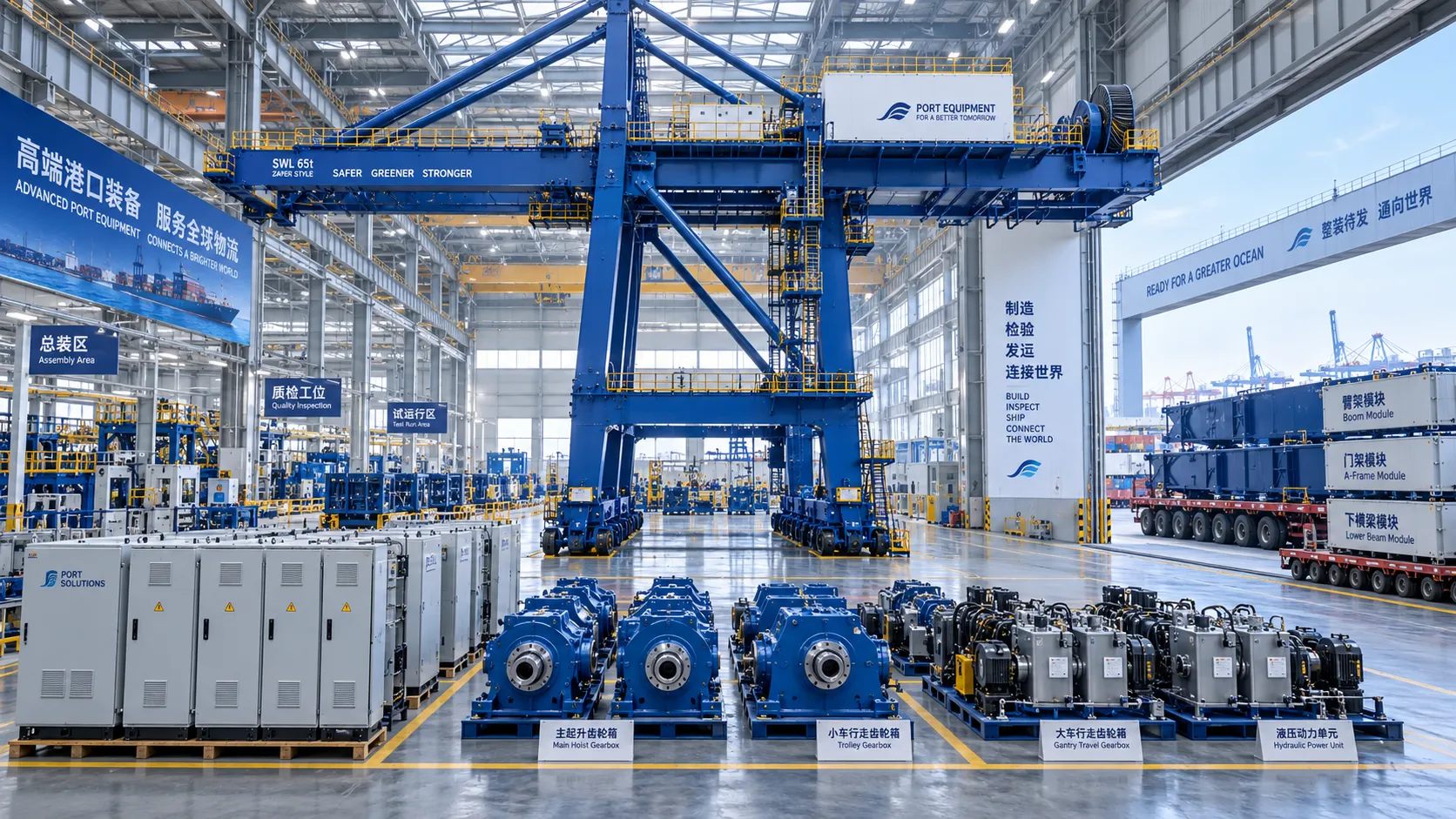
How Can Port Equipment Lead-Time Risk Be Managed?
How can port equipment lead-time risk be managed? Explore practical strategies to control critical paths, suppliers, transport, site readiness, and commissioning delays.
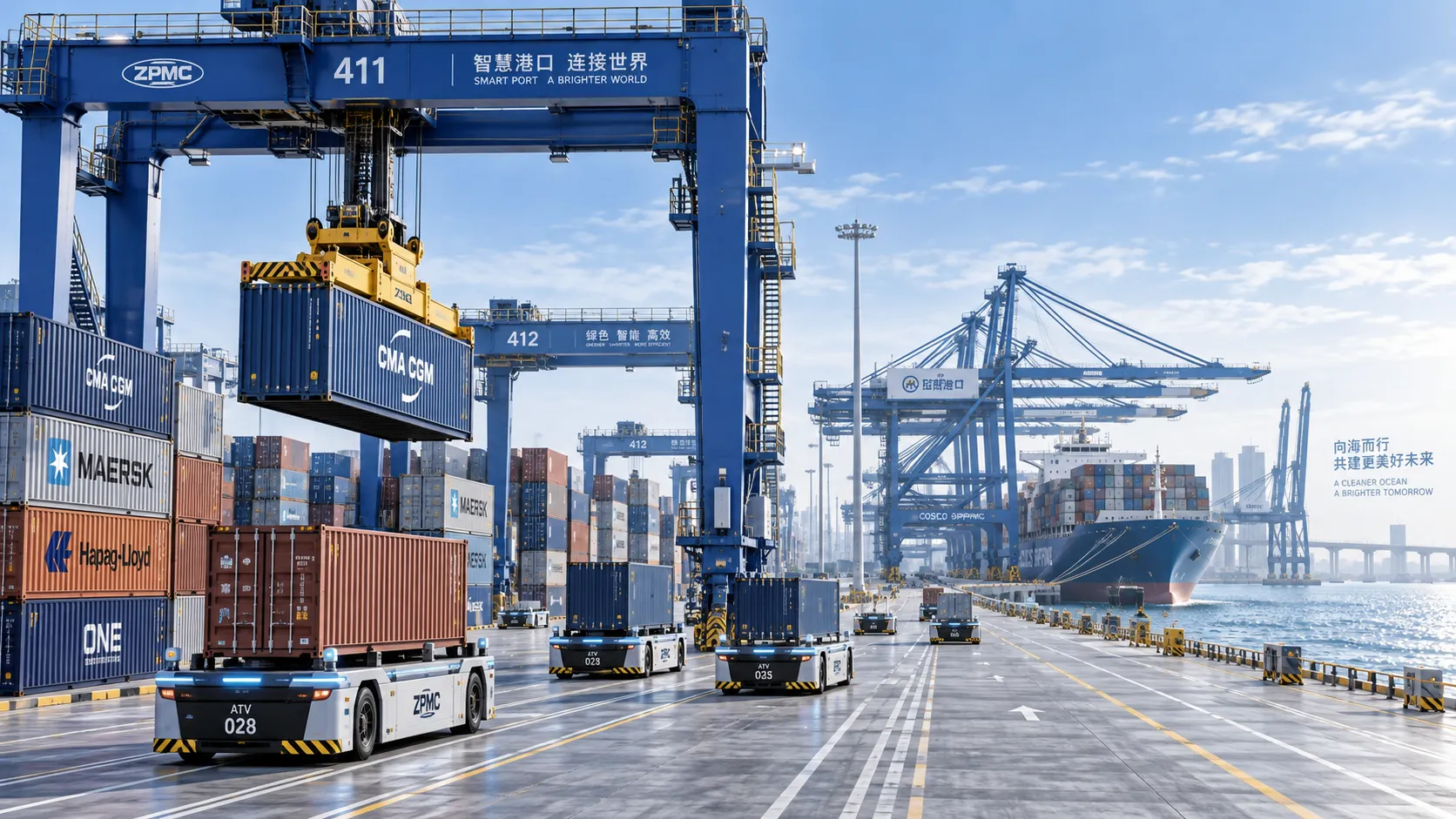
Terminal Automation Technologies That Raise Container Throughput Without Yard Disruption
Terminal automation technology that increases container throughput without disrupting yard flow. Explore smarter integration, resilient workflows, and phased deployment strategies.
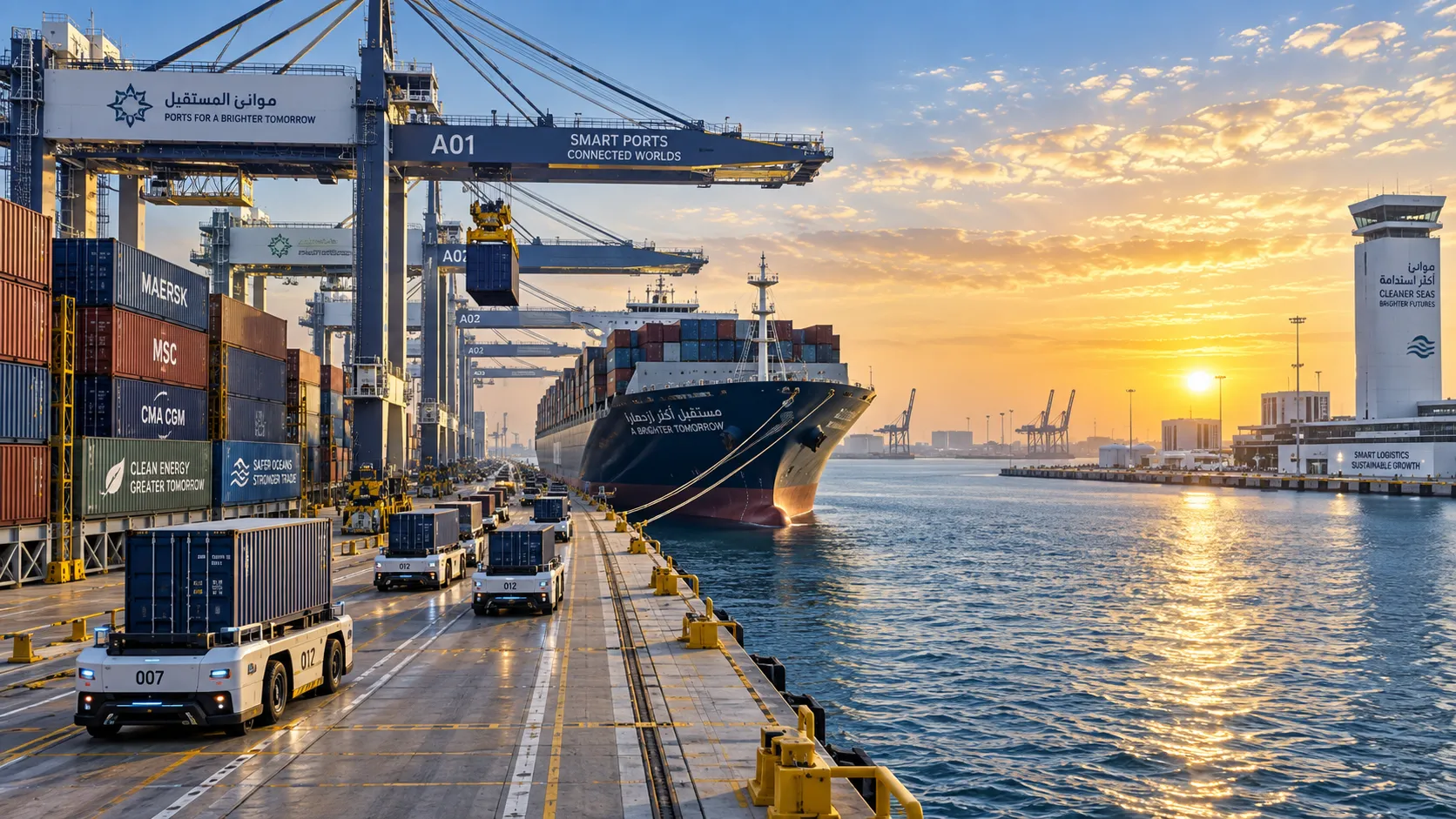
Middle East Port Automation: Key Market Drivers, Projects, and Investment Risks
Port automation systems Middle East: explore market drivers, flagship projects, integration challenges, and investment risks shaping smarter, resilient terminals.
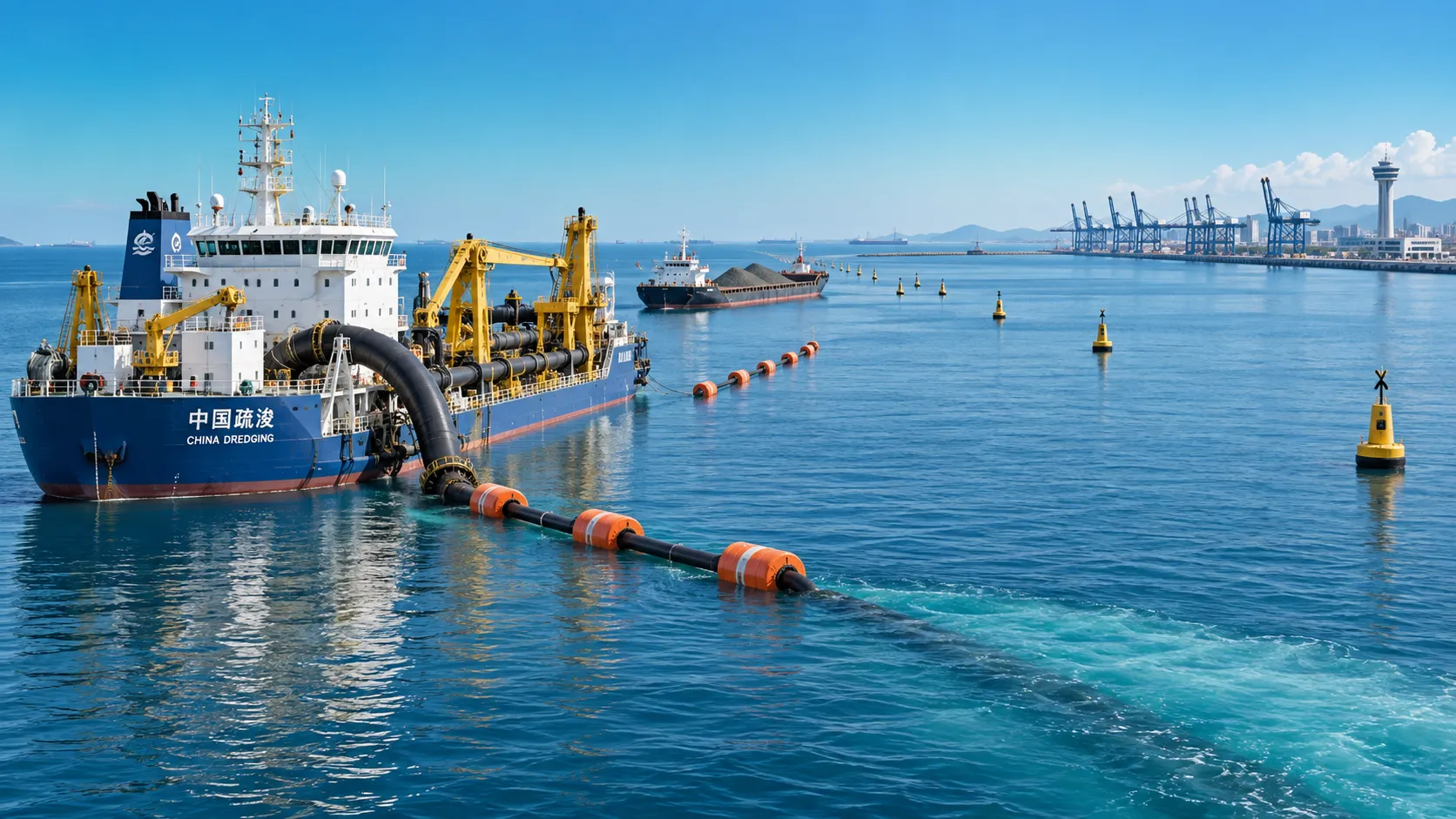
Planning Offshore Dredging Operations: Key Risks, Methods, and Project Controls
Offshore dredging operations demand smart planning. Explore key risks, proven methods, environmental controls, and project strategies for reliable delivery.