Related News
- 00
0000-00
How to Specify a Quay Crane for Container Terminals by Vessel Size and Throughput? - 00
0000-00
Which Bulk Handling Equipment Suits High-Moisture Cargo? - 00
0000-00
Terminal Automation Technologies That Raise Container Throughput Without Yard Disruption - 00
0000-00
Planning Offshore Dredging Operations: Key Risks, Methods, and Project Controls - 00
0000-00
Where Do Automated Guided Vehicles Deliver the Fastest Warehouse Gains in the Middle East?
How dredging technology is cutting project delays and risk
For project managers under pressure to deliver marine works on time and within budget, dredging technology is becoming a decisive advantage.
From real-time monitoring to precision excavation, modern dredging technology reduces uncertainty, limits disruption, and improves control across complex port and coastal projects.
For PS-Nexus, this shift matters far beyond equipment selection.
It affects terminal expansion, channel maintenance, bulk logistics reliability, automated port planning, and the wider economics of maritime trade.
When dredging technology is applied with strong data, scheduling, and seabed insight, delays become easier to predict and risk becomes easier to manage.
Why project conditions determine the value of dredging technology
Not every marine project faces the same pressure points.
A maintenance campaign in an established fairway differs sharply from a greenfield port basin, a land reclamation zone, or an emergency recovery operation.
That is why dredging technology should be judged by scenario, not by equipment name alone.
The most useful systems are those that match sediment type, hydrodynamic conditions, environmental limits, and handover deadlines.
In practical terms, modern dredging technology creates value in four ways.
- It improves survey accuracy before dredging begins.
- It guides excavation with tighter depth control.
- It coordinates vessels, pumps, and discharge routes more efficiently.
- It documents performance for compliance, claims, and progress verification.
These capabilities directly influence delay exposure, cost overruns, fuel waste, rework, and stakeholder confidence.
Scenario 1: Port expansion projects need precision more than brute force
Port expansion often appears to be a volume problem.
In reality, it is a sequencing problem shaped by tides, berth geometry, traffic windows, geotechnical variation, and contractor interface risk.
Here, dredging technology cuts delays by linking hydrographic survey data with excavation control systems.
Operators can avoid under-dredging, reduce over-dredging, and keep basin depths aligned with berth construction milestones.
Digital positioning, sonar mapping, and production dashboards also improve coordination with quay wall works and terminal equipment mobilization.
That matters because every mismatch between dredging progress and civil works can trigger expensive idle time across the supply chain.
Core judgment points in port expansion
- How variable is the seabed material across the work zone?
- How strict are design tolerances near structures?
- How many parallel contractors depend on dredging completion?
- How often must progress evidence be shared with owners and regulators?
Scenario 2: Maintenance dredging depends on visibility and timing
Maintenance dredging has a different risk profile.
The objective is usually not expansion but navigational reliability, draft assurance, and minimal interference with ongoing vessel traffic.
In this setting, dredging technology reduces risk by showing where shoaling is developing and how fast conditions are changing.
Frequent bathymetric updates help planners target only the areas that need intervention.
This lowers unnecessary dredged volume, shortens vessel deployment time, and supports safer channel availability.
Predictive monitoring can also align campaigns with seasonal sediment movement, avoiding emergency works that disrupt logistics schedules.
For busy trade corridors, that timing advantage is one of the strongest reasons to invest in dredging technology.
Core judgment points in maintenance work
- Is sediment accumulation gradual or event-driven?
- How sensitive is shipping traffic to downtime?
- Can survey intervals support forecast-based intervention?
- Are environmental windows restricting dredging dates?
Scenario 3: Coastal protection and reclamation require tighter risk control
Coastal protection and reclamation projects place heavier pressure on material quality, discharge accuracy, and environmental control.
A delay in fill placement can slow embankment formation, utility planning, or future industrial land preparation.
In these scenarios, dredging technology helps manage slurry density, pump performance, transport distance, and placement consistency.
Real-time sensor feedback allows crews to react quickly when discharge efficiency drops or material behavior changes.
That prevents hidden productivity loss, which often becomes visible only after deadlines have already slipped.
Environmental monitoring is equally important.
Turbidity limits, habitat boundaries, and permit conditions can all affect production decisions.
Integrated dredging technology makes these constraints measurable instead of assumed.
Scenario 4: Emergency recovery needs fast decisions, not perfect assumptions
After storms, collisions, floods, or slope failures, marine recovery work operates under compressed timelines and incomplete information.
This is where dredging technology becomes a decision accelerator.
Rapid surveys, mobile control systems, and live production tracking can restore access channels faster and with less operational guesswork.
The goal is not just speed.
It is safe speed, backed by data that supports changing seabed conditions and vessel movements.
In emergency scenarios, the biggest delays often come from uncertainty, not excavation volume.
The best dredging technology reduces that uncertainty early.
How scenario needs differ across marine projects
Practical ways to match dredging technology to the job
A useful technology strategy starts with risk mapping, not procurement language.
Before selecting systems or upgrades, define where delay and uncertainty are most likely to appear.
- Use high-resolution pre-dredge surveys when design tolerance is strict.
- Prioritize real-time production dashboards on multi-vessel or phased projects.
- Adopt pump and slurry monitoring where transport efficiency drives schedule performance.
- Integrate environmental sensors where permits influence operating hours.
- Keep reporting tools aligned with claims, compliance, and milestone verification needs.
PS-Nexus sees a growing advantage in combining dredging technology with broader port intelligence.
When excavation data connects with terminal schedules, berth development, and logistics planning, marine works become easier to synchronize.
Common mistakes that still create avoidable delays
Many projects still underuse dredging technology because they treat it as a reporting tool rather than a control tool.
That leads to several repeated mistakes.
- Relying on outdated seabed data before mobilization.
- Ignoring sediment variability until productivity drops.
- Separating dredging decisions from civil or terminal schedules.
- Tracking volume moved, but not schedule-critical zones completed.
- Overlooking environmental triggers that can halt operations.
Another common misjudgment is assuming more powerful equipment alone will fix delay exposure.
Without good data and fit-for-purpose control, higher capacity can still produce rework, waste, and compliance problems.
The next step: turn dredging technology into a schedule protection tool
The strongest case for dredging technology is simple.
It helps marine projects make better decisions earlier, when schedule risk is still manageable.
Whether the priority is port expansion, fairway maintenance, reclamation, or emergency recovery, the right dredging technology should be linked to the actual scenario.
Start by reviewing survey accuracy, production visibility, equipment coordination, and compliance reporting against project-critical milestones.
Then identify where digital control, monitoring, or integration can remove the biggest sources of delay and risk.
For organizations following PS-Nexus, this is where intelligence becomes operational value.
Dredging technology is no longer only about moving material.
It is about protecting delivery certainty across the wider maritime logistics system.
Related News
Smart Port Systems in Southeast Asia: Investment Priorities and Adoption Barriers
Smart port systems Southeast Asia: discover investment priorities, adoption barriers, and practical steps to build resilient, connected, high-performing terminals.
How to Evaluate Terminal Efficiency Solution Suppliers for High-Throughput Operations
Choose a terminal efficiency solutions supplier with confidence. Explore proven criteria for throughput, integration, lifecycle cost, safety, and reliable delivery.
How to Specify a Quay Crane for Container Terminals by Vessel Size and Throughput?
Quay crane for container terminals: learn how to match outreach, lift height, capacity, automation, and cycle performance to vessel size and throughput goals.
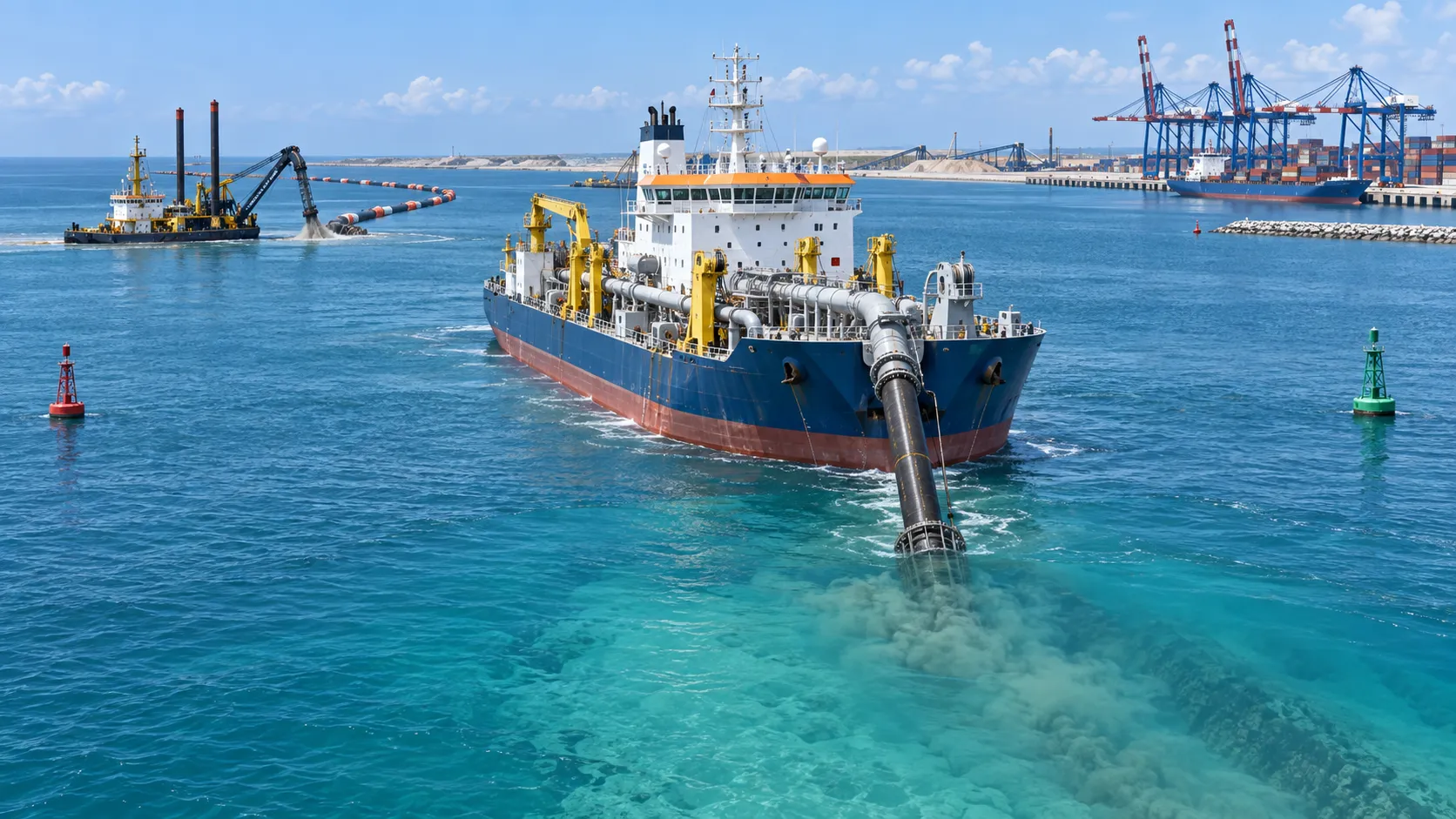
What Dredging Equipment Is Needed for Channel Deepening?
What dredging equipment is needed for channel deepening? Explore dredgers, pipelines, survey tools, and planning strategies for safer, more efficient port access.
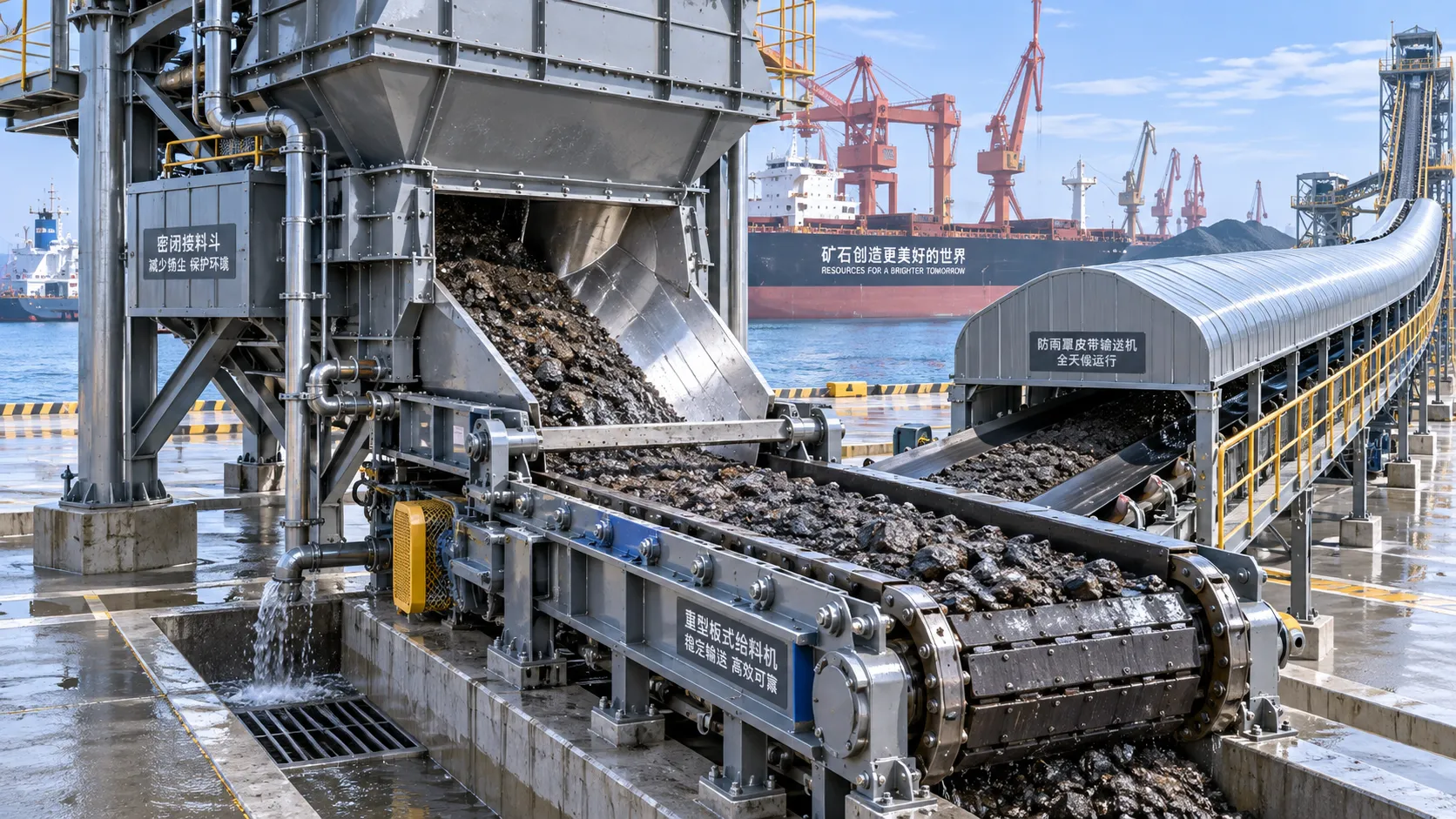
Which Bulk Handling Equipment Suits High-Moisture Cargo?
Which bulk handling equipment suits high-moisture cargo? Compare belt, apron, screw, drag, and slurry systems for reliable flow, less carryback, and higher terminal uptime.
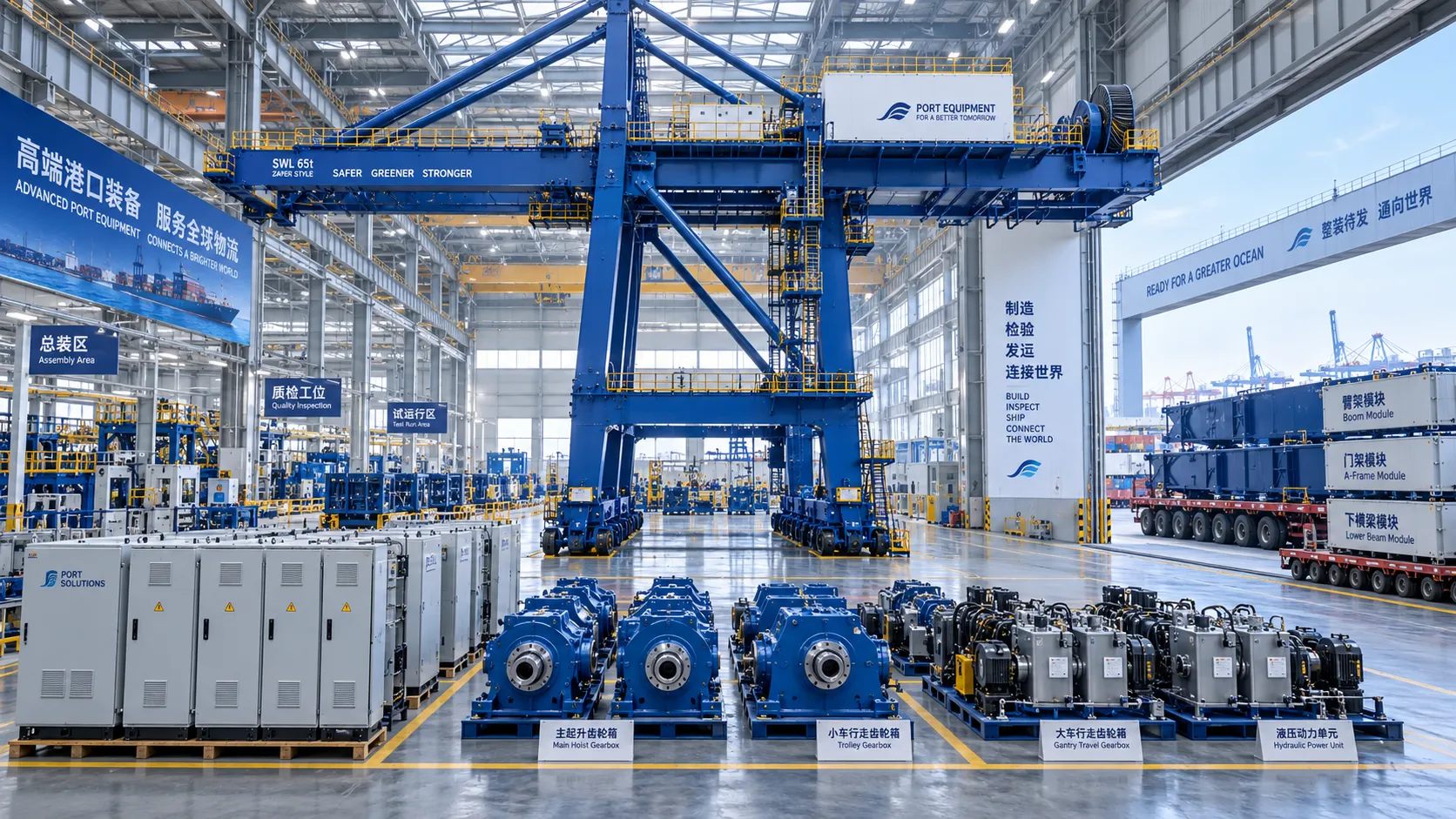
How Can Port Equipment Lead-Time Risk Be Managed?
How can port equipment lead-time risk be managed? Explore practical strategies to control critical paths, suppliers, transport, site readiness, and commissioning delays.
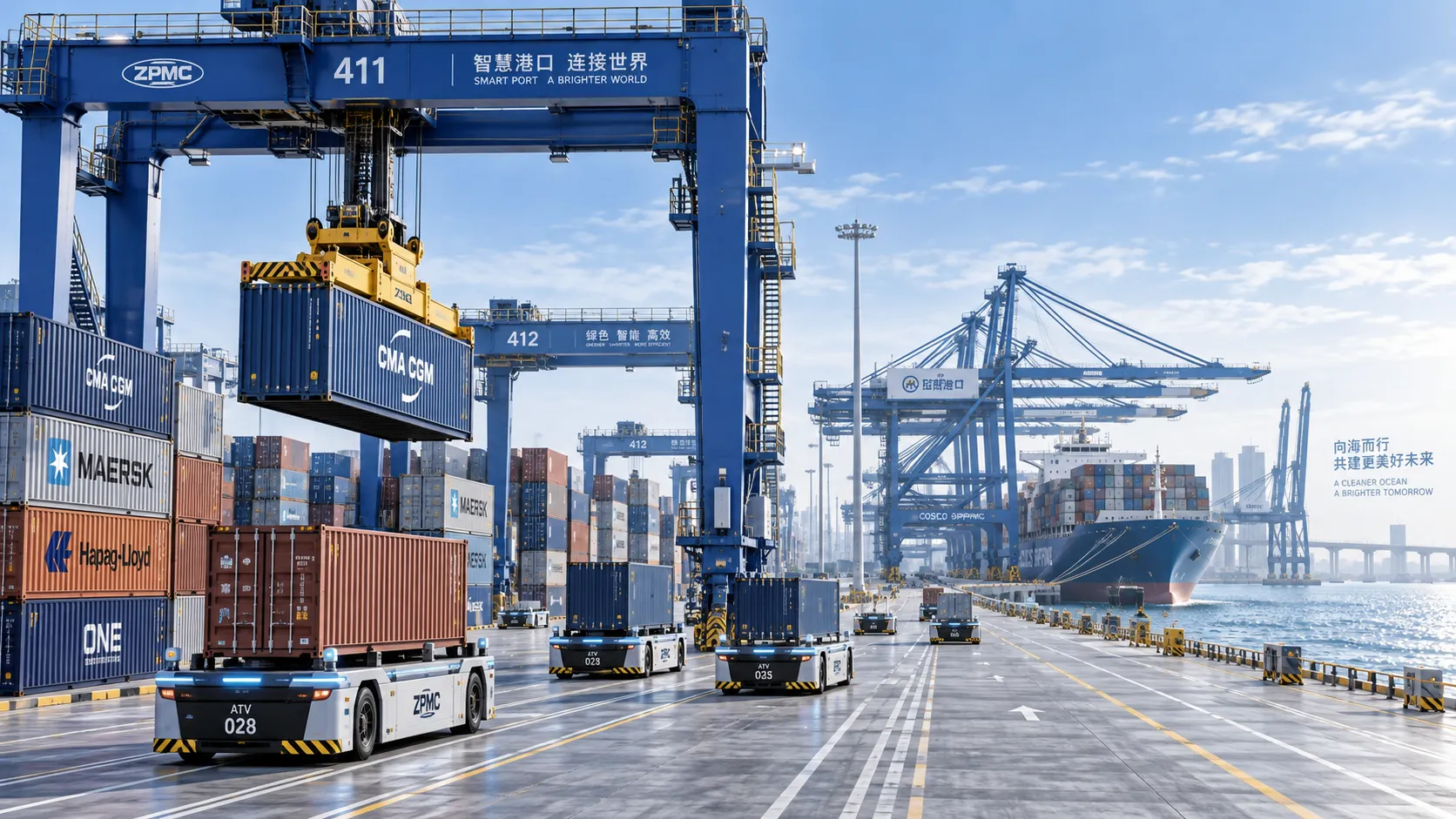
Terminal Automation Technologies That Raise Container Throughput Without Yard Disruption
Terminal automation technology that increases container throughput without disrupting yard flow. Explore smarter integration, resilient workflows, and phased deployment strategies.
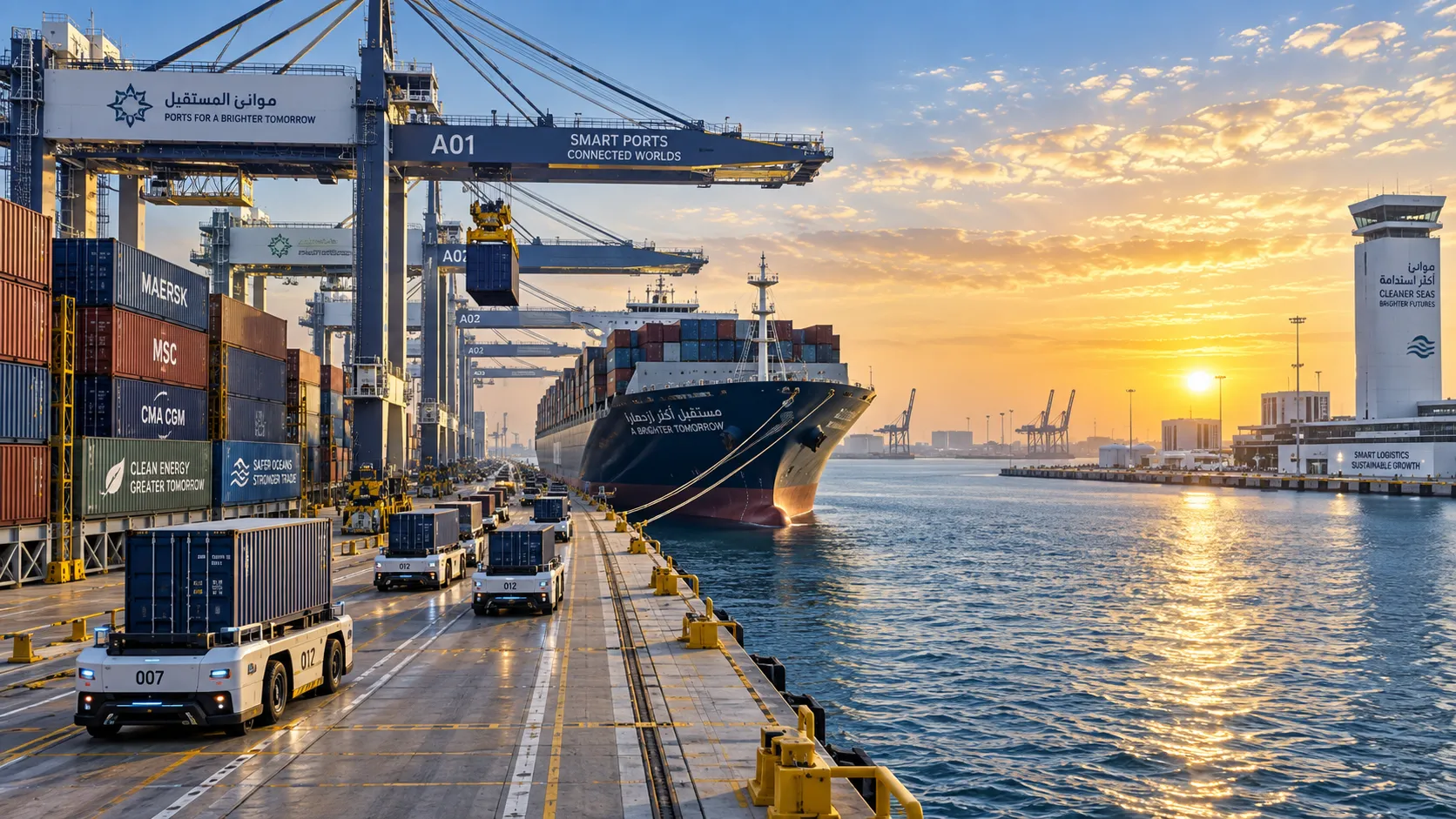
Middle East Port Automation: Key Market Drivers, Projects, and Investment Risks
Port automation systems Middle East: explore market drivers, flagship projects, integration challenges, and investment risks shaping smarter, resilient terminals.
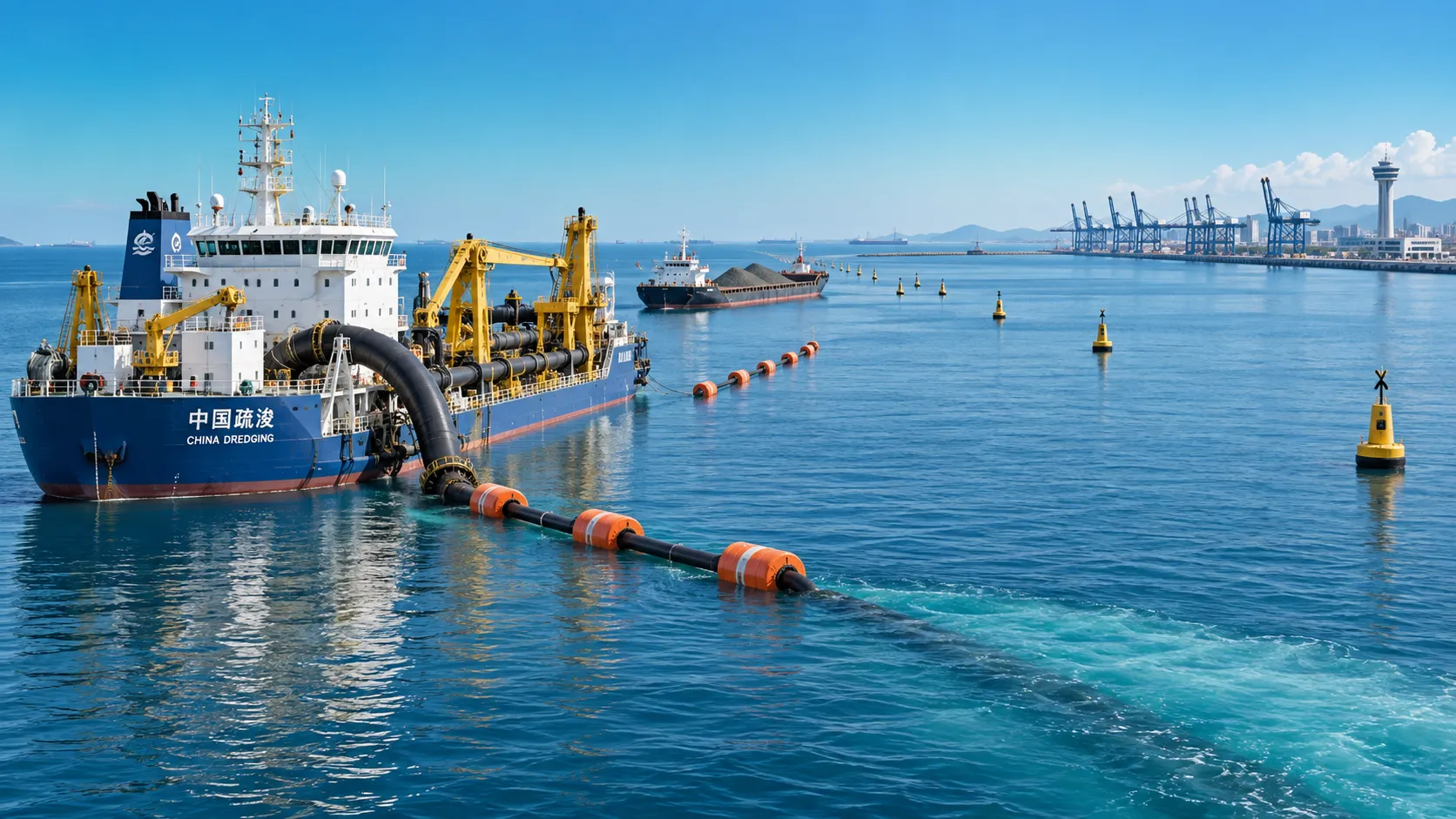
Planning Offshore Dredging Operations: Key Risks, Methods, and Project Controls
Offshore dredging operations demand smart planning. Explore key risks, proven methods, environmental controls, and project strategies for reliable delivery.