Related News
- 00
0000-00
How to Specify a Quay Crane for Container Terminals by Vessel Size and Throughput? - 00
0000-00
Which Bulk Handling Equipment Suits High-Moisture Cargo? - 00
0000-00
Terminal Automation Technologies That Raise Container Throughput Without Yard Disruption - 00
0000-00
Planning Offshore Dredging Operations: Key Risks, Methods, and Project Controls - 00
0000-00
Where Do Automated Guided Vehicles Deliver the Fastest Warehouse Gains in the Middle East?
How marine logistics technology is cutting delay costs
For enterprise decision-makers, marine logistics technology has become a direct tool for reducing delay costs and protecting margins.
Across ports, terminals, channels, and hinterland links, timing failures now create measurable financial exposure.
Demurrage, berth congestion, crane idle time, yard imbalance, and dredging disruption all compound quickly.
That is why marine logistics technology is moving from operational support into strategic infrastructure.
Smarter coordination between vessels, heavy terminal gear, automation systems, and data platforms is changing cost structures.
The result is not only faster cargo flow, but also better asset utilization and stronger supply chain resilience.
Delay costs are rising faster than many marine networks expected
Global maritime operations are facing a more volatile rhythm than in previous cycles.
Weather extremes, tighter emission rules, labor shortages, larger vessels, and uneven trade lanes increase planning complexity.
At the same time, customers demand predictable transit windows, not just low transport rates.
This has exposed a hard truth: many delay costs originate before a vessel even reaches the berth.
Marine logistics technology now addresses the full chain, including ETA prediction, berth planning, yard orchestration, and channel readiness.
For intelligence platforms such as PS-Nexus, this shift highlights how equipment, software, and marine engineering now operate as one system.
The strongest trend signal is convergence across port systems
The most important change is no longer isolated automation.
The new value comes from integrated marine logistics technology linking quay cranes, AGVs, TOS platforms, dredging data, and vessel schedules.
When these systems share real-time operational logic, delays become visible earlier and easier to contain.
This convergence matters especially in high-volume terminals handling mixed cargo and changing berth priorities.
It also matters in channels where sediment, tide, and dredging conditions influence vessel access windows.
What is driving adoption now
Marine logistics technology is cutting delay costs through five practical levers
The strongest business case comes from specific operational improvements rather than broad digital claims.
1. Real-time ETA and berth synchronization
Advanced prediction engines combine AIS, weather, tide, port traffic, and service history.
That allows terminals to assign labor, cranes, and yard space with more confidence.
Fewer surprise arrivals mean fewer emergency shifts and less berth conflict.
2. Smarter quay crane and AGV scheduling
Marine logistics technology increasingly uses algorithmic task sequencing instead of static dispatch rules.
This reduces idle intervals between lift cycles and prevents transport bottlenecks under the cranes.
For automated terminals, low-latency control becomes central to stable throughput.
3. Yard optimization and reduced rehandles
When yard systems can forecast discharge patterns and gate demand, stacks become more deliberate.
Better slotting lowers retrieval time, truck queues, and unnecessary container moves.
That directly cuts labor consumption and equipment wear.
4. Predictive maintenance for heavy terminal gear
Sensors on spreaders, hoists, drives, and pumps help identify failure patterns early.
Maintenance teams can then intervene before a crane outage disrupts a vessel plan.
Avoided downtime often produces one of the fastest paybacks in marine logistics technology.
5. Dredging and channel intelligence
For many ports, delay costs are linked to water depth and access certainty.
Digital pump monitoring, sediment mapping, and fairway condition tracking improve channel planning.
This is where marine logistics technology connects port engineering with cargo flow performance.
The impact reaches multiple business layers, not only terminal operations
The first impact appears in daily execution, where schedules become more reliable.
But the broader value appears in planning quality, contract confidence, and capital efficiency.
- Ports gain better berth productivity and fewer conflict-driven schedule changes.
- Terminal operators improve crane utilization and reduce maintenance-driven disruptions.
- Shipping networks face fewer turnaround surprises and lower waiting exposure.
- Bulk and energy flows benefit from steadier handling equipment availability.
- Infrastructure planners obtain stronger evidence for automation and dredging investment timing.
In this sense, marine logistics technology improves both operating results and strategic decision quality.
That dual effect is why intelligence-led platforms are gaining relevance across the marine value chain.
The next competitive gap will come from data quality, not software volume
Many organizations already own dashboards, control systems, and reporting tools.
Yet delay costs remain high because the underlying signals are fragmented, late, or operationally weak.
Marine logistics technology delivers results only when data reflects physical reality at sufficient speed.
That includes equipment status, queue position, draft condition, task progress, and exception history.
PS-Nexus reflects this perspective by tracking the intersection of heavy mechanical systems, scheduling logic, and marine engineering conditions.
Key focus points now
- Unify vessel, berth, yard, and gate data into one operational timeline.
- Map delay cost sources by minute, asset, and decision point.
- Prioritize low-latency communication for remote and automated equipment.
- Include dredging and fairway intelligence in port access planning.
- Measure gains through turnaround reliability, not only average throughput.
- Build maintenance models around failure prevention, not reactive repair cycles.
A practical response framework is emerging across leading marine operations
What to do next if delay costs are still treated as isolated incidents
The next step is to stop viewing delays as separate equipment or scheduling events.
Instead, treat them as symptoms of weak synchronization across the marine system.
Start with one corridor of value: vessel arrival, berth allocation, crane assignment, yard transfer, and channel condition.
Then measure where marine logistics technology can remove waiting, rework, and avoidable variability.
Organizations that act early will not only cut delay costs.
They will build a more adaptive operating model for smart ports, resilient supply chains, and the evolving blue economy.
Following intelligence sources like PS-Nexus can help connect technology signals with practical investment priorities across marine logistics technology.
Related News
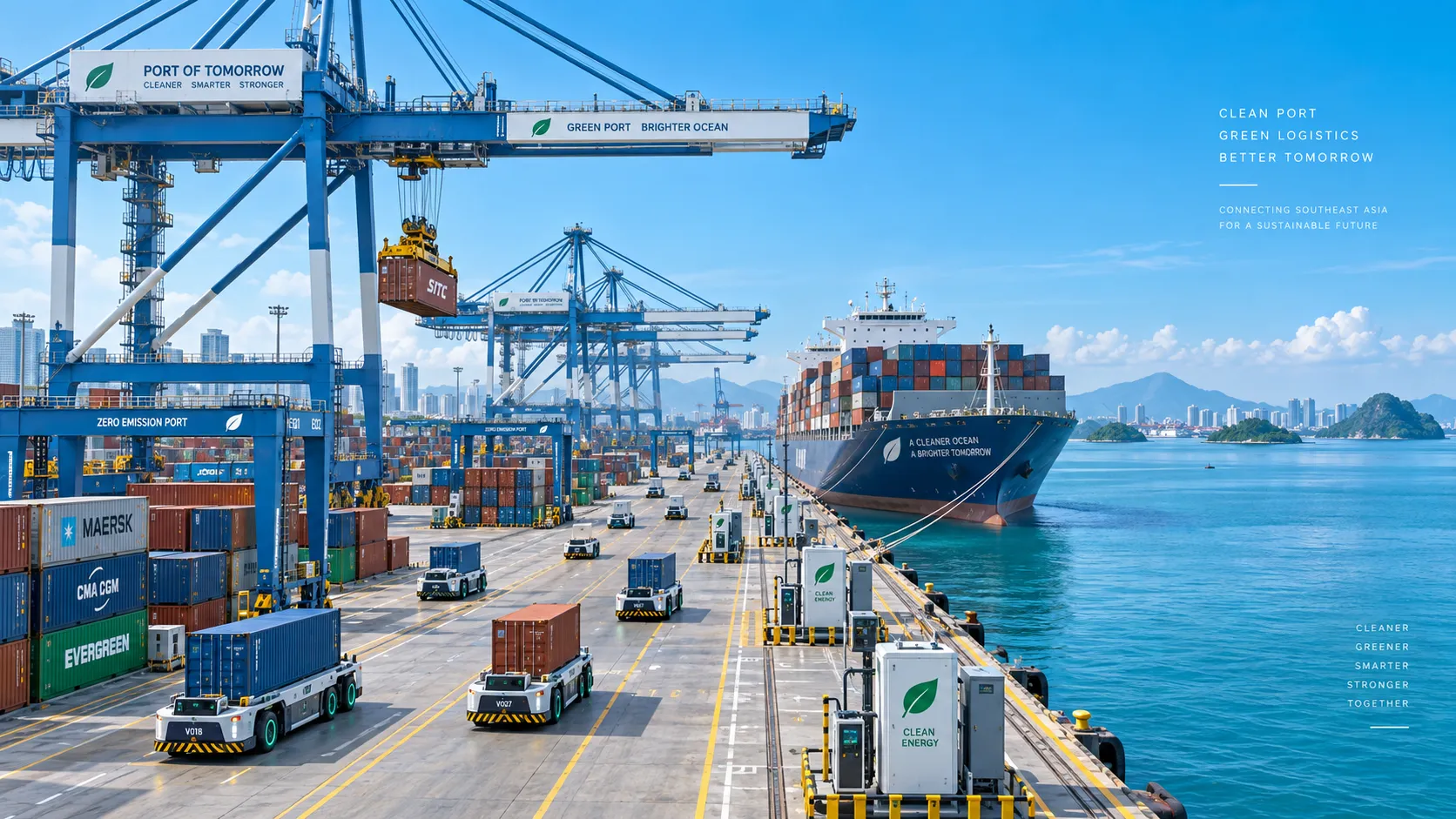
Smart Port Systems in Southeast Asia: Investment Priorities and Adoption Barriers
Smart port systems Southeast Asia: discover investment priorities, adoption barriers, and practical steps to build resilient, connected, high-performing terminals.
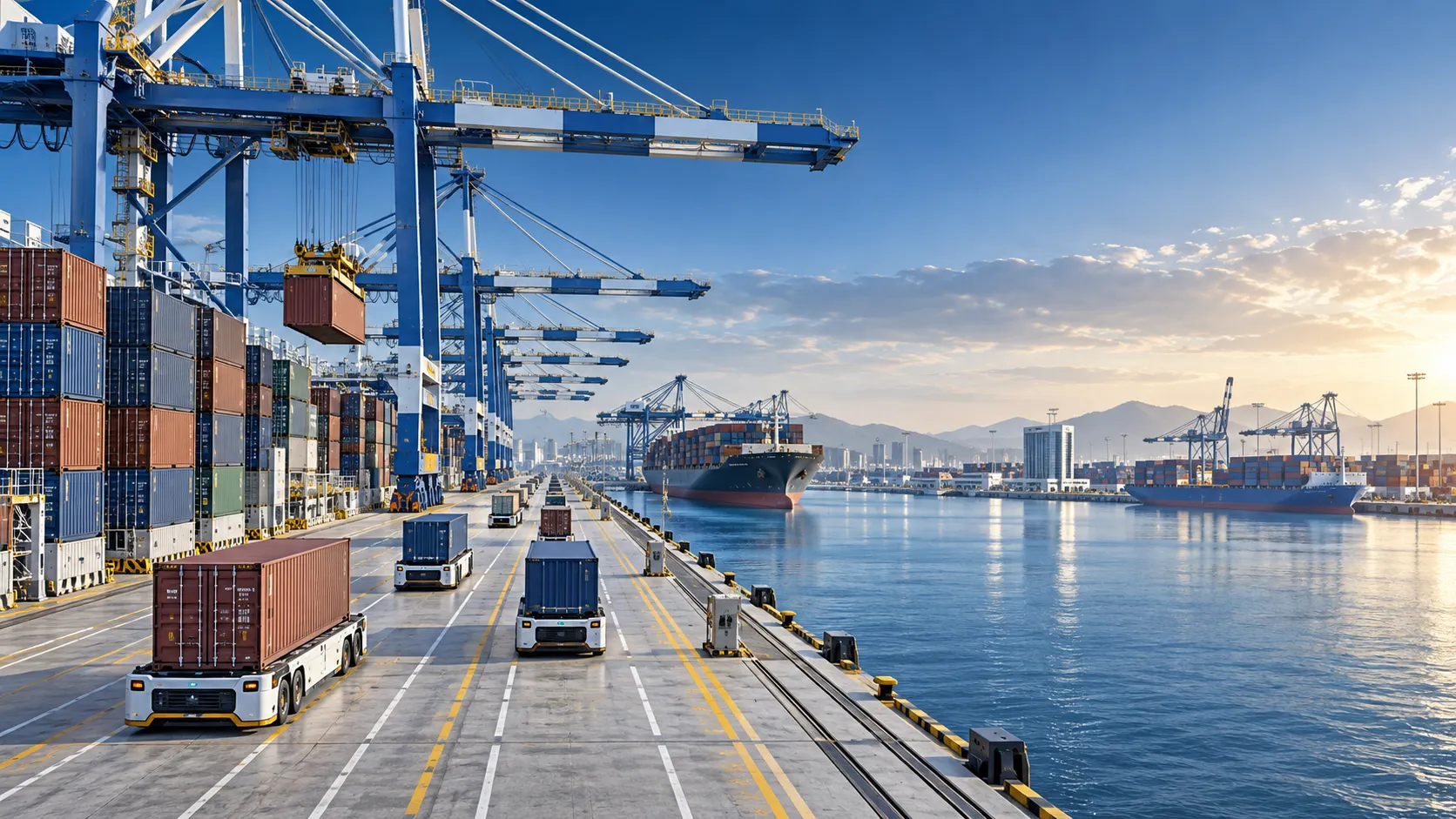
How to Evaluate Terminal Efficiency Solution Suppliers for High-Throughput Operations
Choose a terminal efficiency solutions supplier with confidence. Explore proven criteria for throughput, integration, lifecycle cost, safety, and reliable delivery.
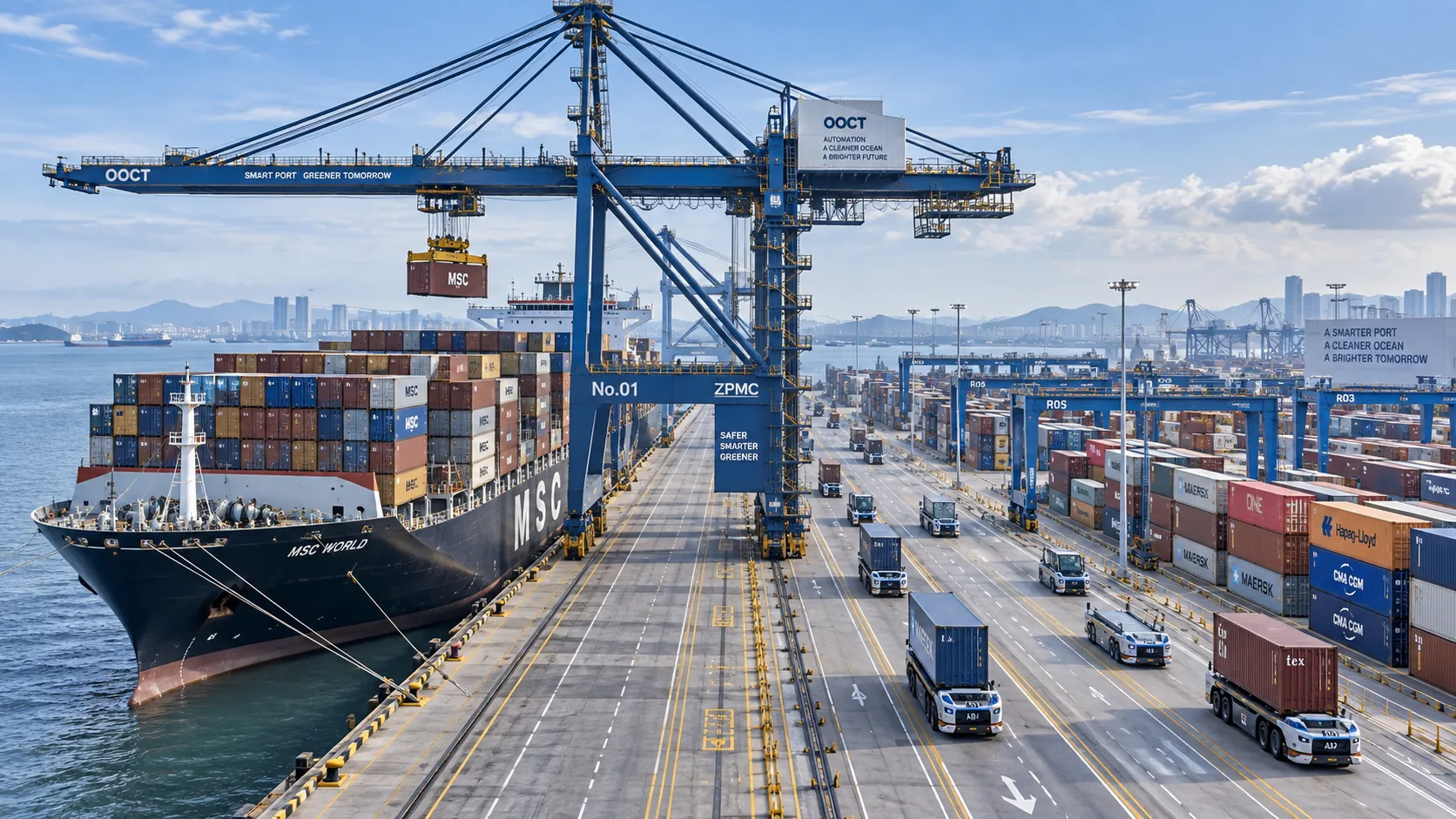
How to Specify a Quay Crane for Container Terminals by Vessel Size and Throughput?
Quay crane for container terminals: learn how to match outreach, lift height, capacity, automation, and cycle performance to vessel size and throughput goals.
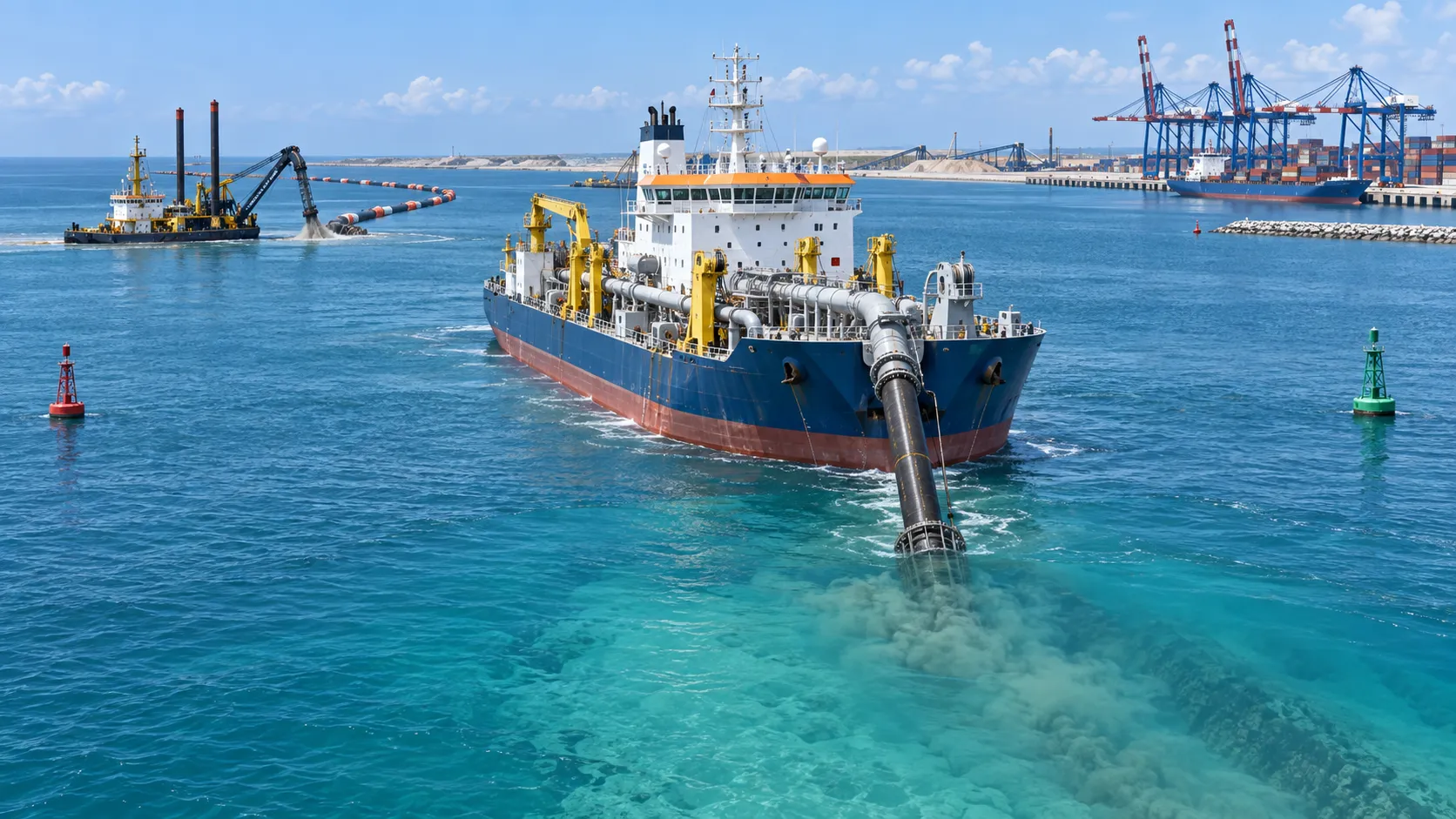
What Dredging Equipment Is Needed for Channel Deepening?
What dredging equipment is needed for channel deepening? Explore dredgers, pipelines, survey tools, and planning strategies for safer, more efficient port access.
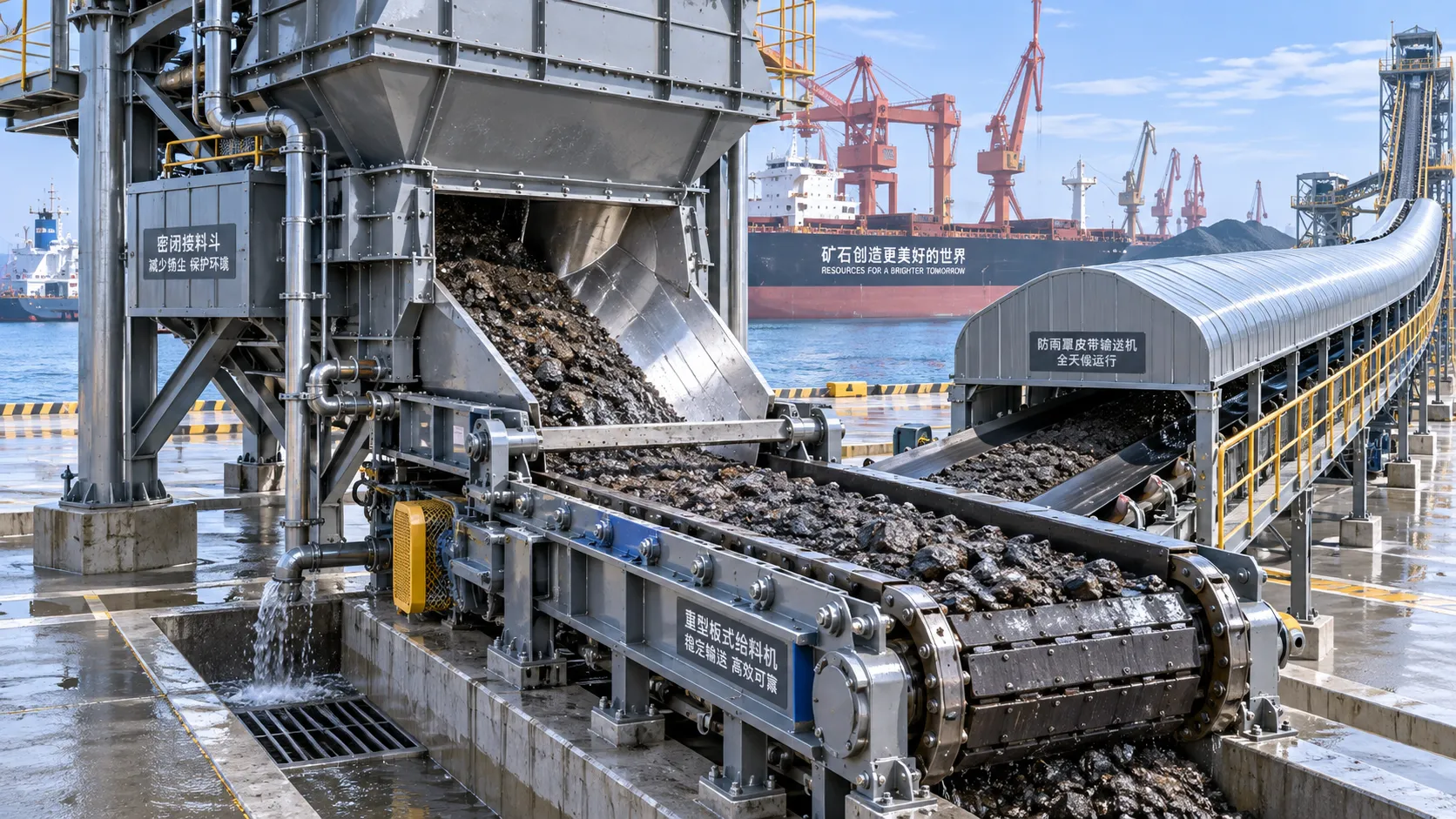
Which Bulk Handling Equipment Suits High-Moisture Cargo?
Which bulk handling equipment suits high-moisture cargo? Compare belt, apron, screw, drag, and slurry systems for reliable flow, less carryback, and higher terminal uptime.
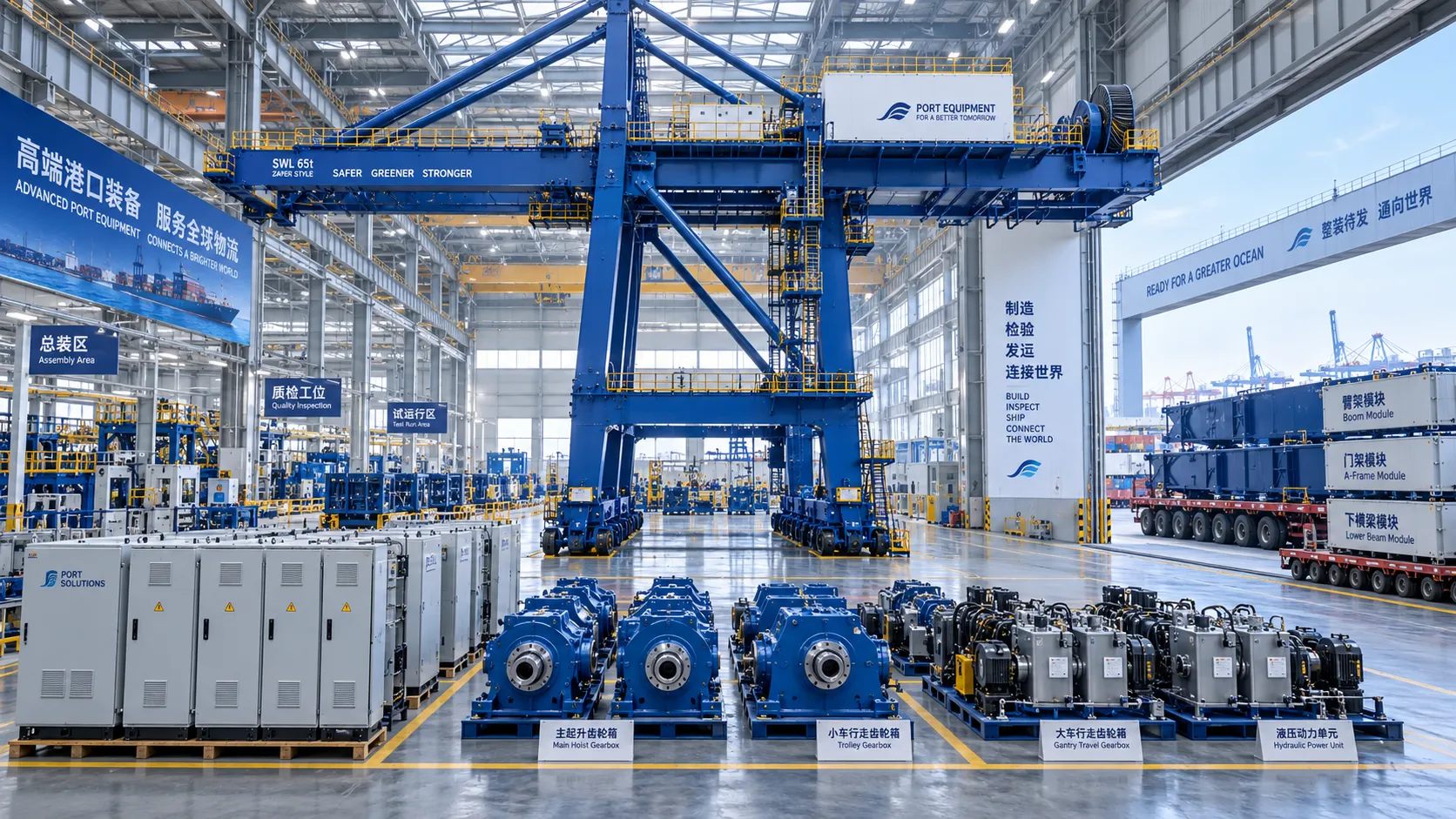
How Can Port Equipment Lead-Time Risk Be Managed?
How can port equipment lead-time risk be managed? Explore practical strategies to control critical paths, suppliers, transport, site readiness, and commissioning delays.
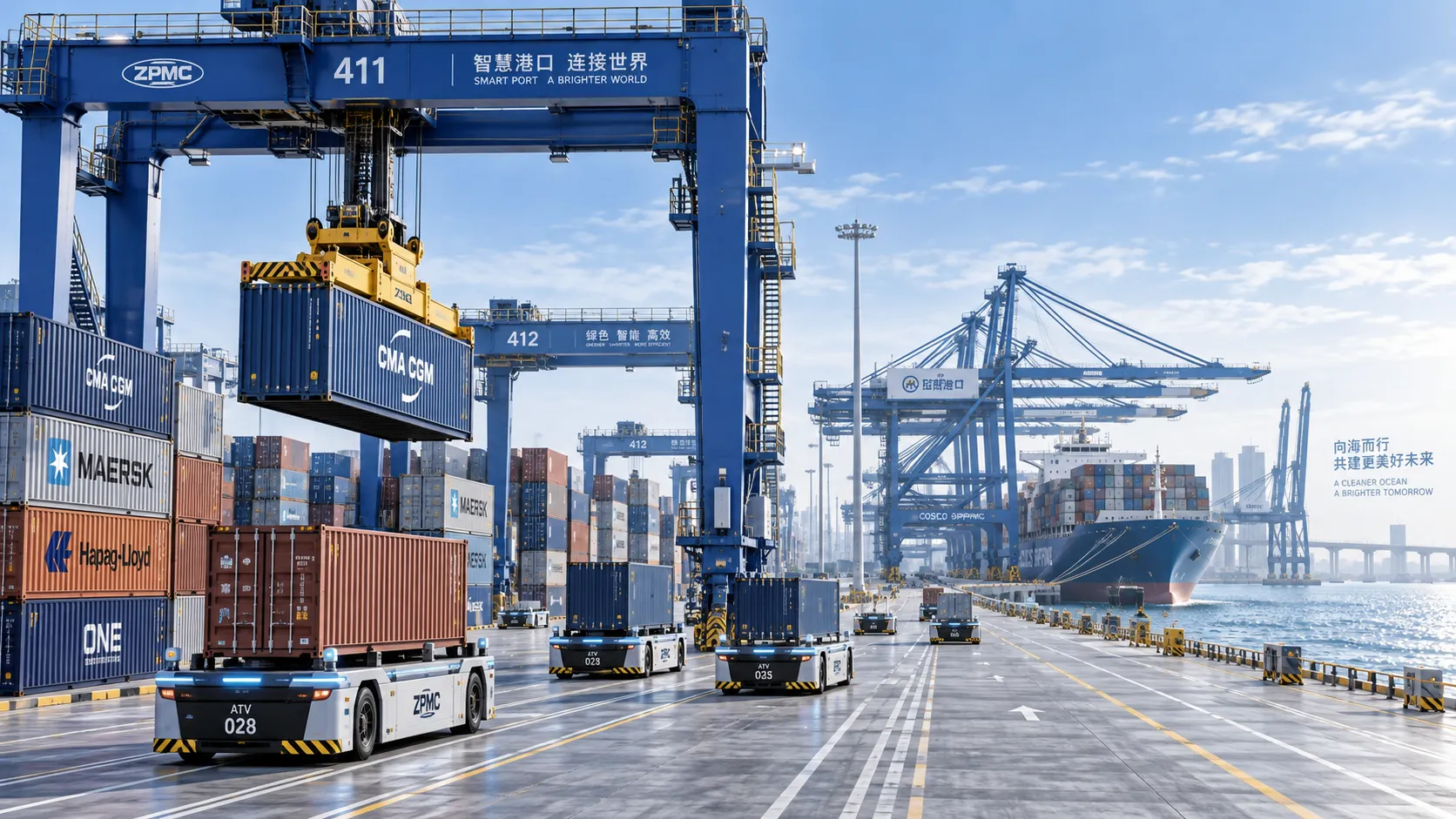
Terminal Automation Technologies That Raise Container Throughput Without Yard Disruption
Terminal automation technology that increases container throughput without disrupting yard flow. Explore smarter integration, resilient workflows, and phased deployment strategies.
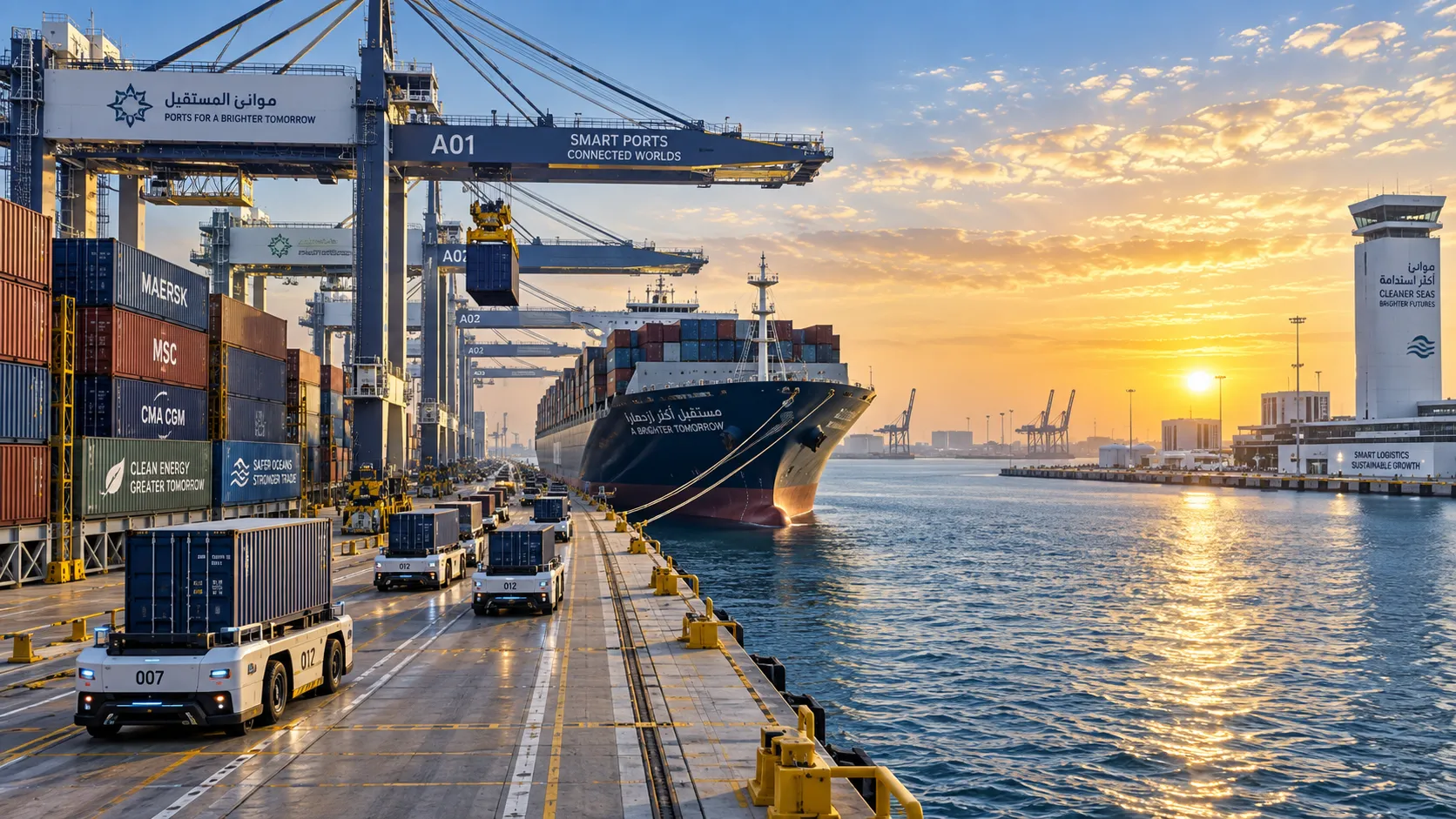
Middle East Port Automation: Key Market Drivers, Projects, and Investment Risks
Port automation systems Middle East: explore market drivers, flagship projects, integration challenges, and investment risks shaping smarter, resilient terminals.
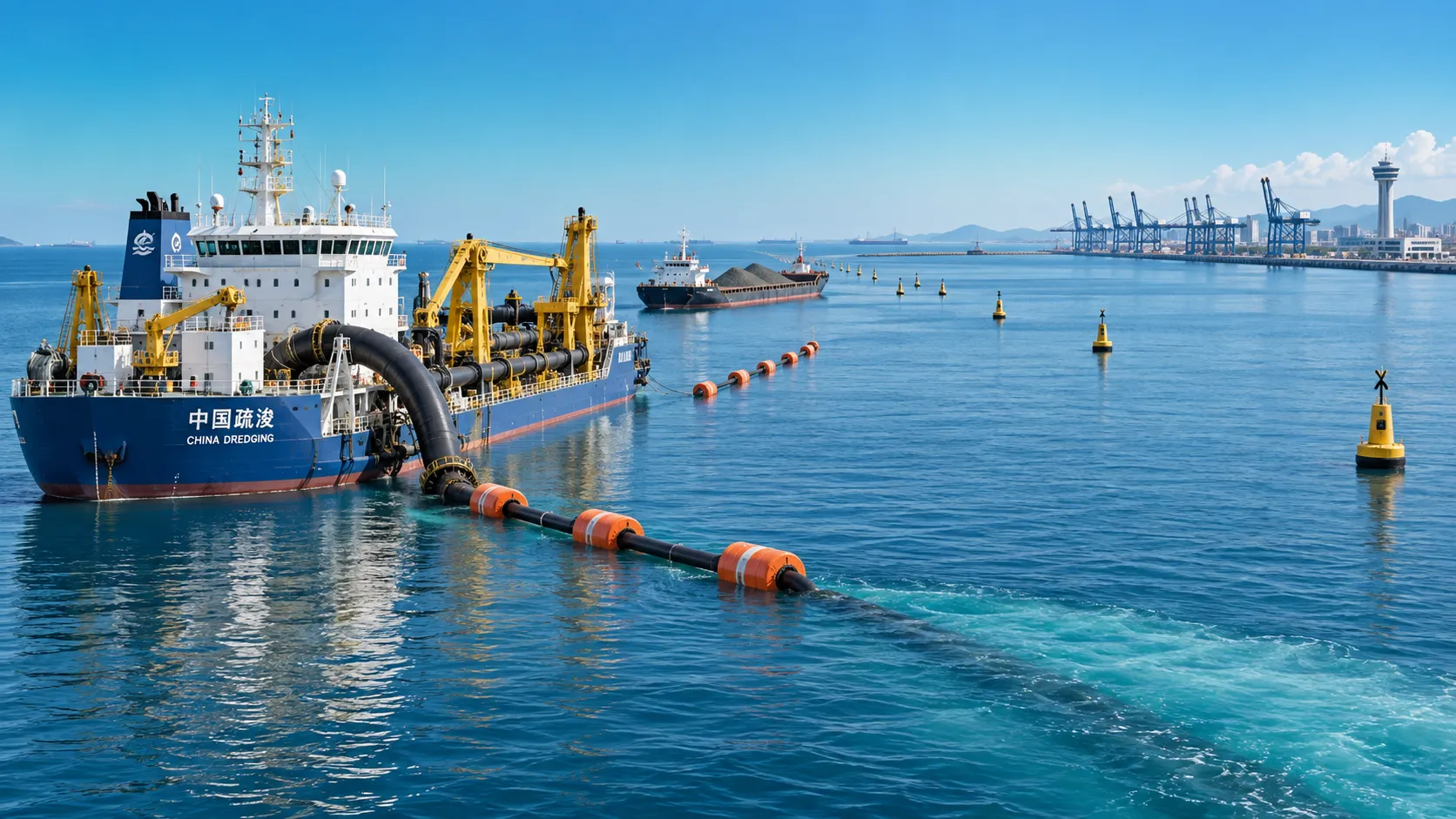
Planning Offshore Dredging Operations: Key Risks, Methods, and Project Controls
Offshore dredging operations demand smart planning. Explore key risks, proven methods, environmental controls, and project strategies for reliable delivery.