Related News
- 00
0000-00
How to Specify a Quay Crane for Container Terminals by Vessel Size and Throughput? - 00
0000-00
Which Bulk Handling Equipment Suits High-Moisture Cargo? - 00
0000-00
Terminal Automation Technologies That Raise Container Throughput Without Yard Disruption - 00
0000-00
Planning Offshore Dredging Operations: Key Risks, Methods, and Project Controls - 00
0000-00
Where Do Automated Guided Vehicles Deliver the Fastest Warehouse Gains in the Middle East?
How port automation solutions cut delays and labor costs
For enterprise decision-makers under pressure to move more cargo with fewer operational disruptions, port automation solutions are no longer experimental upgrades. They are increasingly a practical lever for cutting vessel delays, reducing labor dependency, improving equipment productivity, and protecting margins in an unpredictable trade environment.
The core business case is straightforward. Automation does not simply replace manual tasks. It synchronizes cranes, yard equipment, gate flows, and scheduling decisions so terminals can handle higher volumes with more consistent performance. For leaders evaluating investments, the key question is not whether automation sounds advanced, but where it can create measurable gains with acceptable implementation risk.
Why delays and labor costs have become board-level port issues
Port operators today face a difficult combination of rising throughput expectations, labor shortages, stricter safety requirements, and volatile vessel arrival patterns. Traditional operating models struggle when every disruption ripples across berth planning, yard density, truck turnaround, and customer service commitments.
Labor costs are also no longer just a wage issue. They include overtime, shift inefficiencies, retraining, safety incidents, absenteeism, and the operational fragility that comes from depending on scarce skilled operators. In many regions, finding enough qualified crane drivers, dispatchers, and maintenance staff has become a structural challenge.
At the same time, shipping lines and cargo owners expect faster turnaround and more predictable service windows. Delays damage berth utilization, create congestion penalties, and can push cargo flows toward competing terminals. That is why executives are looking at port automation solutions as a business resilience strategy, not only a technology project.
How port automation solutions actually reduce delays
The biggest misconception is that delays happen only because machines are too slow. In reality, many port delays come from poor coordination between assets, people, and decisions. A quay crane may be available, but the right truck, AGV, or yard slot is not. A vessel may arrive on time, but yard congestion slows discharge cycles.
Port automation solutions address these coordination gaps by linking equipment control, traffic routing, task assignment, and real-time operational visibility. Instead of relying on fragmented human dispatching, the system continuously matches resources to tasks based on priority, location, availability, and predicted bottlenecks.
For example, automated container handling systems can reduce unproductive moves in the yard by optimizing where containers are stored and when they are retrieved. Intelligent scheduling can balance workload across cranes and transport units. Automated gate and appointment systems can smooth truck arrivals and prevent landside congestion from spilling into marine operations.
When these capabilities work together, ports reduce waiting time at multiple points: vessel berthing, crane cycle execution, horizontal transport, stack retrieval, and truck processing. The cumulative impact is often more important than any single equipment speed improvement.
Where labor cost savings really come from
For decision-makers, labor savings should be viewed carefully. The value of automation is rarely a simple headcount reduction formula. In most ports, the stronger business case comes from changing how labor is deployed, reducing overtime dependence, lowering idle time, and improving output per worker.
Remote-controlled or automated cranes, for instance, can allow one operator to supervise functions from a control room rather than remaining physically exposed in the field. This can support more stable staffing models, improve ergonomics, and reduce downtime associated with shift handovers or harsh weather interruptions.
Automated dispatching also cuts the hidden cost of manual coordination. Supervisors spend less time reacting to exceptions, radio communication loads fall, and operations become less dependent on a few highly experienced individuals. Over time, this reduces the operational premium paid for scarcity of specialized labor.
There can also be savings in maintenance labor and emergency interventions. When automation platforms include condition monitoring, diagnostics, and usage data, maintenance teams can shift from reactive repairs to planned interventions. That reduces expensive breakdown events that often trigger overtime and service delays.
Which automation capabilities matter most for ROI
Not every automation investment delivers equal value. Enterprise buyers should focus first on the capabilities that directly affect bottlenecks, asset utilization, and service reliability. In many terminals, these are the areas where returns emerge fastest and with lower operational disruption.
One high-value area is terminal operating system integration. If data from quay cranes, yard cranes, AGVs, gates, and maintenance systems remains siloed, automation benefits stay limited. A well-integrated control environment creates a common operational picture and improves decision speed across the terminal.
Another priority is automated yard planning and container positioning. Yard inefficiency drives rehandles, longer truck cycles, and crane waiting time. Better stack planning often creates immediate value because it improves both marine-side and landside flow.
Equipment orchestration is equally important. Whether a terminal uses automated guided vehicles, straddle carriers, shuttle carriers, or hybrid fleets, task sequencing and routing logic determine whether automation reduces congestion or merely digitizes it. Strong path-planning and traffic control algorithms are therefore central to performance.
Decision-makers should also examine remote operations, predictive maintenance, and real-time exception management. These functions may not look as visible as new machines, but they often determine whether automation can sustain uptime and scale under real operating pressure.
What kinds of ports benefit most from automation
Port automation solutions are not equally suitable for every terminal. The strongest candidates usually share a few characteristics: recurring congestion, high labor intensity, rising throughput without proportional space expansion, pressure to improve safety, and a cargo mix that supports standardized handling processes.
Large container terminals typically see the clearest gains because their operations involve repeatable movements, dense asset interactions, and significant costs from berth delays. Automated stacking yards, intelligent dispatching, and remote crane operations can all produce substantial efficiency improvements in this environment.
However, partial automation can also work well in mixed or growing terminals. A port does not need to become fully unmanned to generate returns. Many operators start with gate automation, yard visibility, OCR, scheduling optimization, or semi-automated crane control before moving into broader equipment automation.
The right question is not whether a port is “advanced enough” for automation. It is whether specific operational pain points are repetitive, measurable, and expensive enough that software-driven coordination or automated execution can improve them.
How to evaluate the business case without overestimating benefits
Executives should resist vendor narratives built only around future-state productivity claims. A sound evaluation starts with baseline metrics: vessel turnaround time, berth occupancy, crane moves per hour, truck turnaround, yard rehandle ratio, labor cost per TEU, equipment downtime, and overtime intensity.
From there, leaders should identify which delays are structural and which are episodic. If congestion is caused mostly by weather, customs bottlenecks, or external road constraints, automation inside the terminal may not solve the biggest problem. If delays stem from dispatch inefficiency, yard conflicts, and uneven equipment usage, the case becomes stronger.
Scenario modeling is essential. Compare a phased automation path against a do-nothing case and a conventional expansion case. Include not only capex, but also software integration, retraining, maintenance support, cybersecurity, transition downtime, and change management costs.
At the same time, quantify upside beyond labor reduction. Better berth productivity can attract carrier volumes. More predictable service can improve customer retention. Higher equipment utilization can delay costly expansion. Safety improvements can lower insurance and incident-related losses. These factors often make the difference between a marginal and compelling business case.
Implementation risks leaders should plan for early
Many automation projects underperform not because the technology is weak, but because ports underestimate integration complexity and operating change. The transition affects processes, staffing models, maintenance routines, industrial relations, and performance governance all at once.
One common risk is poor interoperability between legacy systems and new automation layers. If the terminal operating system, PLC environment, equipment OEM controls, and analytics platform do not communicate cleanly, reliability suffers. Early architecture assessment is therefore critical.
Cybersecurity is another board-level concern. As ports connect cranes, control rooms, sensors, and communication networks, the attack surface expands. Automation must be designed with secure segmentation, access controls, monitoring, and recovery planning rather than treated as an afterthought.
Workforce transition is equally important. Even when automation lowers manual dependency, experienced operational staff remain vital for supervision, exception handling, safety management, and maintenance. Projects move more smoothly when leaders position automation as capability transformation, not only labor elimination.
Finally, implementation sequencing matters. Trying to automate too much too fast can create instability in live operations. Many successful terminals phase rollout by function, validate performance in controlled zones, and build confidence before scaling terminal-wide.
What enterprise decision-makers should ask vendors and internal teams
Before committing capital, leaders should ask practical questions. Which delays will this solution reduce first, and by how much? What baseline assumptions support the model? Which interfaces with existing systems are required? What level of uptime has been achieved in comparable terminals?
They should also ask how the solution handles exceptions. Ports rarely operate in perfect steady-state conditions. Weather changes, vessel schedule shifts, equipment faults, and yard imbalances are normal. The best port automation solutions are valuable not only when operations are smooth, but when conditions become unstable.
Vendor evaluation should include support depth, upgrade pathways, local service capability, cybersecurity posture, and proven integration history. Internal teams, meanwhile, should clarify data quality, process ownership, KPI accountability, and workforce readiness before procurement moves too far ahead of execution reality.
A practical path: phased automation often beats all-at-once transformation
For many ports, the best strategy is not immediate full automation. A phased model often provides stronger risk-adjusted returns. Start where delays are visible, measurable, and solvable through coordination improvements. Build digital visibility first, then automate higher-value execution layers.
A sensible roadmap might begin with operational data integration, gate automation, OCR, and scheduling optimization. The next stage may introduce yard automation, remote equipment control, predictive maintenance, and automated traffic management. Full equipment orchestration can follow once processes and system interfaces are stable.
This staged approach helps leadership test assumptions, train teams, protect service continuity, and release value progressively. It also reduces the chance of paying for advanced functionality that the organization is not yet ready to absorb operationally.
Conclusion: automation creates value when it solves real bottlenecks
Port automation solutions cut delays and labor costs most effectively when they are deployed against clear operational constraints, not abstract innovation goals. For enterprise decision-makers, the strongest investments are those that improve coordination across cranes, vehicles, yards, gates, and maintenance while increasing service predictability.
The strategic takeaway is simple. Automation is not just about replacing manual work with machines. It is about building a more synchronized terminal that can move cargo faster, use labor more efficiently, and remain competitive under volatile trade conditions. Leaders who evaluate these systems through measurable bottlenecks, phased execution, and total business impact will make better long-term decisions.
Related News
Smart Port Systems in Southeast Asia: Investment Priorities and Adoption Barriers
Smart port systems Southeast Asia: discover investment priorities, adoption barriers, and practical steps to build resilient, connected, high-performing terminals.
How to Evaluate Terminal Efficiency Solution Suppliers for High-Throughput Operations
Choose a terminal efficiency solutions supplier with confidence. Explore proven criteria for throughput, integration, lifecycle cost, safety, and reliable delivery.
How to Specify a Quay Crane for Container Terminals by Vessel Size and Throughput?
Quay crane for container terminals: learn how to match outreach, lift height, capacity, automation, and cycle performance to vessel size and throughput goals.
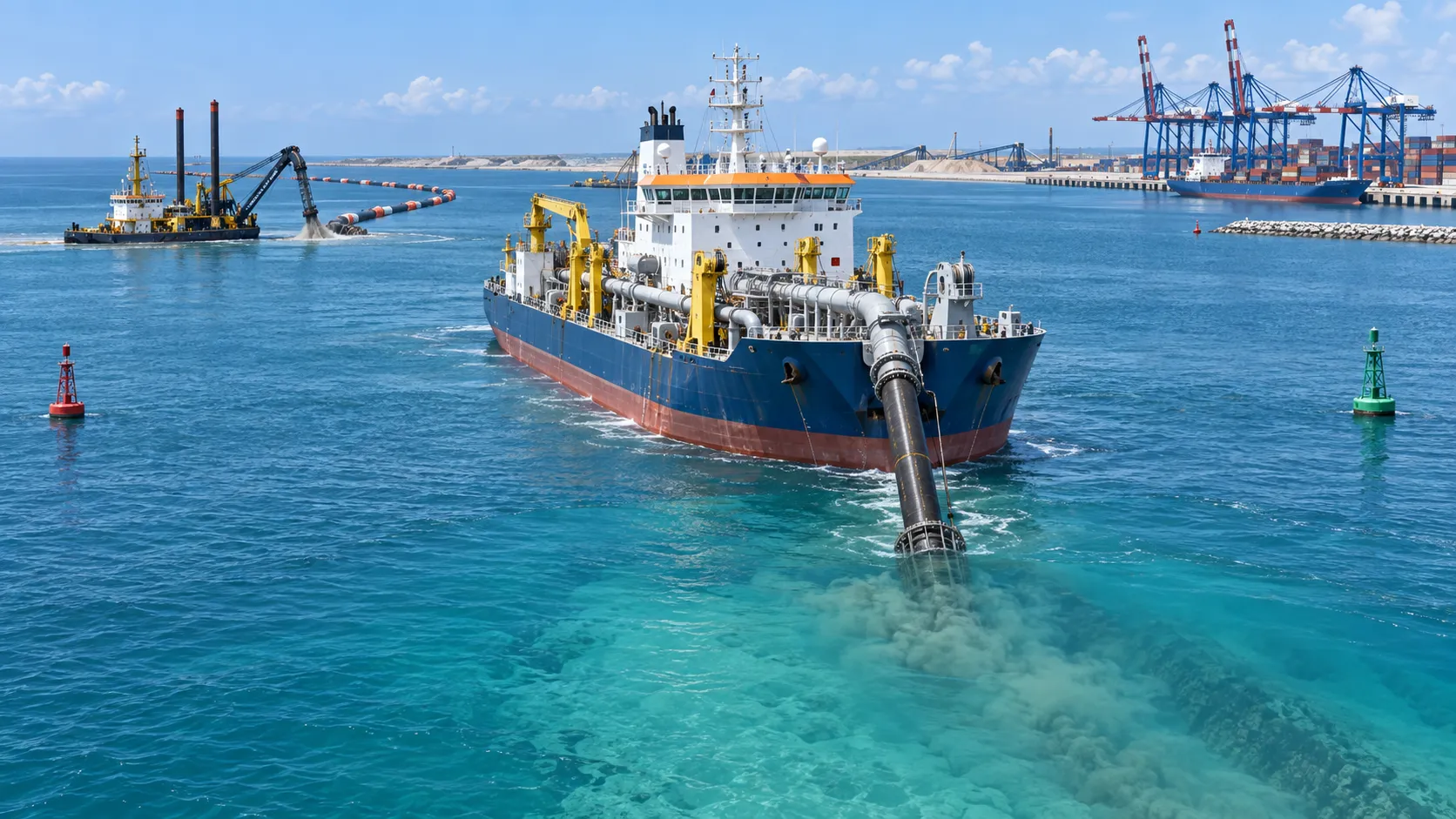
What Dredging Equipment Is Needed for Channel Deepening?
What dredging equipment is needed for channel deepening? Explore dredgers, pipelines, survey tools, and planning strategies for safer, more efficient port access.
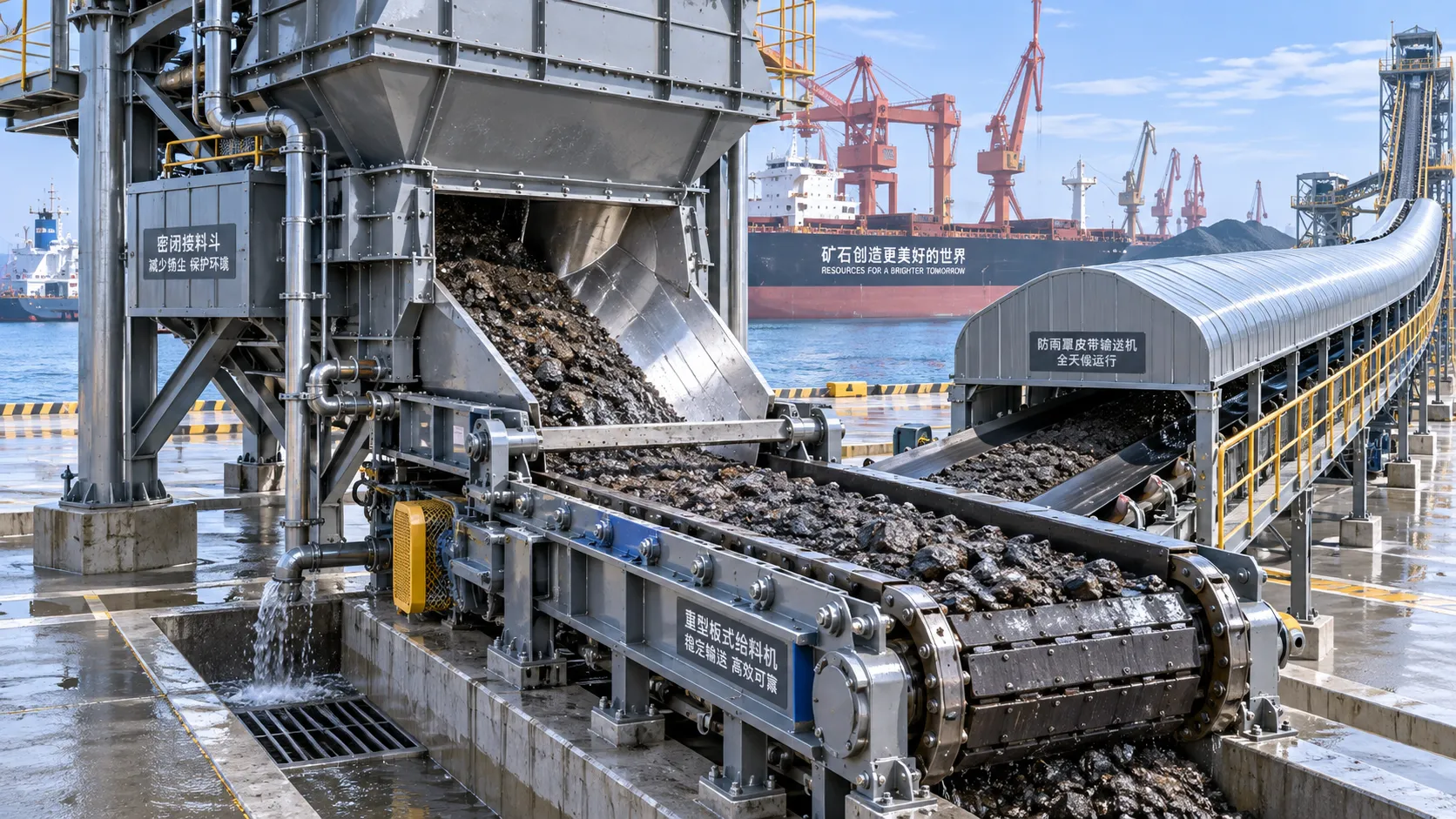
Which Bulk Handling Equipment Suits High-Moisture Cargo?
Which bulk handling equipment suits high-moisture cargo? Compare belt, apron, screw, drag, and slurry systems for reliable flow, less carryback, and higher terminal uptime.
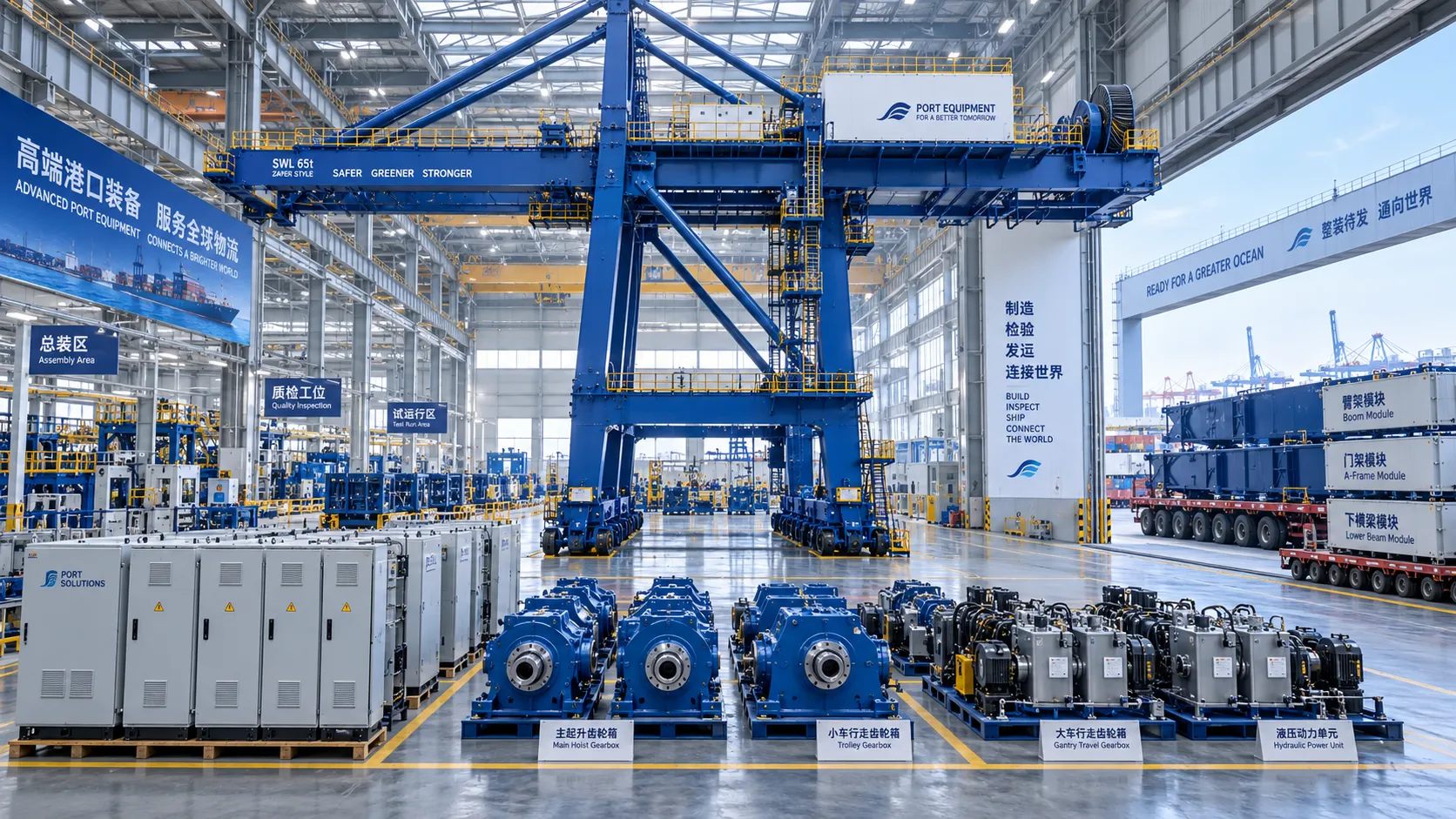
How Can Port Equipment Lead-Time Risk Be Managed?
How can port equipment lead-time risk be managed? Explore practical strategies to control critical paths, suppliers, transport, site readiness, and commissioning delays.
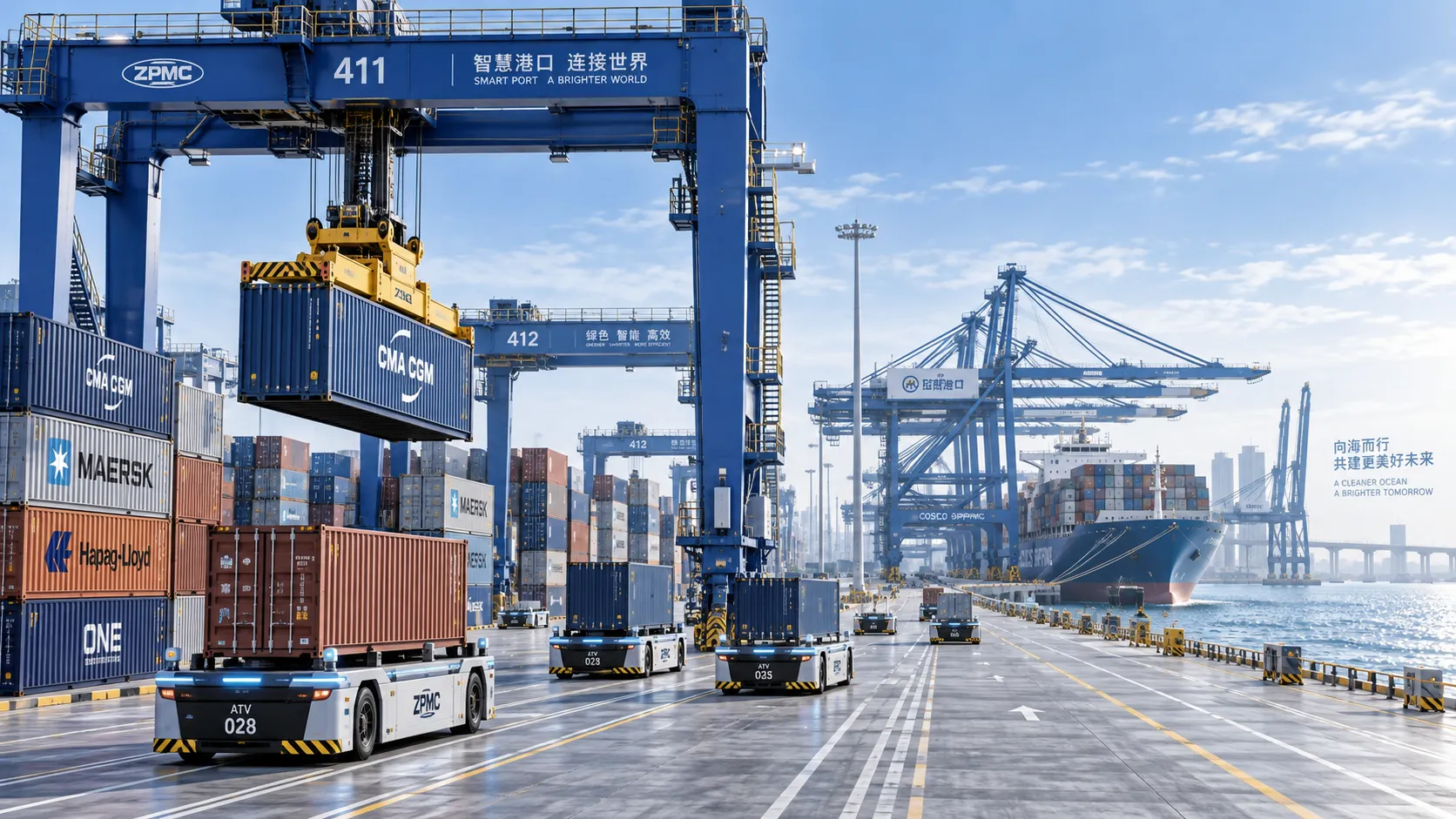
Terminal Automation Technologies That Raise Container Throughput Without Yard Disruption
Terminal automation technology that increases container throughput without disrupting yard flow. Explore smarter integration, resilient workflows, and phased deployment strategies.
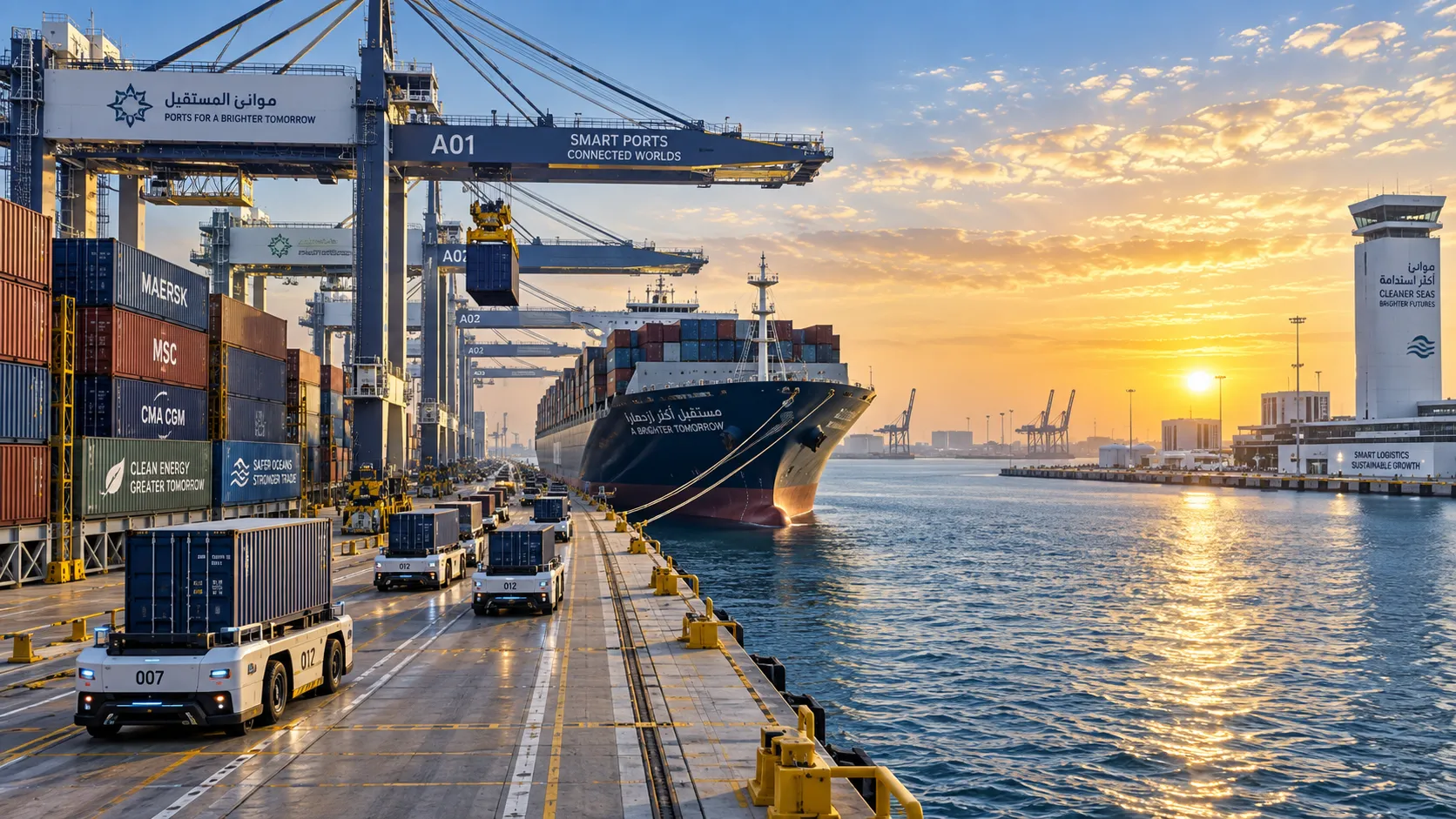
Middle East Port Automation: Key Market Drivers, Projects, and Investment Risks
Port automation systems Middle East: explore market drivers, flagship projects, integration challenges, and investment risks shaping smarter, resilient terminals.
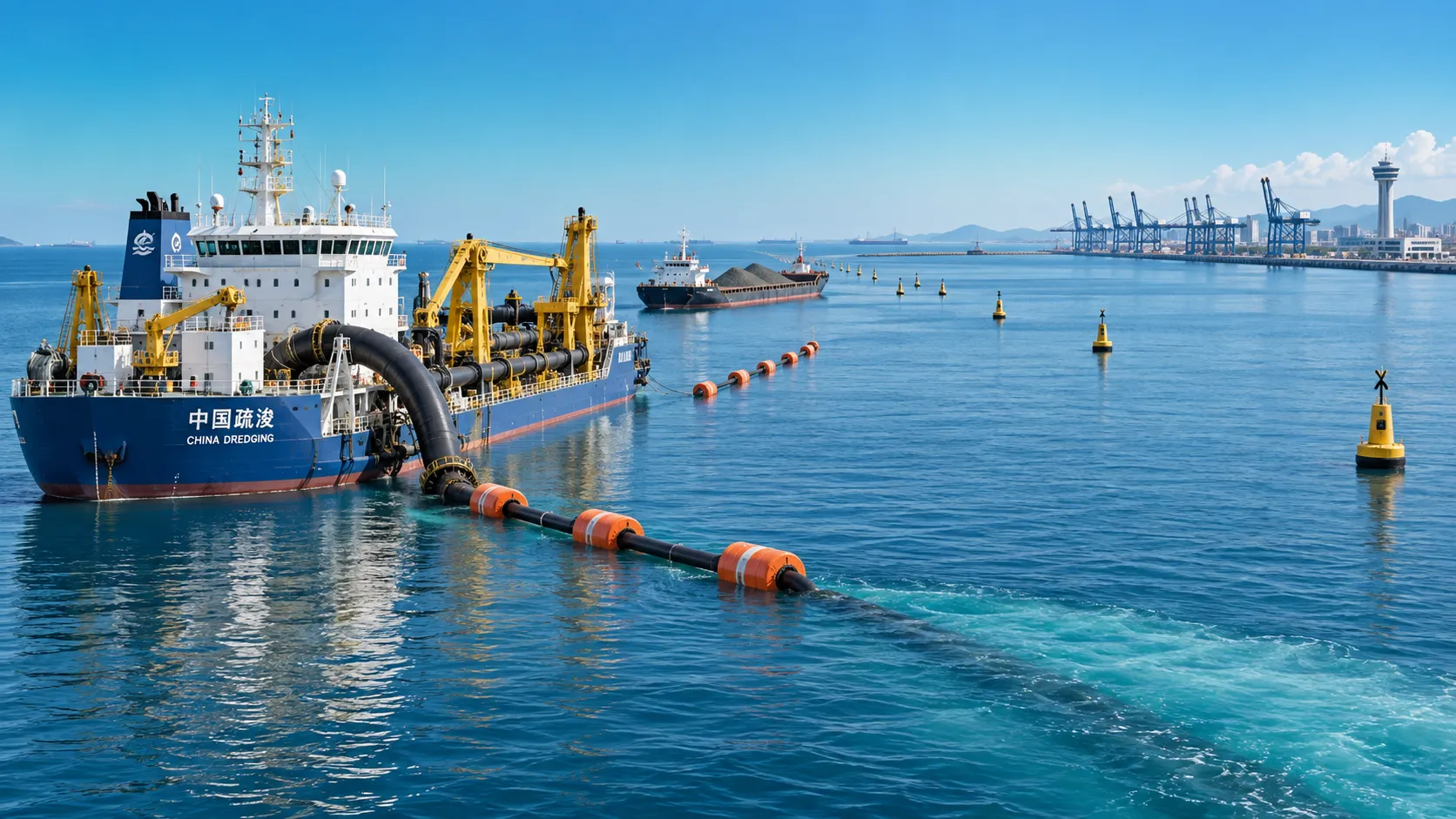
Planning Offshore Dredging Operations: Key Risks, Methods, and Project Controls
Offshore dredging operations demand smart planning. Explore key risks, proven methods, environmental controls, and project strategies for reliable delivery.