Related News
- 00
0000-00
How to Specify a Quay Crane for Container Terminals by Vessel Size and Throughput? - 00
0000-00
Which Bulk Handling Equipment Suits High-Moisture Cargo? - 00
0000-00
Terminal Automation Technologies That Raise Container Throughput Without Yard Disruption - 00
0000-00
Planning Offshore Dredging Operations: Key Risks, Methods, and Project Controls - 00
0000-00
Where Do Automated Guided Vehicles Deliver the Fastest Warehouse Gains in the Middle East?
How to judge harbor structure durability before upgrades
Before planning upgrades, technical evaluators need a clear method to assess harbor structure durability under real operational and environmental loads. From quay walls and piles to foundations and corrosion exposure, understanding the current condition of a harbor structure helps reduce risk, control lifecycle costs, and support smarter investment decisions for long-term port performance.
Why harbor structure durability should be judged before any upgrade decision
A harbor structure rarely fails because of one visible defect alone. Most durability problems develop through interaction between loading history, saline exposure, poor drainage, material aging, seabed movement, and maintenance gaps. When a port plans crane rail upgrades, berth deepening, automation retrofits, or higher yard throughput, these existing weaknesses can become critical.
For technical evaluators, the main challenge is not simply identifying damage. The real task is deciding whether the current harbor structure can safely carry future demand, how much residual life remains, and which defects are cosmetic, manageable, or structurally decisive.
This matters across integrated port systems. A stronger quay crane, faster AGV circulation, and deeper dredged channel only improve terminal productivity when the supporting civil structure can resist repeated berthing impacts, cyclic loads, surcharge changes, and marine deterioration.
- Upgrade loads often exceed original design assumptions for axle loads, crane outreach, stacking density, and vessel dimensions.
- Deferred maintenance can hide chloride attack, reinforcement loss, steel thickness reduction, and joint degradation.
- Foundation behavior may have changed due to scour, dredging, settlement, or altered groundwater and pore pressure conditions.
- A wrong judgment can trigger either unsafe overloading or unnecessary capital replacement.
What technical evaluators are really trying to answer
In practice, durability assessment is a decision filter. It should answer whether the harbor structure is fit for continued service, fit after repair, fit after strengthening, or no longer economical for upgrade support. That distinction shapes budget timing, procurement scope, shutdown planning, and compliance documentation.
How to evaluate a harbor structure step by step
A reliable durability judgment should follow a staged process rather than a single inspection event. This helps technical teams combine field evidence, engineering logic, and future loading scenarios without relying on surface impressions alone.
- Define the upgrade case, including new equipment loads, dredging depth, berth occupancy, mooring energy, and operational intensity.
- Collect baseline records such as original drawings, repair history, geotechnical data, inspection reports, and incident logs.
- Perform condition mapping for cracks, spalls, corrosion staining, pile deformation, settlement, joint opening, and scour indicators.
- Use targeted testing to verify material condition, section loss, cover depth, chloride content, concrete quality, and steel integrity.
- Check structural capacity against future demand, not only historical service performance.
- Estimate residual life, intervention urgency, and lifecycle cost under realistic maintenance assumptions.
Key evidence categories that should not be skipped
Many harbor structure reviews become weak because teams focus too heavily on visible concrete damage and not enough on hidden capacity drivers. A complete assessment should link superstructure, substructure, foundation, and operating environment.
- Structural geometry: wall alignment, deck level variations, rail beam behavior, pile verticality, and local deformation.
- Material durability: carbonation, chloride ingress, sulfate effects, freeze-thaw exposure where relevant, and steel corrosion rate.
- Geotechnical response: settlement trends, slope stability, bearing behavior, liquefaction sensitivity in seismic zones, and scour progression.
- Operational stressors: vessel impact frequency, overload episodes, crane rail tolerances, traffic concentration, and bulk handling vibration.
- Marine exposure: splash zone severity, tidal cycling, oxygen availability, biological growth, and coating deterioration.
Which parts of a harbor structure usually govern durability
Not every component carries equal durability risk. Technical evaluators should focus first on the elements most likely to limit upgrade feasibility or trigger expensive intervention. The table below helps prioritize where a harbor structure commonly loses performance before visible failure becomes obvious.
The practical lesson is simple: a harbor structure may appear serviceable at deck level while the true upgrade constraint lies in submerged piles, tie-back systems, or foundation response. Evaluators should rank hidden failure modes early, especially where records are incomplete.
High-risk zones that deserve early inspection
The splash and tidal zones are usually the most aggressive for corrosion. Crane rail seats, fender fixing areas, deck joints, and interfaces between old and repaired concrete also deserve close review. In dredging-linked upgrades, toe stability and scour depth can become more important than the wall face condition itself.
What tests and measurements give the most useful durability picture
Testing should be selected by decision value, not by checklist habit. Technical evaluators need evidence that changes risk classification or upgrade scope. For a harbor structure, the best test program usually combines visual survey, nondestructive methods, selective intrusive verification, and environmental exposure review.
Recommended assessment toolkit
- Crack mapping and corrosion mapping to locate active deterioration patterns rather than isolated defects.
- Cover measurements and half-cell potential surveys where reinforced concrete durability is uncertain.
- Concrete core sampling for chloride profile, compressive quality checks, and petrographic review when deterioration mechanisms are unclear.
- Ultrasonic thickness checks on steel piles and sheet piles, especially in the splash zone and below low water level.
- Bathymetric and underwater inspection to identify scour, toe erosion, debris impact, and local undermining.
- Survey control points to confirm long-term settlement, tilt, deck distortion, and rail alignment drift.
The next table links common evaluation tools to their actual decision use. This is helpful when budget is limited and the harbor structure must be screened in phases.
A balanced program often begins with broad screening, then escalates to focused intrusive testing where the harbor structure will either be strengthened or exposed to higher future loads. This protects both budget discipline and technical certainty.
How to compare repair, strengthening, or replacement options
After condition data is collected, the next decision is commercial as much as structural. Technical evaluators are often asked whether the harbor structure should be repaired for limited life extension, strengthened for upgraded service, or replaced during a larger redevelopment cycle.
Decision factors that matter most
- Residual load capacity relative to future equipment and vessel class.
- Extent and rate of ongoing deterioration, especially where corrosion is active and widespread.
- Shutdown constraints, because some terminals cannot tolerate long berth closures.
- Integration with dredging, automation, crane rail, and yard redevelopment packages.
- Total lifecycle cost rather than lowest first-stage intervention cost.
The comparison below is useful when judging which intervention path fits the actual state of the harbor structure and the port’s upgrade horizon.
A common mistake is choosing the cheapest visible repair when the harbor structure is already misaligned with the upgrade case. If future loads will rise sharply, the right question is not “Can this be patched?” but “Will this intervention still make sense five to fifteen years from now?”
Which standards, compliance checks, and data controls should support the review
A durability decision should be grounded in recognized engineering practice. Depending on jurisdiction and project type, technical evaluators often refer to port design guidance, marine concrete durability provisions, geotechnical standards, steel inspection procedures, and occupational diving or remote inspection rules.
Useful compliance and governance checkpoints
- Confirm whether the original harbor structure was designed for load classes still relevant to current operations.
- Document exposure classifications for marine concrete and steel members rather than assuming a generic corrosion environment.
- Maintain traceable links between inspection observations, test locations, laboratory results, and structural analysis assumptions.
- Check whether dredging modifications or automation retrofits trigger separate review requirements for stability, rail tolerances, or operational safety.
In multidisciplinary terminals, this is where PS-Nexus adds practical value. Harbor structure assessment should not sit in isolation from crane electrification, AGV routing intensity, bulk handling vibration, or dredging envelope changes. Cross-domain intelligence reduces the risk of approving a civil intervention that later conflicts with equipment deployment or operational logic.
Common mistakes technical evaluators make when assessing a harbor structure
Many poor upgrade decisions come from narrow framing rather than missing data. The harbor structure is treated as a static asset, even though port use patterns, vessel dimensions, and automation requirements may have changed faster than the structure itself.
- Assuming past serviceability proves future capacity, even though new crane loads and berthing energies are substantially different.
- Relying on top-side inspections while leaving submerged elements, tie systems, and scour conditions under-investigated.
- Treating corrosion staining as a cosmetic issue without testing chloride depth or steel loss progression.
- Evaluating repair cost without comparing the whole-life impact of maintenance frequency, downtime risk, and future upgrade compatibility.
- Ignoring interface risk between civil works and terminal systems such as rail alignment, control system installation zones, or dredging-related toe stability.
FAQ: practical questions about harbor structure durability before upgrades
How often should a harbor structure be reassessed before major expansion?
There is no single interval that fits all ports. Reassessment should be triggered by change: larger cranes, deeper dredging, higher berth occupancy, repeated impact events, visible deterioration acceleration, or major shifts in yard loading. For aging marine assets, a targeted pre-upgrade review is more valuable than relying on a routine inspection completed for general maintenance purposes.
Can a harbor structure with corrosion still be upgraded safely?
Yes, but only if the corrosion mechanism, extent, and residual section are understood. Surface rust or staining alone does not define risk. What matters is whether load path capacity, anchorage behavior, fatigue resistance, and durability reserve remain acceptable for the future service case. In many projects, upgrade viability depends on combining repair with localized strengthening and corrosion control.
What is the fastest way to screen a harbor structure when schedule pressure is high?
Start with records review, visual mapping, survey control, and high-value targeted tests in the most critical zones. Fast screening should focus on decision bottlenecks: pile condition, scour, deck and rail support behavior, and signs of active corrosion or settlement. This is usually enough to decide whether the project can proceed to detailed design, needs urgent verification, or should pause for deeper investigation.
What should be included in an upgrade-readiness report for a harbor structure?
A useful report should include current condition grading, deterioration mechanisms, critical defects, verified test results, future load assumptions, residual life judgment, repair or strengthening options, budget implications, and operational constraints. It should also identify unknowns that still affect decision confidence, especially where underwater access or historical data are limited.
Why choose PS-Nexus for harbor structure intelligence and upgrade planning support
When technical evaluators assess a harbor structure, they do not just need civil engineering commentary. They need decision-grade intelligence that connects structural durability with terminal machinery, automation pathways, dredging interfaces, and long-cycle infrastructure economics. That is the working context PS-Nexus is built for.
PS-Nexus supports upgrade planning through cross-domain insight on heavy terminal gear, specialized container handling, control systems, and marine engineering trends. This helps evaluators judge whether a harbor structure review is aligned with future crane deployment, yard flow logic, dredging scope, and capital sequencing rather than treated as a standalone maintenance document.
- Consult on parameter confirmation for quay loading, berthing assumptions, rail support, and dredging-related structural effects.
- Discuss upgrade option selection, including repair versus strengthening pathways under realistic terminal expansion scenarios.
- Review delivery and shutdown implications where structure work must coordinate with equipment installation or automation retrofits.
- Clarify compliance expectations, inspection scope planning, and information gaps that affect quotation and engineering decisions.
- Explore tailored intelligence support for distributors, operators, and engineering teams working on port modernization programs.
If your next project depends on understanding whether an existing harbor structure can support larger equipment, deeper berths, or smarter operations, contact PS-Nexus with your drawings, loading assumptions, inspection findings, or upgrade targets. A focused review can help narrow the right testing scope, intervention path, and investment sequence before major commitments are made.
Related News
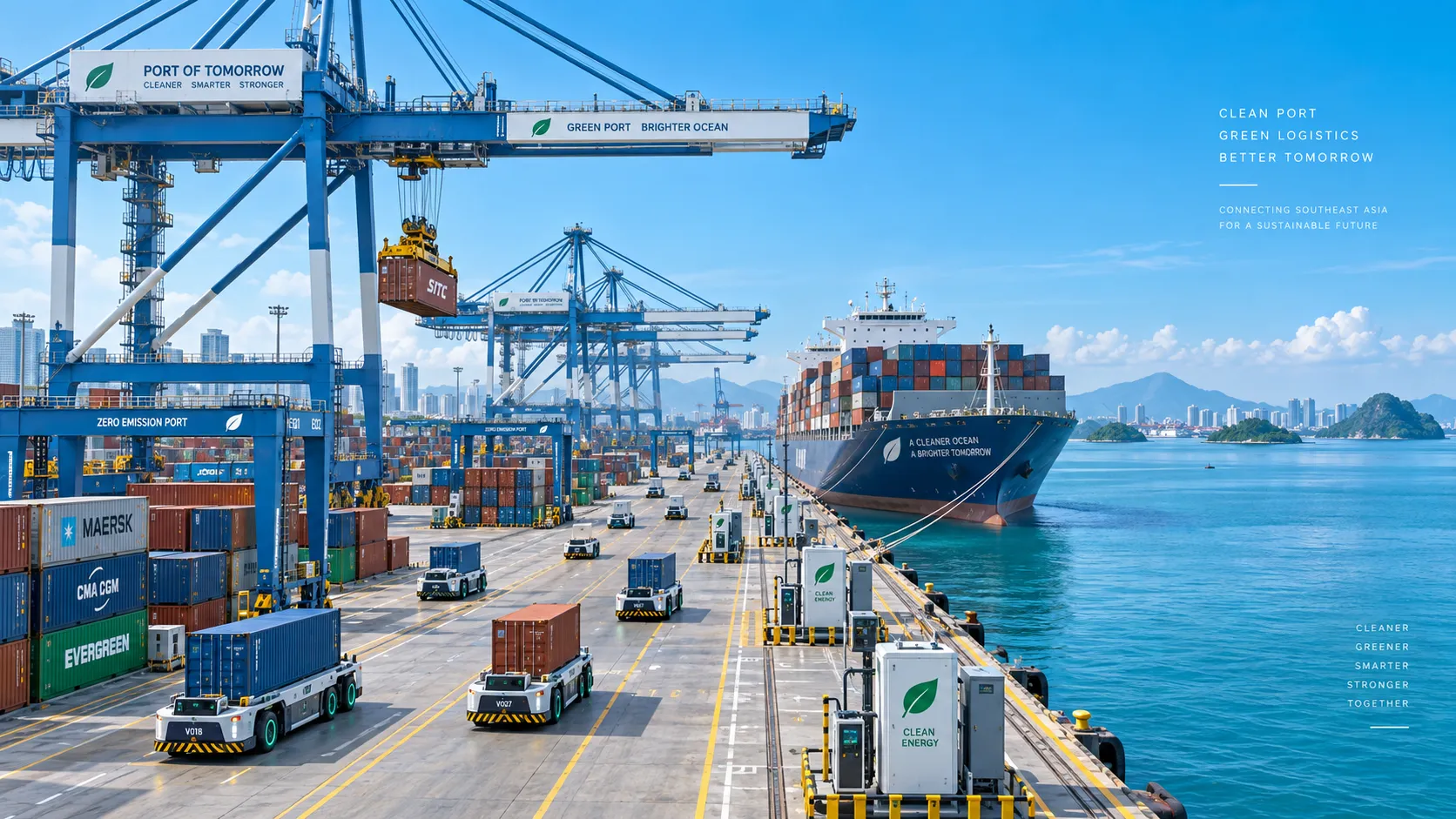
Smart Port Systems in Southeast Asia: Investment Priorities and Adoption Barriers
Smart port systems Southeast Asia: discover investment priorities, adoption barriers, and practical steps to build resilient, connected, high-performing terminals.

How to Evaluate Terminal Efficiency Solution Suppliers for High-Throughput Operations
Choose a terminal efficiency solutions supplier with confidence. Explore proven criteria for throughput, integration, lifecycle cost, safety, and reliable delivery.
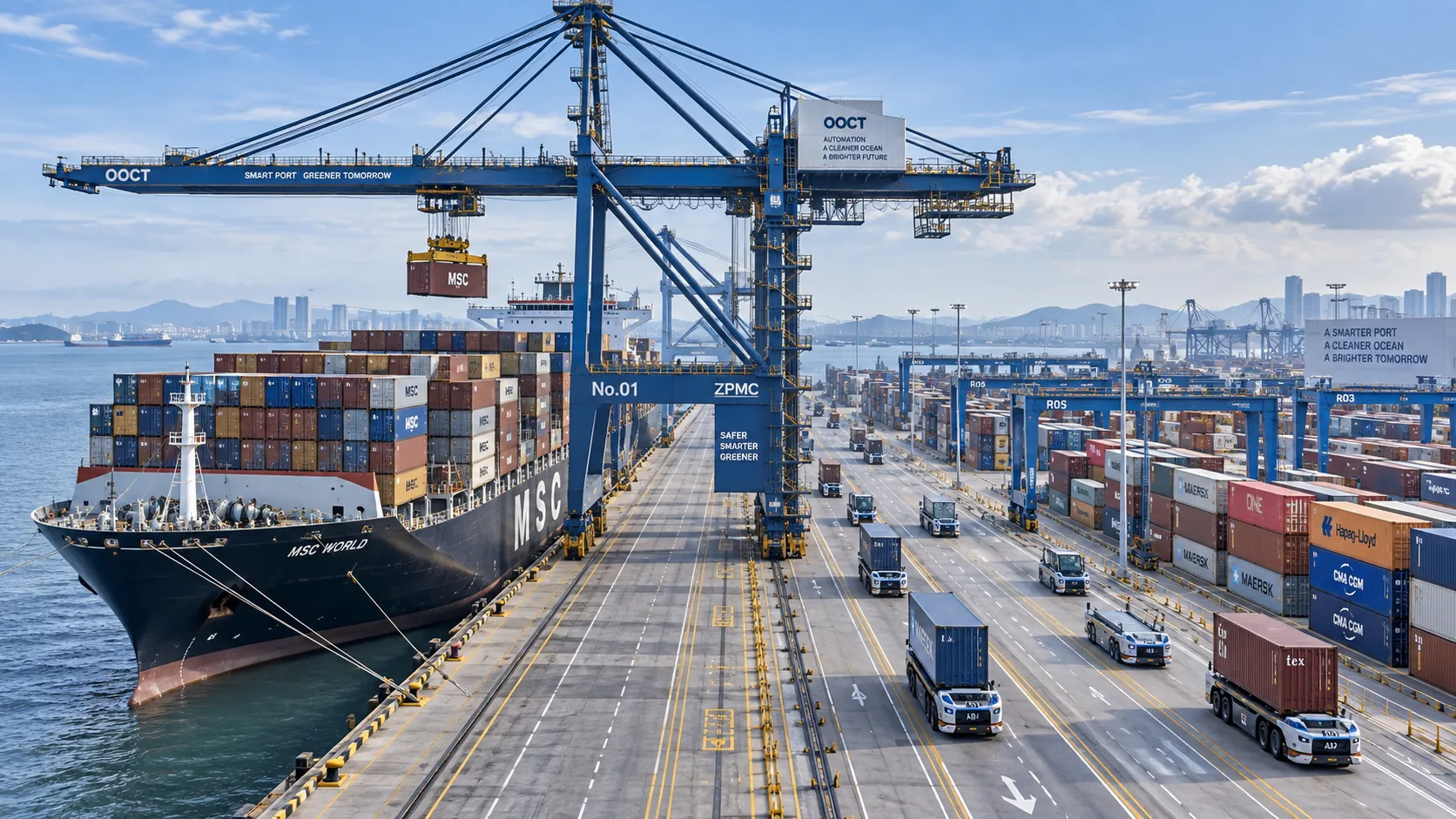
How to Specify a Quay Crane for Container Terminals by Vessel Size and Throughput?
Quay crane for container terminals: learn how to match outreach, lift height, capacity, automation, and cycle performance to vessel size and throughput goals.
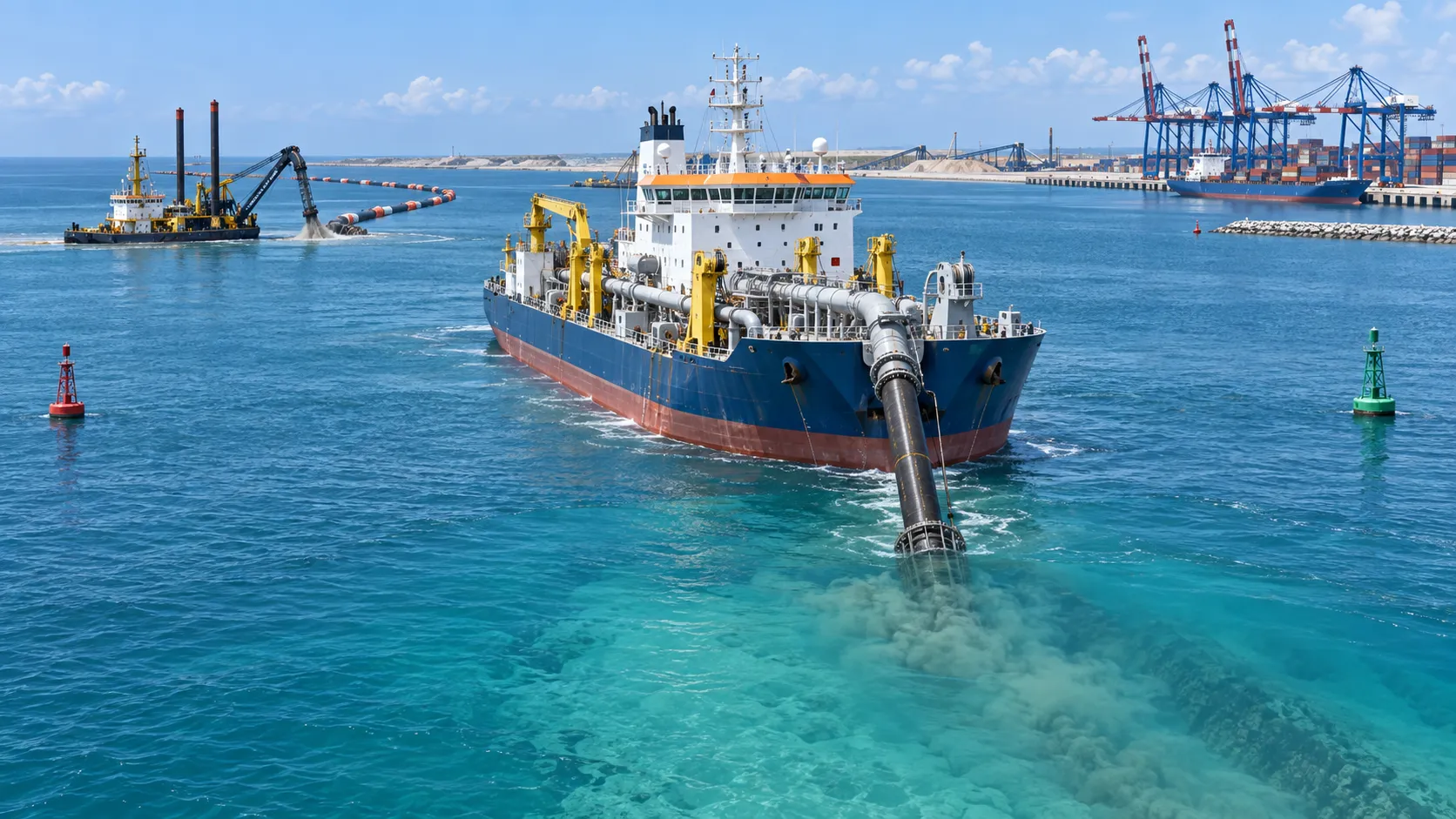
What Dredging Equipment Is Needed for Channel Deepening?
What dredging equipment is needed for channel deepening? Explore dredgers, pipelines, survey tools, and planning strategies for safer, more efficient port access.
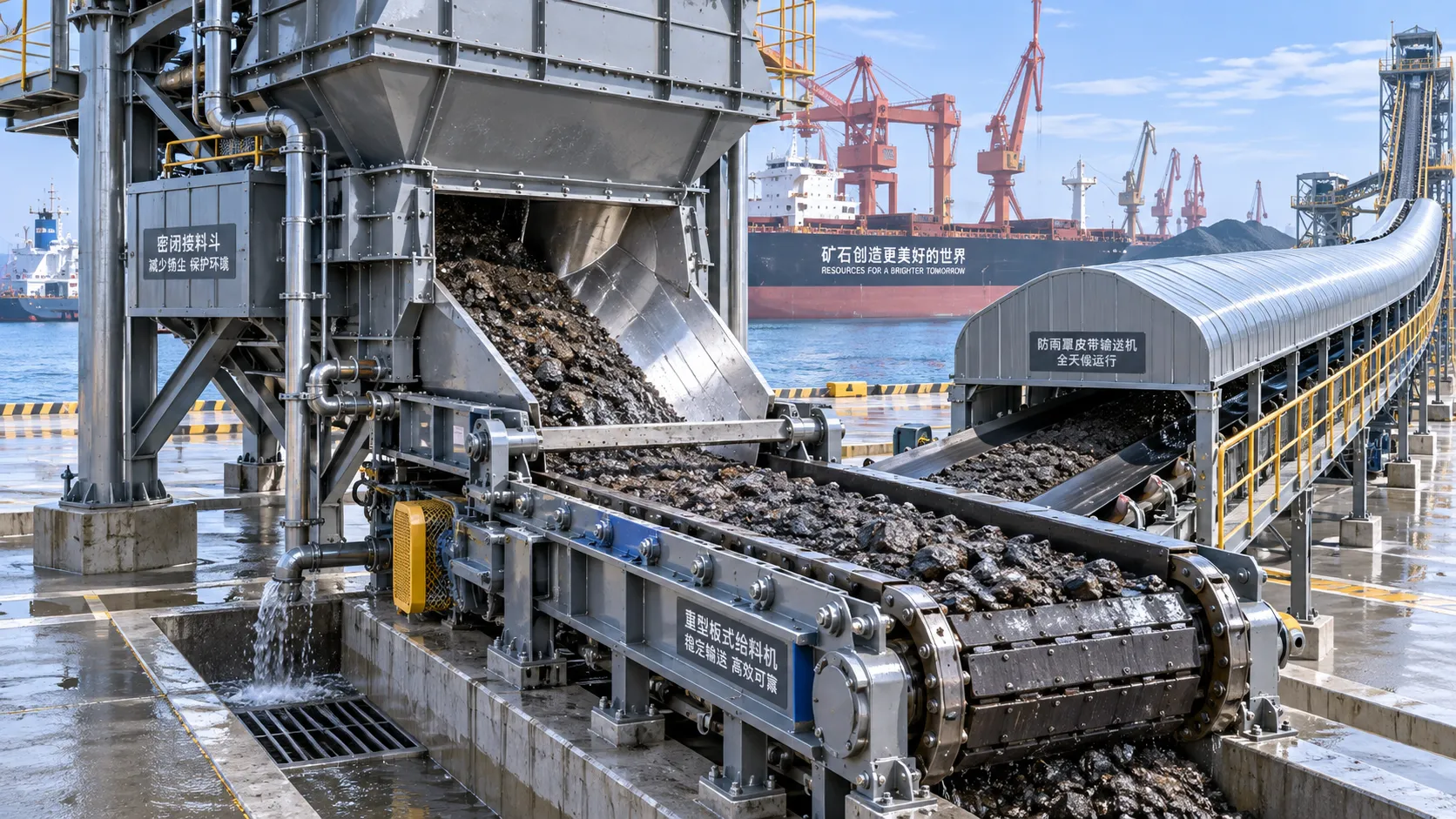
Which Bulk Handling Equipment Suits High-Moisture Cargo?
Which bulk handling equipment suits high-moisture cargo? Compare belt, apron, screw, drag, and slurry systems for reliable flow, less carryback, and higher terminal uptime.
How Can Port Equipment Lead-Time Risk Be Managed?
How can port equipment lead-time risk be managed? Explore practical strategies to control critical paths, suppliers, transport, site readiness, and commissioning delays.
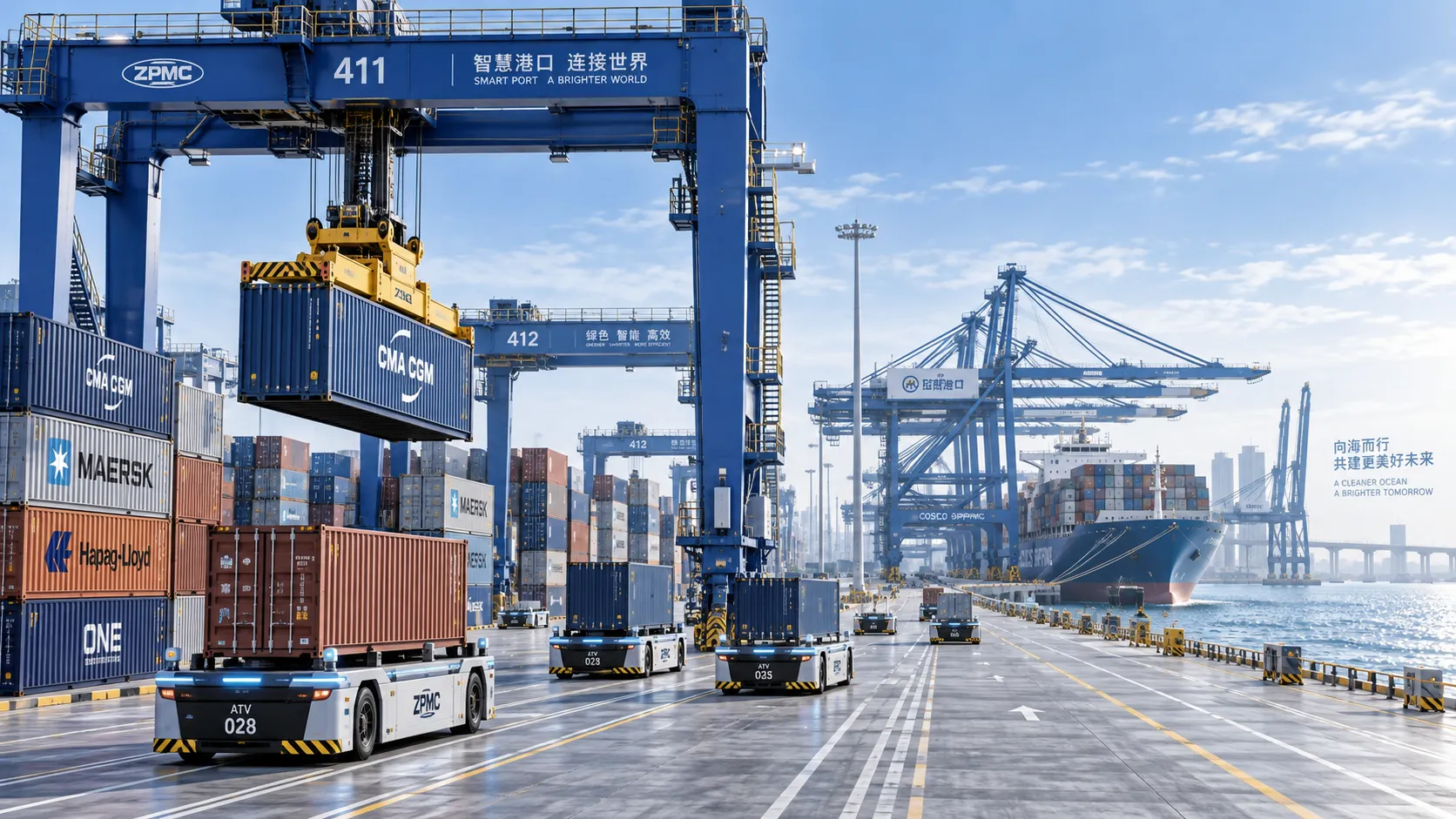
Terminal Automation Technologies That Raise Container Throughput Without Yard Disruption
Terminal automation technology that increases container throughput without disrupting yard flow. Explore smarter integration, resilient workflows, and phased deployment strategies.
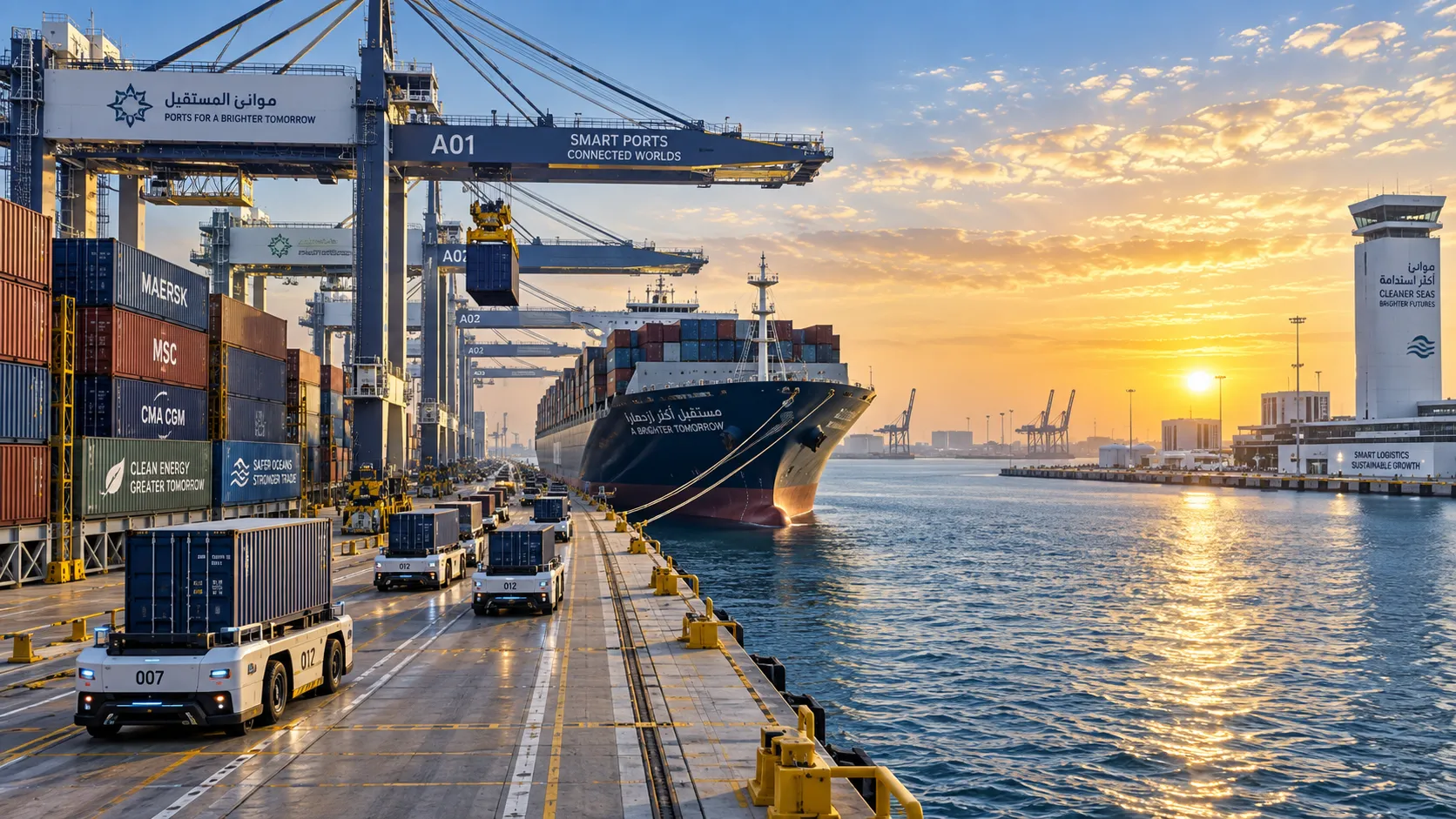
Middle East Port Automation: Key Market Drivers, Projects, and Investment Risks
Port automation systems Middle East: explore market drivers, flagship projects, integration challenges, and investment risks shaping smarter, resilient terminals.
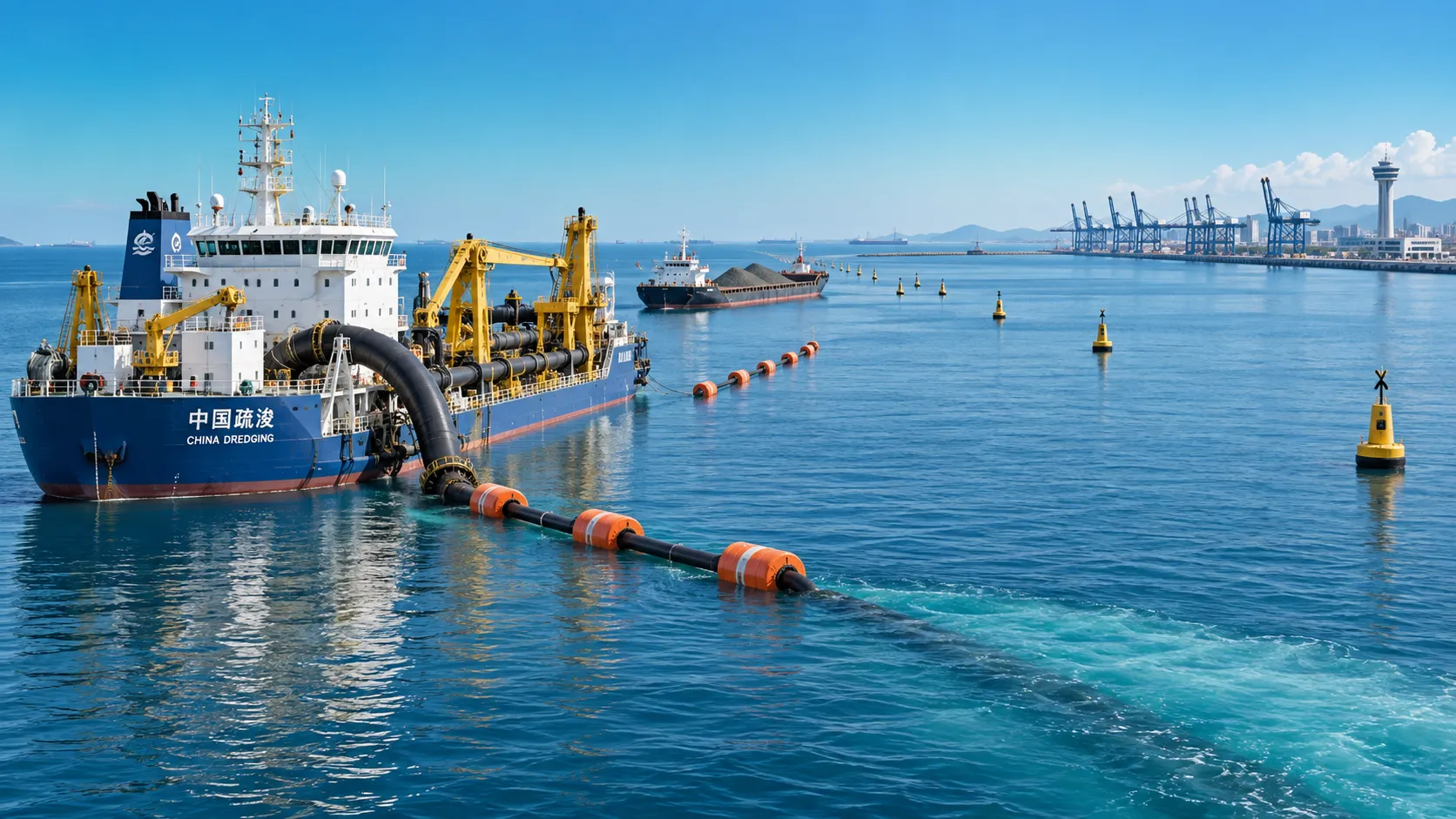
Planning Offshore Dredging Operations: Key Risks, Methods, and Project Controls
Offshore dredging operations demand smart planning. Explore key risks, proven methods, environmental controls, and project strategies for reliable delivery.