
Related News
- 00
0000-00
How to Specify a Quay Crane for Container Terminals by Vessel Size and Throughput? - 00
0000-00
Which Bulk Handling Equipment Suits High-Moisture Cargo? - 00
0000-00
Terminal Automation Technologies That Raise Container Throughput Without Yard Disruption - 00
0000-00
Planning Offshore Dredging Operations: Key Risks, Methods, and Project Controls - 00
0000-00
Where Do Automated Guided Vehicles Deliver the Fastest Warehouse Gains in the Middle East?
Why logic architecture matters more in complex systems
In complex port and logistics ecosystems, logic architecture often matters more than hardware scale alone. Strong cranes, fast AGVs, and advanced dredging assets only create value when decisions move correctly across the system.
For PS-Nexus, this is the core issue behind modern maritime logistics performance. Logic architecture determines how terminal gear, automation controls, and intelligence layers behave under pressure, disruption, and growth.
When logic architecture is weak, assets become isolated machines. When it is strong, the same assets become a coordinated operating network with higher throughput, safer execution, and better long-term adaptability.
Logic Architecture as the Operational Foundation
Logic architecture is the structured decision framework that connects rules, signals, priorities, and responses across a complex system. It defines how information becomes action at speed.
In automated terminals, logic architecture links crane commands, yard allocation, traffic routing, berth planning, and exception handling. It is not a software accessory. It is the real operating structure.
Hardware delivers physical capacity. Logic architecture decides whether that capacity is usable, efficient, and resilient. This distinction becomes more important as equipment fleets grow and operational variables multiply.
A large quay crane can move containers quickly. Yet if scheduling logic, handoff timing, and yard pathing are poorly designed, the crane spends valuable minutes waiting for downstream clearance.
The same principle applies in dredging engineering. Pump power, cutter strength, and vessel size matter, but logic architecture governs monitoring, load balancing, route adjustments, and maintenance timing.
What logic architecture usually includes
- Decision rules for task sequencing and priority control
- Data models for equipment status, cargo flow, and spatial constraints
- Interoperability protocols between machines, sensors, and software platforms
- Exception logic for faults, congestion, weather shifts, and delays
- Feedback loops for optimization, learning, and system upgrades
Why Complex Systems Depend on Logic More Than Scale
As systems become more connected, complexity rises faster than hardware value. Every additional asset adds more interactions, more timing dependencies, and more opportunities for operational conflict.
This is why logic architecture becomes the main determinant of performance. It manages interdependence, not just machine output. In complex settings, coordination often limits results more than horsepower.
Port automation illustrates this clearly. A terminal may deploy advanced automated stacking cranes, AGVs, and gate systems. Yet overall throughput can still underperform because control logic creates hidden bottlenecks.
Poor slot assignment may trigger unnecessary reshuffling. Weak dispatch logic may send vehicles into repeated cross-conflict zones. Fragmented data logic may delay responses to changing vessel arrival windows.
In contrast, a mature logic architecture aligns operational layers. Planning, dispatch, execution, and recovery are designed as one logic chain rather than separate technical islands.
Current industry signals
Business Value Across Maritime Logistics and Coastal Engineering
Logic architecture creates measurable value beyond technical elegance. It directly affects throughput, safety, utilization, maintenance efficiency, and the cost of future modernization.
First, logic architecture improves asset synchronization. In ports, this means berth windows, crane cycles, horizontal transport, and yard stacking can operate with less idle time and fewer conflicts.
Second, logic architecture raises resilience. Complex systems face weather delays, communication loss, equipment faults, and changing cargo priorities. Robust logic prevents local issues from becoming full-system disruptions.
Third, logic architecture supports lifecycle economics. Better logic allows existing assets to perform closer to design potential, reducing pressure for premature capital expansion.
Fourth, logic architecture is central to energy management. Intelligent dispatching, route selection, and load smoothing reduce unnecessary moves, peak demand spikes, and fuel or power waste.
For PS-Nexus, these benefits matter across all five maritime pillars. Mega terminal gear needs coordinated sequencing. Bulk handling requires flow stability. Specialized container handling depends on spatial logic.
Automation control systems rely on decision integrity. Dredging engineering needs responsive monitoring and process correction. In every case, logic architecture turns equipment capability into system capability.
Typical Scenarios Where Logic Architecture Decides Outcomes
The importance of logic architecture becomes most visible in scenarios where many moving parts must respond within narrow operational windows.
Representative scenarios
- Automated container terminals with mixed equipment generations
- AGV fleets requiring real-time route deconfliction and battery-aware dispatch
- Remote-controlled quay cranes using low-latency communication protocols
- Bulk material transfer systems balancing flow speed and dust control
- Dredging operations using digital pump monitoring and adaptive load control
- Port-wide command layers integrating gate, yard, berth, and vessel data
What Strong Logic Architecture Looks Like in Practice
Strong logic architecture is not only advanced. It is clear, modular, testable, and aligned with real operational conditions. Complexity should be managed, not hidden.
A practical architecture usually starts with common data definitions. If equipment systems describe states differently, decision quality declines even before optimization begins.
The next requirement is hierarchy. Strategic planning logic, tactical dispatch logic, and machine execution logic should work together without duplicating authority or creating contradictory commands.
Interoperability is equally important. Ports and dredging fleets often combine assets from multiple vendors. Logic architecture must support integration without making every upgrade a custom engineering burden.
Finally, strong logic architecture includes recovery behavior. Systems should know what to do when communications degrade, a crane pauses, an AGV battery drops, or a pump signal drifts.
Evaluation points
- Can the logic architecture handle mixed assets and future expansions?
- Are decision priorities explicit during congestion or abnormal events?
- Does the system support transparent monitoring and traceable logic changes?
- Can optimization occur without breaking safety and compliance rules?
- Is the architecture modular enough for phased digital transformation?
Practical Recommendations for Long-Term System Performance
Logic architecture should be reviewed as a strategic asset, not a hidden software layer. Early design choices will shape integration cost, operating stability, and upgrade options for years.
Begin with process mapping before procurement expansion. Many performance issues come from unclear decision paths rather than insufficient equipment strength.
Prioritize interface discipline. Standardized signals, state models, and event definitions help prevent expensive fragmentation across cranes, AGVs, yard systems, and dredging controls.
Test exception logic aggressively. Normal operations rarely reveal architectural weakness. Stress scenarios expose whether the logic architecture can protect continuity and safety.
Use phased optimization. A mature logic architecture improves through monitored iteration, operational feedback, and measurable KPI alignment rather than one-time software deployment.
For organizations following PS-Nexus intelligence, the next step is clear. Evaluate whether current systems are hardware-led or logic-led. In complex systems, that difference defines future competitiveness.
As maritime logistics and coastal engineering become more automated, the strongest advantage will come from logic architecture that connects machines, decisions, and trade flows into one synchronized whole.
Related News
Smart Port Systems in Southeast Asia: Investment Priorities and Adoption Barriers
Smart port systems Southeast Asia: discover investment priorities, adoption barriers, and practical steps to build resilient, connected, high-performing terminals.
How to Evaluate Terminal Efficiency Solution Suppliers for High-Throughput Operations
Choose a terminal efficiency solutions supplier with confidence. Explore proven criteria for throughput, integration, lifecycle cost, safety, and reliable delivery.
How to Specify a Quay Crane for Container Terminals by Vessel Size and Throughput?
Quay crane for container terminals: learn how to match outreach, lift height, capacity, automation, and cycle performance to vessel size and throughput goals.
What Dredging Equipment Is Needed for Channel Deepening?
What dredging equipment is needed for channel deepening? Explore dredgers, pipelines, survey tools, and planning strategies for safer, more efficient port access.
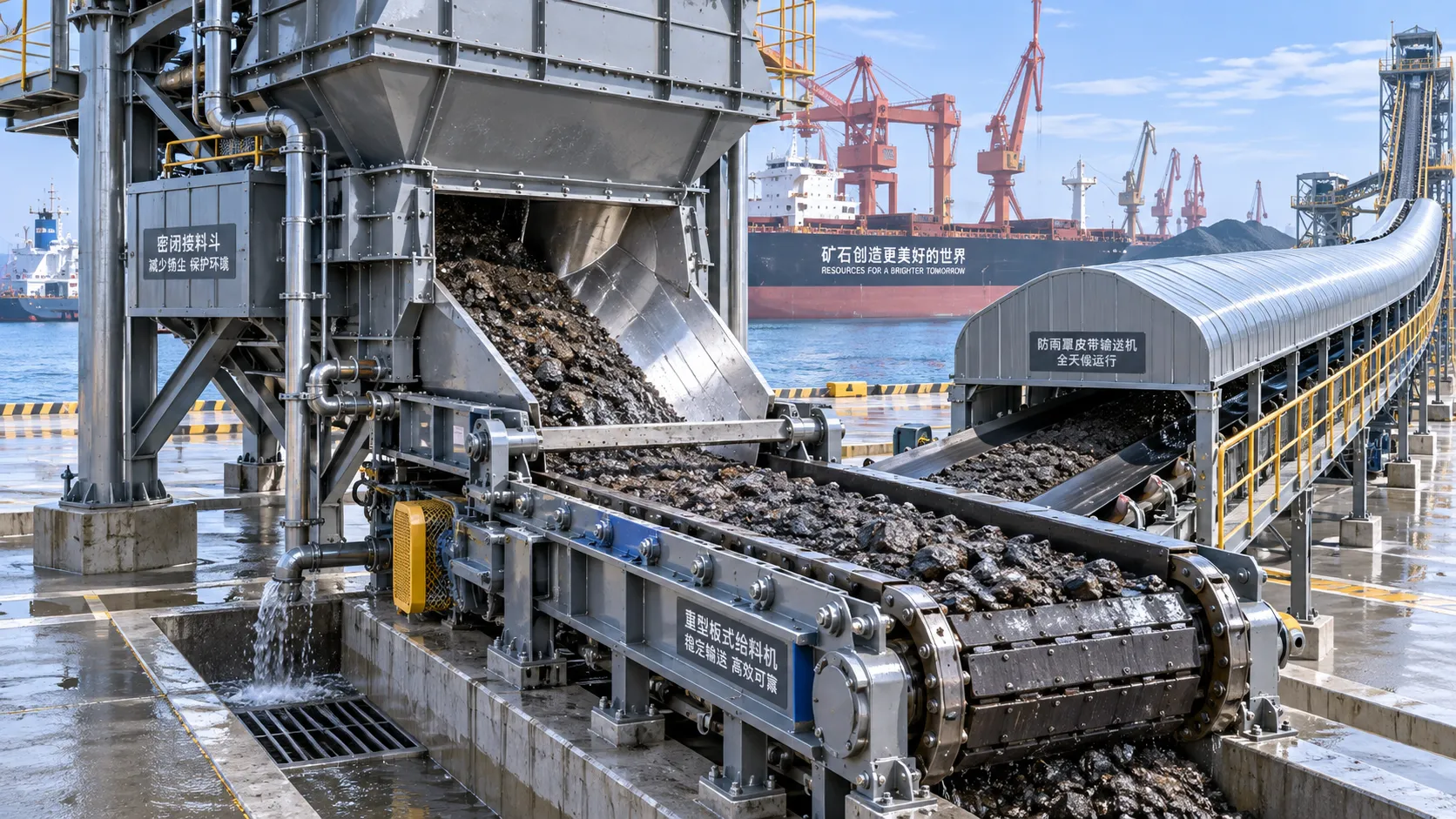
Which Bulk Handling Equipment Suits High-Moisture Cargo?
Which bulk handling equipment suits high-moisture cargo? Compare belt, apron, screw, drag, and slurry systems for reliable flow, less carryback, and higher terminal uptime.
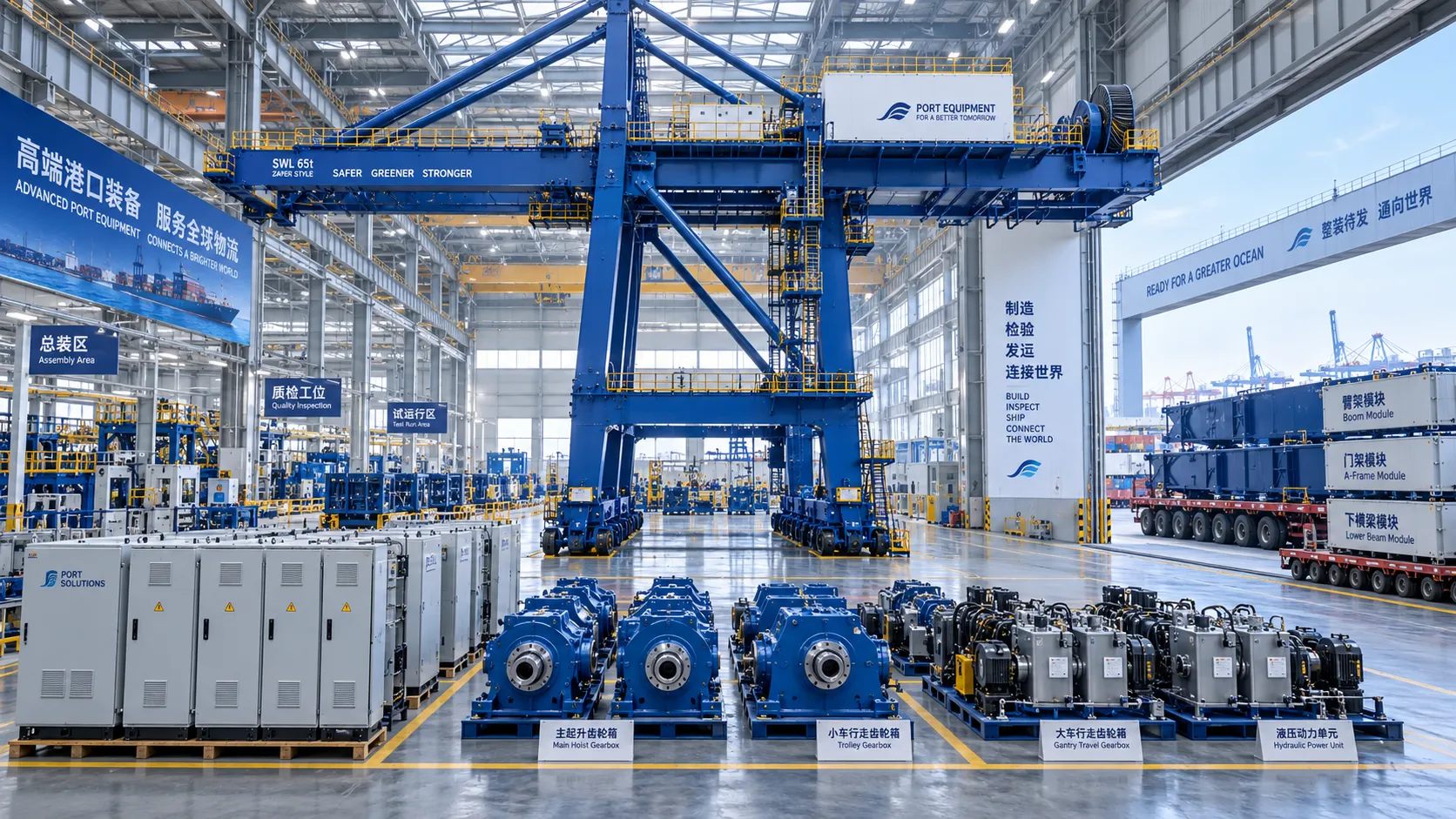
How Can Port Equipment Lead-Time Risk Be Managed?
How can port equipment lead-time risk be managed? Explore practical strategies to control critical paths, suppliers, transport, site readiness, and commissioning delays.
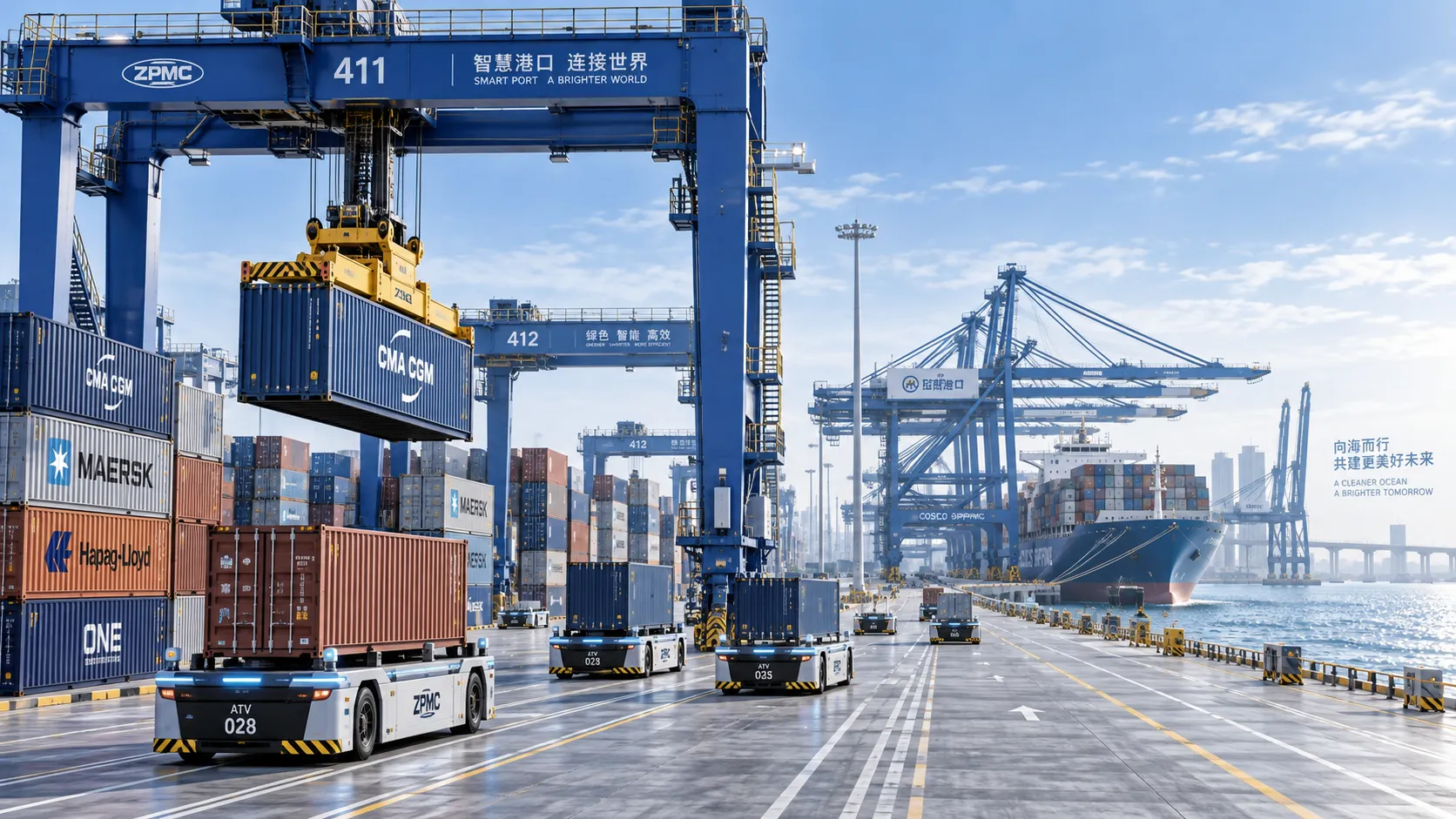
Terminal Automation Technologies That Raise Container Throughput Without Yard Disruption
Terminal automation technology that increases container throughput without disrupting yard flow. Explore smarter integration, resilient workflows, and phased deployment strategies.
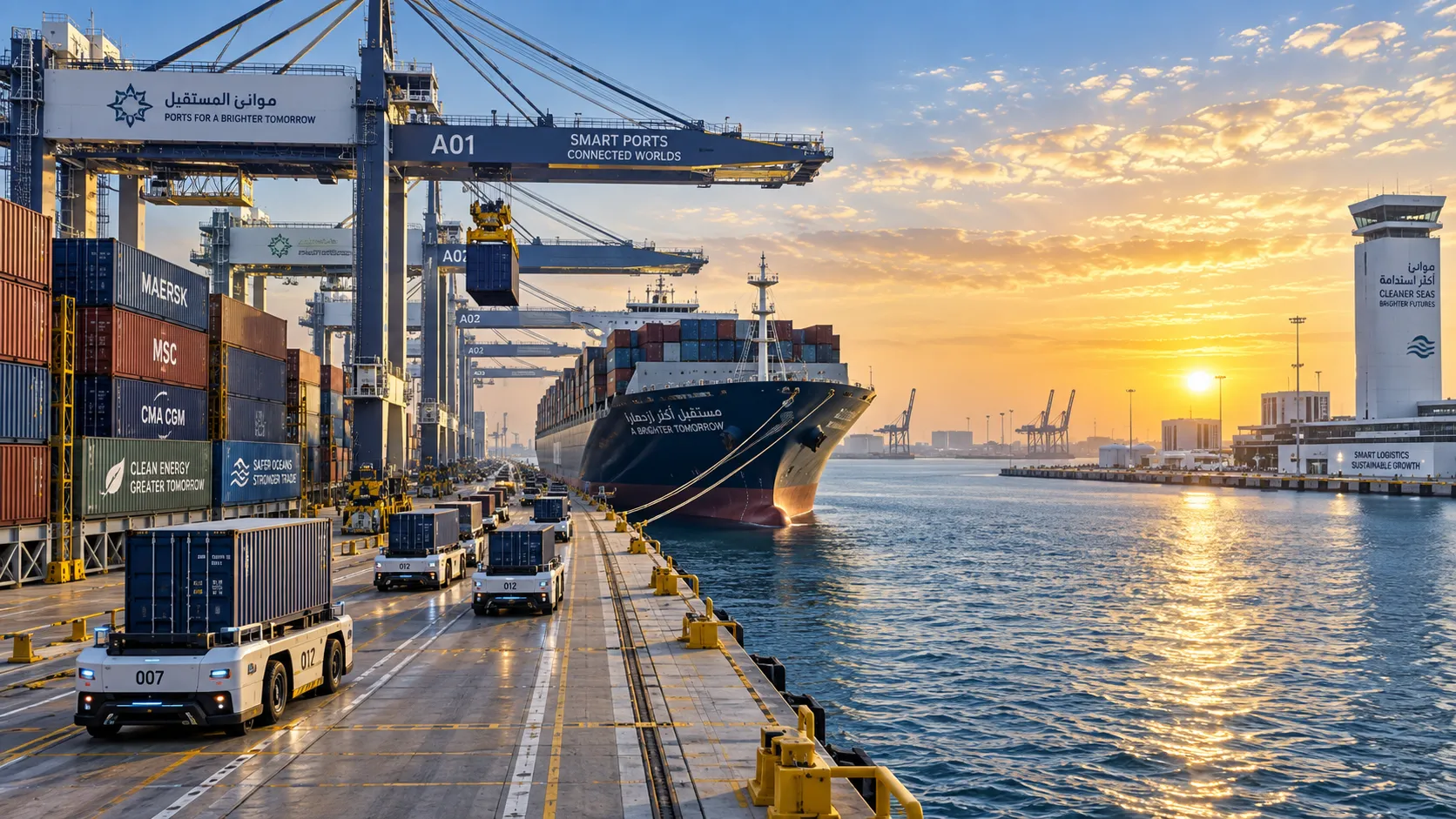
Middle East Port Automation: Key Market Drivers, Projects, and Investment Risks
Port automation systems Middle East: explore market drivers, flagship projects, integration challenges, and investment risks shaping smarter, resilient terminals.
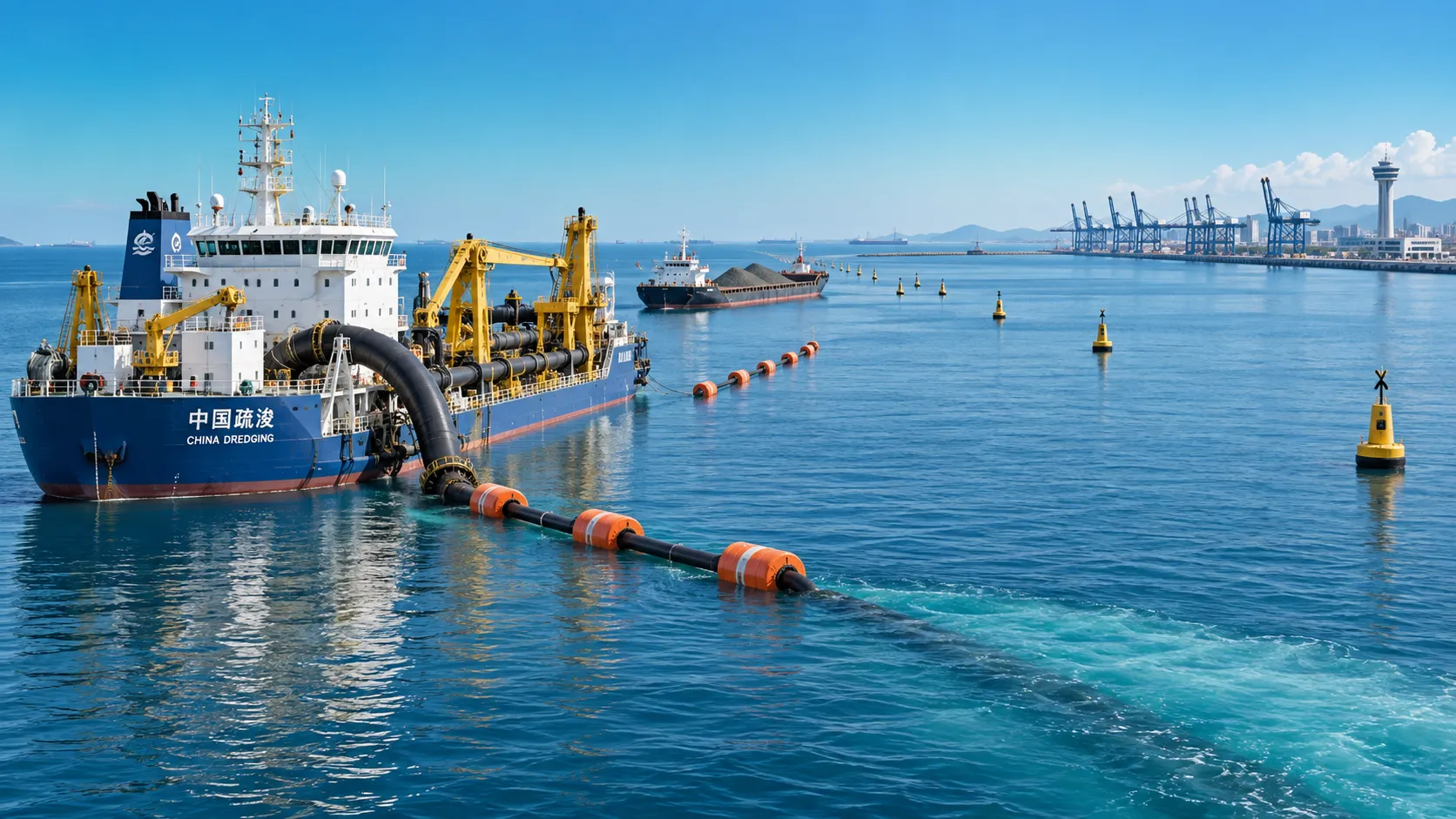
Planning Offshore Dredging Operations: Key Risks, Methods, and Project Controls
Offshore dredging operations demand smart planning. Explore key risks, proven methods, environmental controls, and project strategies for reliable delivery.