Related News
- 00
0000-00
How to Specify a Quay Crane for Container Terminals by Vessel Size and Throughput? - 00
0000-00
Which Bulk Handling Equipment Suits High-Moisture Cargo? - 00
0000-00
Terminal Automation Technologies That Raise Container Throughput Without Yard Disruption - 00
0000-00
Planning Offshore Dredging Operations: Key Risks, Methods, and Project Controls - 00
0000-00
Where Do Automated Guided Vehicles Deliver the Fastest Warehouse Gains in the Middle East?
Can smart oceans technology reduce risk at sea
Can smart oceans technology truly reduce risk at sea? Evidence across ports, fleets, and coastal assets increasingly says yes. When marine operations rely on connected sensors, predictive analytics, and synchronized control systems, risks become more visible and more manageable.
For maritime logistics, safety is no longer limited to weather forecasts and manual inspections. Smart oceans technology now supports earlier detection of equipment stress, route hazards, berth congestion, and communication failures before they escalate.
This matters across the wider maritime economy. From automated container yards to dredging fleets and bulk terminals, digital awareness helps reduce downtime, improve compliance, and protect people, cargo, and infrastructure.
What smart oceans technology means in maritime operations
Smart oceans technology refers to the connected digital systems used to monitor, predict, and optimize activity at sea and along coasts. It combines sensors, vessel data, port systems, communications, and analytics.
Its core purpose is practical. It turns fragmented operational signals into timely insight for safer navigation, more reliable equipment performance, and stronger coordination between ship, shore, and terminal.
In modern maritime logistics, smart oceans technology often includes:
- IoT sensors on cranes, dredgers, engines, pumps, and hull systems
- AIS, radar, satellite, and meteorological data feeds
- Remote diagnostics and predictive maintenance platforms
- Port automation, AGV scheduling, and yard control systems
- Low-latency communications for remote control and telemetry
- Digital twins for terminals, fairways, and marine equipment
Used correctly, smart oceans technology does not remove uncertainty. It reduces blind spots. That change alone can materially lower operational risk at sea.
Why risk exposure is rising across the maritime industry
Marine risk is becoming more complex because maritime systems are more connected, more automated, and more time-sensitive than before. Small failures now spread faster across the supply chain.
Several pressures are shaping current risk conditions:
These trends explain why smart oceans technology is moving from innovation topic to operational necessity. Risk reduction now depends on data continuity as much as physical readiness.
How smart oceans technology reduces risk at sea
Real-time situational awareness
Marine incidents often begin with incomplete awareness. Smart oceans technology integrates vessel position, equipment health, weather, tide, and traffic density into one operating picture.
That shared visibility helps crews and shore teams identify unsafe proximity, channel restrictions, berth conflict, and abnormal equipment behavior before conditions worsen.
Predictive maintenance for critical assets
Unexpected failure at sea or in port creates both safety and financial risk. Smart oceans technology analyzes vibration, temperature, pressure, fuel behavior, and runtime patterns to predict failures earlier.
This is highly relevant for quay cranes, ship engines, dredge pumps, conveyor drives, winches, and automated yard machinery. Earlier intervention means fewer emergency stoppages and safer repairs.
Smarter navigation and route decisions
Smart oceans technology strengthens routing by combining live weather, wave conditions, traffic data, and port readiness. Better routing reduces collision exposure, fuel waste, and delays near constrained approaches.
In coastal trade and dredging operations, route intelligence also supports safer movement through changing depths, sediment zones, and temporary work areas.
Port-to-vessel coordination
Many sea risks originate onshore. Poor berth timing, unsynced cargo readiness, and terminal bottlenecks increase pressure on crews and equipment. Smart oceans technology reduces these handoff risks.
When ports, terminals, and vessels share synchronized operational data, arrival windows become more accurate and equipment allocation becomes safer and more efficient.
Operational value across ports, fleets, and coastal infrastructure
The business value of smart oceans technology extends beyond safety reporting. It improves continuity, asset utilization, and decision speed across several operational layers.
- Lower incident frequency through earlier hazard detection
- Reduced downtime from predictive maintenance planning
- Improved terminal throughput with synchronized equipment control
- Better compliance with emissions and safety documentation
- Stronger resilience during weather disruption or traffic surges
For intelligence-led platforms such as PS-Nexus, the strategic relevance is clear. Smart oceans technology links mechanical performance with scheduling logic and trade flow visibility.
That connection is especially important in heavy terminal gear, bulk handling, automated container movement, and dredging engineering, where operational risk can escalate rapidly.
Typical use cases by maritime scenario
These use cases show that smart oceans technology is not one product category. It is an operational framework for reducing risk through connected intelligence.
Implementation priorities and caution points
Results depend on design quality. Poor integration can create new failure points, especially when sensors, controls, and reporting tools operate in silos.
The most practical implementation priorities include:
- Start with high-risk assets and high-cost failure modes
- Unify operational data sources before adding advanced analytics
- Set clear alert thresholds to avoid alarm fatigue
- Protect communications and cyber interfaces across ship and shore
- Measure outcomes through downtime, incident rate, and response speed
Cybersecurity deserves special attention. Because smart oceans technology depends on connectivity, risk reduction must include secure architecture, access control, and resilient backup procedures.
Human factors also remain essential. Digital systems improve judgment, but they do not replace disciplined procedures, maintenance culture, or escalation readiness.
Strategic direction for the next stage of maritime risk management
Can smart oceans technology reduce risk at sea? In operational terms, yes. It reduces risk by improving visibility, shortening response time, and making equipment and traffic behavior more predictable.
Its strongest value appears when ports, vessels, terminals, and coastal systems share intelligence instead of operating through isolated data streams. That is where risk control becomes system-wide.
For organizations tracking heavy terminal gear, automated handling, and dredging engineering, the next step is clear. Audit current blind spots, prioritize connected monitoring, and build a phased smart oceans technology roadmap.
A measured rollout, supported by reliable intelligence and interoperable systems, can strengthen safety performance while supporting efficiency, compliance, and long-term maritime resilience.
Related News
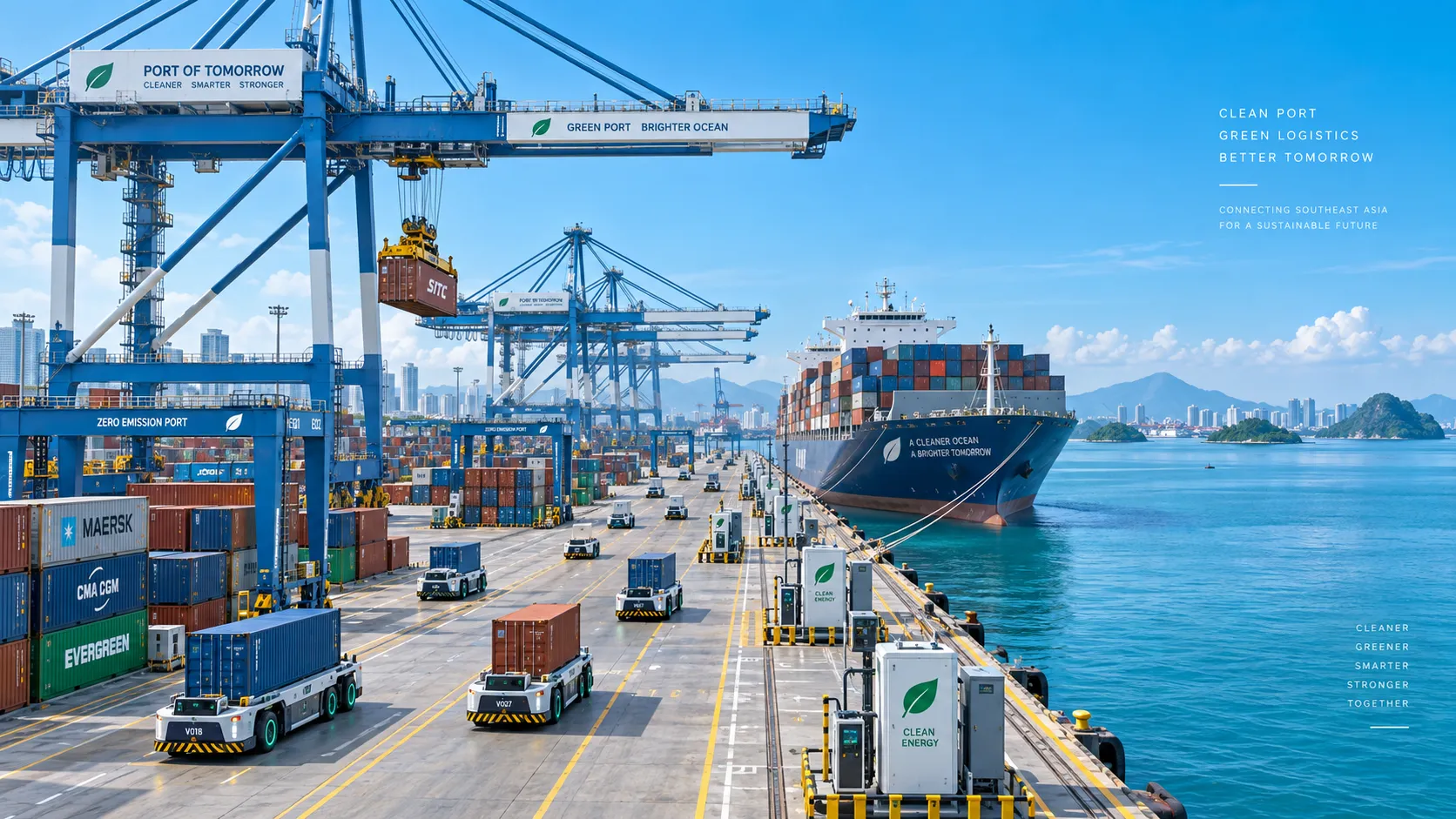
Smart Port Systems in Southeast Asia: Investment Priorities and Adoption Barriers
Smart port systems Southeast Asia: discover investment priorities, adoption barriers, and practical steps to build resilient, connected, high-performing terminals.
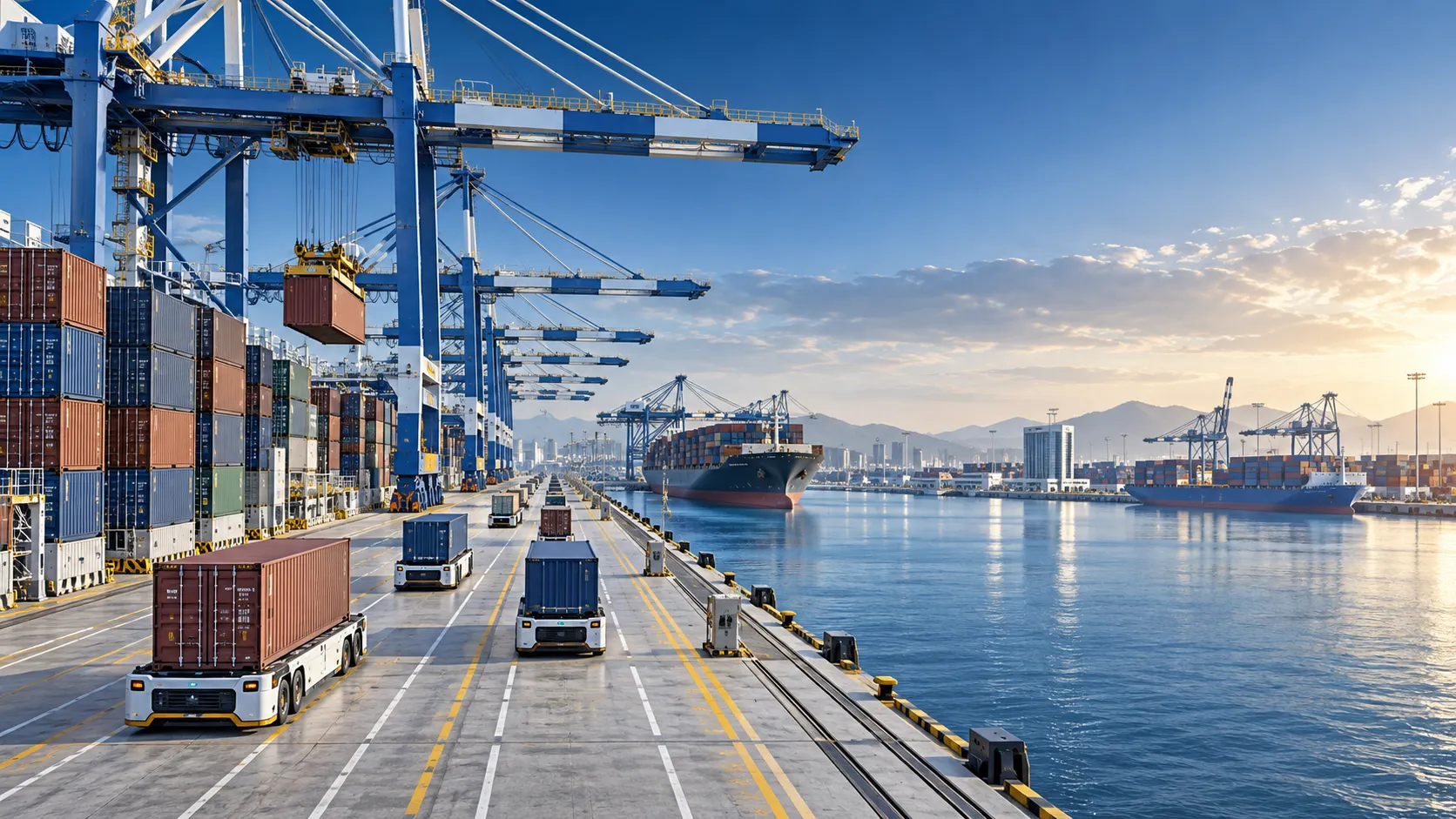
How to Evaluate Terminal Efficiency Solution Suppliers for High-Throughput Operations
Choose a terminal efficiency solutions supplier with confidence. Explore proven criteria for throughput, integration, lifecycle cost, safety, and reliable delivery.
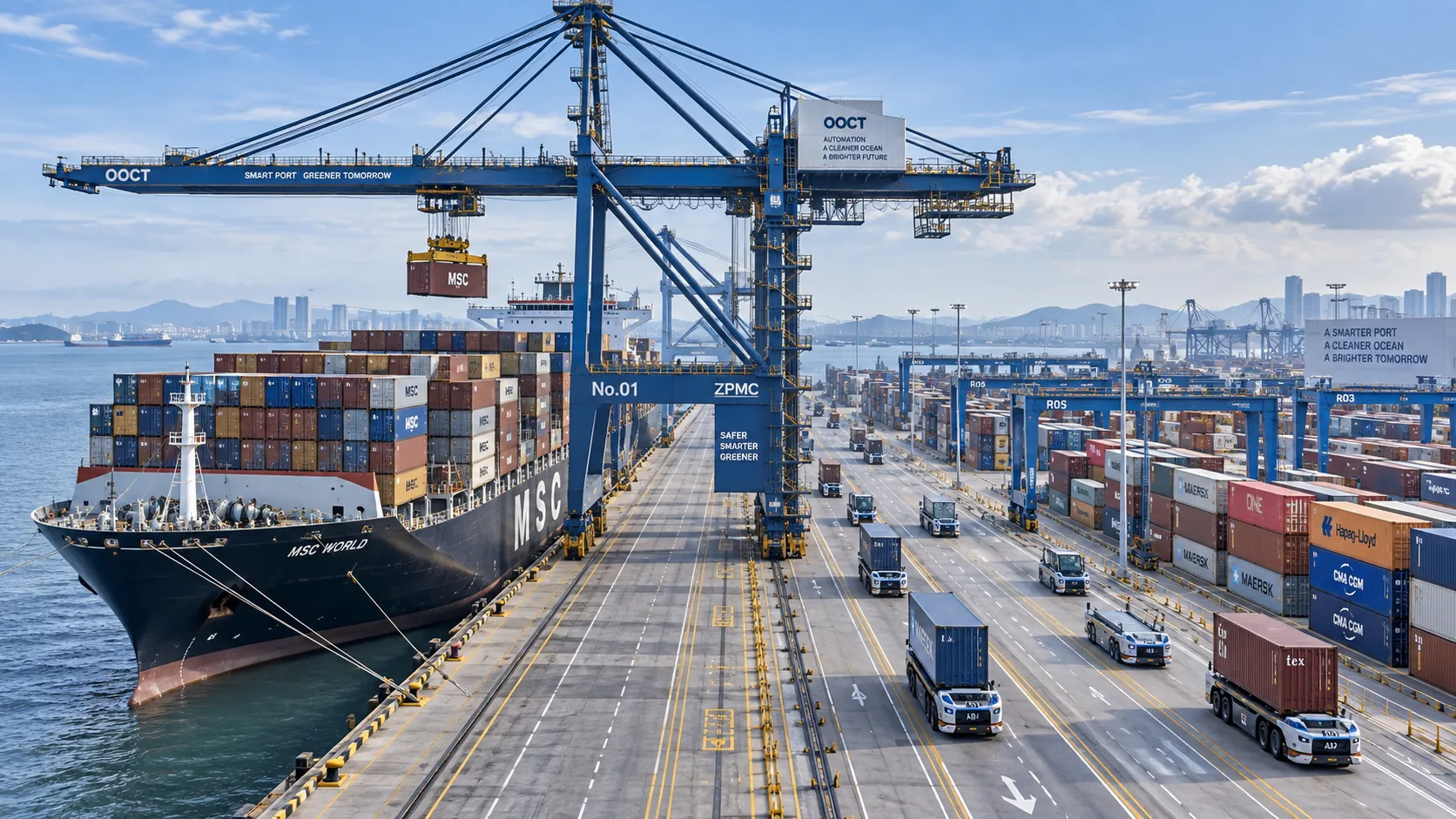
How to Specify a Quay Crane for Container Terminals by Vessel Size and Throughput?
Quay crane for container terminals: learn how to match outreach, lift height, capacity, automation, and cycle performance to vessel size and throughput goals.
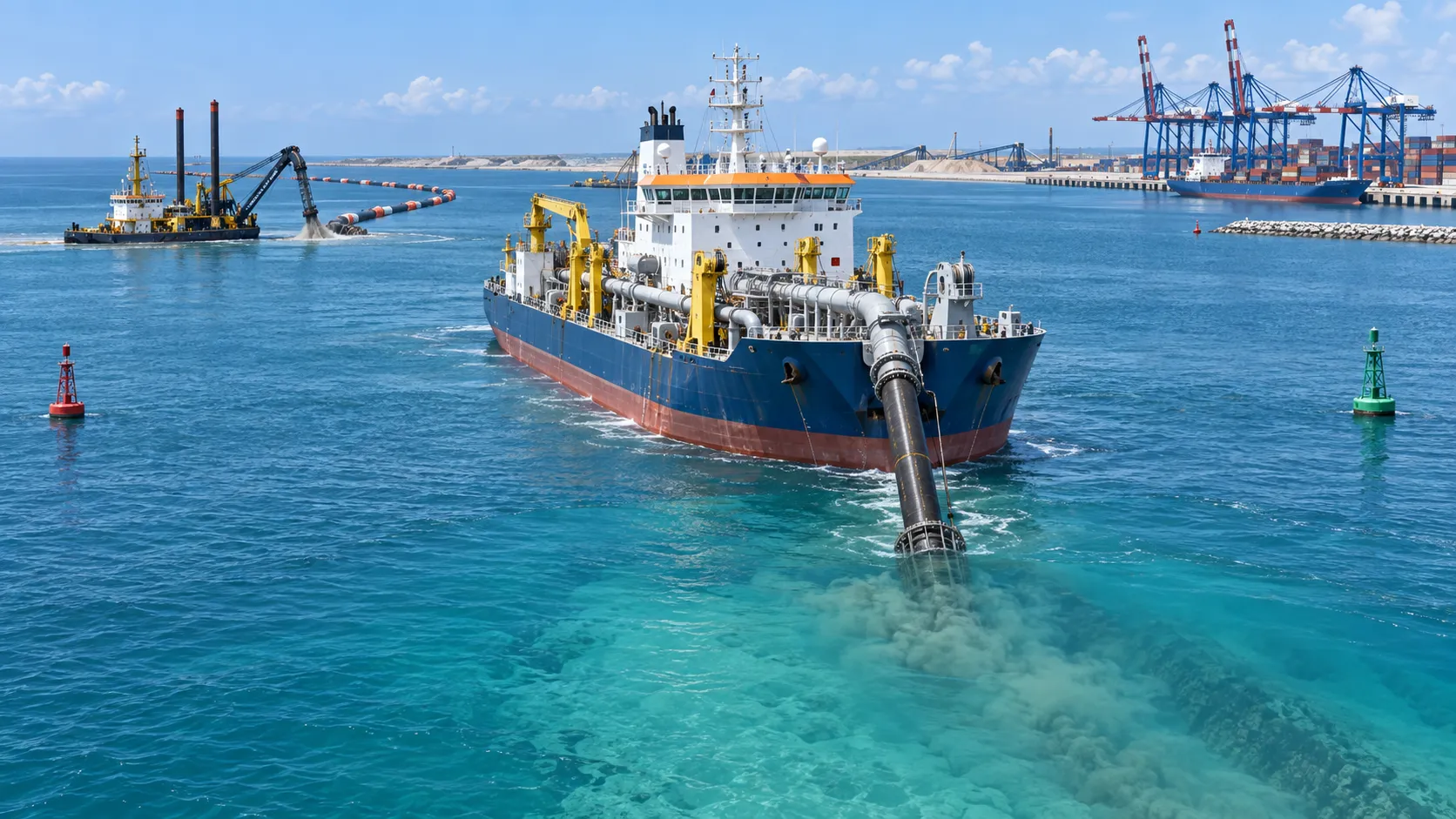
What Dredging Equipment Is Needed for Channel Deepening?
What dredging equipment is needed for channel deepening? Explore dredgers, pipelines, survey tools, and planning strategies for safer, more efficient port access.
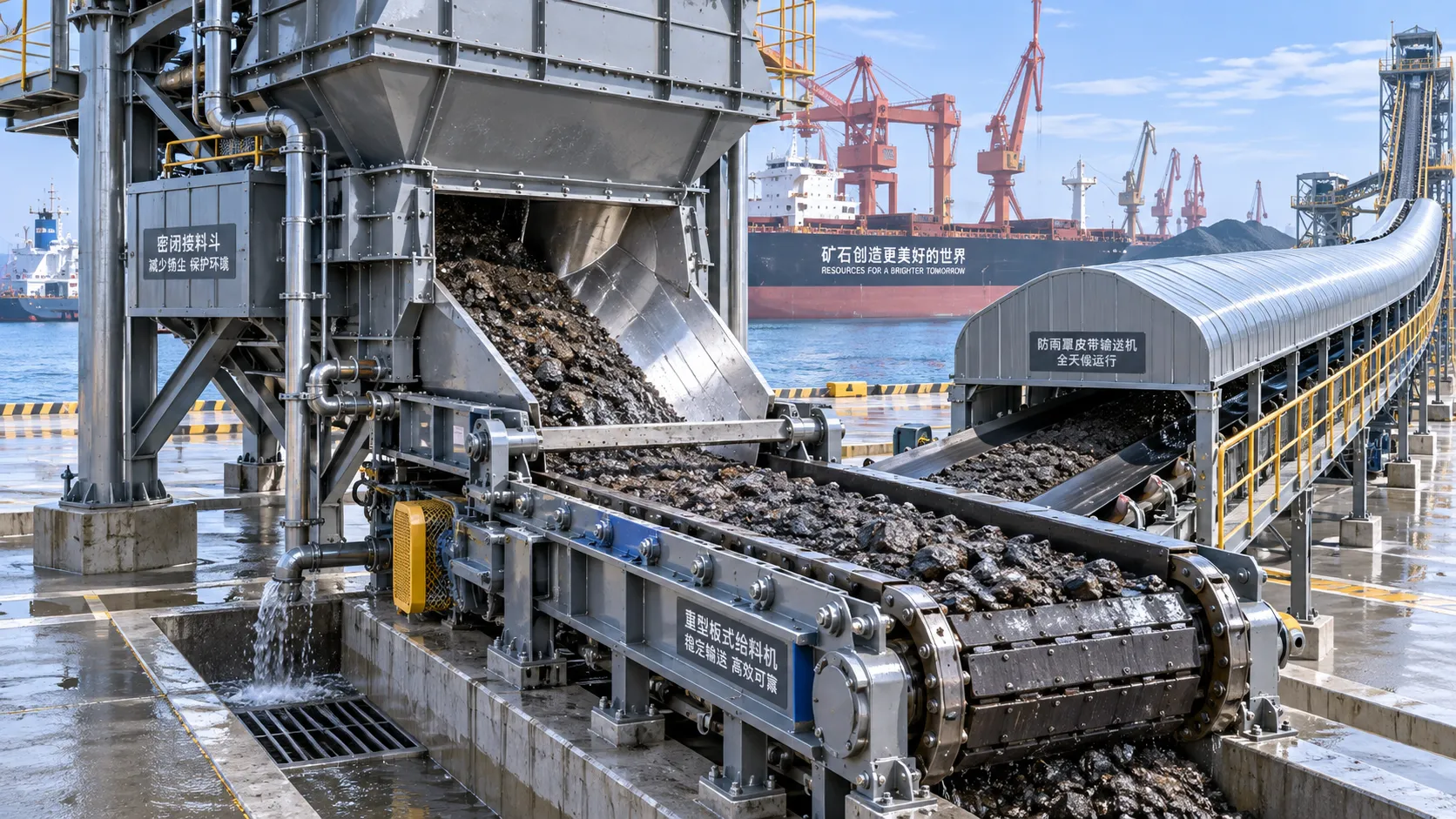
Which Bulk Handling Equipment Suits High-Moisture Cargo?
Which bulk handling equipment suits high-moisture cargo? Compare belt, apron, screw, drag, and slurry systems for reliable flow, less carryback, and higher terminal uptime.
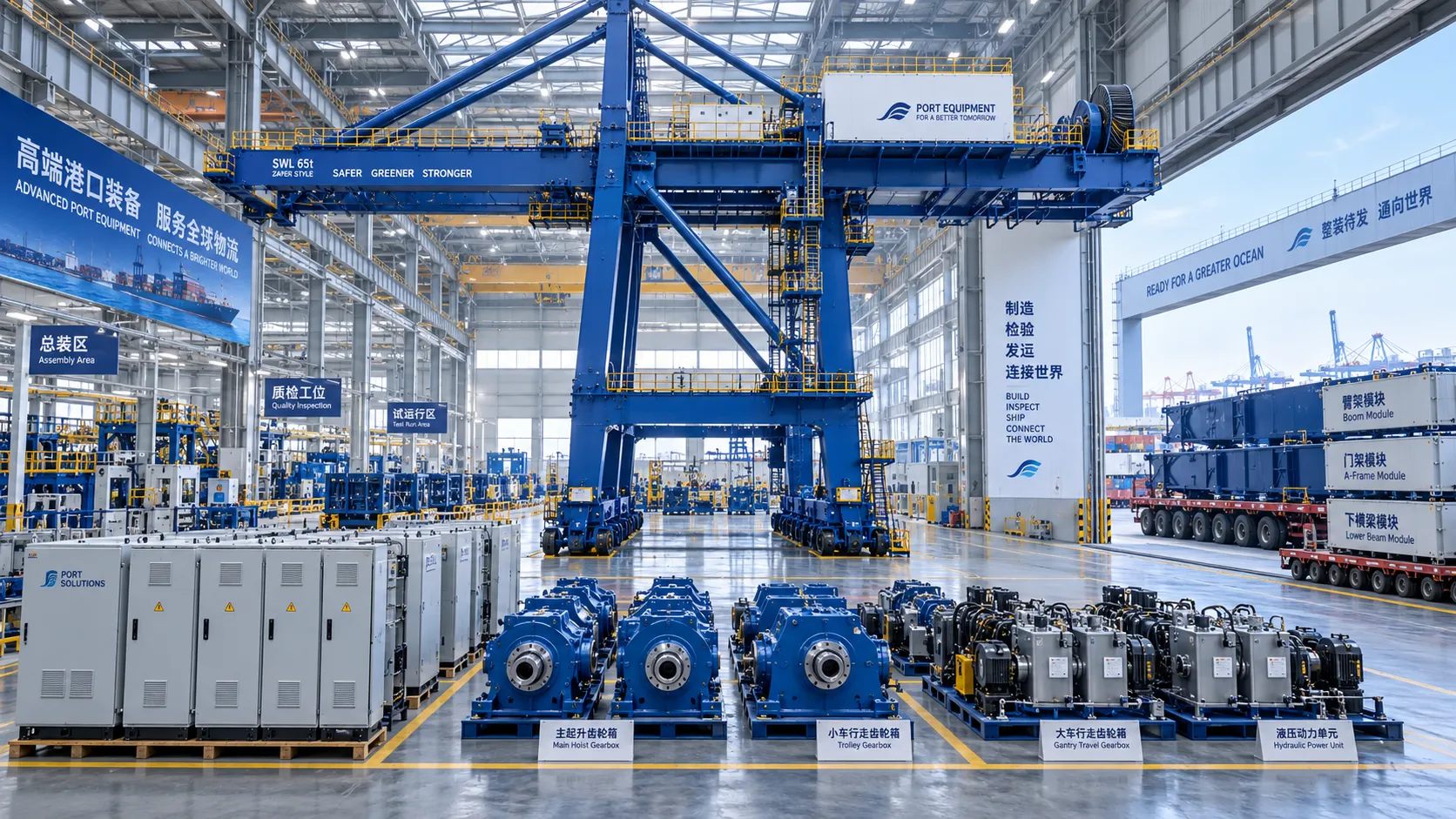
How Can Port Equipment Lead-Time Risk Be Managed?
How can port equipment lead-time risk be managed? Explore practical strategies to control critical paths, suppliers, transport, site readiness, and commissioning delays.
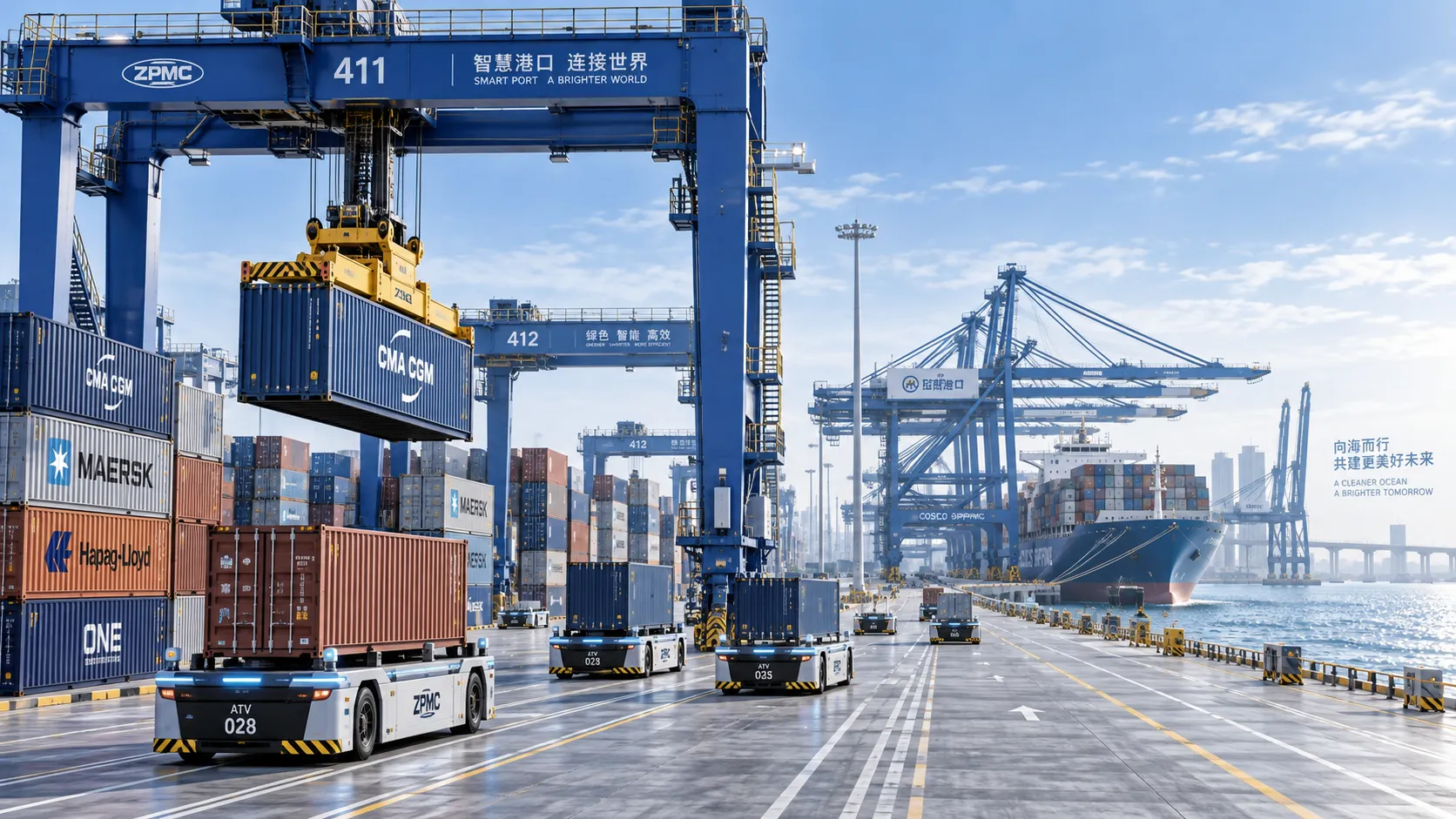
Terminal Automation Technologies That Raise Container Throughput Without Yard Disruption
Terminal automation technology that increases container throughput without disrupting yard flow. Explore smarter integration, resilient workflows, and phased deployment strategies.
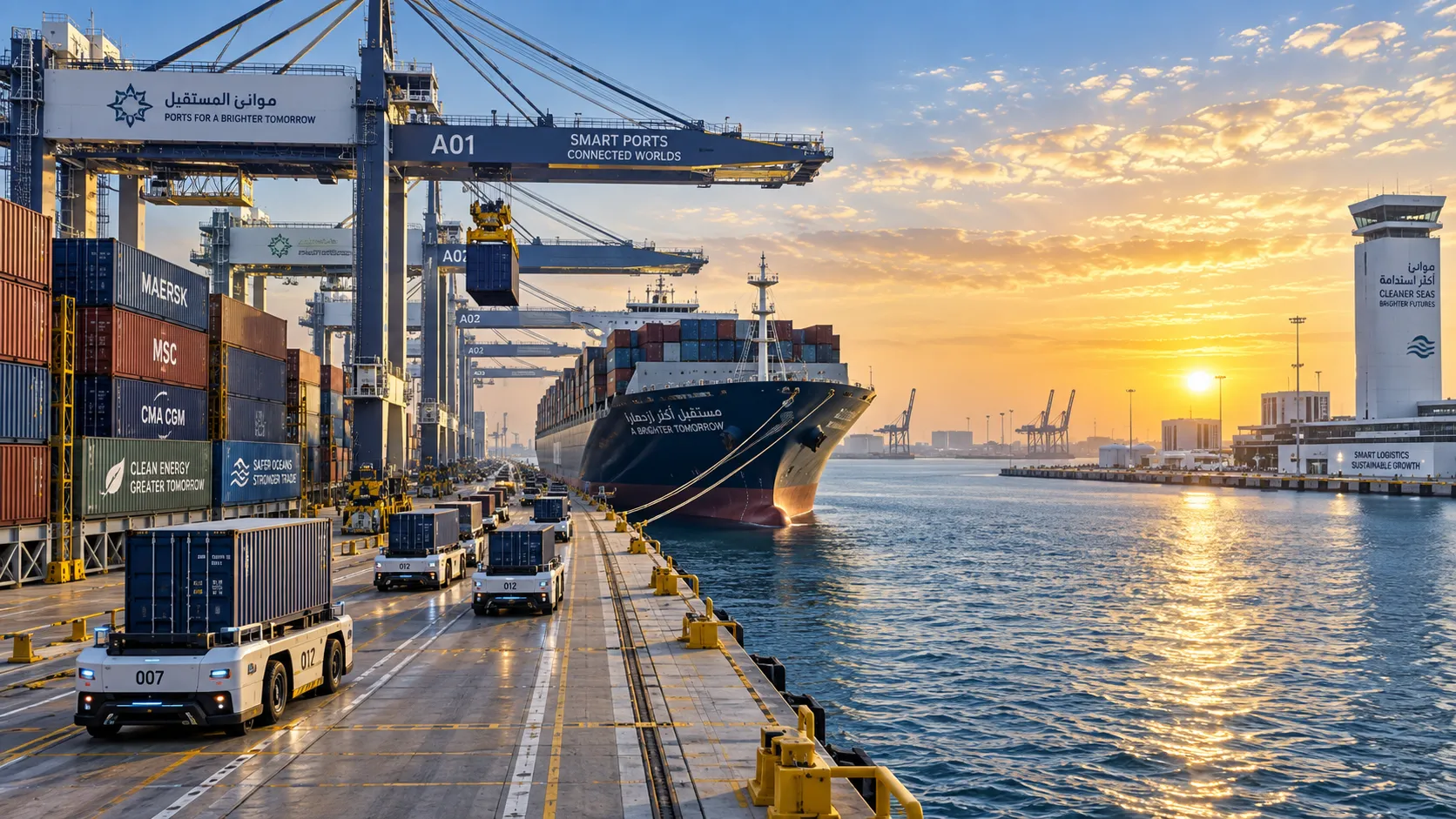
Middle East Port Automation: Key Market Drivers, Projects, and Investment Risks
Port automation systems Middle East: explore market drivers, flagship projects, integration challenges, and investment risks shaping smarter, resilient terminals.
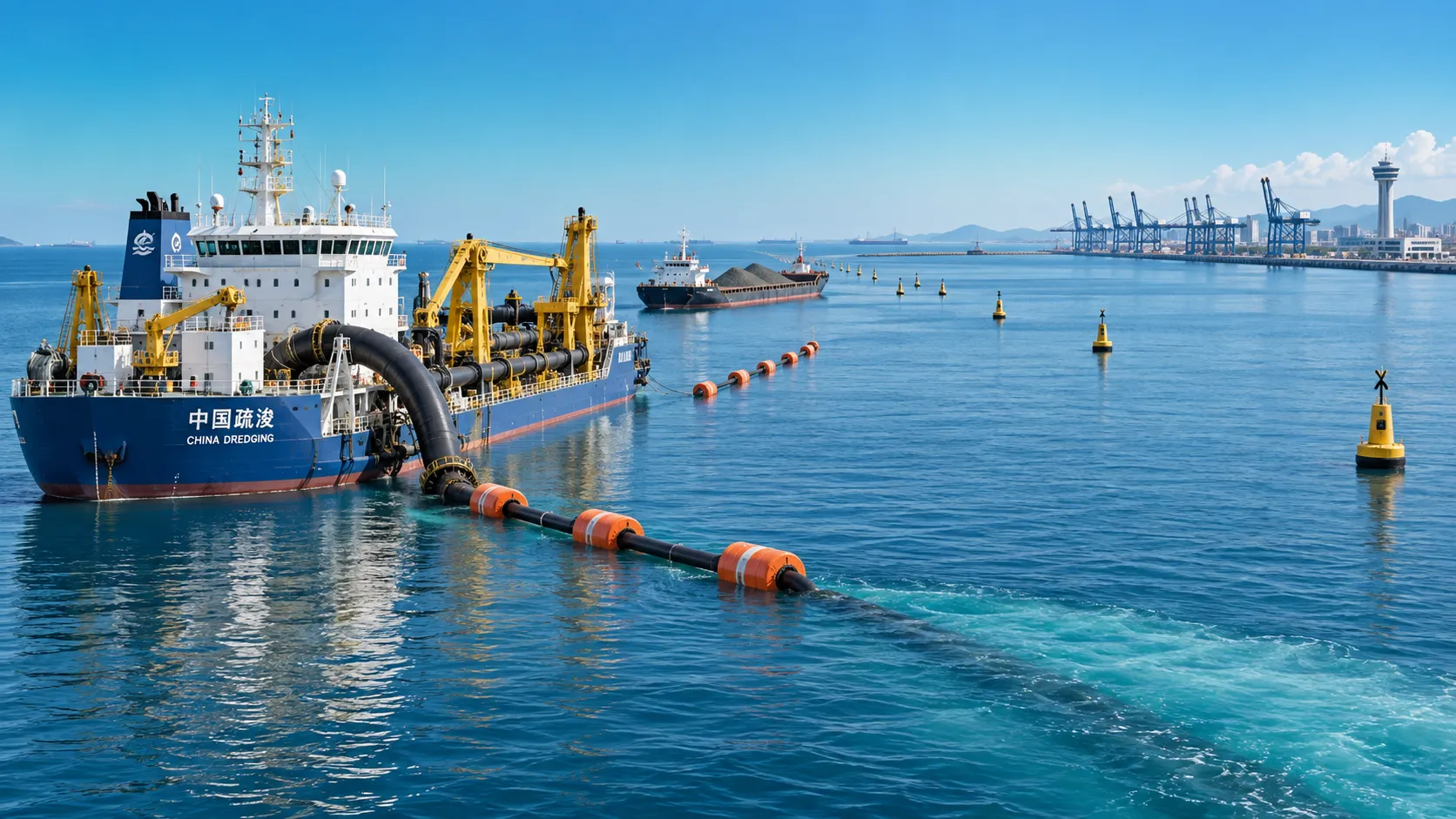
Planning Offshore Dredging Operations: Key Risks, Methods, and Project Controls
Offshore dredging operations demand smart planning. Explore key risks, proven methods, environmental controls, and project strategies for reliable delivery.