Related News
- 00
0000-00
How to Specify a Quay Crane for Container Terminals by Vessel Size and Throughput? - 00
0000-00
Which Bulk Handling Equipment Suits High-Moisture Cargo? - 00
0000-00
Terminal Automation Technologies That Raise Container Throughput Without Yard Disruption - 00
0000-00
Planning Offshore Dredging Operations: Key Risks, Methods, and Project Controls - 00
0000-00
Where Do Automated Guided Vehicles Deliver the Fastest Warehouse Gains in the Middle East?
How do path-planning algorithms cut fleet downtime?
Fleet downtime in automated ports rarely comes from a single failed asset; it often emerges from small inefficiencies across routing, congestion control, charging cycles, and handoff timing.
For technical evaluators assessing AGVs, straddle carriers, or autonomous yard tractors, path-planning algorithms are now a critical performance lever.
By optimizing movement in real time, anticipating traffic conflicts, and aligning dispatch with terminal priorities, these algorithms reduce idle time and prevent cascading delays.
Why path-planning algorithms need checklist-based evaluation
Automated terminals operate as moving systems, not isolated machines. A delayed AGV can affect quay crane rhythm, yard stacking, gate throughput, and vessel turnaround.
That is why path-planning algorithms must be judged through measurable operating conditions, not only through simulation speed or theoretical route quality.
A structured checklist helps compare routing logic, traffic rules, energy behavior, and exception recovery across vendors, software versions, and mixed-fleet deployments.
It also connects algorithm performance with commercial outcomes, including equipment utilization, maintenance windows, labor exposure, and berth productivity.
Core checklist: how path-planning algorithms cut fleet downtime
- Map every travel constraint, including one-way lanes, turning radii, safety zones, crane envelopes, gradient changes, and temporary work areas.
- Validate route generation against live terminal geometry, because outdated maps make path-planning algorithms create avoidable detours and blocked movements.
- Prioritize conflict prediction, so vehicles slow, reroute, or resequence before congestion becomes a hard stop at intersections.
- Measure empty travel separately from loaded travel, since downtime often hides inside repositioning miles between yard blocks and quay cranes.
- Connect dispatch logic with berth priorities, ensuring path-planning algorithms serve crane productivity rather than simply minimizing vehicle distance.
- Audit handoff timing at quay, yard, rail, and gate interfaces, where seconds of waiting multiply across hundreds of daily cycles.
- Test dynamic replanning during blocked lanes, sensor faults, weather restrictions, maintenance closures, and unexpected manual vehicle entry.
- Track battery-aware routing, so vehicles choose efficient routes while preserving charging buffers and avoiding synchronized charging downtime.
- Define safe following distances by load status, road condition, braking profile, and visibility, not by a single static rule.
- Check latency tolerance between fleet management, vehicle controllers, positioning systems, and terminal operating system instructions.
- Compare algorithm decisions during peak and off-peak shifts, because stable path-planning algorithms should not overfit quiet-yard conditions.
- Review recovery procedures after stoppages, including route release, deadlock resolution, manual override, and safe restart sequencing.
Scenario 1: AGV fleets under quay crane pressure
At high-density container berths, quay cranes set the rhythm. If vehicles arrive late, the crane waits; if they arrive too early, lanes clog.
In this setting, path-planning algorithms cut downtime by balancing just-in-time arrival with safe queue spacing and rapid exception handling.
The most useful metric is not shortest route length. It is the percentage of crane moves supported without vehicle-related delay.
Good routing engines also avoid local optimization. They may assign a slightly longer route to protect the next vessel-critical move.
Scenario 2: autonomous yard tractors in mixed traffic
Mixed terminals include autonomous tractors, manned trucks, reach stackers, maintenance vehicles, and occasional abnormal cargo movements.
Here, path-planning algorithms must interpret uncertainty. They need conservative behavior near human-driven traffic and efficient behavior in controlled corridors.
Downtime falls when the system detects slow zones early, changes lane assignment smoothly, and prevents vehicles from forming unstable queues.
A practical evaluation should include near-miss analytics, manual intervention frequency, blocked-path duration, and time lost at shared crossings.
Scenario 3: straddle carriers and yard block congestion
Straddle carrier operations create vertical and horizontal interaction risks. Equipment must move efficiently while accessing stacks, transfer points, and service areas.
Path-planning algorithms reduce downtime by reserving maneuvering space, predicting stack-side conflicts, and avoiding routes that trap carriers behind low-priority moves.
The best systems combine macro routing with micro-maneuver planning. This prevents minor positioning errors from becoming long recovery events.
For yard blocks, evaluate delay per container move, not only total travel time. Congestion often appears at the final approach.
Scenario 4: energy scheduling and charging downtime
Electrified fleets introduce a new downtime pattern. Vehicles may be mechanically healthy but unavailable because charging demand peaks at the wrong moment.
Battery-aware path-planning algorithms reduce this risk by blending route selection, charging windows, state of charge, and workload forecasts.
The goal is not always the lowest energy route. The goal is stable fleet availability during vessel peaks and yard surges.
Useful checks include charger queue time, emergency charging events, missed dispatches, and energy consumption per productive move.
Often ignored risks when reviewing path-planning algorithms
Outdated digital maps
A technically strong algorithm fails when the map is wrong. Temporary barriers, revised lane markings, and crane relocation must update quickly.
Overreliance on average travel time
Averages hide operational pain. Review tail delays, repeated stoppages, and downtime clusters during weather changes or vessel exchange peaks.
Weak deadlock resolution
Deadlocks rarely look dramatic at first. Two vehicles pause, then four wait, and soon a crane loses productive minutes.
Poor integration with terminal priorities
Path-planning algorithms should respect vessel plans, yard strategy, customs holds, reefer priorities, and service windows across the operating day.
Insufficient cybersecurity controls
Routing commands are operationally sensitive. Authentication, logging, network segmentation, and fallback modes protect fleets from unsafe instruction flow.
Execution guide for downtime reduction
- Establish a baseline using vehicle idle time, blocked-path minutes, crane waiting time, empty travel, and manual intervention frequency.
- Run controlled simulations with historical vessel peaks, maintenance closures, adverse weather rules, and realistic communication latency.
- Pilot path-planning algorithms on one corridor or yard zone before expanding across the full terminal operating area.
- Compare planned routes with actual traces, then identify recurring detours, repeated braking points, and excessive stop-start behavior.
- Tune routing weights for throughput, energy, safety, and priority cargo instead of relying on default shortest-path settings.
- Review exceptions weekly, because downtime improvement depends on learning from blocked lanes, failed handoffs, and abnormal operator overrides.
Key metrics that connect algorithms to uptime
- Track equipment availability by productive assignment, not only mechanical readiness, to expose software-driven waiting and routing delay.
- Measure congestion recovery time after incidents, because resilient path-planning algorithms restore flow faster than static routing rules.
- Monitor route stability, since excessive replanning can increase braking, energy use, controller load, and operator uncertainty.
- Connect route decisions to crane moves per hour, truck turnaround, yard reshuffle volume, and vessel departure reliability.
A strong uptime program treats routing data as operational intelligence. It links movement decisions with asset health, terminal priorities, and commercial service commitments.
This approach fits the broader direction of smart maritime logistics, where automation, low-latency control, and predictive scheduling converge.
Practical decision points before deployment
Before selecting or upgrading routing software, confirm whether the system supports explainable decisions. Operations teams need to understand why routes change.
Also confirm scalability. Path-planning algorithms may perform well with twenty vehicles but struggle when fleets, intersections, and job priorities multiply.
Interoperability is equally important. The routing layer should exchange clean data with TOS, equipment control systems, maintenance platforms, and energy management tools.
Finally, define ownership for continuous tuning. Algorithms degrade when yard layouts, vessel profiles, and operating rules change without calibration.
Summary and action guide
Path-planning algorithms cut fleet downtime by preventing conflicts, reducing empty travel, protecting handoff timing, and maintaining availability across automated port workflows.
The strongest results come from checklist-based evaluation, scenario testing, live data review, and disciplined tuning after deployment.
Start with a downtime baseline, then test routing behavior under real congestion, charging pressure, communication latency, and mixed-fleet conditions.
For long-cycle infrastructure decisions, treat path-planning algorithms as strategic operating assets, not background software.
The next practical step is to build a route-performance dashboard that connects vehicle traces, crane waiting time, charging queues, and exception recovery.
Related News
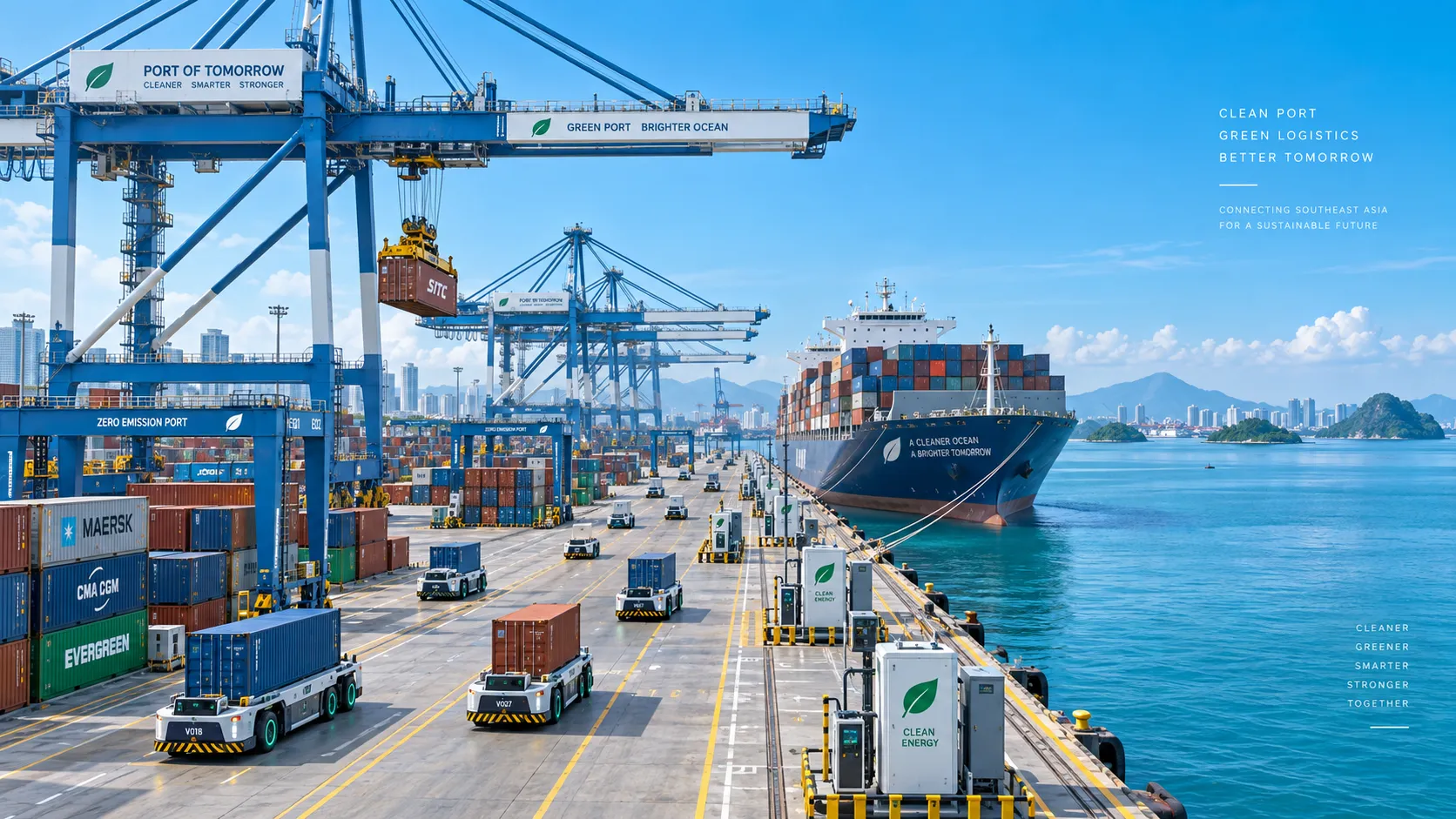
Smart Port Systems in Southeast Asia: Investment Priorities and Adoption Barriers
Smart port systems Southeast Asia: discover investment priorities, adoption barriers, and practical steps to build resilient, connected, high-performing terminals.

How to Evaluate Terminal Efficiency Solution Suppliers for High-Throughput Operations
Choose a terminal efficiency solutions supplier with confidence. Explore proven criteria for throughput, integration, lifecycle cost, safety, and reliable delivery.
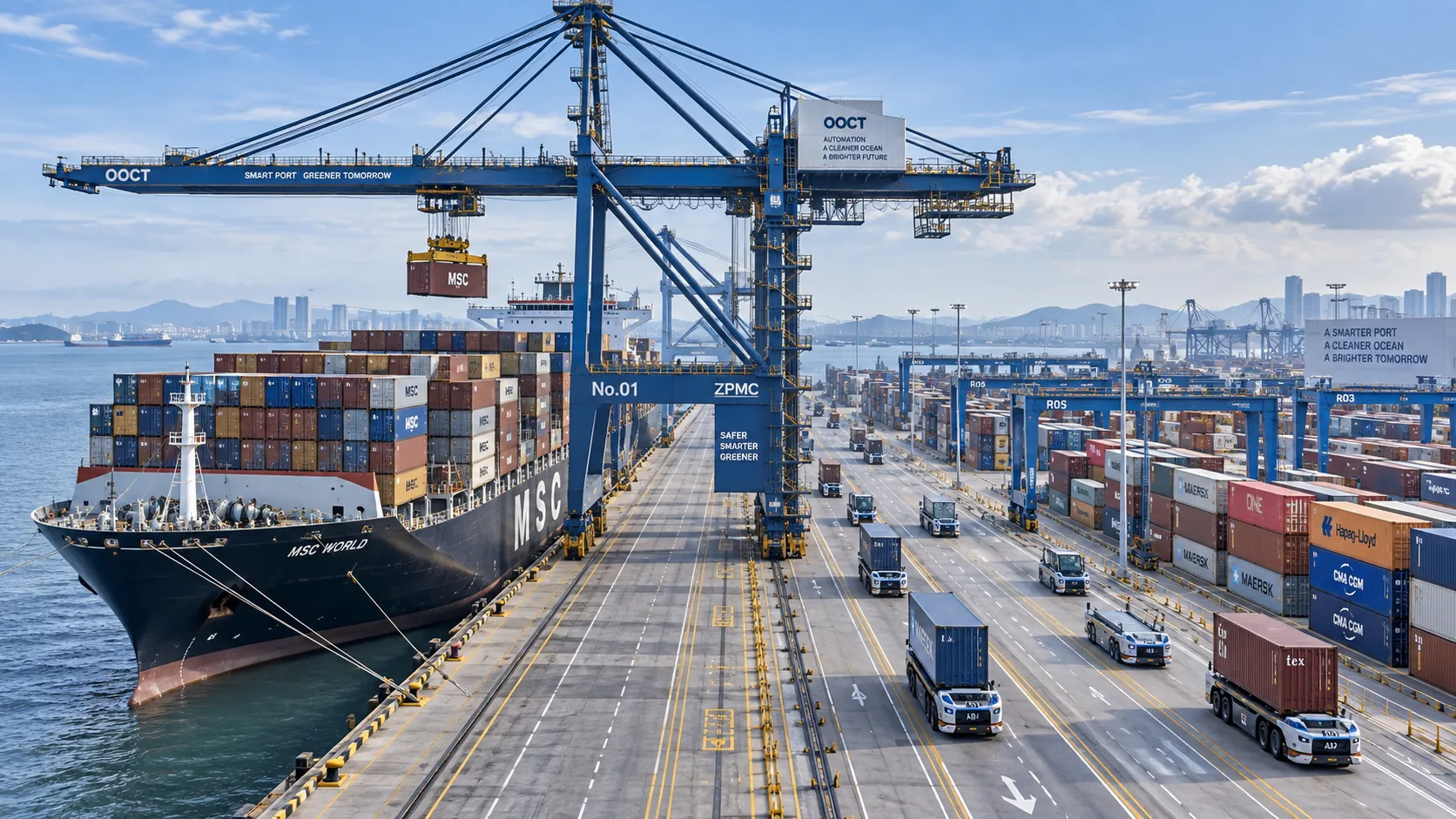
How to Specify a Quay Crane for Container Terminals by Vessel Size and Throughput?
Quay crane for container terminals: learn how to match outreach, lift height, capacity, automation, and cycle performance to vessel size and throughput goals.

What Dredging Equipment Is Needed for Channel Deepening?
What dredging equipment is needed for channel deepening? Explore dredgers, pipelines, survey tools, and planning strategies for safer, more efficient port access.
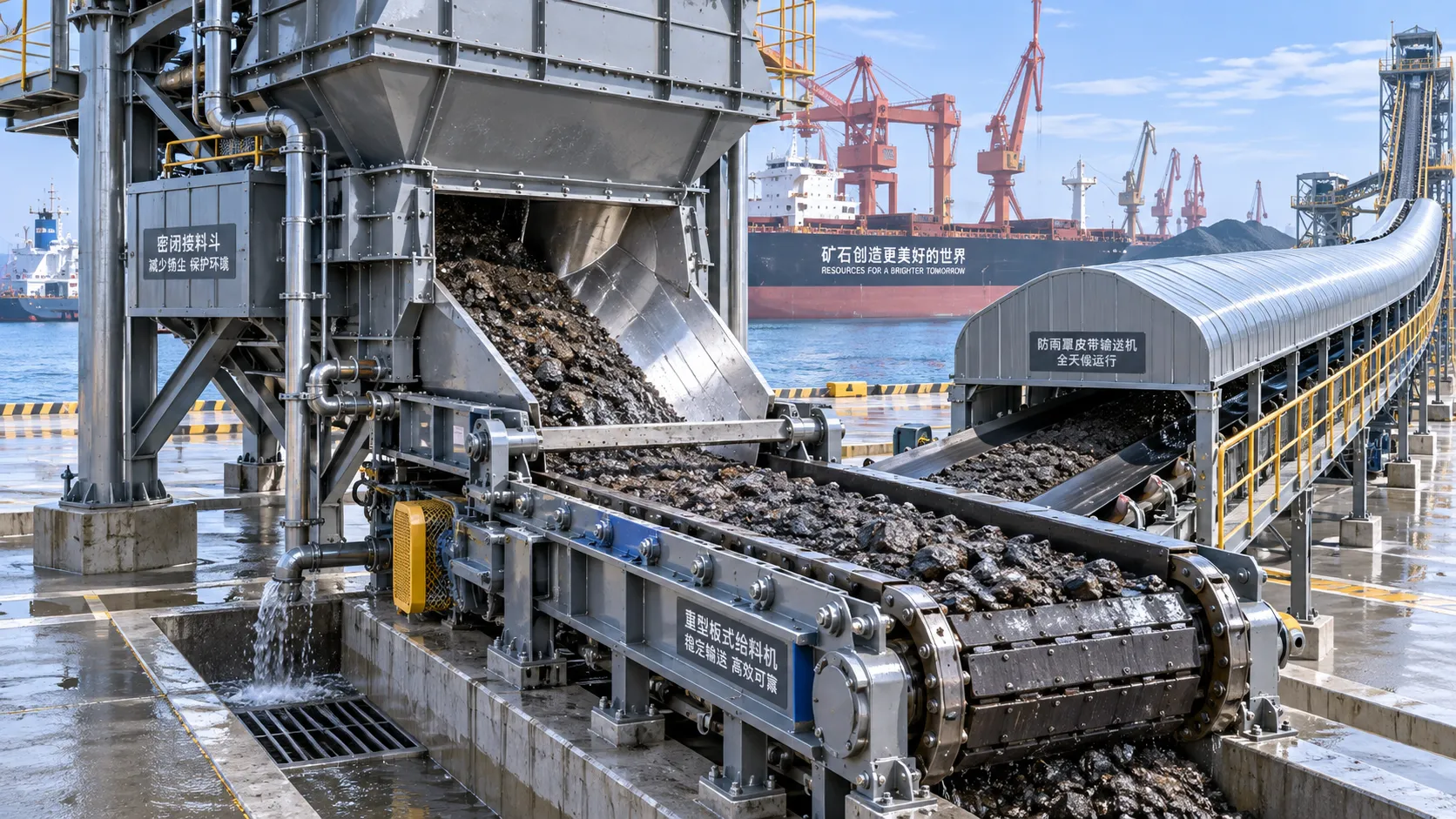
Which Bulk Handling Equipment Suits High-Moisture Cargo?
Which bulk handling equipment suits high-moisture cargo? Compare belt, apron, screw, drag, and slurry systems for reliable flow, less carryback, and higher terminal uptime.
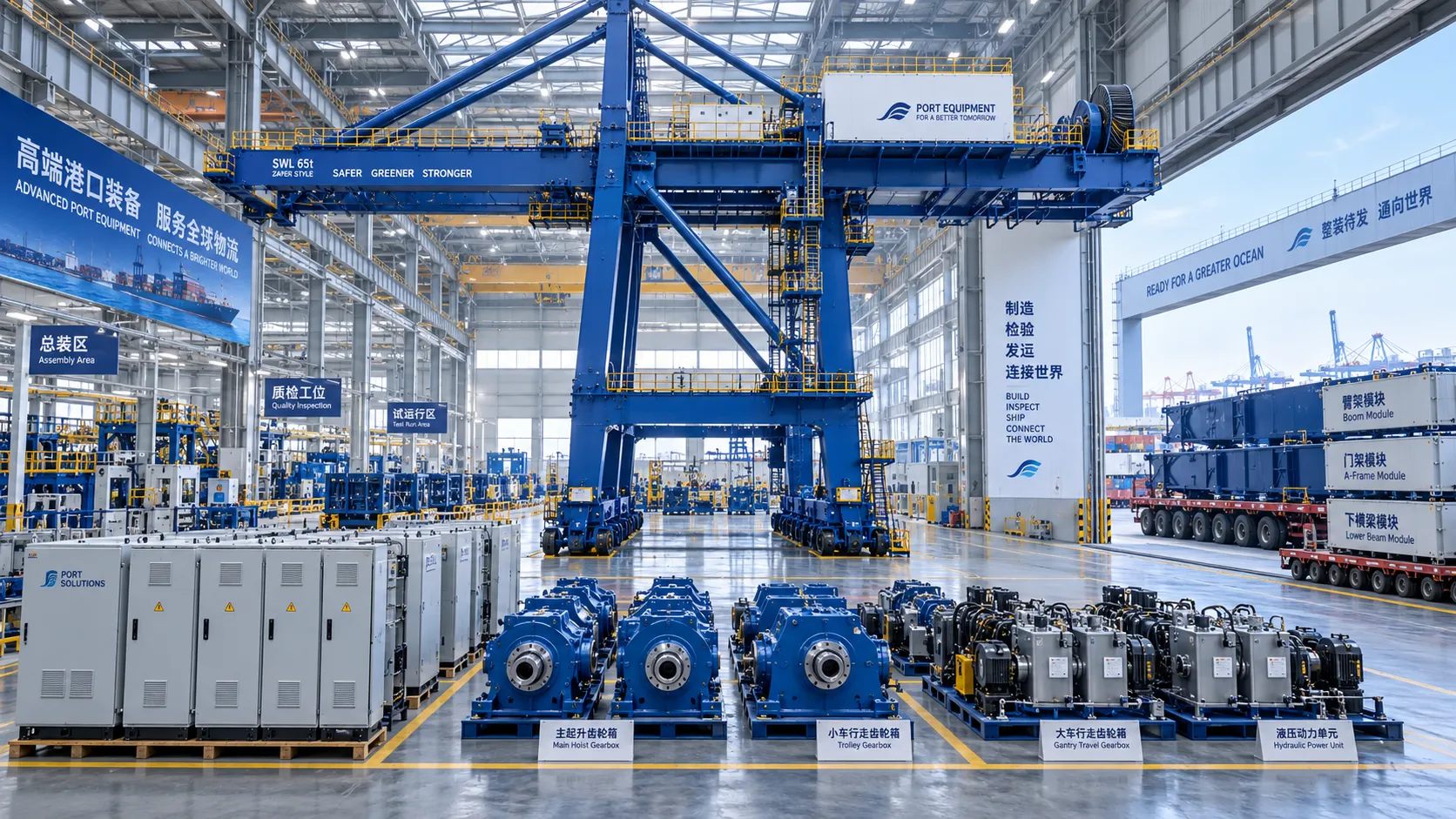
How Can Port Equipment Lead-Time Risk Be Managed?
How can port equipment lead-time risk be managed? Explore practical strategies to control critical paths, suppliers, transport, site readiness, and commissioning delays.
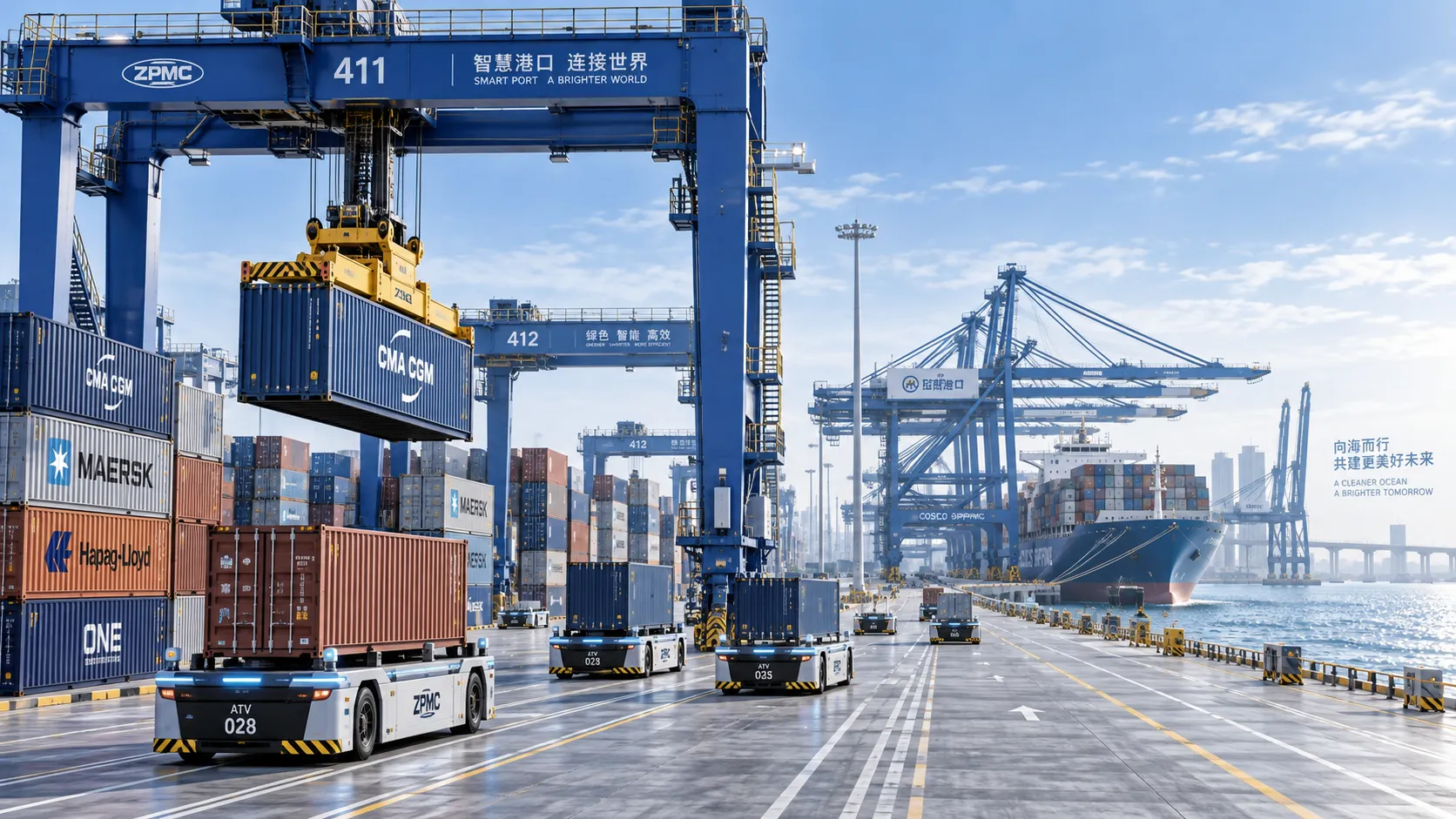
Terminal Automation Technologies That Raise Container Throughput Without Yard Disruption
Terminal automation technology that increases container throughput without disrupting yard flow. Explore smarter integration, resilient workflows, and phased deployment strategies.
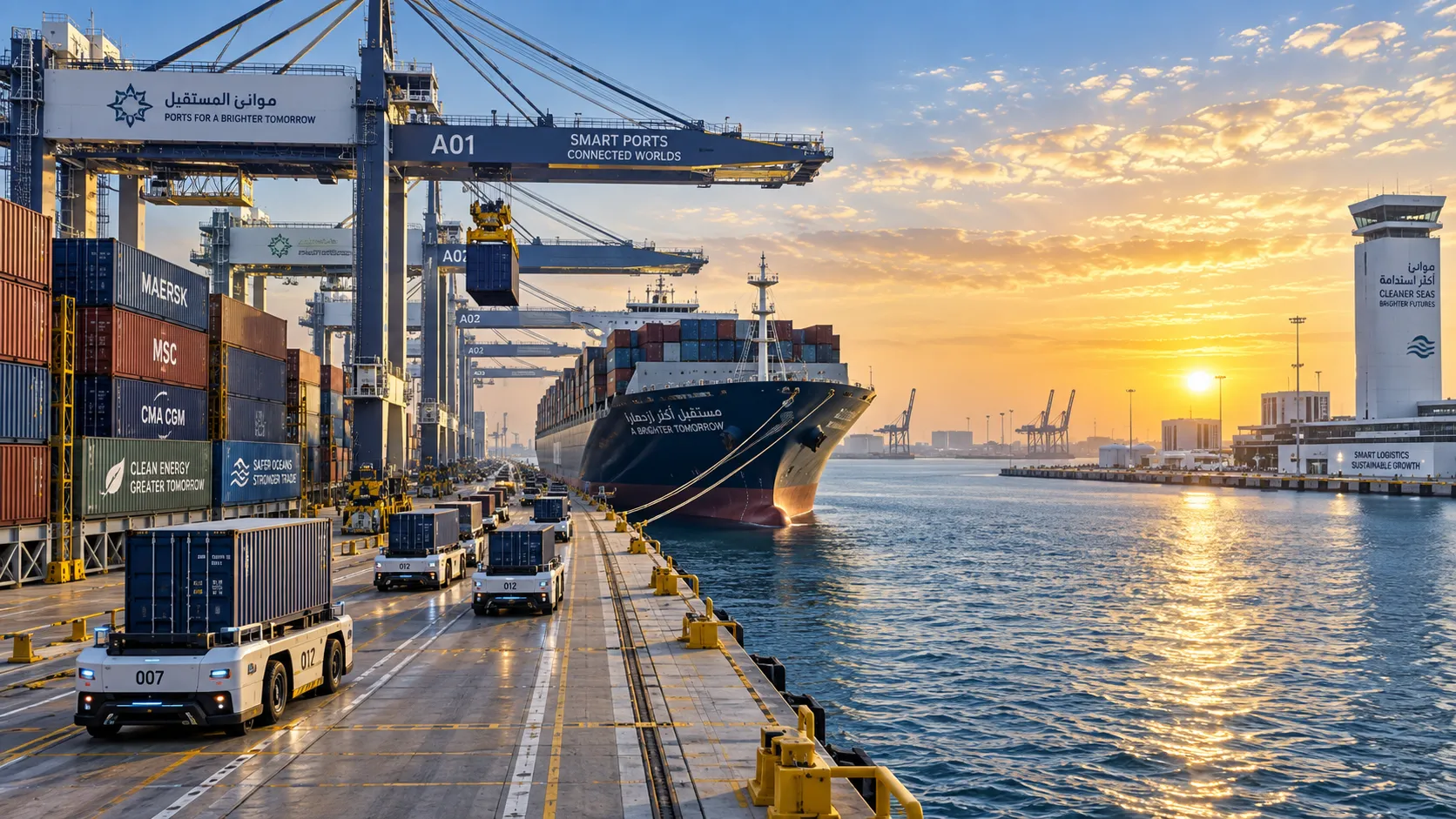
Middle East Port Automation: Key Market Drivers, Projects, and Investment Risks
Port automation systems Middle East: explore market drivers, flagship projects, integration challenges, and investment risks shaping smarter, resilient terminals.
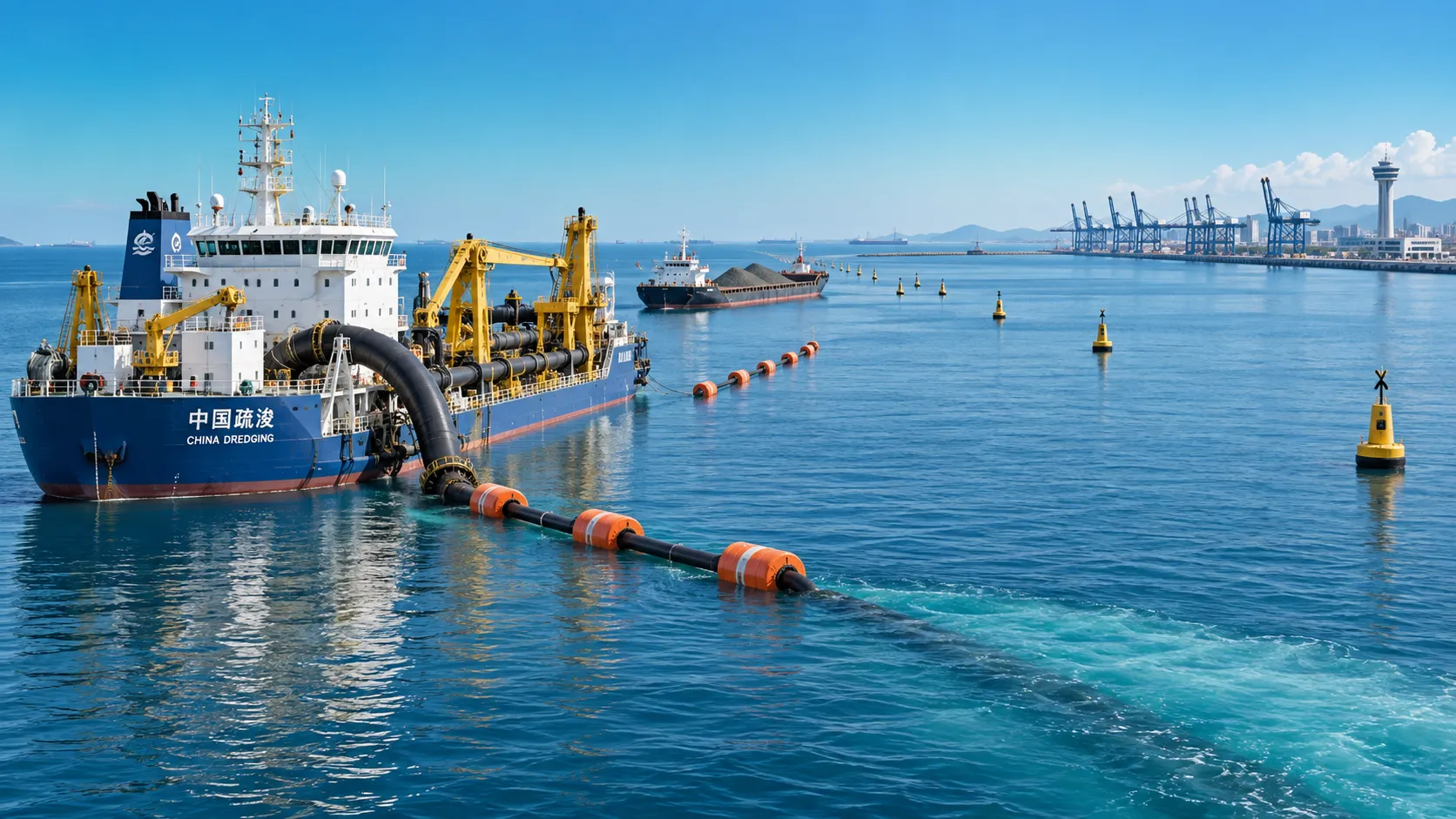
Planning Offshore Dredging Operations: Key Risks, Methods, and Project Controls
Offshore dredging operations demand smart planning. Explore key risks, proven methods, environmental controls, and project strategies for reliable delivery.