Related News
- 00
0000-00
How to Specify a Quay Crane for Container Terminals by Vessel Size and Throughput? - 00
0000-00
Which Bulk Handling Equipment Suits High-Moisture Cargo? - 00
0000-00
Terminal Automation Technologies That Raise Container Throughput Without Yard Disruption - 00
0000-00
Planning Offshore Dredging Operations: Key Risks, Methods, and Project Controls - 00
0000-00
Where Do Automated Guided Vehicles Deliver the Fastest Warehouse Gains in the Middle East?
Why marine engineering solutions fail without site planning
Many marine engineering solutions underperform not because the technology is weak, but because site planning is incomplete from the start. For project managers and engineering leads, overlooking seabed conditions, traffic flow, equipment access, and long-term operational demands can turn high-value investments into costly delays. Understanding how site planning shapes performance, risk, and scalability is essential to delivering reliable marine infrastructure.
In port expansion, dredging, quay reinforcement, bulk handling upgrades, and terminal automation, the planning phase decides whether engineering performance remains stable for 20 to 30 years or begins failing within the first 12 to 24 months. For decision-makers managing capex, schedules, and stakeholder pressure, site planning is not a preliminary formality. It is the operating logic behind marine engineering solutions.
This matters even more in modern maritime logistics, where vessel size, berth productivity, automation density, and environmental limits are all rising at the same time. A marine structure can be technically sound on paper yet still fail commercially if access roads are undersized, dredge spoil routes are inefficient, or crane and yard interfaces were not coordinated early. That gap between design intent and site reality is where projects lose time, budget, and operational reliability.
Why site planning is the hidden foundation of marine engineering performance
Most marine engineering solutions are evaluated through equipment capacity, structural strength, automation features, and procurement cost. Those factors matter, but they do not operate independently. A dredger, caisson system, quay wall, conveyor corridor, or automated container interface performs only as well as the site conditions allow. In practice, 4 planning variables usually dominate long-term outcomes: geotechnical behavior, marine access, construction sequencing, and future operational load.
Seabed and soil behavior shape structural success
Marine assets are built on uncertainty unless the subsurface has been properly mapped. A site with soft clay at 8 to 15 meters, variable silt lenses, or uneven bearing resistance can affect pile depth, dredging volumes, settlement rates, and long-term alignment. If the site investigation is too shallow, too narrow, or too late, engineering teams often redesign during execution, which can add 2 to 8 weeks to critical milestones.
For project managers, that means the first failure point often appears before installation begins. Underestimated consolidation settlement, slope instability, or sediment migration can reduce the service life of expensive marine engineering solutions even when the specification itself is correct.
Common geotechnical planning gaps
- Insufficient borehole spacing across berth, channel, and reclamation zones
- Ignoring seasonal sediment transport and tidal current variability
- Using historical bathymetry older than 6 to 12 months in active ports
- Failing to align foundation design with future load increases from larger terminal gear
Marine access and logistics often break good designs
A marine project may have a robust technical concept and still underdeliver because barges, crawler cranes, jack-up platforms, slurry pipelines, or prefabricated sections cannot move efficiently through the site. Access planning should account for tidal windows, swing radius, haul route turning geometry, temporary laydown space, and safety separation from active vessel traffic.
In busy terminals, a 30-minute delay in access coordination can multiply into several lost shifts per week if dredging, piling, and cargo operations share the same corridor. This is especially true where berth occupancy exceeds 70% and construction must be phased around ongoing trade flows.
The table below shows how incomplete planning commonly affects marine engineering solutions across different project types.
The key pattern is simple: failure is rarely caused by one dramatic engineering error. More often, it results from several small planning omissions that compound during execution and become expensive once marine equipment, labor, and vessel schedules are already committed.
Operational life must be planned before construction starts
Marine engineering solutions should never be planned around day-one installation alone. Ports evolve. Draft requirements deepen, cargo profiles change, crane loads increase, and automation layers expand. A site plan that supports today’s throughput but blocks future retrofits will shorten asset relevance long before the structure reaches the end of its physical life.
That is why leading intelligence-driven platforms such as PS-Nexus emphasize cross-functional review between harbor structure engineers, automation specialists, and marine geotechnic teams. Decisions on dredging alignment, utility corridors, and remote-control communication pathways should be tested not only for present fit, but for scalability over at least 2 to 3 future upgrade cycles.
The planning variables project leaders cannot afford to miss
For project managers, a useful site planning framework must convert technical uncertainty into decision checkpoints. The goal is not to predict every field condition perfectly. The goal is to identify the variables that most strongly affect cost, installation logic, productivity, and operational resilience.
1. Bathymetry, tidal window, and dredging compatibility
Hydrographic conditions affect nearly every marine work package. If draft assumptions are wrong by even 0.5 to 1.0 meter, the selected dredging spread, transport barge loading, and berth access sequence may all need adjustment. In tidal environments, available working windows can shrink to 3 to 5 productive hours per cycle unless equipment positioning and spoil movement were modeled in advance.
2. Interface planning between heavy equipment and civil geometry
Large marine engineering solutions do not fail only in water. They fail at interfaces. Quay crane rail alignment, fender spacing, turning basins, AGV lanes, hopper access, and conveyor transfer points all depend on millimeter-level or centimeter-level compatibility between design disciplines. A mismatch of 50 to 100 millimeters in embedment, guide beam position, or anchor layout can trigger rework across multiple trades.
3. Construction access, laydown, and serviceability
A site may allow installation but still block maintenance. This is a classic oversight in bulk terminals, automated yards, and dredging support bases. Teams often design for fit, not for service. Yet most marine assets require recurring inspection every 3 to 12 months, with larger intervention cycles every 2 to 5 years. If access roads, lifting clearances, and spare part staging areas are not built into the site plan, future downtime rises sharply.
4. Environmental and regulatory constraints
Permitting is often treated as a parallel track, but it directly shapes engineering feasibility. Turbidity limits, noise windows, habitat protection, and dredge disposal rules can alter shift patterns, route design, and equipment selection. In some coastal zones, a 14-day delay in one approval package can stop a full installation sequence if marine plant and specialist crews are already mobilized.
The following matrix helps project leaders prioritize the variables that deserve early validation.
A useful lesson from this matrix is that schedule certainty often comes from planning maturity, not contractor optimism. The earlier these variables are clarified, the less likely marine engineering solutions are to drift from target scope.
A practical 5-step planning sequence
- Confirm site baseline data: bathymetry, soil profile, tides, wave exposure, and traffic maps.
- Map all equipment and civil interfaces, including temporary works and maintenance clearances.
- Run phased construction logistics for active terminal conditions and restricted access windows.
- Stress-test the layout against future throughput, larger vessels, and automation upgrades.
- Freeze the execution sequence only after environmental, utility, and access constraints are aligned.
Common reasons marine engineering solutions fail after procurement
Many failures become visible only after contracts are signed. At that point, teams focus on manufacturing, mobilization, and delivery dates. But post-procurement breakdowns often trace back to site planning assumptions that were never fully tested. This is where project leaders should be especially disciplined.
Specification was correct, but site readiness was not
A dredging package may match required pump capacity and cutter power, yet still miss productivity targets because disposal distance is longer than planned or booster positioning is constrained. A terminal automation package may include reliable sensors and control logic, yet experience downtime because cable routes, edge devices, and maintenance shelters were squeezed into a congested yard layout.
This is also where information portals with strategic sector visibility can add value. For teams tracking port automation, dredging engineering equipment, and heavy terminal gear, reviewing broader operating patterns can prevent local design blind spots. Even a brief technical benchmark review, or a reference note such as 无, can remind teams that equipment choice is only one part of performance assurance.
Stakeholders planned in silos
Marine engineering solutions often connect 5 to 8 specialist groups: civil, marine, mechanical, automation, operations, HSE, procurement, and local authorities. When each group approves its own scope without a unified site logic review, conflicts move downstream. One team optimizes footprint, another optimizes throughput, and another protects permitting constraints, but no one checks whether the whole site still works as a living system.
The project was designed for installation, not lifecycle cost
Short-term savings can create long-term inefficiency. Reducing reclaim area, cutting inspection access, or minimizing cable trench reserve may save capital in the first phase but increase maintenance cost over 10 to 15 years. In marine environments, salt exposure, vibration, corrosion, and sediment behavior make serviceability a planning issue, not a maintenance issue alone.
Warning signs before execution starts
- Repeated design revisions in more than 3 disciplines after bid award
- No approved marine traffic interface plan for active terminal zones
- Maintenance access shown only conceptually, without lifting or staging detail
- Future expansion assumptions left outside the current design package
- Environmental conditions treated as compliance notes, not operating constraints
How project managers can improve outcomes before failure begins
The strongest response is not more paperwork. It is earlier integration. Project managers responsible for marine engineering solutions should require site planning reviews that combine technical design, logistics, and operating scenarios before the final procurement lock. This approach typically shortens dispute cycles, reduces change orders, and improves commissioning confidence.
Use planning reviews as decision gates
A practical governance model is to set 3 formal review gates: concept feasibility, pre-procurement validation, and pre-mobilization readiness. Each gate should test at least 6 items: subsurface confidence, marine access, temporary works, utility corridors, environmental constraints, and future capacity alignment. If one category remains unresolved, the project should not advance on schedule confidence alone.
Align planning with future smart-port operations
Ports are moving toward low-latency controls, remote operations, digital monitoring, and energy-efficiency targets. That means today’s site plan should leave room for tomorrow’s data infrastructure, charging systems, sensor maintenance, and equipment substitution. If marine engineering solutions are expected to support automated handling or digital dredging diagnostics, the site must provide resilient pathways, sheltered service nodes, and upgrade tolerance from the start.
This is consistent with the operational perspective championed by PS-Nexus: physical infrastructure, scheduling logic, and intelligence layers must be planned together if a port wants durable productivity instead of fragmented asset performance. Teams that need a wider view of sector evolution may also review resources such as 无 when building planning assumptions, provided those assumptions are still tested against local conditions.
Build procurement around site reality, not catalog performance
Procurement documents should request not only technical capacity, but also site adaptation logic. Ask bidders how equipment will be mobilized, maintained, integrated, and scaled within the actual terminal or coastal footprint. Require method statements, access assumptions, interface matrices, and expected site dependencies. This makes marine engineering solutions easier to compare on execution value, not just rated output.
Marine engineering solutions fail less often when site planning is treated as a commercial and operational discipline, not only a design task. For project managers and engineering leads, the essential lesson is clear: reliable infrastructure starts with verified seabed data, workable logistics, coordinated interfaces, and a layout that still functions 5, 10, and 20 years after commissioning.
If your team is evaluating dredging works, terminal upgrades, bulk handling corridors, or automation-ready marine infrastructure, now is the right time to challenge planning assumptions before they become field problems. Review the site logic, test future scalability, and align procurement with real operating conditions. To reduce risk and build a stronger delivery path, get a tailored solution, consult project details, or learn more about planning-led marine engineering strategies today.
Related News
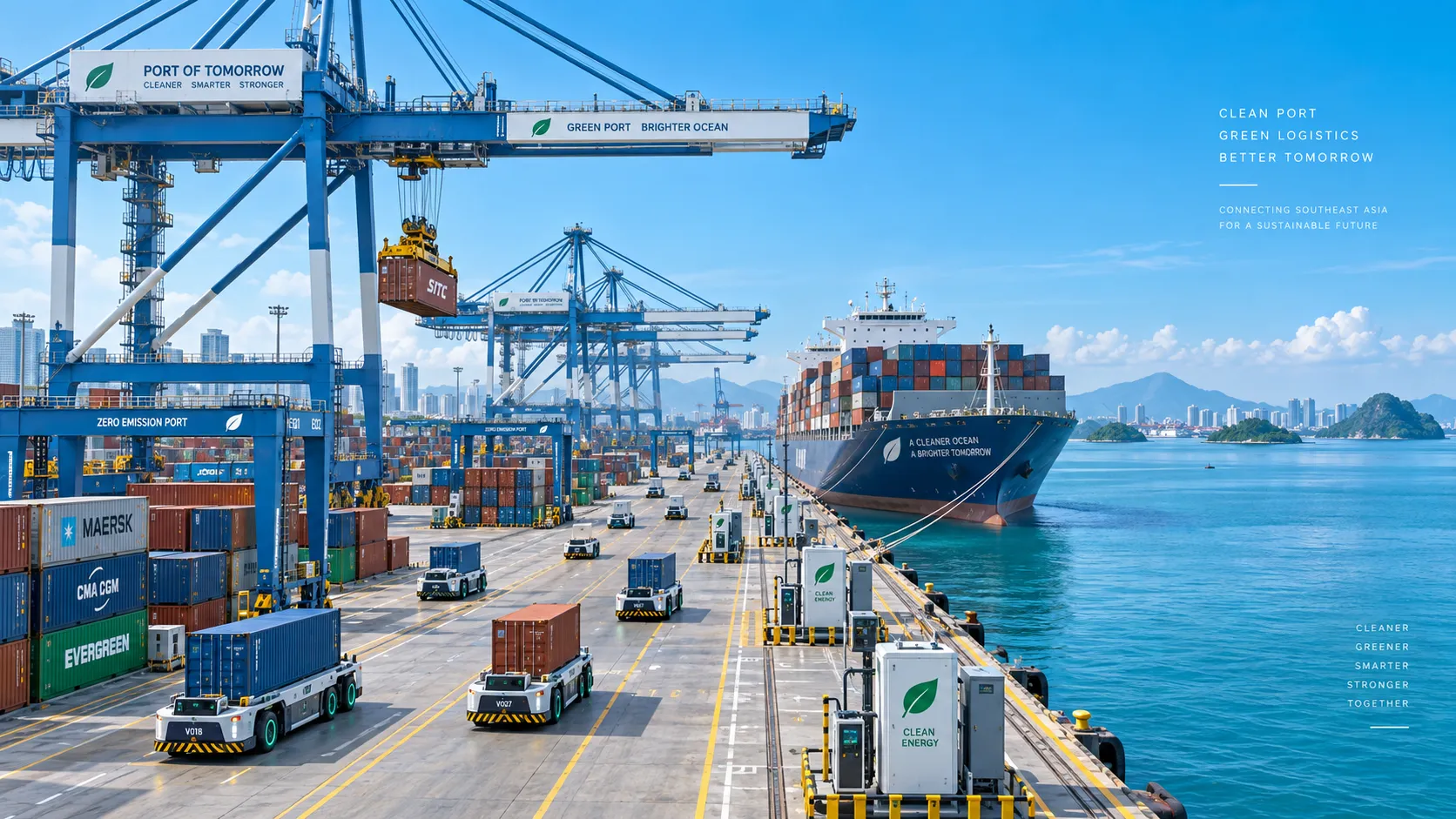
Smart Port Systems in Southeast Asia: Investment Priorities and Adoption Barriers
Smart port systems Southeast Asia: discover investment priorities, adoption barriers, and practical steps to build resilient, connected, high-performing terminals.

How to Evaluate Terminal Efficiency Solution Suppliers for High-Throughput Operations
Choose a terminal efficiency solutions supplier with confidence. Explore proven criteria for throughput, integration, lifecycle cost, safety, and reliable delivery.
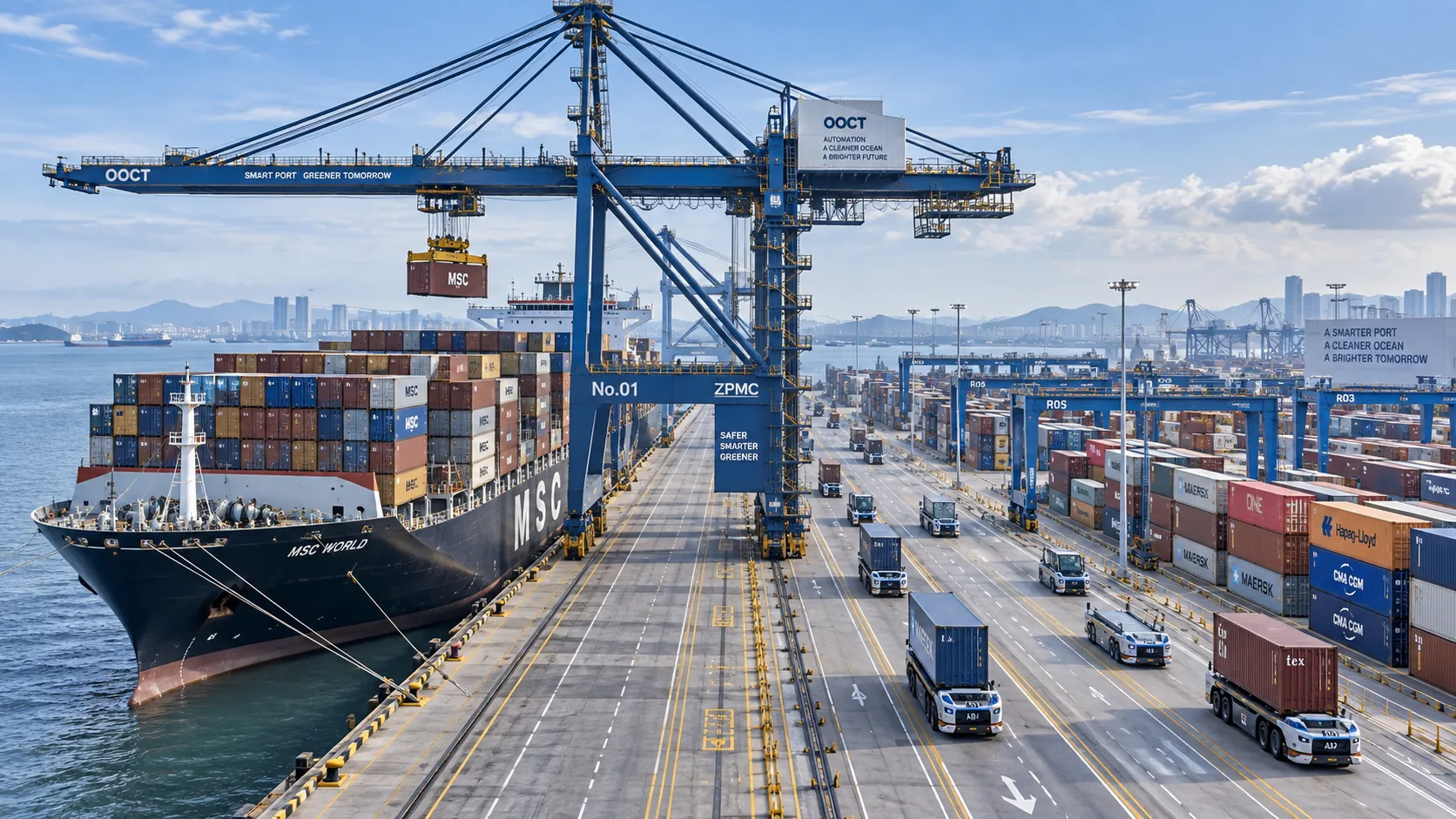
How to Specify a Quay Crane for Container Terminals by Vessel Size and Throughput?
Quay crane for container terminals: learn how to match outreach, lift height, capacity, automation, and cycle performance to vessel size and throughput goals.
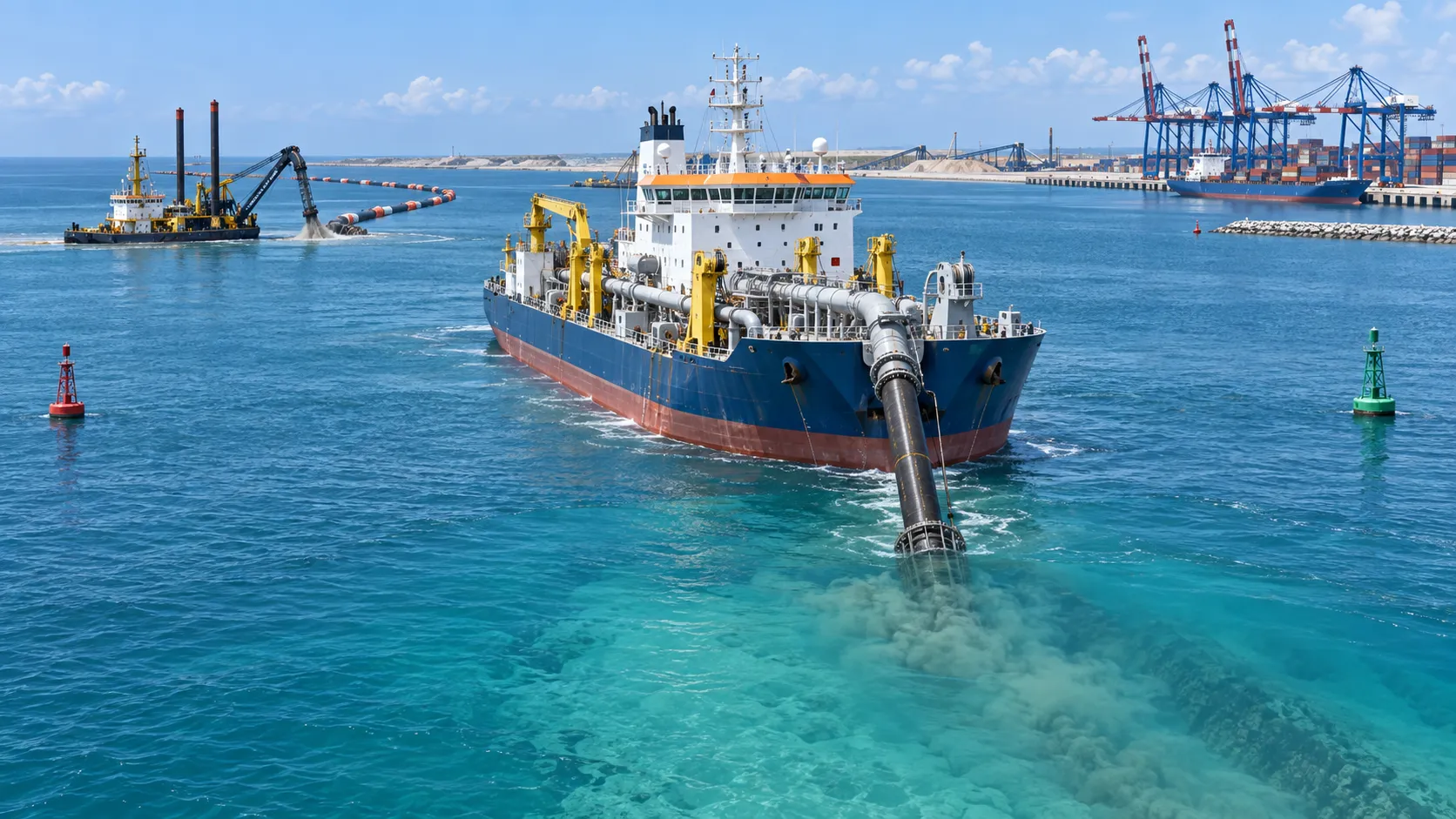
What Dredging Equipment Is Needed for Channel Deepening?
What dredging equipment is needed for channel deepening? Explore dredgers, pipelines, survey tools, and planning strategies for safer, more efficient port access.
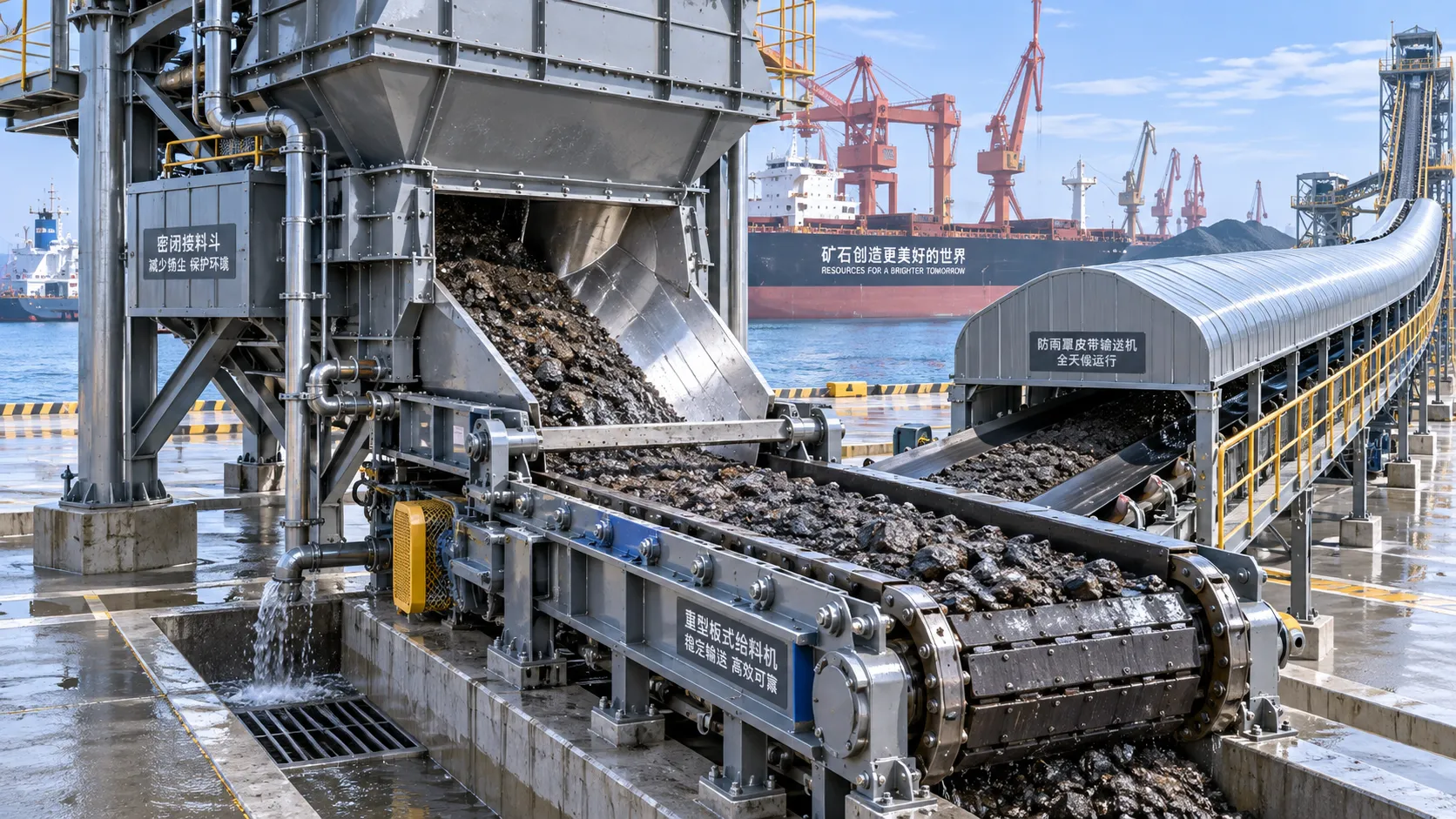
Which Bulk Handling Equipment Suits High-Moisture Cargo?
Which bulk handling equipment suits high-moisture cargo? Compare belt, apron, screw, drag, and slurry systems for reliable flow, less carryback, and higher terminal uptime.
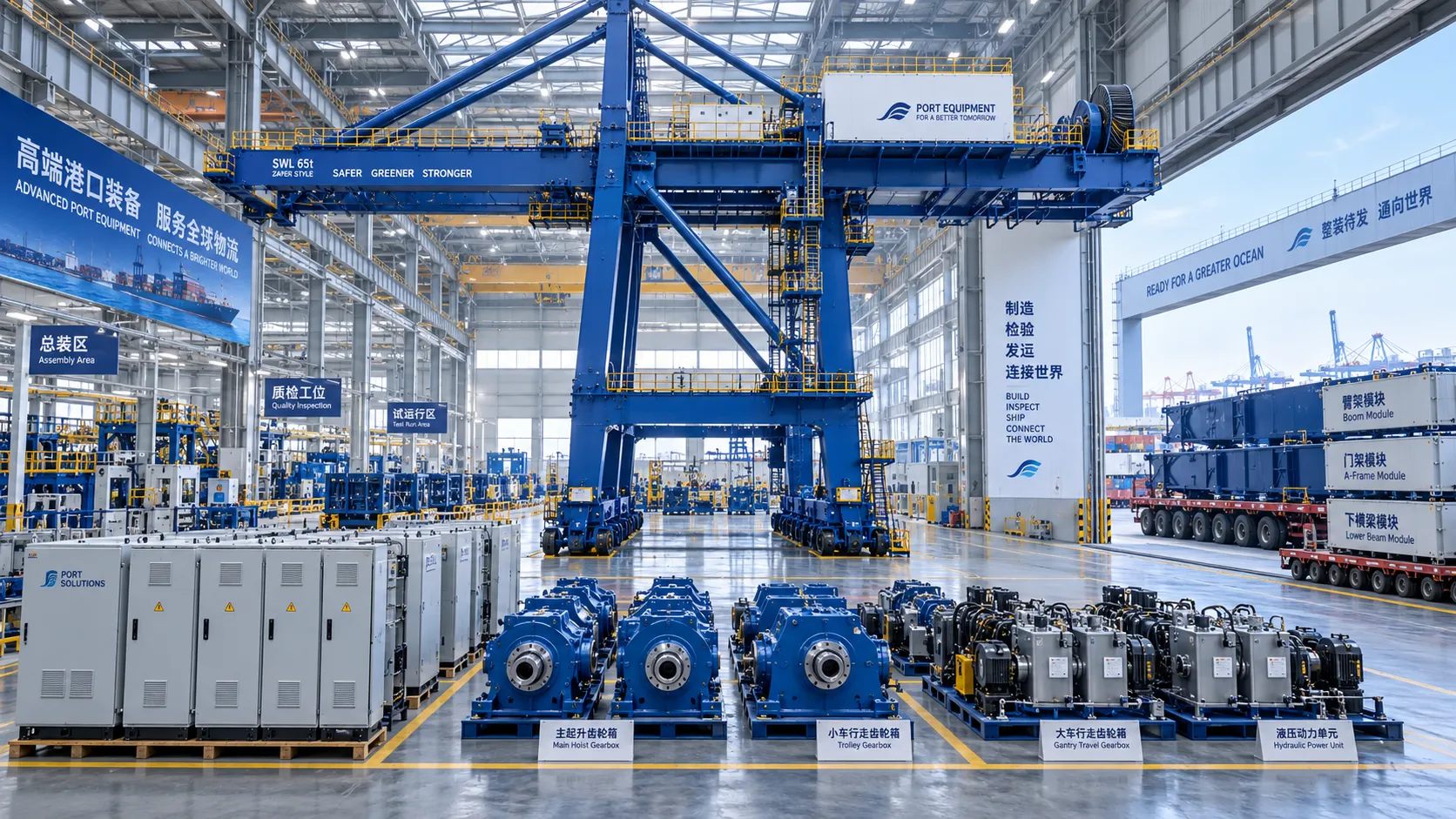
How Can Port Equipment Lead-Time Risk Be Managed?
How can port equipment lead-time risk be managed? Explore practical strategies to control critical paths, suppliers, transport, site readiness, and commissioning delays.
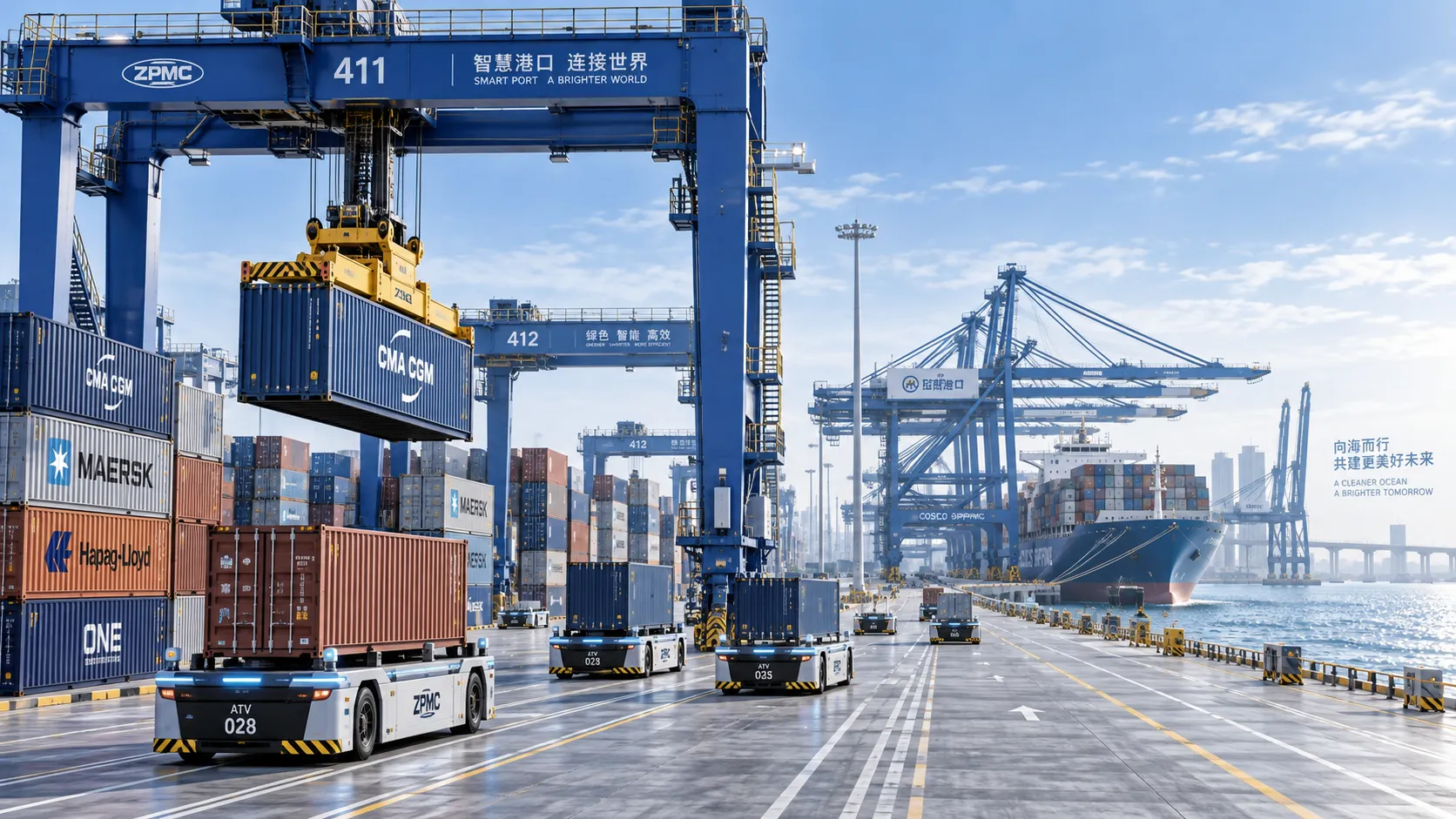
Terminal Automation Technologies That Raise Container Throughput Without Yard Disruption
Terminal automation technology that increases container throughput without disrupting yard flow. Explore smarter integration, resilient workflows, and phased deployment strategies.
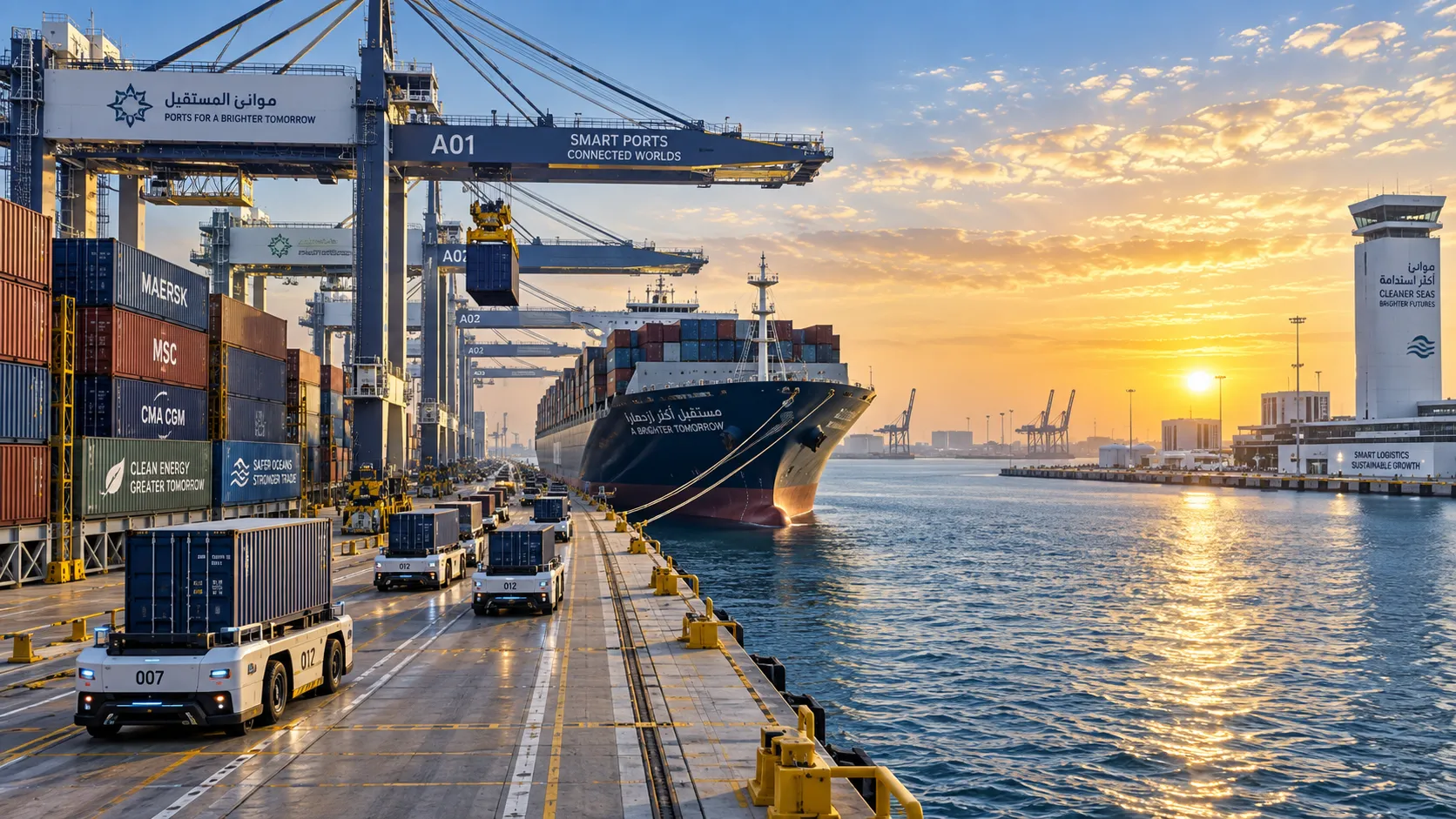
Middle East Port Automation: Key Market Drivers, Projects, and Investment Risks
Port automation systems Middle East: explore market drivers, flagship projects, integration challenges, and investment risks shaping smarter, resilient terminals.
Planning Offshore Dredging Operations: Key Risks, Methods, and Project Controls
Offshore dredging operations demand smart planning. Explore key risks, proven methods, environmental controls, and project strategies for reliable delivery.