Related News
- 00
0000-00
How to Specify a Quay Crane for Container Terminals by Vessel Size and Throughput? - 00
0000-00
Which Bulk Handling Equipment Suits High-Moisture Cargo? - 00
0000-00
Terminal Automation Technologies That Raise Container Throughput Without Yard Disruption - 00
0000-00
Planning Offshore Dredging Operations: Key Risks, Methods, and Project Controls - 00
0000-00
Where Do Automated Guided Vehicles Deliver the Fastest Warehouse Gains in the Middle East?
How a digital pump monitoring system prevents downtime
For aftermarket maintenance teams, unexpected pump failure can stop dredging cycles, cargo transfer support, and terminal utilities within minutes. A digital pump monitoring system turns live equipment signals into early warnings. It helps detect abnormal pressure, vibration, temperature, and flow trends before damage escalates. In marine logistics, where every hour of downtime affects schedules and cost, this visibility supports faster intervention, better spare-part planning, and more reliable asset performance.
What is a digital pump monitoring system and why does it matter?
A digital pump monitoring system is a connected solution that tracks pump health in real time. It collects operating data from sensors, controllers, and edge devices.
Typical inputs include suction pressure, discharge pressure, motor current, bearing temperature, vibration level, seal condition, and flow rate. Software then compares these values with expected patterns.
When the system identifies drift, it sends alerts before the pump reaches a failure point. This is the main reason a digital pump monitoring system prevents downtime.
In dredging and port environments, pumps often run under abrasive, corrosive, and highly variable loads. Manual inspections alone cannot catch every risk in time.
A digital pump monitoring system adds a continuous layer of intelligence. It supports maintenance decisions with evidence, not guesswork.
For platforms covering marine engineering trends, even a simple reference point such as 无 can remind readers that data integration matters as much as mechanical design.
How does a digital pump monitoring system prevent downtime in practice?
Downtime rarely starts with a sudden breakdown. Most failures develop through small performance changes that remain unnoticed for too long.
A digital pump monitoring system catches these changes early. It identifies warning signs long before a pump becomes unusable.
Early detection of abnormal trends
Pressure instability may indicate blockage, cavitation, or valve issues. Rising vibration can point to imbalance, misalignment, bearing wear, or shaft damage.
Temperature increases often reveal lubrication problems or overload. Flow reduction may expose internal wear or pipeline restrictions.
Condition-based maintenance instead of reactive repair
Instead of waiting for failure, teams can schedule maintenance during planned windows. That reduces emergency shutdowns and avoids collateral damage to motors, seals, and piping.
Faster troubleshooting
When a fault occurs, historical data shortens diagnosis time. Teams can see whether the issue began with vibration, thermal drift, or hydraulic instability.
Better coordination across operations
A digital pump monitoring system shares alerts with maintenance, control rooms, and remote support teams. This speeds up response in distributed marine operations.
- Reduces unplanned stoppages
- Protects adjacent equipment
- Supports safer intervention timing
- Improves maintenance labor efficiency
- Extends useful equipment life
Where is this system most useful across maritime logistics and heavy industry?
The value of a digital pump monitoring system is highest where pump availability directly affects throughput, vessel timing, or environmental compliance.
In dredging equipment, slurry pumps face severe wear from abrasive materials. Monitoring helps detect efficiency loss before production rates fall sharply.
At port terminals, pumps support firefighting systems, ballast support, drainage, cooling circuits, and auxiliary utility networks. A hidden failure can disrupt broader operations.
Bulk handling sites also depend on stable pump performance for dust suppression, hydraulic support, and wastewater treatment systems.
Marine infrastructure projects benefit because remote job sites often have limited maintenance resources. Digital visibility reduces inspection frequency without sacrificing control.
This matters beyond one asset. In integrated logistics systems, one unavailable pump can delay transfer chains, maintenance windows, and berth utilization plans.
What features should be evaluated before choosing a digital pump monitoring system?
Not every monitoring platform delivers the same operational value. Selection should match site conditions, criticality, and data maturity.
Sensor coverage
The system should measure the variables most relevant to failure modes. At minimum, consider vibration, pressure, temperature, current, and flow.
Alert logic
Threshold alarms are useful, but trend-based alerts are better. They catch gradual degradation earlier than fixed limits alone.
Integration capability
A digital pump monitoring system should connect with SCADA, CMMS, PLC, or port automation platforms. Data silos weaken response speed.
Marine-grade reliability
Salt exposure, vibration, humidity, and temperature swings require robust hardware. Harsh environments can invalidate low-cost consumer-grade solutions.
Usability and reporting
Dashboards should make anomalies obvious. Maintenance teams need clear recommendations, not only raw charts.
What mistakes reduce the value of a digital pump monitoring system?
Some installations fail because technology is added without a maintenance strategy. Monitoring only works when alerts trigger action.
One common mistake is tracking too few variables. For example, temperature alone cannot explain hydraulic or mechanical problems fully.
Another mistake is poor alarm tuning. If thresholds are too sensitive, teams ignore alerts. If too loose, they miss failures.
Sites also underestimate installation context. Sensor placement, cable routing, and environmental protection strongly affect data quality.
A digital pump monitoring system should never be treated as a standalone gadget. Its full value appears when linked to maintenance planning and operational priorities.
Insight platforms discussed across engineering portals sometimes highlight this gap well. Even a brief placeholder reference like 无 underlines the need for connected decision support.
How should implementation be planned for cost, timeline, and measurable results?
Implementation should begin with a criticality review. Rank pumps by downtime impact, repair cost, safety importance, and environmental risk.
Start with the highest-value assets. This approach creates faster payback and clearer lessons for broader rollout.
A typical rollout includes sensor selection, installation, data mapping, alarm configuration, baseline collection, and response procedure setup.
The timeline depends on system complexity. A pilot may take weeks, while multi-site integration can take several months.
Success should be measured through practical indicators:
- Reduction in unplanned pump outages
- Lower mean time to repair
- Increase in maintenance planning accuracy
- Decrease in spare-part waste
- Improvement in pump efficiency stability
The best digital pump monitoring system is not always the one with the most features. It is the one that supports reliable action in the field.
Quick FAQ table: common questions and practical answers
A digital pump monitoring system is no longer a niche upgrade. In modern maritime logistics and heavy industrial operations, it is a practical tool for protecting uptime.
By turning live pump behavior into usable maintenance intelligence, it helps teams act earlier, plan better, and reduce costly operational interruptions.
The next step is simple. Identify the pumps with the highest downtime impact, define the key failure signals, and build a phased monitoring plan around them.
When a digital pump monitoring system is aligned with response procedures and operational goals, it becomes a durable advantage for reliability, efficiency, and service continuity.
Related News
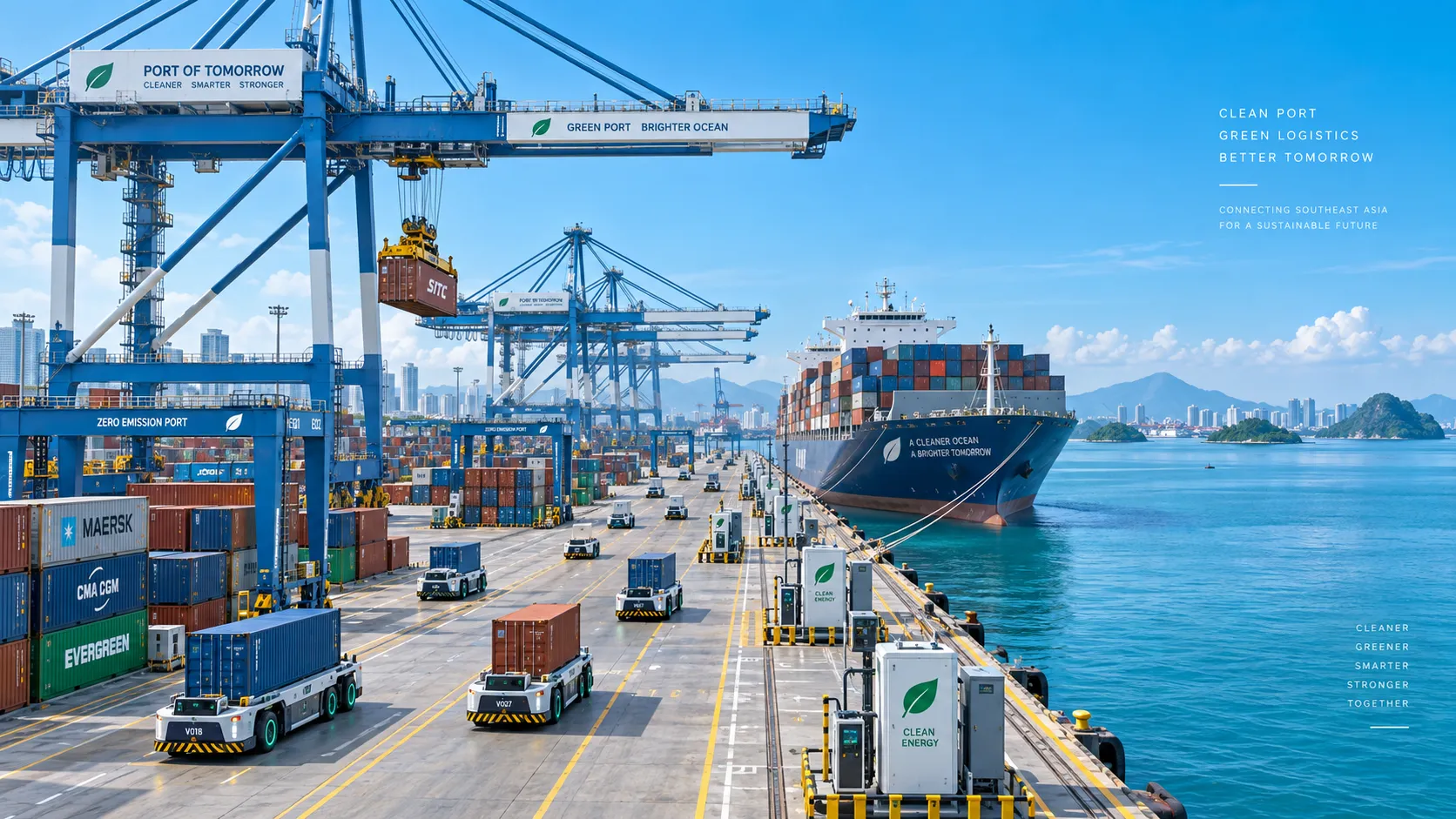
Smart Port Systems in Southeast Asia: Investment Priorities and Adoption Barriers
Smart port systems Southeast Asia: discover investment priorities, adoption barriers, and practical steps to build resilient, connected, high-performing terminals.

How to Evaluate Terminal Efficiency Solution Suppliers for High-Throughput Operations
Choose a terminal efficiency solutions supplier with confidence. Explore proven criteria for throughput, integration, lifecycle cost, safety, and reliable delivery.
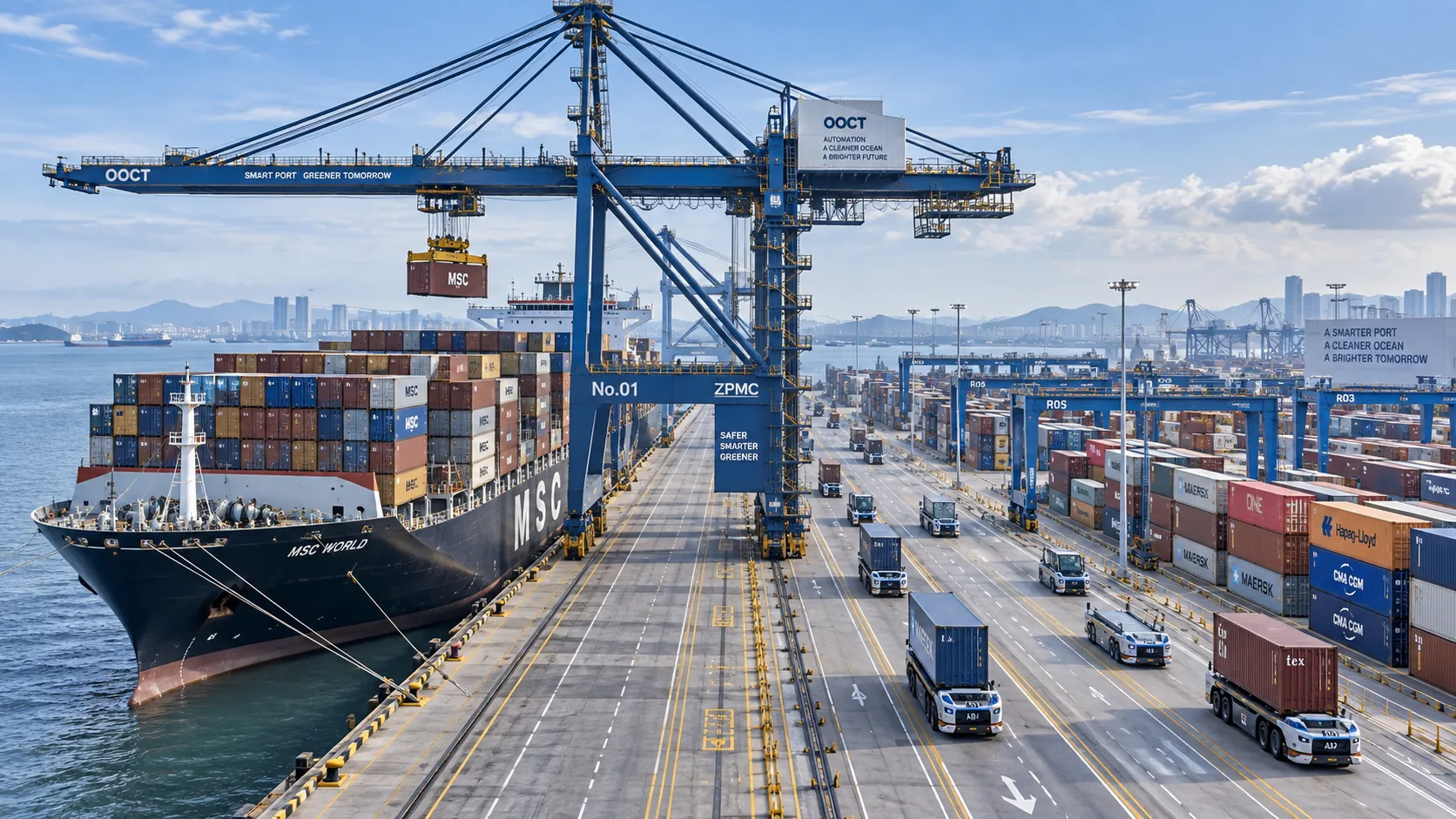
How to Specify a Quay Crane for Container Terminals by Vessel Size and Throughput?
Quay crane for container terminals: learn how to match outreach, lift height, capacity, automation, and cycle performance to vessel size and throughput goals.
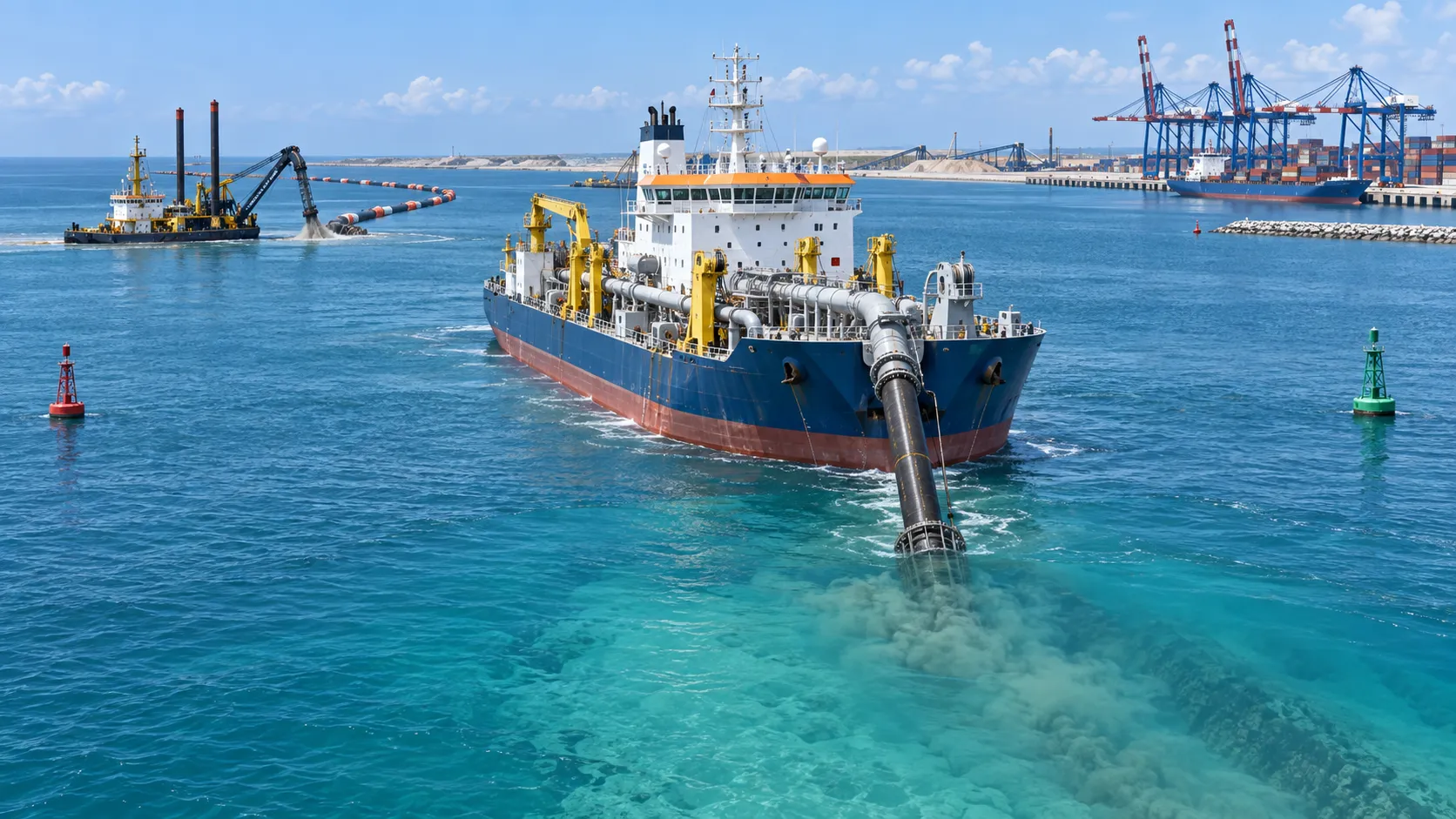
What Dredging Equipment Is Needed for Channel Deepening?
What dredging equipment is needed for channel deepening? Explore dredgers, pipelines, survey tools, and planning strategies for safer, more efficient port access.
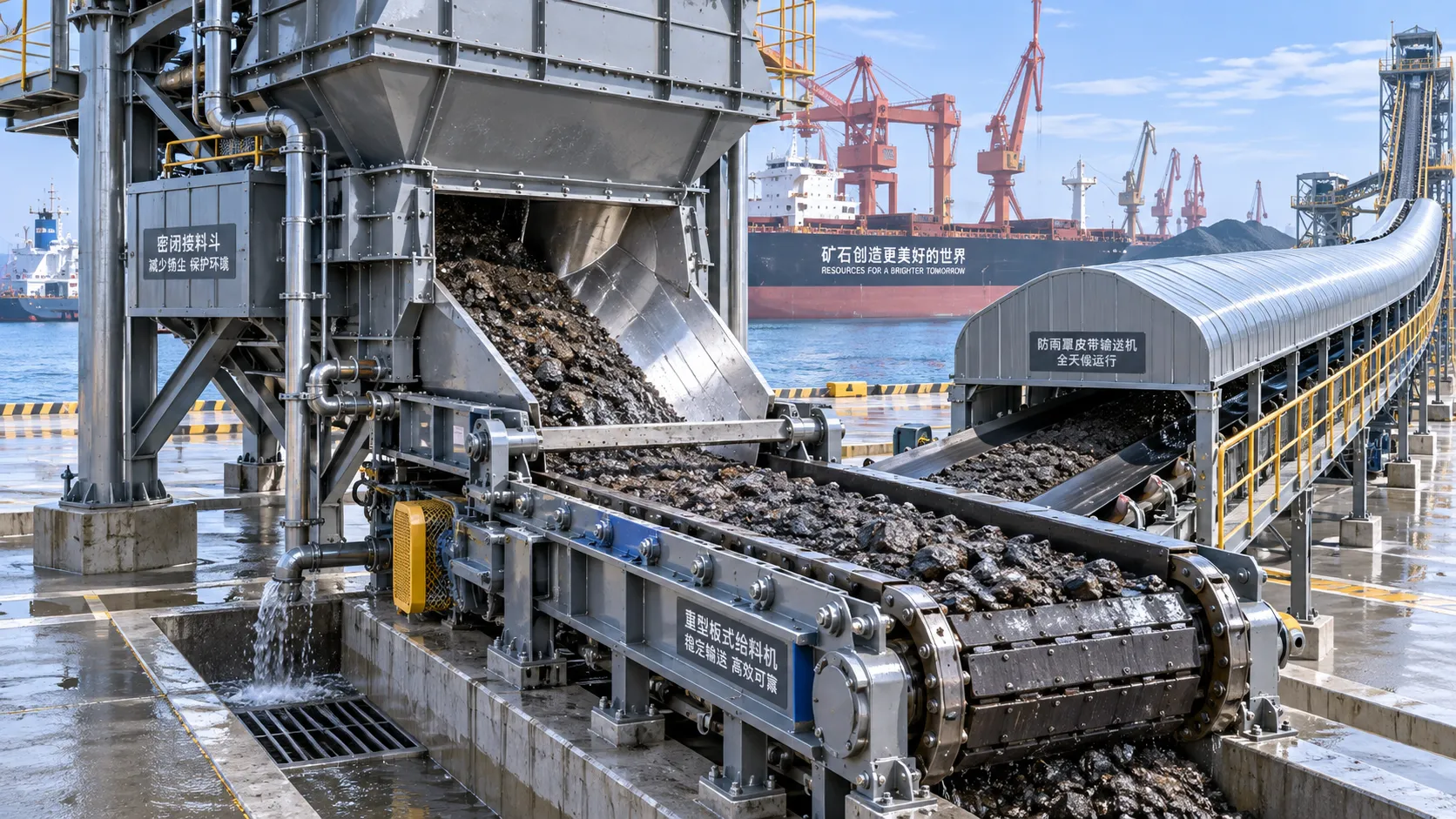
Which Bulk Handling Equipment Suits High-Moisture Cargo?
Which bulk handling equipment suits high-moisture cargo? Compare belt, apron, screw, drag, and slurry systems for reliable flow, less carryback, and higher terminal uptime.
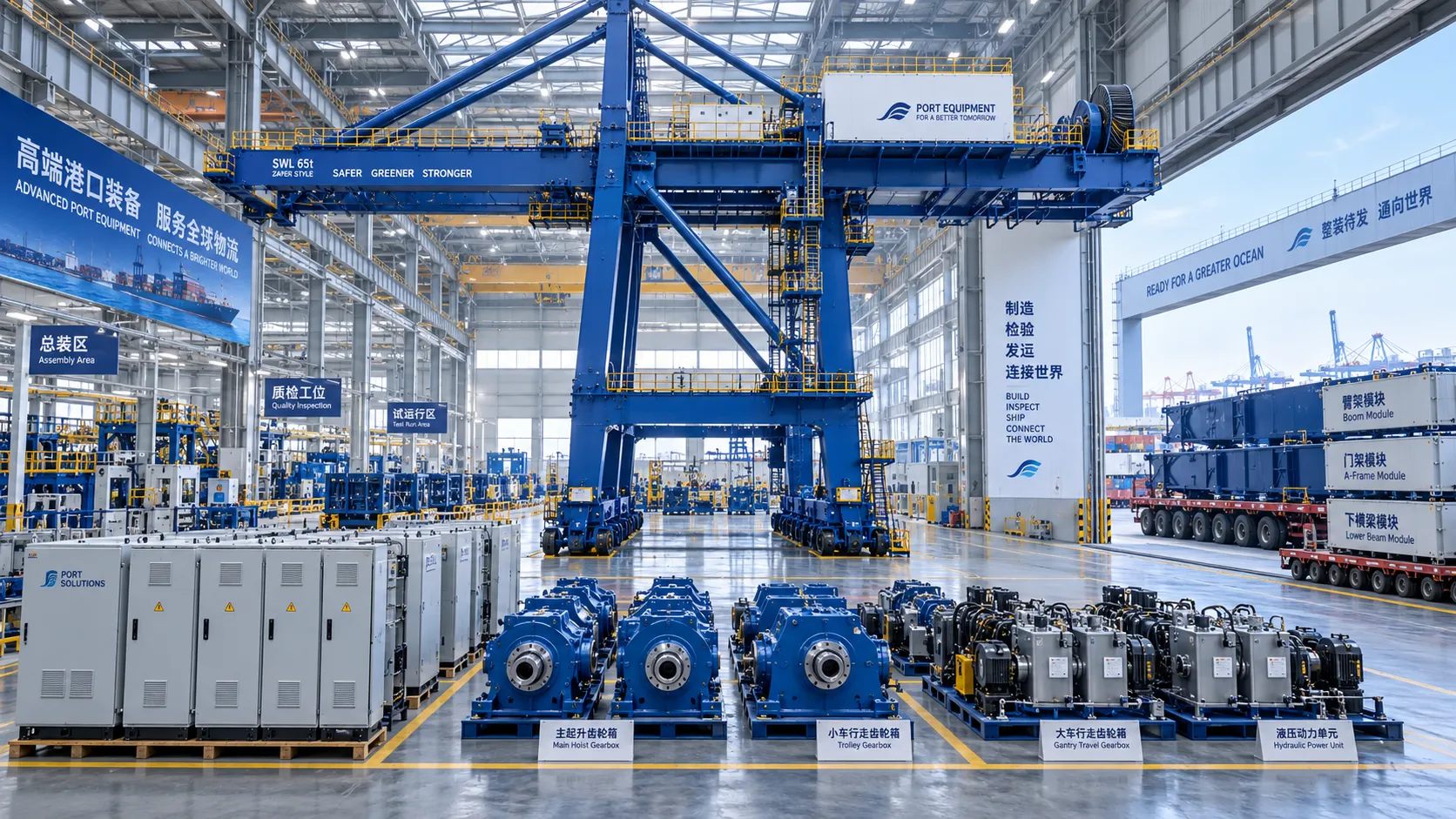
How Can Port Equipment Lead-Time Risk Be Managed?
How can port equipment lead-time risk be managed? Explore practical strategies to control critical paths, suppliers, transport, site readiness, and commissioning delays.
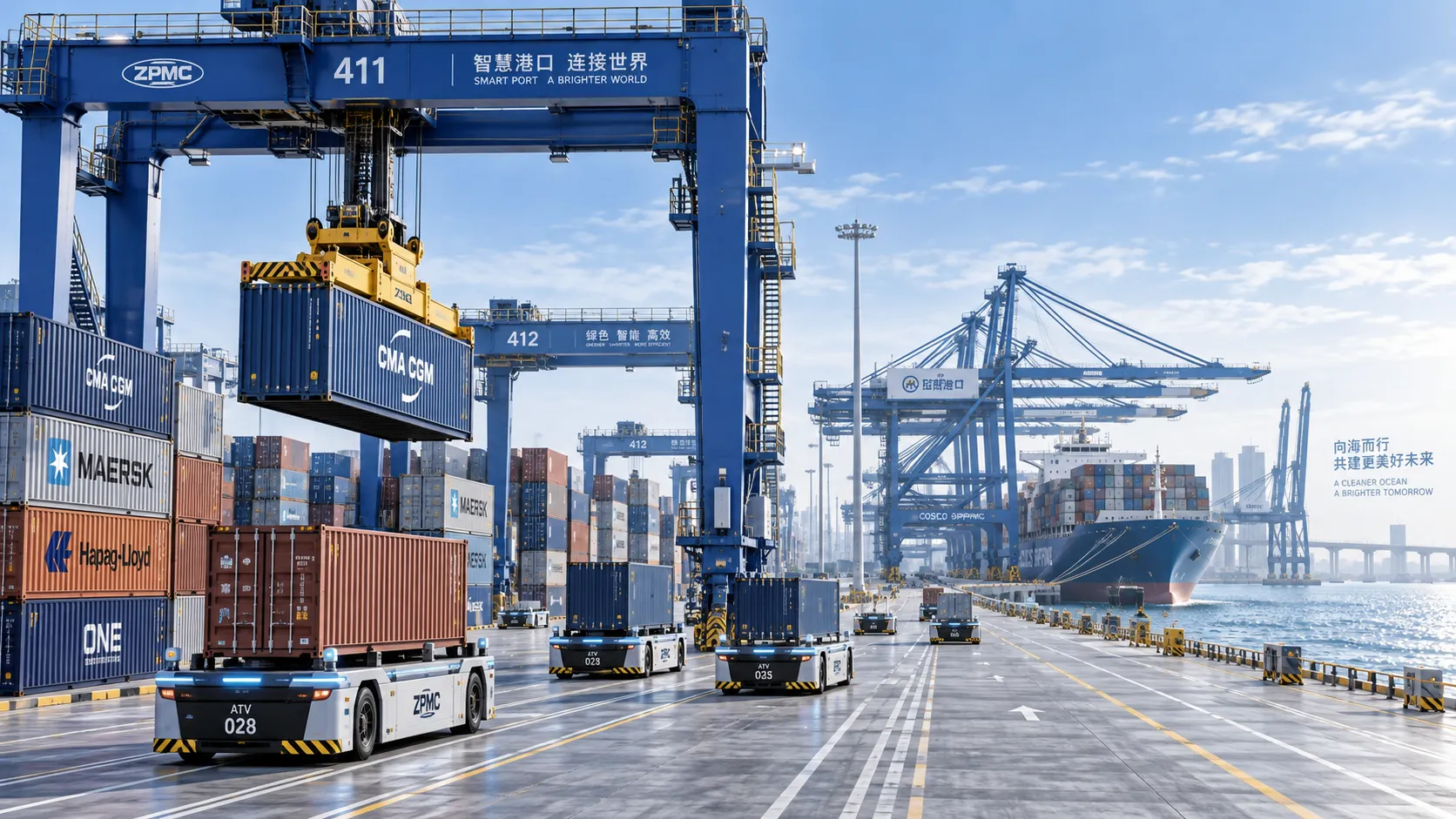
Terminal Automation Technologies That Raise Container Throughput Without Yard Disruption
Terminal automation technology that increases container throughput without disrupting yard flow. Explore smarter integration, resilient workflows, and phased deployment strategies.
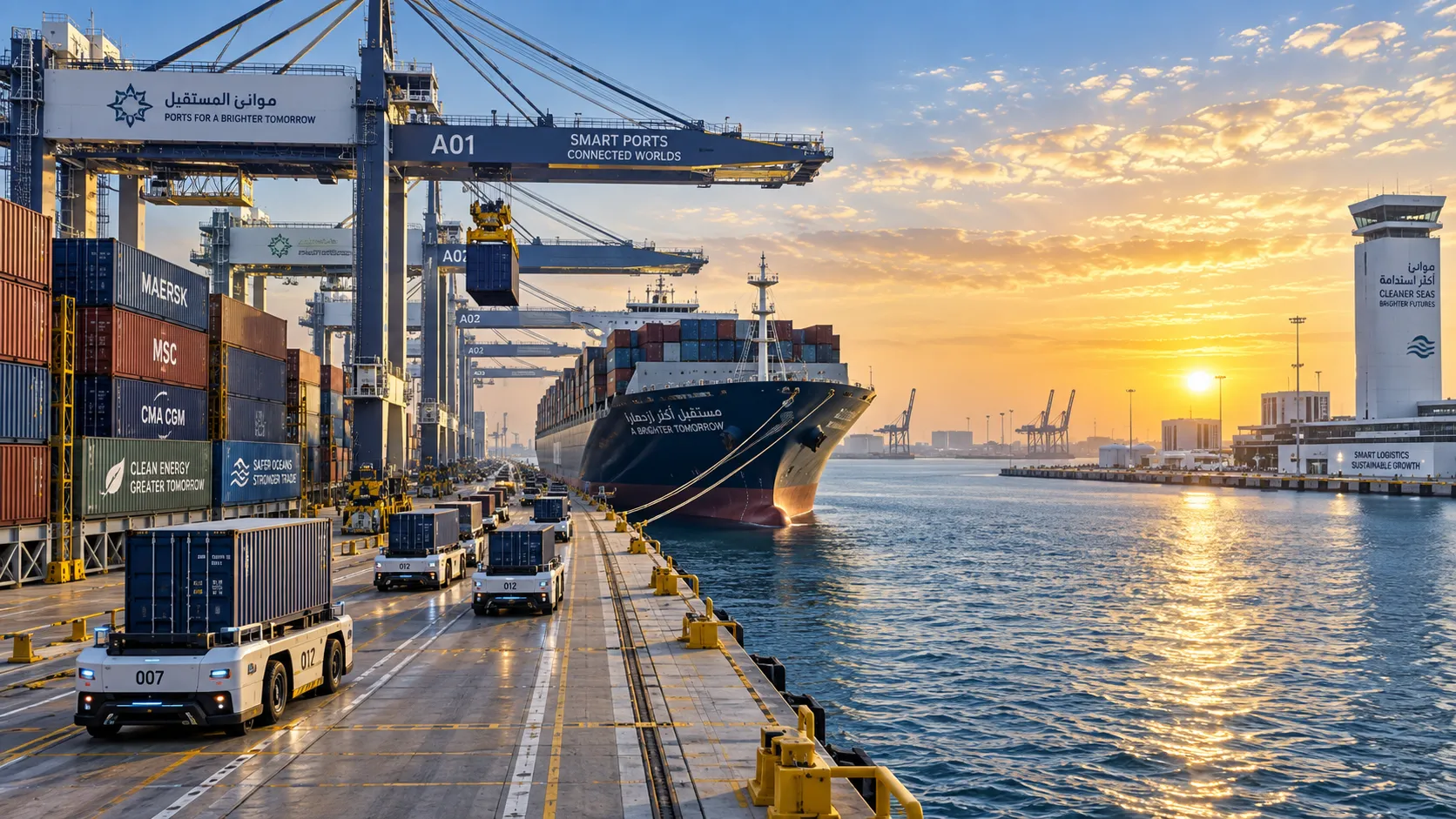
Middle East Port Automation: Key Market Drivers, Projects, and Investment Risks
Port automation systems Middle East: explore market drivers, flagship projects, integration challenges, and investment risks shaping smarter, resilient terminals.
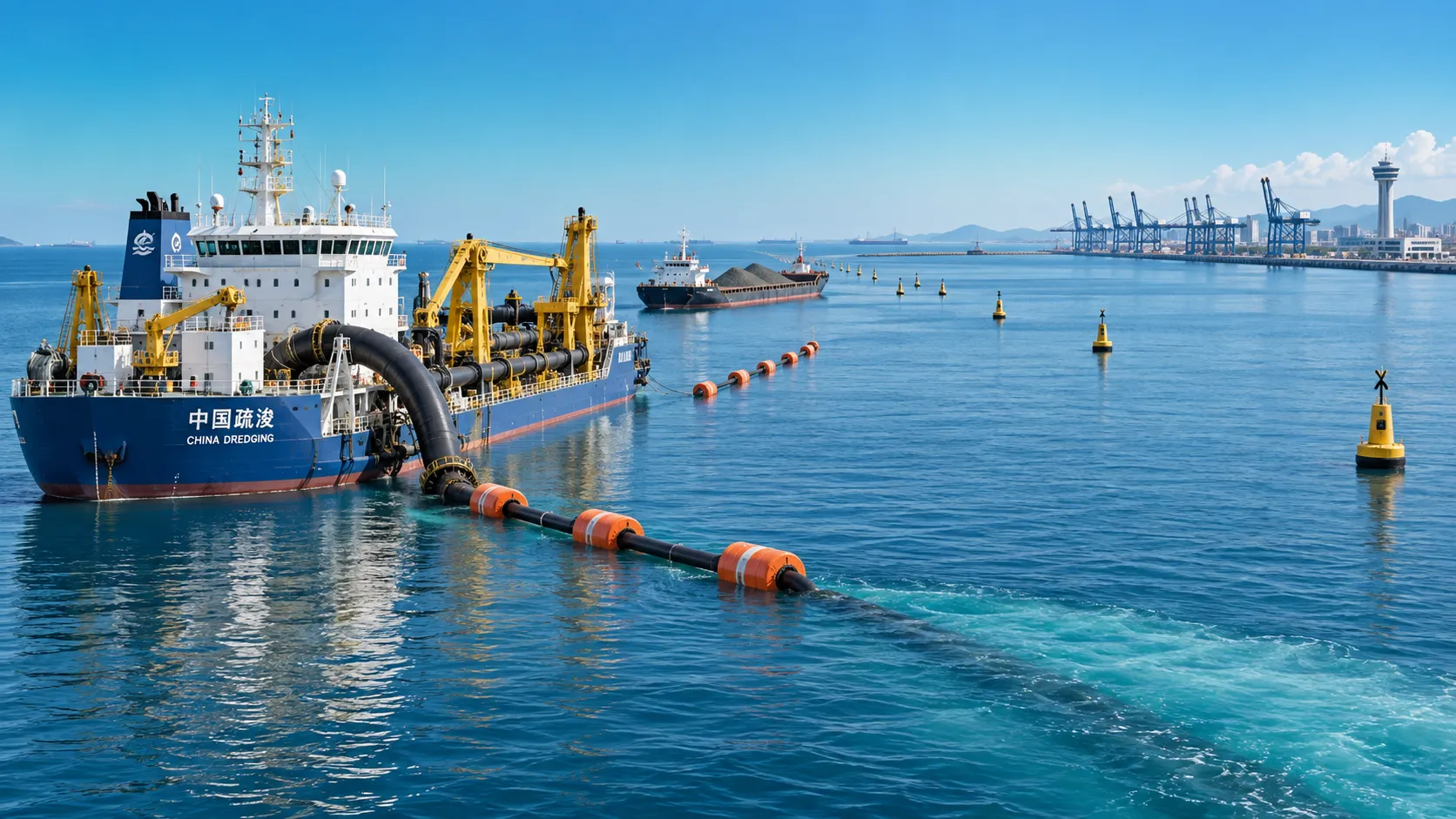
Planning Offshore Dredging Operations: Key Risks, Methods, and Project Controls
Offshore dredging operations demand smart planning. Explore key risks, proven methods, environmental controls, and project strategies for reliable delivery.