Related News
- 00
0000-00
How to Specify a Quay Crane for Container Terminals by Vessel Size and Throughput? - 00
0000-00
Which Bulk Handling Equipment Suits High-Moisture Cargo? - 00
0000-00
Terminal Automation Technologies That Raise Container Throughput Without Yard Disruption - 00
0000-00
Planning Offshore Dredging Operations: Key Risks, Methods, and Project Controls - 00
0000-00
Where Do Automated Guided Vehicles Deliver the Fastest Warehouse Gains in the Middle East?
What safety gaps appear with automated gear for ports
As terminals accelerate digital transformation, automated gear for ports is redefining productivity, but it also exposes critical safety gaps that quality control and safety managers cannot ignore. From sensor blind spots and software logic failures to human-machine interaction risks and maintenance weaknesses, understanding these vulnerabilities is essential for safer, smarter operations in modern port environments.
For safety leaders in container yards, bulk terminals, and automated quay operations, the challenge is no longer whether to deploy automation, but how to control the new risk profile it creates. Automated gear for ports can reduce manual handling, improve cycle times by 10%–30%, and support 24/7 operations, yet even a small control failure can interrupt an entire workflow chain in less than 60 seconds.
This matters most where cranes, AGVs, automated stacking cranes, gate systems, and remote-control platforms interact across mixed environments. In these settings, quality control teams must verify not only mechanical condition, but also signal integrity, software behavior, fail-safe logic, and maintenance readiness over daily, weekly, and quarterly inspection cycles.
Where the Main Safety Gaps Appear in Automated Port Operations
The first misconception is that automated gear for ports becomes safer simply because direct labor exposure is reduced. In practice, risk shifts from visible manual tasks to hidden system dependencies. A machine that no longer relies on a driver may now rely on 3 to 5 sensor inputs, a wireless link, a central scheduler, and multiple permission rules.
Sensor blind spots and environmental interference
Ports are harsh environments. Salt spray, fog, rain, reflected sunlight, steel structures, and moving containers can degrade sensor performance. LiDAR, radar, cameras, and proximity scanners may each perform well in isolation, yet their detection quality can fall sharply when visibility drops below typical operating thresholds or when equipment vibrations exceed expected calibration ranges.
A blind spot of even 0.5 to 1.5 meters near wheel paths, twistlock zones, or transfer points can create serious collision exposure. For quality control teams, the issue is not just whether a sensor works, but whether its error margin remains acceptable across day and night shifts, high wind periods, and dense yard stacking conditions.
Common blind-spot triggers
- Dust, rain film, or salt residue on optical surfaces within 24–72 hours of exposure
- Reflective container skins causing false distance readings
- Occlusion from chassis, spreaders, reefer racks, or stacked cargo
- Sensor misalignment after vibration, impact, or maintenance intervention
Software logic failures and unsafe decision trees
Many incidents linked to automated gear for ports do not begin with a broken motor or damaged structure. They begin with software rules that behave correctly under standard conditions but fail under edge cases. Examples include delayed stop commands, route conflicts between AGVs, or automated cranes executing movement before a handover signal is fully confirmed.
In semi-automated terminals, the highest exposure often appears during transition states: remote-to-auto switching, maintenance override, emergency release, or partial network outage. If a logic tree contains only 2 safe states but ignores 1 ambiguous state, operators may assume a system is locked when it is still able to move.
Human-machine interaction in mixed traffic zones
Even advanced terminals rarely operate as fully closed systems. Contractors, inspectors, lashers, maintenance crews, truck drivers, and supervisors still enter restricted areas. This creates mixed traffic conditions where people and machines coexist. The most dangerous moments often occur at handoff zones, maintenance corridors, and exception handling areas.
If pedestrian detection coverage is inconsistent, or if audible and visual alerts are not standardized within 5 to 10 meters of moving equipment, workers may misjudge machine intent. A quiet electric drive or remote-controlled unit can be more difficult to anticipate than conventional diesel equipment.
The table below outlines typical risk areas safety managers should review when auditing automated gear for ports.
The key takeaway is that safety gaps are usually systemic rather than isolated. A minor sensor issue, a weak alarm protocol, and a rushed maintenance return-to-service decision can combine into one event chain. That is why audits should evaluate complete operating sequences rather than single components.
Why Quality Control and Safety Teams Need a Different Audit Model
Traditional port equipment inspections focus heavily on structural wear, brakes, hydraulics, ropes, tires, and emergency stops. Those checks remain essential, but automated gear for ports adds digital layers that require different audit logic. A unit may pass mechanical inspection while still carrying significant software or communication risk.
From component checks to system-level validation
A stronger inspection model uses 4 levels: hardware condition, sensor reliability, control logic behavior, and operational recovery. This approach tests not only whether the machine works, but whether it fails safely. In many terminals, recovery performance during abnormal conditions is a more important safety indicator than nominal cycle speed.
For example, if an AGV loses localization for 2 seconds, does it stop within the defined braking envelope? If a yard crane loses a communications packet, does it freeze, coast, or continue a command sequence? These are measurable questions that should appear in acceptance protocols and periodic audits.
Critical checkpoints during inspection cycles
An effective inspection framework should include both scheduled and event-driven reviews. Scheduled checks may occur daily, weekly, monthly, and quarterly, while event-driven reviews should follow collisions, emergency stops, software updates, abnormal alarm bursts, or any unauthorized override.
- Verify emergency stop integrity across local, remote, and central control layers.
- Check sensor cleanliness, alignment, and timestamp consistency.
- Review access control logs for override frequency and unauthorized entries.
- Test fail-safe behavior during communication loss of 1–3 seconds.
- Confirm maintenance closure with signed return-to-service validation.
Documentation discipline is now a safety barrier
Automated systems generate large volumes of data, but data alone does not improve safety. Quality control managers need traceable records that link alarm history, repair action, software revision, and operational release status. Without that chain, near-miss investigation becomes slow and corrective action becomes subjective.
In some procurement discussions, buyers focus on throughput and integration first, while after-sales diagnostic clarity receives limited attention. This is risky. Even a basic supplier evaluation should ask whether alarm logs can be exported, whether version changes are documented, and whether maintenance permissions are segmented by role.
When reviewing market intelligence, some teams also benchmark service structures through sources such as 无, especially when comparing support depth for automated yard systems and remote-control environments. The value is not the listing itself, but the discipline of comparing supportability before deployment.
High-Risk Scenarios That Often Escape Early Detection
Not every safety gap appears during factory testing or initial commissioning. Many become visible only after 3 to 12 months of operation, when traffic density rises, maintenance shortcuts begin, and software updates accumulate. Quality teams should pay special attention to scenarios that combine technical and human variables.
Post-maintenance return to automatic mode
After replacing a sensor, resetting a controller, or inspecting a drive unit, teams may restore equipment quickly to maintain berth productivity. However, return-to-service is one of the most underestimated risk points in automated gear for ports. If calibration, zone mapping, or permission states are not revalidated, the machine may return with hidden deviations.
A practical safeguard is a 3-step release process: maintenance completion, independent QC verification, and controlled functional test in reduced-speed mode. Reduced-speed testing for the first 1 to 3 cycles can reveal path deviation, delayed response, or false obstacle detection before full operation resumes.
Remote operation under unstable connectivity
Remote-controlled cranes and automated transfer systems depend on stable low-latency communication. If latency rises from normal operating levels to unstable peaks, command execution and video perception may desynchronize. Even delays under 200 milliseconds can affect precision during spreader positioning or truck interface movements.
This does not always mean the network fails completely. Partial degradation is more dangerous because it may appear workable. Safety managers should define clear thresholds for degraded mode, including when to slow motion, suspend automatic commands, or hand control to a safer operational state.
Exception handling outside standard workflows
Most automated systems are optimized for predictable cycles. Problems emerge when containers are damaged, loads are skewed, weather changes suddenly, or personnel enter restricted zones for urgent intervention. In these cases, a system may encounter conditions that were not fully covered during scenario design.
For that reason, safety drills should include at least 6 to 10 abnormal scenarios per quarter. These can include blocked lanes, sensor contamination, emergency pedestrian entry, invalid container ID, partial power loss, and communication interruption during lift or transfer.
The following matrix helps teams prioritize high-risk scenarios by likelihood and operational impact.
A useful pattern appears here: the highest-risk situations are often transitional, degraded, or exceptional. Standard productivity testing may miss them, so audit programs should deliberately test low-frequency but high-consequence conditions.
How to Reduce Safety Gaps Before They Become Incidents
Closing safety gaps in automated gear for ports requires more than adding alarms or increasing inspection frequency. The strongest results usually come from combining engineering controls, operational rules, and governance discipline. Safety managers should aim for layered protection rather than single-point prevention.
Build redundancy where failure consequences are high
Not every system needs full duplication, but critical functions should avoid depending on one signal source. Obstacle detection, positioning confirmation, and emergency stop channels are typical candidates for layered validation. Where practical, use at least 2 independent checks for movement permission in high-energy zones.
Treat software updates like safety events
Software changes can alter stop behavior, routing logic, interface prompts, and alarm handling. Every revision should trigger impact review, regression testing, and operator briefing. A controlled update window of 24 to 72 hours with rollback readiness is often more prudent than immediate unrestricted deployment.
Strengthen competence at the interface level
Operators, technicians, and contractors do not need the same training depth, but they do need role-specific understanding. Safety programs should define at least 3 competence layers: user awareness, technical intervention authority, and supervisory release approval. This reduces confusion during alarms, overrides, and emergency interventions.
Minimum governance practices
- Quarterly review of override logs and repeated alarm patterns
- Monthly validation of restricted-zone access control
- Post-update functional tests before full-speed release
- Documented exception workflow for damaged cargo and lane obstruction
- Annual cross-functional safety drill involving operations, QC, maintenance, and IT
For organizations building more mature automation governance, sector-focused intelligence portals can support internal benchmarking. Teams reviewing operating models around automated yard gear may also encounter references such as 无 during broader solution mapping, especially when comparing control-system visibility and maintenance documentation practices across the maritime logistics ecosystem.
Automated gear for ports can deliver measurable gains in consistency, energy efficiency, and asset utilization, but only when risk control evolves as fast as equipment capability. For quality control and safety managers, the priority is clear: inspect beyond mechanics, test abnormal states, tighten return-to-service discipline, and verify that software, sensors, and people operate as one controlled system.
If your terminal is expanding automation or reassessing operational risk, now is the right time to review inspection protocols, supplier support expectations, and exception-handling readiness. Contact us to discuss safer deployment strategies, request a tailored assessment framework, or explore more solutions for resilient automated port operations.
Related News
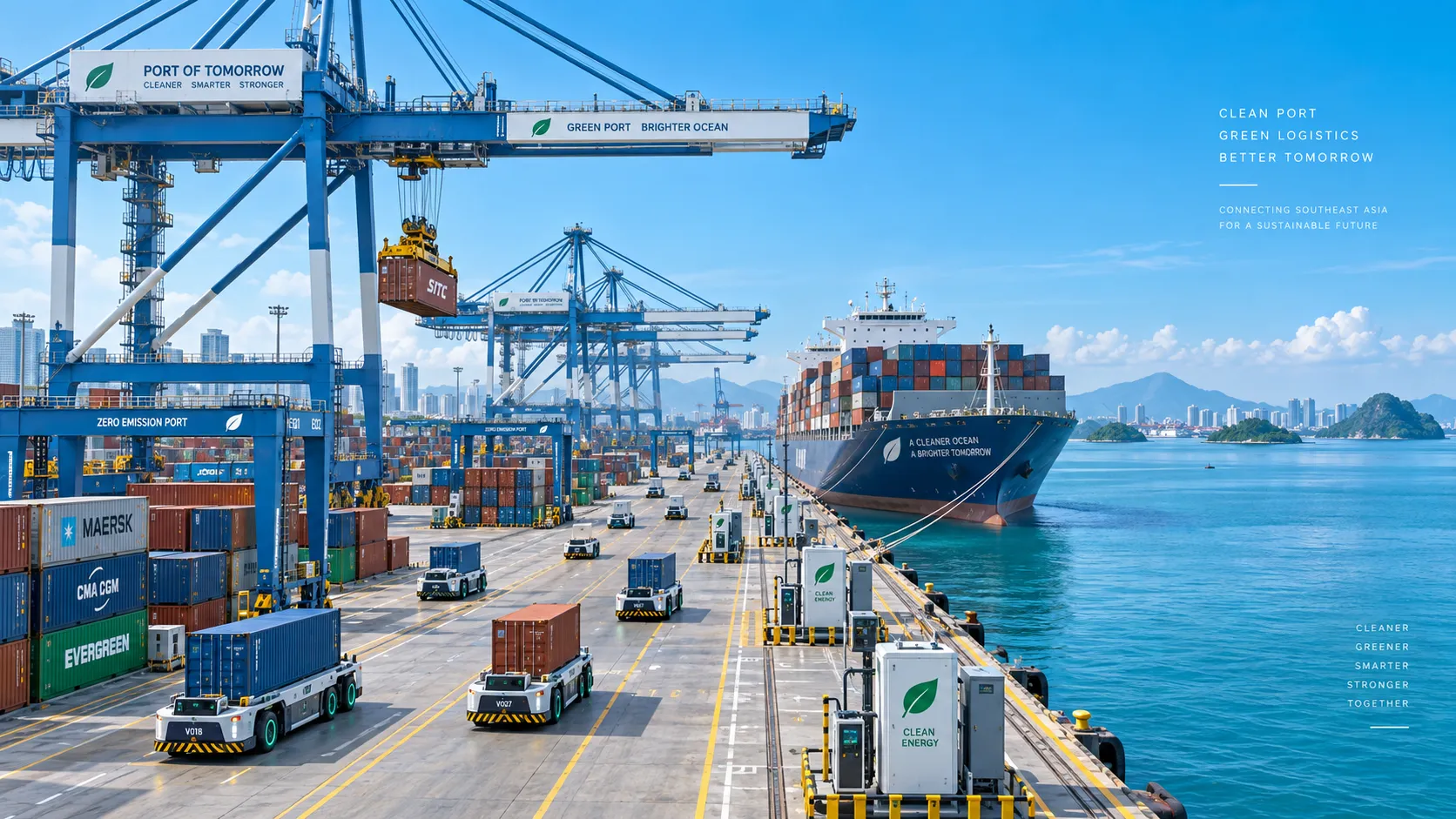
Smart Port Systems in Southeast Asia: Investment Priorities and Adoption Barriers
Smart port systems Southeast Asia: discover investment priorities, adoption barriers, and practical steps to build resilient, connected, high-performing terminals.

How to Evaluate Terminal Efficiency Solution Suppliers for High-Throughput Operations
Choose a terminal efficiency solutions supplier with confidence. Explore proven criteria for throughput, integration, lifecycle cost, safety, and reliable delivery.
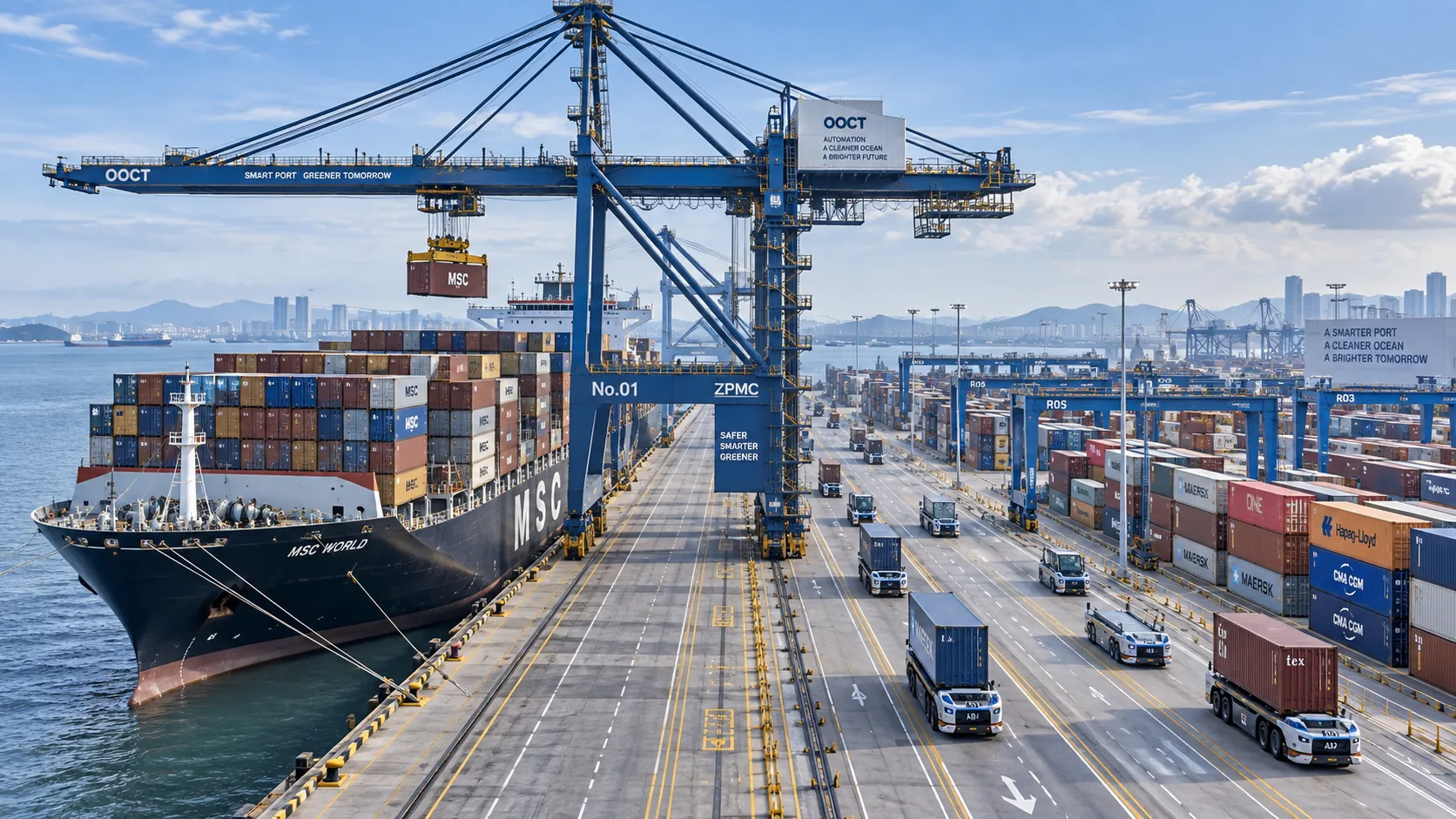
How to Specify a Quay Crane for Container Terminals by Vessel Size and Throughput?
Quay crane for container terminals: learn how to match outreach, lift height, capacity, automation, and cycle performance to vessel size and throughput goals.
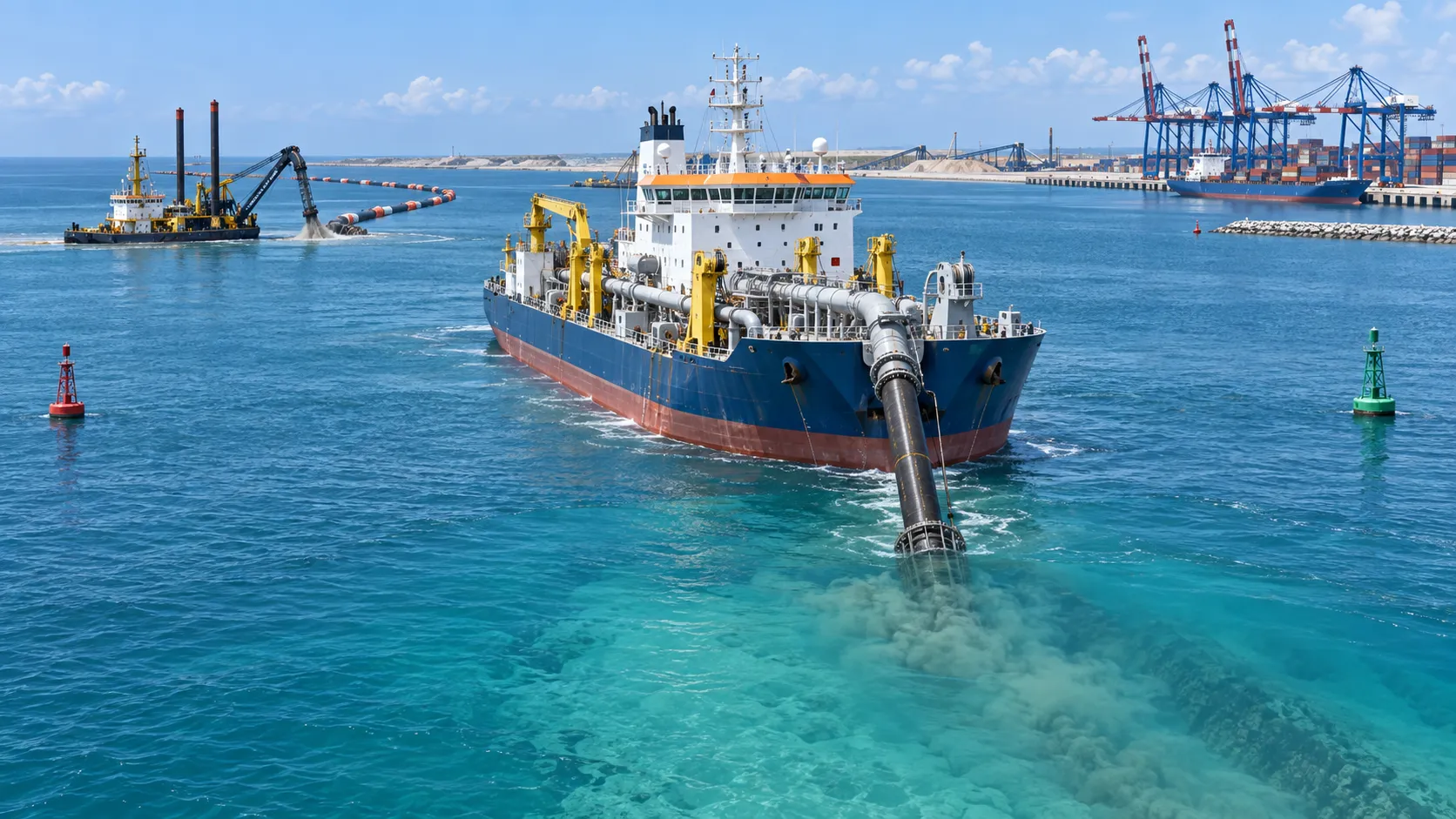
What Dredging Equipment Is Needed for Channel Deepening?
What dredging equipment is needed for channel deepening? Explore dredgers, pipelines, survey tools, and planning strategies for safer, more efficient port access.
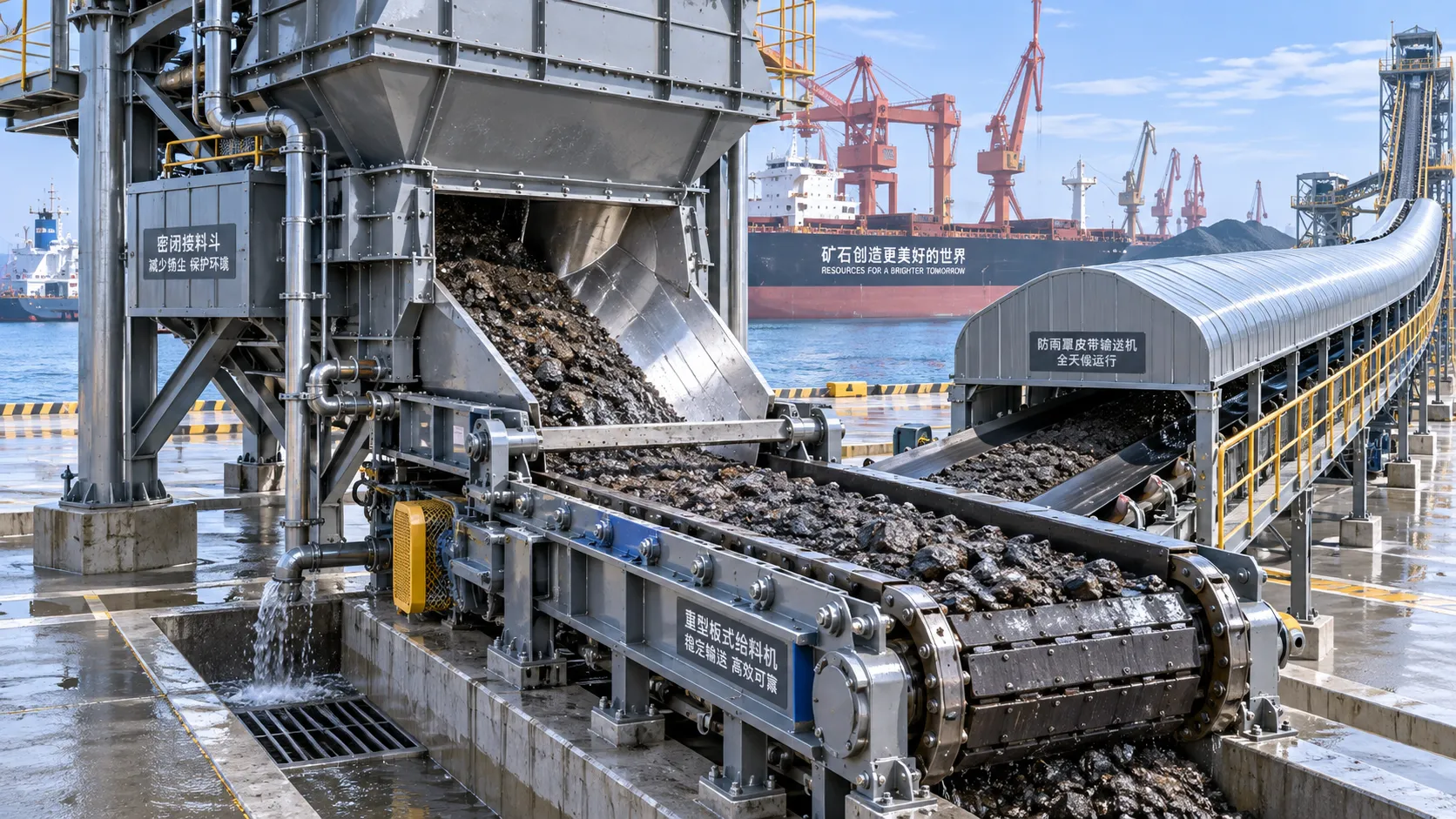
Which Bulk Handling Equipment Suits High-Moisture Cargo?
Which bulk handling equipment suits high-moisture cargo? Compare belt, apron, screw, drag, and slurry systems for reliable flow, less carryback, and higher terminal uptime.
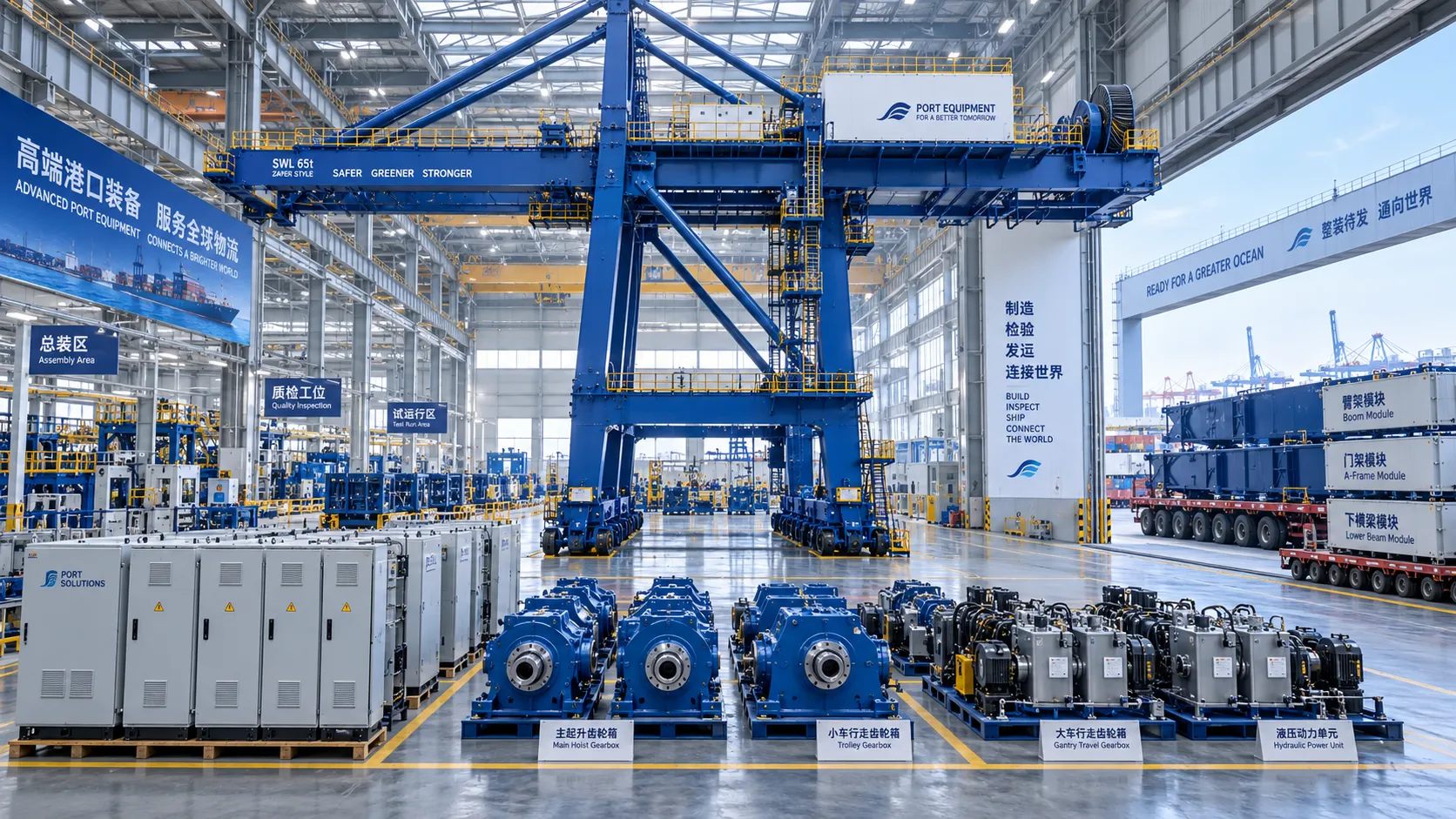
How Can Port Equipment Lead-Time Risk Be Managed?
How can port equipment lead-time risk be managed? Explore practical strategies to control critical paths, suppliers, transport, site readiness, and commissioning delays.
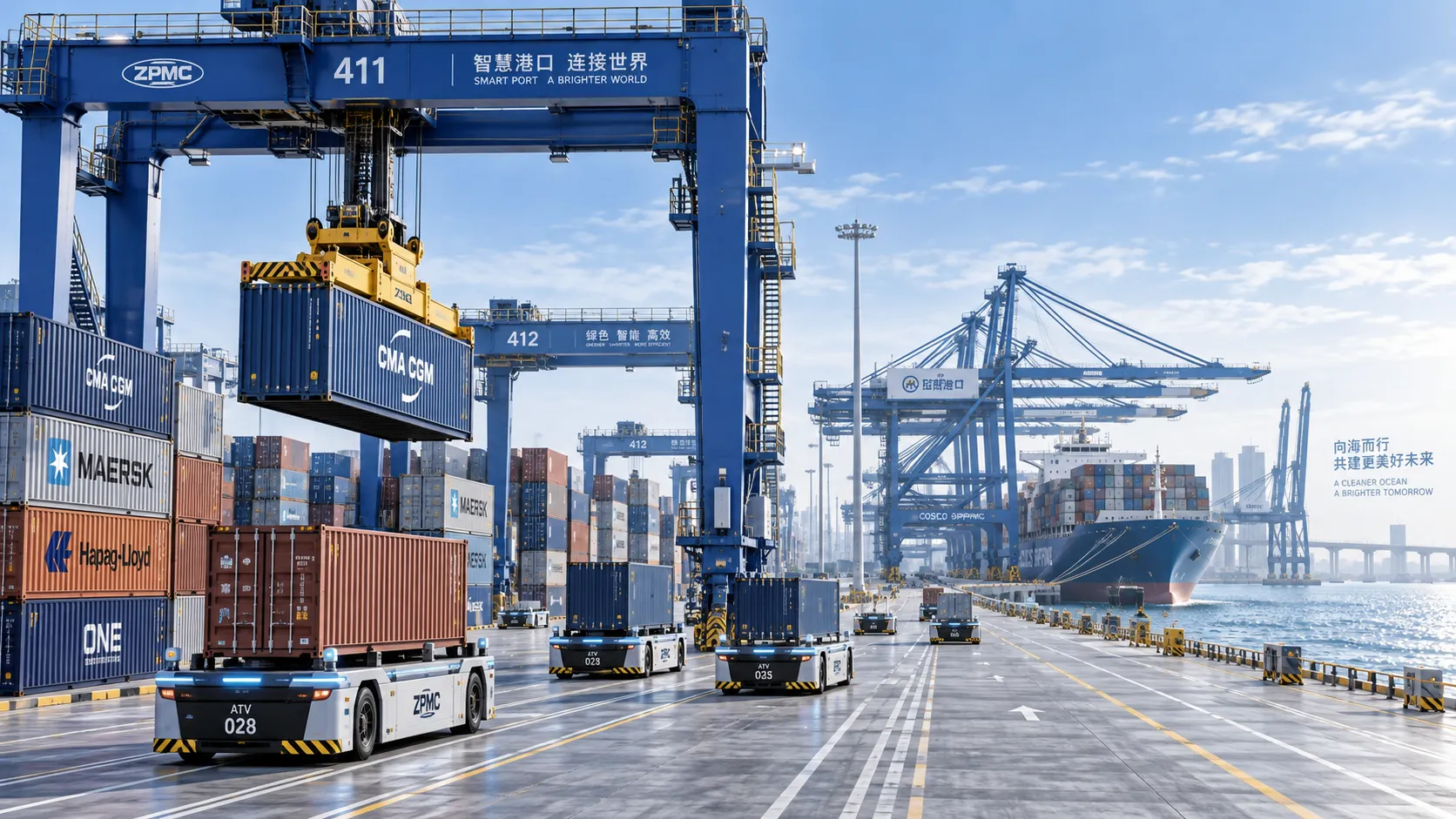
Terminal Automation Technologies That Raise Container Throughput Without Yard Disruption
Terminal automation technology that increases container throughput without disrupting yard flow. Explore smarter integration, resilient workflows, and phased deployment strategies.
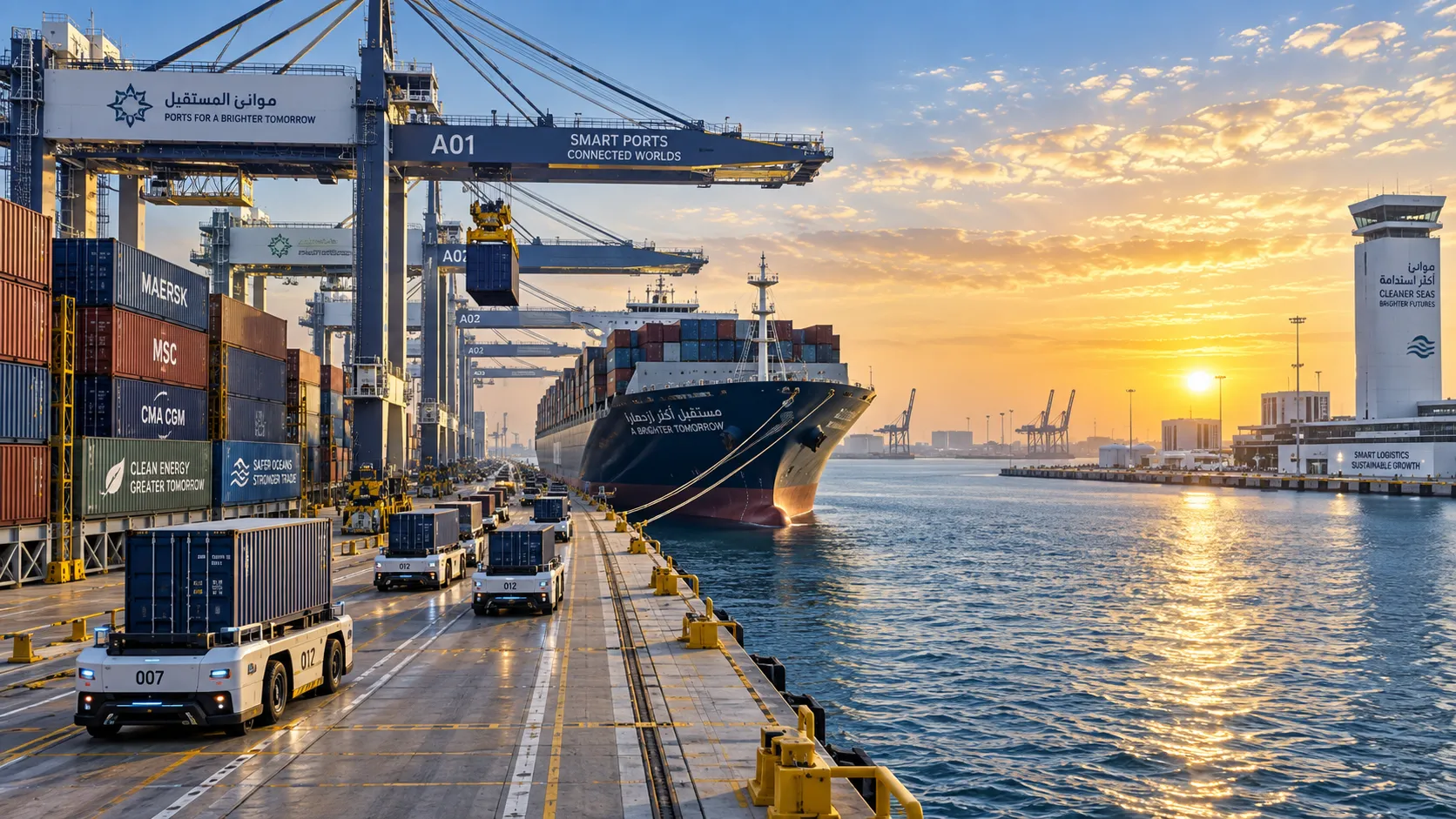
Middle East Port Automation: Key Market Drivers, Projects, and Investment Risks
Port automation systems Middle East: explore market drivers, flagship projects, integration challenges, and investment risks shaping smarter, resilient terminals.
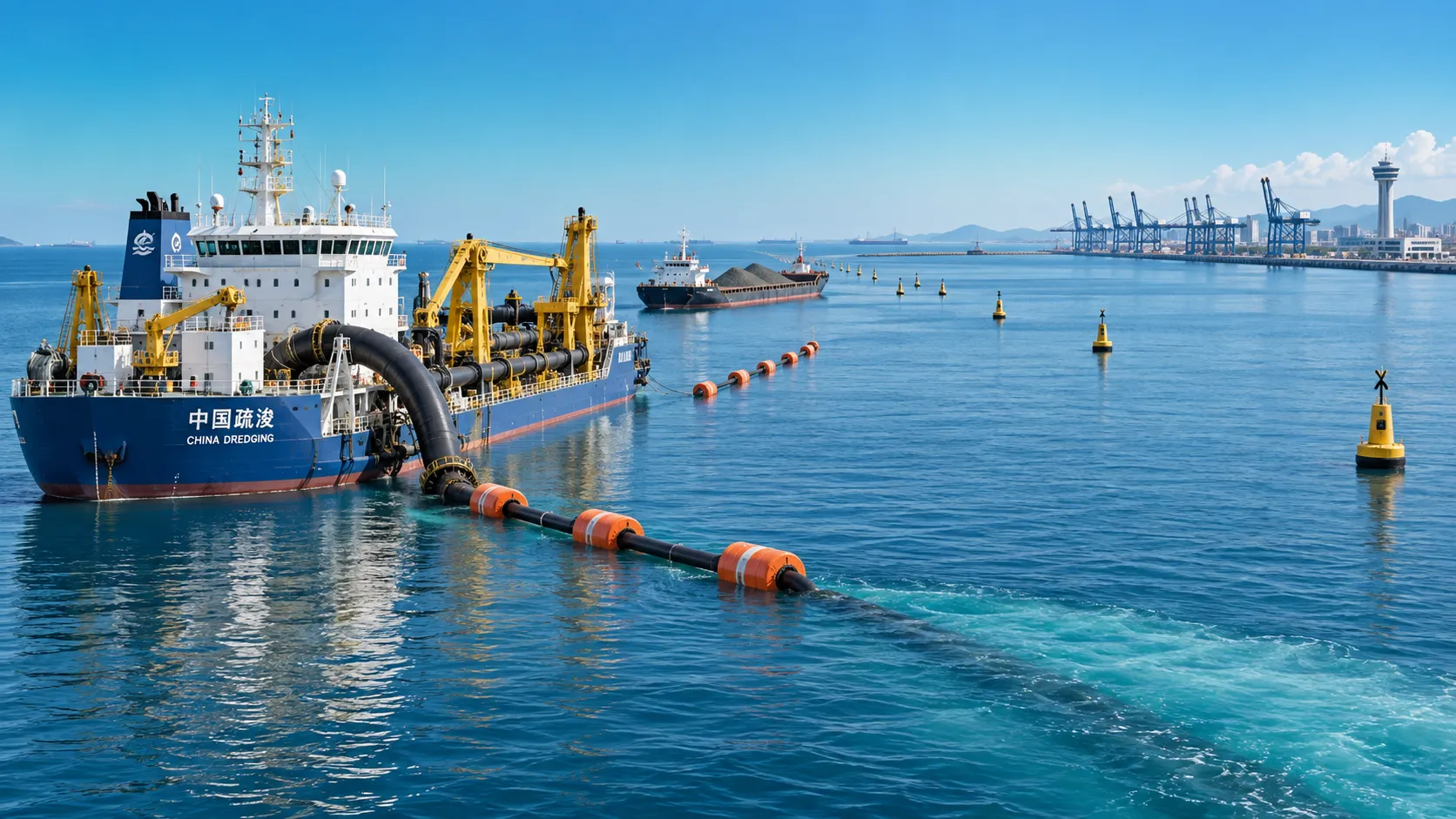
Planning Offshore Dredging Operations: Key Risks, Methods, and Project Controls
Offshore dredging operations demand smart planning. Explore key risks, proven methods, environmental controls, and project strategies for reliable delivery.