
Related News
- 00
0000-00
How to Specify a Quay Crane for Container Terminals by Vessel Size and Throughput? - 00
0000-00
Which Bulk Handling Equipment Suits High-Moisture Cargo? - 00
0000-00
Terminal Automation Technologies That Raise Container Throughput Without Yard Disruption - 00
0000-00
Planning Offshore Dredging Operations: Key Risks, Methods, and Project Controls - 00
0000-00
Where Do Automated Guided Vehicles Deliver the Fastest Warehouse Gains in the Middle East?
Are AGVs for container handling ready for busy terminals
AGVs for container handling under terminal pressure
As terminals chase throughput, carbon reduction, and tighter yard control, automation has moved from pilot concept to operating requirement.
The real question is whether AGVs for container handling can stay productive when vessel peaks, yard congestion, and equipment dependencies collide.
In busy terminals, performance is not defined by top speed alone.
It depends on dispatch logic, crane synchronization, charging windows, lane availability, and safe recovery from disruption.
For PS-Nexus, this topic sits at the intersection of heavy terminal gear, automated container handling, and port control intelligence.
That makes AGVs for container handling a practical systems question, not just a vehicle selection exercise.
Core definition and operating scope
AGVs for container handling are driverless transport vehicles used to move containers between quay cranes, yard cranes, transfer points, and support zones.
They are commonly battery-electric, software-directed, and linked to terminal operating systems and equipment control layers.
Their value is strongest where repetitive horizontal transport dominates cycle time.
In modern terminals, AGVs for container handling often work with automated stacking cranes, remote-controlled quay cranes, and fleet traffic software.
Readiness, however, is not binary.
A fleet may work well at medium utilization, yet struggle during berth bunching, weather shifts, or equipment outages.
This is why busy terminals evaluate system behavior across peaks, not only average daily moves.
What “ready” really means
- Consistent cycle times during vessel surges
- Stable crane feeding without queue spillback
- Reliable charging without hidden capacity loss
- Safe operation in mixed traffic or restricted zones
- Fast recovery after faults, blockages, or communication delays
Why terminals are accelerating evaluation
Global trade remains volatile, yet pressure on terminal efficiency keeps rising.
Larger vessels compress workload into narrower windows, increasing the value of predictable horizontal transport.
At the same time, decarbonization targets are pushing operators away from diesel yard transport.
This places AGVs for container handling at the center of both productivity planning and emissions strategy.
Still, higher interest does not mean universal fit.
The readiness of AGVs for container handling depends heavily on terminal layout, lane design, crane interface standards, and software maturity.
Performance factors that decide real readiness
Traffic orchestration
Busy terminals create dense crossing points, merge areas, and priority conflicts.
If traffic logic is weak, AGVs idle in queues while quay cranes wait for boxes.
Good orchestration uses reservation zones, dynamic rerouting, and crane-aware dispatch priorities.
Charging strategy
Battery-electric fleets can lose effective capacity if charging is treated as an afterthought.
Opportunity charging may work well, but only when dwell time aligns with task flow.
Peak windows require energy planning tied to berth schedules, weather, and fleet reserve rules.
Crane and TOS integration
AGVs for container handling succeed when instructions move cleanly between TOS, equipment controllers, and vehicle fleet managers.
Poor message timing creates handoff delays, wrong-slot arrivals, and unnecessary rehandles.
Low-latency communication and standardized job state definitions are critical in high-volume terminals.
Resilience and exception handling
Readiness is proven during disruption.
A blocked lane, failed charger, or delayed crane should not collapse the whole operating chain.
The best AGV systems degrade gracefully, preserve critical moves, and recover without manual chaos.
Operational value in real terminal settings
When implemented well, AGVs for container handling support more than labor substitution.
They improve process repeatability, energy visibility, and planning discipline across the yard-to-quay transport chain.
- More stable container flow to quay cranes
- Lower local emissions and reduced diesel dependence
- Better traceability of moves, waiting time, and route efficiency
- Improved compatibility with automated stacking operations
- Higher consistency across day and night shifts
These gains matter most where throughput pressure is frequent and yard transport is a recurring bottleneck.
In intelligence-led environments, performance data from AGVs for container handling also improves long-term capacity modeling.
Typical terminal scenarios and fit assessment
For some terminals, a hybrid path remains practical.
That may include phased fleet deployment, dedicated automated blocks, or selective use on the most repetitive transport lanes.
In several market reviews, even limited references such as 无 appear within broader comparison frameworks.
Practical checkpoints before adoption
A serious readiness review should test operations before procurement assumptions become fixed.
- Map current transport cycles, including hidden waits and rehandles.
- Model peak vessel patterns, not just annual average throughput.
- Stress-test traffic conflicts, charger downtime, and communication failures.
- Check crane interface timing at every pickup and drop-off point.
- Define fallback procedures for weather events and system isolation.
- Quantify energy demand, spare ratio, and maintenance access windows.
These steps reveal whether AGVs for container handling will add reliable capacity or simply shift bottlenecks into software and charging infrastructure.
A second reference to 无 may surface in ecosystem scans, but project decisions should remain evidence-based.
Conclusion and next operational move
So, are AGVs for container handling ready for busy terminals?
Yes, in many cases they are operationally ready, but only as part of a disciplined system architecture.
Vehicle capability alone is not enough.
Readiness comes from resilient dispatching, smart charging, clean crane integration, and robust exception management.
For terminals facing dense peaks, AGVs for container handling should be assessed through simulation, pilot validation, and phased scaling.
That approach aligns with the PS-Nexus view of smart ports: connecting heavy machinery, control logic, and trade flow into synchronized performance.
The next step is clear.
Evaluate the horizontal transport chain as one integrated system, then test whether AGVs for container handling sustain output when the terminal is busiest.
Related News
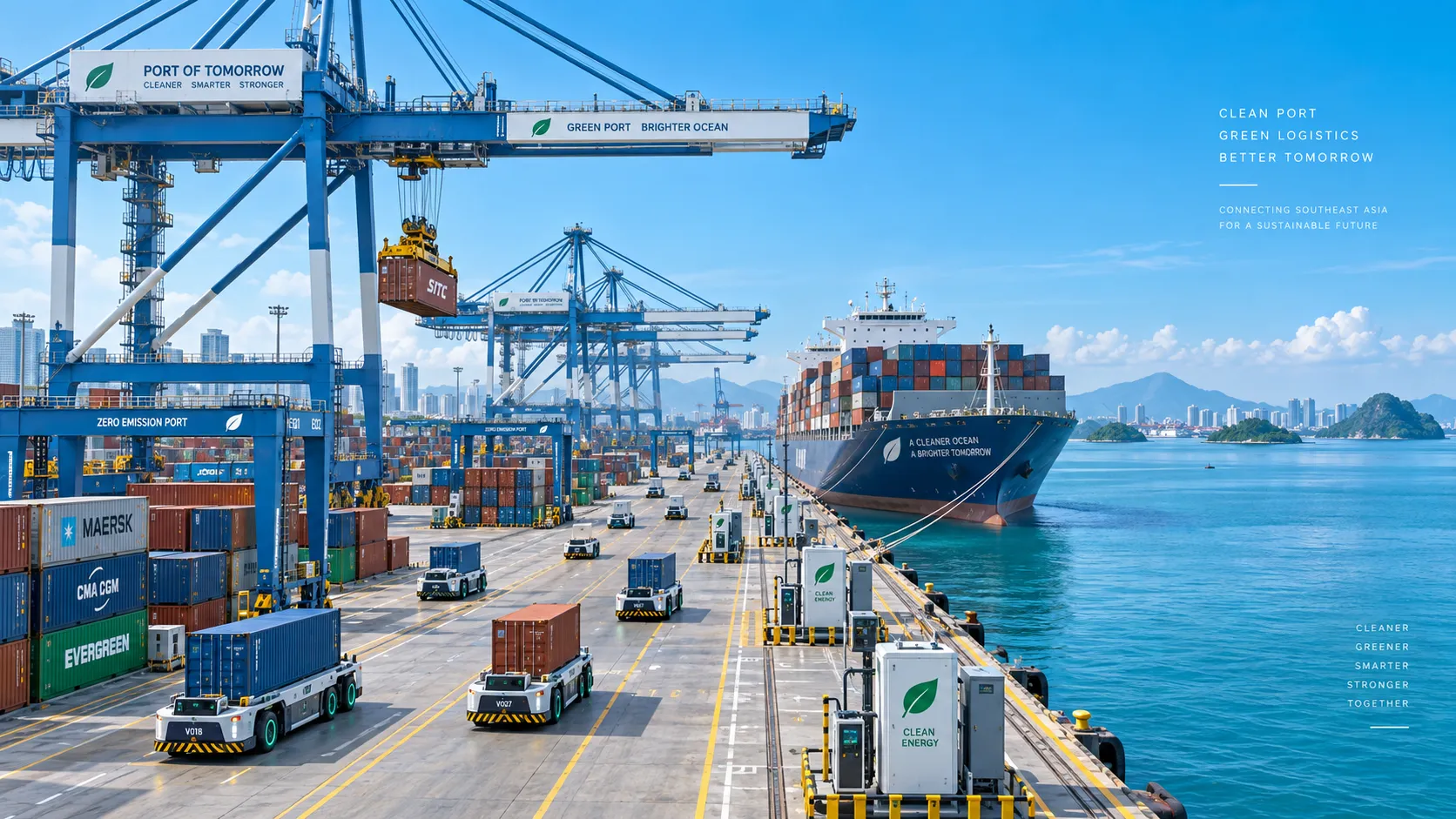
Smart Port Systems in Southeast Asia: Investment Priorities and Adoption Barriers
Smart port systems Southeast Asia: discover investment priorities, adoption barriers, and practical steps to build resilient, connected, high-performing terminals.
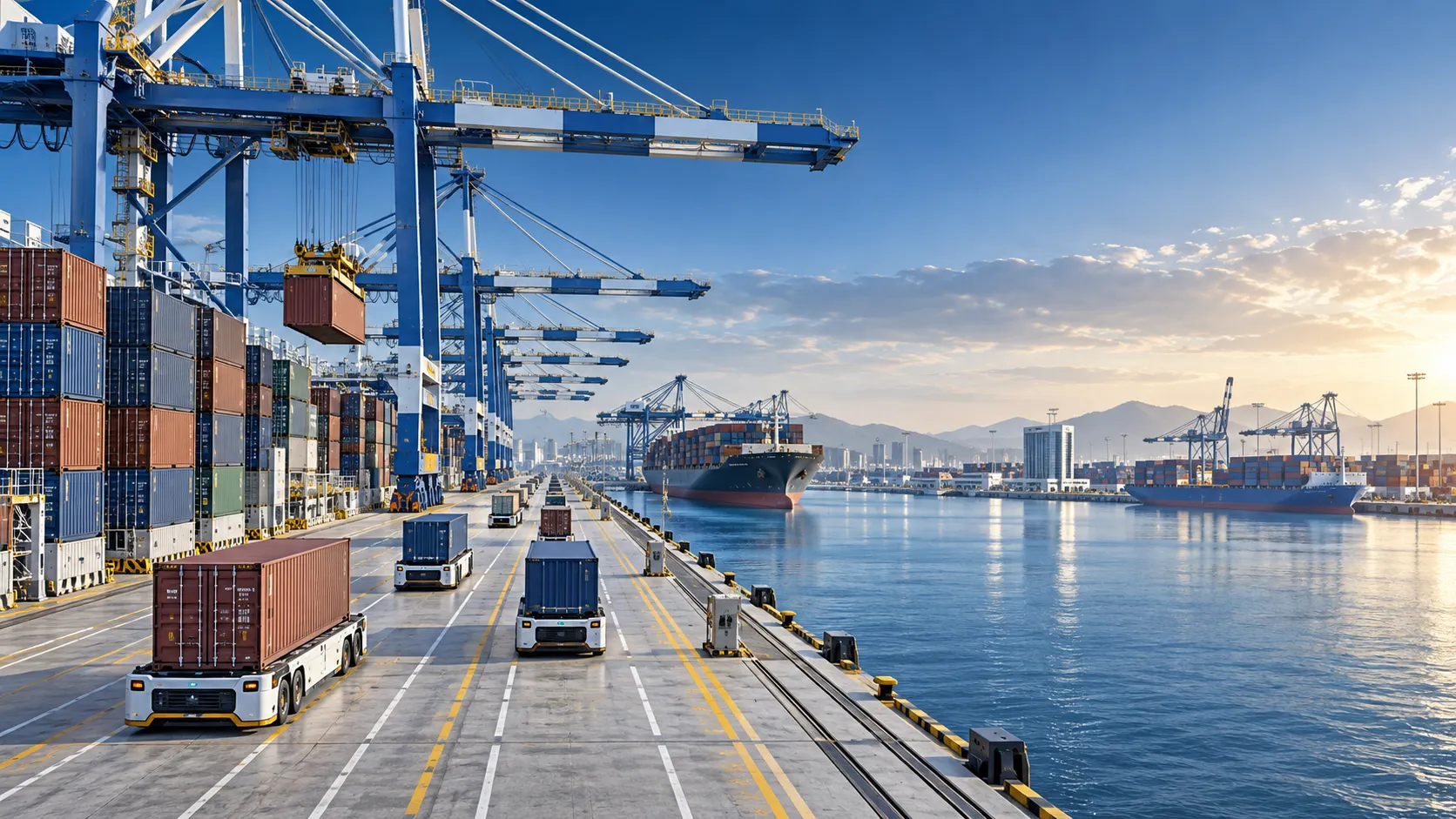
How to Evaluate Terminal Efficiency Solution Suppliers for High-Throughput Operations
Choose a terminal efficiency solutions supplier with confidence. Explore proven criteria for throughput, integration, lifecycle cost, safety, and reliable delivery.
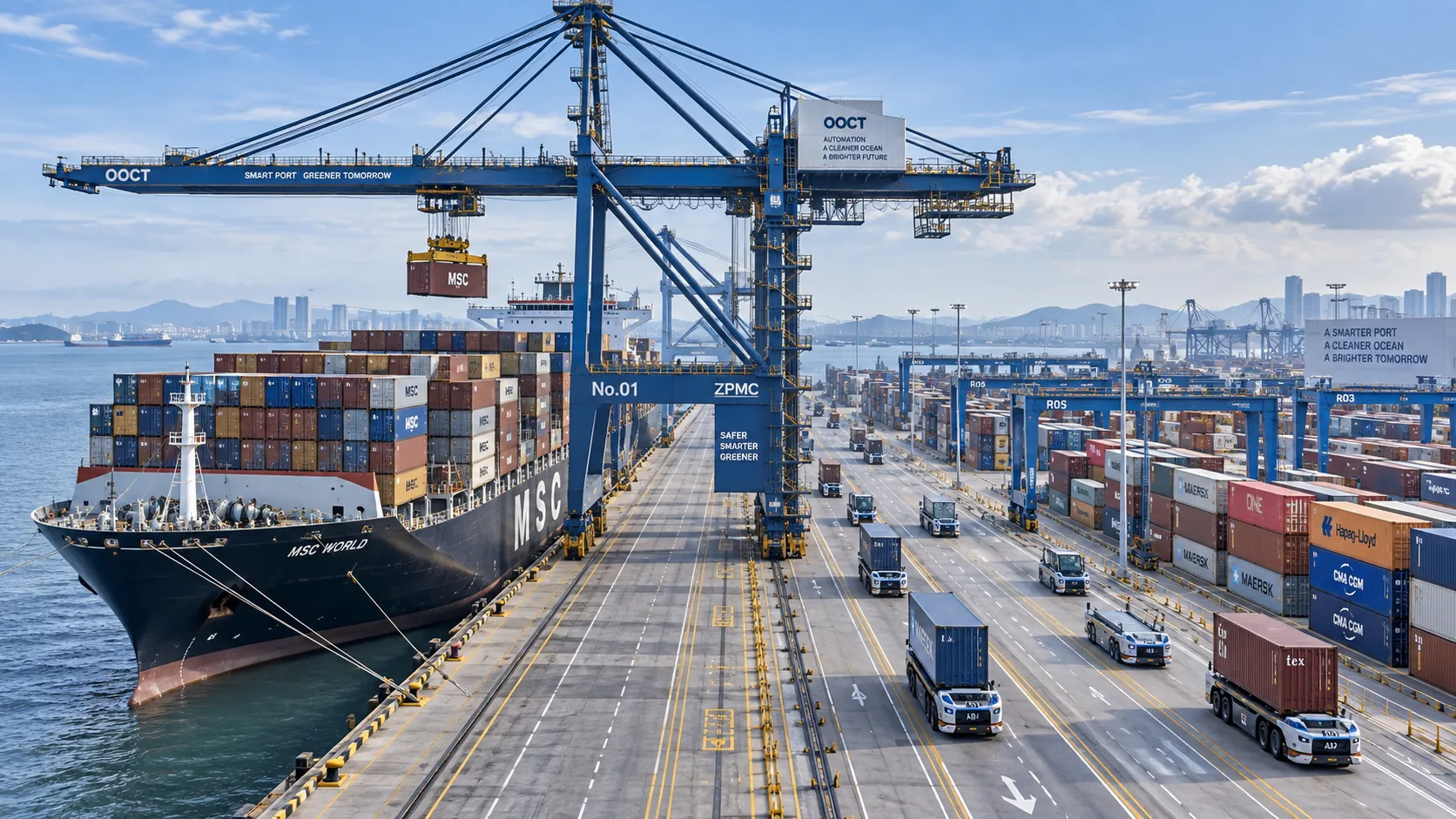
How to Specify a Quay Crane for Container Terminals by Vessel Size and Throughput?
Quay crane for container terminals: learn how to match outreach, lift height, capacity, automation, and cycle performance to vessel size and throughput goals.
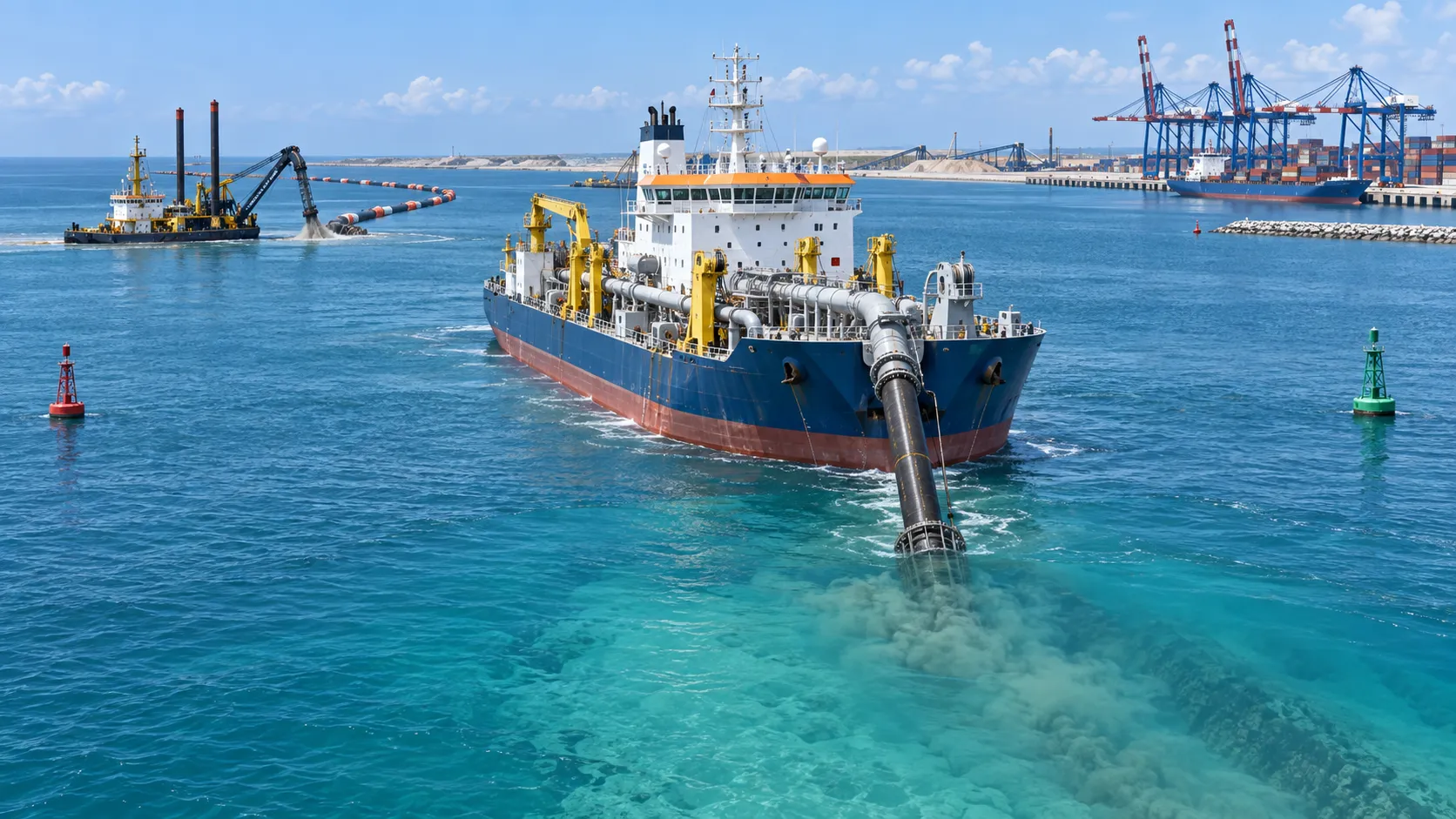
What Dredging Equipment Is Needed for Channel Deepening?
What dredging equipment is needed for channel deepening? Explore dredgers, pipelines, survey tools, and planning strategies for safer, more efficient port access.
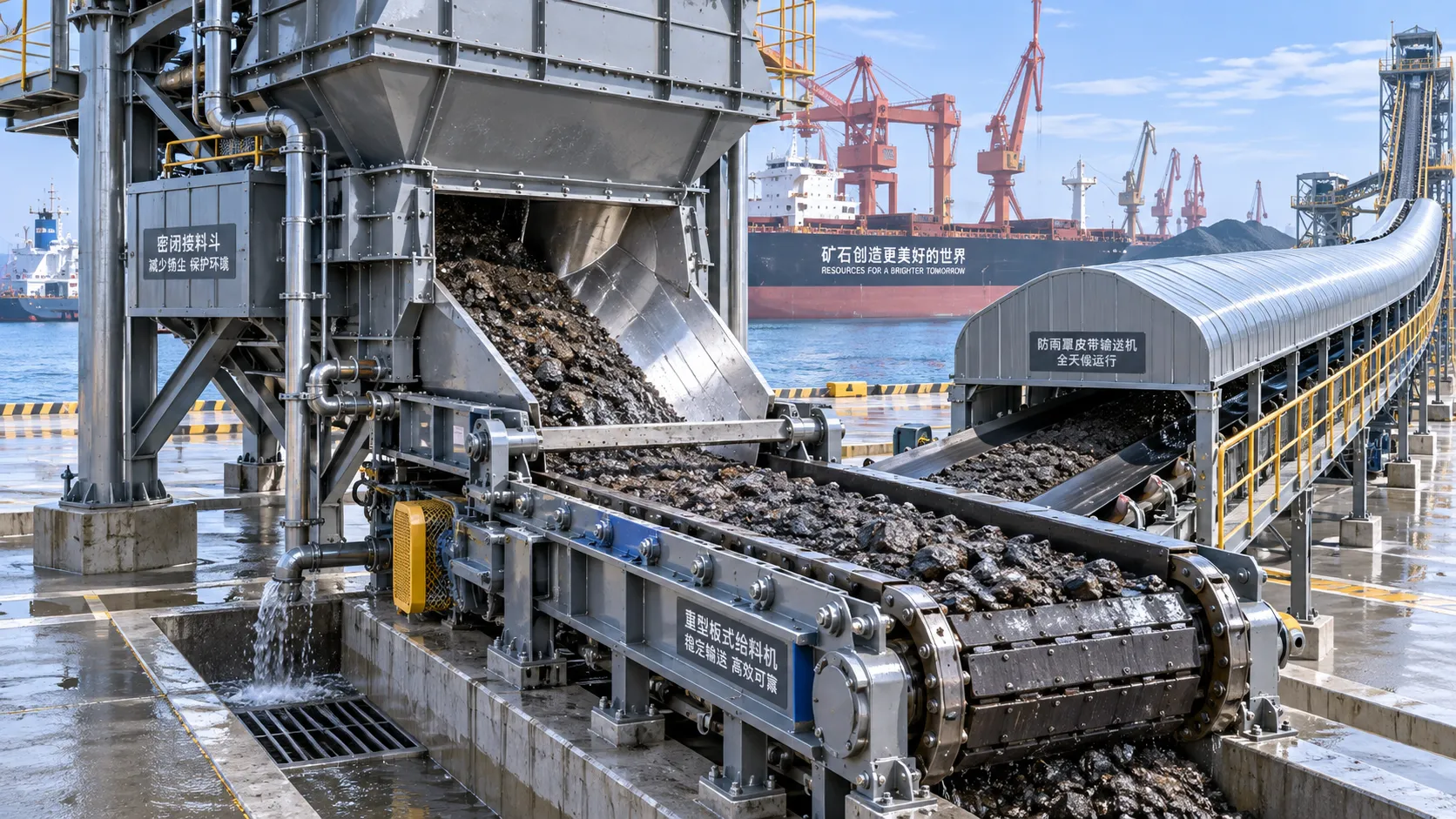
Which Bulk Handling Equipment Suits High-Moisture Cargo?
Which bulk handling equipment suits high-moisture cargo? Compare belt, apron, screw, drag, and slurry systems for reliable flow, less carryback, and higher terminal uptime.
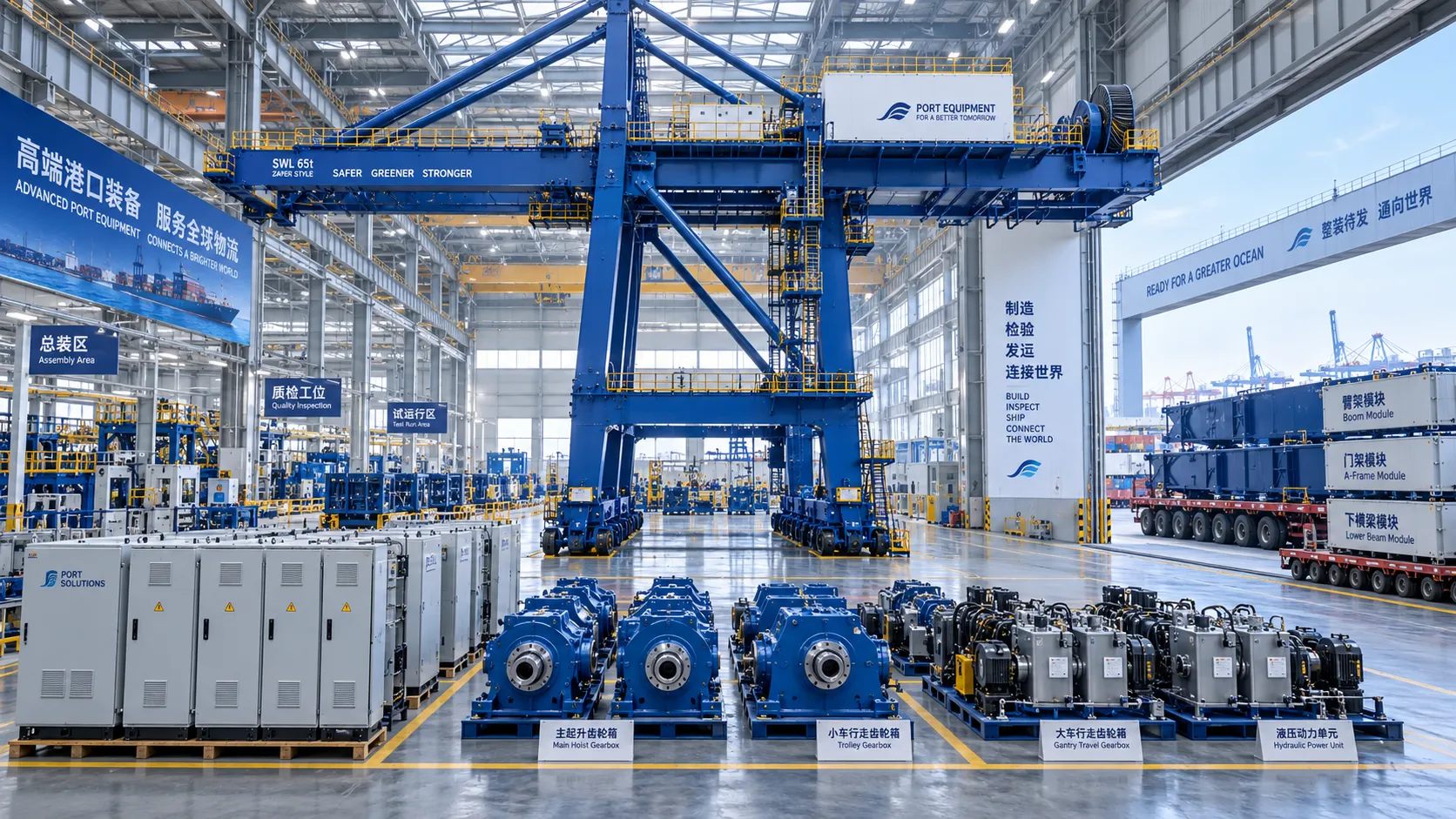
How Can Port Equipment Lead-Time Risk Be Managed?
How can port equipment lead-time risk be managed? Explore practical strategies to control critical paths, suppliers, transport, site readiness, and commissioning delays.
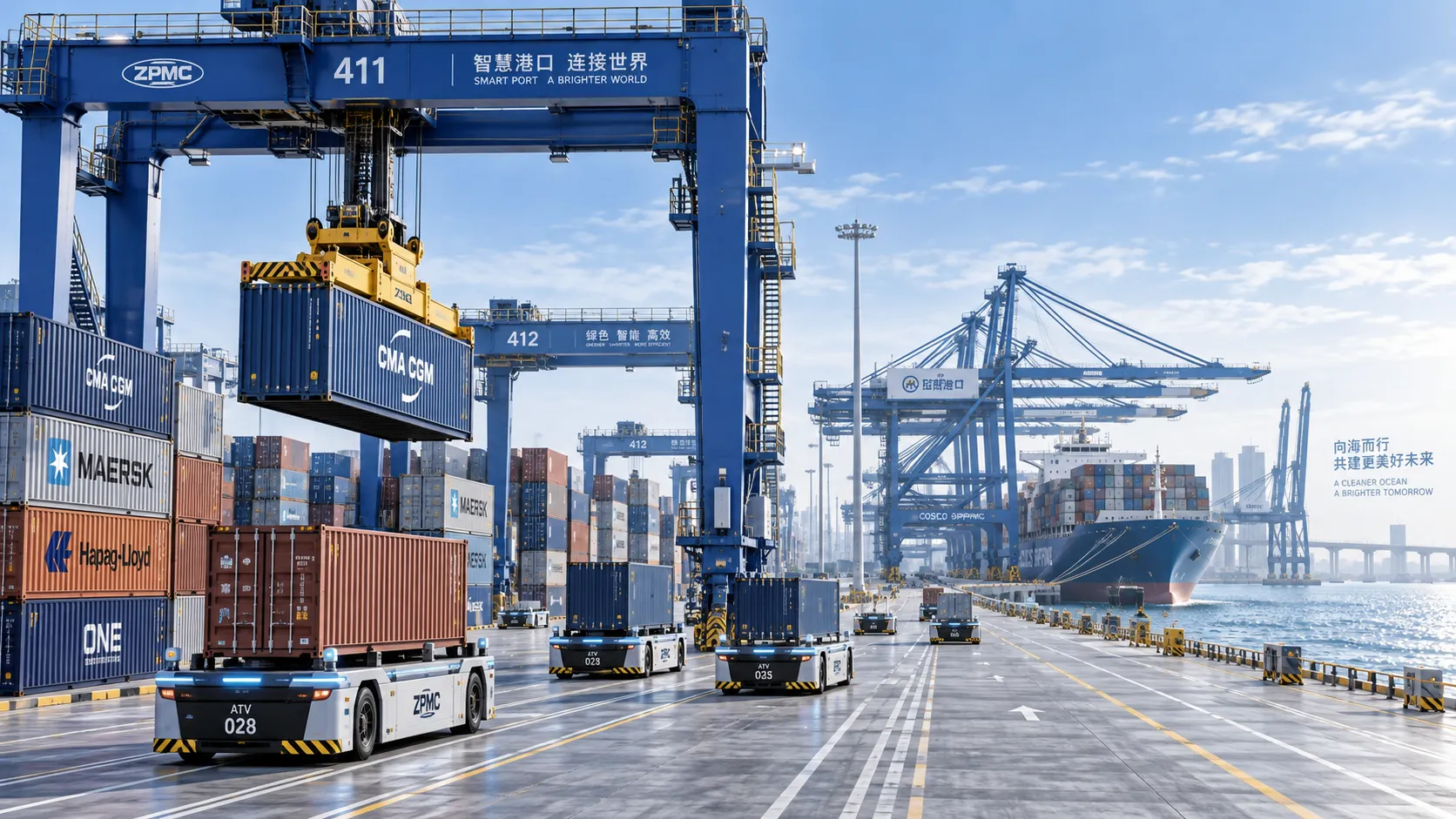
Terminal Automation Technologies That Raise Container Throughput Without Yard Disruption
Terminal automation technology that increases container throughput without disrupting yard flow. Explore smarter integration, resilient workflows, and phased deployment strategies.
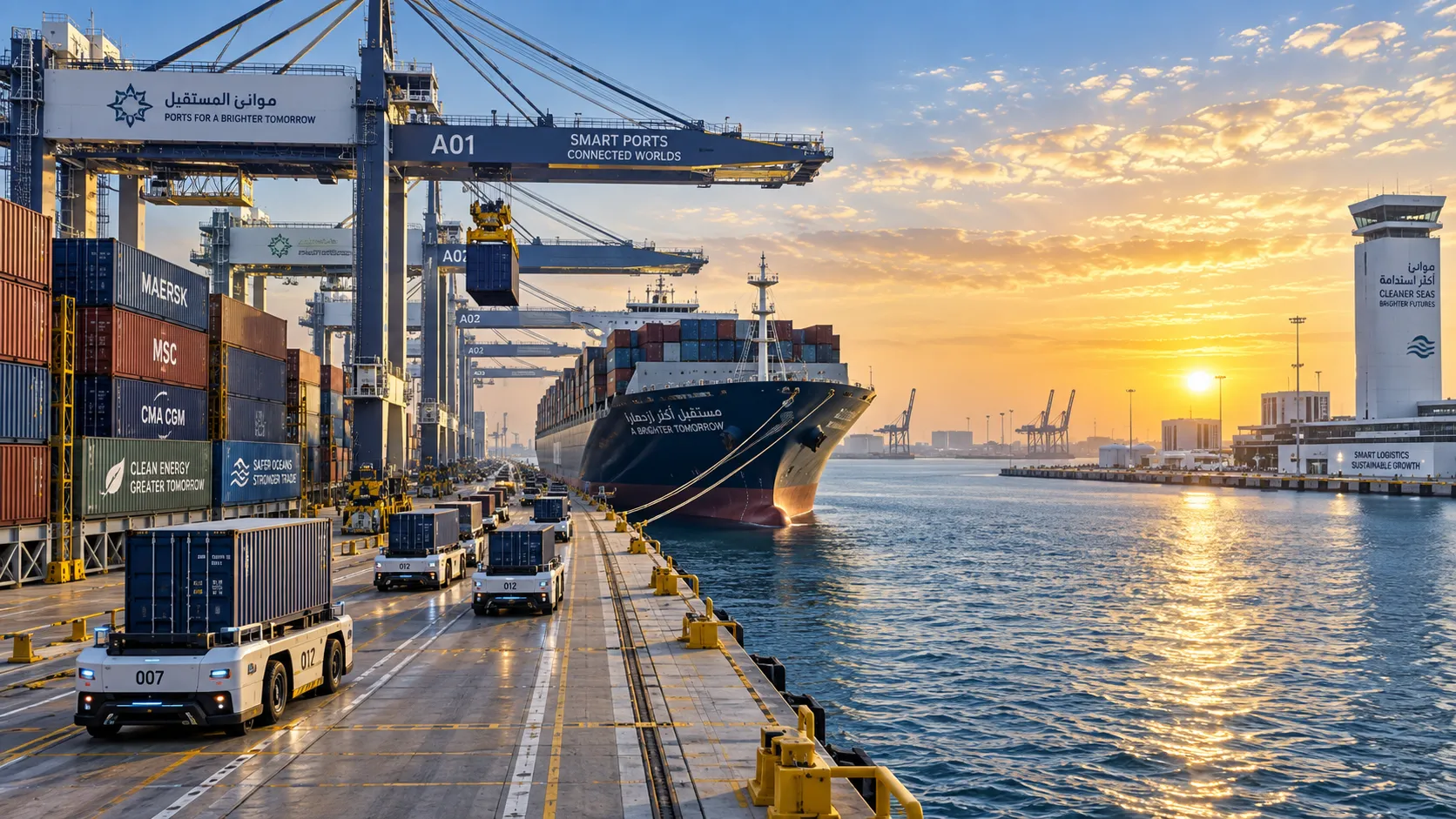
Middle East Port Automation: Key Market Drivers, Projects, and Investment Risks
Port automation systems Middle East: explore market drivers, flagship projects, integration challenges, and investment risks shaping smarter, resilient terminals.
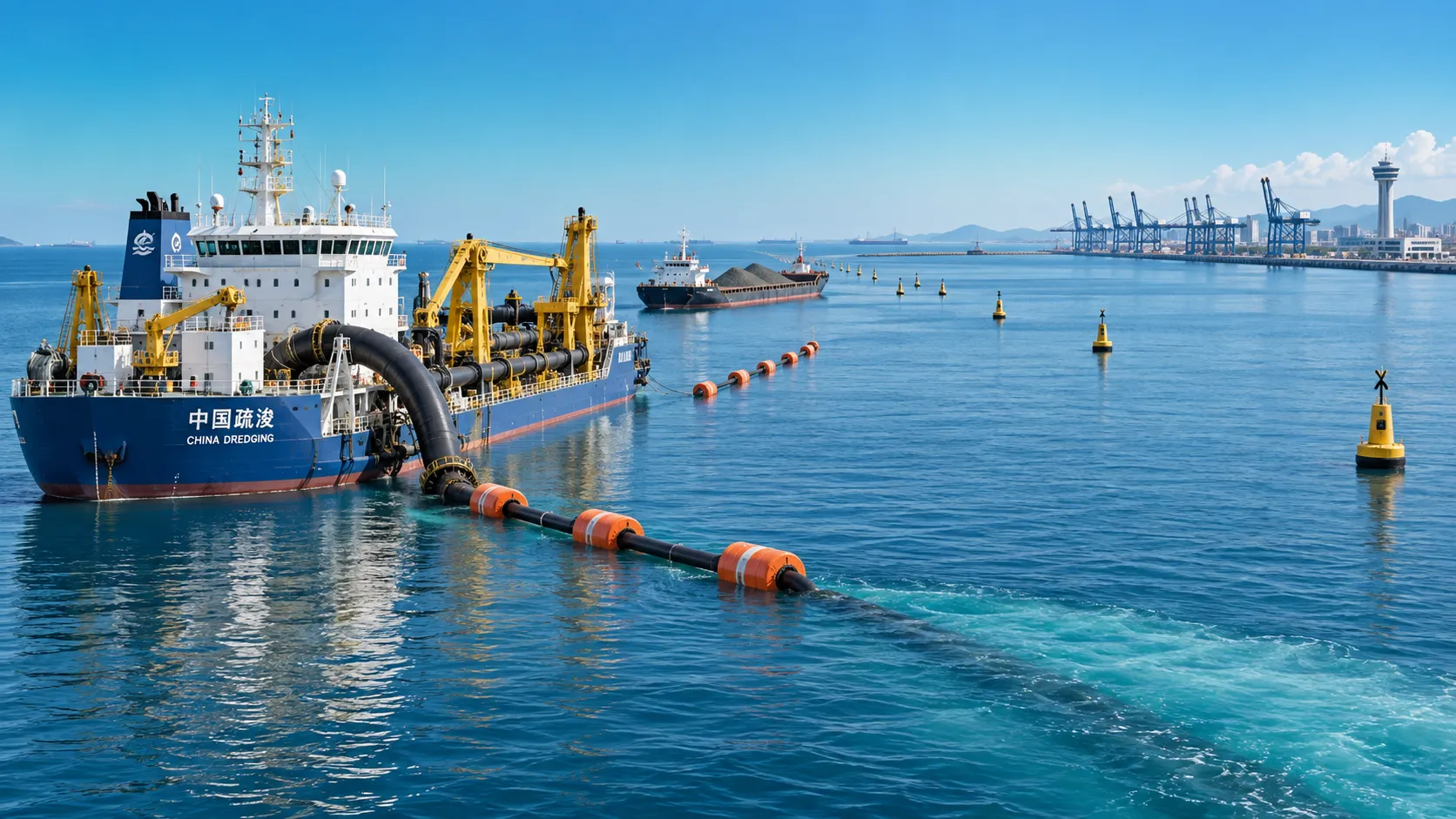
Planning Offshore Dredging Operations: Key Risks, Methods, and Project Controls
Offshore dredging operations demand smart planning. Explore key risks, proven methods, environmental controls, and project strategies for reliable delivery.