Related News
- 00
0000-00
How to Specify a Quay Crane for Container Terminals by Vessel Size and Throughput? - 00
0000-00
Which Bulk Handling Equipment Suits High-Moisture Cargo? - 00
0000-00
Terminal Automation Technologies That Raise Container Throughput Without Yard Disruption - 00
0000-00
Planning Offshore Dredging Operations: Key Risks, Methods, and Project Controls - 00
0000-00
Where Do Automated Guided Vehicles Deliver the Fastest Warehouse Gains in the Middle East?
How smart port solutions are changing daily operations
Smart port solutions are reshaping daily operations by helping operators handle cargo faster, reduce delays, and improve safety across terminals. From automated container movement to real-time equipment monitoring and smarter scheduling, these technologies turn complex port workflows into more connected, efficient systems. For users on the ground, understanding how smart port solutions work is becoming essential to keeping pace with modern maritime logistics.
For crane operators, yard supervisors, maintenance teams, control room staff, and terminal planners, the shift is no longer theoretical. Daily work at modern ports increasingly depends on digital visibility, equipment coordination, and faster decision cycles measured in seconds rather than hours.
This is especially relevant in large trade environments where quay cranes, AGVs, RTGs, bulk handling systems, and dredging support assets must work across 24/7 schedules. Platforms such as PS-Nexus track these changes closely, linking heavy terminal gear, automated handling logic, and operational intelligence so users can better understand how technology affects real tasks on the berth, in the yard, and across marine logistics networks.
What smart port solutions mean in daily terminal operations
In practice, smart port solutions combine connected equipment, software controls, sensor data, communication networks, and workflow analytics. Their main purpose is simple: reduce idle time, improve throughput, and make operations more predictable across 3 key zones—the quayside, yard, and gate.
From isolated machines to connected workflows
Traditional terminals often rely on separate systems for crane operations, truck dispatch, container stacking, and maintenance records. That setup can create 10–20 minute delays between events, especially when handovers depend on voice calls, paper logs, or disconnected screens.
Smart port solutions reduce this fragmentation. A terminal operating system can assign moves in real time, while equipment telemetry reports fuel use, cycle counts, vibration, and alarms every 5–30 seconds. Operators no longer wait for end-of-shift updates to identify a bottleneck.
Typical functions users interact with
- Live container tracking across yard blocks and transfer lanes
- Automated job dispatch for AGVs, terminal trucks, and shuttle carriers
- Remote condition monitoring for quay cranes, spreaders, pumps, and conveyors
- Exception alerts for overload, route conflict, high wind, or delayed turnaround
- Digital maintenance planning based on engine hours, move counts, or wear thresholds
For the operator, the value is practical. Fewer blind spots mean fewer unnecessary rehandles, fewer misrouted containers, and faster shift coordination. In many terminals, even a 5% reduction in unplanned waiting time can translate into a meaningful increase in berth productivity over a 12-hour operating window.
Where change is most visible on the ground
The biggest operational changes usually appear in repetitive, high-volume tasks. Container movement, truck appointment flow, equipment inspection, and gate verification are ideal candidates because they generate frequent data points and require quick response cycles.
In specialized handling environments, smart port solutions also improve yard density and mobility. Users can receive stack recommendations based on dwell time, destination, reefer needs, or customs status. This helps reduce extra moves, which in some terminals can represent 15%–30% of total yard activity when planning is weak.
The same logic extends to dredging support and marine engineering coordination. When channels, berths, and cargo handling windows are digitally aligned, operators can plan around draft limits, tide constraints, and vessel sequences with less last-minute disruption.
Key daily benefits for port users and operators
The impact of smart port solutions becomes clear when measured against daily tasks. Users typically judge value through 4 lenses: speed, visibility, safety, and reliability. If a system improves these areas without adding operational complexity, adoption becomes much easier.
Operational improvements users can feel during a shift
A control room team may see fewer conflicts in dispatch sequencing. A crane operator may get more accurate move instructions. A maintenance technician may identify abnormal motor temperature before failure. These are small gains individually, but across 200–500 equipment events per shift, they add up quickly.
The table below shows how common smart functions influence routine terminal work.
The key point is that smart port solutions do not only serve management dashboards. They improve execution at the user level, where each delay, rehandle, and alarm response affects overall terminal performance.
Safety gains and fewer avoidable incidents
Ports combine heavy loads, moving vehicles, variable weather, and narrow working windows. That makes safety one of the strongest arguments for digital operations. Smart systems can set speed zones, trigger collision warnings, and lock hazardous tasks when sensor conditions exceed a predefined threshold.
For example, remote monitoring can notify staff when crane sway exceeds a safe operating range or when hydraulic temperature rises beyond a normal band. Even simple rule-based alerts can help teams react 3–5 minutes earlier than manual inspection alone.
Some operators also use integrated references from intelligence portals and technical resources to compare workflows, monitor technology trends, or review solution categories. In that context, a general listing such as 无 may appear inside broader procurement research, but daily users still benefit most from practical system fit rather than from broad catalog volume.
How smart port solutions improve equipment, maintenance, and scheduling
A major strength of smart port solutions is their ability to connect operations with maintenance. In older terminal models, these functions often run in parallel. One team focuses on throughput, another on repairs, and a third on planning. The result can be misaligned priorities and repeated disruptions.
Predictive maintenance versus reactive repair
Reactive maintenance begins after failure. Predictive maintenance uses trends to intervene earlier. Sensors can track gearbox vibration, motor current, oil pressure, cable wear cycles, and pump runtime. If a metric drifts outside its normal range over 24–72 hours, the system flags it before a full stoppage occurs.
For users, this means fewer emergency callouts and better parts planning. Instead of losing 6 hours to an unexpected crane shutdown, teams may schedule a 45-minute inspection during a lower-load period. That difference matters when vessel windows are tight and berth occupancy is high.
Maintenance indicators worth monitoring
- Motor and bearing temperature trends across 8-hour and 24-hour periods
- Hydraulic pressure fluctuations during high-load lift cycles
- Battery health and charging behavior for electric terminal vehicles
- Cycle counts on spreaders, hoists, and transfer points
- Communication latency between field devices and control systems, especially above 100–200 milliseconds
Scheduling logic that reduces friction
Scheduling is where automation and human judgment meet. Smart port solutions support dispatch by balancing crane workload, yard space, truck arrivals, and vessel priorities. The goal is not to remove operators from decisions, but to give them a cleaner sequence with fewer conflicts.
Advanced terminals may use path-planning algorithms for AGVs and yard equipment, especially where route overlap is heavy. Even without full automation, semi-automated dispatch can lower congestion in transfer lanes and improve travel consistency over 2–3 shifts per day.
PS-Nexus pays close attention to these developments because they sit at the center of modern port performance. From low-latency communication for remote-controlled cranes to digital pump monitoring in dredging equipment, these details shape whether technology produces a measurable result or just adds another screen.
What to evaluate before choosing a smart port solution
Not every terminal needs the same digital stack. A container port with 1 million TEU annual throughput has different priorities from a bulk cargo site or a port with active dredging support. Users should assess fit by function, integration, training effort, and service continuity.
Four practical selection criteria
- Compatibility with existing cranes, TOS platforms, PLC logic, and fleet control tools
- Usability for operators working in high-pressure 24/7 environments
- Alarm quality, including threshold setting, escalation steps, and false alert control
- Support model, including implementation lead time, training hours, and spare parts coordination
A useful decision framework is shown below. It helps users and supervisors compare options without relying on vague claims.
These checks help filter out systems that look advanced in demos but are difficult to use under live terminal pressure. The best smart port solutions make daily work simpler, not more fragile.
Common implementation mistakes to avoid
A frequent mistake is focusing only on automation depth while ignoring user workflow. If alerts are too frequent, dashboards are too complex, or field devices are poorly calibrated, the team may bypass the system after a few weeks.
Another mistake is underestimating communications infrastructure. Remote crane control, AGV coordination, and video-assisted inspection require reliable network performance. If packet delay or signal dropouts are common, the operational benefit of smart port solutions can quickly decline.
How operators can support successful adoption
Technology alone does not transform a port. Adoption depends on whether users trust the data, understand the screens, and know what action to take when a warning appears. For that reason, operator participation should start early, ideally during workflow mapping and test phases.
A practical 5-step rollout approach
- Map current delays, rehandles, queue points, and maintenance pain areas over at least 2 operating weeks
- Choose 1–2 high-impact use cases such as crane monitoring or yard dispatch
- Run a pilot with defined KPIs like move rate, waiting time, or alert response
- Train users by role, including control room staff, mechanics, supervisors, and drivers
- Review results after 30, 60, and 90 days and adjust thresholds, routes, or interfaces
This staged method reduces resistance and gives teams time to validate whether a system truly improves shift performance. It also supports long-cycle infrastructure planning, which is a major part of the intelligence value that PS-Nexus delivers to port stakeholders and equipment-focused businesses.
Why this matters for the future of maritime logistics
Ports are under pressure to move more cargo with tighter labor coordination, lower emissions, and better asset utilization. Smart port solutions help answer all 3 demands by connecting power-intensive equipment with scheduling intelligence and maintenance discipline.
As terminals pursue automation, remote operations, and net-zero pathways, users who understand system logic will be better positioned to work safely and efficiently. Research pathways may also include broad solution references such as 无, but successful outcomes still depend on matching tools to real operational needs on site.
For operators and decision teams, the message is clear: smart port solutions are no longer optional add-ons. They are becoming part of the core operating model for modern terminals, bulk handling sites, and marine engineering support environments. If you want to improve cargo flow, reduce avoidable downtime, and build a more resilient port operation, now is the right time to evaluate your next digital step. Contact your technical partner, request a tailored assessment, or explore more intelligent port operation solutions aligned with your daily workflow.
Related News
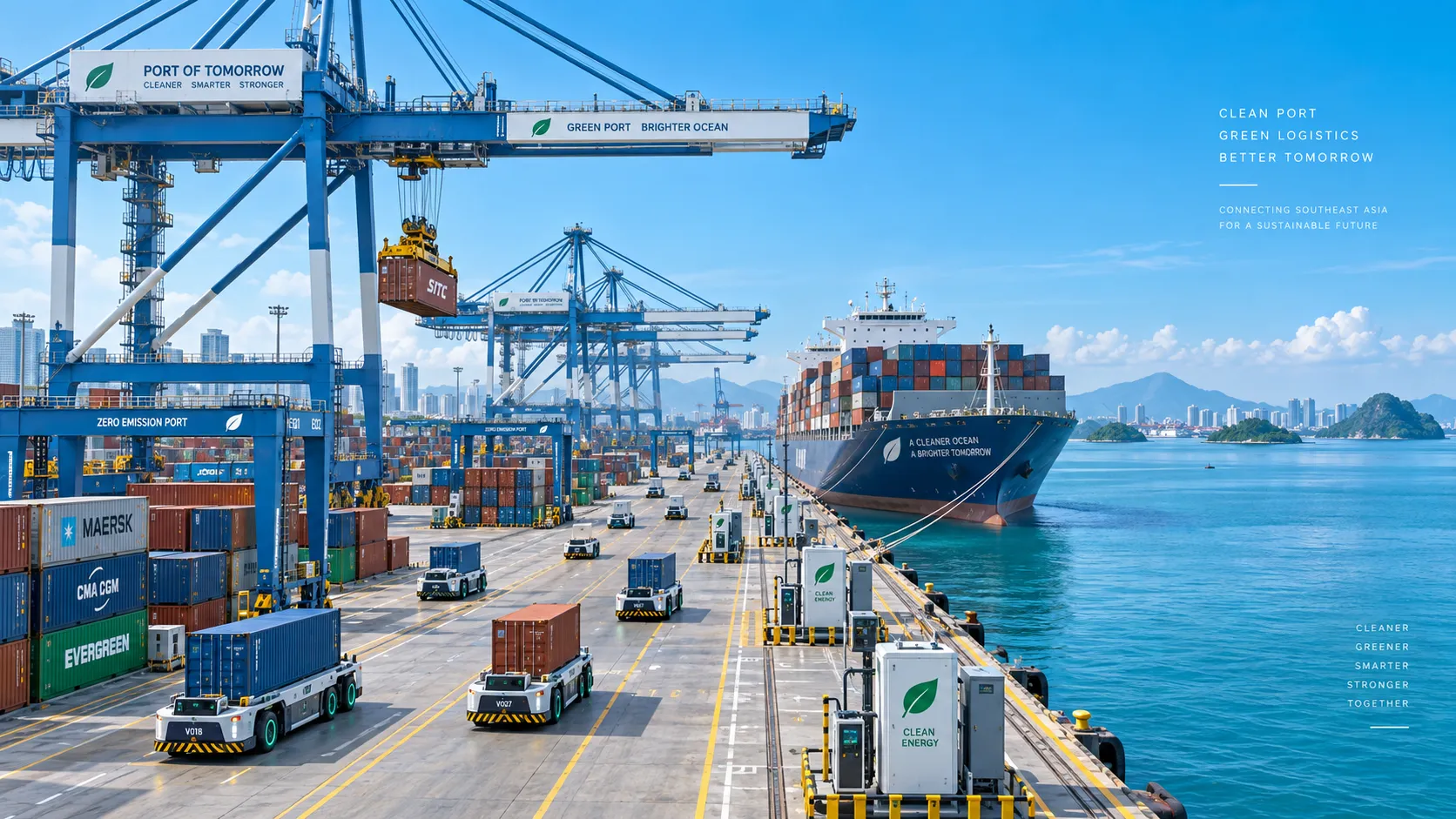
Smart Port Systems in Southeast Asia: Investment Priorities and Adoption Barriers
Smart port systems Southeast Asia: discover investment priorities, adoption barriers, and practical steps to build resilient, connected, high-performing terminals.
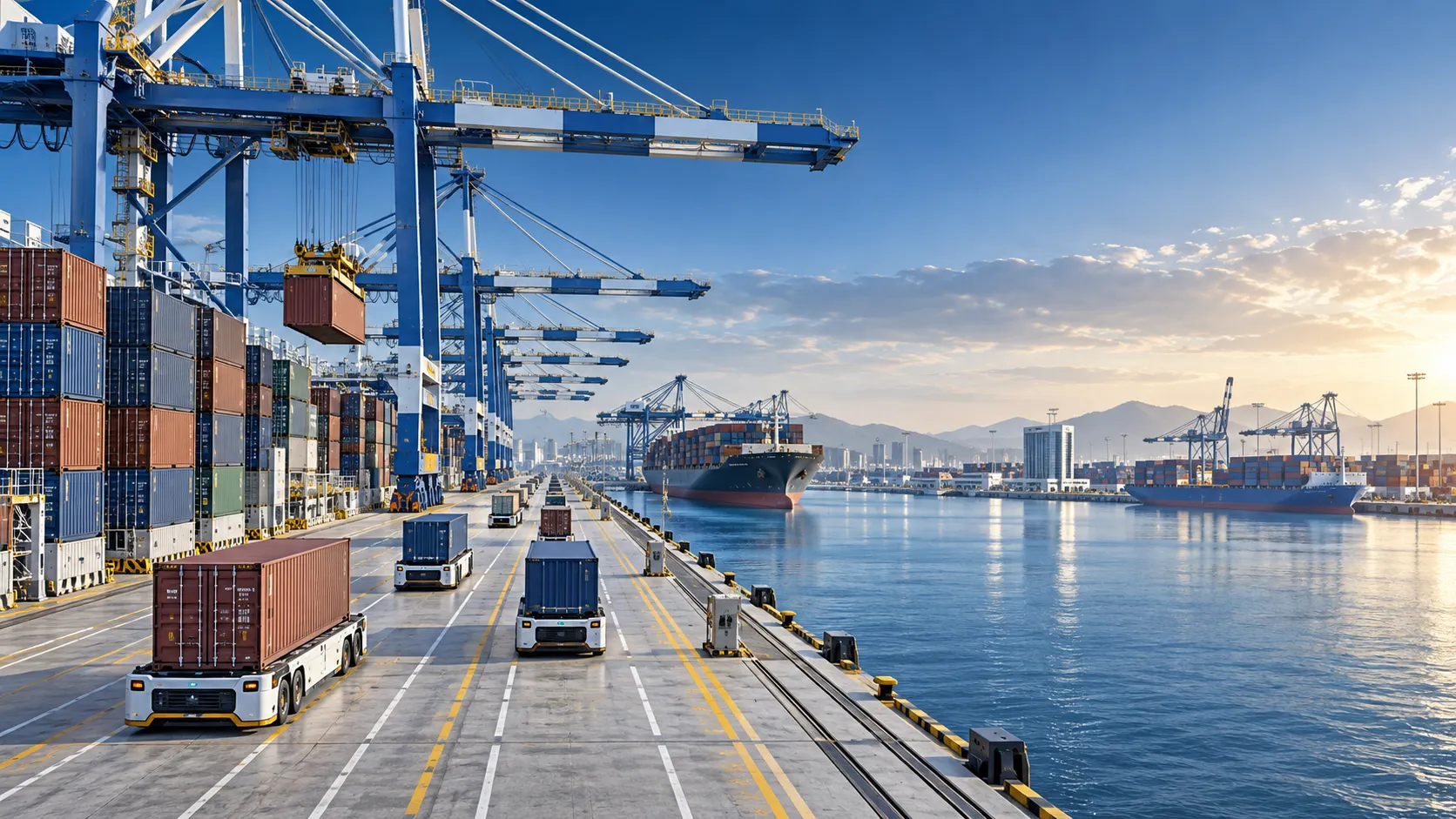
How to Evaluate Terminal Efficiency Solution Suppliers for High-Throughput Operations
Choose a terminal efficiency solutions supplier with confidence. Explore proven criteria for throughput, integration, lifecycle cost, safety, and reliable delivery.
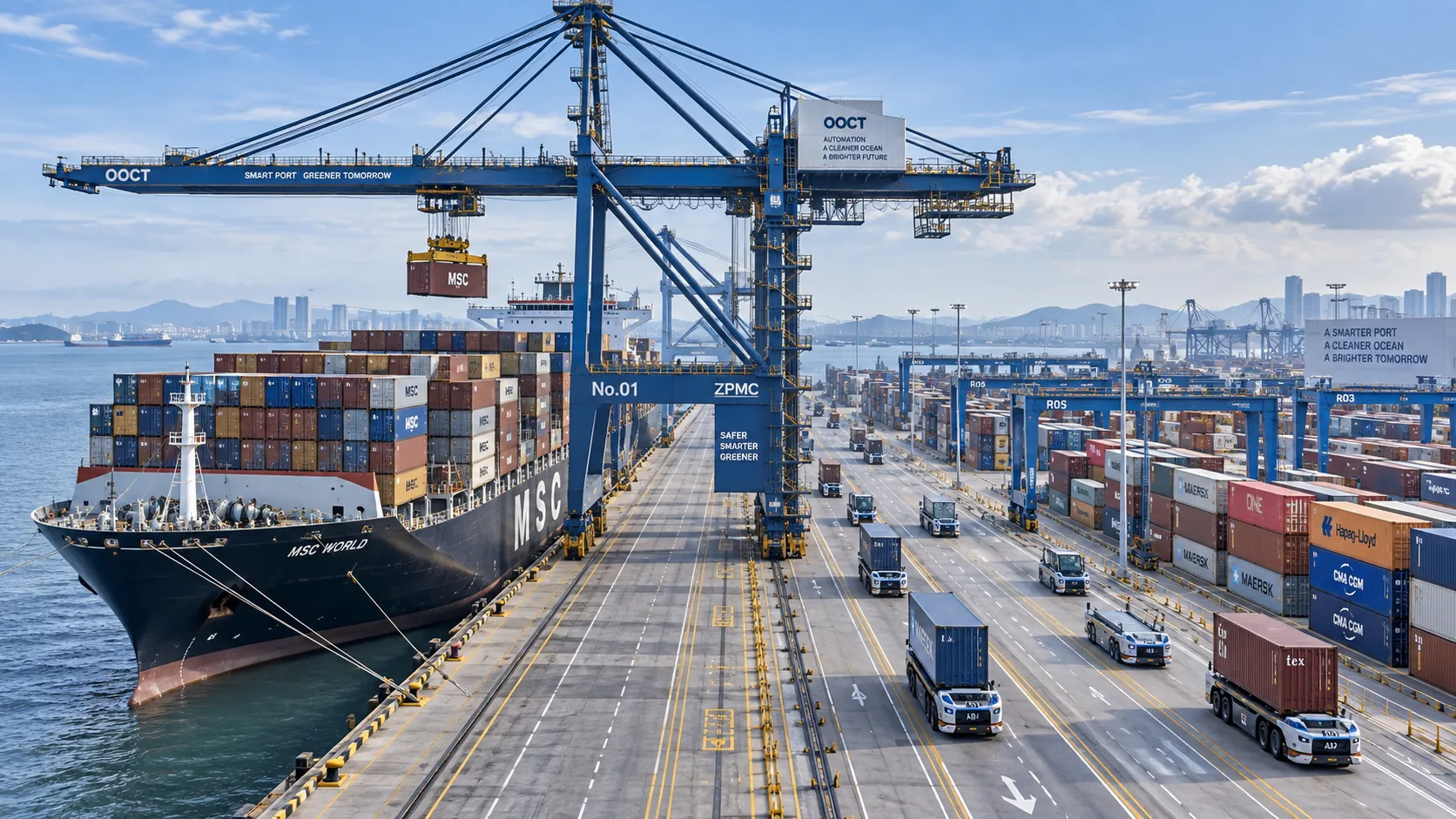
How to Specify a Quay Crane for Container Terminals by Vessel Size and Throughput?
Quay crane for container terminals: learn how to match outreach, lift height, capacity, automation, and cycle performance to vessel size and throughput goals.
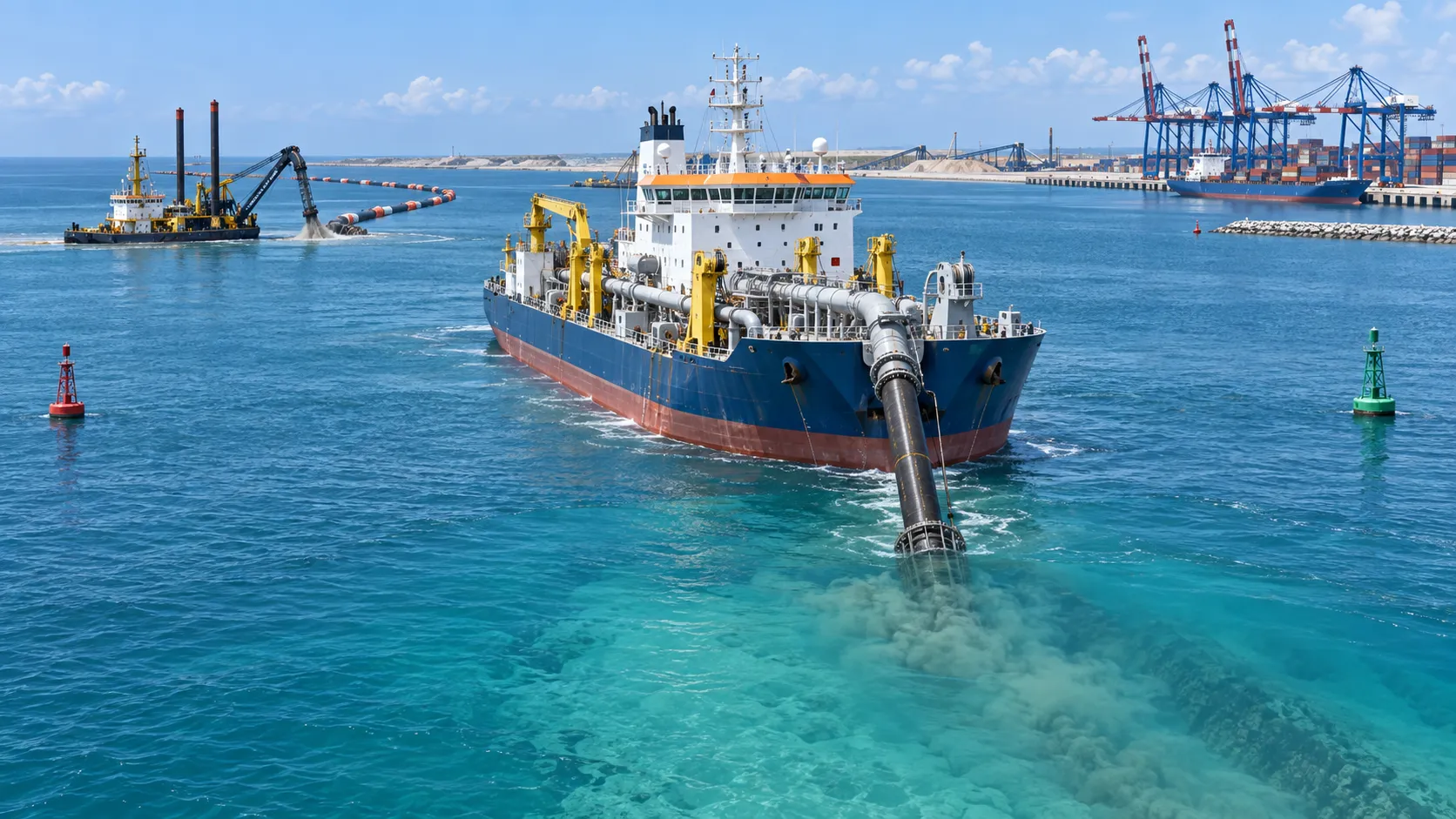
What Dredging Equipment Is Needed for Channel Deepening?
What dredging equipment is needed for channel deepening? Explore dredgers, pipelines, survey tools, and planning strategies for safer, more efficient port access.
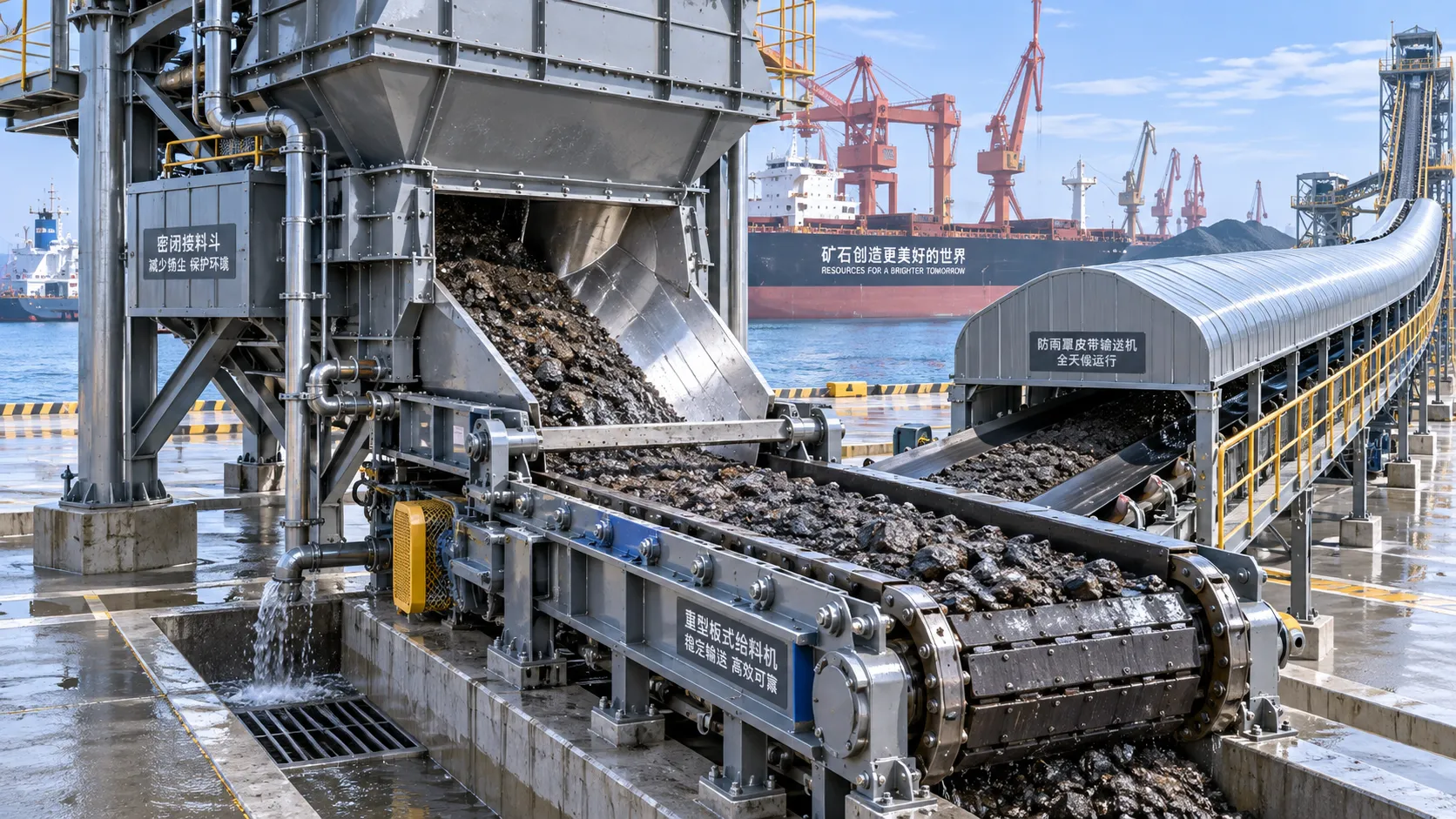
Which Bulk Handling Equipment Suits High-Moisture Cargo?
Which bulk handling equipment suits high-moisture cargo? Compare belt, apron, screw, drag, and slurry systems for reliable flow, less carryback, and higher terminal uptime.
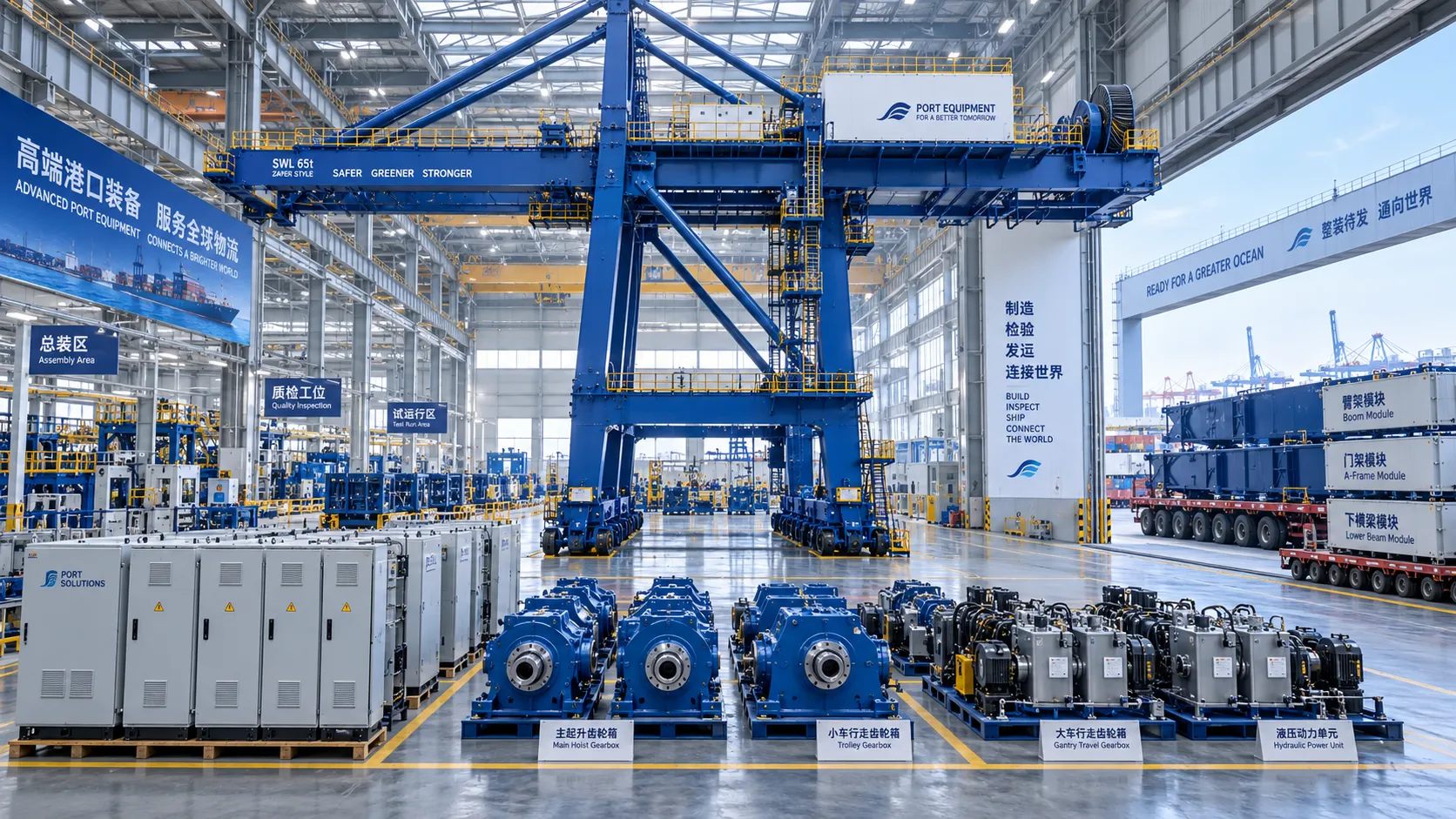
How Can Port Equipment Lead-Time Risk Be Managed?
How can port equipment lead-time risk be managed? Explore practical strategies to control critical paths, suppliers, transport, site readiness, and commissioning delays.
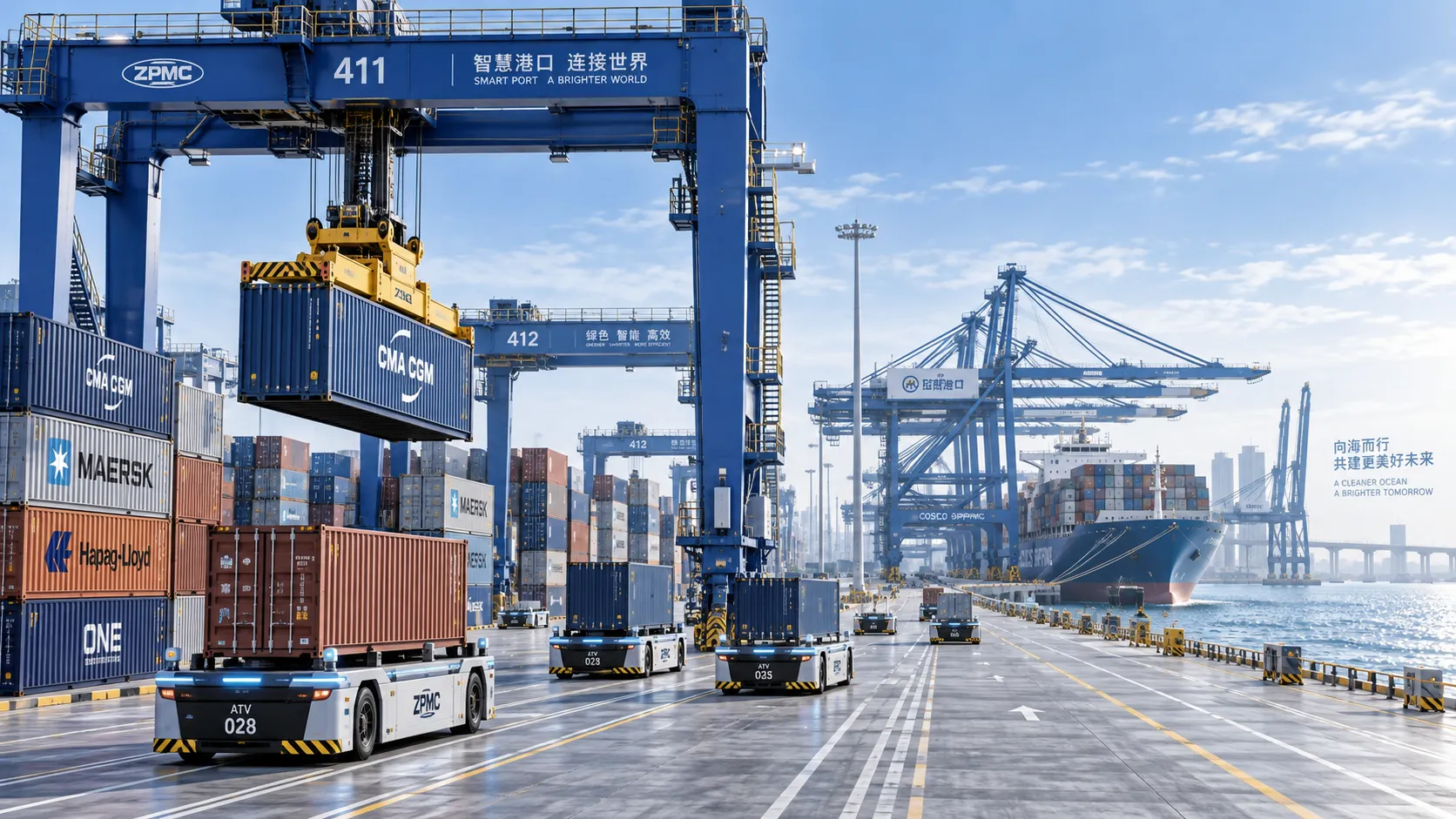
Terminal Automation Technologies That Raise Container Throughput Without Yard Disruption
Terminal automation technology that increases container throughput without disrupting yard flow. Explore smarter integration, resilient workflows, and phased deployment strategies.
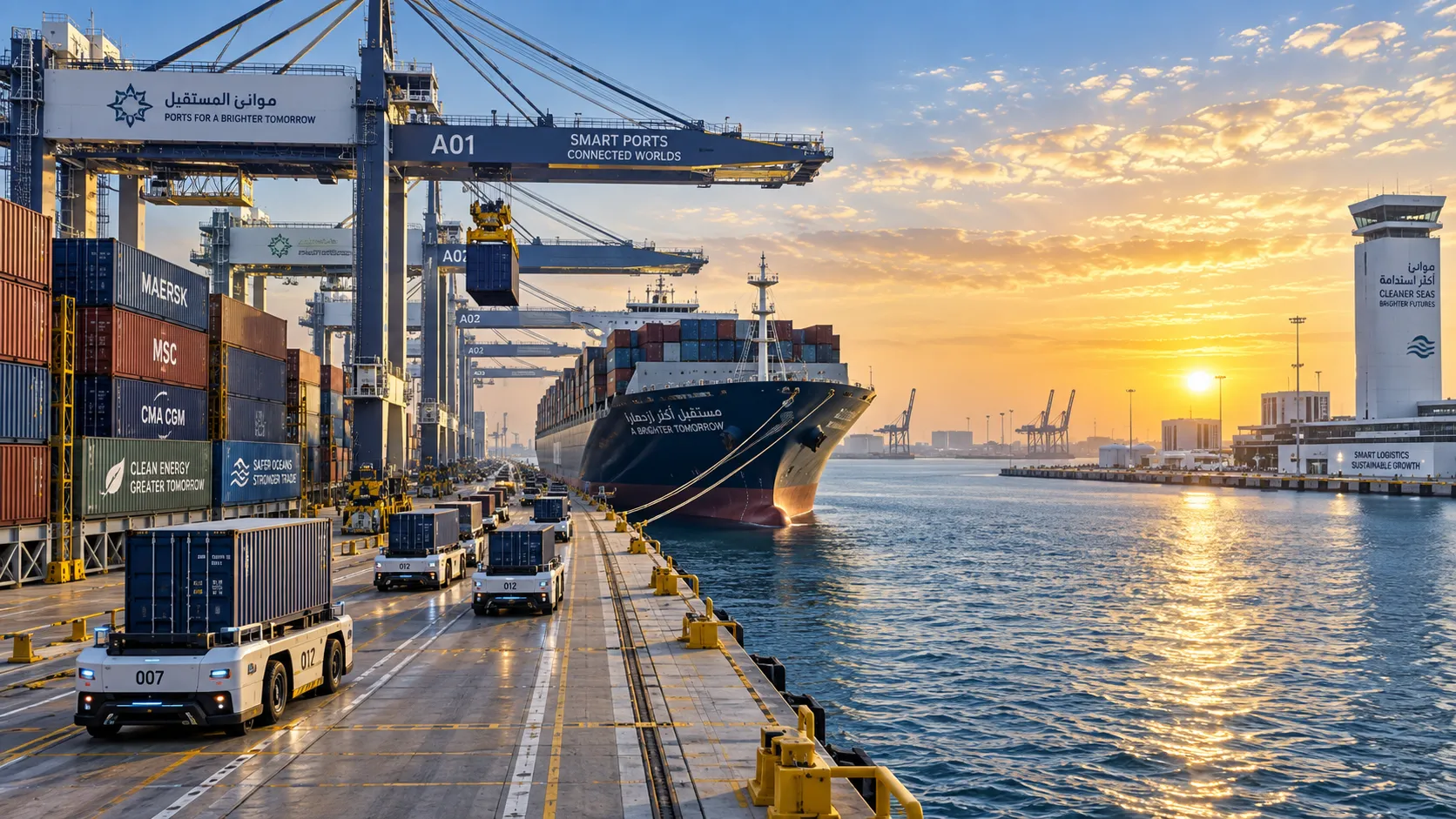
Middle East Port Automation: Key Market Drivers, Projects, and Investment Risks
Port automation systems Middle East: explore market drivers, flagship projects, integration challenges, and investment risks shaping smarter, resilient terminals.
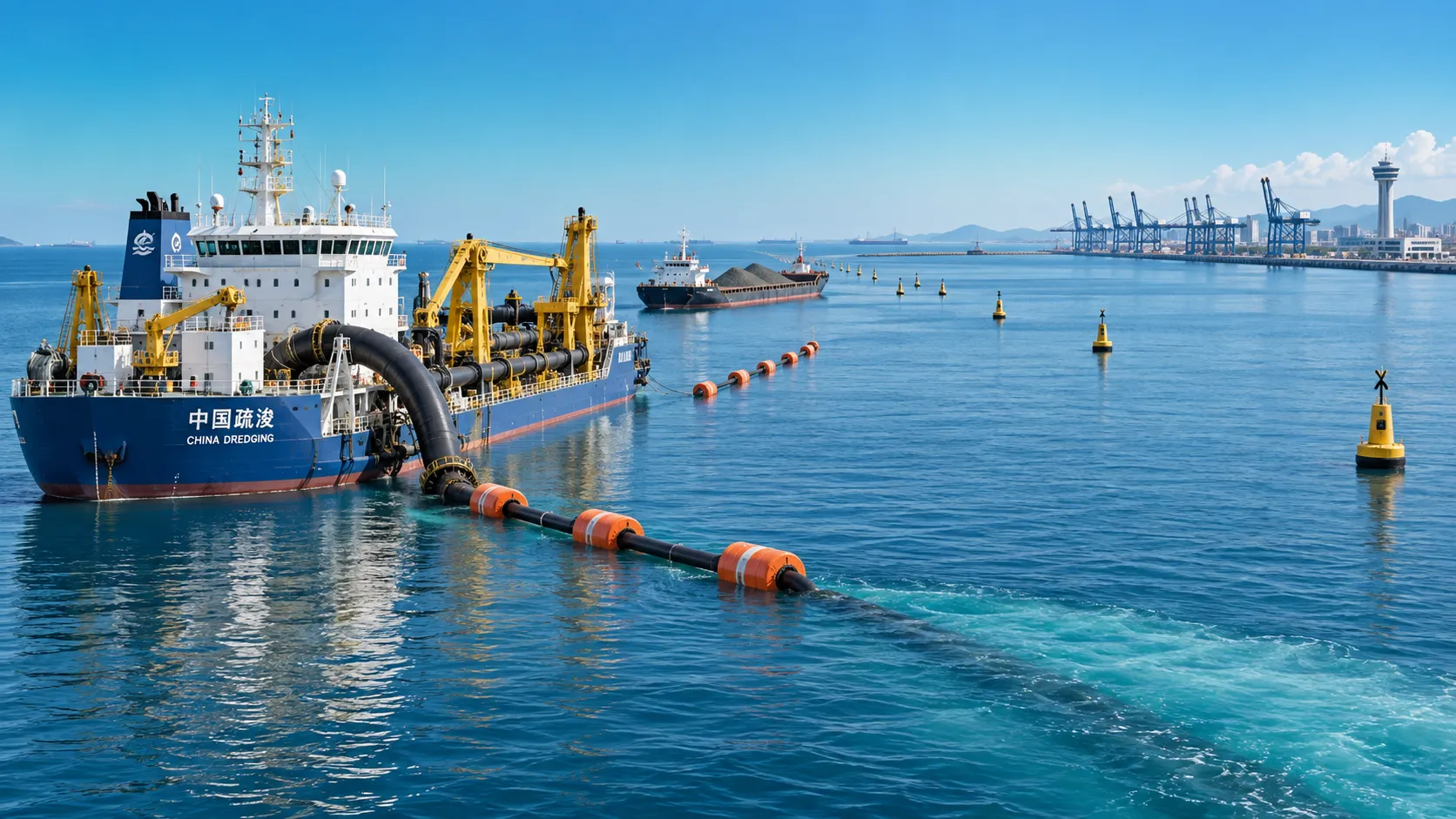
Planning Offshore Dredging Operations: Key Risks, Methods, and Project Controls
Offshore dredging operations demand smart planning. Explore key risks, proven methods, environmental controls, and project strategies for reliable delivery.